Branch
Ethics
138 philosophers, 9 traditions
How to live and how to act: the good life, virtue, duty, happiness, and what makes actions right or wrong.
Highlight them on the timeline →
Themes in this branch
Philosophers
Listed where the reference works cited on their page describe significant work in ethics.
Western
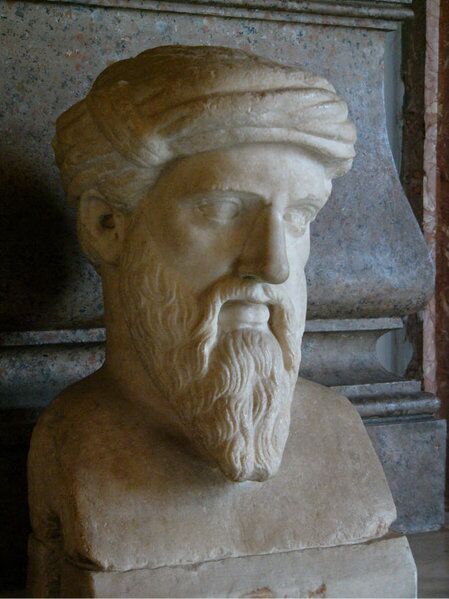 PythagorasGreek sage who taught that the soul is immortal and is reborn in other bodies, and founded a disciplined way of life; later legend made him the father of mathematics.
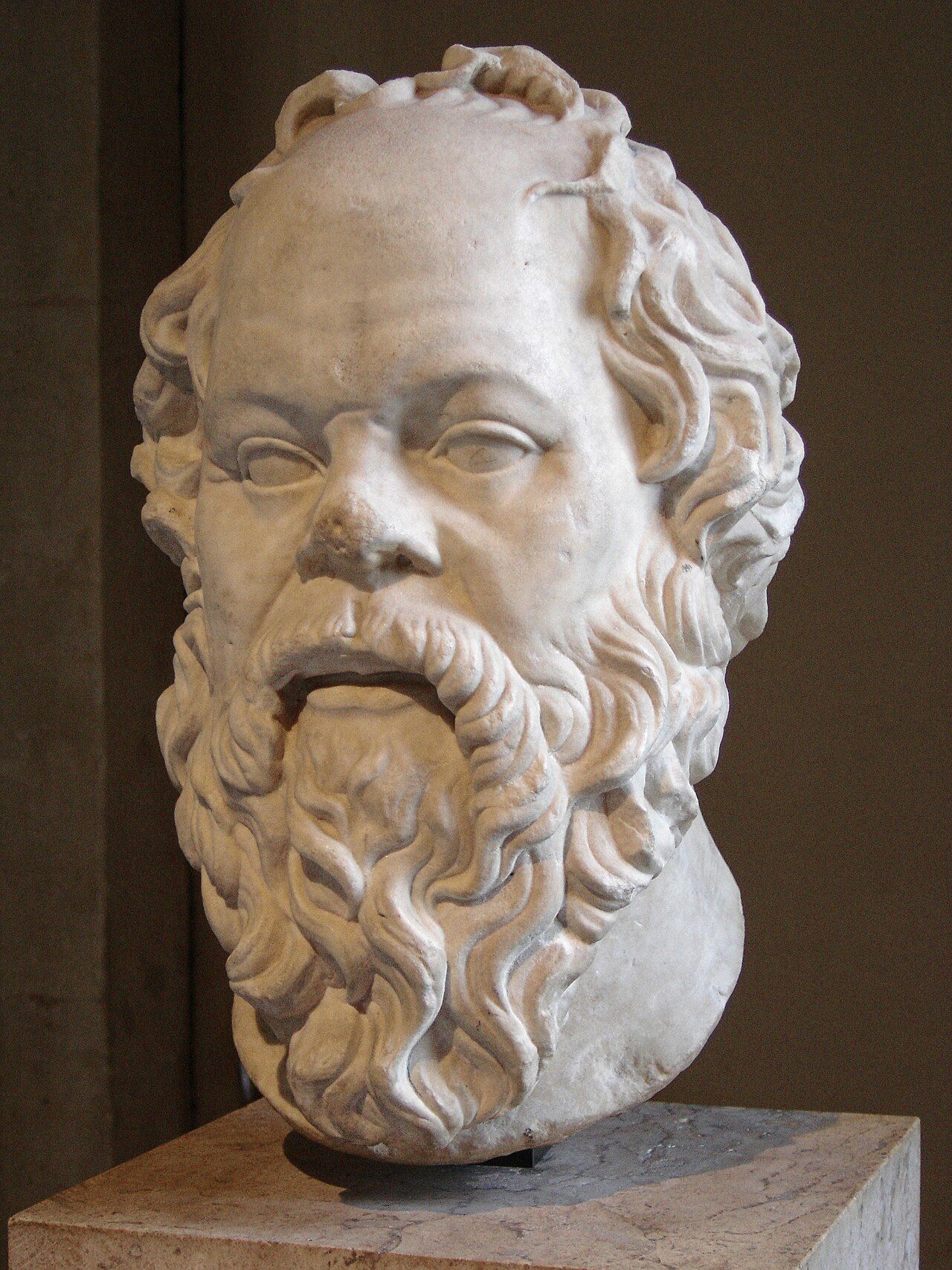 SocratesAthenian who wrote nothing but, through relentless questioning about how to live, became the founding figure of Western moral philosophy.
- DemocritusCo-founder of ancient atomism, who held that the world is made of indivisible atoms moving in void, and that the good life is one of cheerfulness.
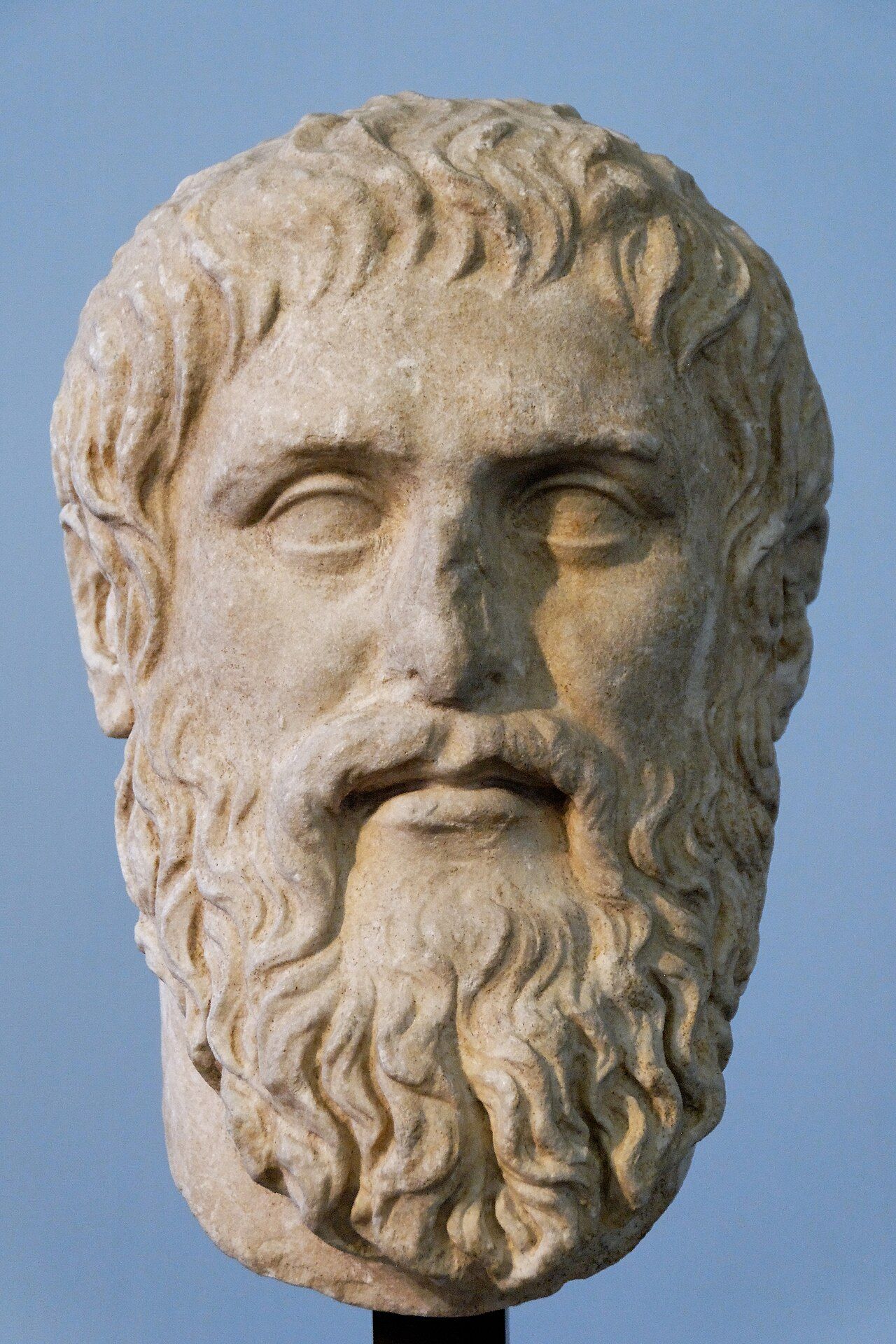 PlatoStudent of Socrates and founder of the Academy, whose dialogues range across ethics, politics, knowledge and reality, and introduce the theory of Forms.
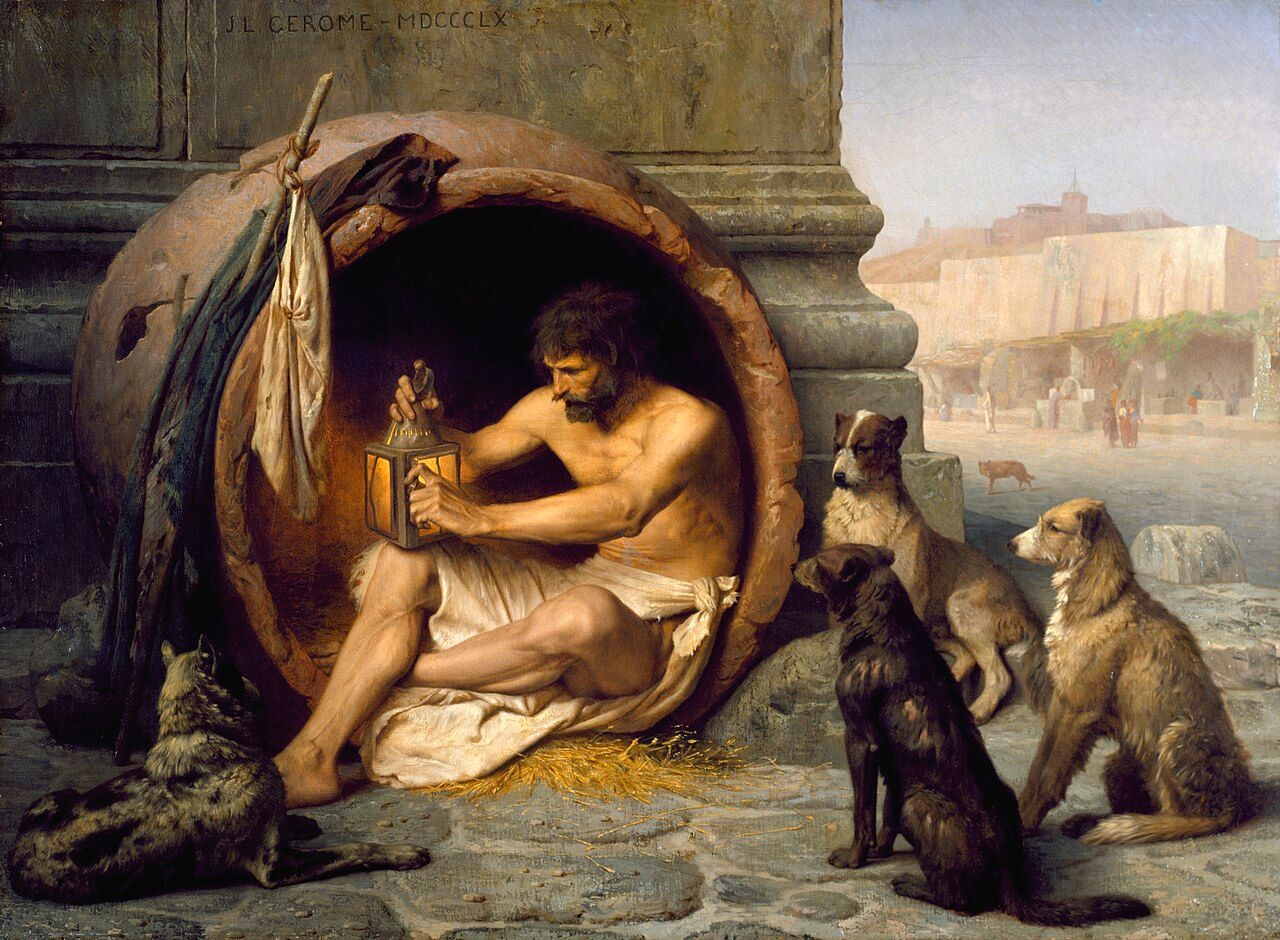 Diogenes of SinopeThe model Cynic, who lived in a storage jar in Athens, flouted convention to show that a life according to nature and reason needs almost nothing, and called himself a citizen of the world.
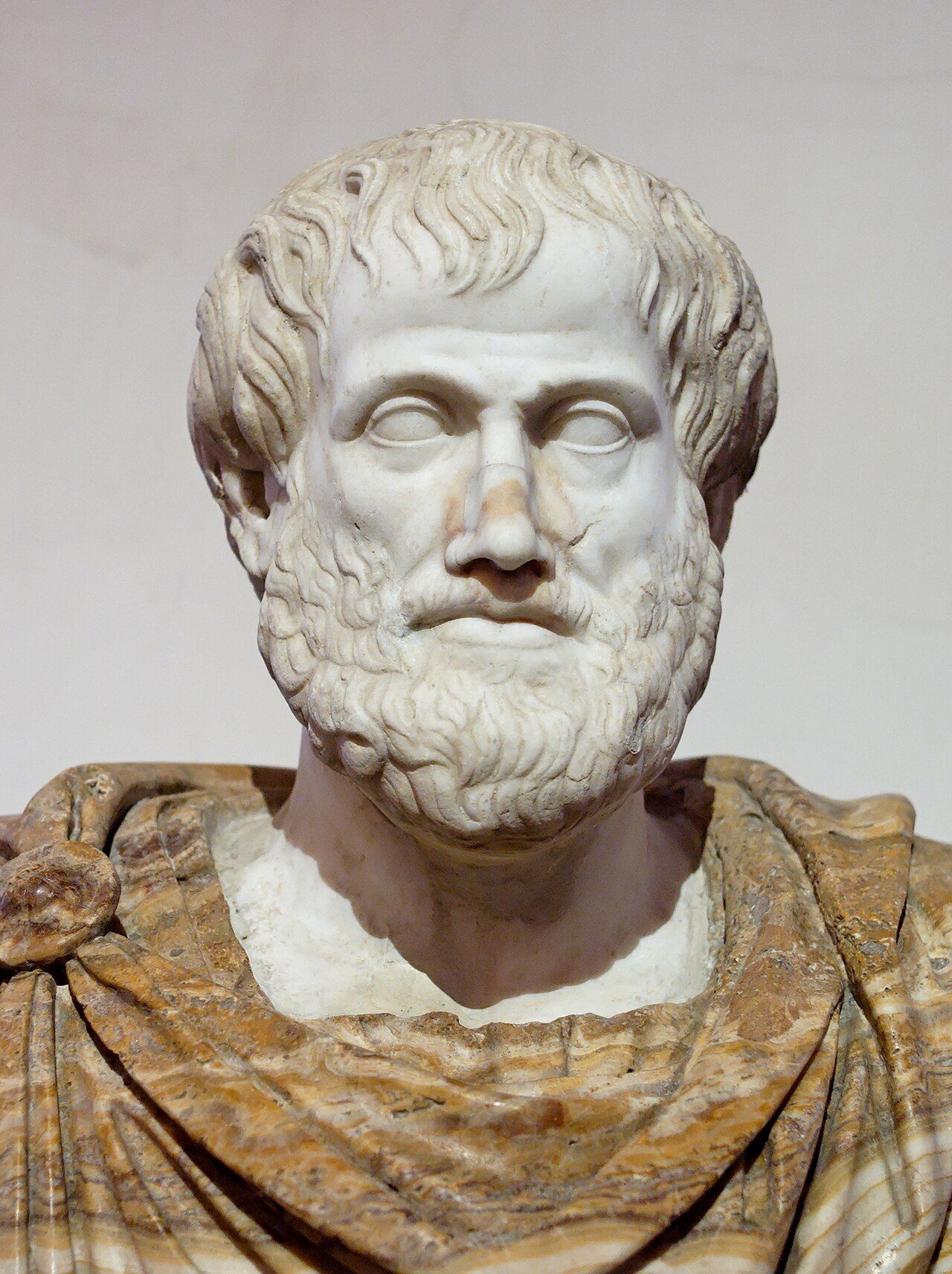 AristotlePlato's student, who systematised logic and wrote on nearly every field of knowledge, from biology and physics to ethics, politics and metaphysics.
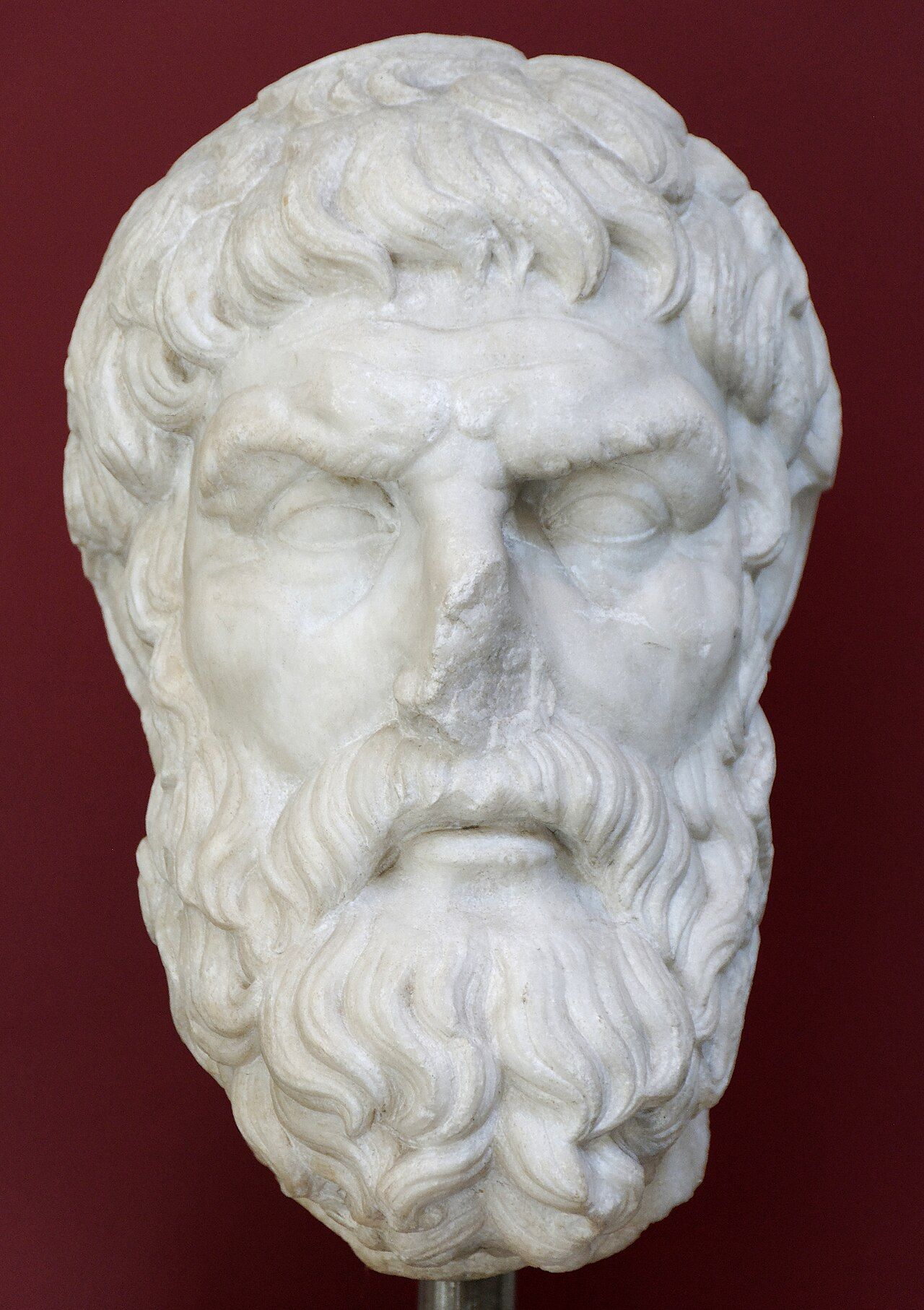 EpicurusTaught that the good life is one of tranquil pleasure, free from fear of the gods and of death, and explained the world as atoms moving in the void.
- HipparchiaCynic philosopher, wife of Crates, one of the few known women philosophers of ancient Greece, famous for her shamelessness and her sharp wit at men's symposia.
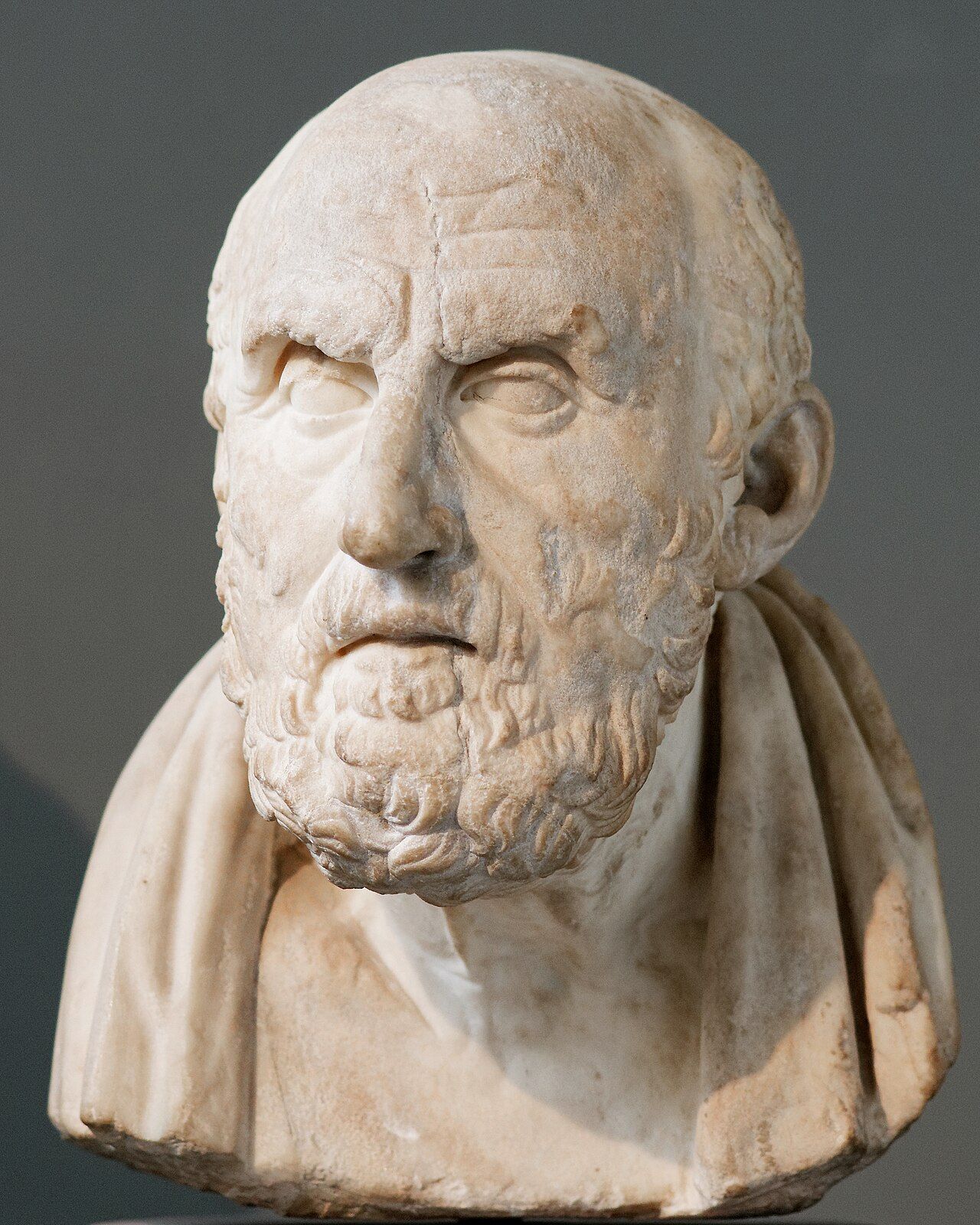 ChrysippusThird head of the Stoic school and its great systematiser, who developed a logic of propositions and argued that a fated world leaves room for moral responsibility.
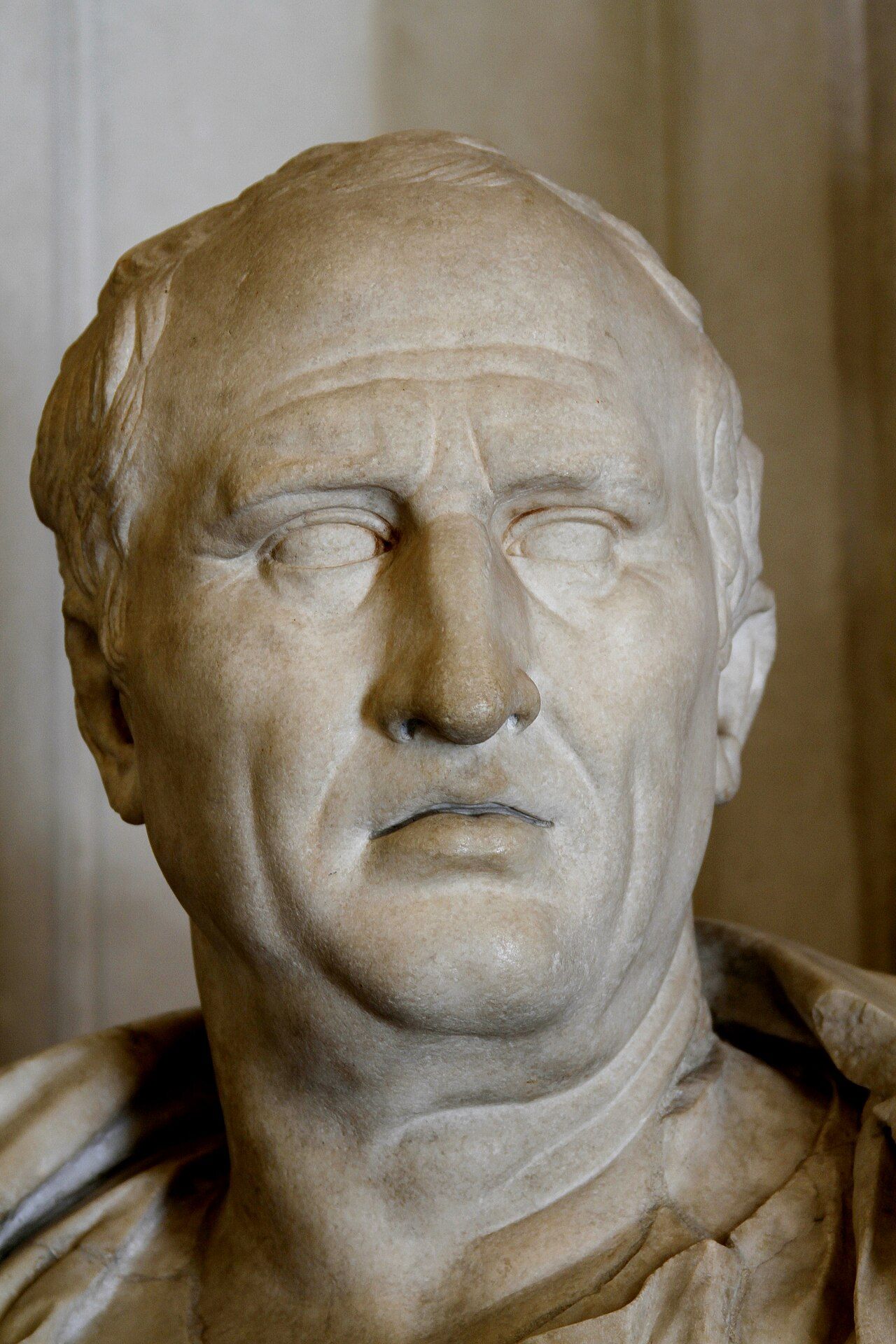 CiceroRoman statesman and orator whose dialogues brought Greek philosophy into Latin, setting rival schools' views side by side in the spirit of Academic scepticism.
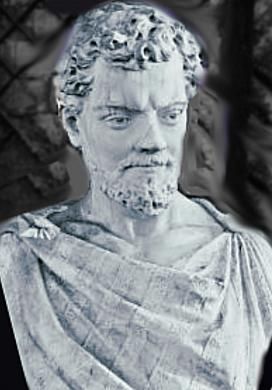 LucretiusRoman poet whose _On the Nature of Things_ set out Epicurus' atomism in Latin verse, to free readers from fear of the gods and of death.
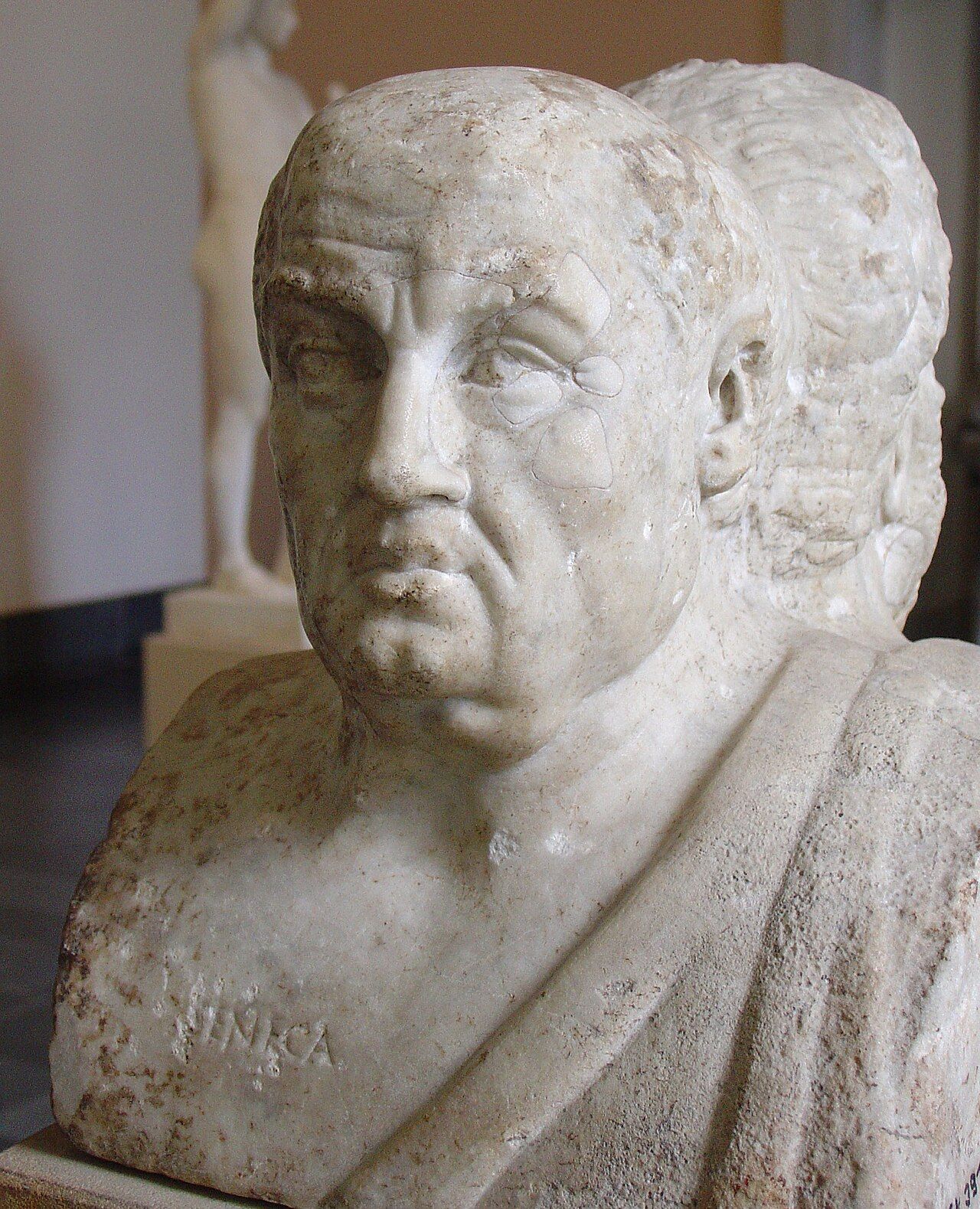 SenecaRoman Stoic, statesman and adviser to Nero, whose letters and essays made Stoic ethics a practical guide to living and shaped how later readers saw Stoicism.
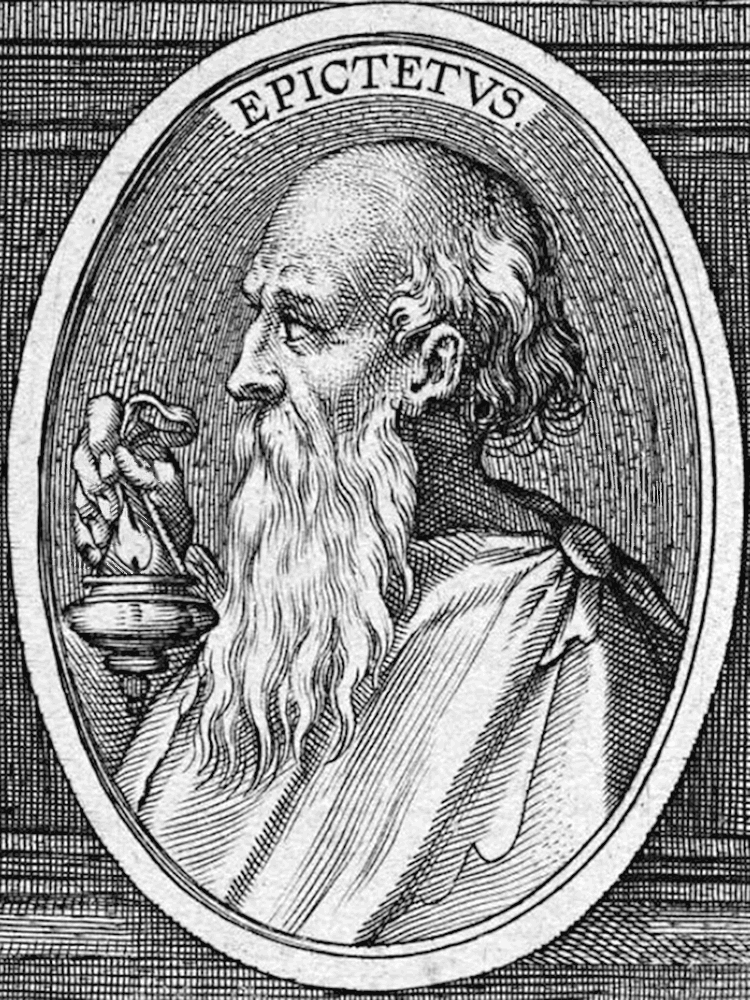 EpictetusFormer slave turned Stoic teacher, who taught that our freedom lies entirely in our own choices and judgements, and that everything else is outside our control.
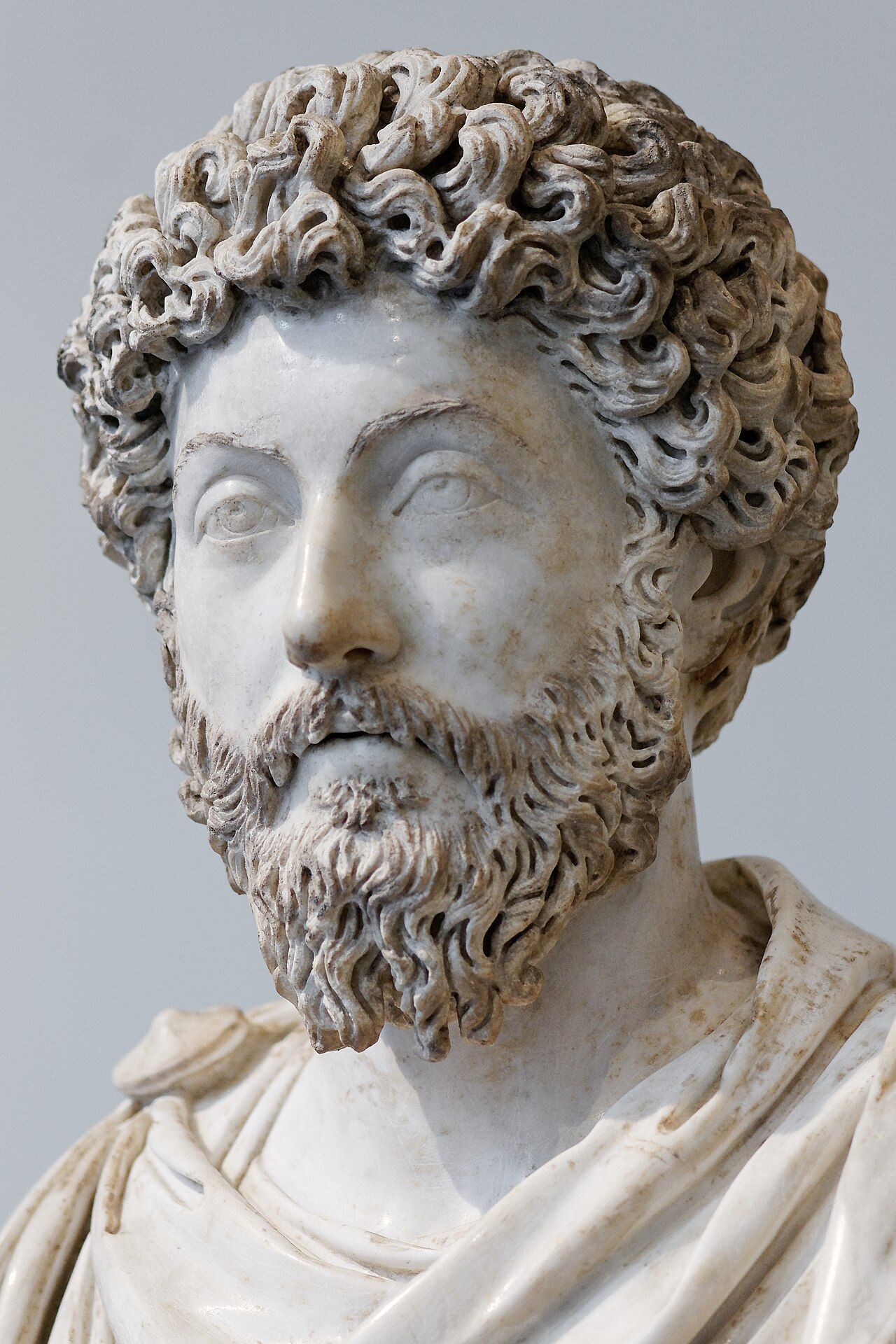 Marcus AureliusRoman emperor and Stoic whose private notebook, the Meditations, shows him trying to live by the Stoic view that virtue is the only good.
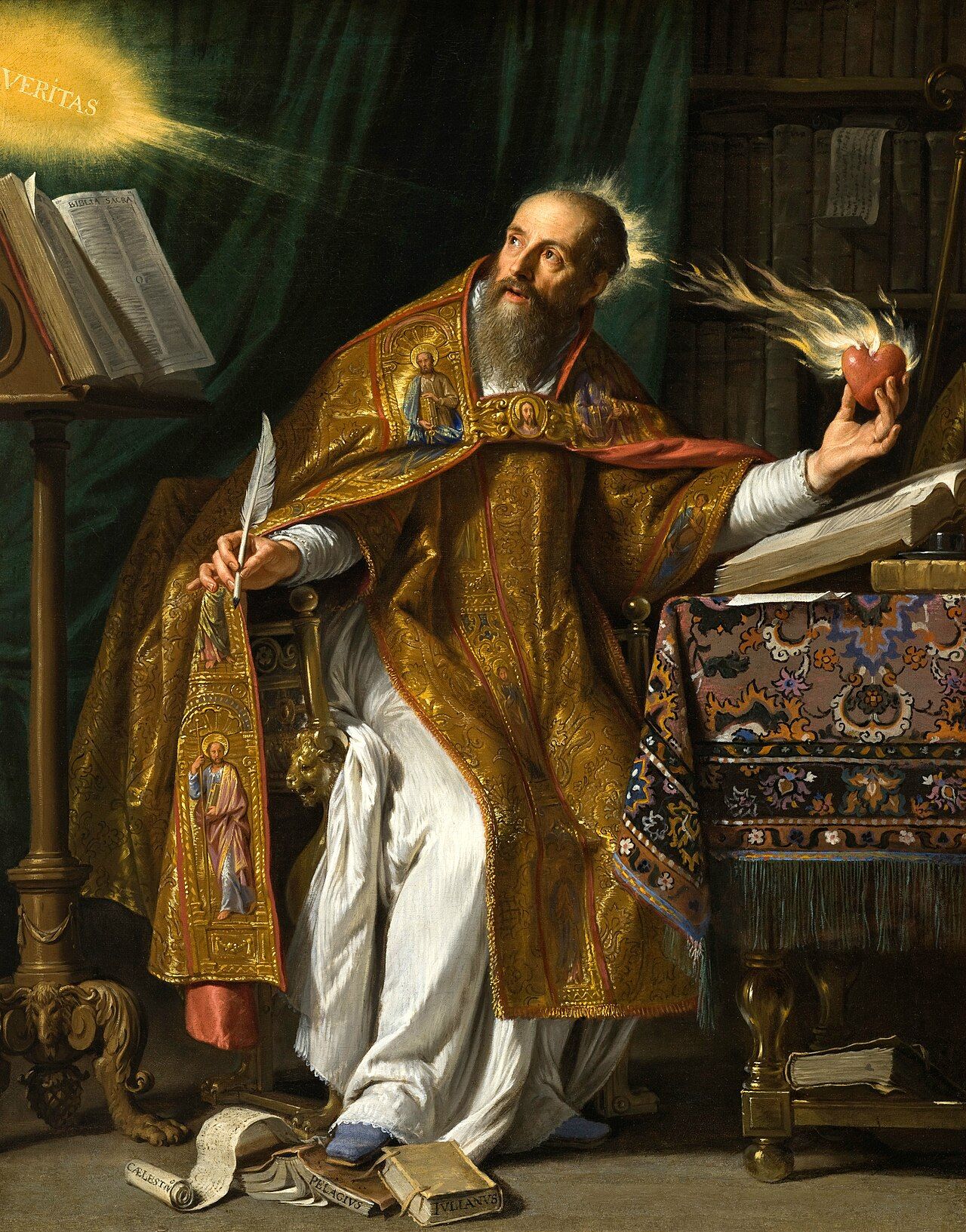 AugustineBishop of Hippo whose writings on sin, grace, free will and time made him the most influential Christian thinker of late antiquity and the Latin Middle Ages.
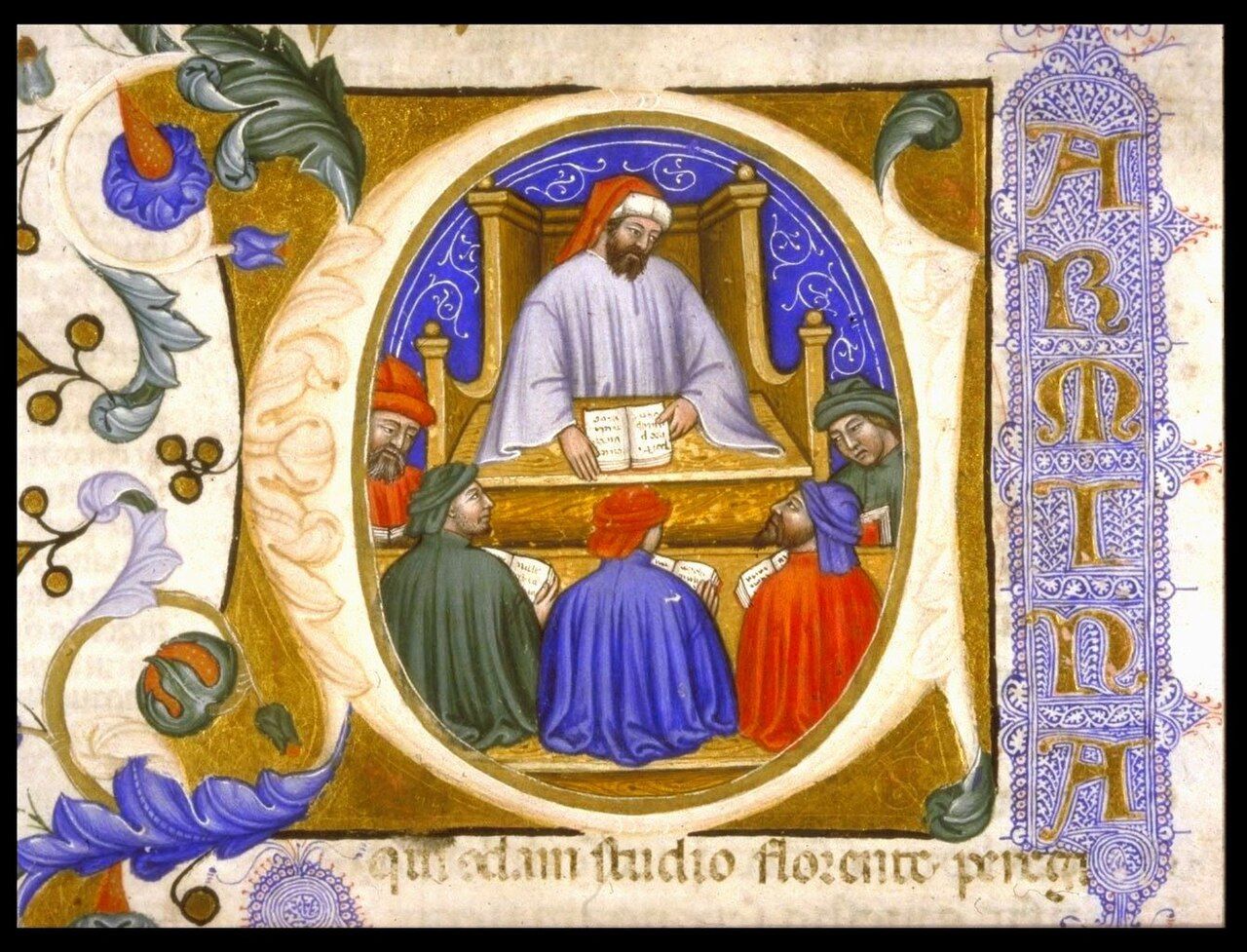 BoethiusRoman statesman who handed Aristotle's logic to the Latin Middle Ages, and wrote The Consolation of Philosophy in prison while awaiting execution.
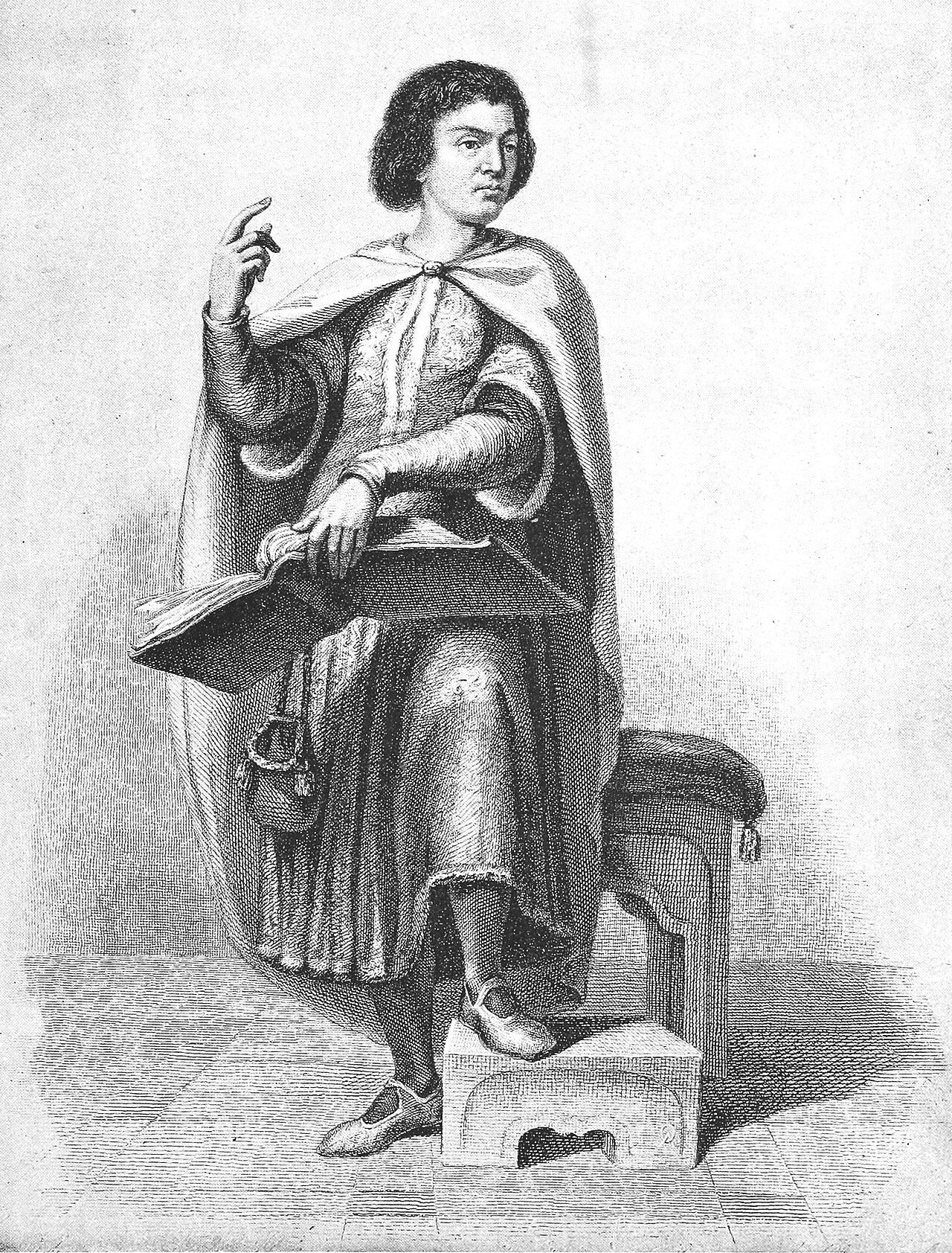 Peter AbelardThe pre-eminent philosopher of the twelfth century, a great logician and the first great nominalist, who held that intention alone makes an act right or wrong.
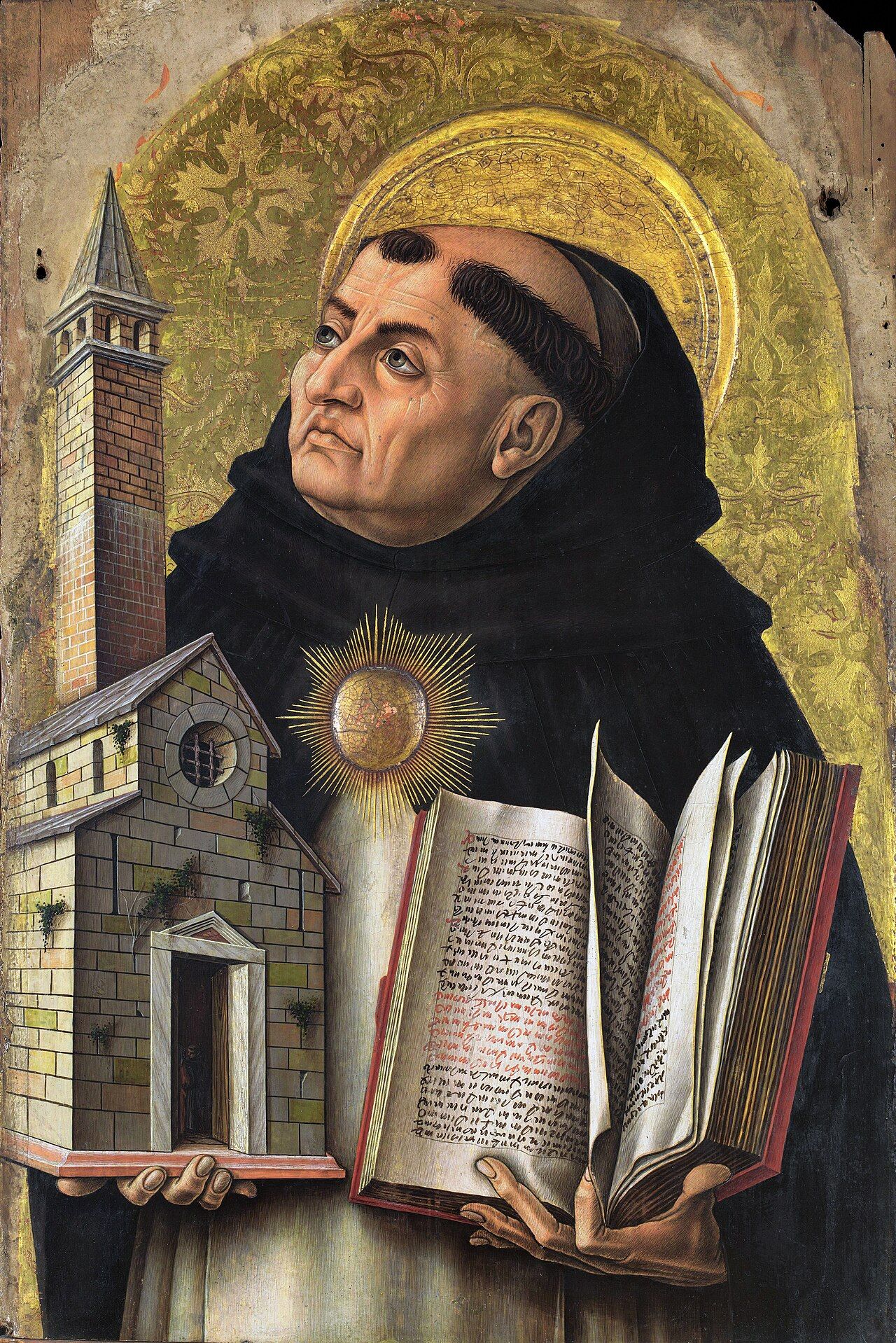 Thomas AquinasDominican friar and theologian who combined Aristotle's philosophy with Christian doctrine in the most influential synthesis of medieval scholasticism.
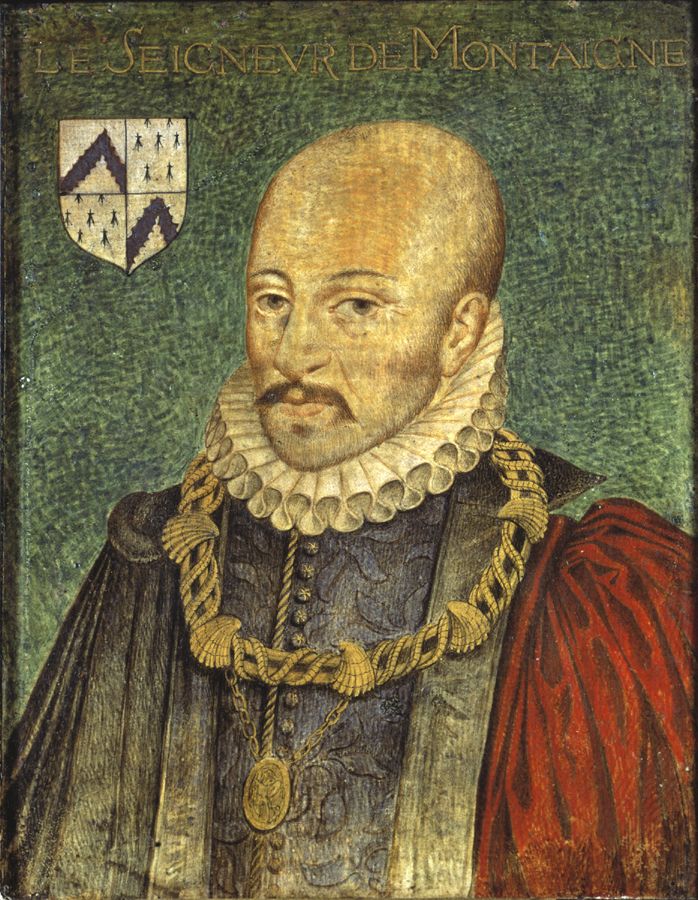 Michel de MontaigneFrench essayist who revived ancient scepticism, took "What do I know?" as his motto, and made the free exercise of one's own judgement the aim of philosophy.
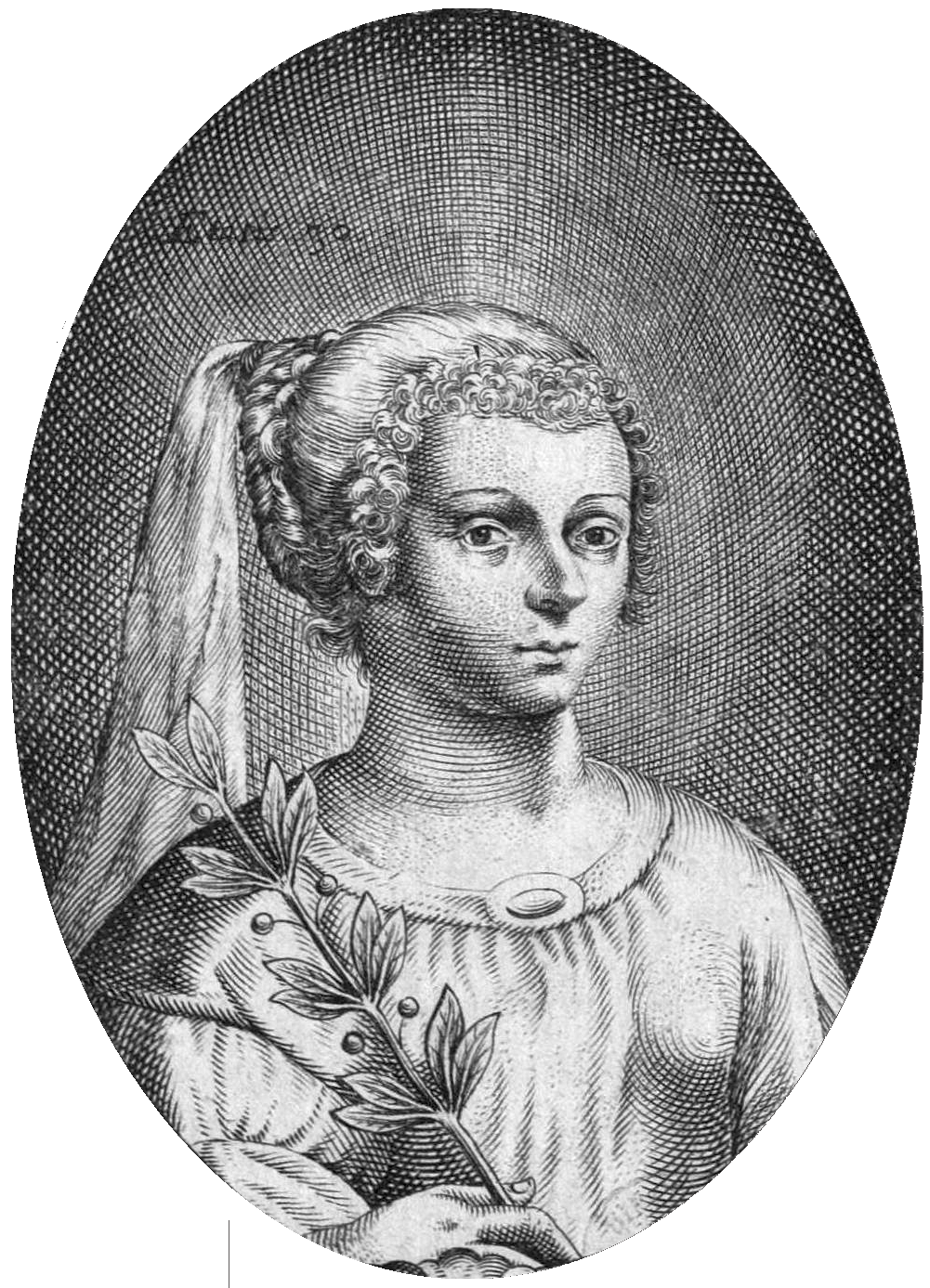 Marie de GournayFriend and editor of Montaigne, whose essays defended the equality of the sexes and women's right to education and public office.
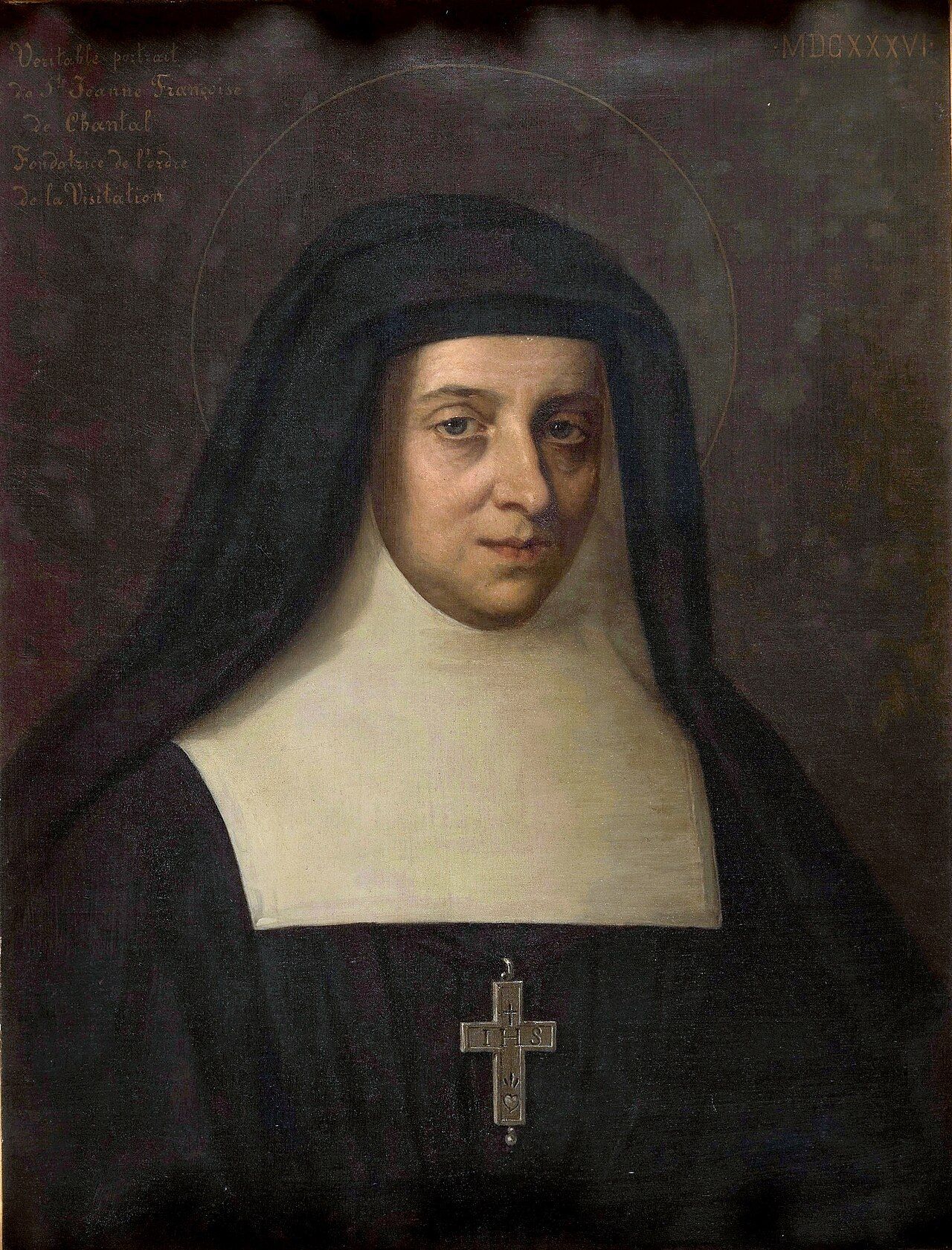 Jeanne de ChantalFounder of the Visitation order, whose lectures and letters mapped the soul's journey to perfection: an early modern moral psychology written for women.
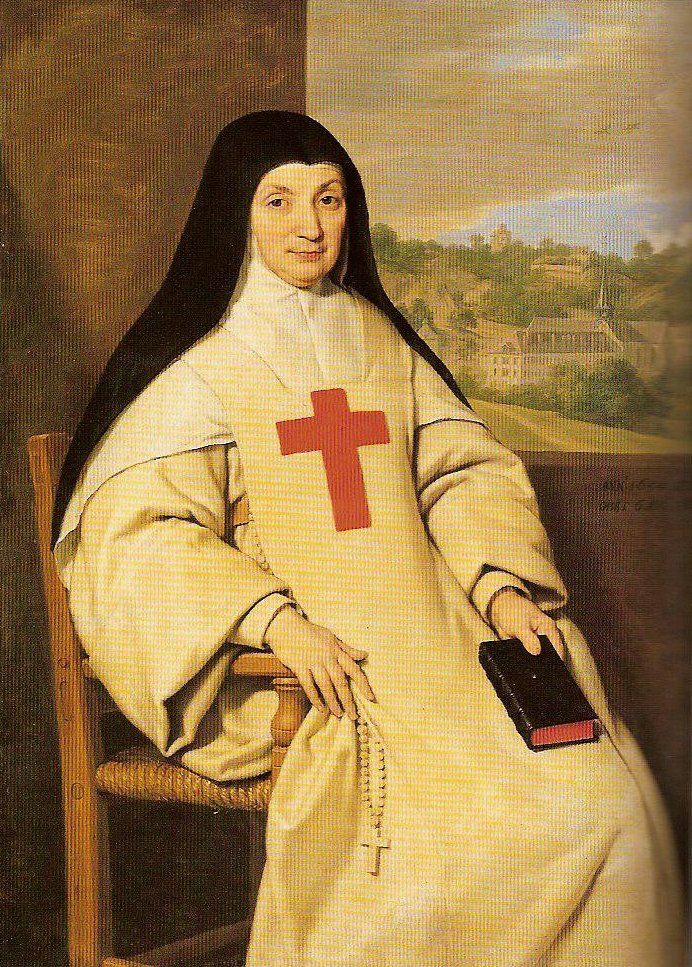 Angélique ArnauldReforming abbess of Port-Royal whose Jansenist Augustinianism defended women's rights to education, self-government and conscience.
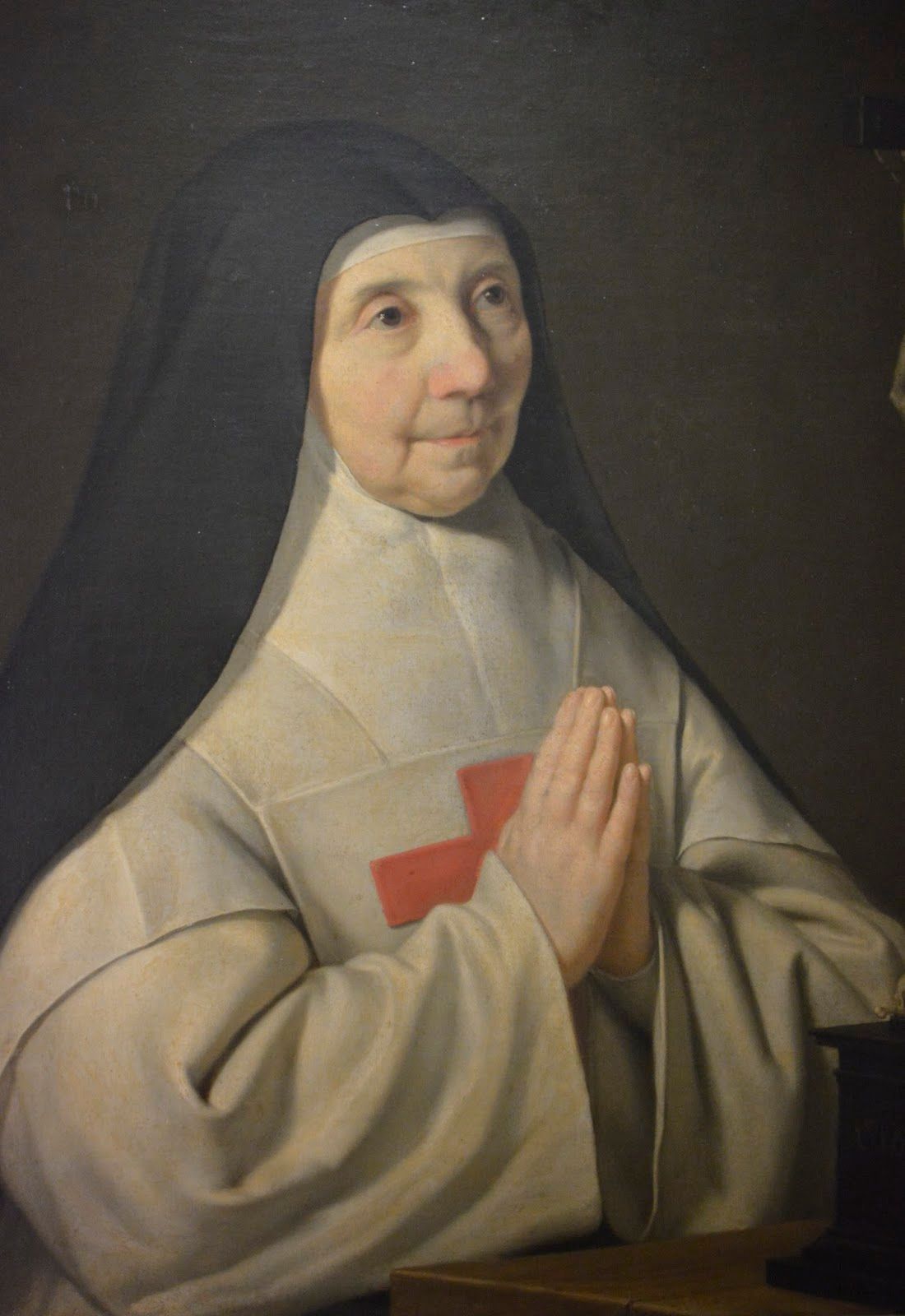 Agnès ArnauldAbbess of Port-Royal whose writings defended women's spiritual freedom and set out an ethics of resistance to illegitimate commands of church and state.
 Madame de SabléParis salon host and patron of La Rochefoucauld whose maxims unmasked virtue as disguised pride and self-interest, with friendship as the one exception.
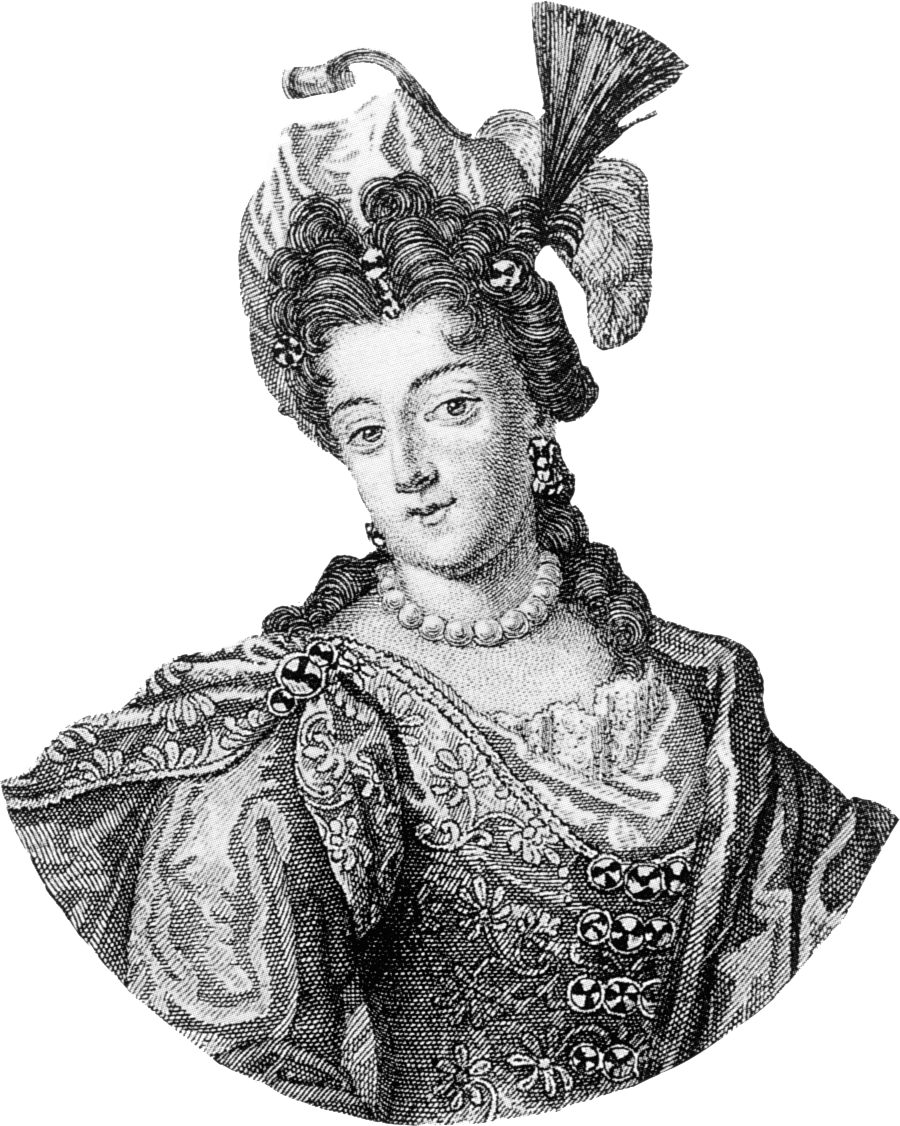 Madeleine de ScudéryFrench novelist and salon host whose philosophical dialogues analysed the virtues of aristocratic society and defended women's right to a public and political voice.
- Margaret FellQuaker writer hailed as a feminist pioneer for Womens Speaking Justified, which argued from Scripture and the inner light that women may preach.
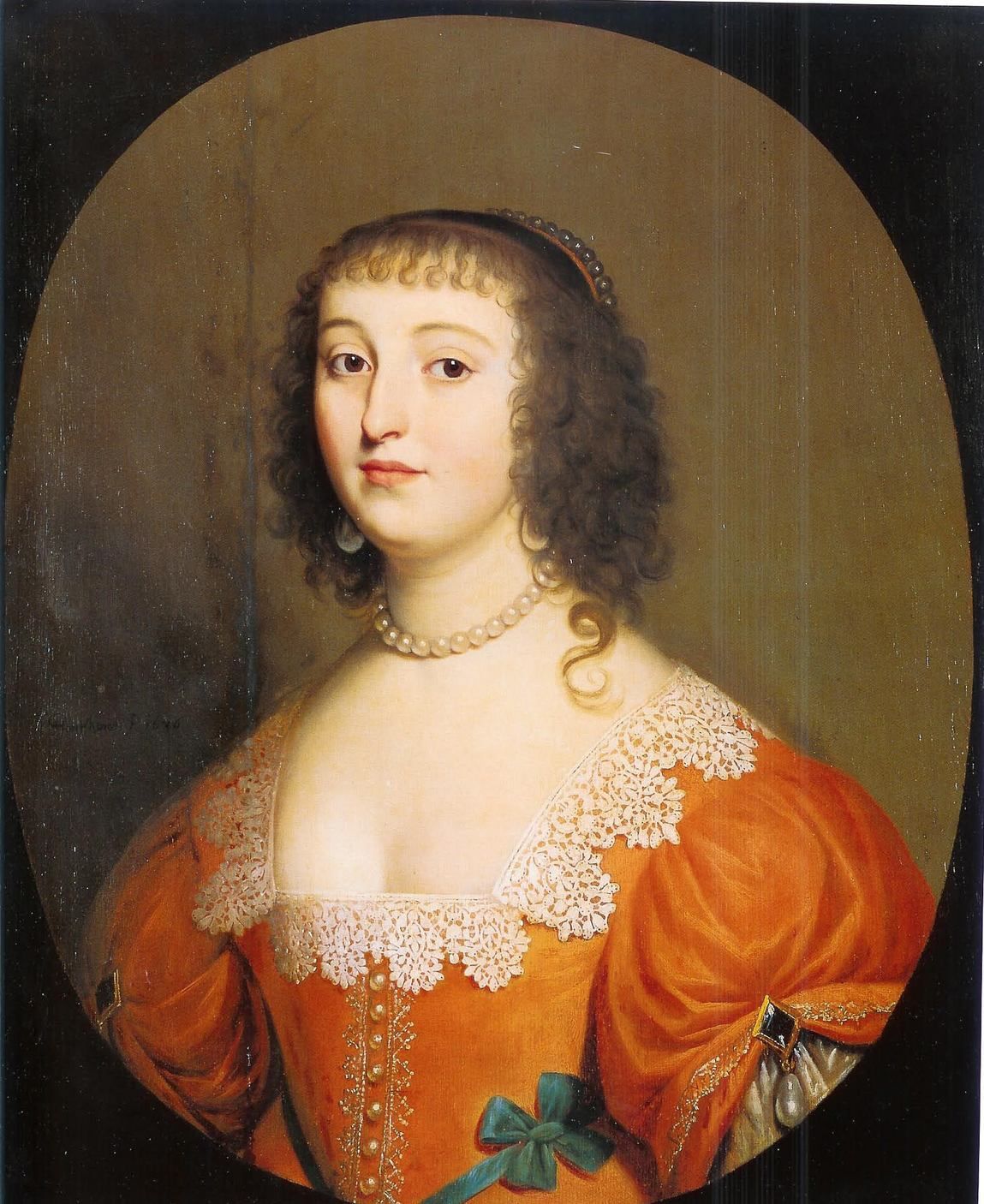 Elisabeth of BohemiaExiled princess whose letters to Descartes asked how an immaterial mind could move a body, and pressed him on the passions, virtue, happiness and how to rule.
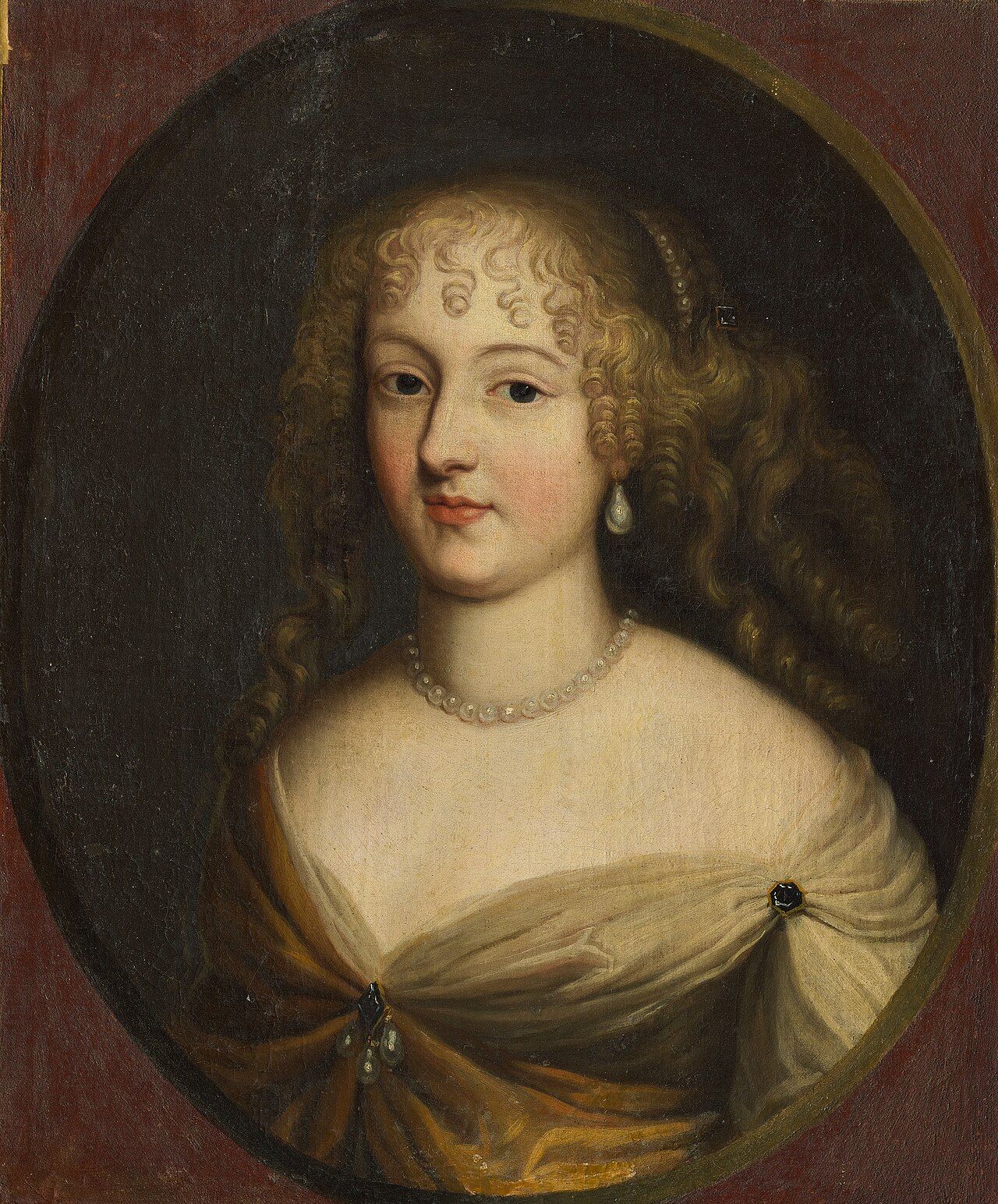 Ninon de LenclosParis salon host and courtesan whose Epicurean naturalism made pleasure the aim of conduct and claimed for women the same right to pursue it as men.
- Angélique de Saint-Jean Arnauld d'AndillyAbbess of Port-Royal and leader of the uncompromising wing of Jansenism, who set out an ethics of resistance by which a persecuted minority can refuse coercion.
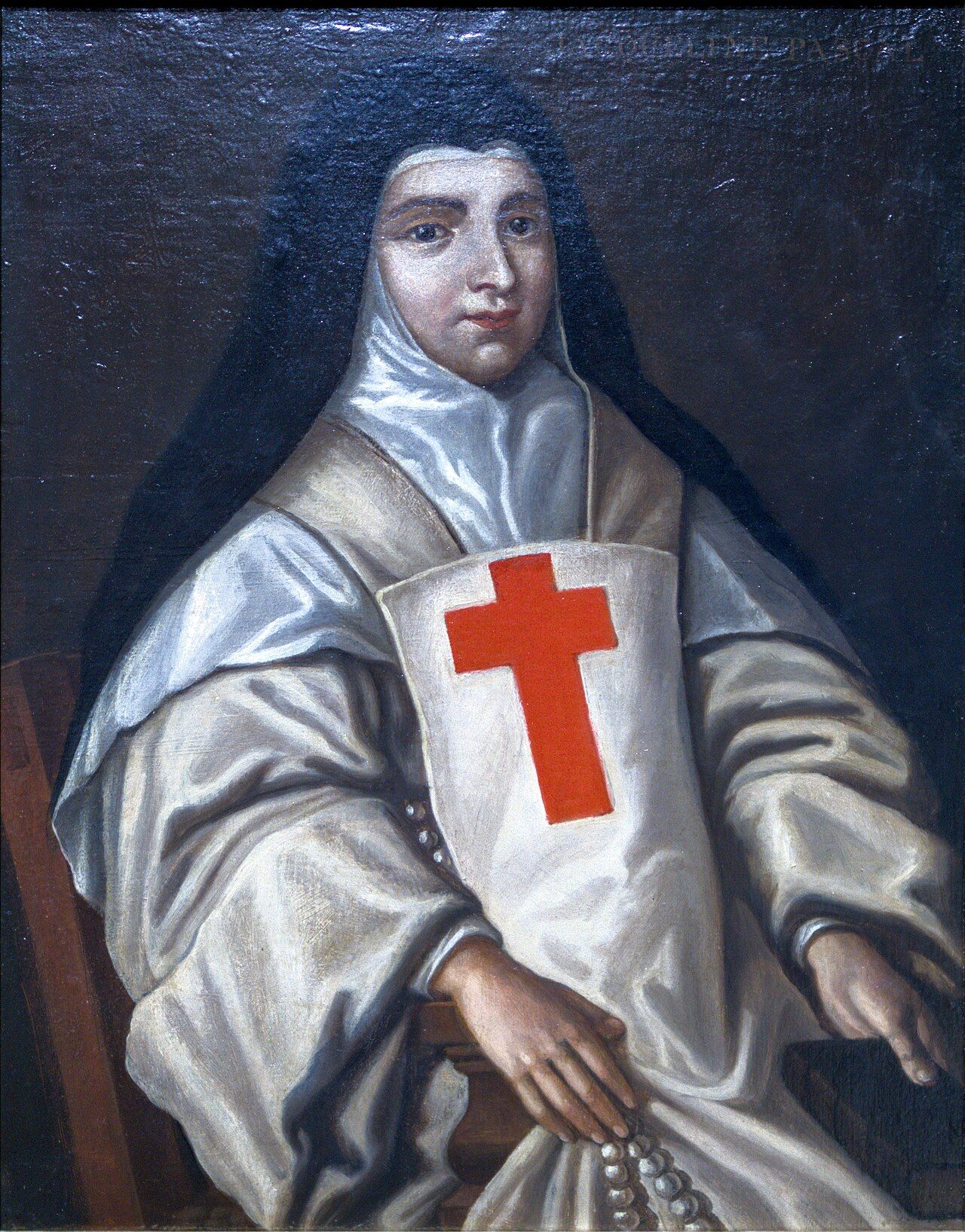 Jacqueline PascalCistercian nun of Port-Royal, sister of Blaise Pascal, whose writings on education and conscience defended women's right to a vocation, to theology and to dissent.
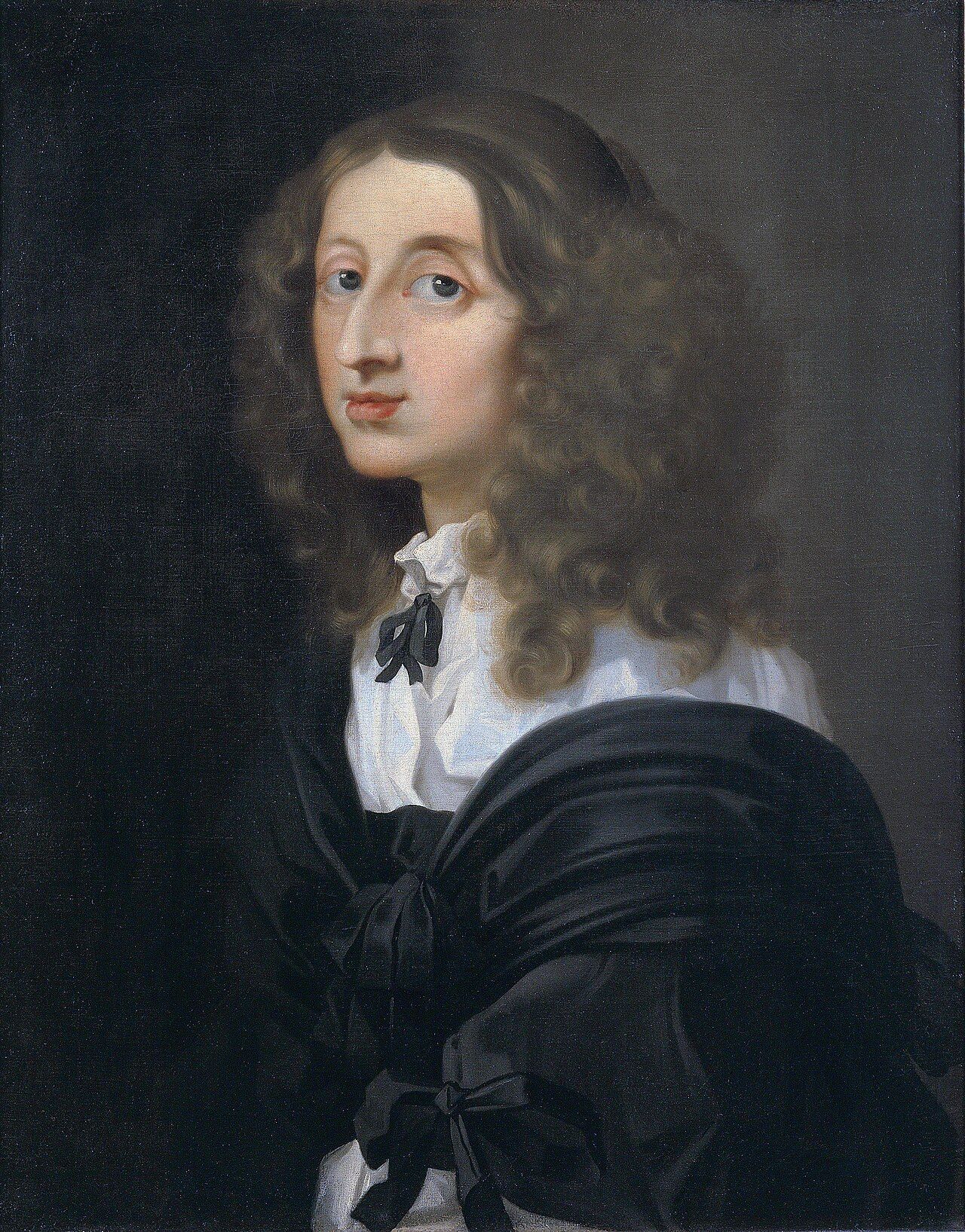 Kristina WasaQueen of Sweden who brought Descartes to Stockholm, abdicated in 1654, and wrote on virtue, the equality of the sexes and the toleration of religious minorities.
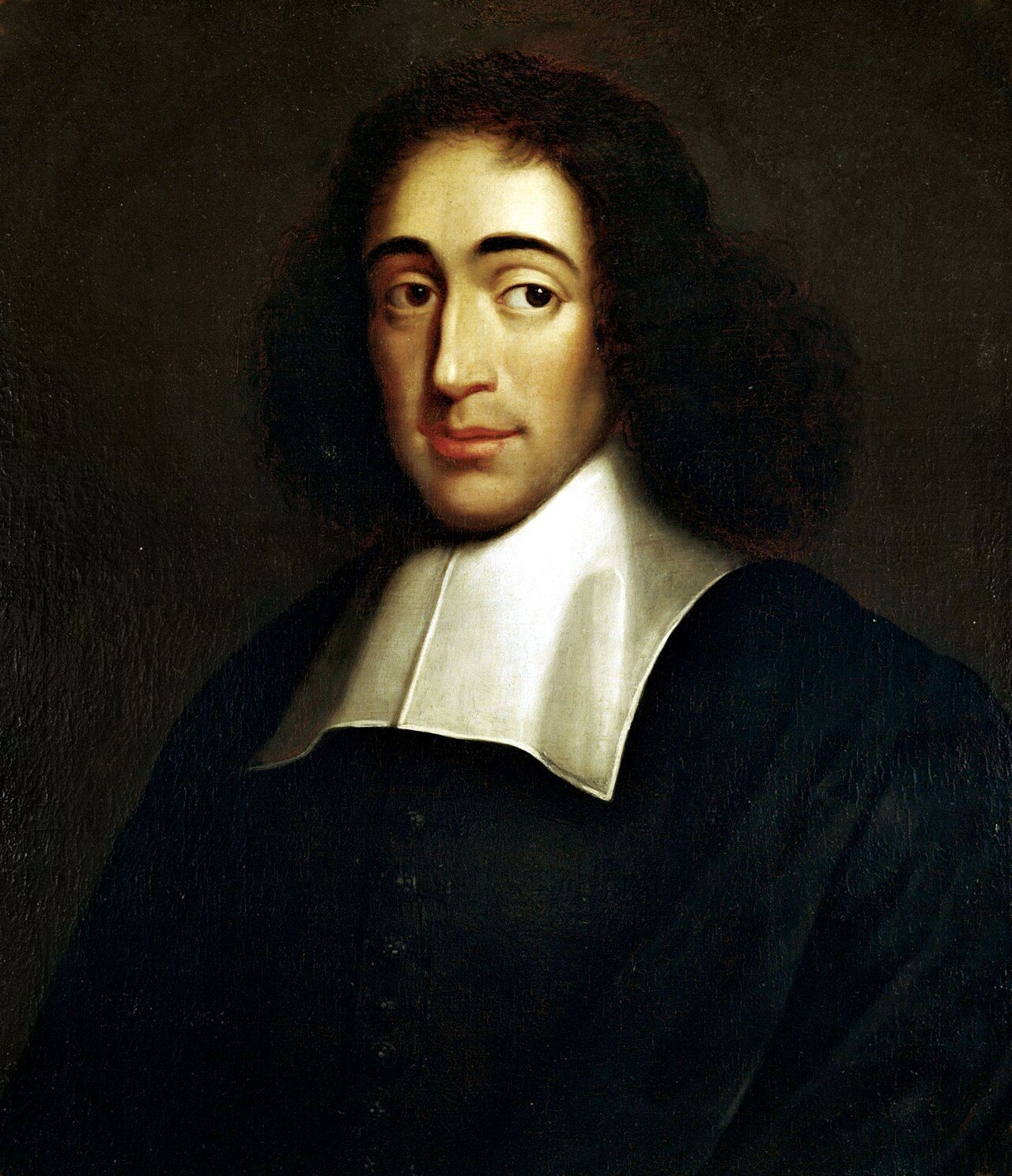 Baruch SpinozaRationalist who identified God with Nature and set out his ethics in the form of geometrical proofs.
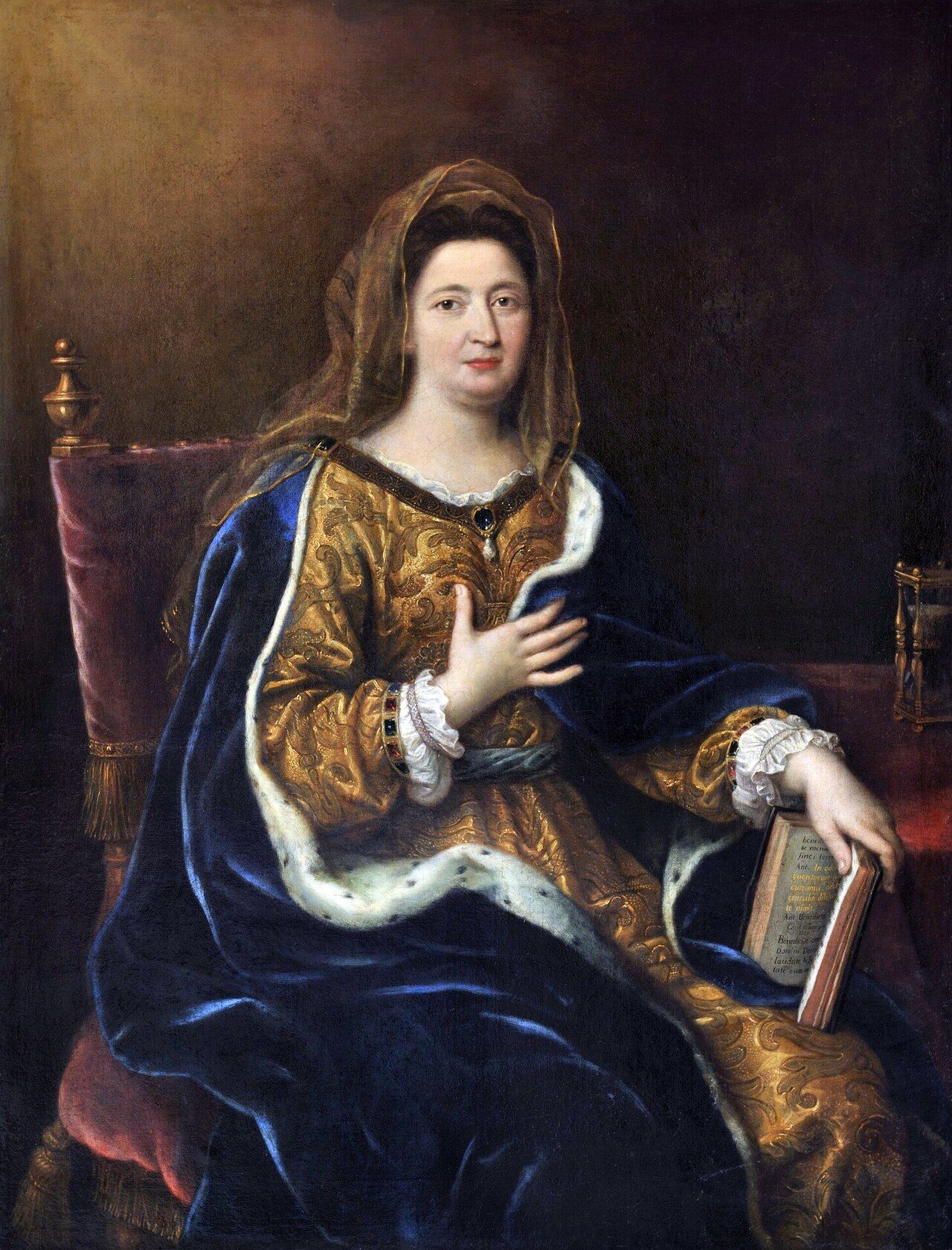 Madame de MaintenonSecond wife of Louis XIV and founder of the school for girls at Saint-Cyr, whose educational philosophy put moral formation before intellectual cultivation.
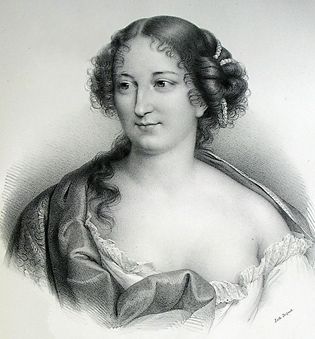 Antoinette DeshoulièresFrench poet who, following Lucretius and her friend Gassendi, used verse to defend naturalism: thought, choice and love explained by matter and instinct.
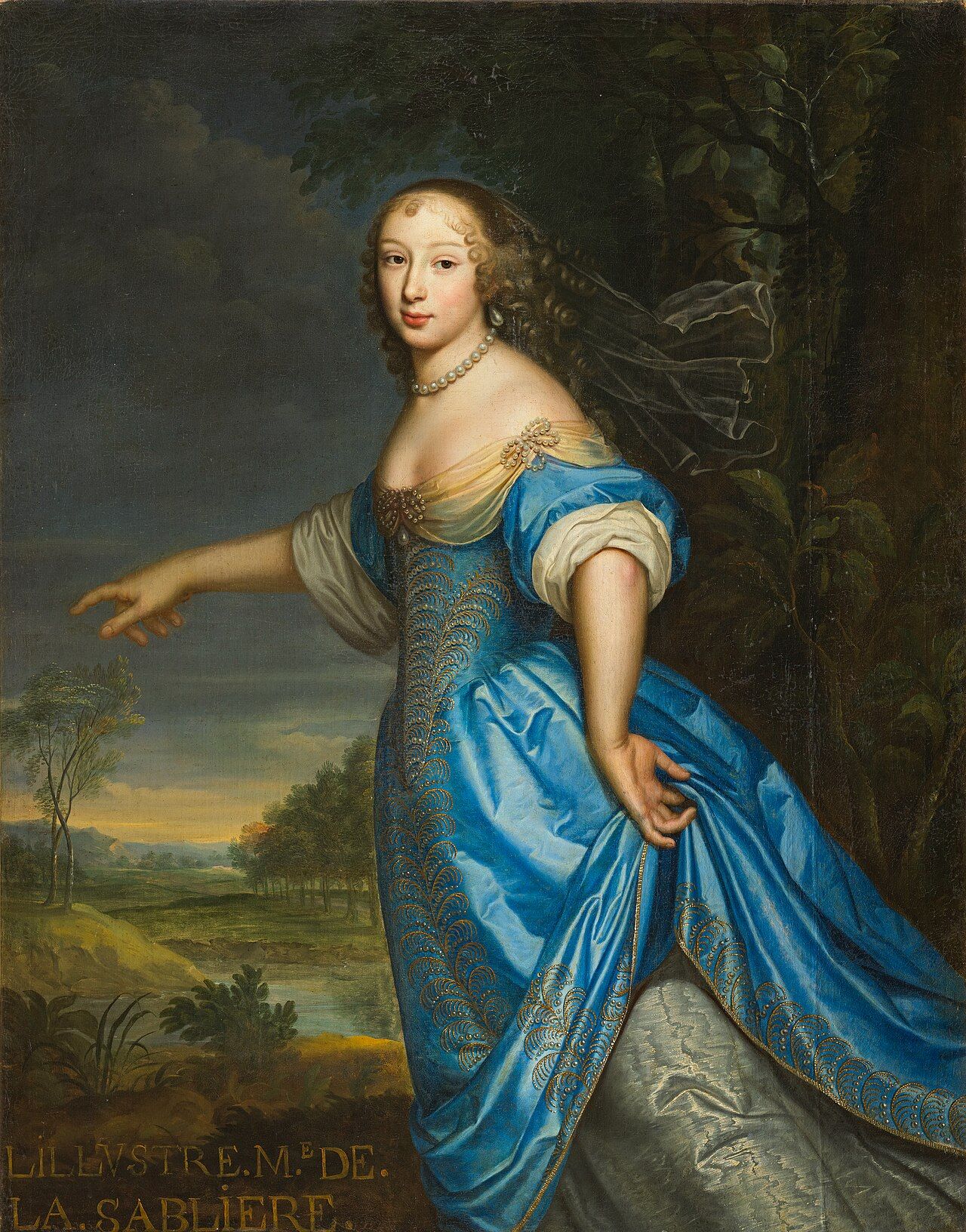 Marguerite de La SablièreParis salon host, patron of La Fontaine and early woman astronomer, whose moral writings held natural virtues to be disguised vices and only the theological virtues genuine.
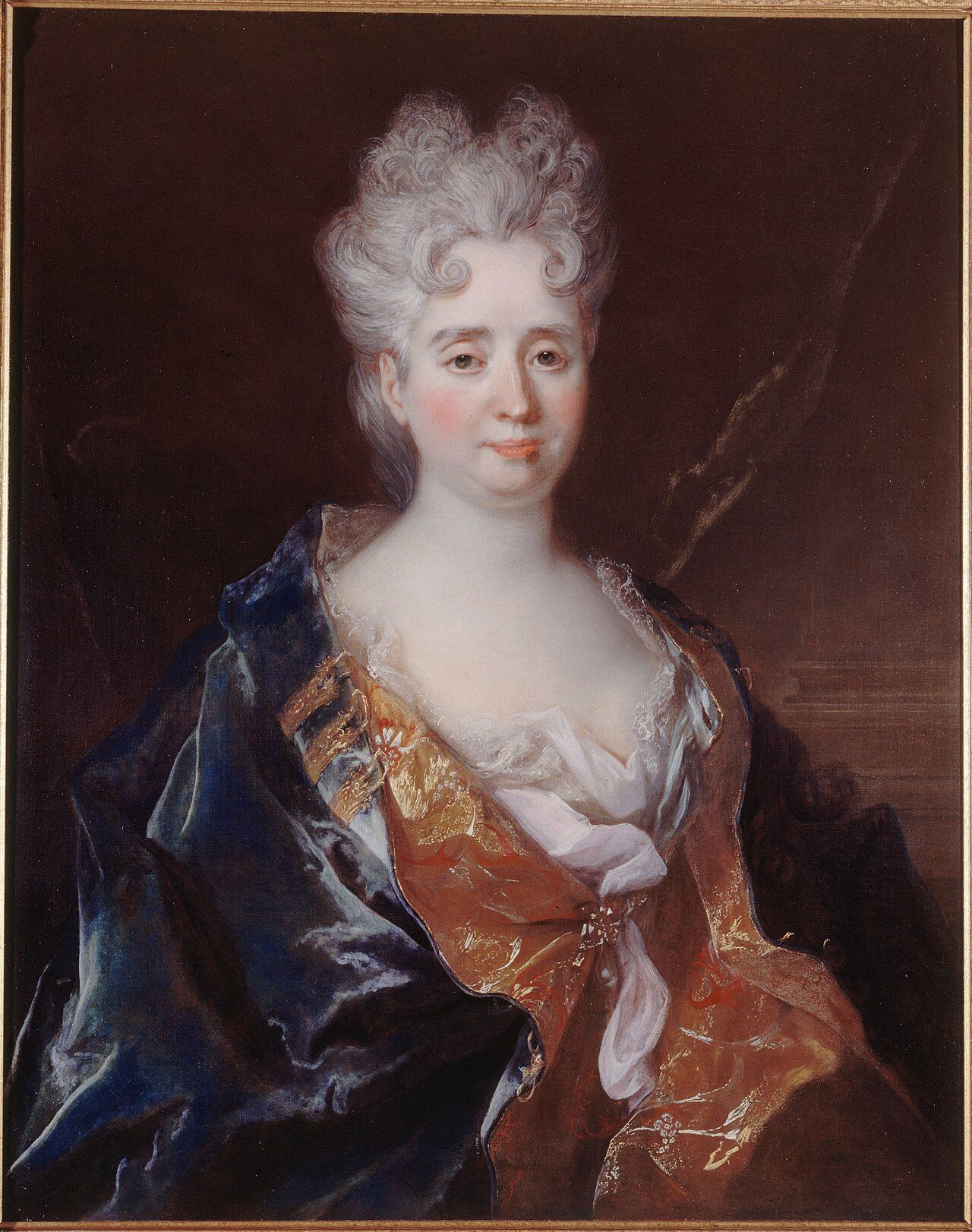 Marquise de LambertParis salon host whose essays defended the dignity of women, criticised the inequalities of her society, and were praised by Fontenelle, Montesquieu and Voltaire.
- Damaris MashamOne of the earliest English women philosophers, friend of Locke and correspondent of Leibniz, who defended a reasonable Christianity and argued for the education of women.
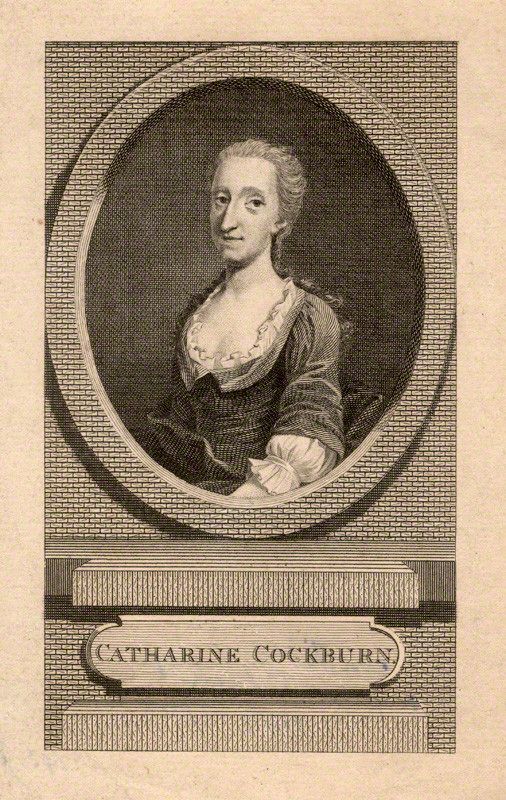 Catharine Trotter CockburnPlaywright and philosopher who defended Locke's Essay and Samuel Clarke's moral theory, grounding morality in reflection on human and divine nature.
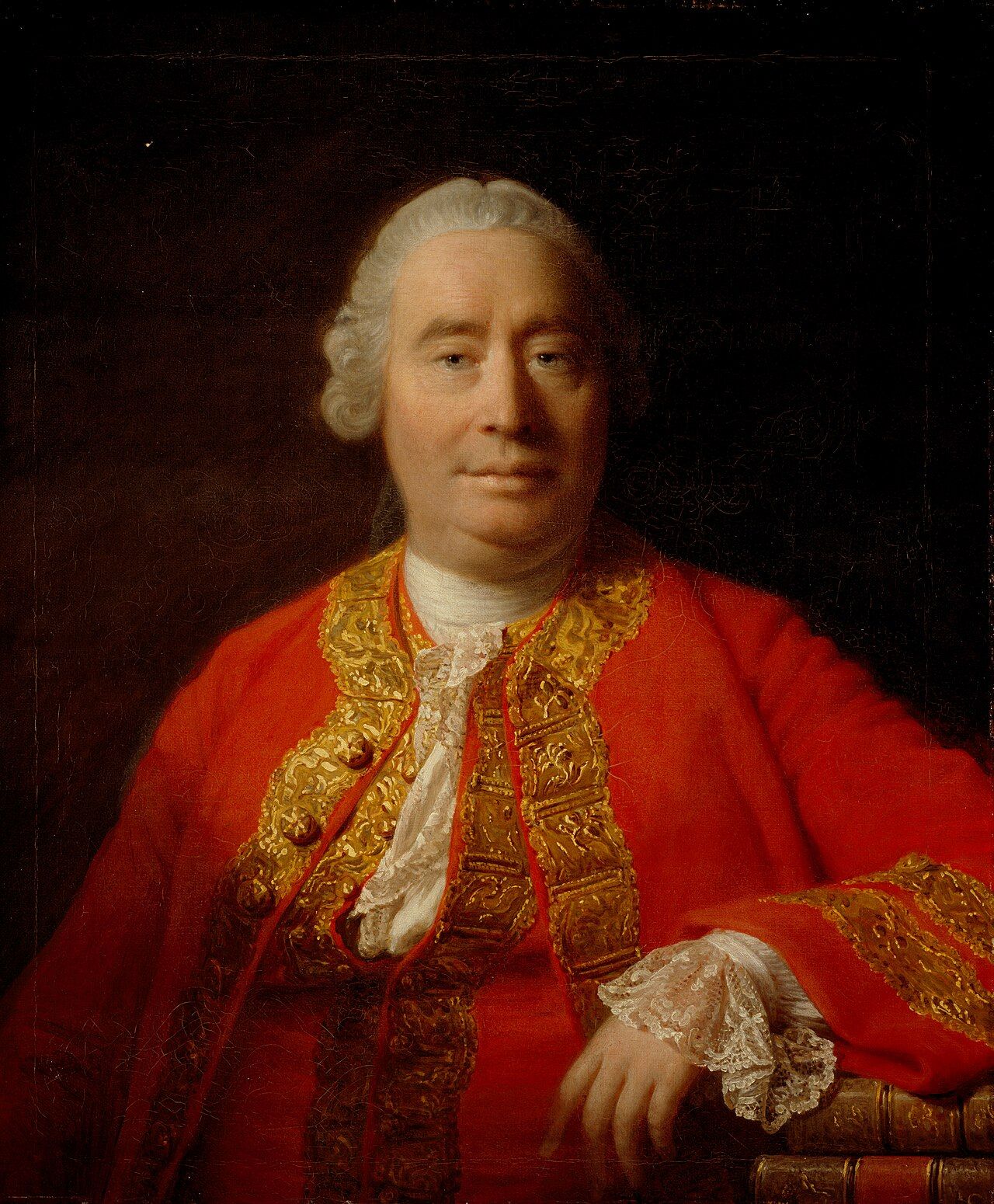 David HumeScottish empiricist and sceptic who argued that our beliefs about cause and effect rest on habit rather than reason.
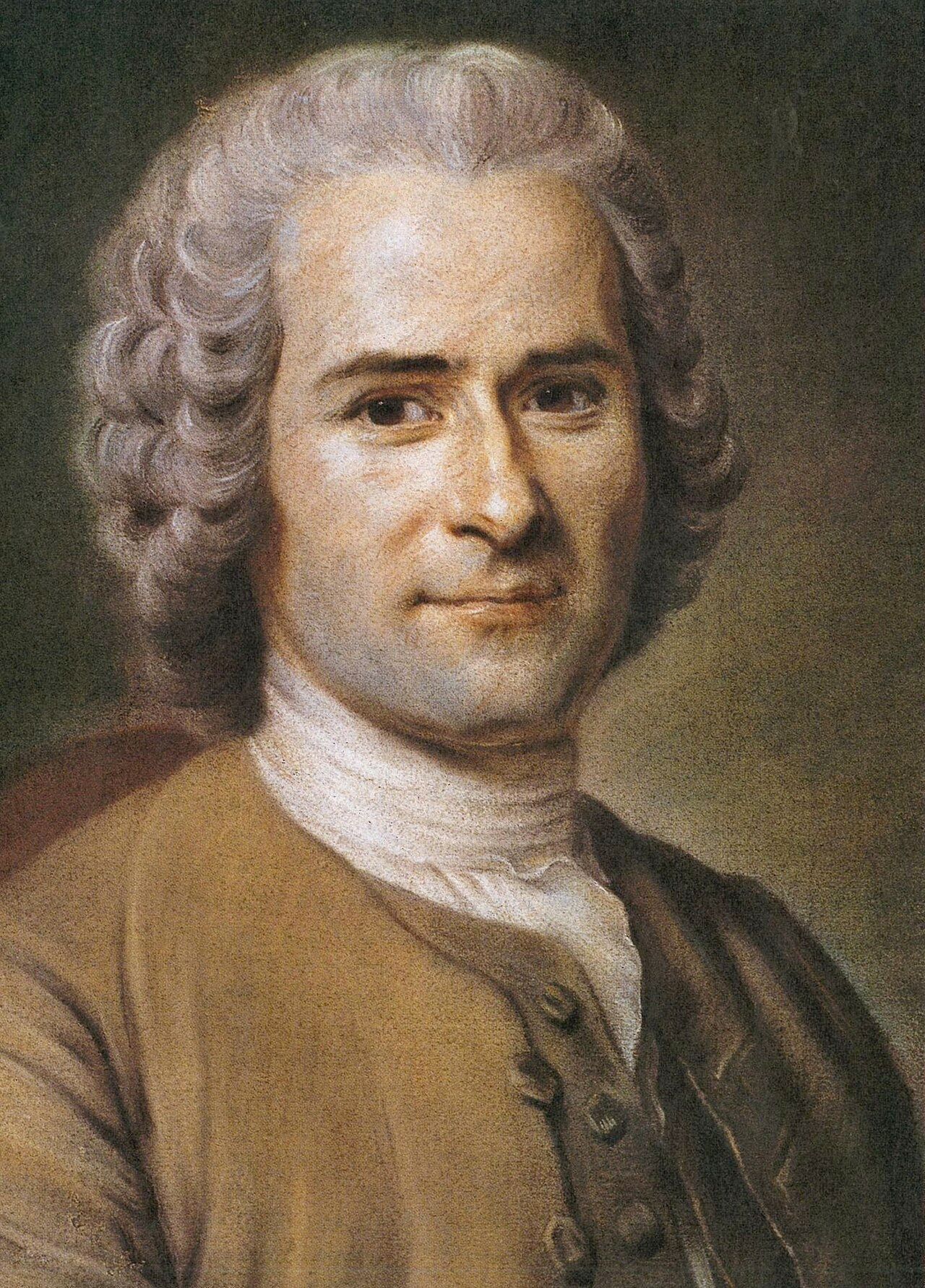 Jean-Jacques RousseauGenevan thinker who argued that society corrupts naturally good human beings, and that legitimate law must express the general will of free and equal citizens.
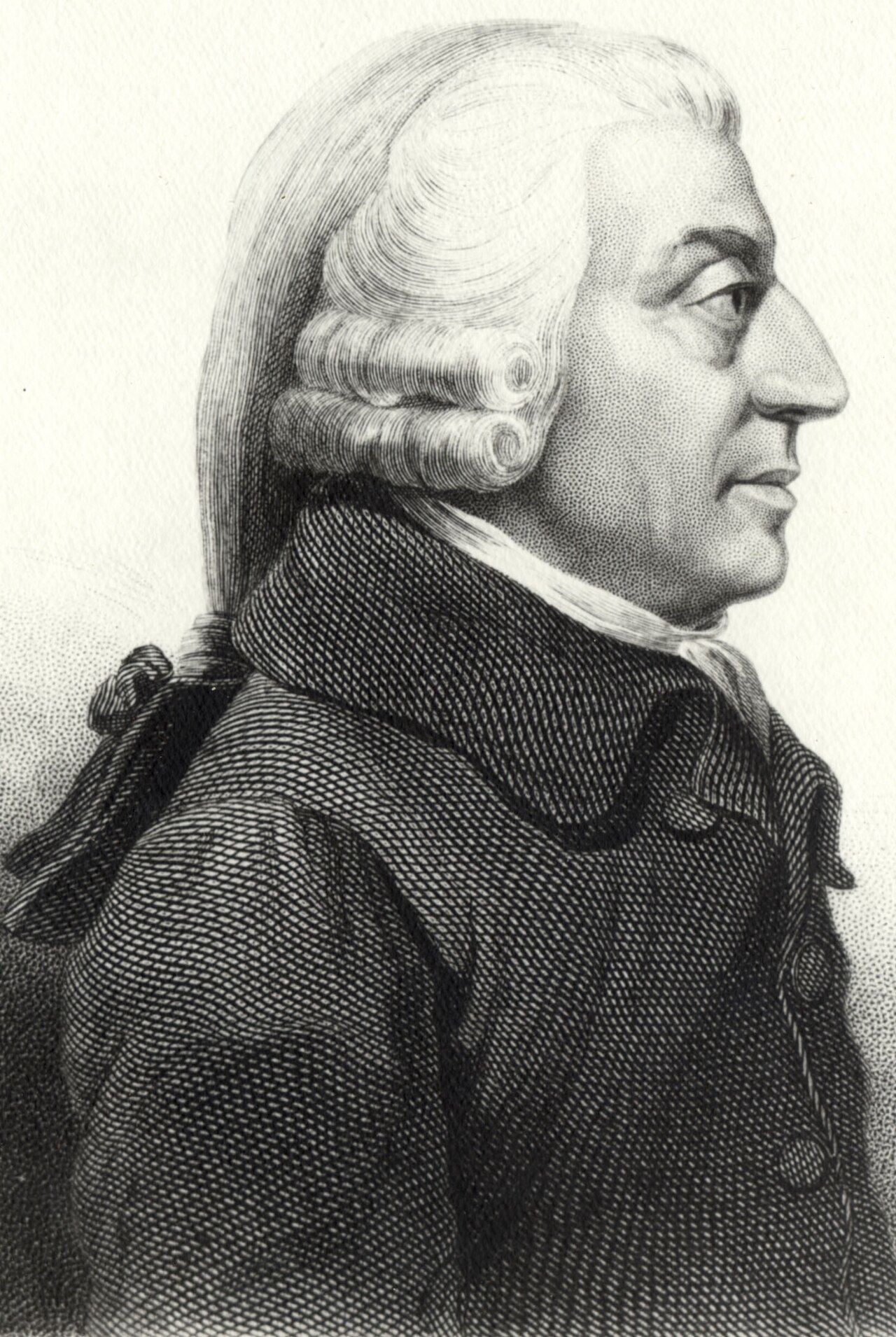 Adam SmithScottish moral philosopher who grounded ethics in sympathy and an imagined impartial spectator, and whose _Wealth of Nations_ defended the natural liberty of ordinary people to run their affairs.
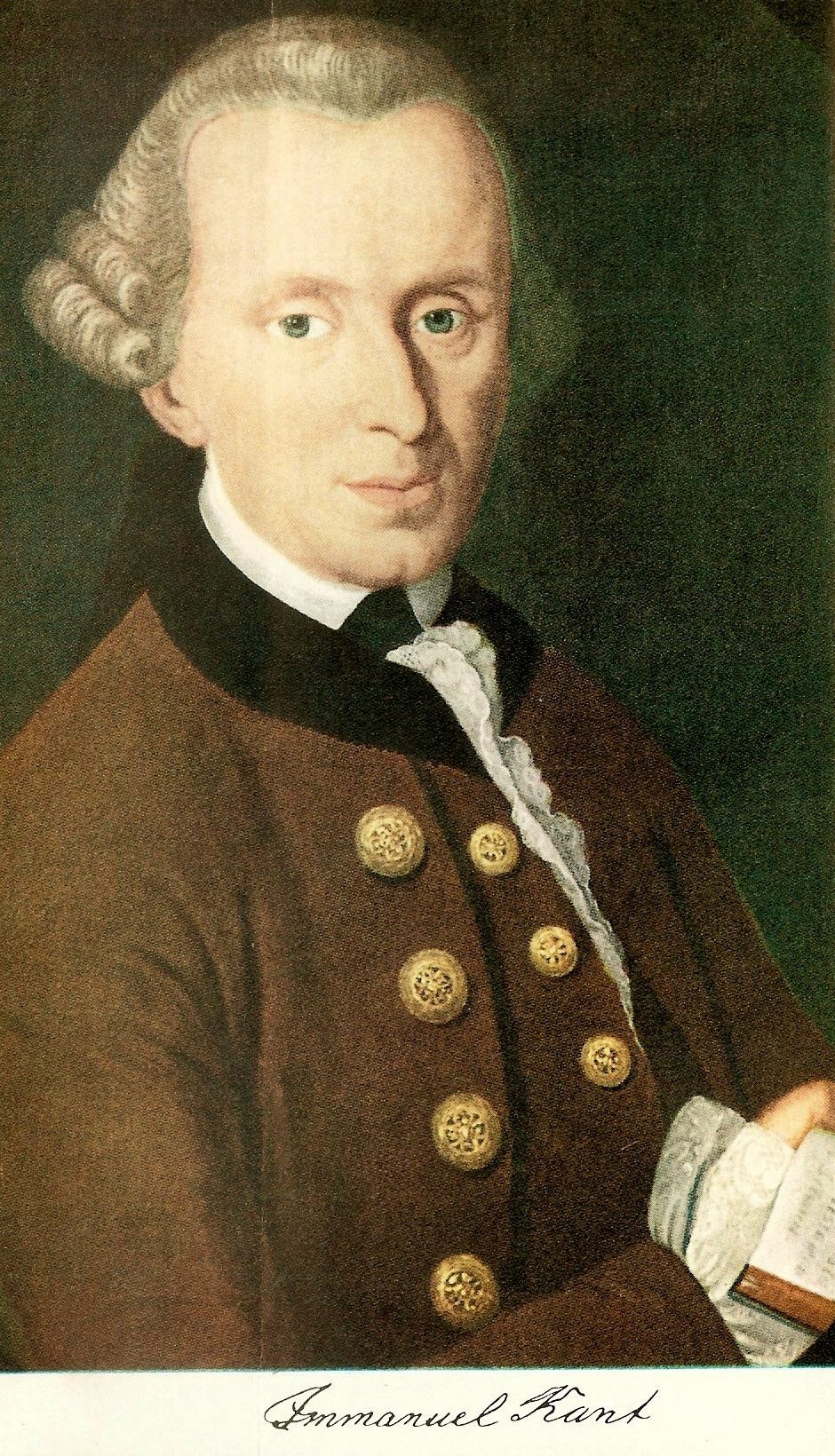 Immanuel KantArgued that the mind actively structures experience, reconciling rationalism and empiricism, and grounded morality in the rational will.
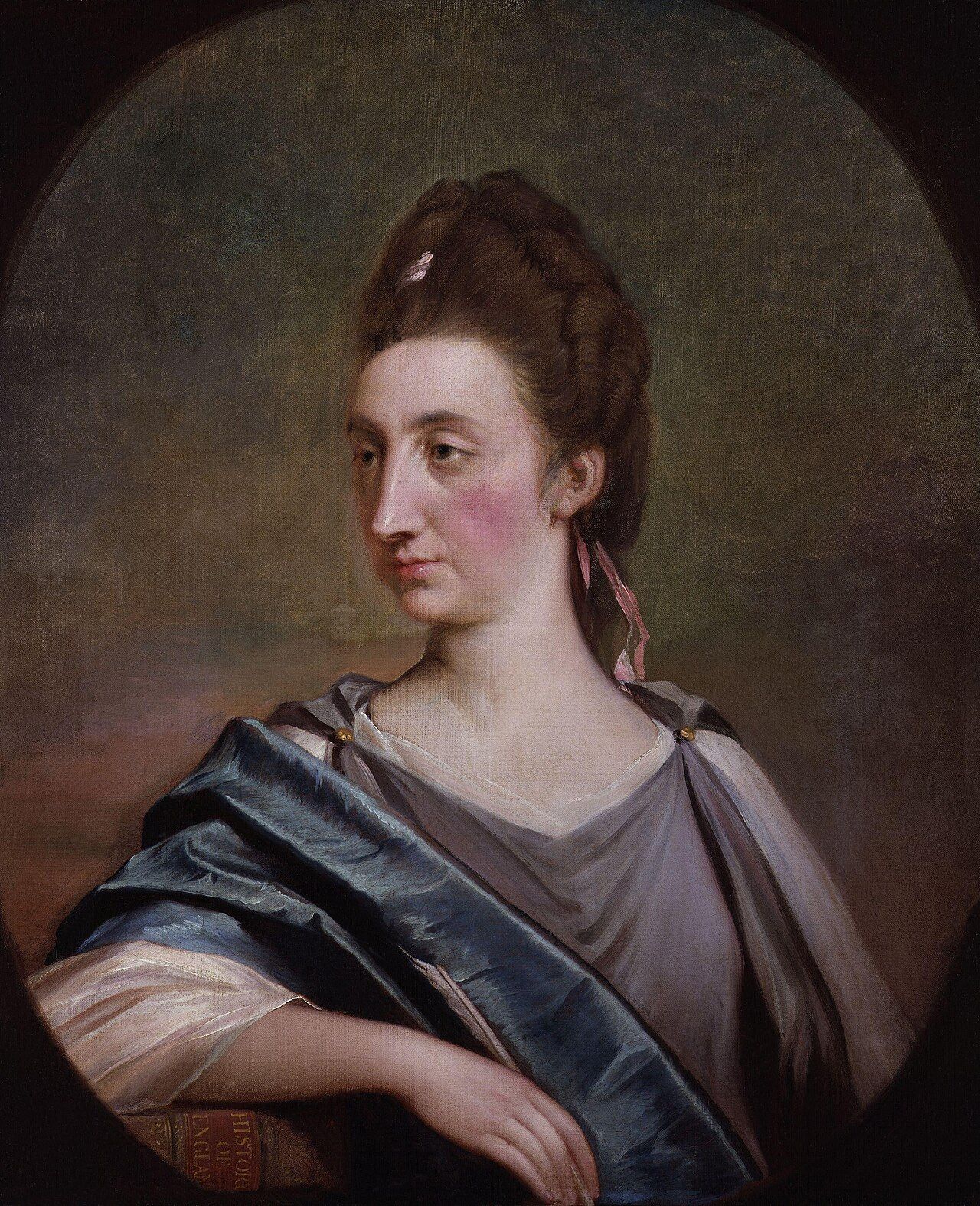 Catharine MacaulayRepublican historian and philosopher, whose History of England defended the people's liberties against the Stuarts, and whose Letters on Education argued for educating the sexes alike.
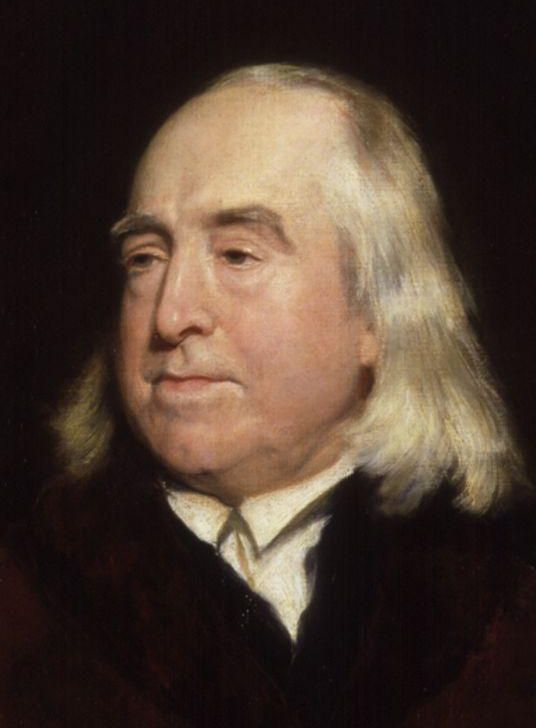 Jeremy BenthamEnglish jurist and reformer who gave utilitarianism its first systematic form, holding that pleasure and pain are our sovereign masters and that law should promote the greatest happiness.
 Olympe de GougesPlaywright and pamphleteer of the French Revolution whose Rights of Woman exposed how the Declaration of the Rights of Man left women out, and who was guillotined for her writings.
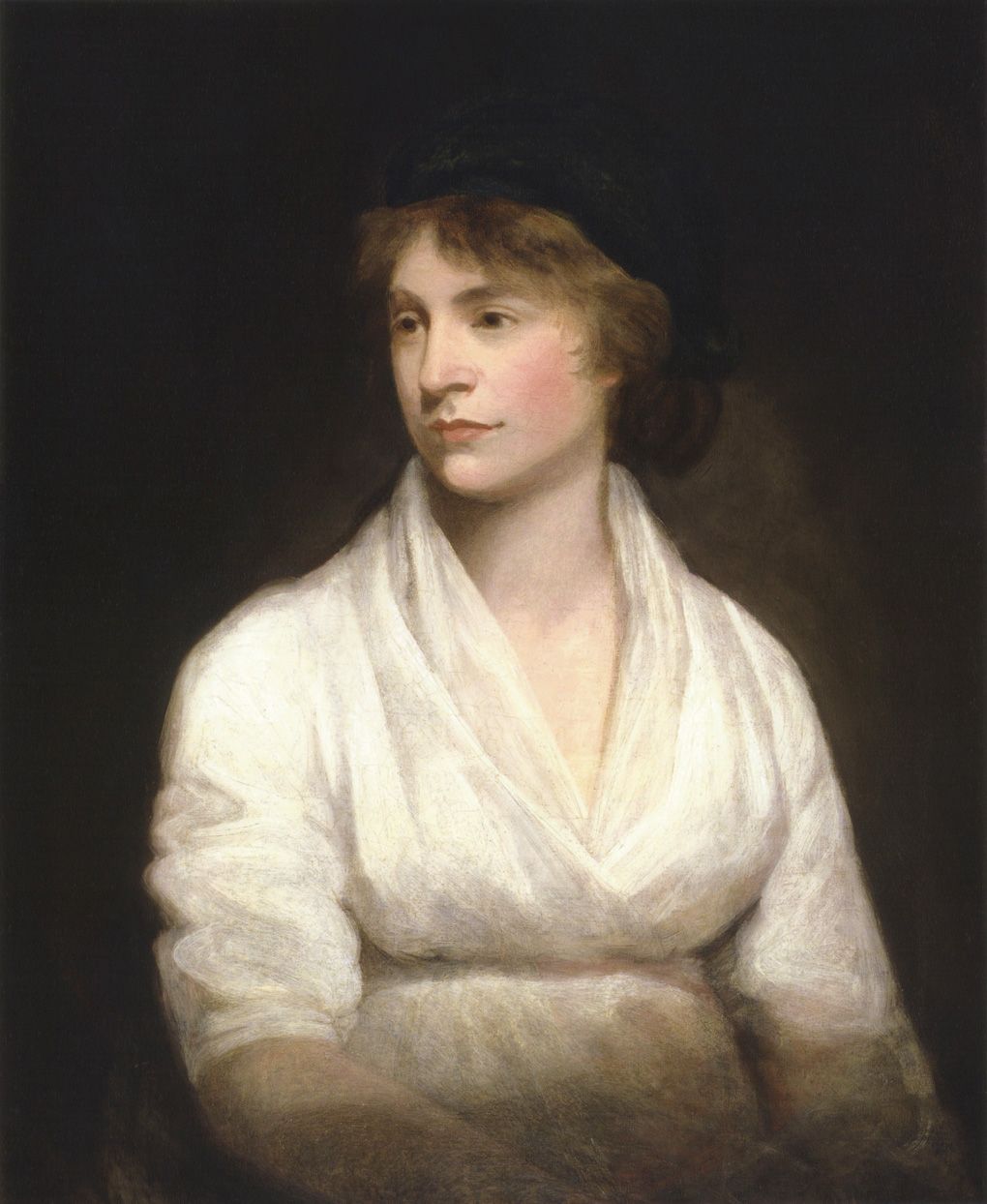 Mary WollstonecraftEnglish moral and political philosopher whose Vindication of the Rights of Woman argued that women, as rational beings, need the same education and rights as men.
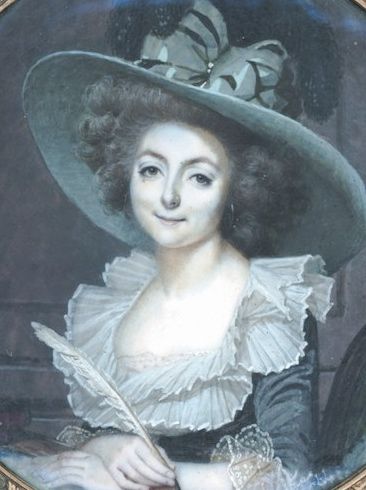 Sophie de GrouchyFrench philosopher of the Revolution whose Letters on Sympathy traced morality to the sympathy we learn in infancy, and argued from it for equality, republican liberty and reform of marriage law.
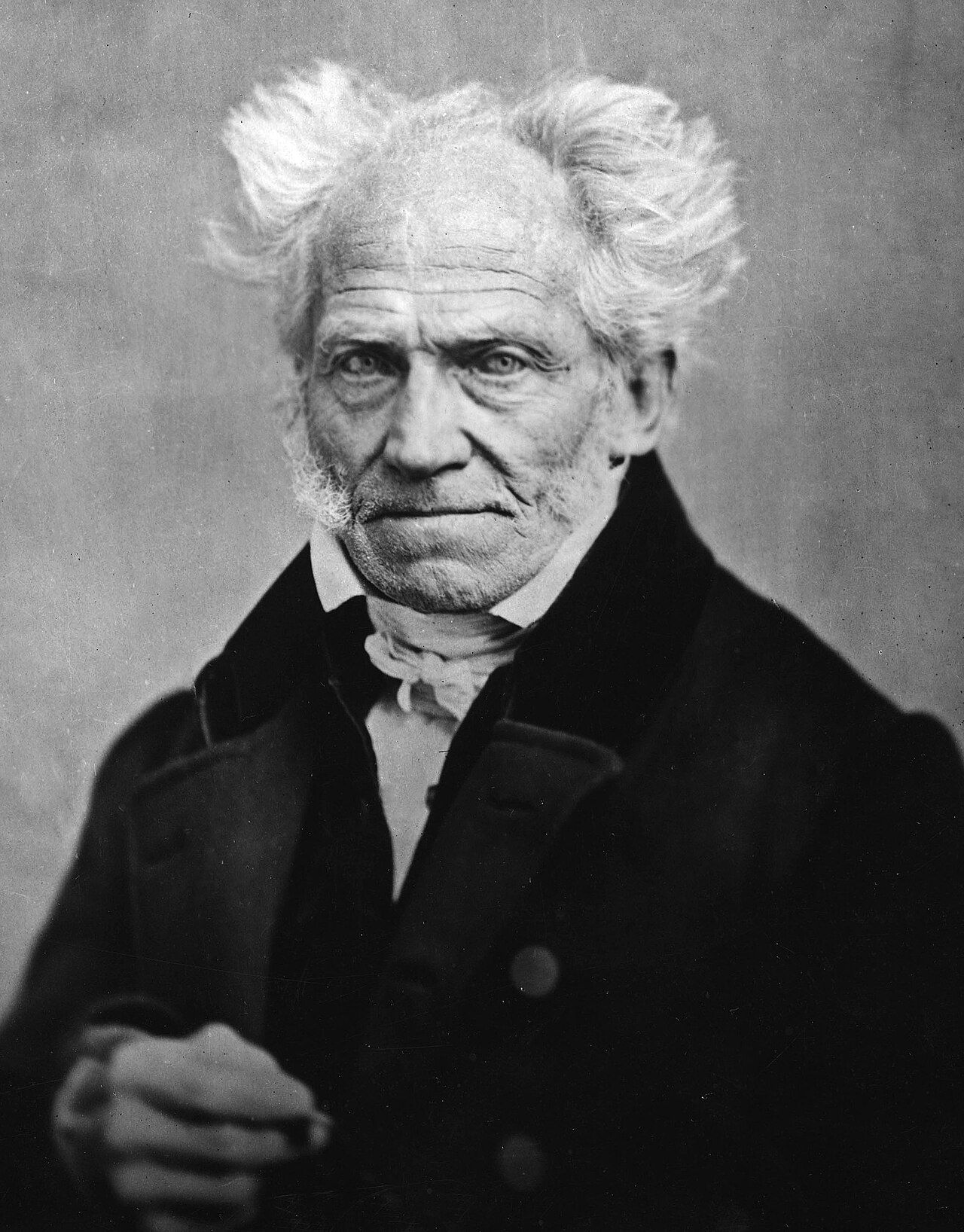 Arthur SchopenhauerGerman philosopher who held that the world at its core is a blind, restless Will, and that art, compassion and ascetic renunciation offer release from suffering.
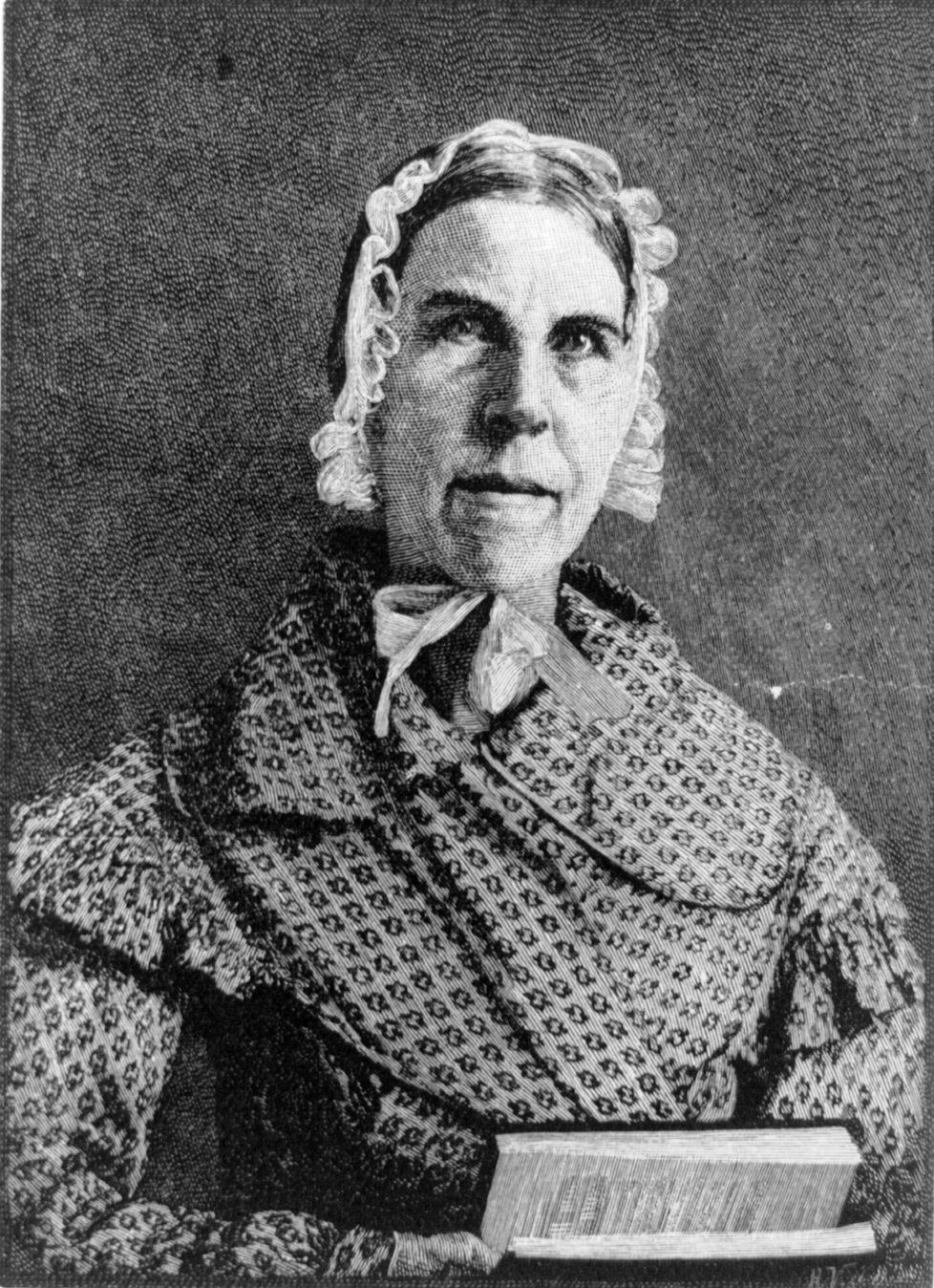 Sarah GrimkéAbolitionist and women's rights theorist born into a slave-owning South Carolina family, whose Letters on the Equality of the Sexes argued from Scripture that women and men were made equal.
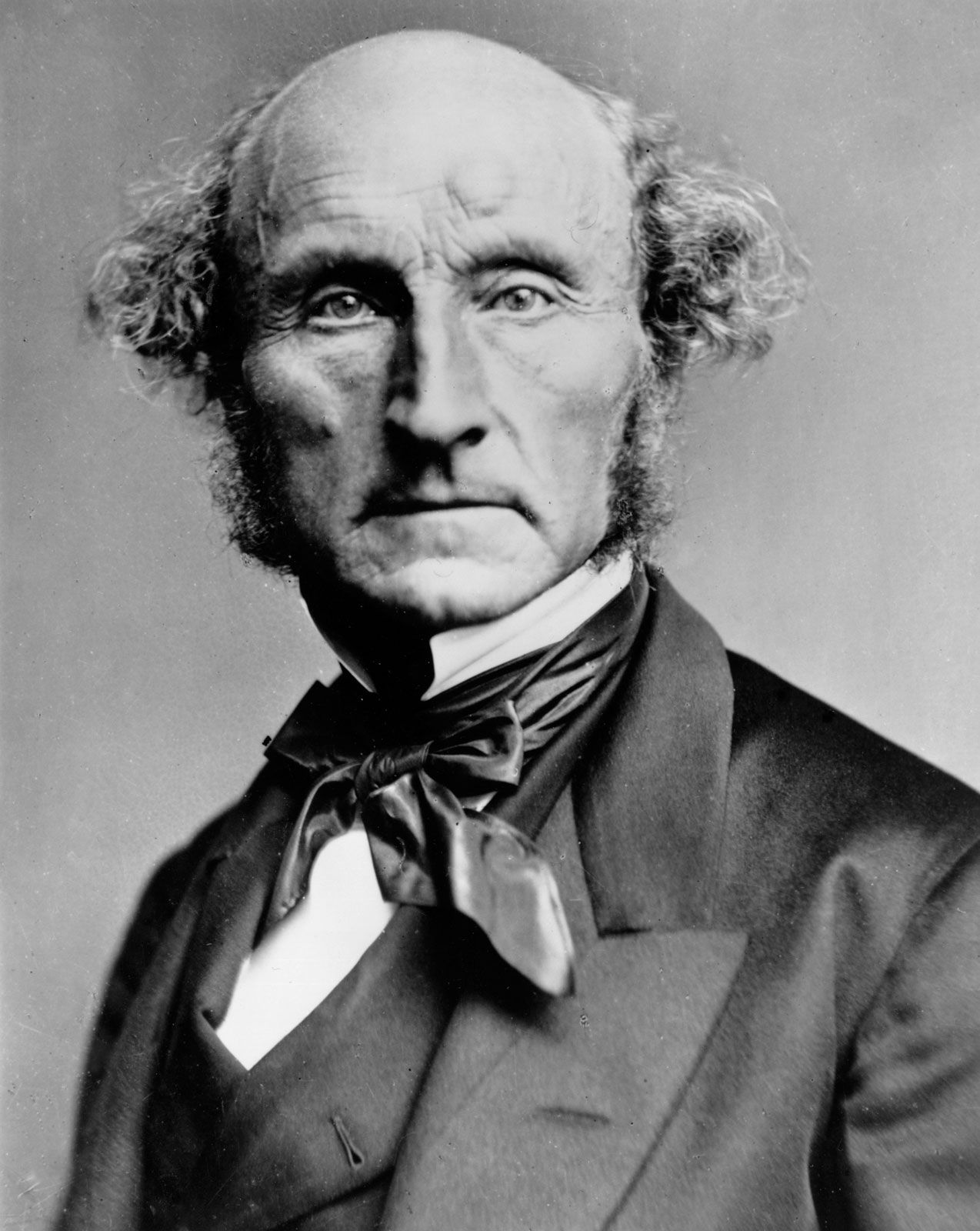 John Stuart MillThe nineteenth century's most influential philosopher writing in English: an empiricist, a utilitarian and a liberal, author of On Liberty.
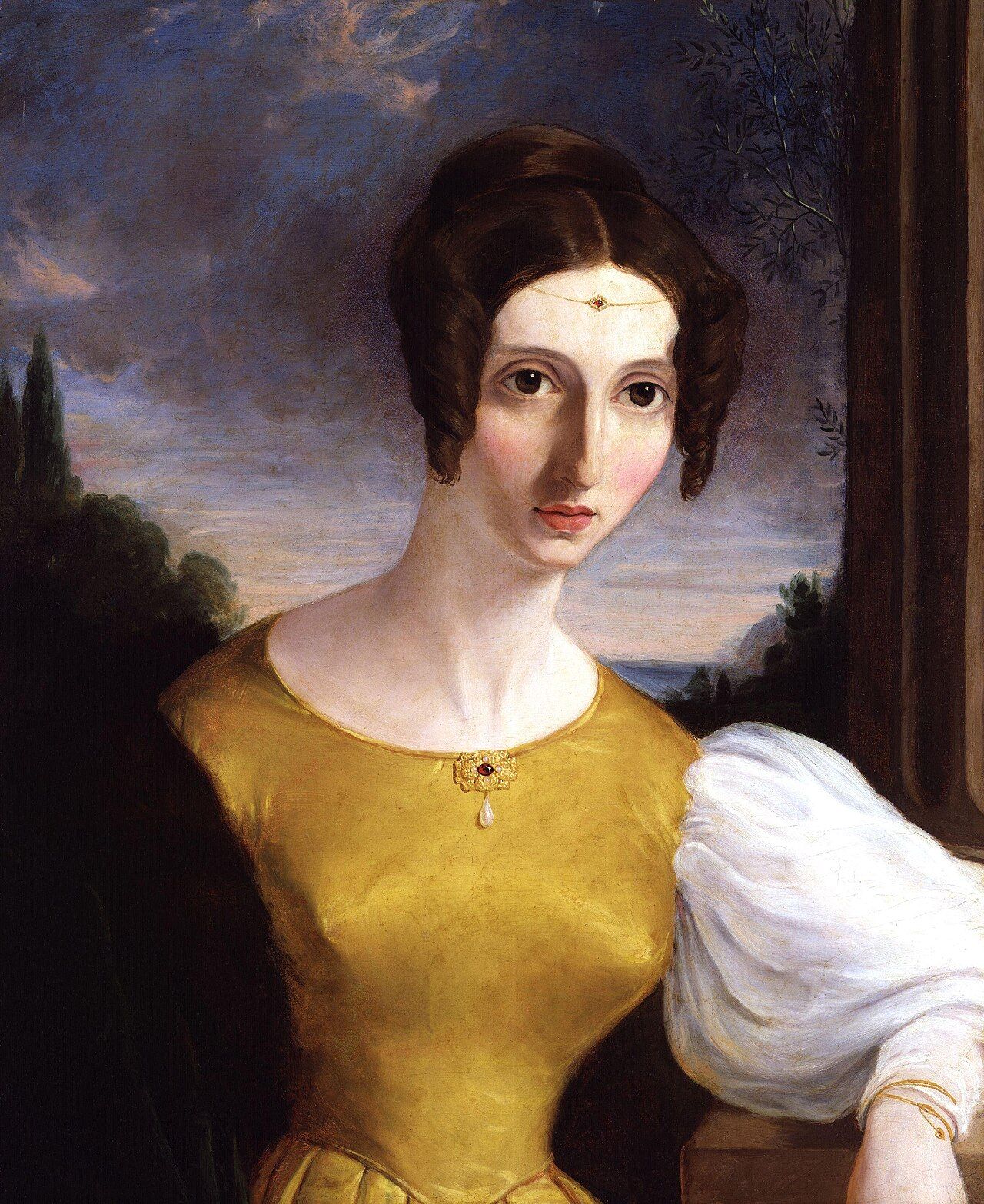 Harriet Taylor MillEnglish philosopher who worked so closely with John Stuart Mill that their contributions are hard to separate, and whose Enfranchisement of Women demanded full equality for women.
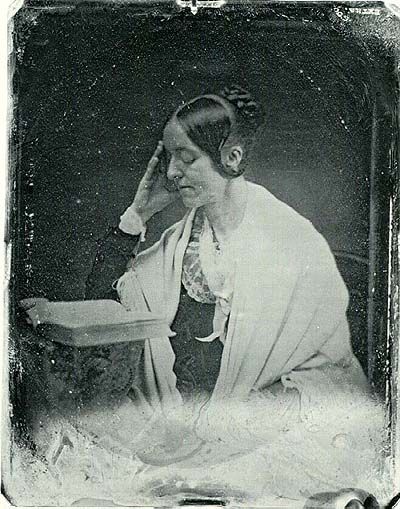 Margaret FullerAmerican transcendentalist, critic and journalist whose Woman in the Nineteenth Century argued that every person combines masculine and feminine qualities.
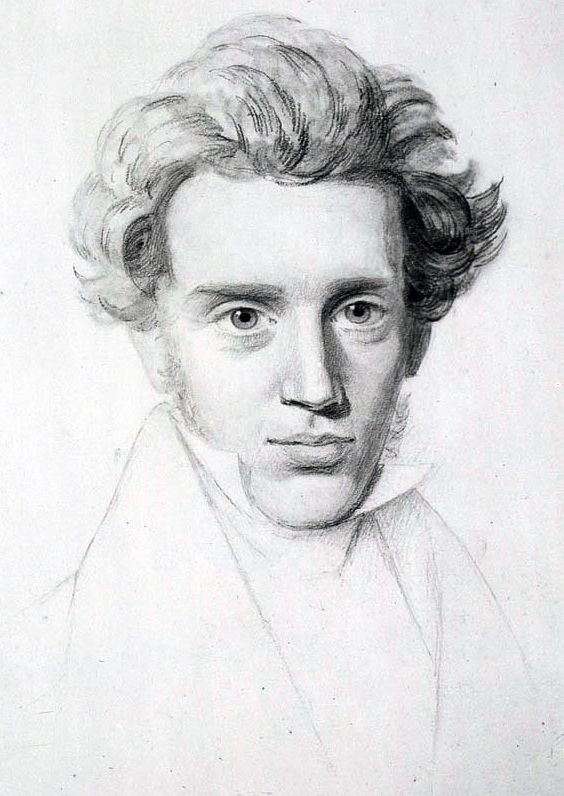 Søren KierkegaardDanish writer who opposed philosophical system-building, and explored faith, anxiety and what it means to exist as a single individual.
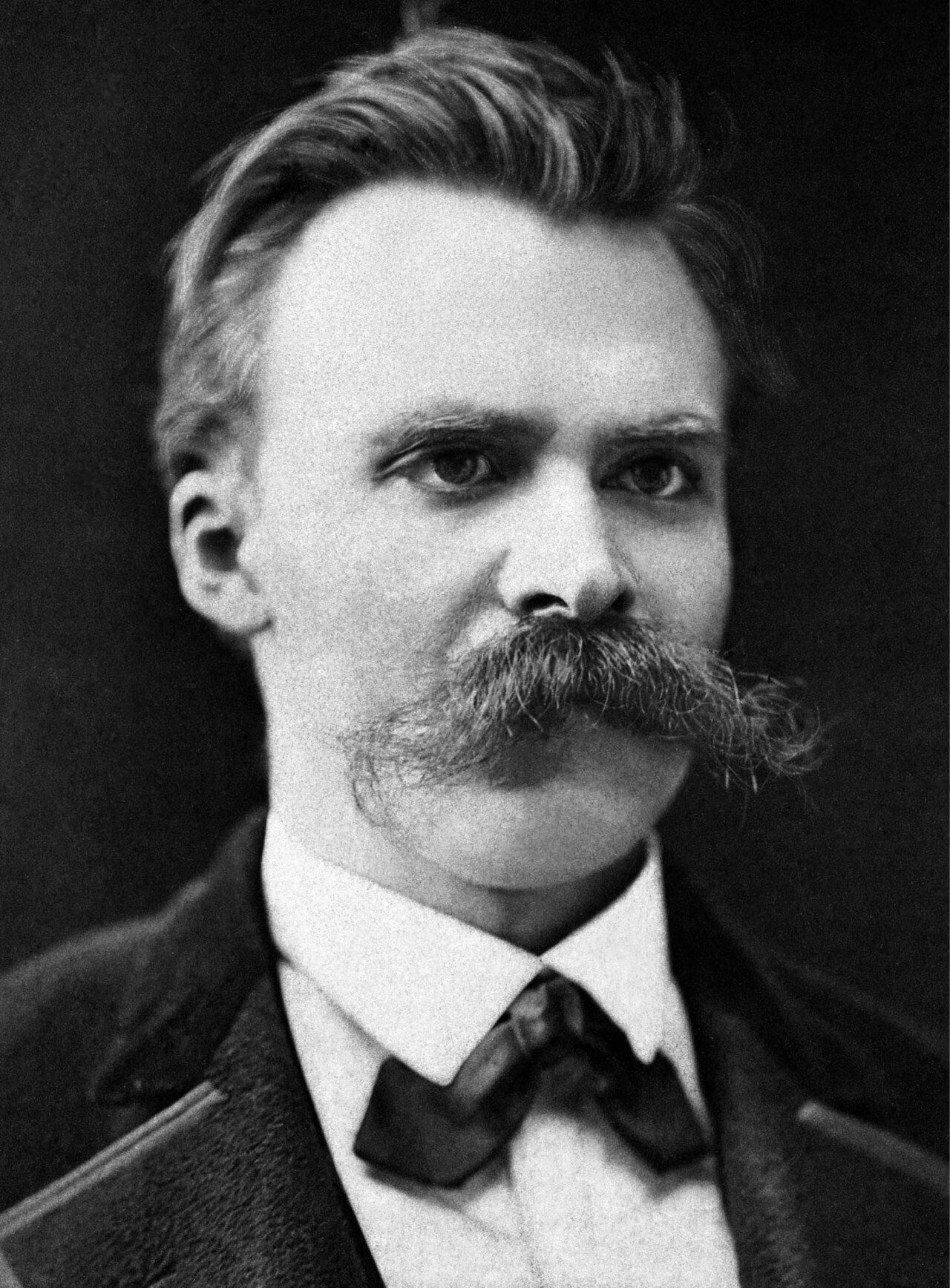 Friedrich NietzscheGerman philosopher and cultural critic who attacked traditional morality and religion, announced that “God is dead”, and asked how life can be affirmed without them.
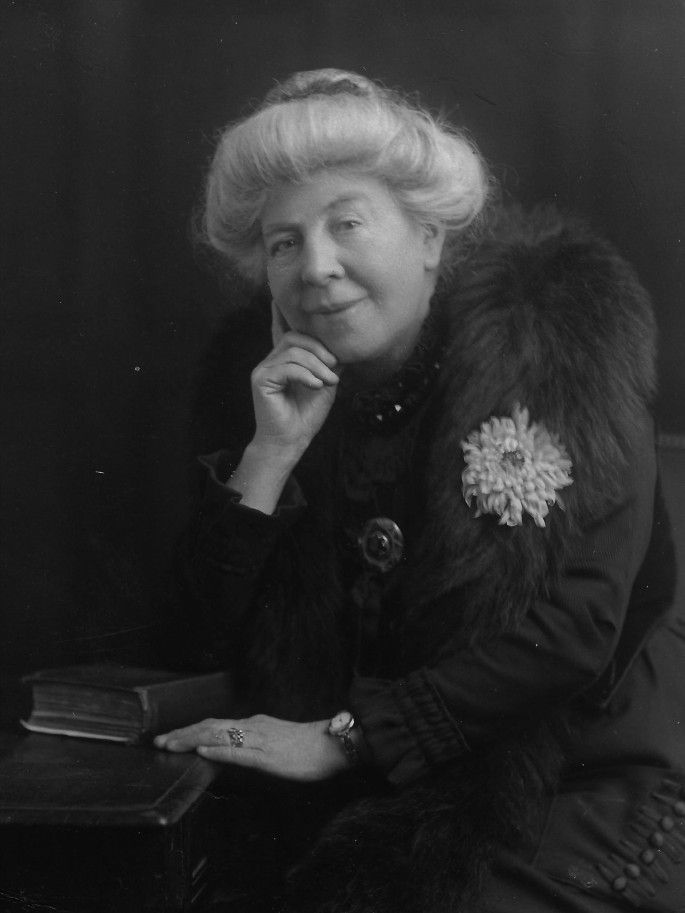 E. E. Constance JonesCambridge logician and ethicist, Mistress of Girton, whose 'new law of thought' anticipated Frege's distinction between sense and reference.
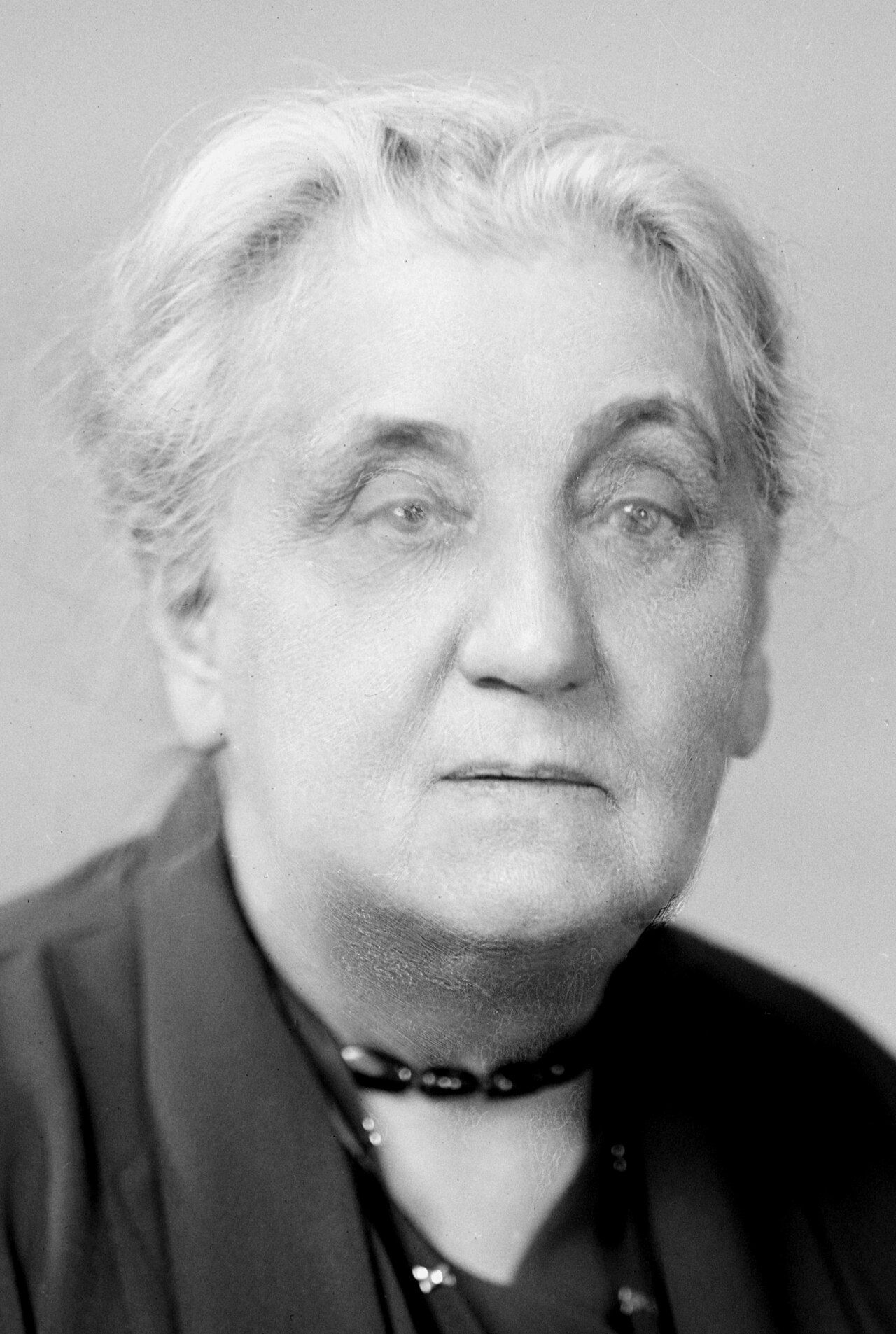 Jane AddamsAmerican pragmatist and social philosopher who founded Chicago's Hull House, built an ethics on 'sympathetic knowledge', and won the Nobel Peace Prize for her work against war.
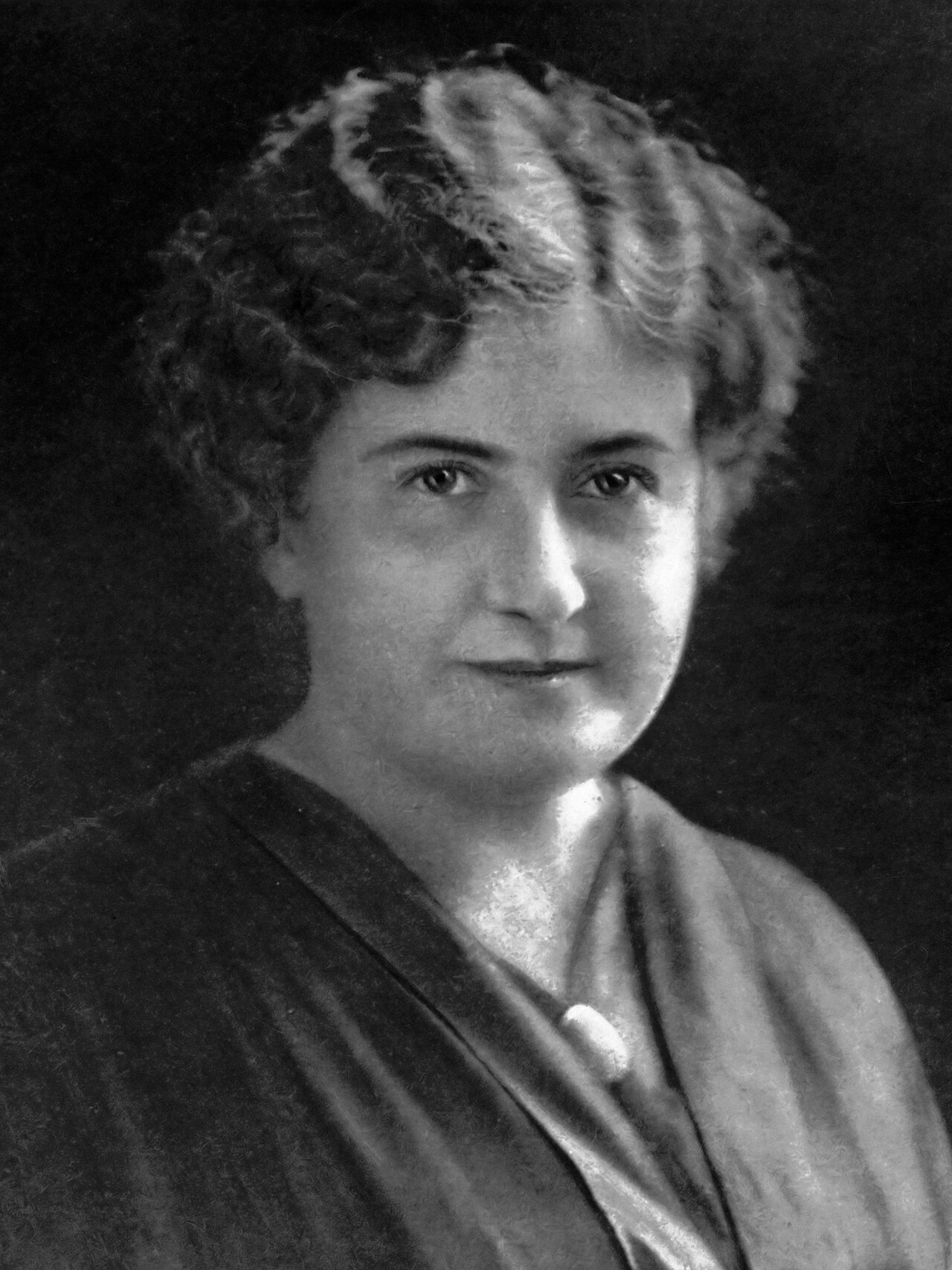 Maria MontessoriItalian physician, psychologist and philosopher whose educational method, based on children's freedom in a prepared environment, now guides schools around the world.
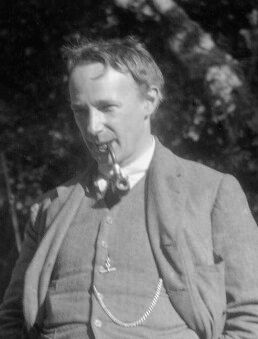 G. E. MooreCambridge philosopher who helped found analytic philosophy, argued that goodness cannot be defined in natural terms, and defended common sense against sceptics and idealists.
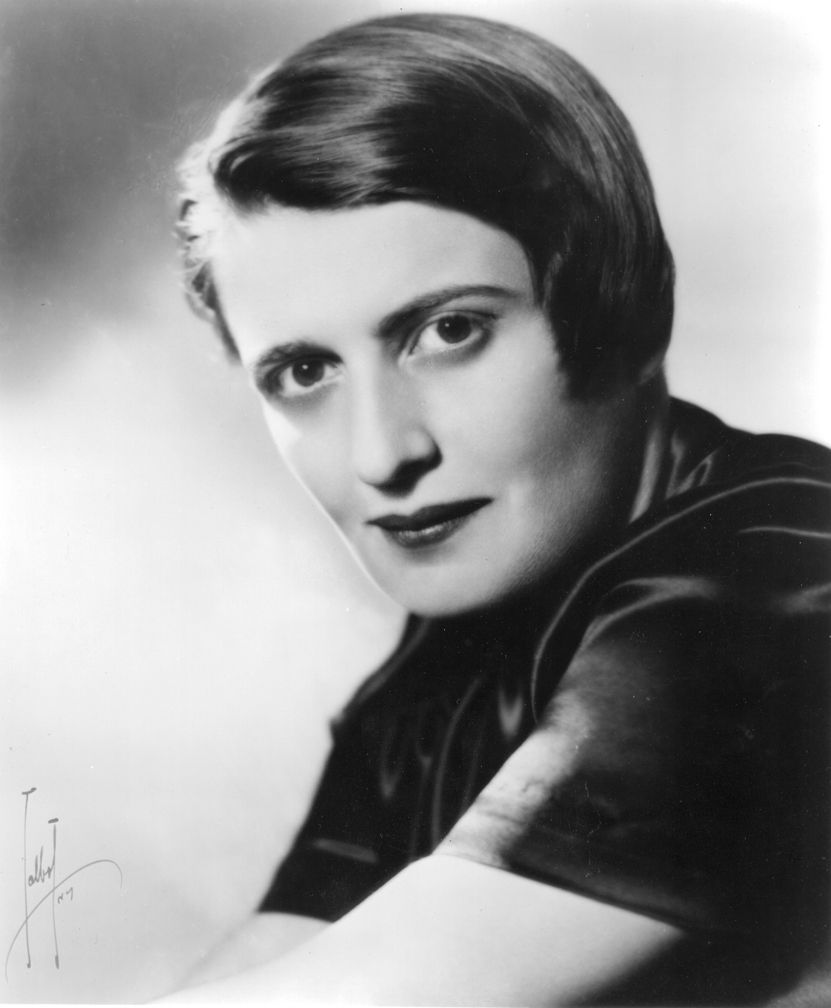 Ayn RandRussian-born American novelist-philosopher whose Objectivism defended rational egoism, individual rights and capitalism, through novels such as Atlas Shrugged.
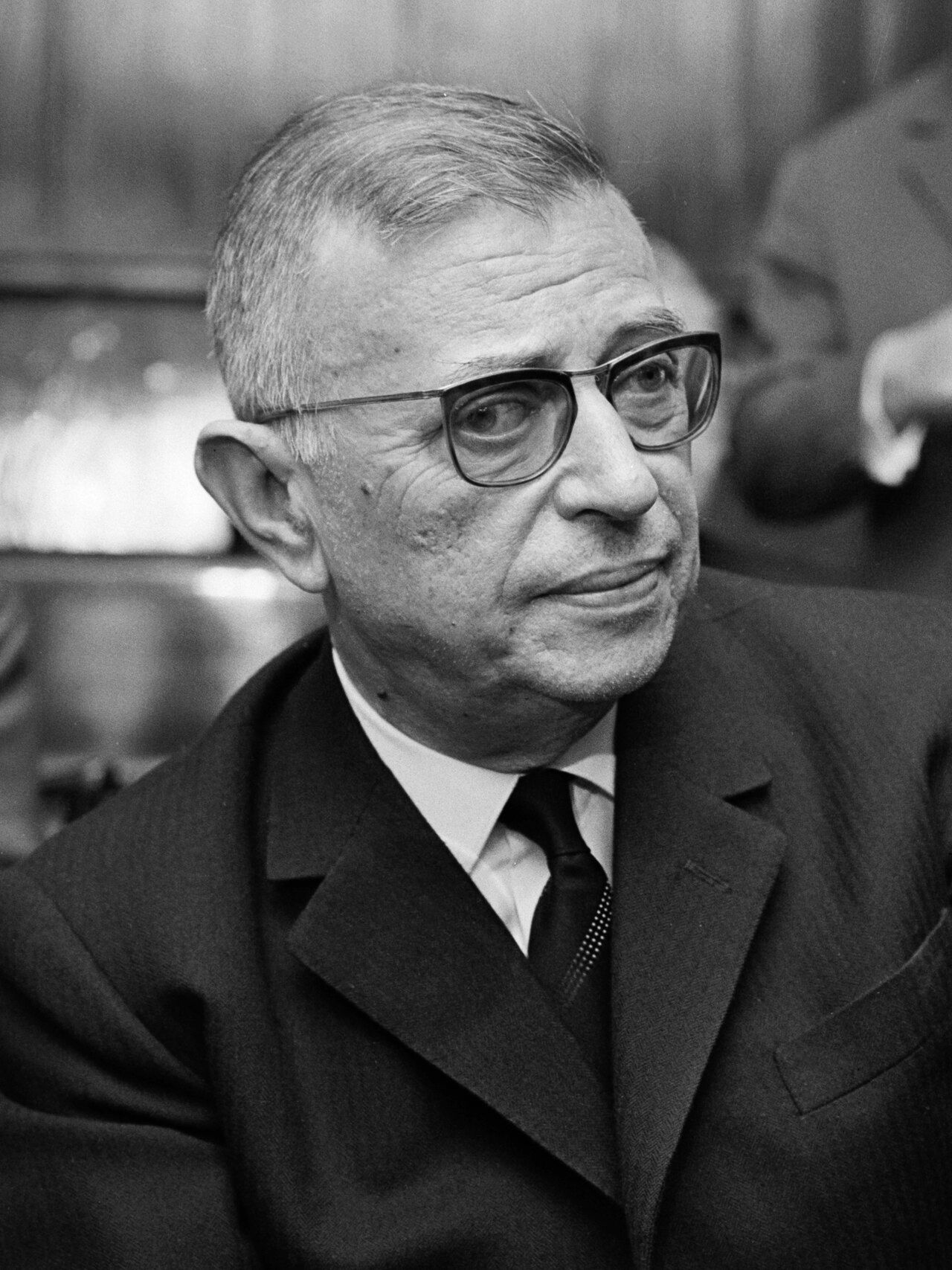 Jean-Paul SartreFrench existentialist philosopher, novelist and public intellectual, who held that human beings are condemned to be free and responsible for what they make of themselves.
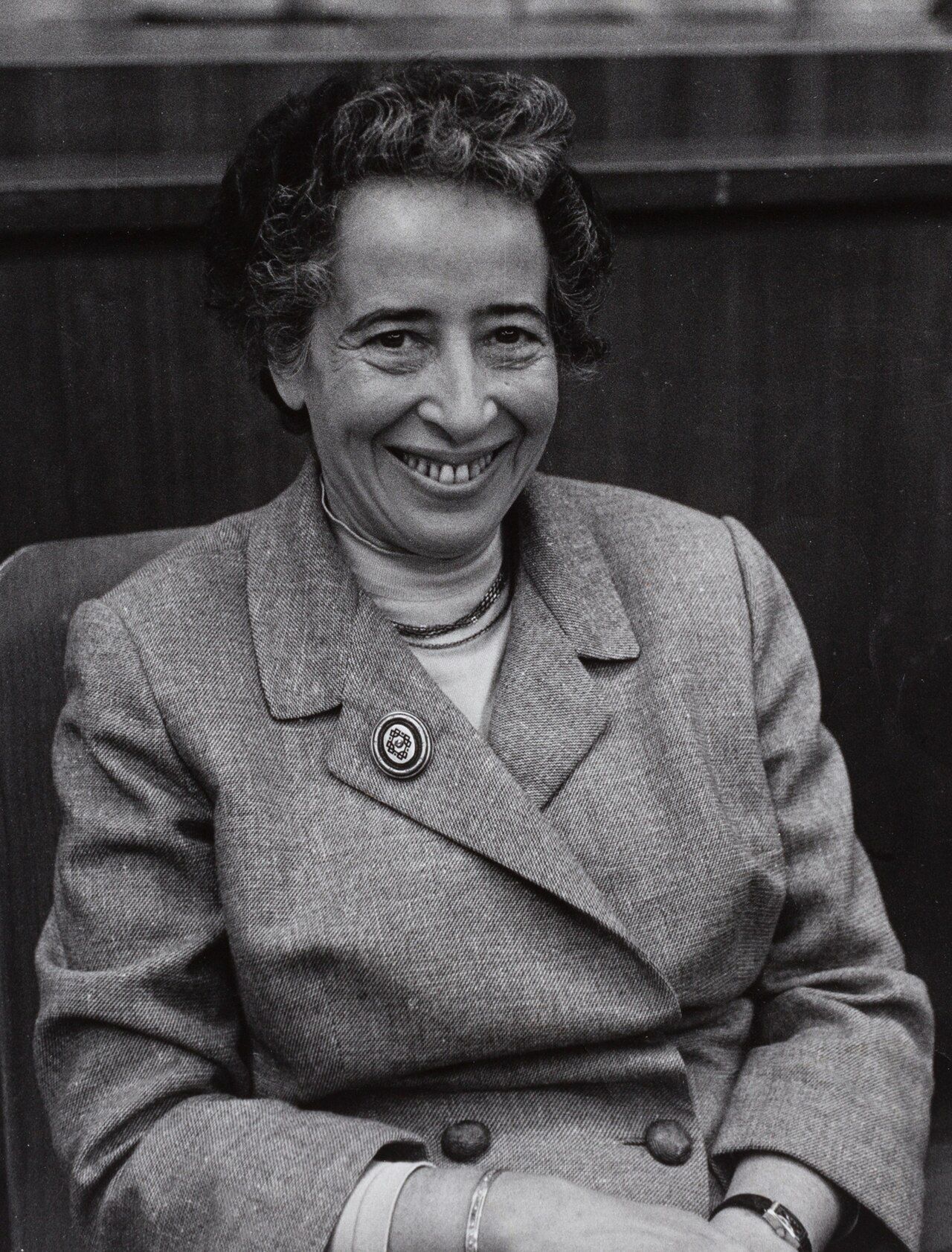 Hannah ArendtGerman-American political thinker who analysed totalitarianism, defended political action and plurality, and coined the phrase "the banality of evil".
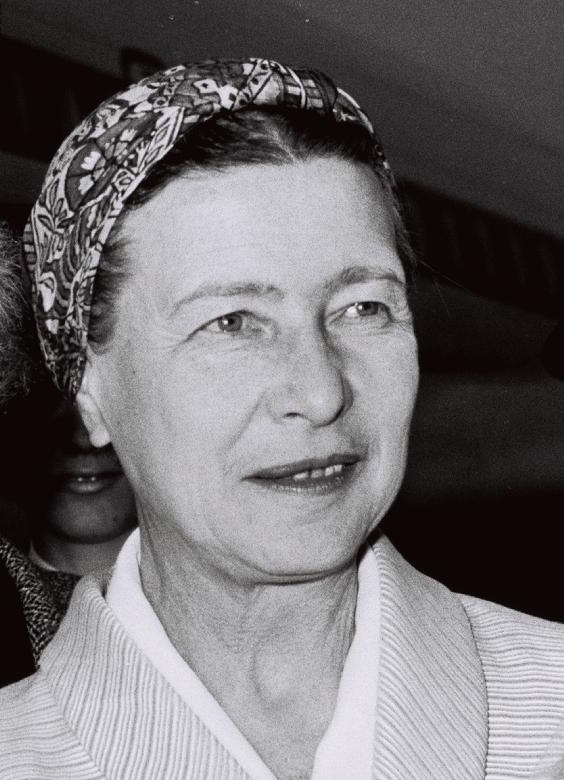 Simone de BeauvoirFrench existentialist philosopher and novelist whose The Second Sex argued that “one is not born, but rather becomes, a woman”.
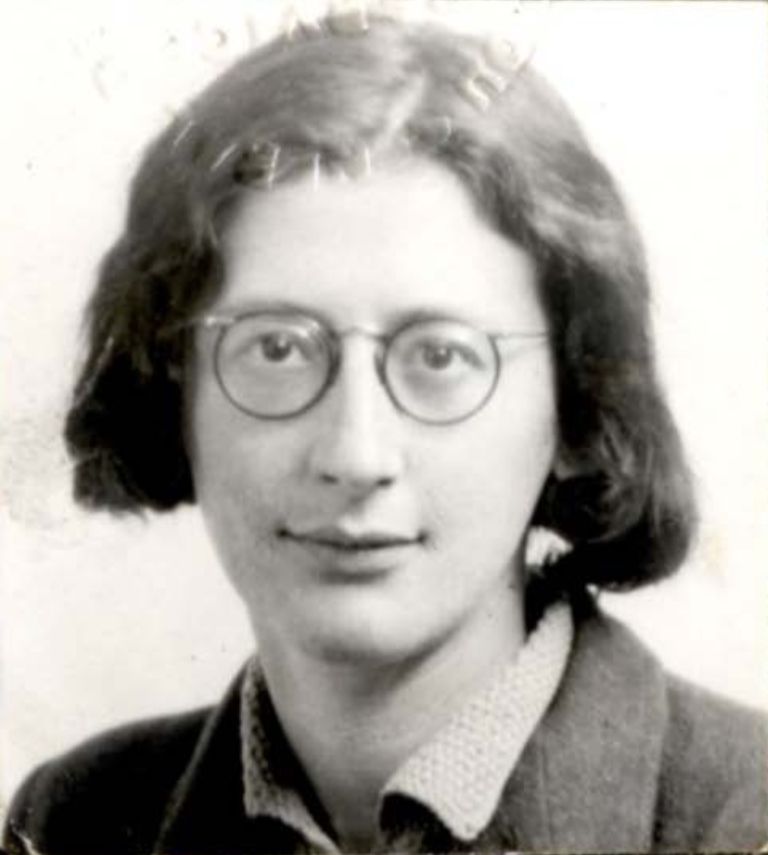 Simone WeilFrench philosopher, activist and mystic who worked in factories to understand oppression, and whose late thought centred on attention, affliction and the soul's need for roots.
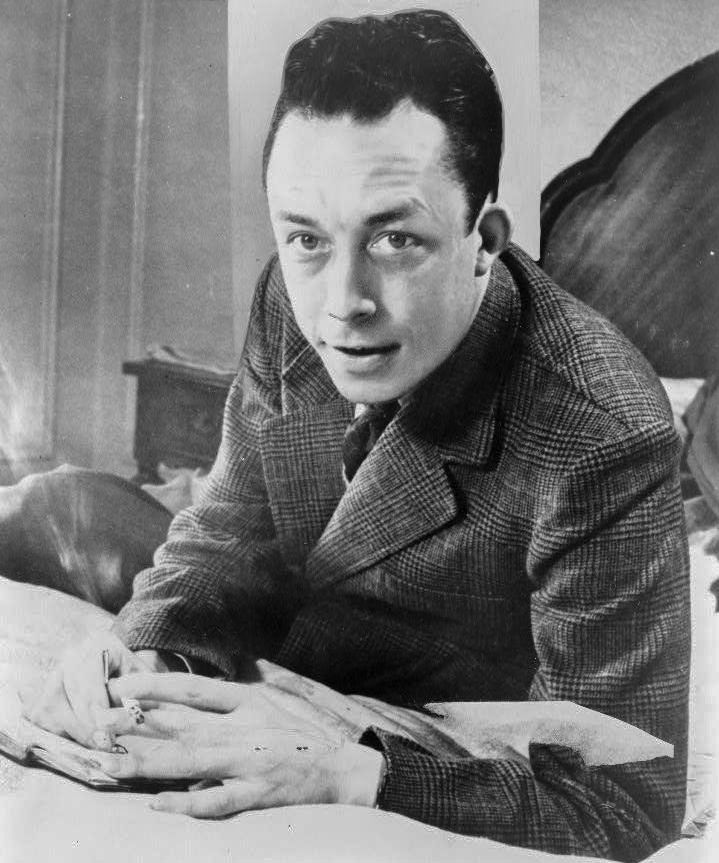 Albert CamusFrench novelist, journalist and philosopher of the absurd, who asked whether life is worth living in a silent universe and answered with revolt.
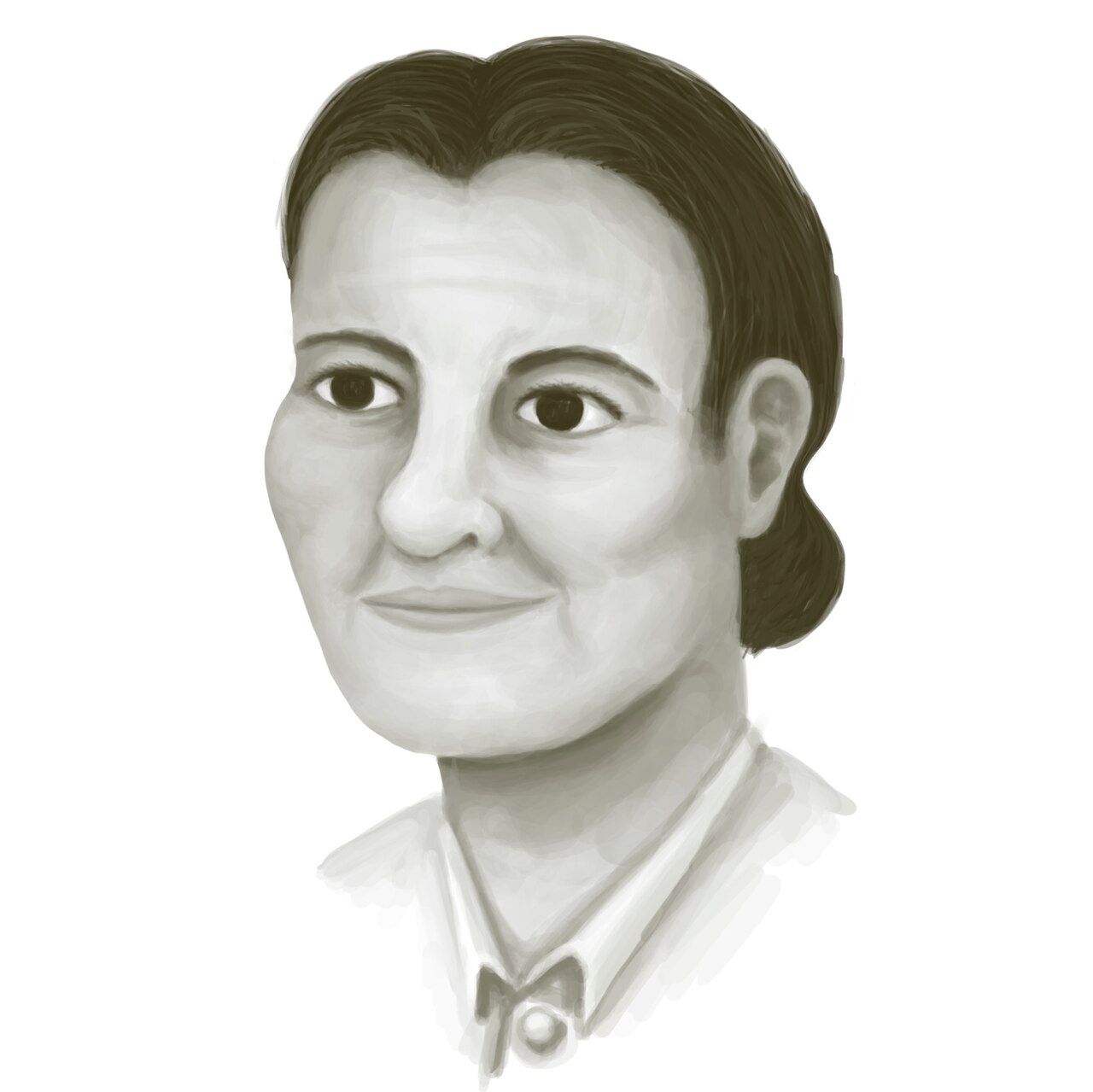 Elizabeth AnscombeWittgenstein's student and translator, whose Intention founded modern action theory and whose 'Modern Moral Philosophy' urged philosophers to abandon the moral 'ought'.
- Iris MurdochBritish philosopher and novelist whose Sovereignty of Good defended a Platonic moral realism, in which moral life is chiefly a matter of attentive, loving vision of others.
- Philippa FootBritish moral philosopher who defended the objectivity of morality, devised the trolley problem, and helped revive Aristotelian virtue ethics with her ethical naturalism.
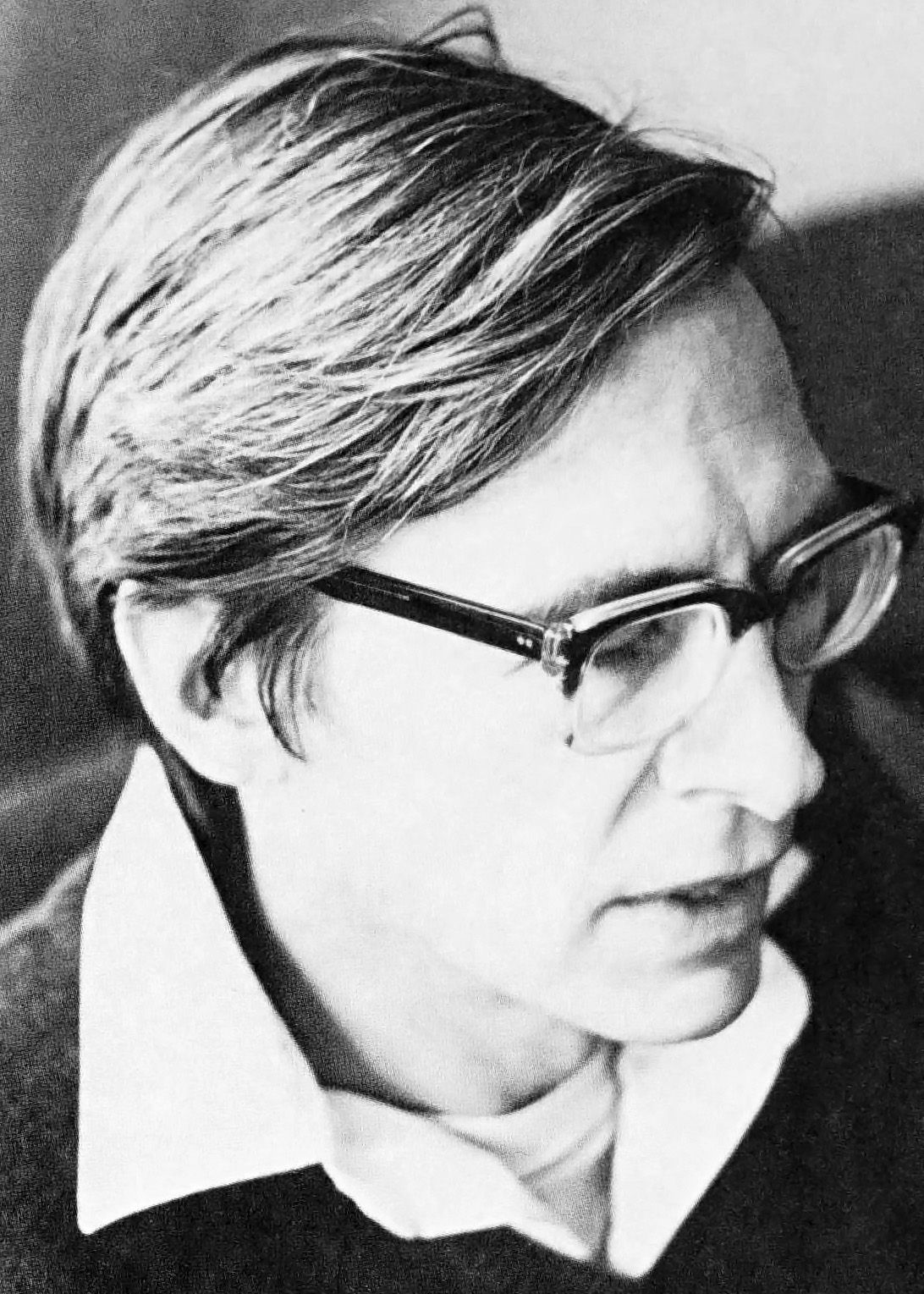 John RawlsAmerican political philosopher in the social contract tradition, whose A Theory of Justice asks what principles free and equal citizens would choose behind a veil of ignorance.
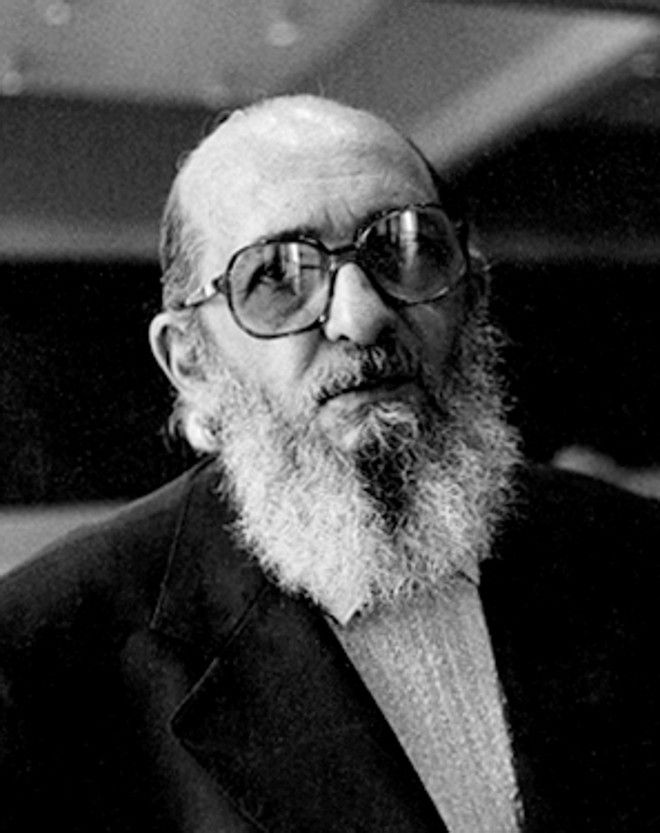 Paulo FreireBrazilian educator and philosopher whose Pedagogy of the Oppressed attacked "banking" education and taught literacy as a path to critical awareness and freedom.
- Michel FoucaultFrench historian and philosopher who wrote histories of madness, the prison and sexuality to show how knowledge and power shape what seems natural and necessary.
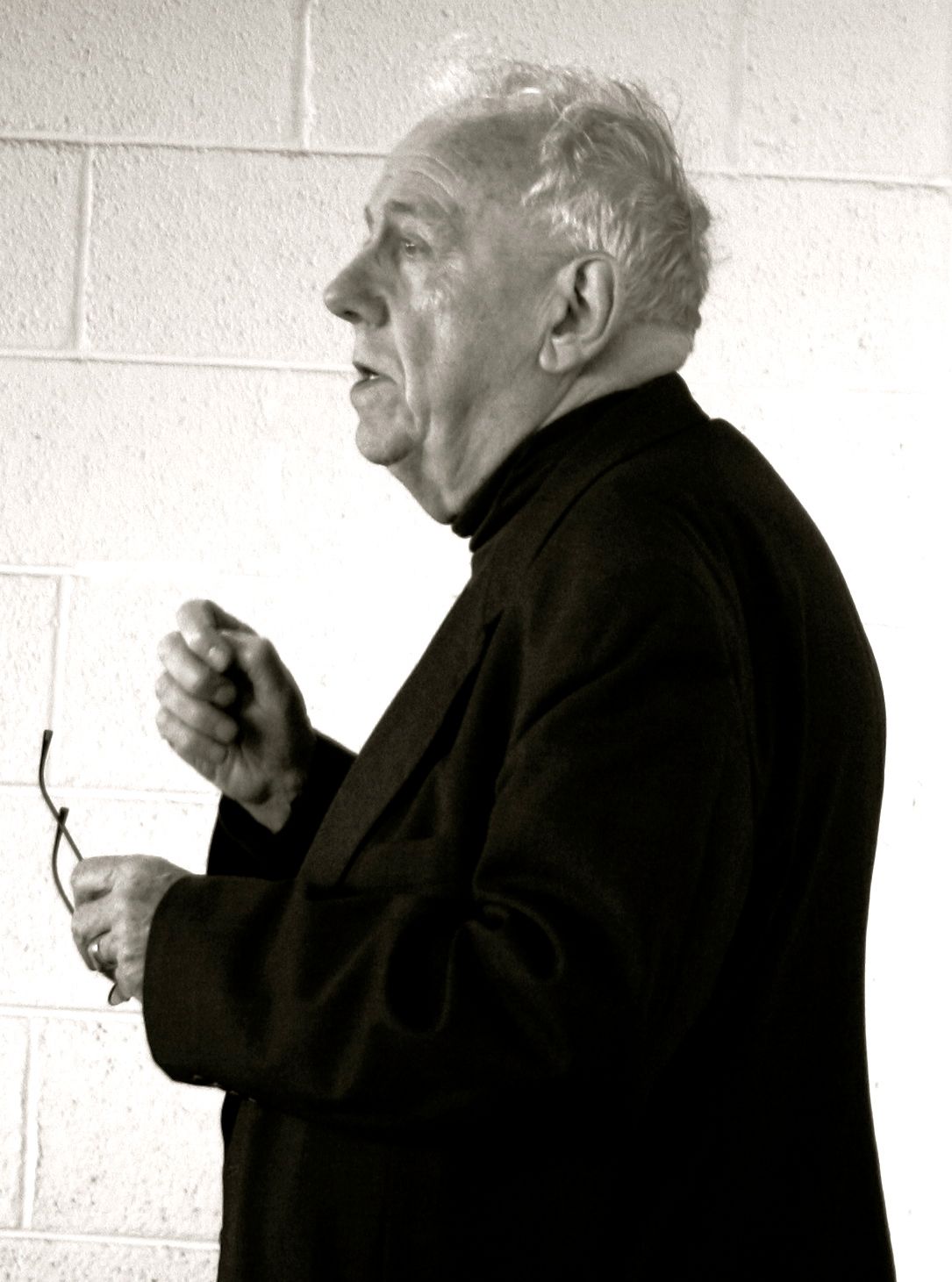 Alasdair MacIntyreScottish-born moral philosopher whose After Virtue diagnosed modern moral talk as a "culture of emotivism" and called for a renewal of Aristotle’s ethics of the virtues within communities.
- Bernard WilliamsEnglish moral philosopher who argued that ethical life is too untidy for any systematic theory, and who made integrity, moral luck and truthfulness central topics of ethics.
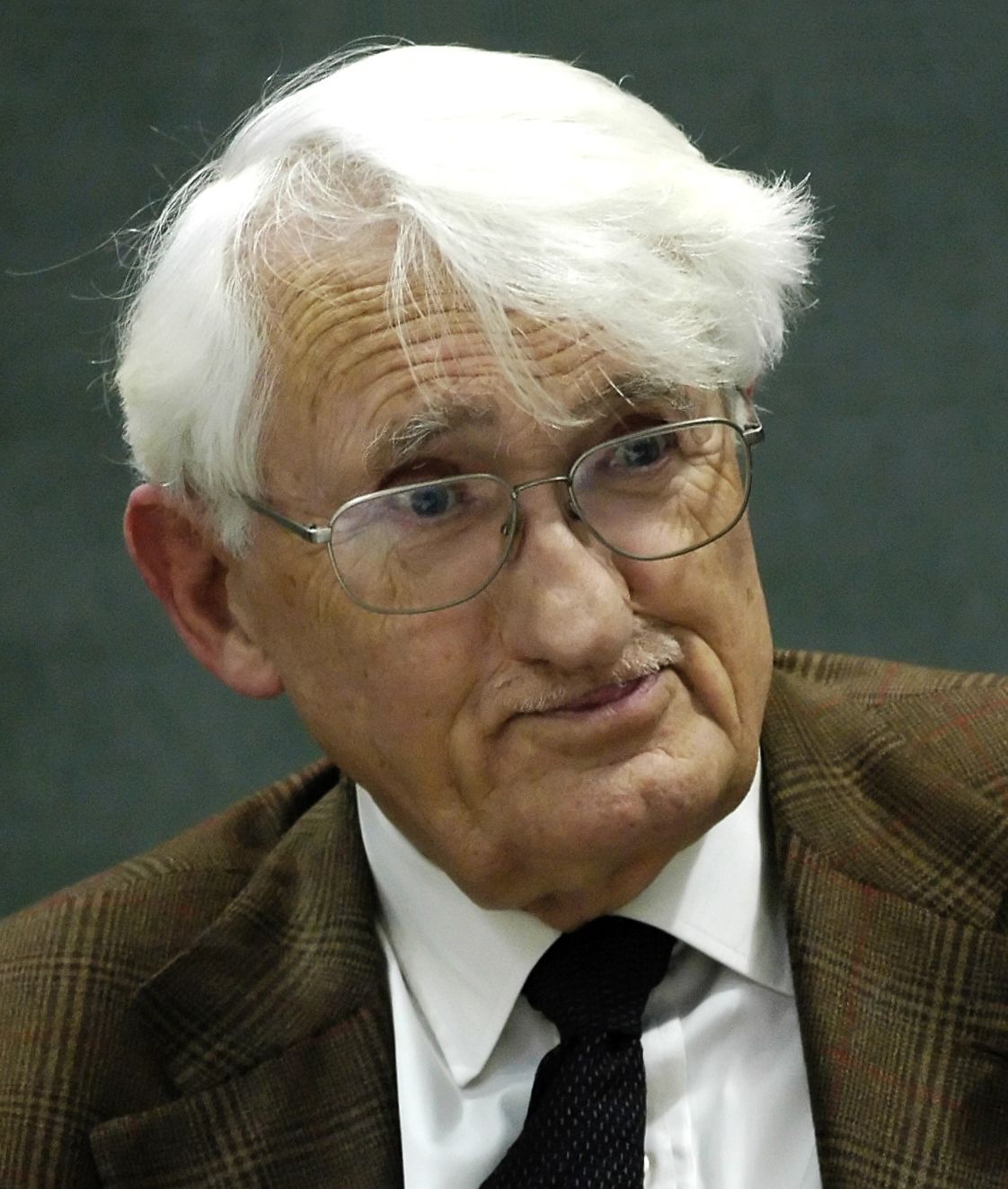 Jürgen HabermasGerman social theorist and public intellectual who grounded morality and democracy in communication aimed at agreement, and defended the public sphere against its erosion.
- Luce IrigarayBelgian-born philosopher, linguist and psychoanalyst whose Speculum of the Other Woman exposed women's exclusion from philosophy and called for true sexual difference.
 Giorgio AgambenItalian philosopher whose Homo Sacer argues that sovereign power rests on excluded "bare life", and that the camp, where the exception is the rule, is the hidden pattern of modern politics.
Jewish
- Abraham Ibn DaudAndalusian Jewish philosopher and historian whose Exalted Faith made the first systematic attempt to bring Aristotle into Jewish thought, a generation before Maimonides.
 Hermann CohenFounder of the Marburg School of neo-Kantianism and the leading German-Jewish philosopher of his generation, whose Religion of Reason found reason's religion in the sources of Judaism.
 Martin BuberAustrian-born Jewish philosopher of dialogue, best known for I and Thou, who retold Hasidic tales, translated the Bible and argued for a shared Jewish-Arab state in Palestine.
 Yeshayahu LeibowitzIsraeli scientist and public intellectual whose radical theocentrism joined strict Orthodox practice to a stripped-down faith, and led him to oppose the occupation after 1967.
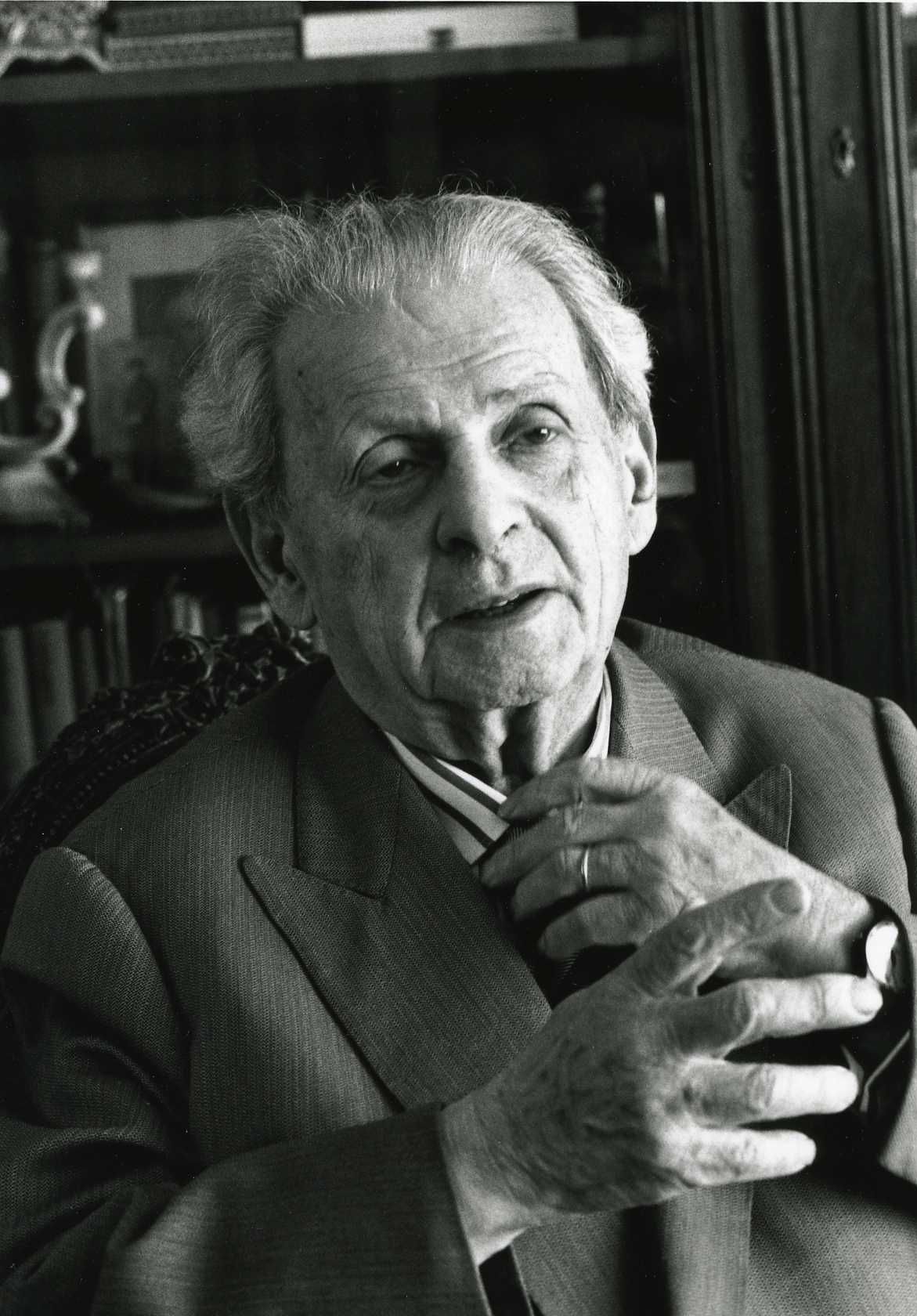 Emmanuel LevinasLithuanian-born French philosopher who argued that ethics, the encounter with another person, is first philosophy, before metaphysics or ontology; also a reader of the Talmud.
Arabic and Islamic
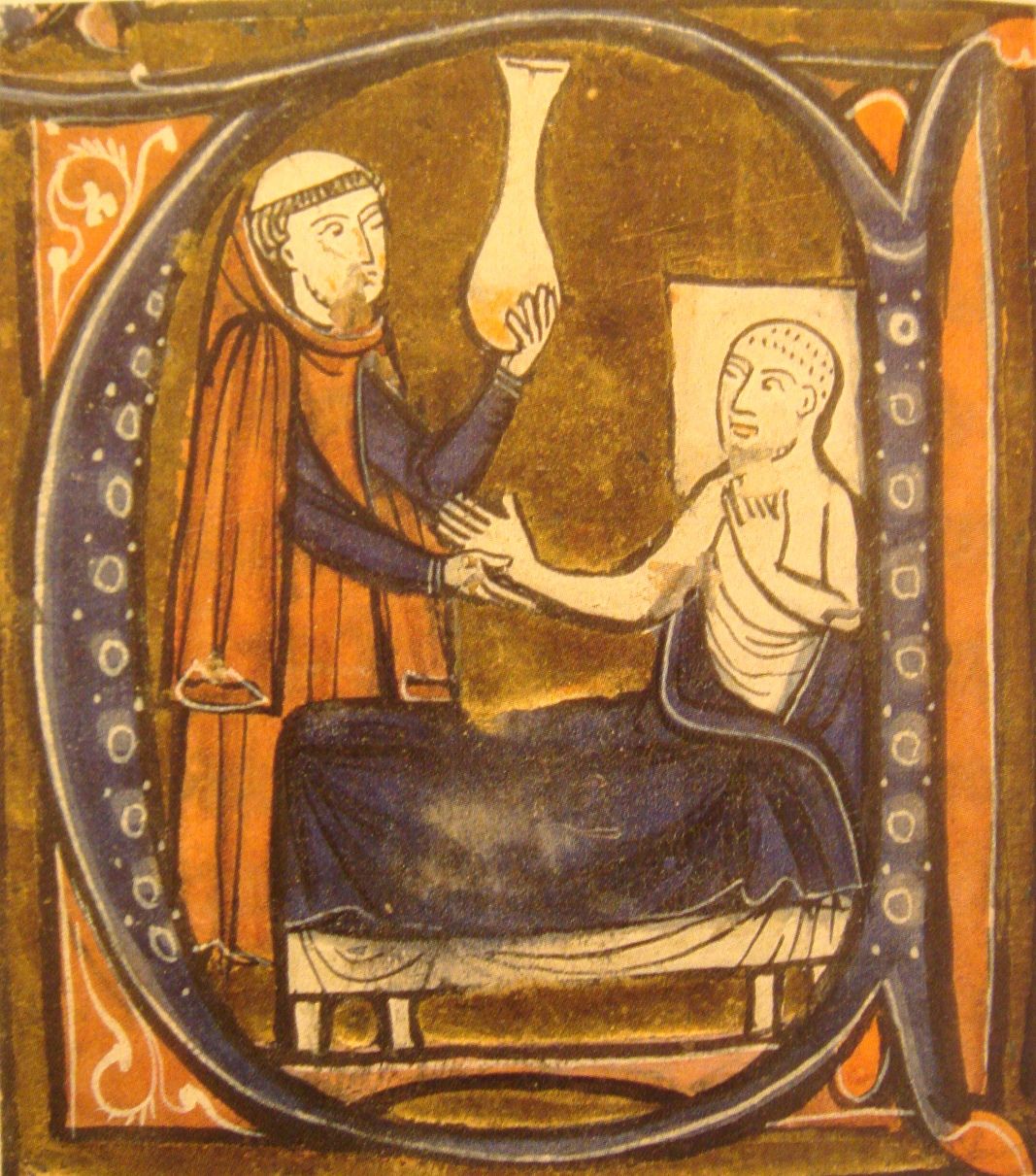 Abu Bakr al-RaziPhysician and controversial philosopher who held that the world arose from five eternal principles, and was reported to have argued that reason, not prophecy, guides us.
- Nasir al-Din TusiThe most famous scholar of his century in the Islamic world, author of some 165 works from astronomy to ethics, who served Ismaili and then Mongol rulers and founded a centre of learning at Maragha.
Indian
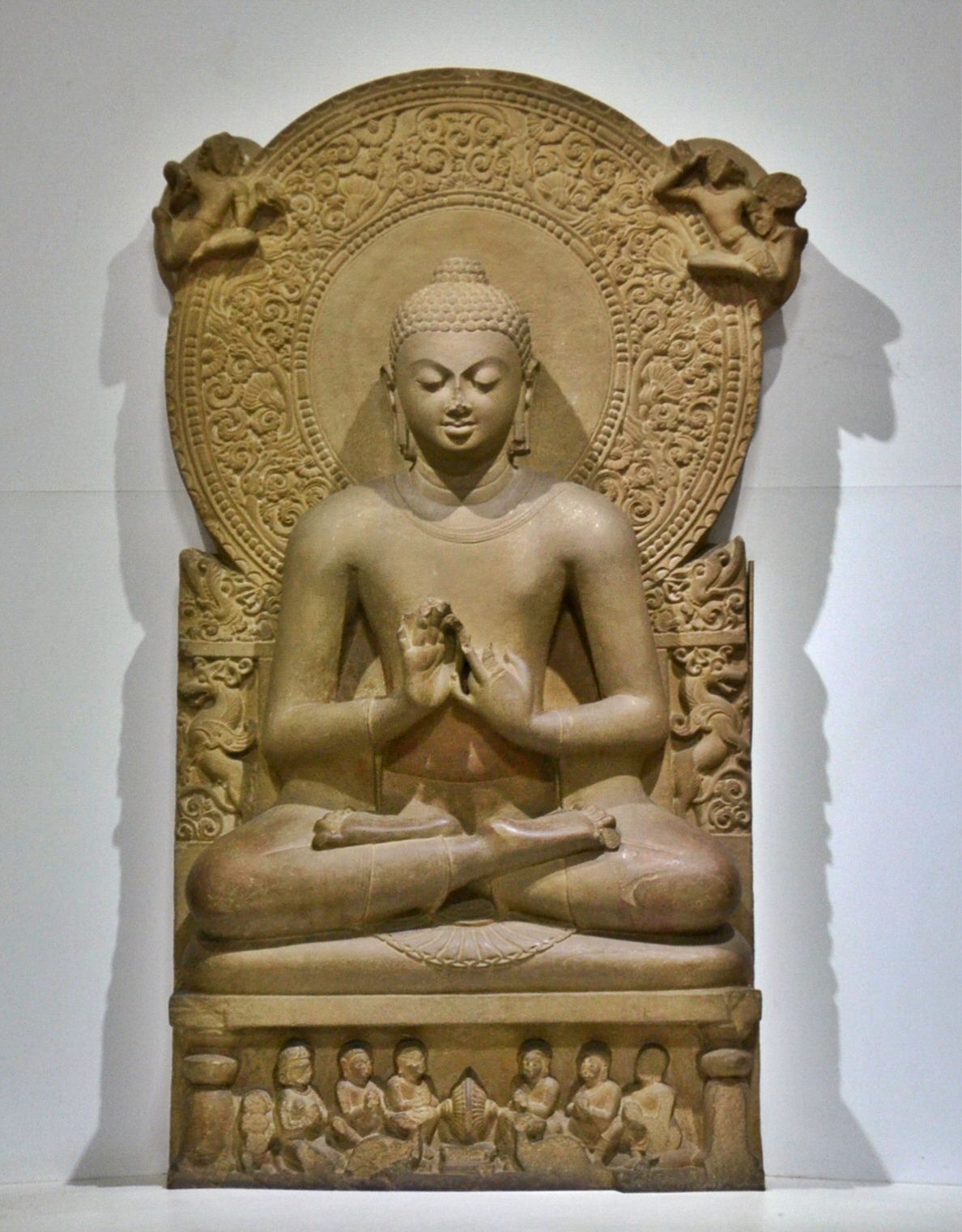 The BuddhaFounder of Buddhism, who taught that suffering arises from craving and can be ended, and that there is no enduring self.
- PatañjaliAuthor of the Yoga Sūtras, the founding text of classical Yoga, which defines yoga as the stilling of the mind's activities and sets out the eight limbs of practice that lead to liberation.
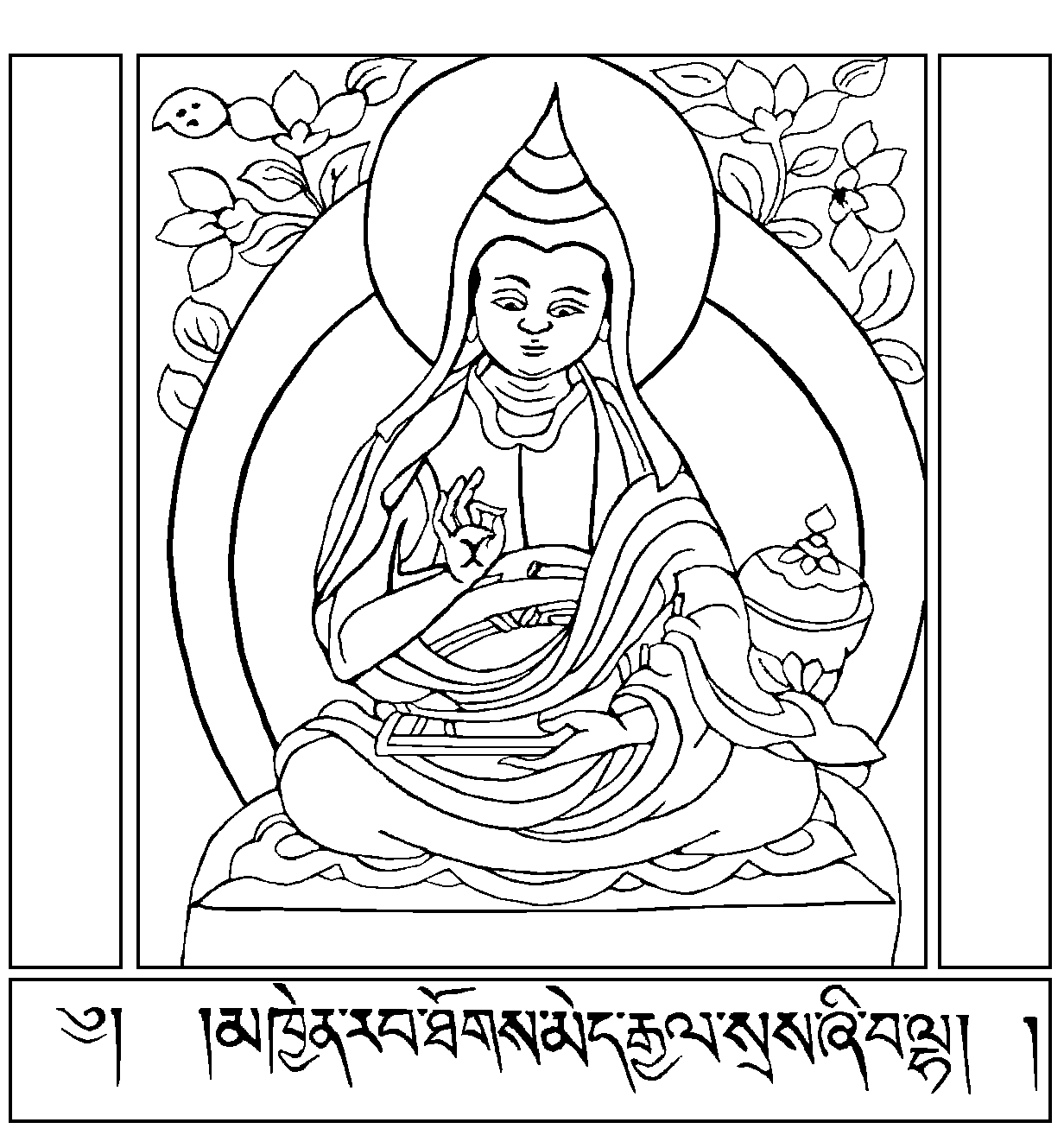 ŚāntidevaBuddhist monk and poet whose Guide to the Bodhisattva’s Way of Life argues from the absence of a self to boundless care for others, and against the rationality of anger.
Tibetan
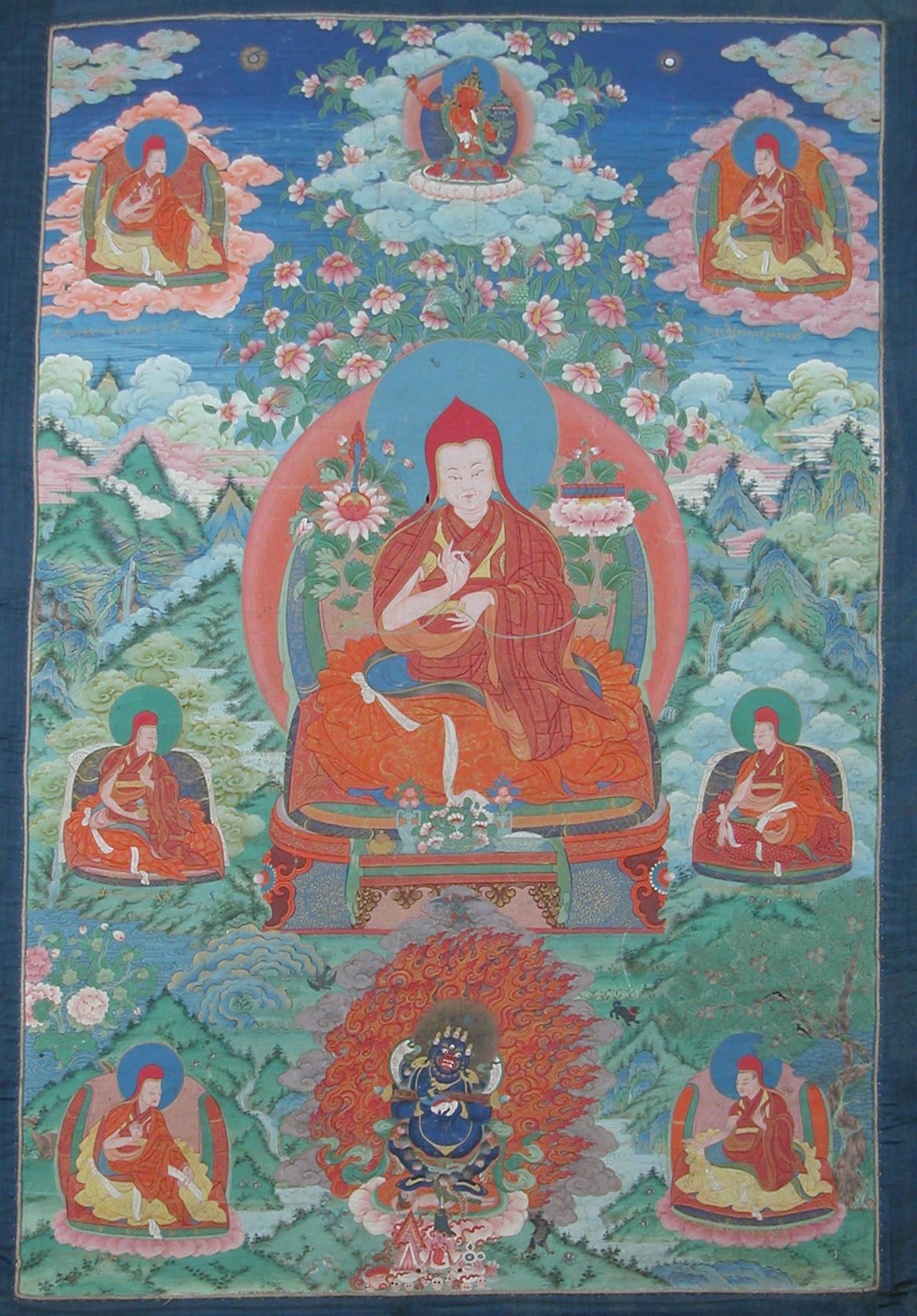 Sakya PaṇḍitaSakya scholar, one of Tibet's greatest philosophers, whose Treasure of Reasoning turned Tibetan epistemology to Dharmakīrti's Pramāṇavārttika and criticised his Tibetan predecessors.
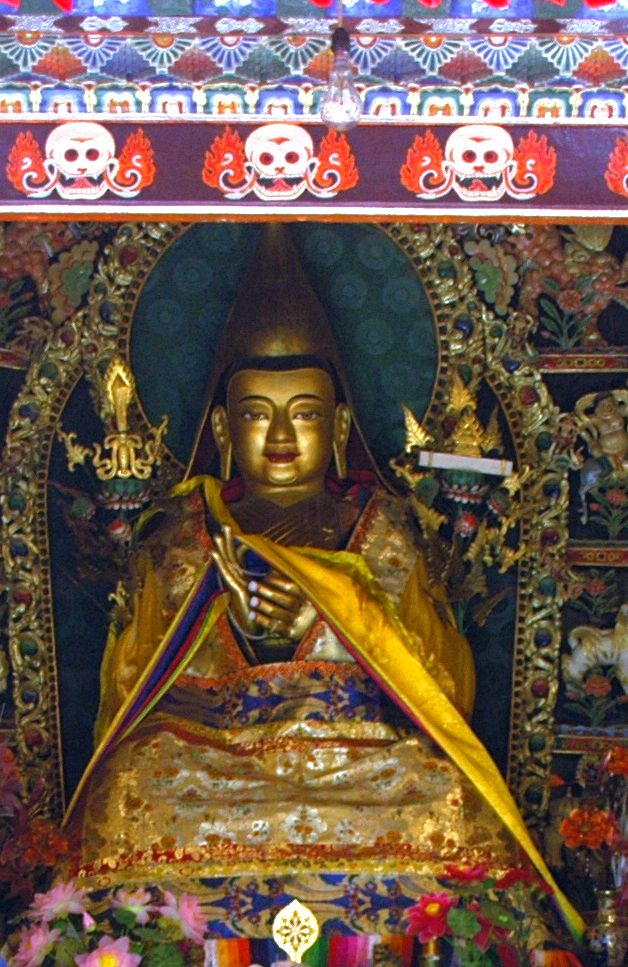 TsongkhapaTibetan philosopher whose reading of Madhyamaka joined a robust realism about the conventional world to emptiness, and whose school became the Gelug.
Chinese
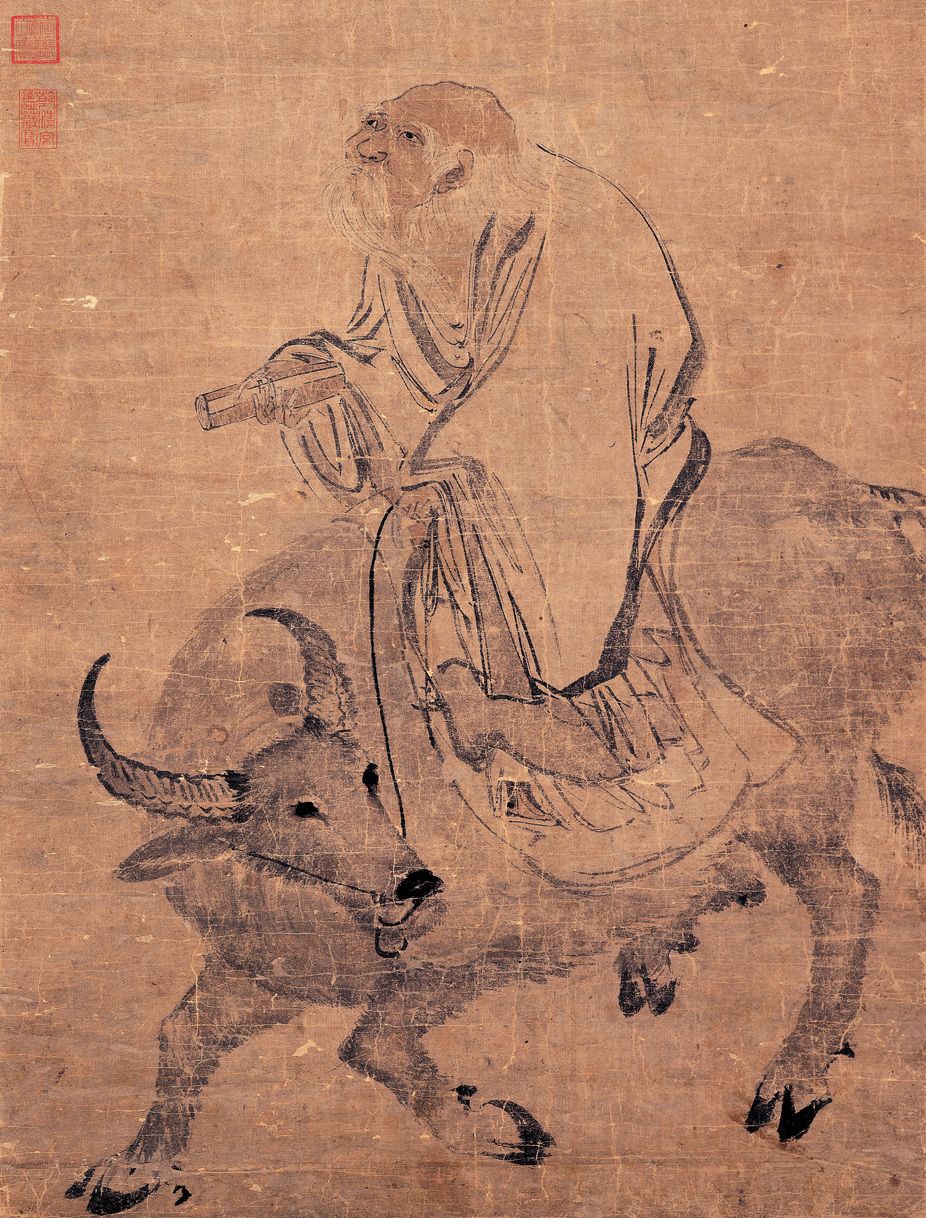 LaoziSemi-legendary sage traditionally credited with the Daodejing, the founding text of Daoism, which counsels living in harmony with the dao through simplicity and non-action.
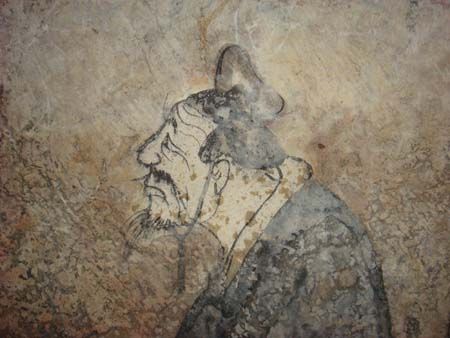 ConfuciusTeacher and would-be adviser to rulers, whose sayings about virtue, ritual and good government became the foundation of Confucianism.
- MoziFounder of Mohism, who argued for impartial care for everyone and against offensive war, and was the first Chinese thinker to argue systematically for his views.
- LieziSemi-legendary Daoist master named in the Zhuangzi, to whom the Liezi is attributed, the third classic of philosophical Daoism after the Laozi and the Zhuangzi.
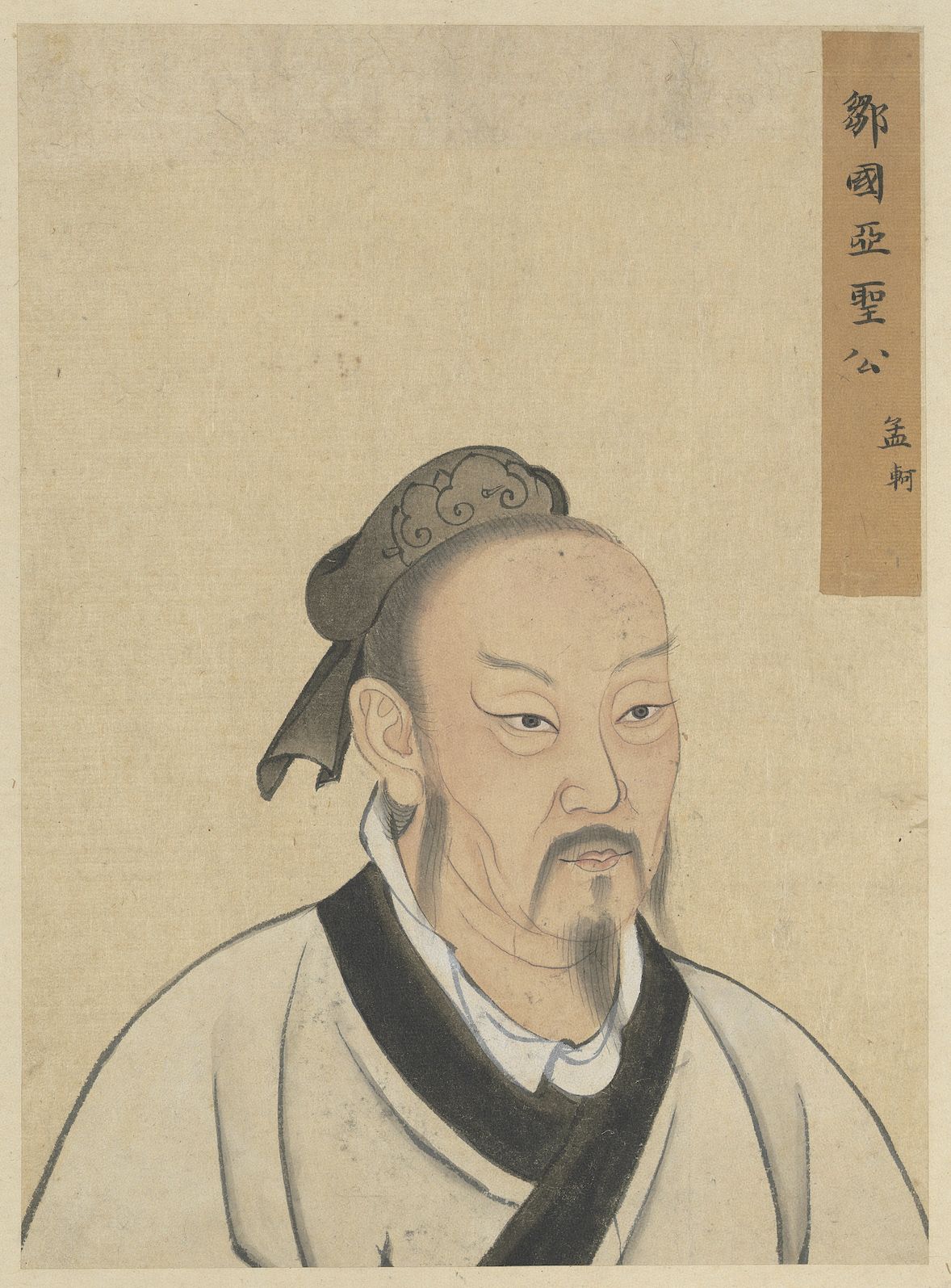 MenciusKnown as the 'Second Sage' of Confucianism, he argued that human nature is good and that virtue grows from innate moral sprouts.
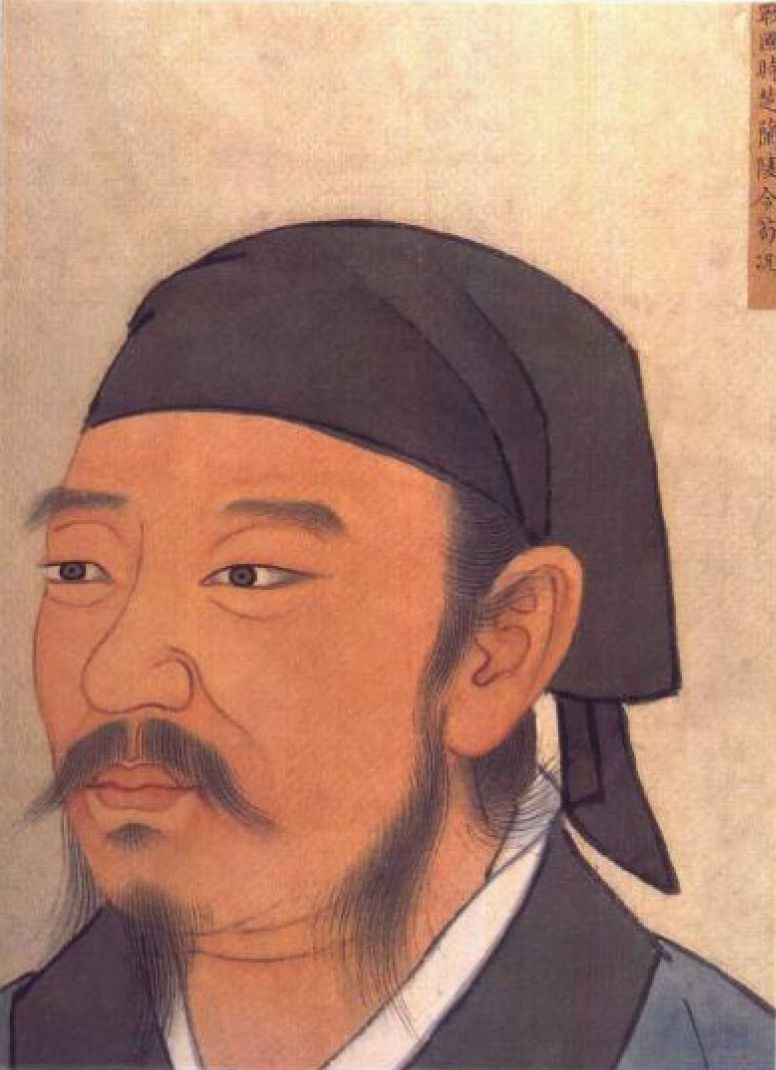 XunziConfucian who argued, against Mencius, that human nature is bad and must be reformed through ritual, learning and the teachings of the sages.
- Lu JiaMinister to the founding Han emperor whose New Discussions is the earliest surviving Han treatise on political philosophy, grounding the Way of government in the patterns of Heaven.
- Yang XiongHan court poet and Confucian scholar, best known for holding that human nature is neither good, as Mencius said, nor bad, as Xunzi said, but a mixture of both.
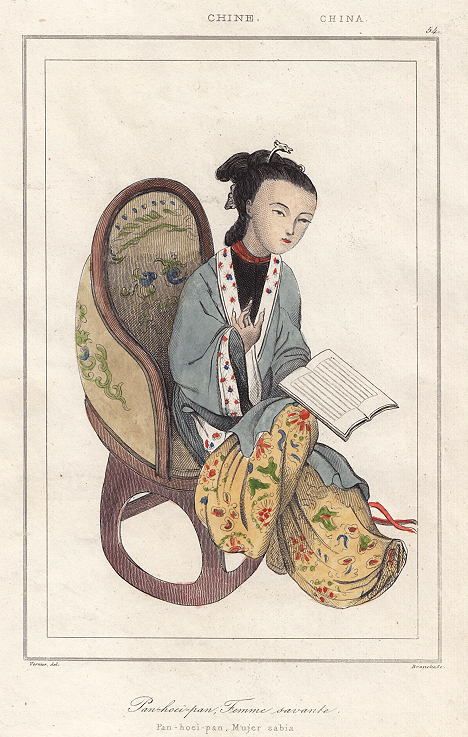 Ban ZhaoHan scholar and historian who completed the History of the Former Han and wrote Instructions for Women, a Confucian guide to the virtues of a wife.
- Wang FuEastern Han critic whose Discourses of a Hermit revived the Confucian idea of withdrawing from a corrupt society, for virtue's sake, as the dynasty declined.
- Xu GanLast major philosopher of the Han, one of the Seven Masters of Jian An, whose Discourses Hitting the Mark explored how names relate to actualities and to moral conduct.
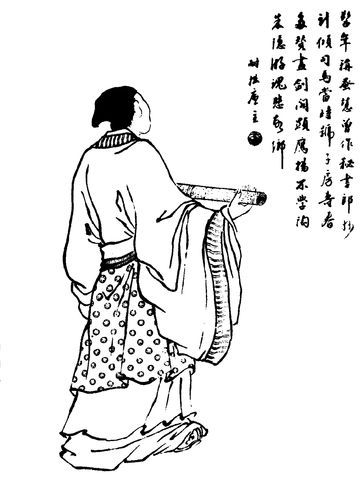 Zhong HuiThird-century interpreter of the Laozi and Yijing and an early figure of xuanxue, who held that natural capacity and nature coincide, and died after a failed rebellion.
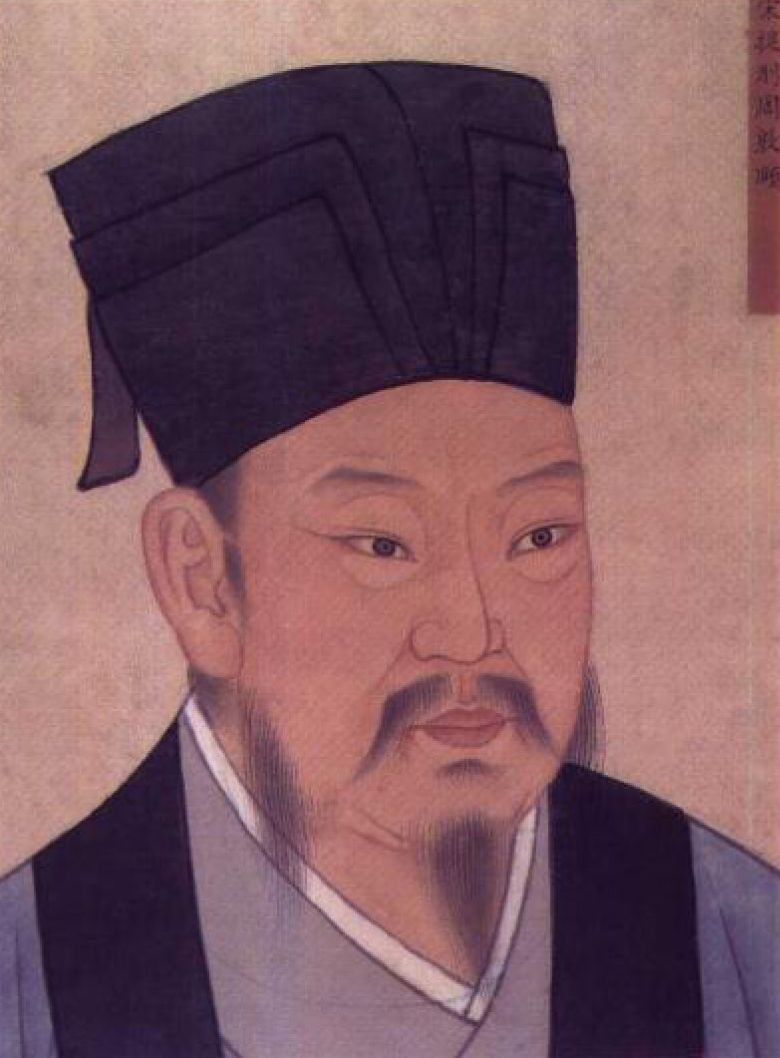 Zhou DunyiNorthern Song thinker, honoured as the first Neo-Confucian master, whose Diagram of the Supreme Polarity traced the cosmos from its source to human beings and the sage.
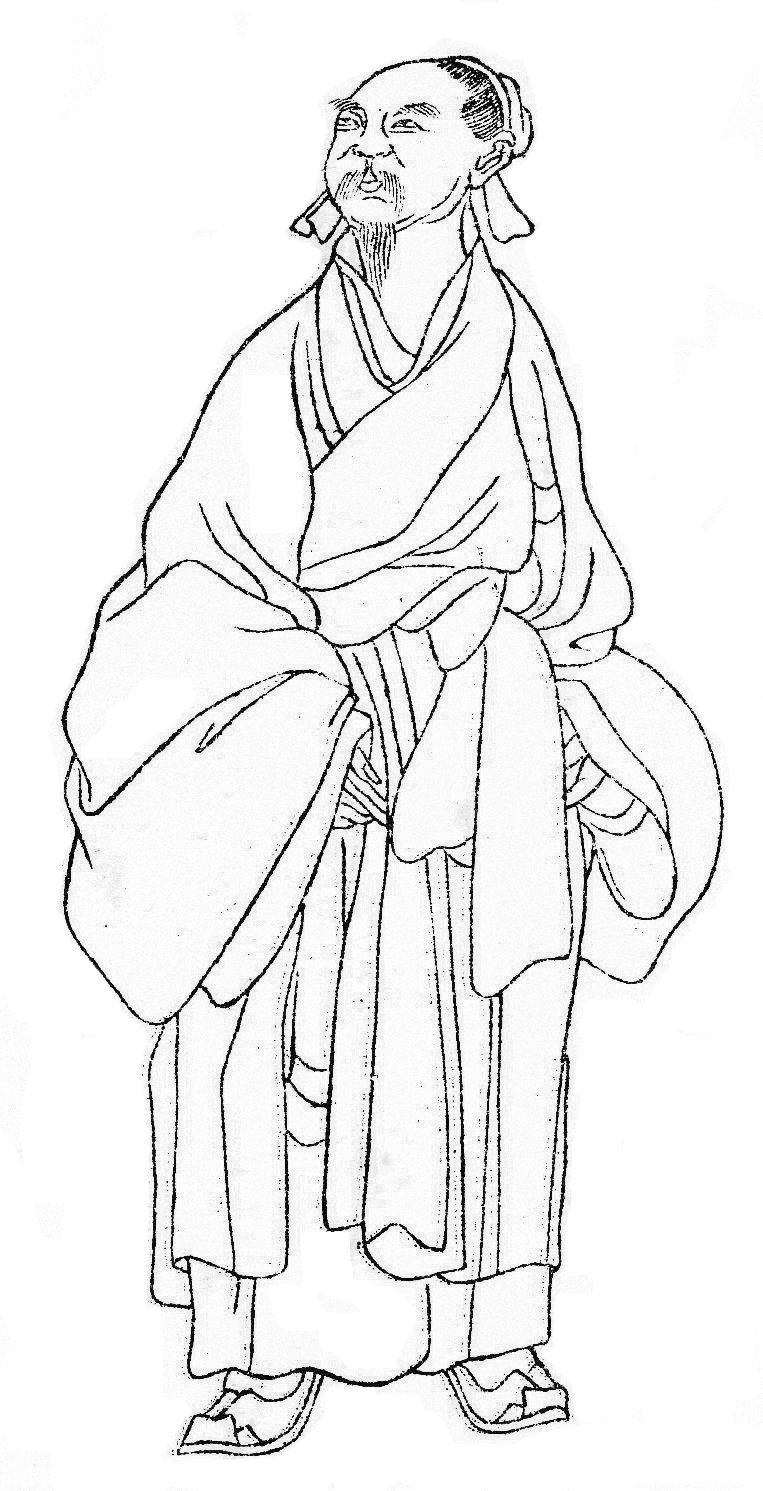 Zhang ZaiNorthern Song pioneer of Neo-Confucianism who held that everything is qi, condensing and dispersing, and taught that we form one body with all things.
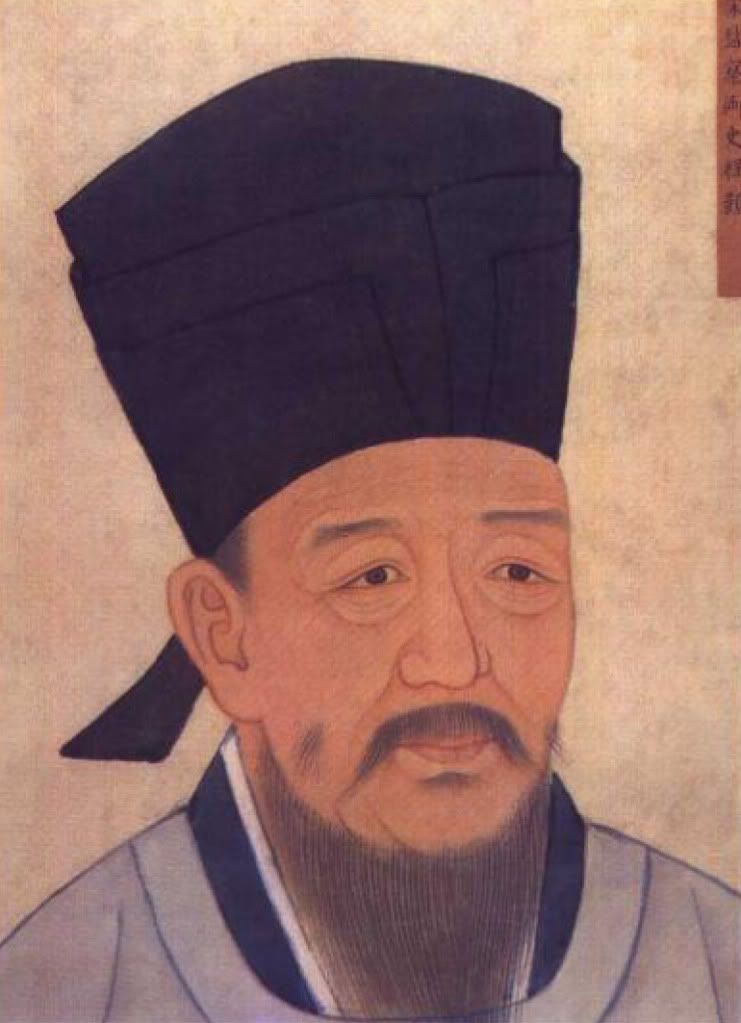 Cheng HaoCo-founder, with his brother Cheng Yi, of the Neo-Confucian "learning of principle", who saw ultimate reality as life-giving activity and the humane person as one body with all things.
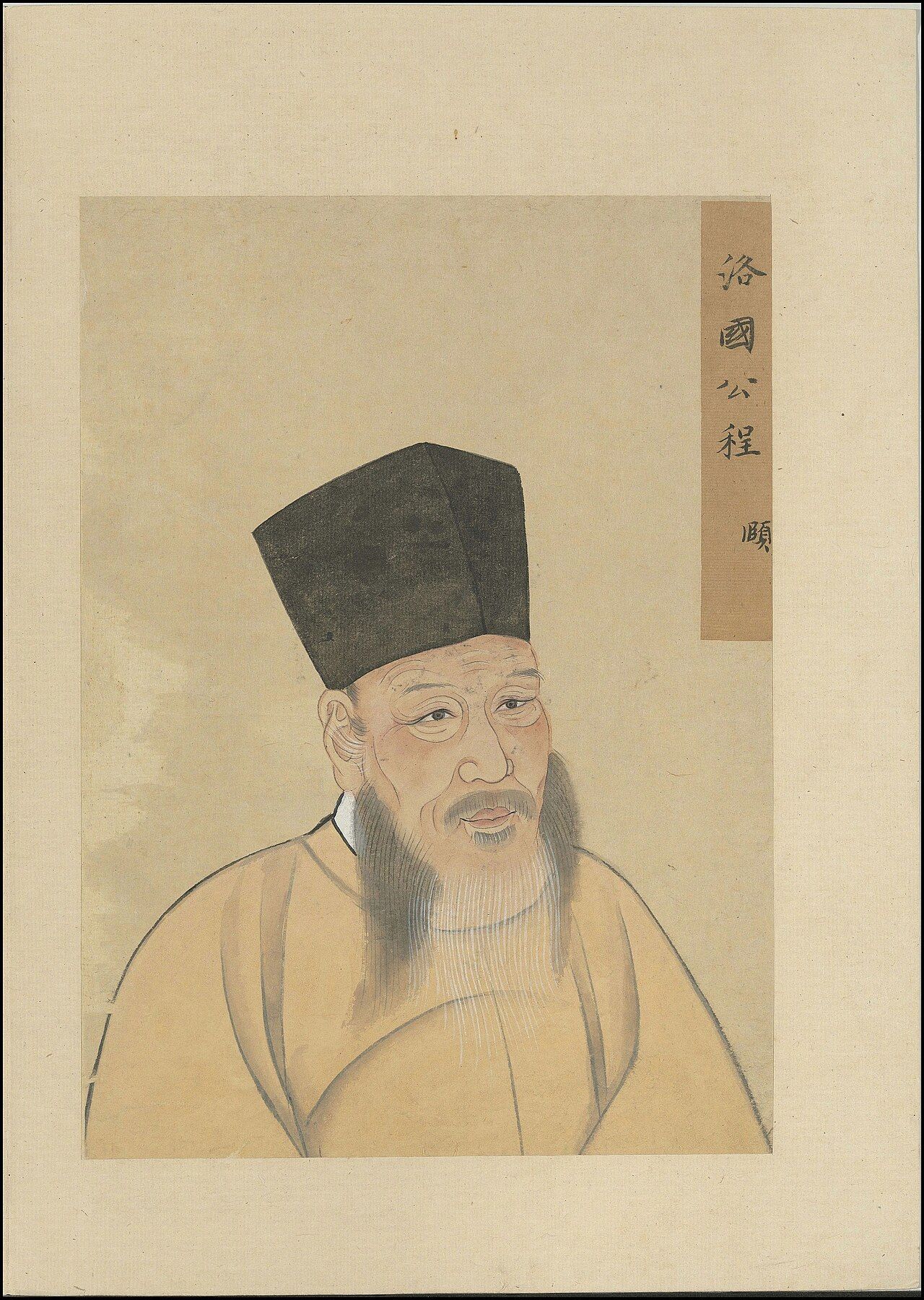 Cheng YiNorthern Song Neo-Confucian who made principle (li) the ground of all existence and morality, and taught cultivation through composure and investigating things.
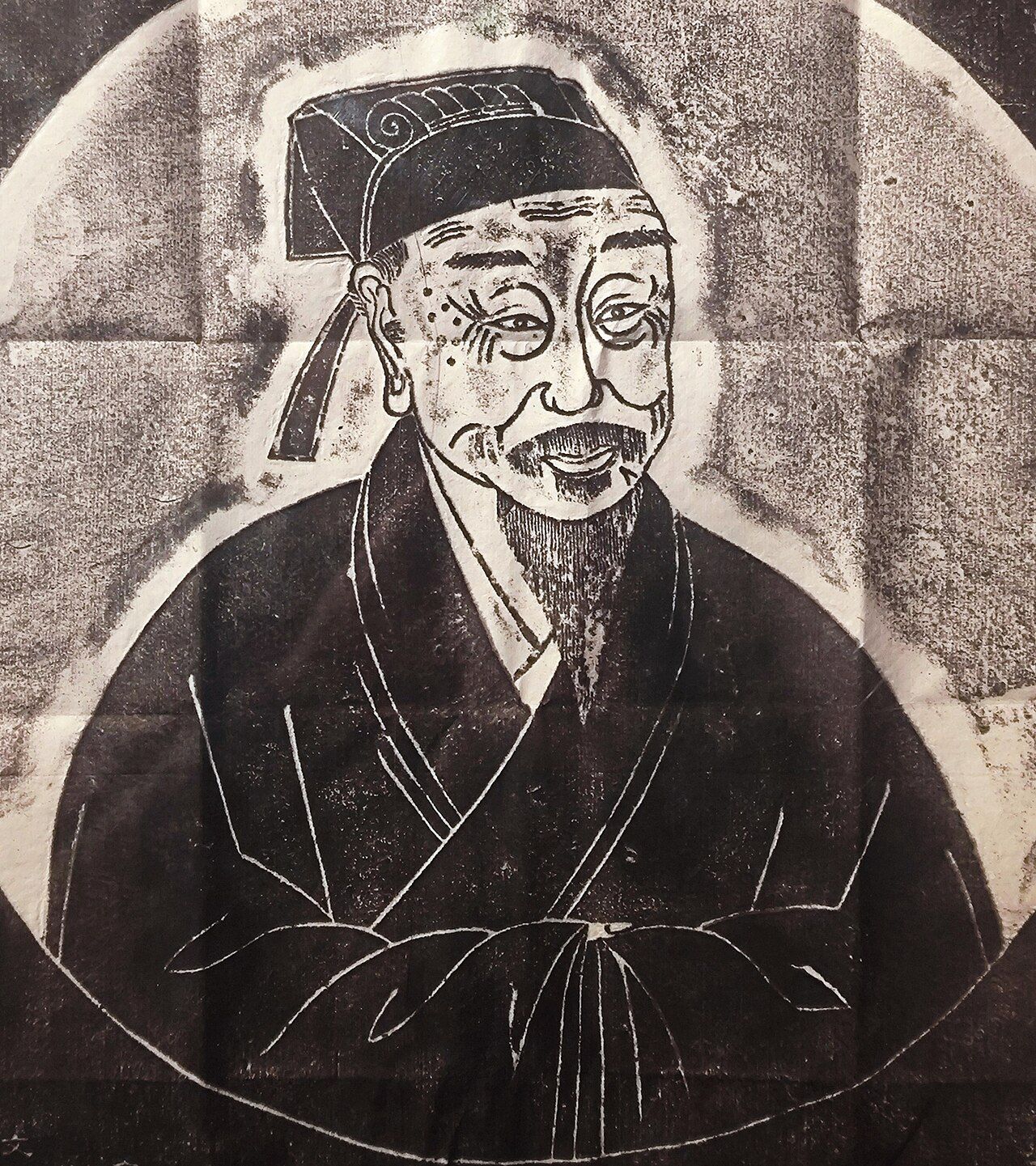 Zhu XiThe leading Neo-Confucian philosopher, whose synthesis and commentaries on the Four Books became the basis of Chinese state examinations for centuries.
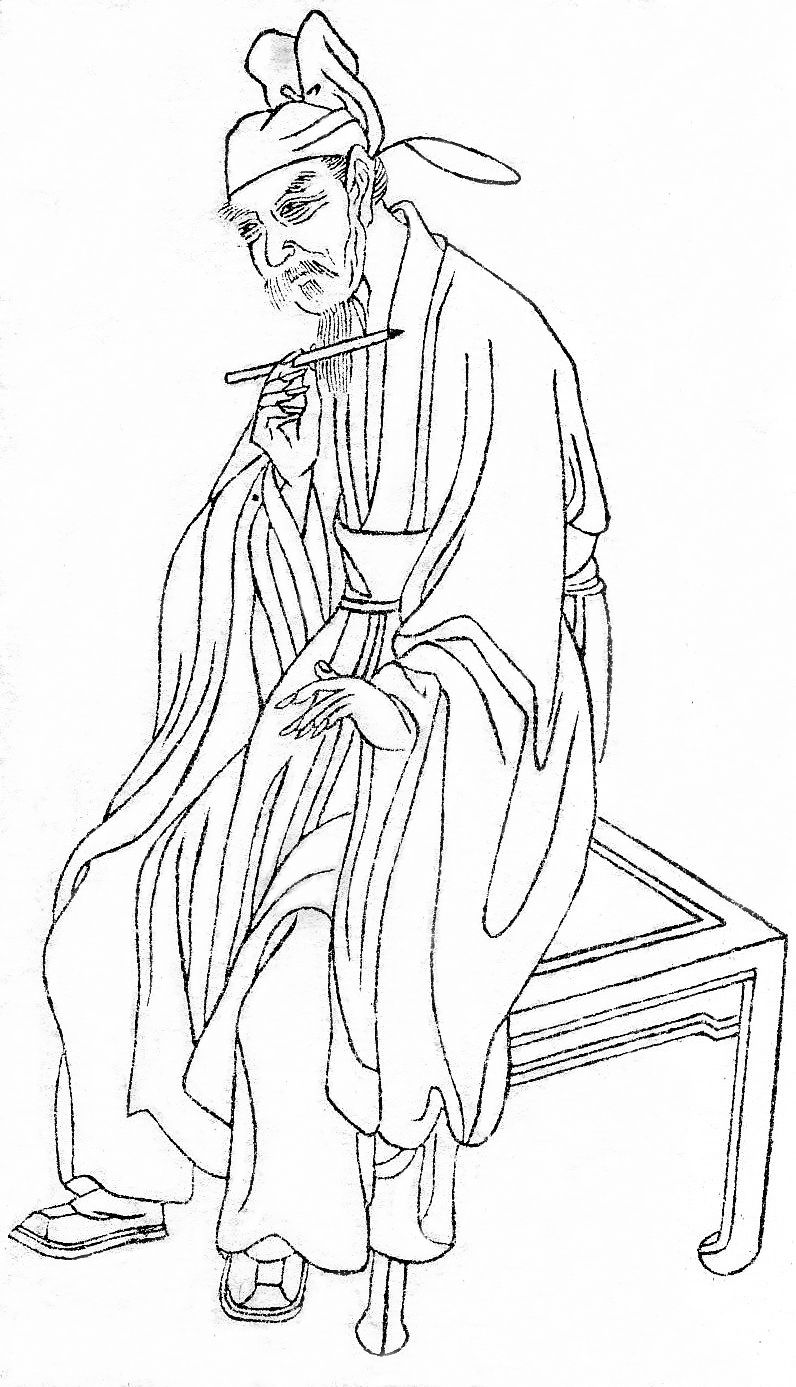 Lu XiangshanSouthern Song Confucian, friend and critic of Zhu Xi, who held that principle is complete within the heart-mind, and with Wang Yangming gave his name to the 'learning of the heart-mind'.
- Chen LiangSouthern Song Confucian of the Yongjia school, who judged policies and practices by their contribution to public welfare, and argued against treating the Way as a timeless abstraction.
- Ye ShiSong Confucian of the Yongjia school who, like Chen Liang, judged policies and practices by their public benefit and rejected a timeless, abstract Way.
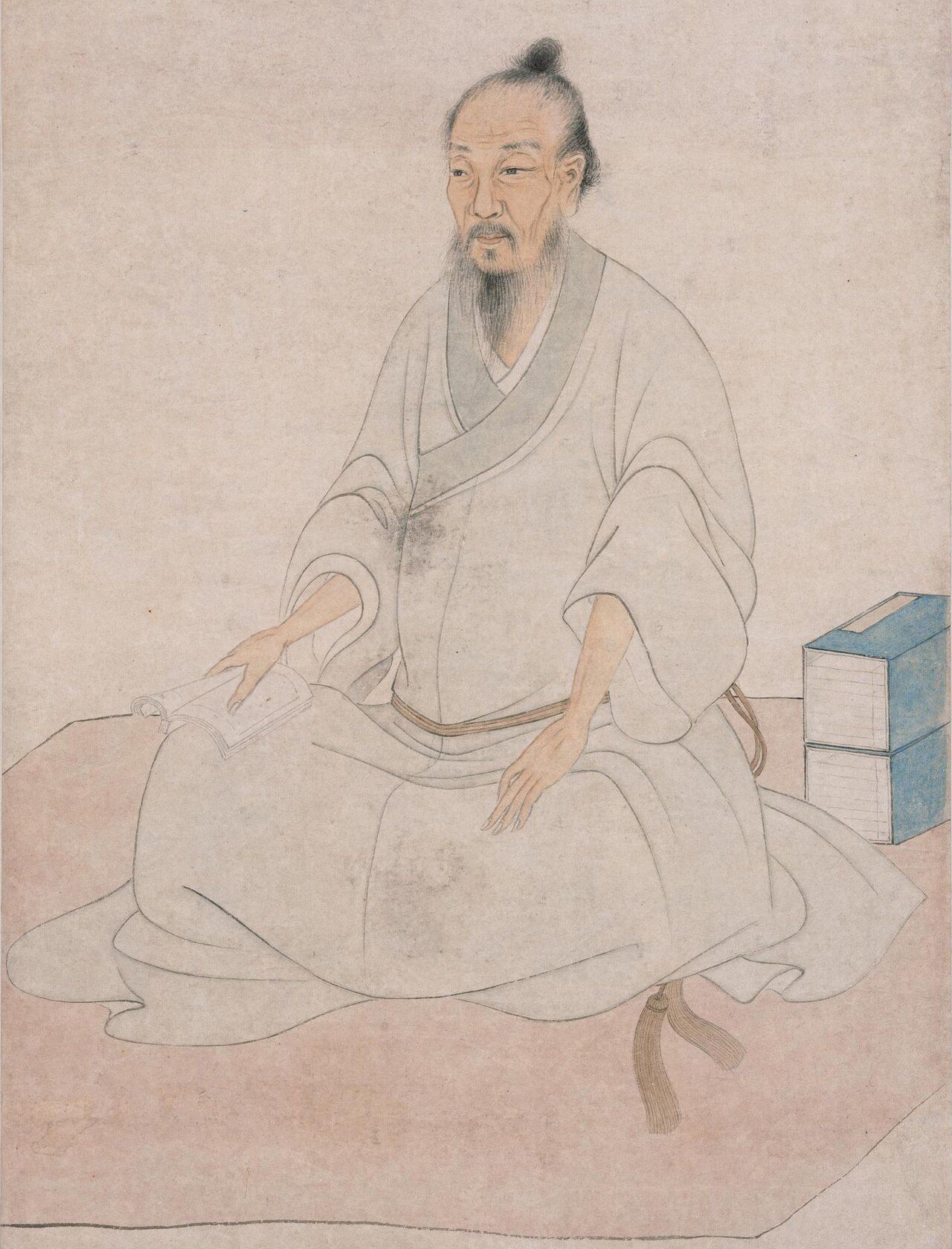 Wang YangmingMing statesman, general and Neo-Confucian thinker who taught that moral understanding is innate in every mind, and that knowing and acting are one.
- Wang TingxiangMaverick Ming Confucian who held that qi alone accounts for everything, rejected the oneness of all things, and denied that human nature is necessarily good.
- Wang GenMing Confucian and founder of the Taizhou school, who held that sagehood lies in the everyday practices of ordinary people and set out to bring Confucian learning to all.
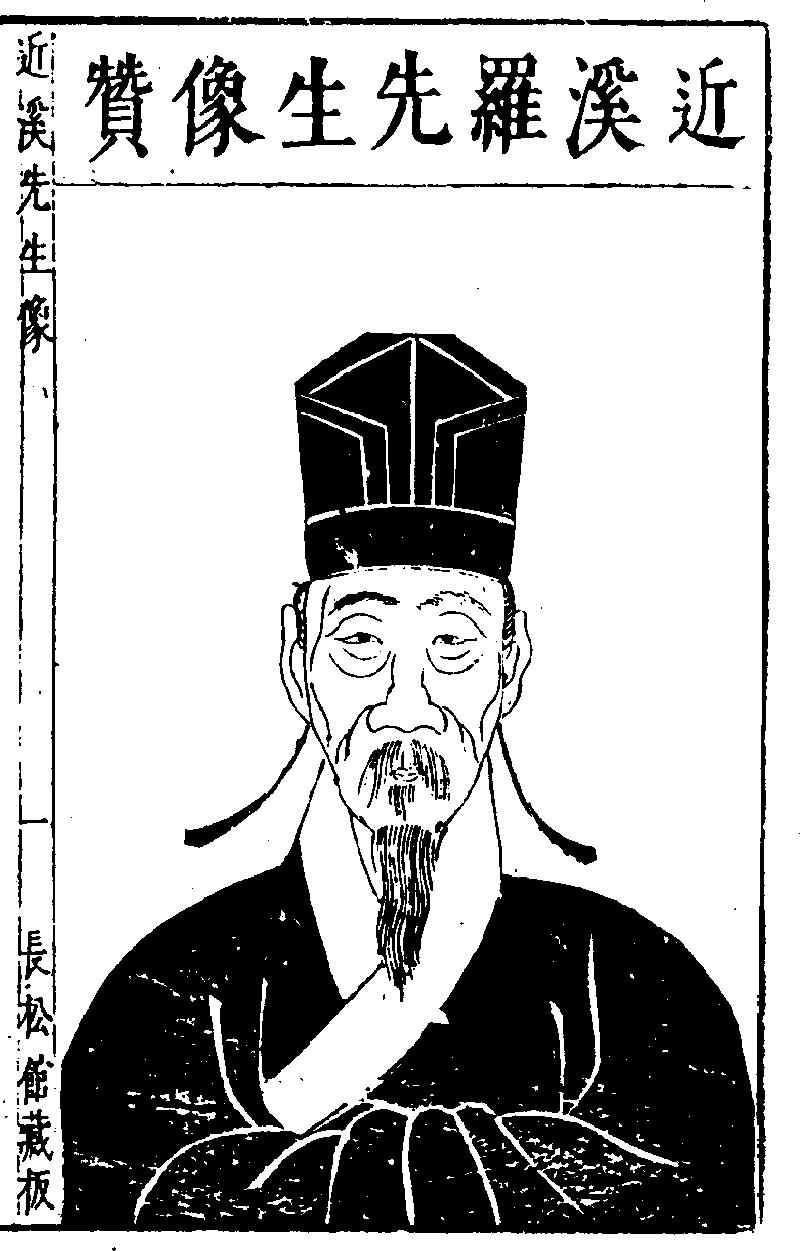 Luo RufangMing Confucian of the Taizhou school who found goodness in the 'infant heart-mind', defended women's education, and held women more reliably virtuous than men.
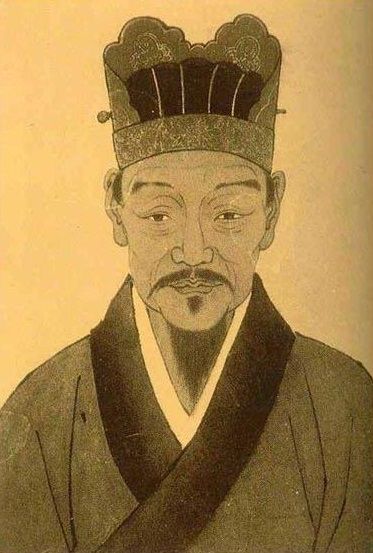 Li ZhiUnorthodox Ming Confucian of the Taizhou school, who found our truest moral capacity in the 'child heartmind' and defended the education of women.
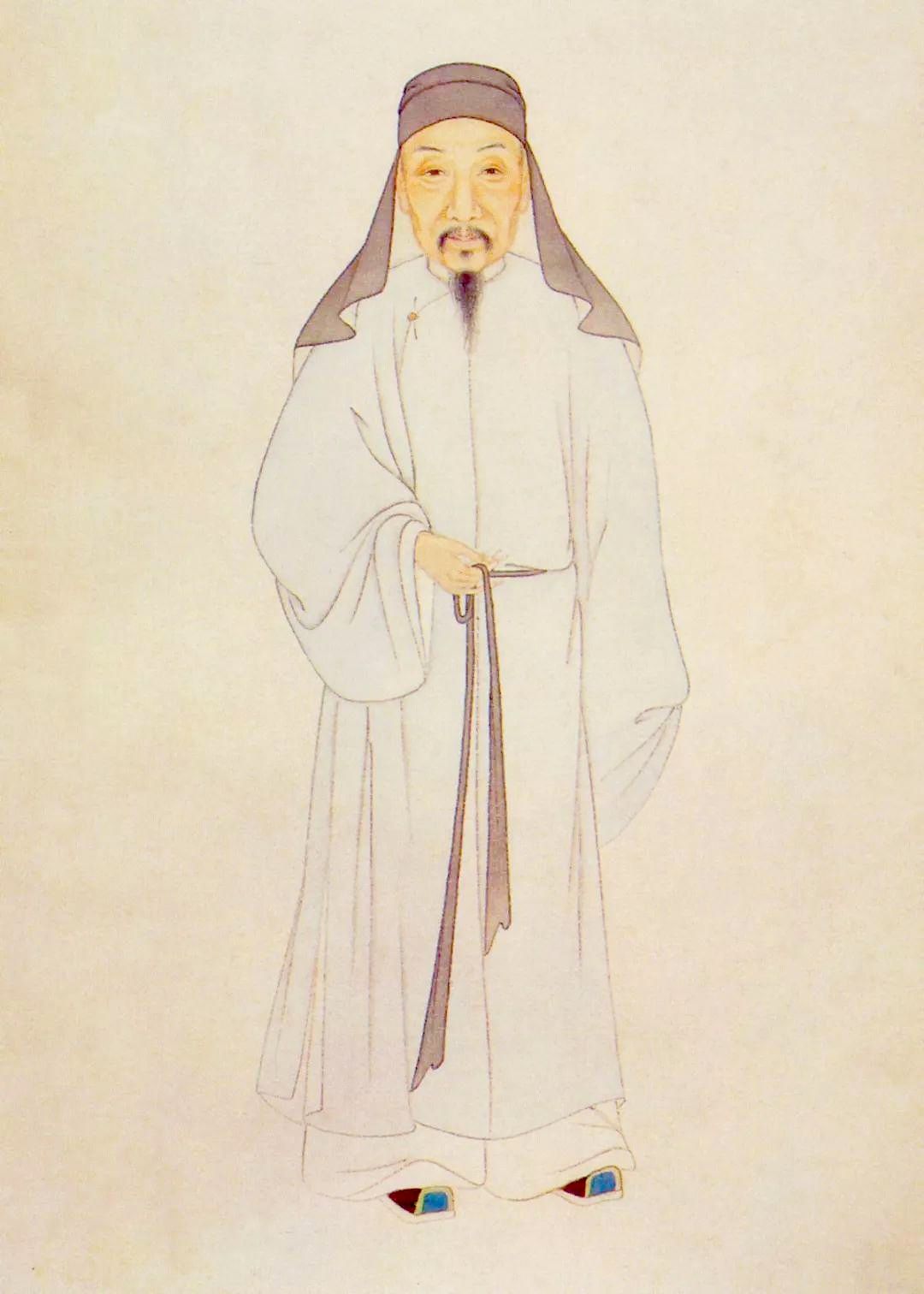 Gu YanwuEarly Qing scholar who rejected Ming Confucianism's 'empty learning', avoided metaphysics, and insisted that the study of principle is the study of the classics.
- Dai ZhenQing scholar who argued, against Zhu Xi, that pattern lies in everyday things and that ethics begins from fulfilling people's wants and feelings, not suppressing them.
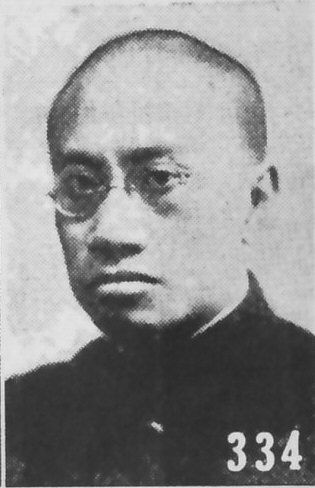 Liang ShumingConfucian defender who, in Eastern and Western Cultures and Their Philosophies, saw world cultures as three stages and predicted a renewed Chinese culture for the world.
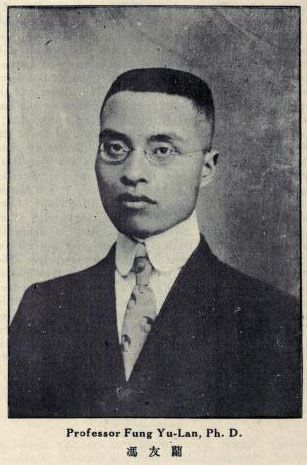 Feng YoulanHistorian of Chinese philosophy who rebuilt Zhu Xi's learning of principle with the tools of Western logic, and later reworked his thought under Mao in Marxist terms.
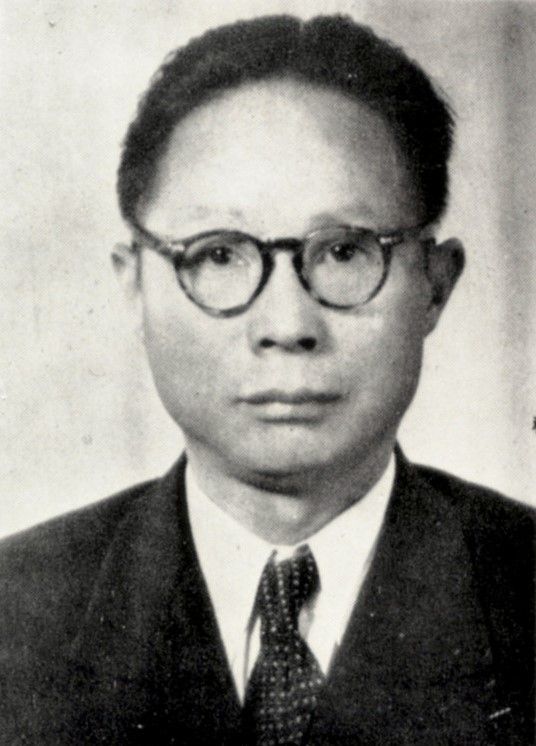 Xu FuguanArmy general turned scholar, a New Confucian who wrote on the history of Chinese thought and art and held that Chinese learning aims at moral practice rather than knowledge.
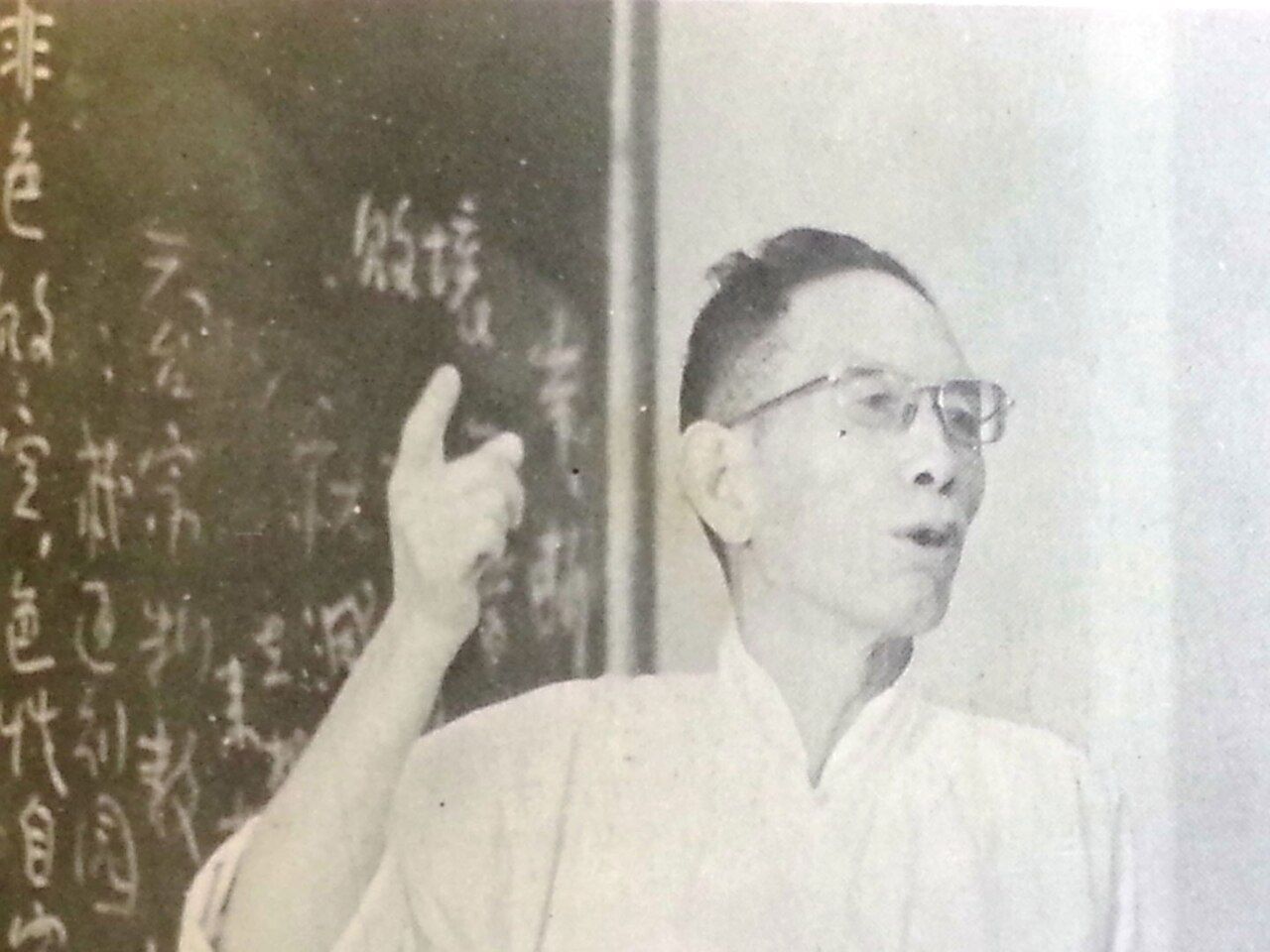 Mou ZongsanNew Confucian who argued, against Kant, that human beings have intellectual intuition, a direct moral knowing that makes sagehood possible and gives the world its moral meaning.
- Tang JunyiNew Confucian philosopher and co-founder of New Asia College in Hong Kong, who analysed Chinese and Western cultures as expressions of the mind's pursuit of ideals.
- Tu WeimingThird-generation New Confucian, long at Harvard, who stressed the religious dimension of Confucianism and promoted dialogue between civilisations towards a global ethic.
Japanese
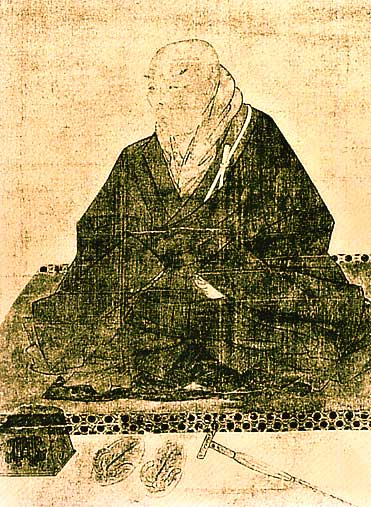 ShinranDisciple of Hōnen whose radical Pure Land thought held that the nembutsu is the Buddha's call, and true entrusting Amida's own mind given to beings.
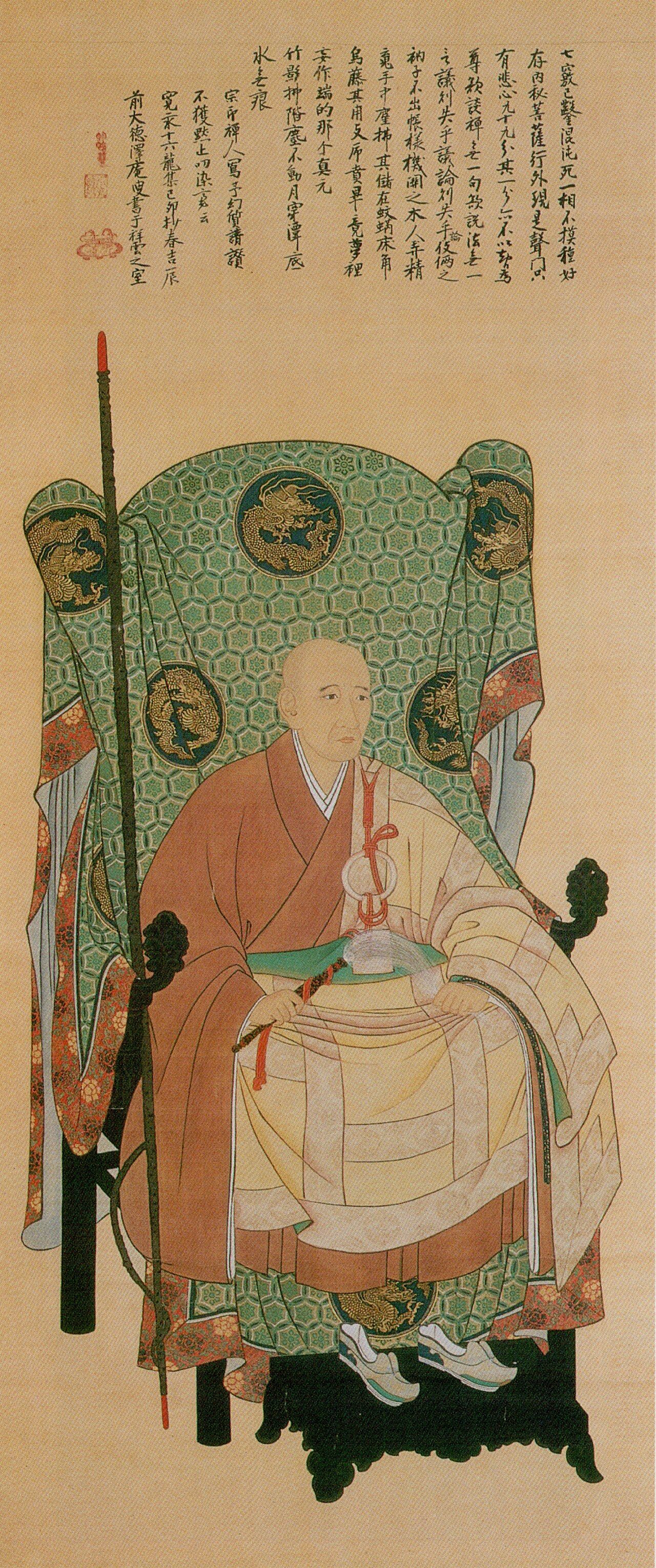 Takuan SōhōRinzai Zen master who linked Zen with the martial experience of his samurai students, describing an 'immovable wisdom' that stays still in the midst of action.
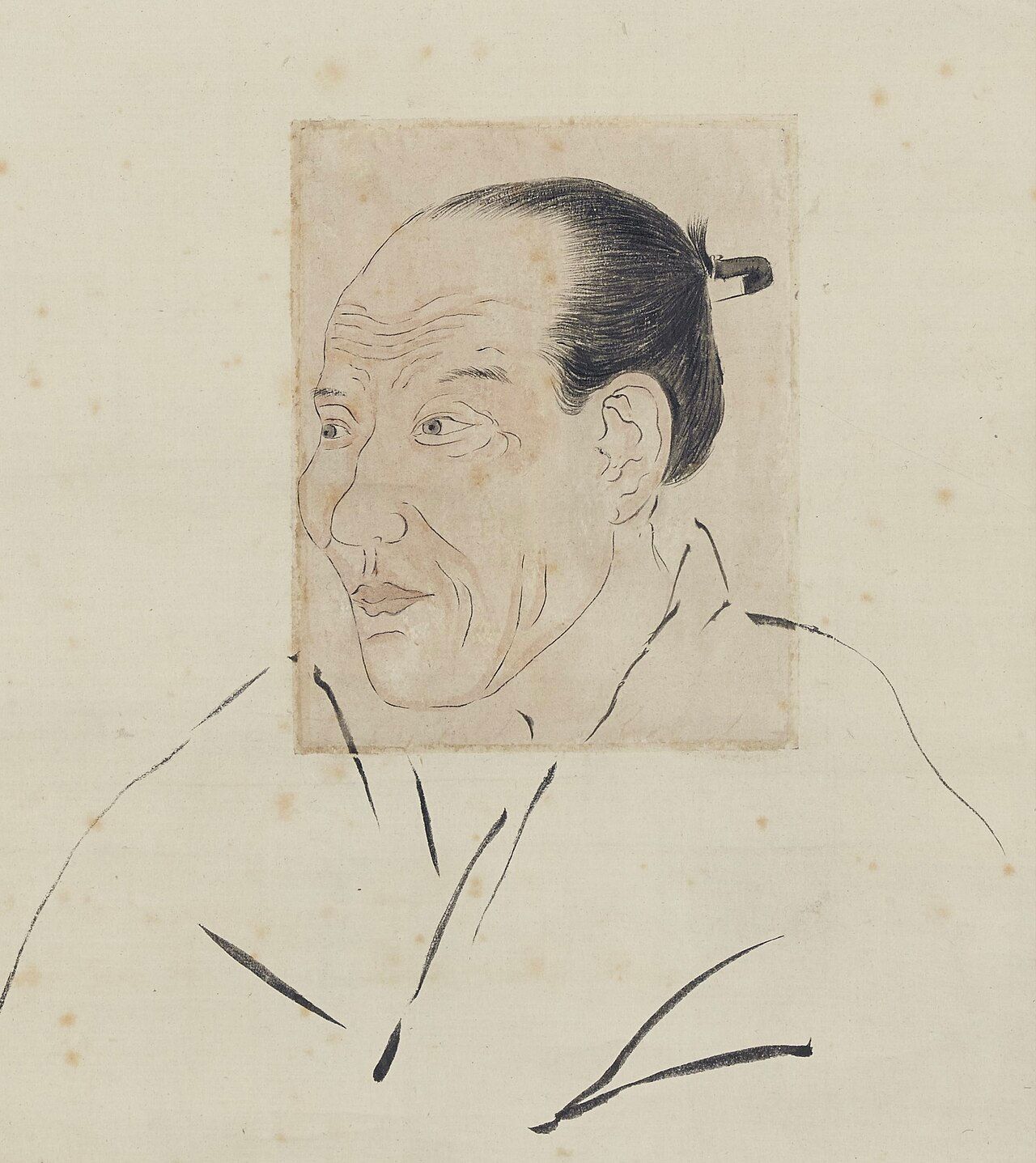 Itō JinsaiKyoto Confucian scholar who rejected Zhu Xi's priority of principle for a monism of generative force, and read the Analects and Mencius word by word to purge Buddhist terms.
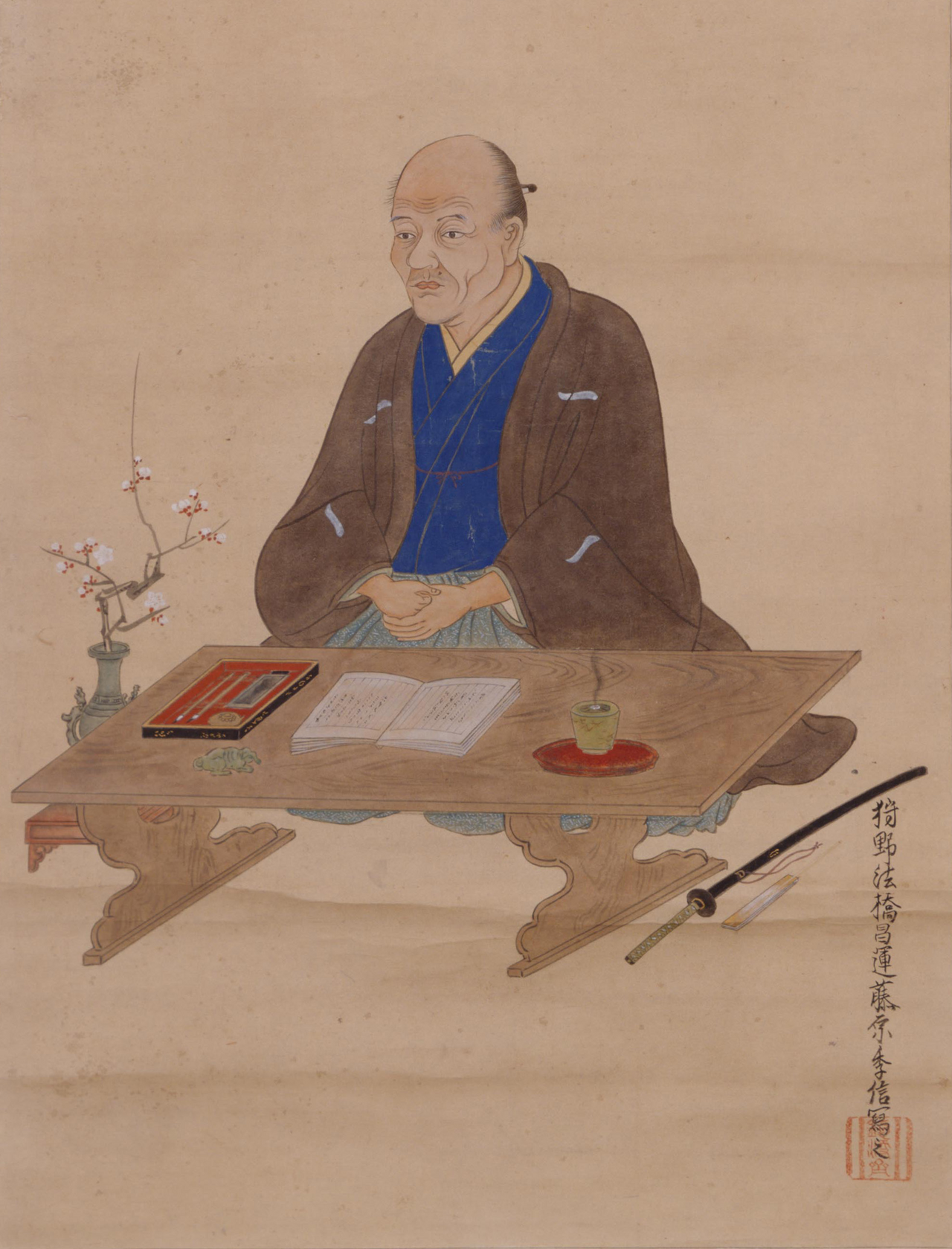 Kaibara EkkenJapanese Neo-Confucian, physician and naturalist whose Record of Great Doubts set out one of the most systematic philosophies of doubt in early modern Japan.
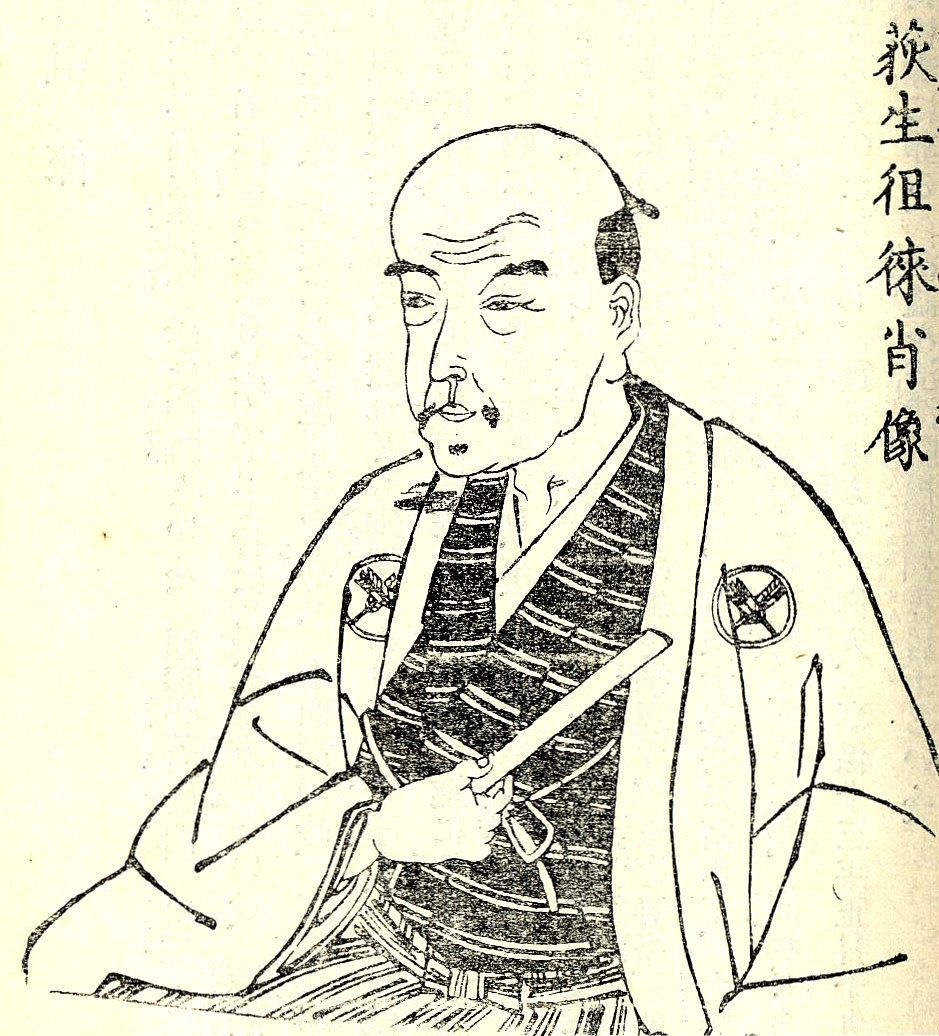 Ogyū SoraiEdo Confucian whose Distinguishing Names tied correct definitions to good government, and who held that rites and institutions, not the mind's self-control, order people and states.
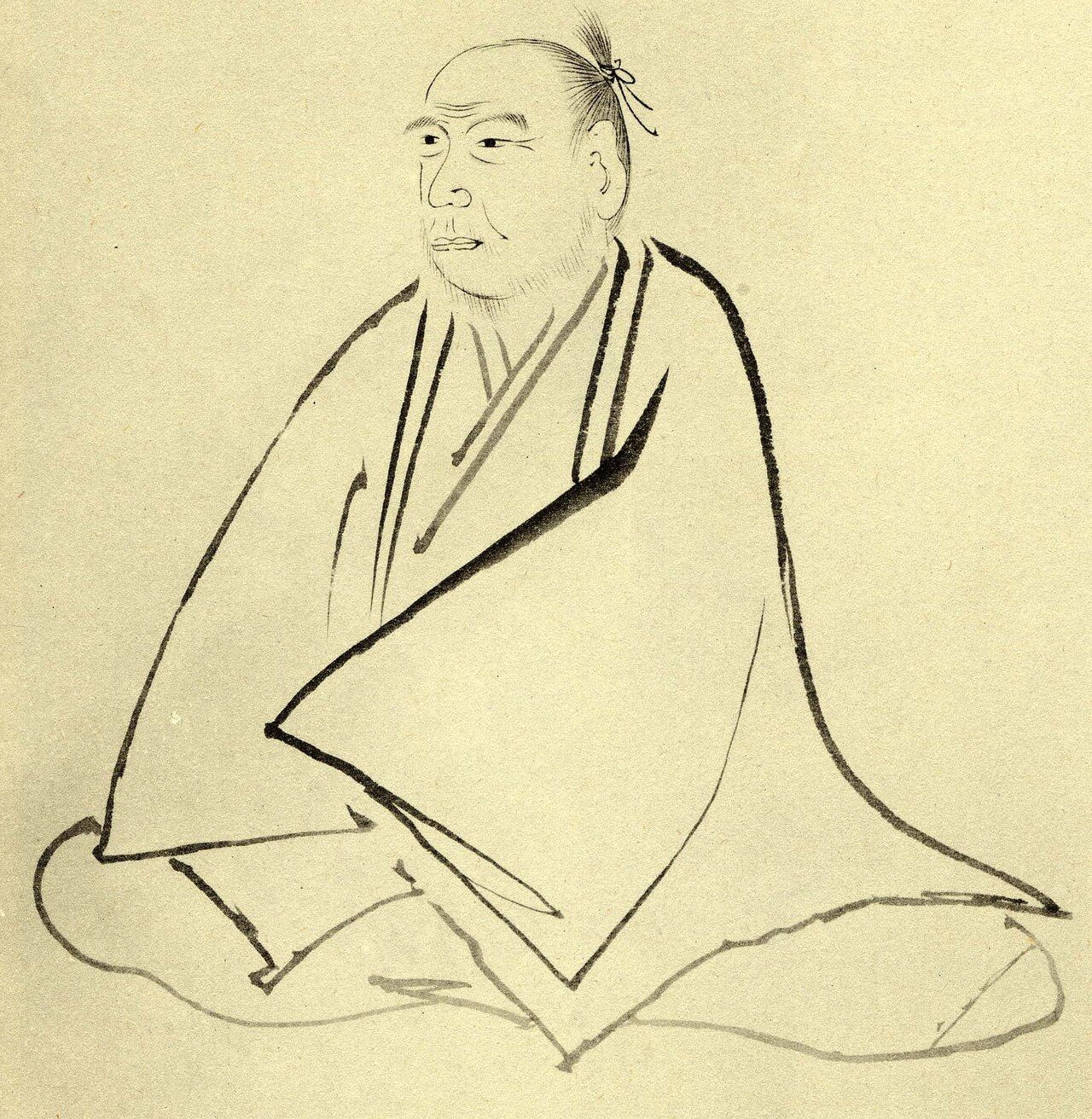 Kamo no MabuchiEdo-period scholar of Japan's oldest poetry, who held that the ancient Way followed the rhythms of nature and was corrupted by the artificial morals imported from China.
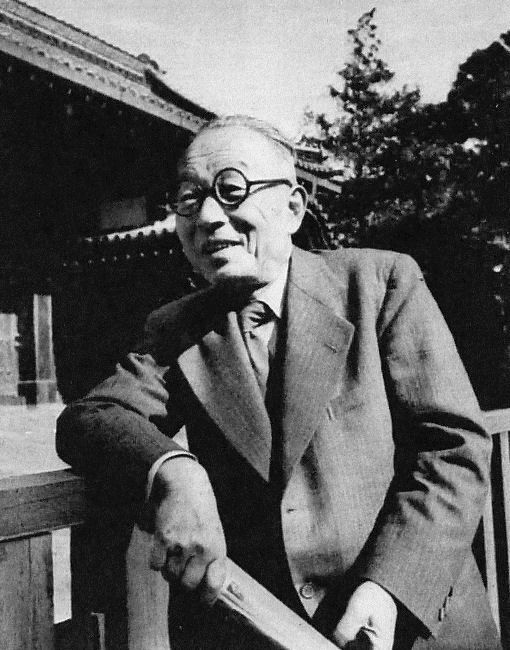 Watsuji TetsurōPhilosopher of ethics and culture who answered Heidegger's stress on time with space and climate, and defined the human being by the 'betweenness' of people.
Korean
- GihwaBuddhist monk of early Joseon whose Exposition of Orthodoxy answered Jeong Dojeon's Neo-Confucian attack on Buddhism with a Buddhist account of self-cultivation.
- Yi HwangJoseon Neo-Confucian, known as Toegye, whose Ten Diagrams on Sage Learning distilled Zhu Xi's thought, and whose Four-Seven Debate on principle and feeling defined Korean philosophy.
- Gi DaeseungJoseon Neo-Confucian, known as Gobong, whose letters to Yi Hwang began the Four-Seven Debate, arguing that principle and material force cannot be separated in the feelings.
- Yi IJoseon Neo-Confucian, known as Yulgok, who argued against Yi Hwang that principle and material force always act together: material force issues, and principle rides on it.
- Im YunjidangJoseon Neo-Confucian, among the few women of her time to write philosophy, who held that each thing has its own embodied nature and that women have the same moral potential as men.
- Jeong YakyongJoseon scholar, known as Dasan, among Korea's most celebrated philosophers, who took apart Zhu Xi's metaphysics of principle and rebuilt Confucian ethics around a personal Lord on High.
- Baek YongseongKorean Seon monk and independence activist who compared Buddhism favourably with Christianity and founded the Order of Great Awakening to bring enlightenment to lay people.
African
- Ottobah CugoanoFante-born abolitionist, enslaved in the West Indies and freed in England, whose book on the evil of slavery argued that every Briton who tolerates slavery shares its guilt.
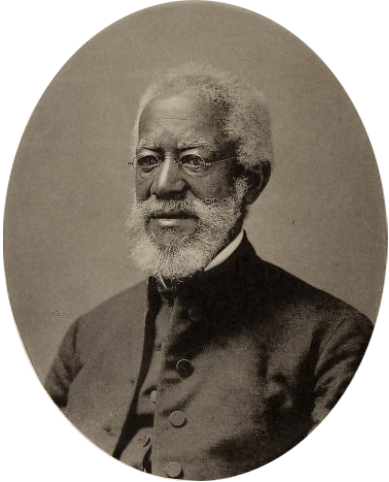 Alexander CrummellBlack American priest and philosopher, the leading rationalist of the nineteenth-century Black enlightenment, who put reason at the centre of moral agency.
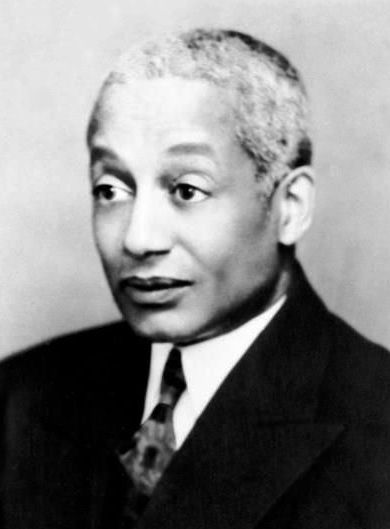 Alain LockePhilosopher of value, culture and race, called the "Father of the Harlem Renaissance", who developed a pluralist theory of values and an account of race as culture, not biology.
- Henry Odera OrukaKenyan philosopher whose Sage Philosophy project interviewed wise men and women in rural Kenya to show that critical, individual philosophical reflection has always existed in Africa.