Philosopher
Agnès Arnauld
1593–1671
Also known as Mère Agnès, Jeanne Arnauld
Abbess of Port-Royal whose writings defended women's spiritual freedom and set out an ethics of resistance to illegitimate commands of church and state.
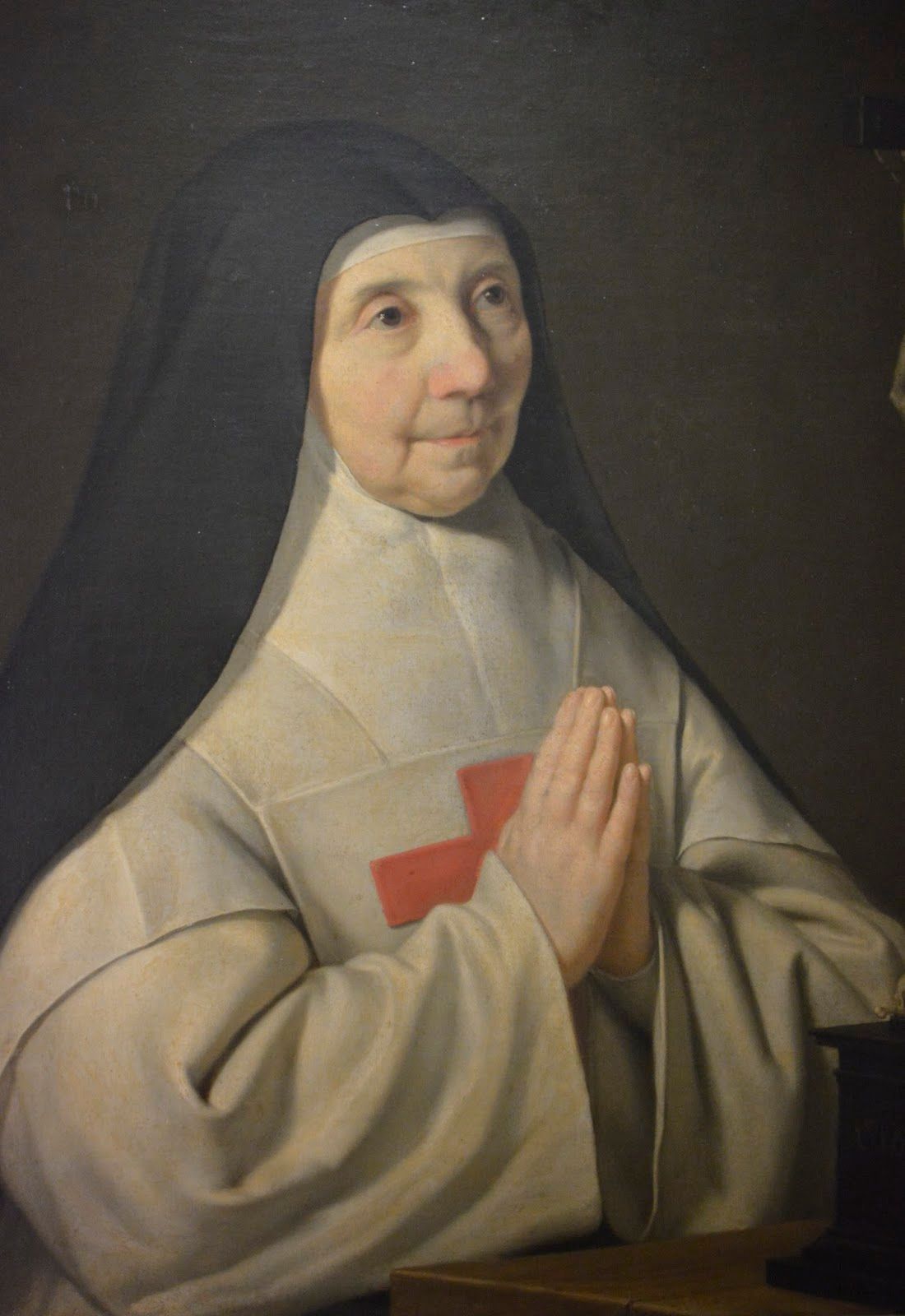

Jeanne Arnauld was born in 1593, younger sister of Angélique Arnauld, and was destined from birth for an abbacy: through falsified documents her grandfather had her made abbess of the convent of Saint-Cyr in 1599, as a child. As Mère Agnès she later became abbess of Port-Royal.
Her legal writings for the reform of the convent defend the spiritual freedom of women, including their authority as superiors of convents. She died in 1671.
Key ideas
- A radically other God
- God is radically other than creatures, so the divine attributes can be approached only negatively, by saying what God is not.
- Self-annihilation
- Influenced by the French mystical school, she placed self-annihilation at the summit of a nun’s life of virtue.
- An ethics of resistance
- During the persecution of Port-Royal she worked out when cooperation with the illegitimate commands of civil or church authority could be tolerated and when it must be refused, and defended women’s freedom of vocation, education and opinion.
- Tradition
- Western
- Region
- Port-Royal, France
- Period
- Early modern
- Themes
- How to govern
Sources
- John J. Conley, Agnès Arnauld, Internet Encyclopedia of Philosophy