Themes
Questions that philosophers in different traditions and centuries have all worked on. Each theme follows one question through time.
- Art and beautyIs beauty in things or in the eye of the beholder, and what are the arts for? Chinese thinkers argued over music; Greek and modern European philosophers over beauty and art.Confucius, David Hume, Immanuel Kant and 14 more
- CausationWhat does it mean for one thing to cause another, and is the link between cause and effect necessary? Greek, Indian, Islamic and modern European philosophers disagreed deeply.The Buddha, Aristotle, Nāgārjuna and 6 more
- DeathWhat is death, does anything of us survive it, and should we fear it? Greek, Roman, Indian, Chinese and modern European thinkers gave sharply different answers.Socrates, The Buddha, Martin Heidegger and 7 more
- EducationHow should the young be brought up, and what is learning for? Chinese, Greek and modern European thinkers made education central to the good life and the good society.Confucius, Plato, Aristotle and 15 more
- EvilWhat is evil, where does it come from, and how should we respond to it? Neoplatonists, Christian, Islamic and Buddhist thinkers, and modern Europeans gave very different answers.Plotinus, Augustine, Avicenna and 10 more
- Faith and reasonHow do truths claimed from revelation or scripture relate to what reason can find out for itself? Islamic, European and Indian thinkers gave strikingly different answers.Augustine, Śaṅkara, al-Ghazali and 38 more
- Free will and fateAre our choices really our own, or are they fixed by fate, by God or by prior causes? Thinkers in China, Greece, the Islamic world and Europe argued over what freedom requires.Augustine, al-Ghazali, Immanuel Kant and 18 more
- GodDoes God exist, can reason prove it, and what could God be? Muslim, Jewish, Christian and Hindu thinkers built arguments, while Buddhist and sceptical ones took them apart.Avicenna, Maimonides, Thomas Aquinas and 26 more
- How to governWho should rule, what makes their power legitimate, and how should a state be run? Answers range from moral example and impartial law to philosopher-rulers and the consent of the governed.Confucius, Plato, Mencius and 50 more
- Human natureAre human beings born good, bad or neither, and what does that mean for how they should live and be governed? Chinese, Greek, Islamic and European thinkers answered very differently.Confucius, Aristotle, Mencius and 19 more
- Knowledge and scepticismWhat can we know, and how? Thinkers in several traditions have asked which sources of knowledge can be trusted, and whether the sceptic's doubts can ever be answered.Plato, Zhuangzi, Nāgārjuna and 54 more
- Language and meaningHow do words come to mean anything, and what is the relation between language, thought and the world? Chinese, Indian and European thinkers gave very different answers.Augustine, Ludwig Wittgenstein, Kwasi Wiredu and 10 more
- Logic and argumentWhat makes an argument good, and can correct reasoning be set out in rules? Greek, Chinese, Indian, Islamic and modern European thinkers each built their own answers.Mozi, Aristotle, Avicenna and 10 more
- Love and friendshipWhat is love, whom should we love, and what are friends for? Greek, Chinese and modern European philosophers answered very differently.Plato, Aristotle, Mencius and 8 more
- The good lifeHow should one live, and what makes a human life go well? Traditions have answered with virtue, tranquil pleasure, harmony with nature, or an end to suffering.Laozi, Confucius, Socrates and 38 more
- The selfIs there a lasting self beneath our changing thoughts and bodies, or only a stream of events? Traditions have answered with a soul, a self identical with all reality, or none at all.The Buddha, Plato, Patañjali and 36 more
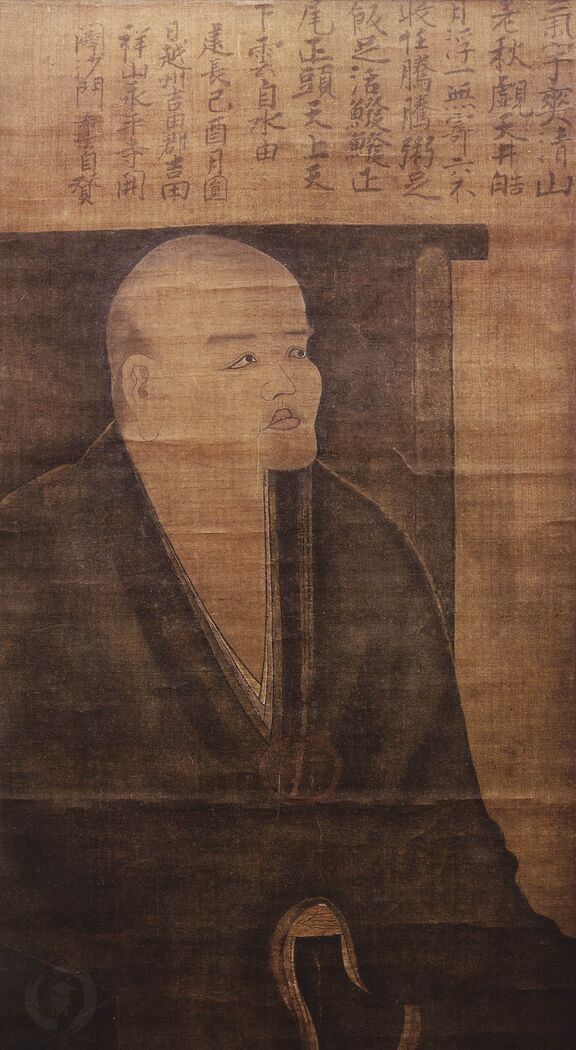
- TimeWhat is time, does anything persist through change, and how do we experience the passing moment? Greek, Indian, Christian, Islamic and modern European thinkers answered in strikingly different ways.Nāgārjuna, Augustine, Dōgen and 7 more
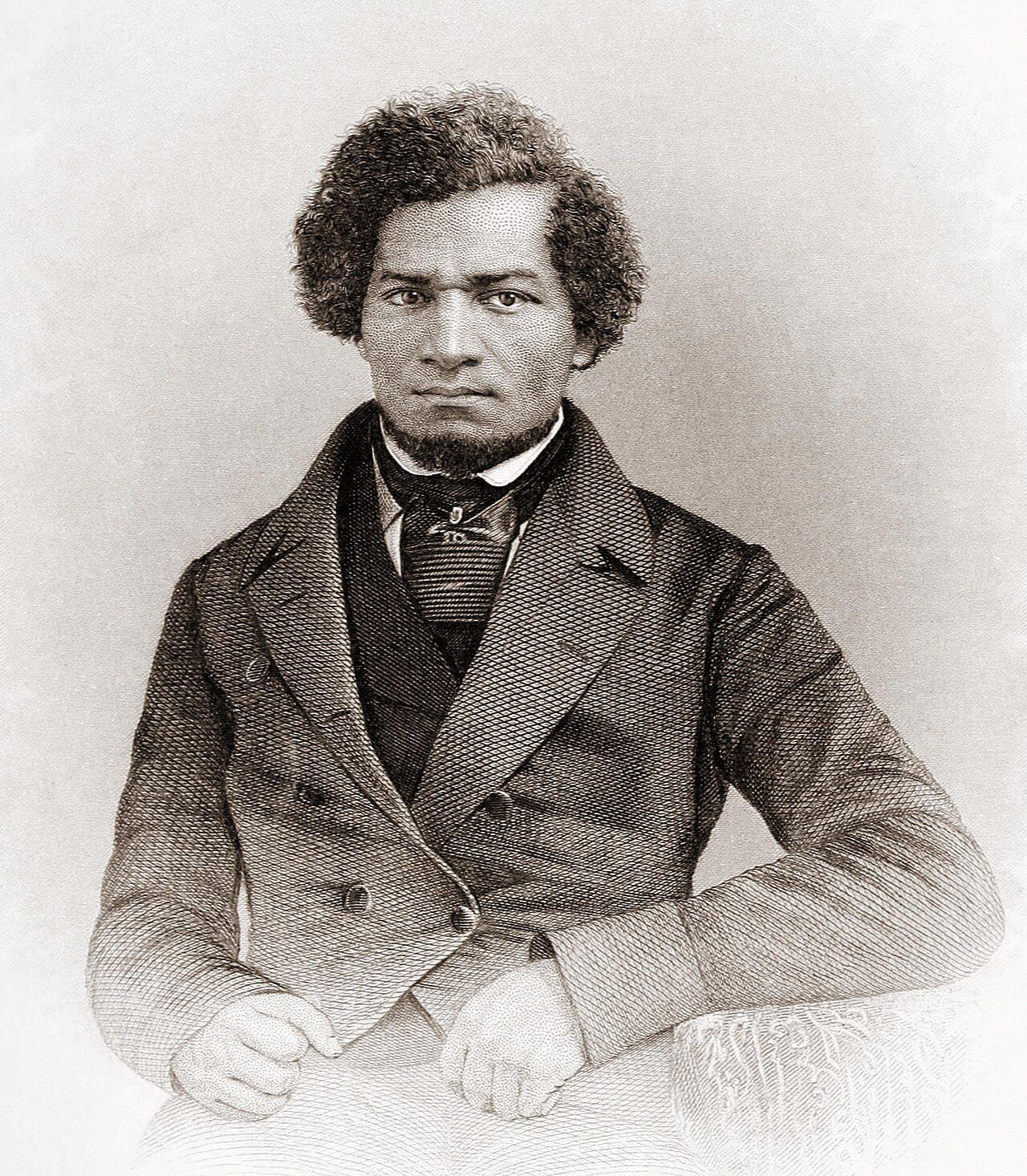
- War and peaceWhen, if ever, is it right to go to war, and how can peace be secured? Chinese thinkers of the Warring States and European philosophers from Augustine onwards took up the question.Mencius, Augustine, Frederick Douglass and 8 more
- What is ultimately realWhat is reality fundamentally made of or grounded in? Answers range from water, forms and the One to brahman, emptiness, the Dao and existence itself.Laozi, Plato, Nāgārjuna and 60 more
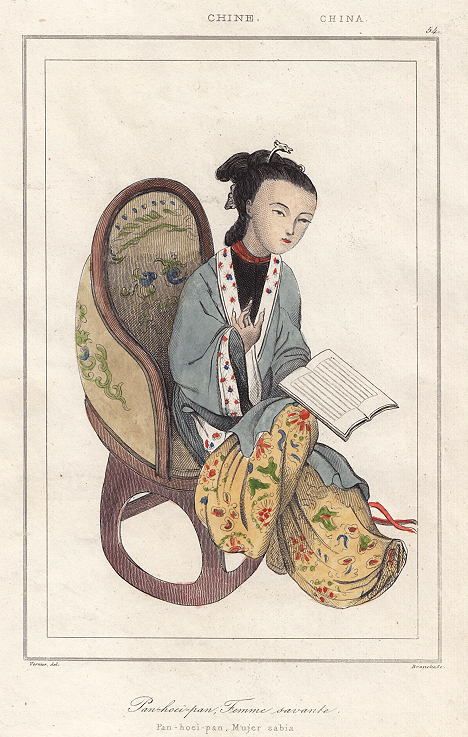
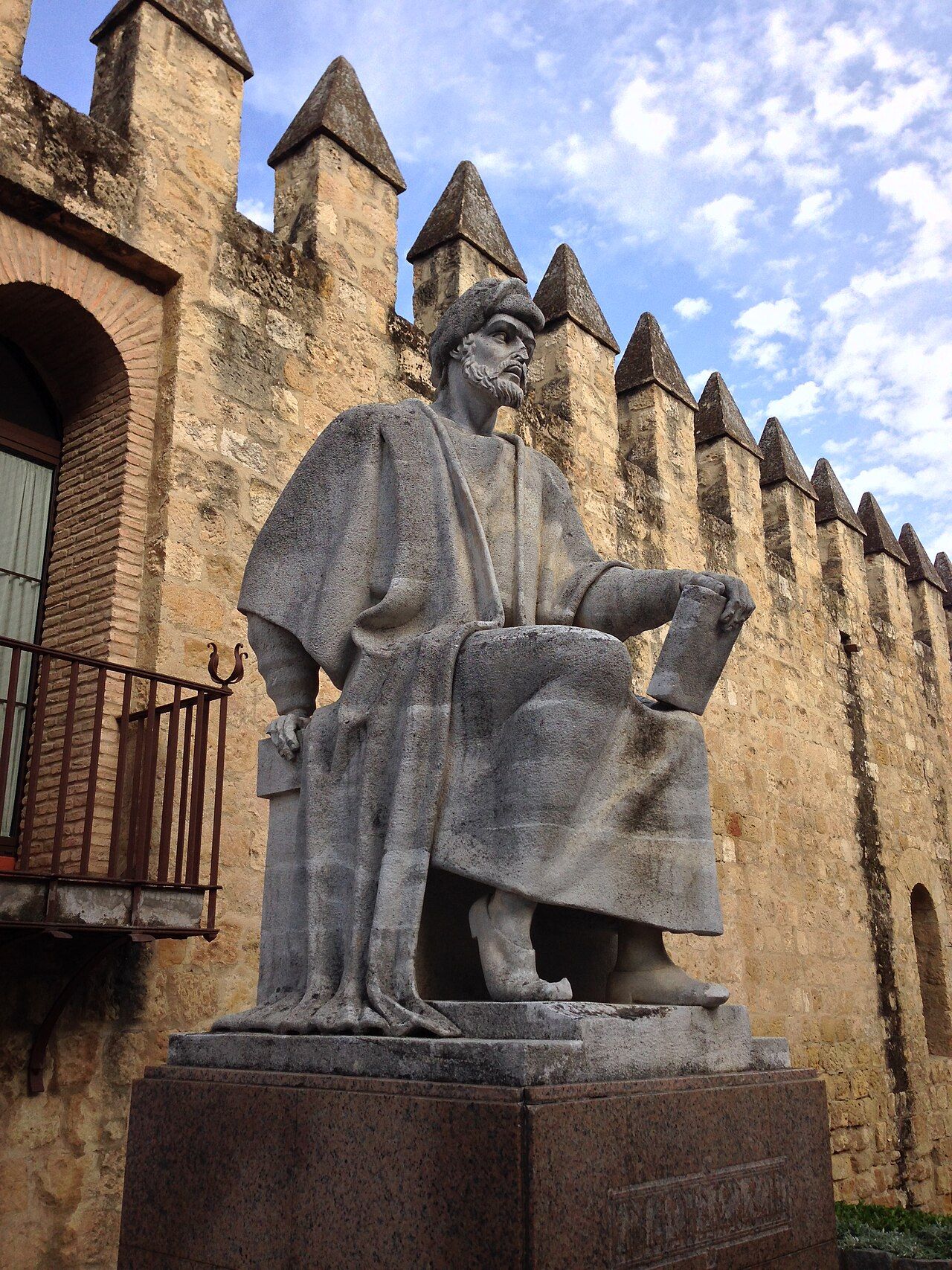
- Women and genderDo women and men differ in nature, and what follows for how they should live? Greek, Islamic and modern European philosophers disagreed, and feminist philosophers now reread them all.Aristotle, Ban Zhao, Averroes and 22 more