Traditions
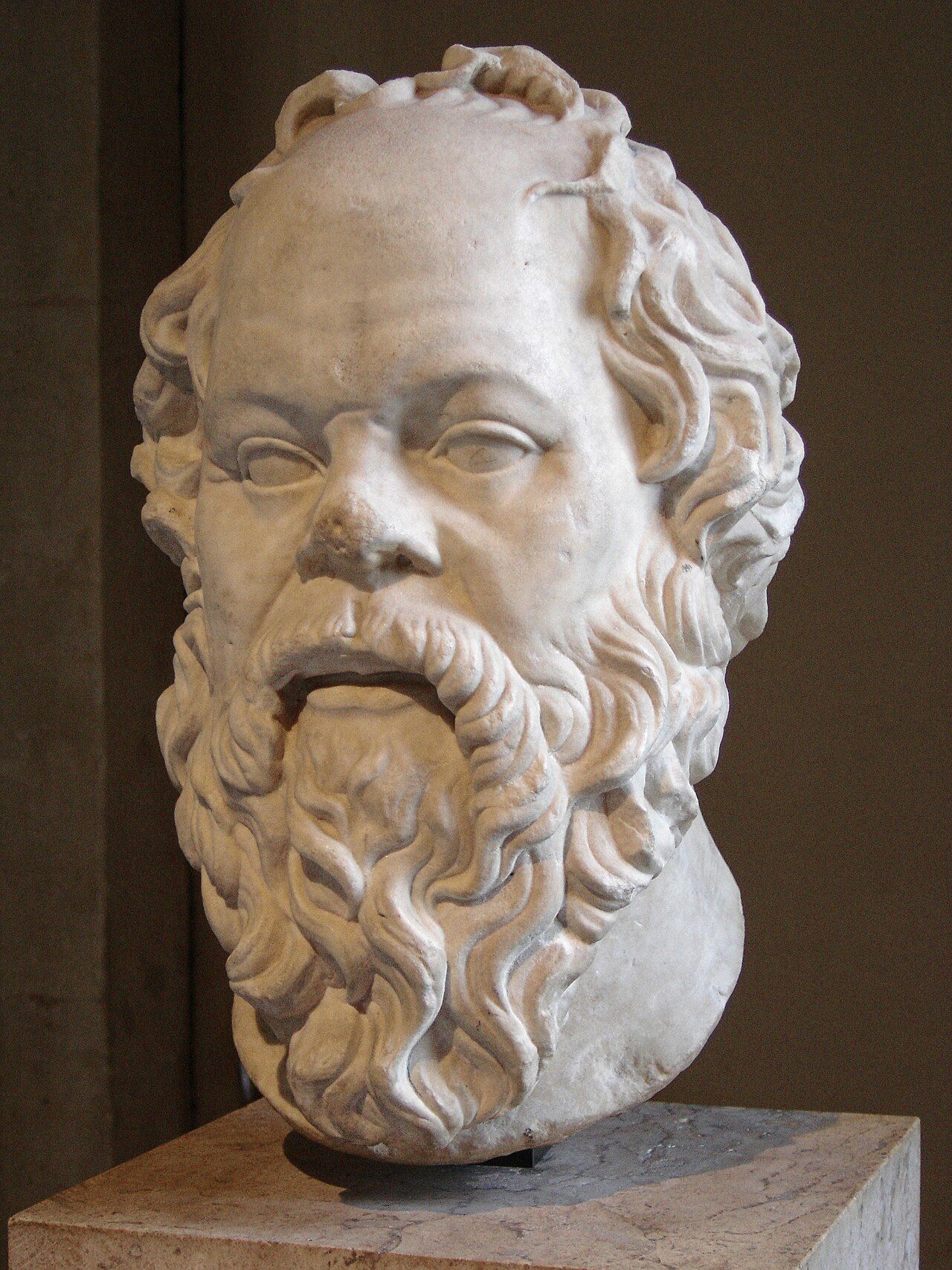
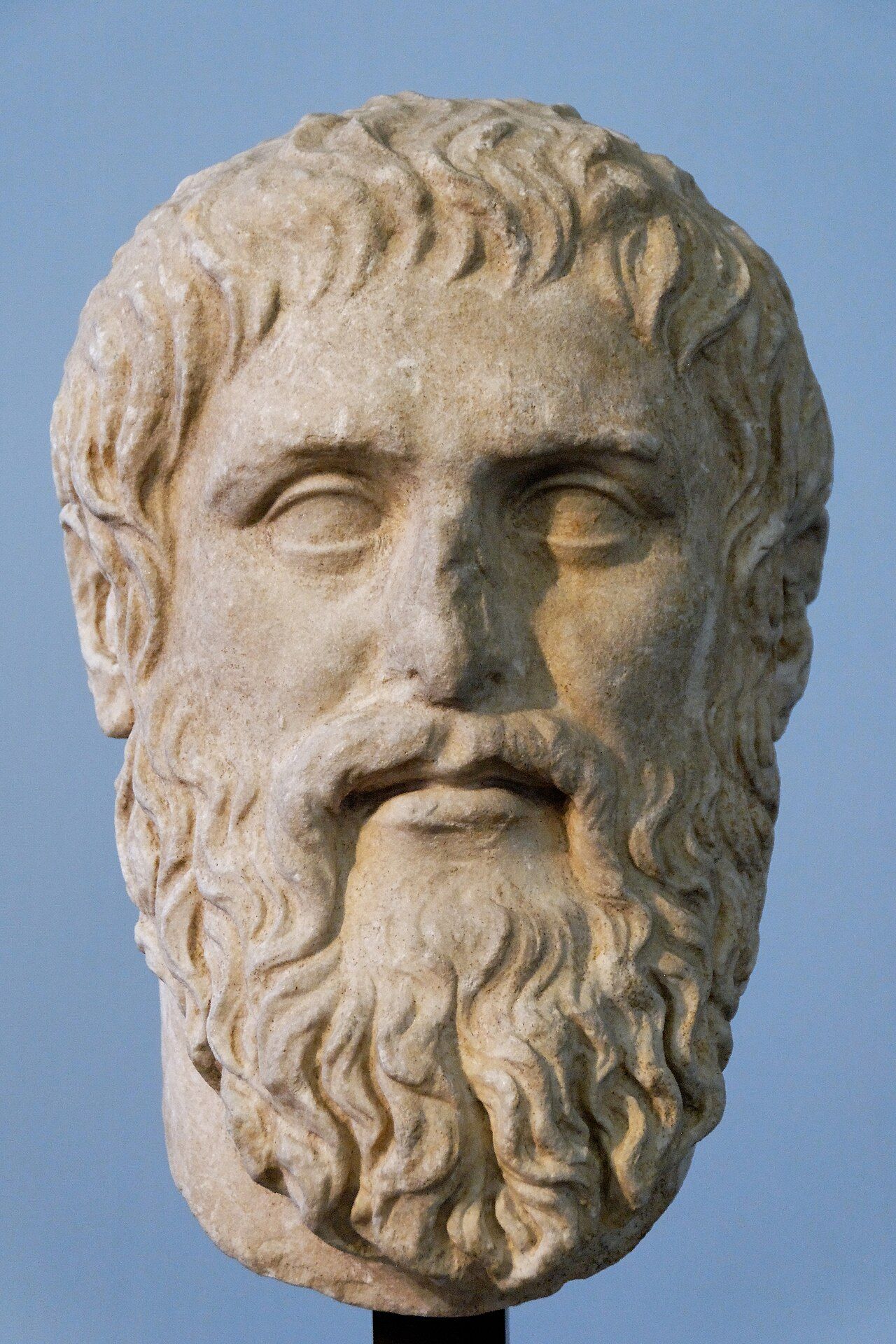
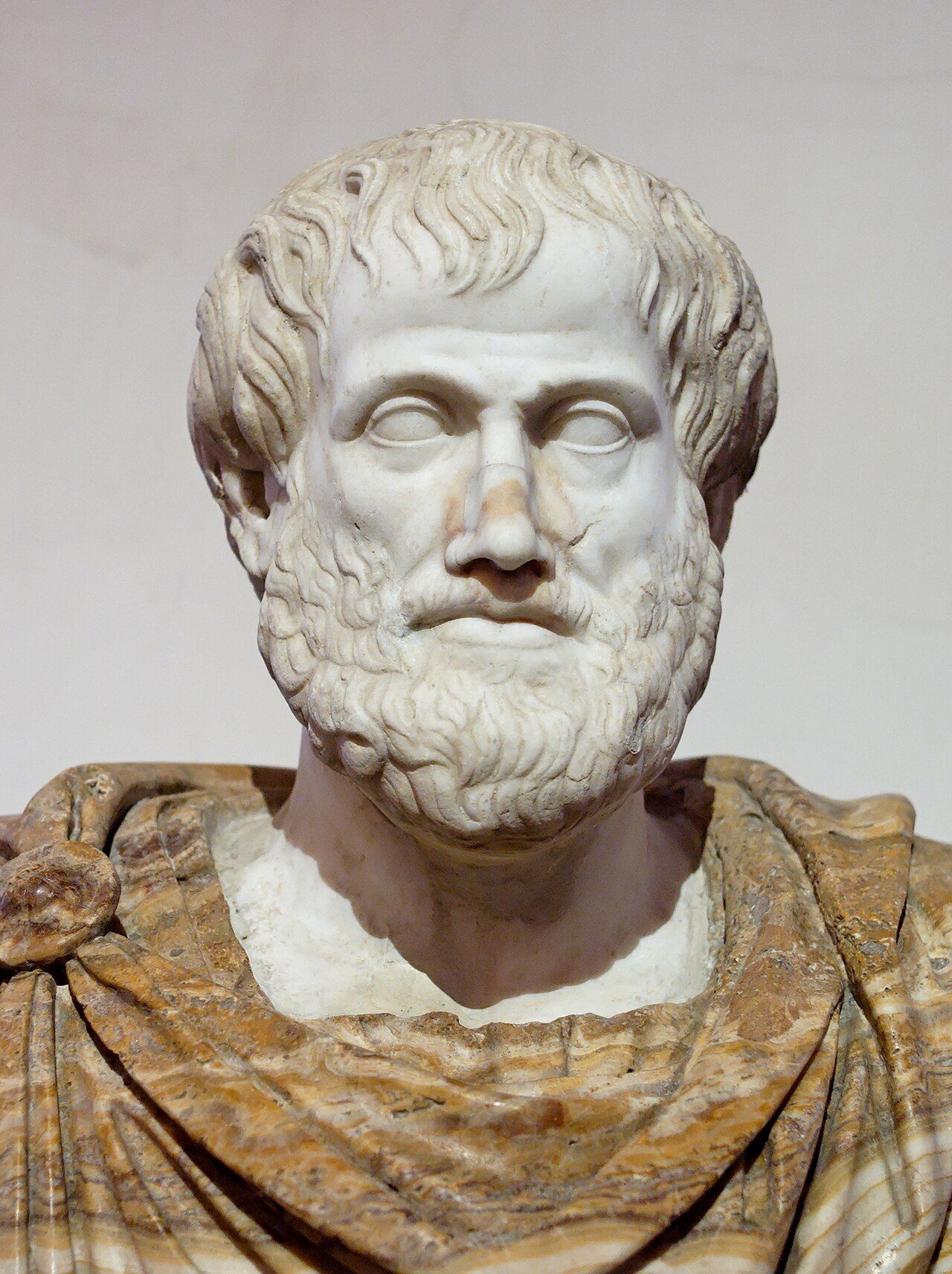
- WesternPhilosophy in the line that begins with the ancient Greeks and continues through Roman, medieval Latin, and modern European and Anglophone thought.Socrates, Plato, Aristotle and 147 more
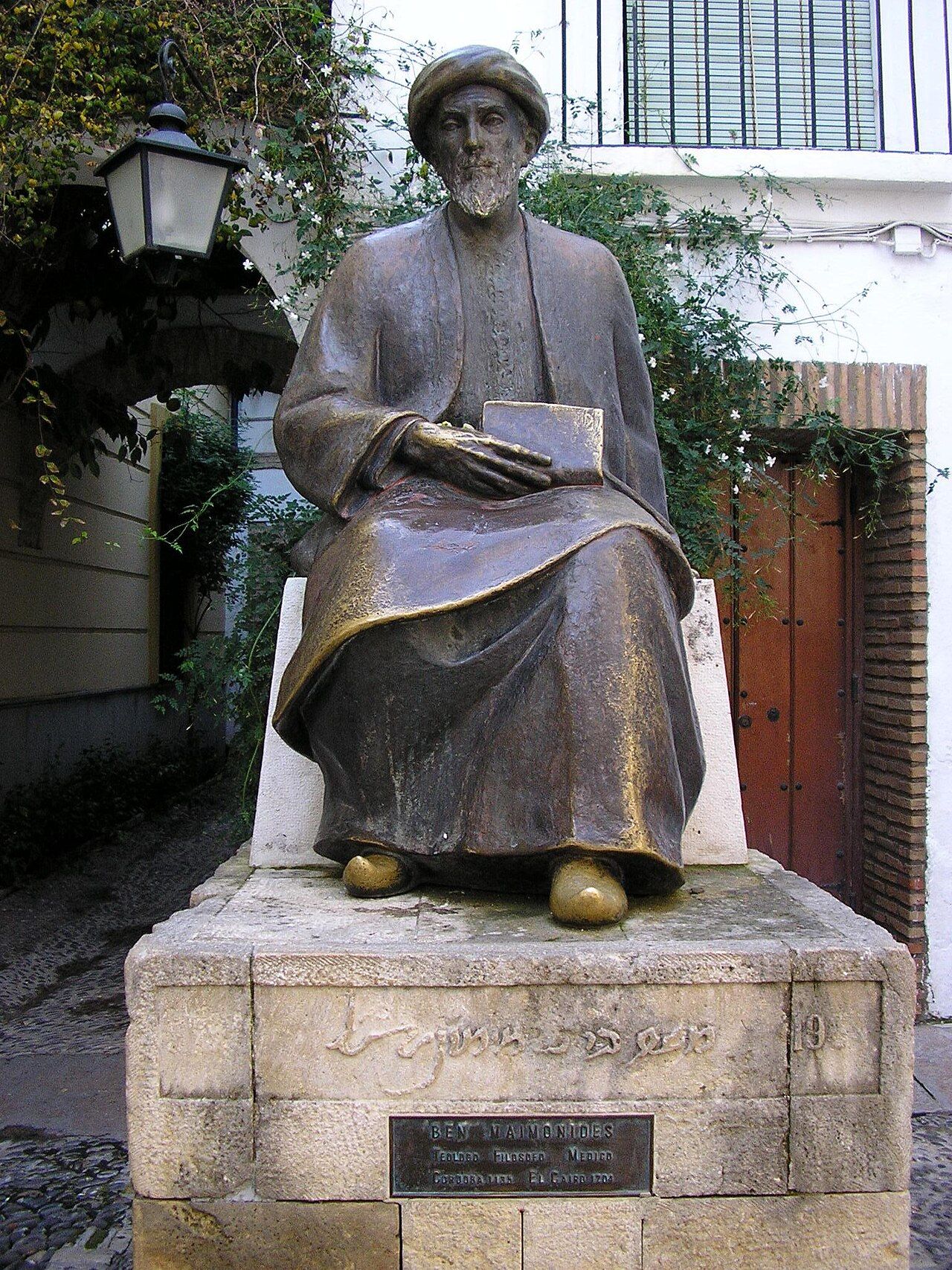
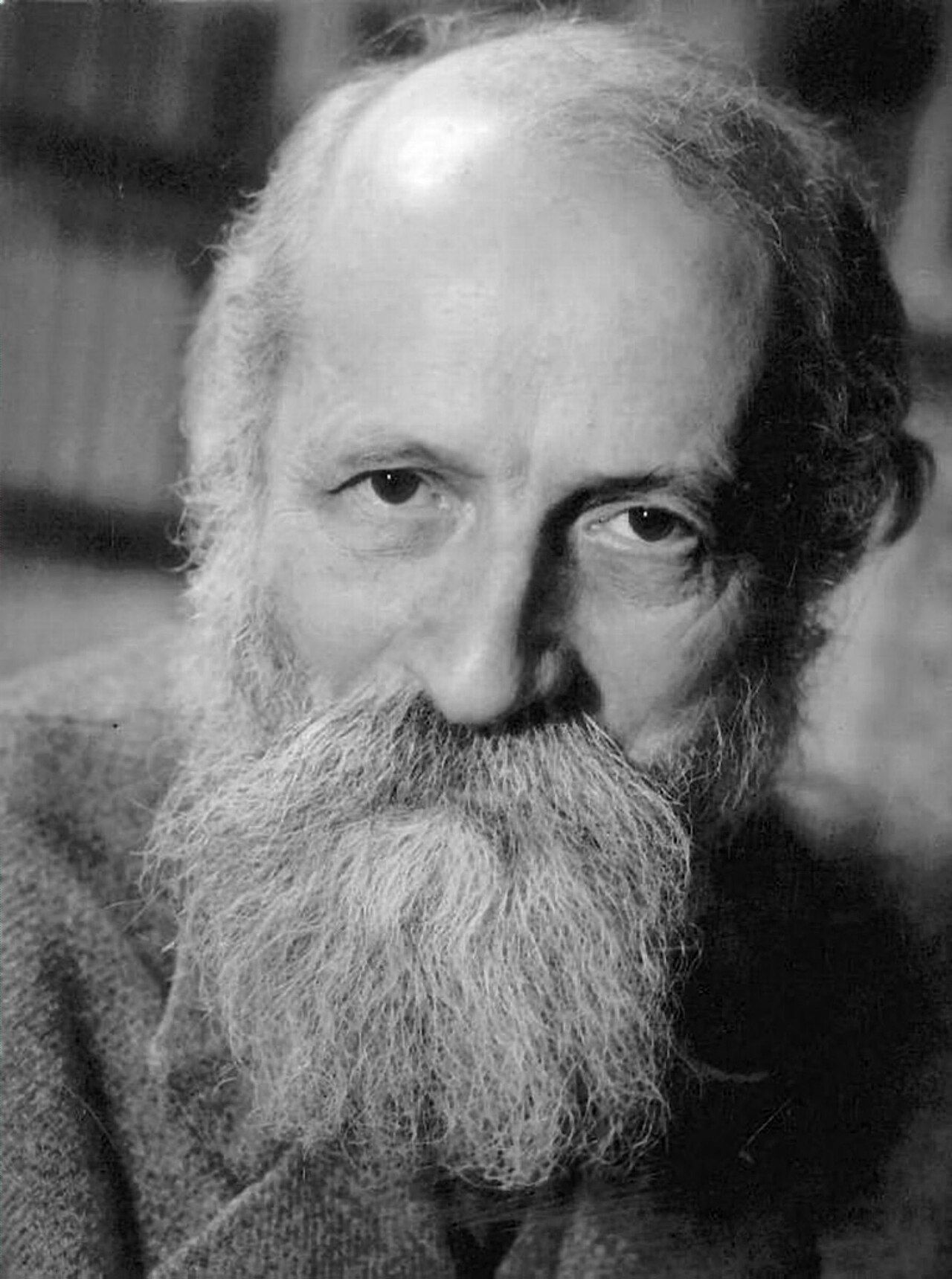
- JewishPhilosophy by Jewish thinkers who read scripture and rabbinic tradition alongside Greek philosophy, first in Arabic in the Islamic world and later in Hebrew in Christian Europe.Philo of Alexandria, Maimonides, Martin Buber and 24 more
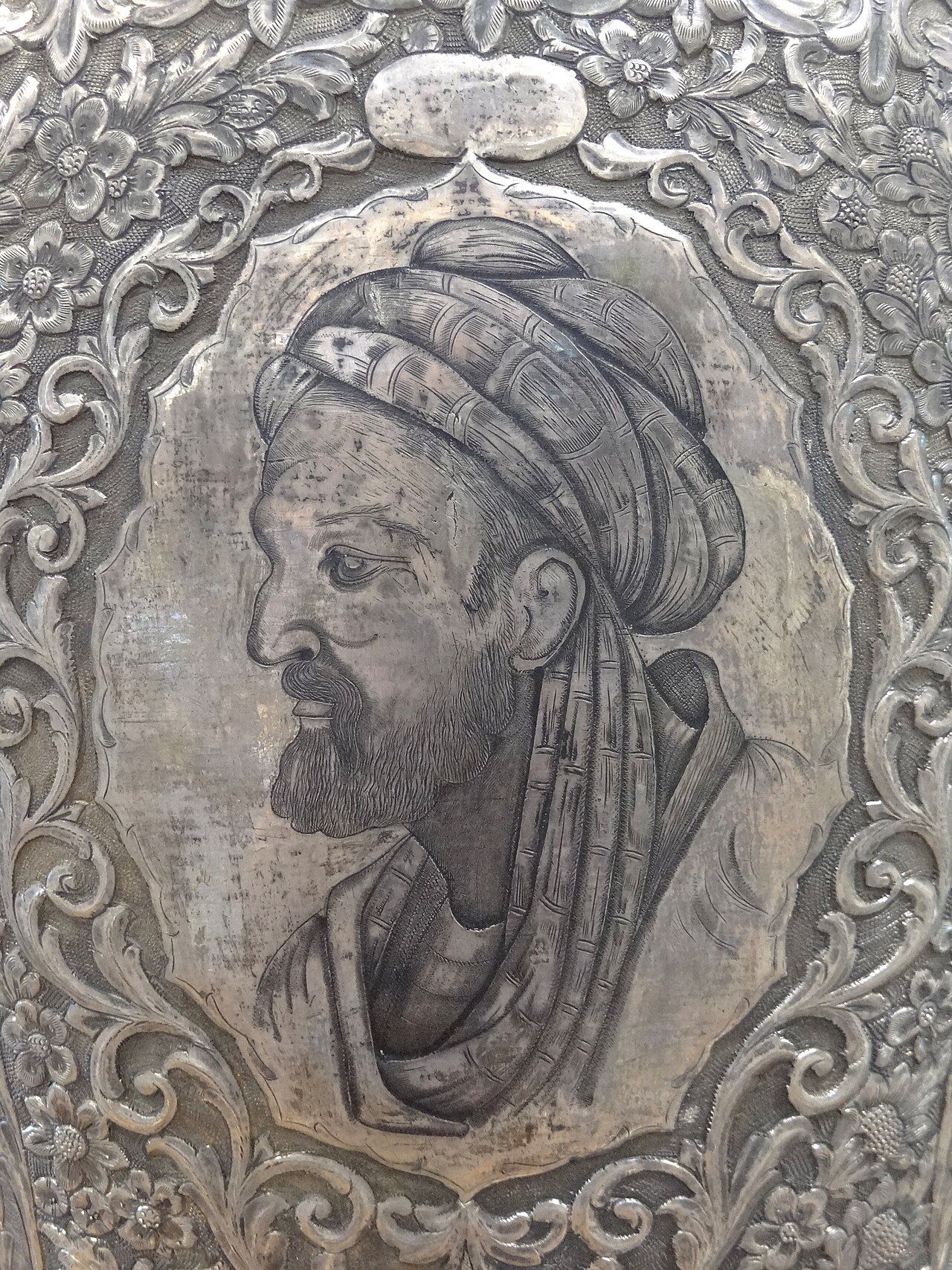
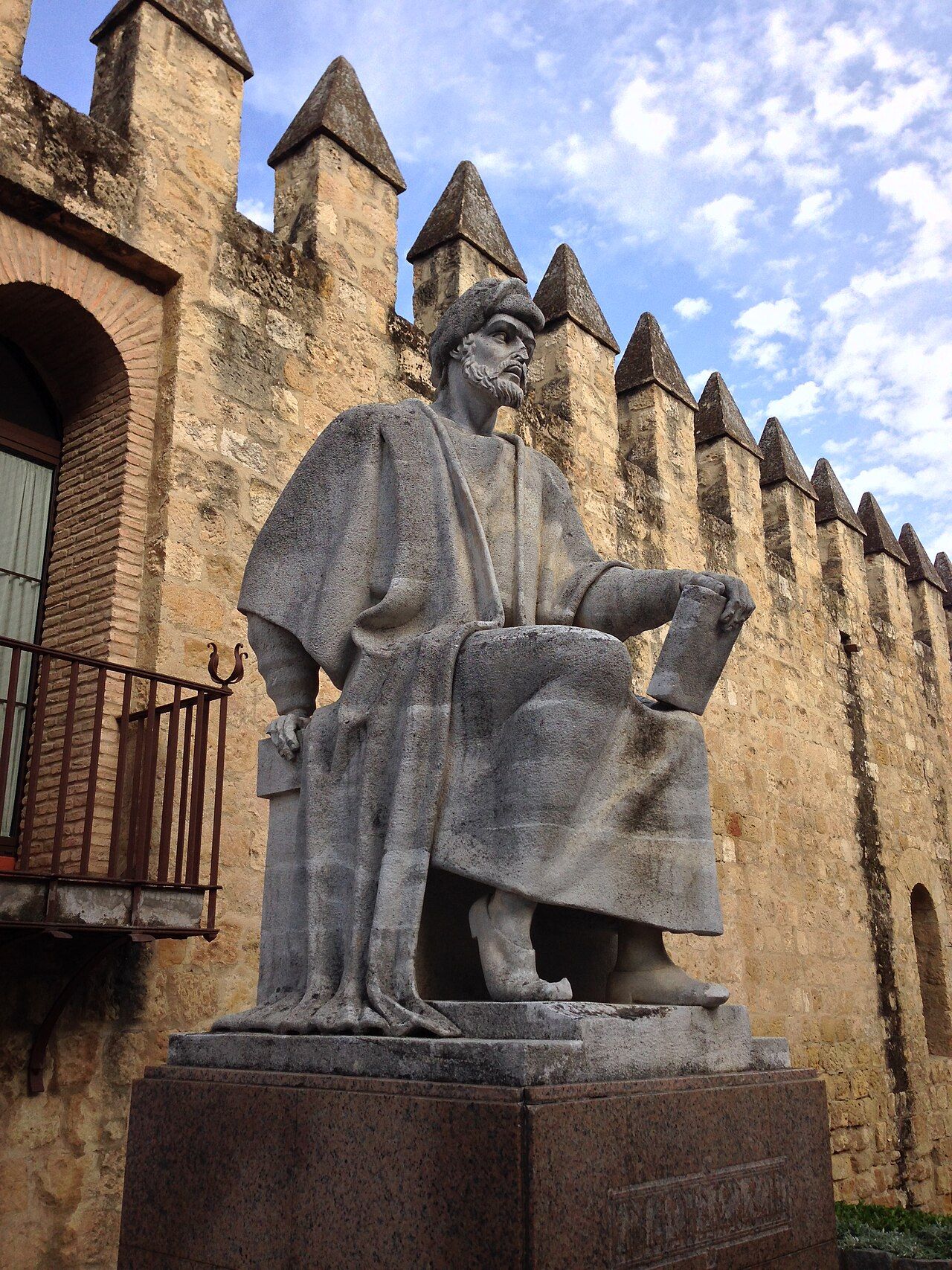
- Arabic and IslamicPhilosophy written mainly in Arabic and Persian in the Islamic world, which absorbed and transformed Greek philosophy alongside Islamic theology.Avicenna, al-Ghazali, Averroes and 20 more
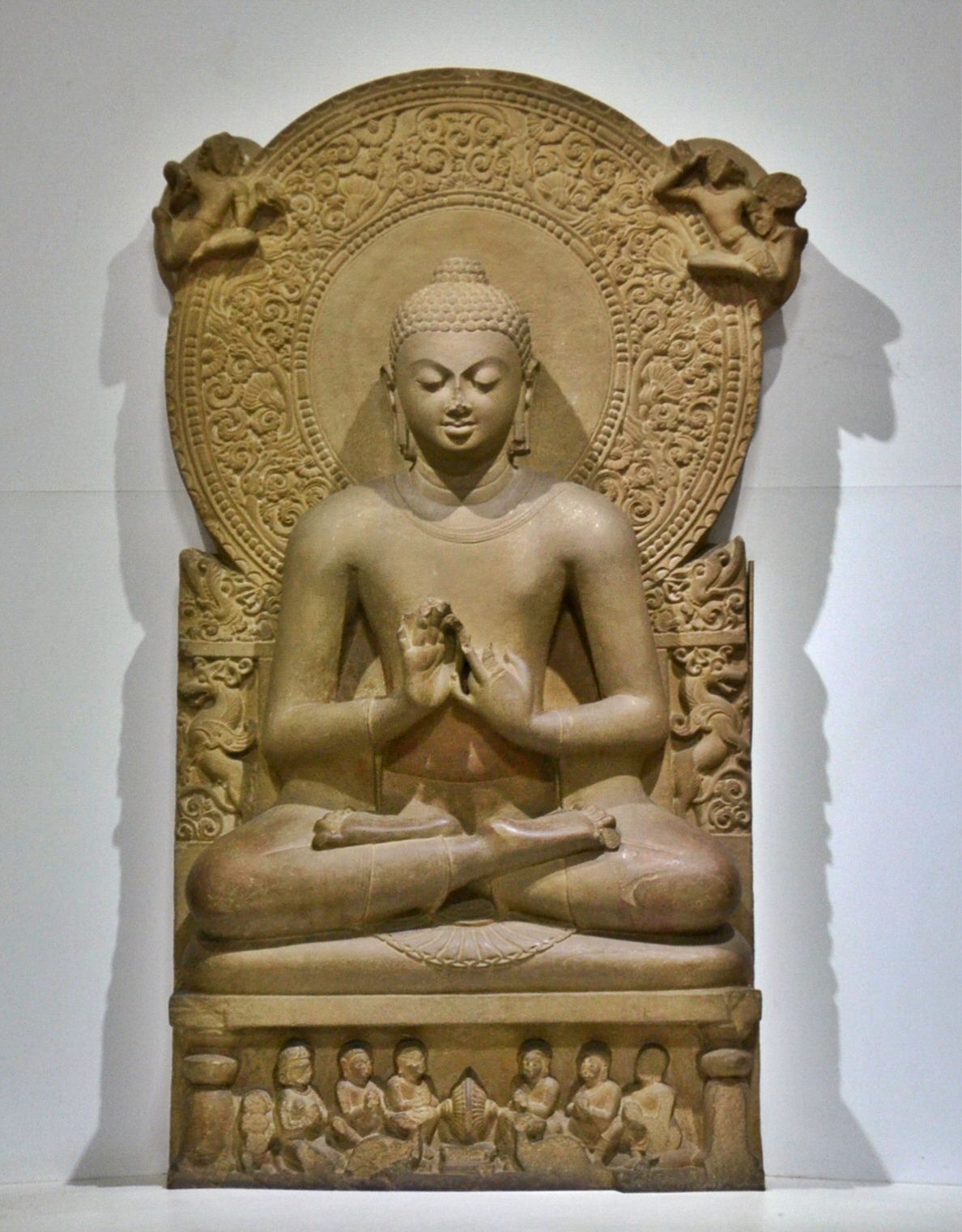
- IndianThe philosophical schools of the Indian subcontinent, including Hindu, Buddhist and Jain traditions of thought.The Buddha, Patañjali, Nāgārjuna and 26 more
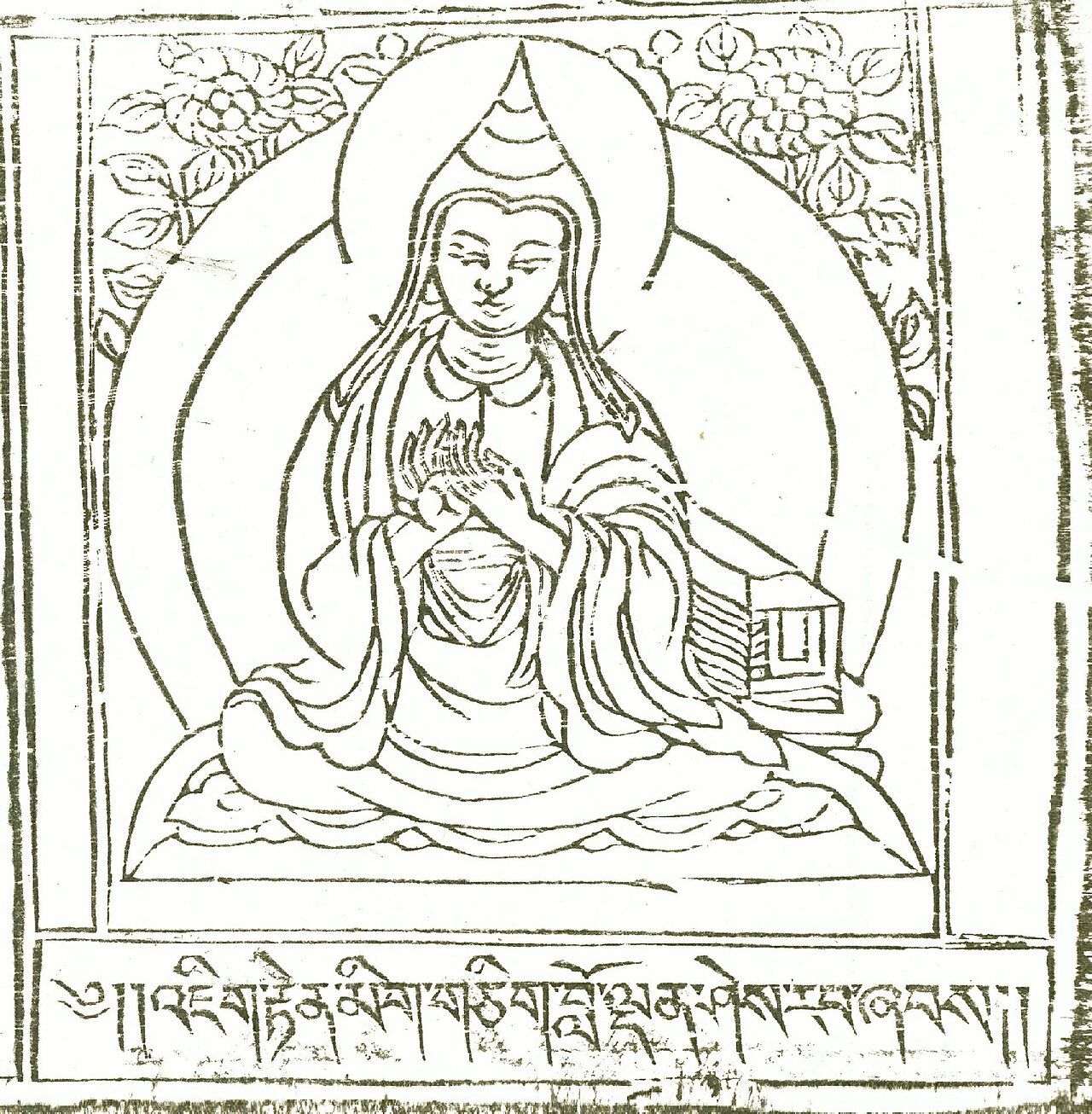
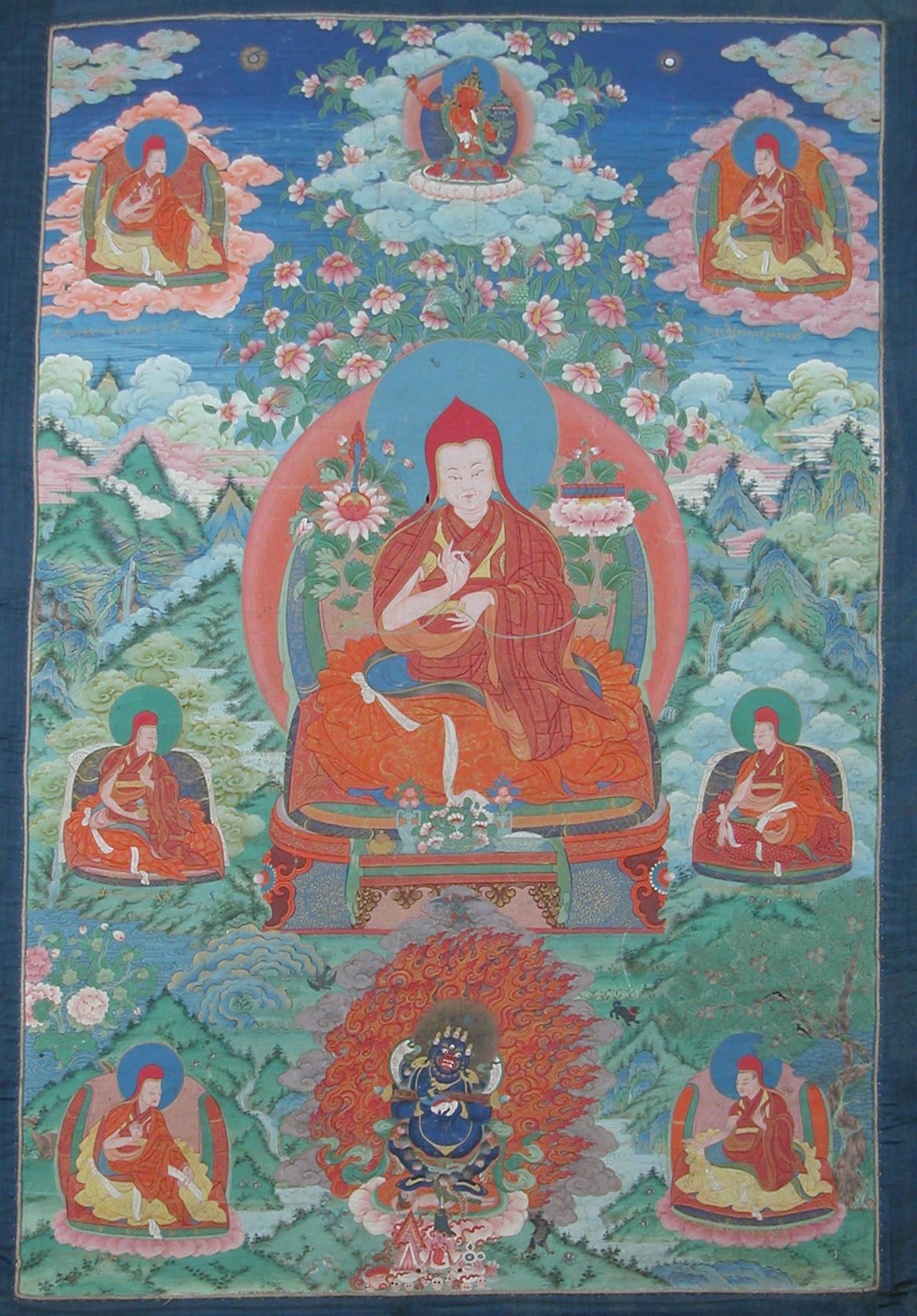
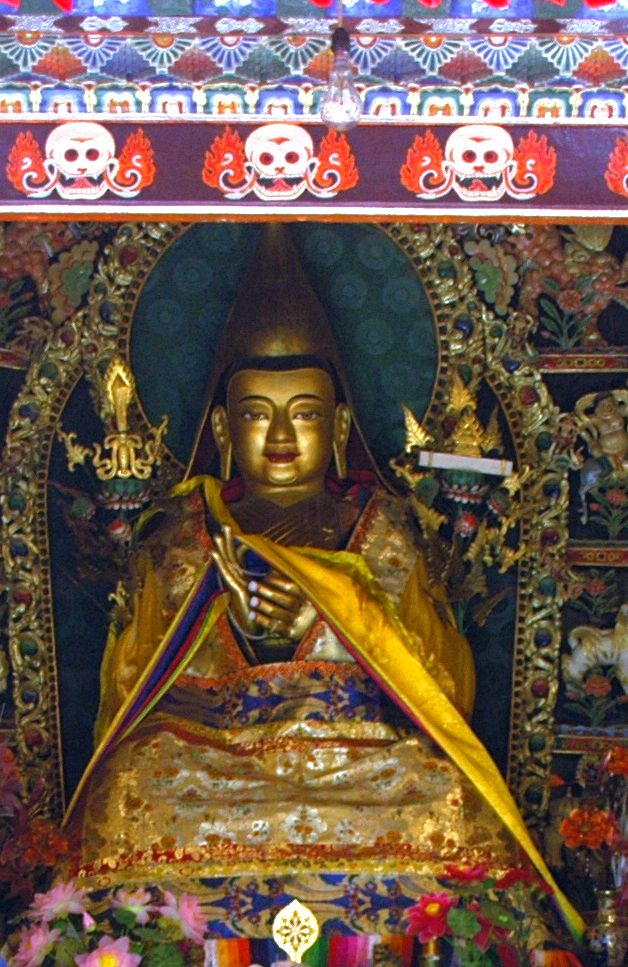
- TibetanBuddhist philosophy in Tibet, from the translation of Indian treatises to the debates over Madhyamaka and epistemology among the Sakya, Gelug and other schools.Ngok Loden Sherab, Sakya Paṇḍita, Tsongkhapa and 3 more
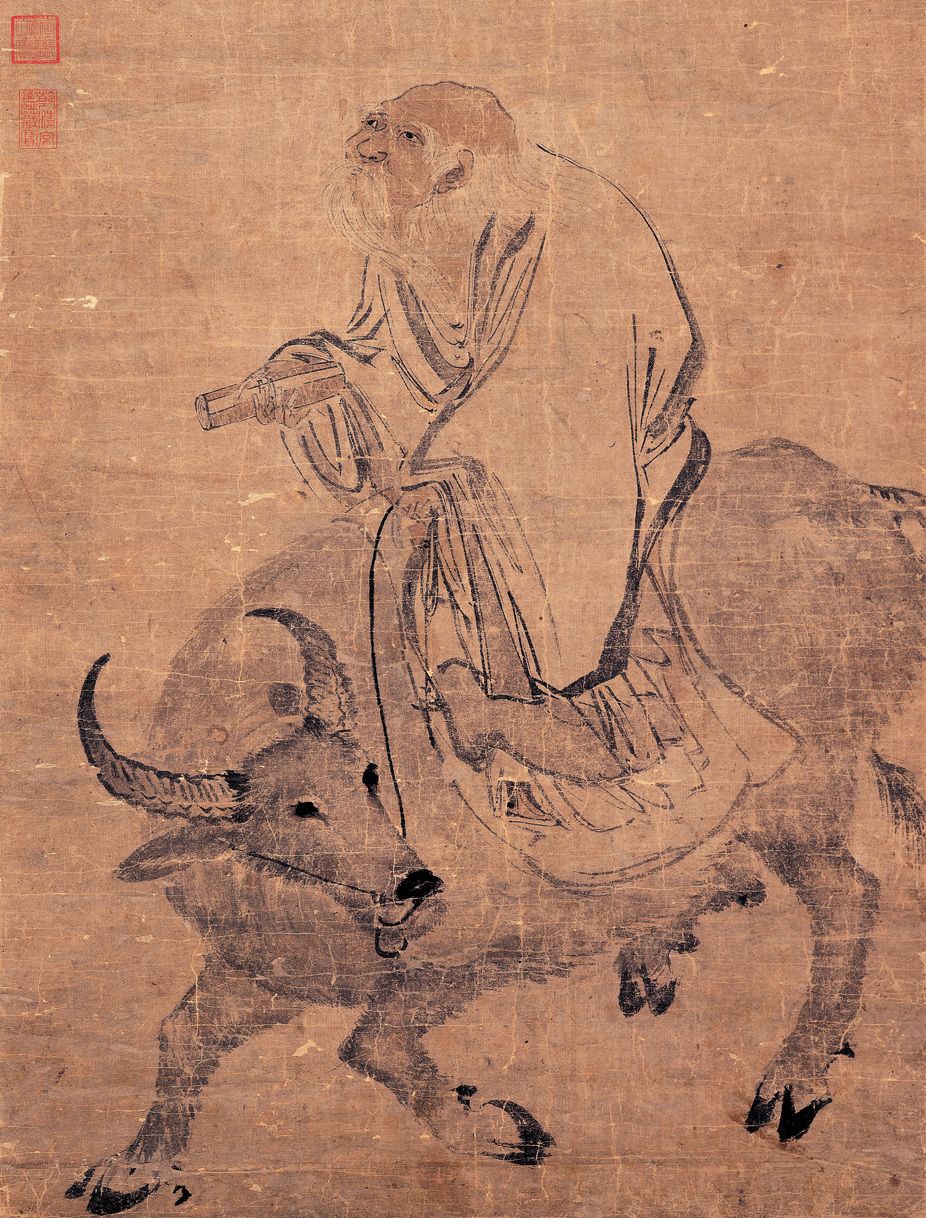
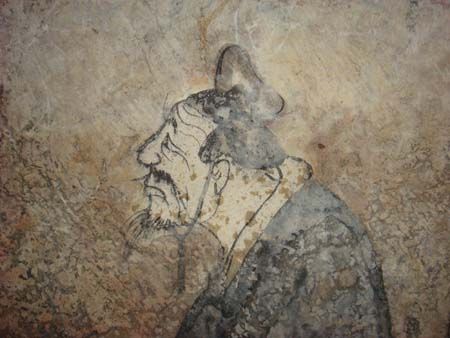
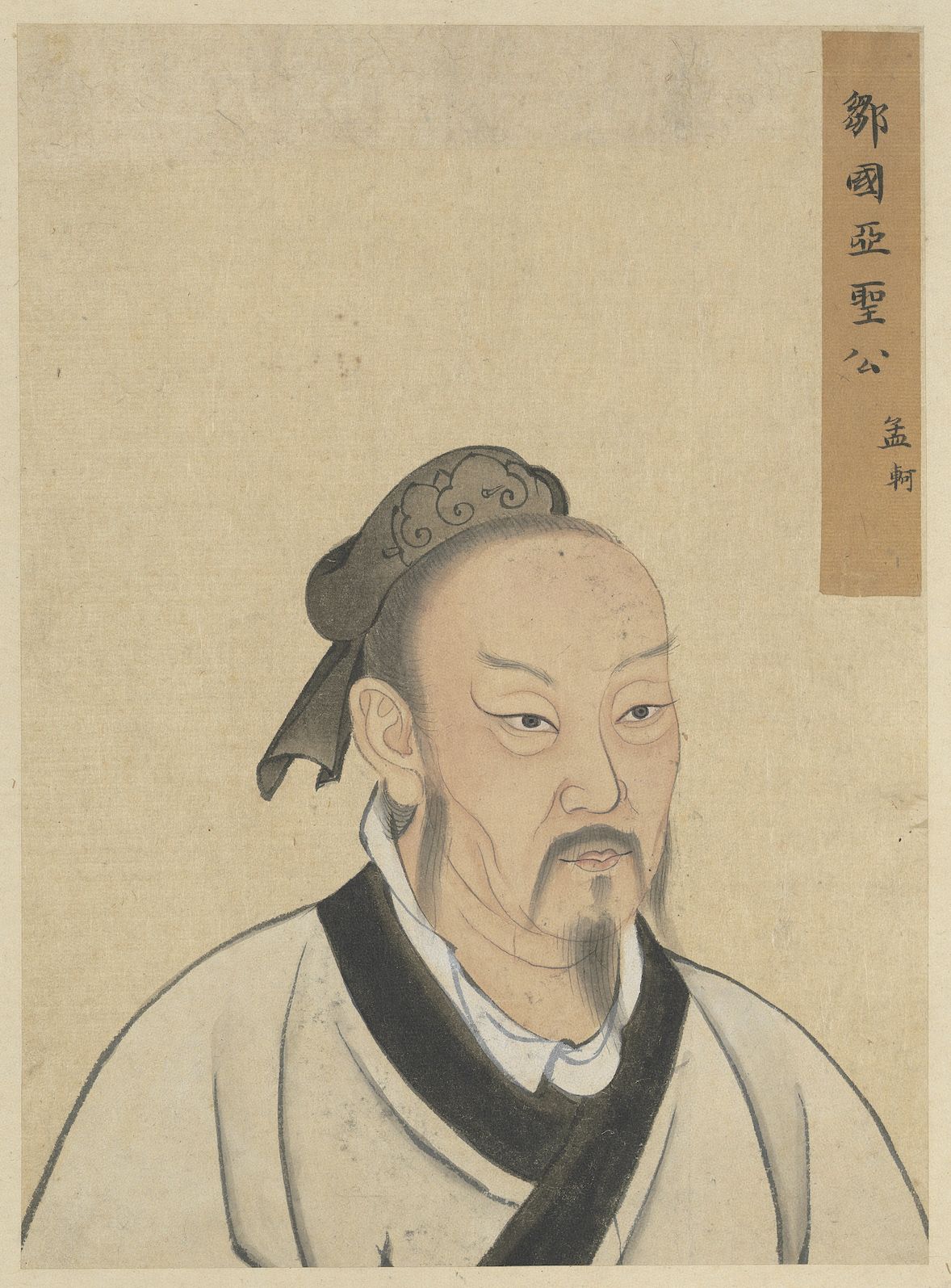
- ChineseConfucian, Daoist, Mohist and Legalist thought from the classical era, and the Buddhist and Neo-Confucian philosophy that followed.Laozi, Confucius, Mencius and 56 more
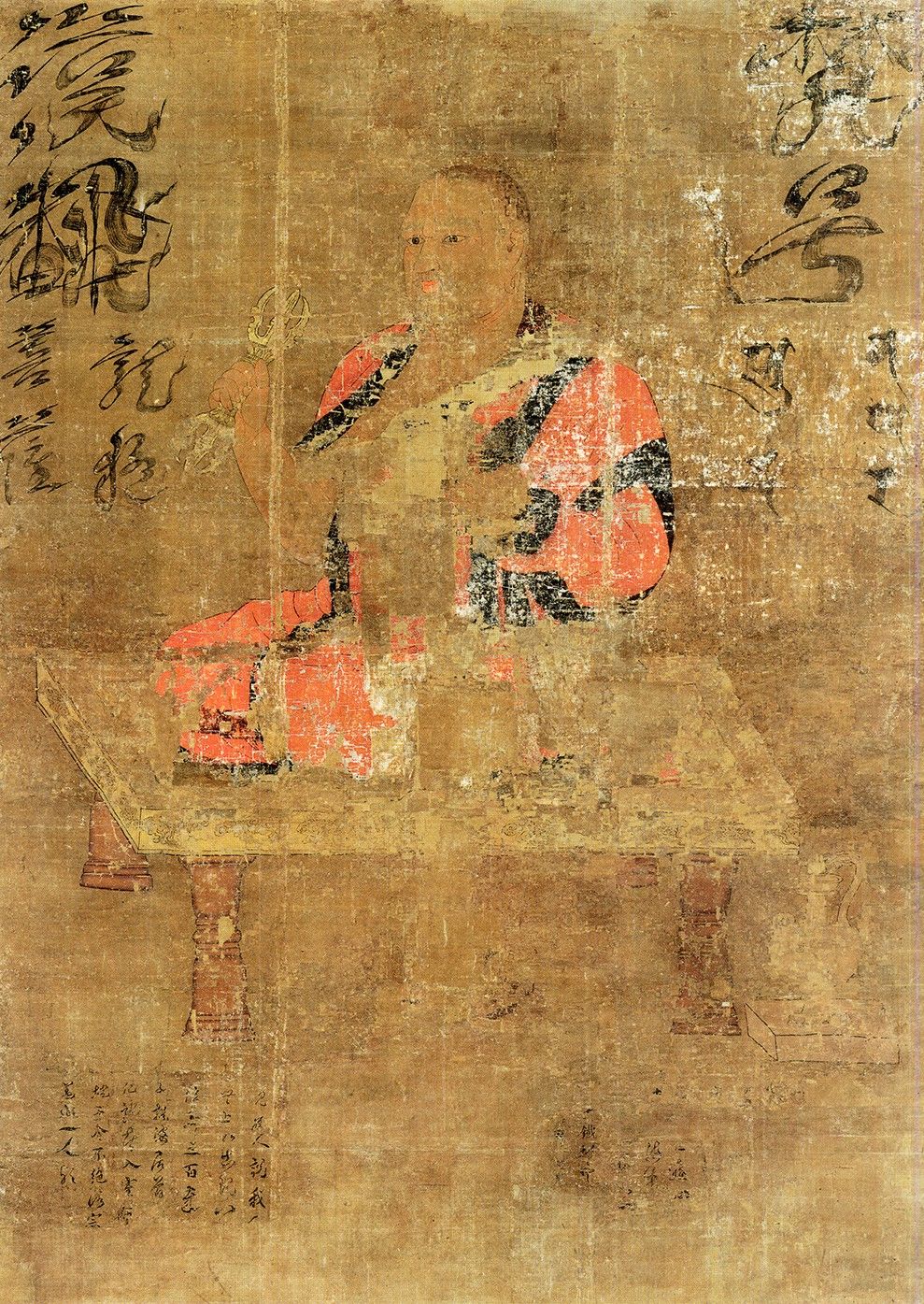
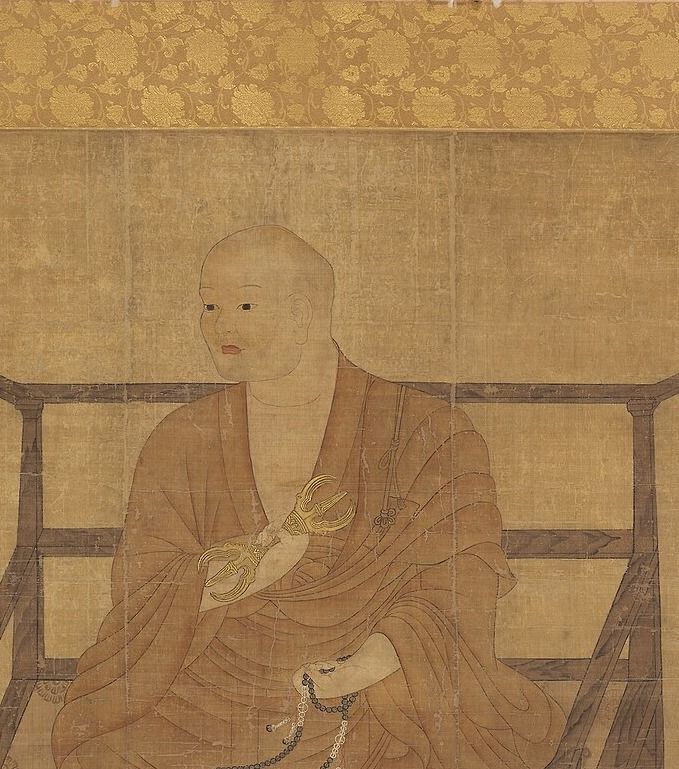
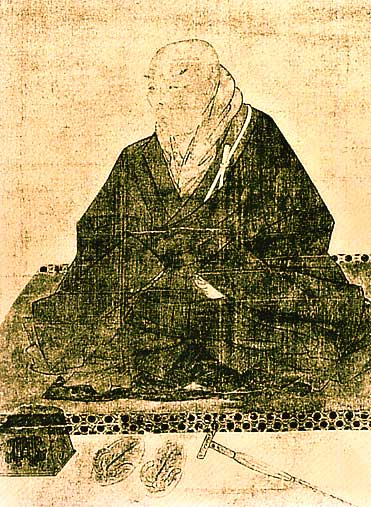
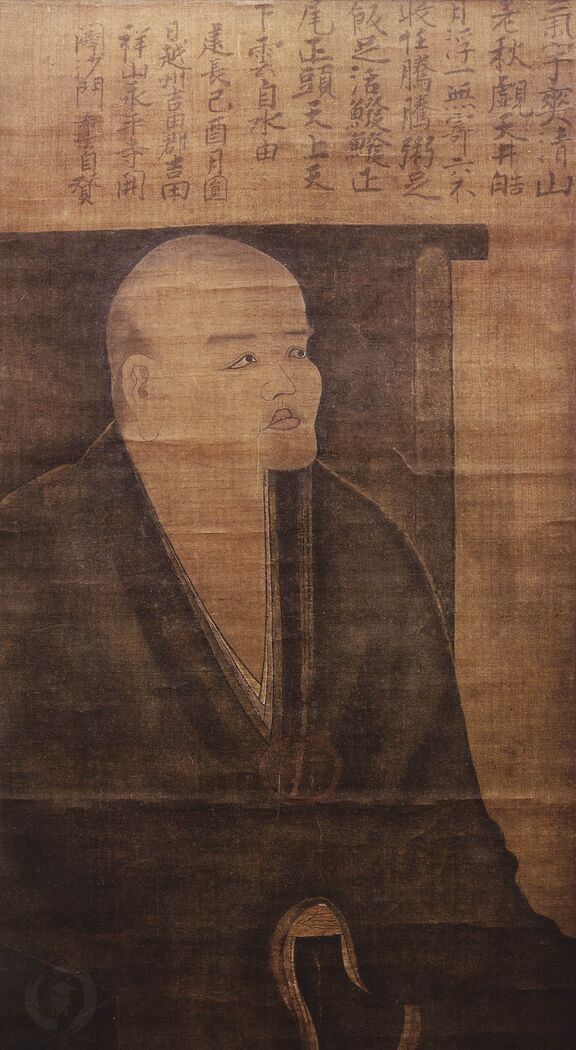
- JapaneseBuddhist, Confucian and Shintō thought in Japan, from the esoteric Buddhism of Kūkai to the modern Kyoto School's dialogue with Western philosophy.Kūkai, Shinran, Dōgen and 21 more
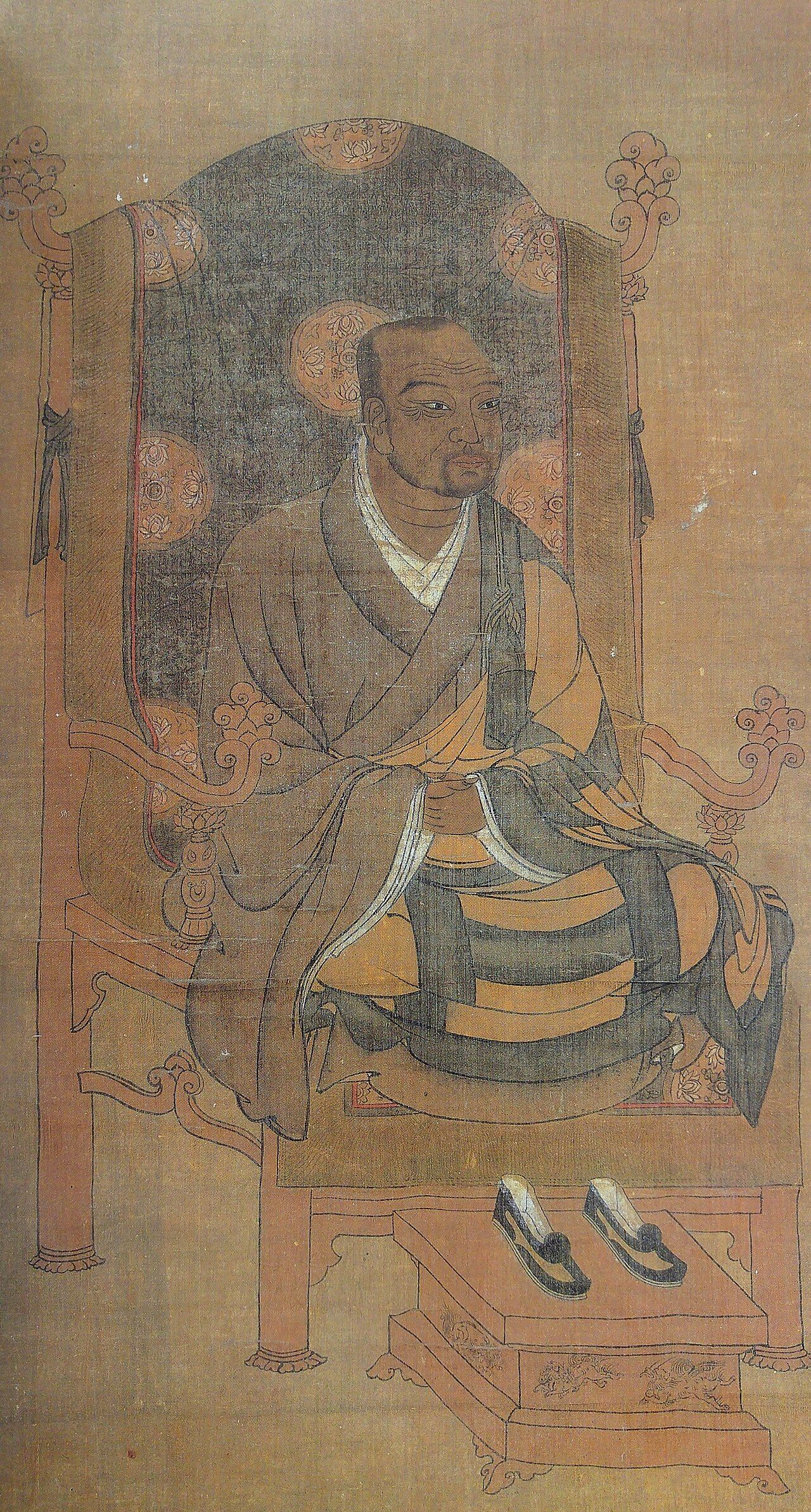
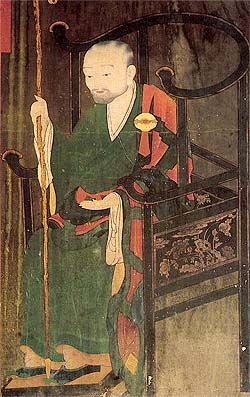
- KoreanBuddhist and Confucian thought in Korea, from the Silla monks Wonhyo and Uisang to the Neo-Confucian debates of the Joseon dynasty and the modern era.Wonhyo, Jinul, Yi Hwang and 11 more
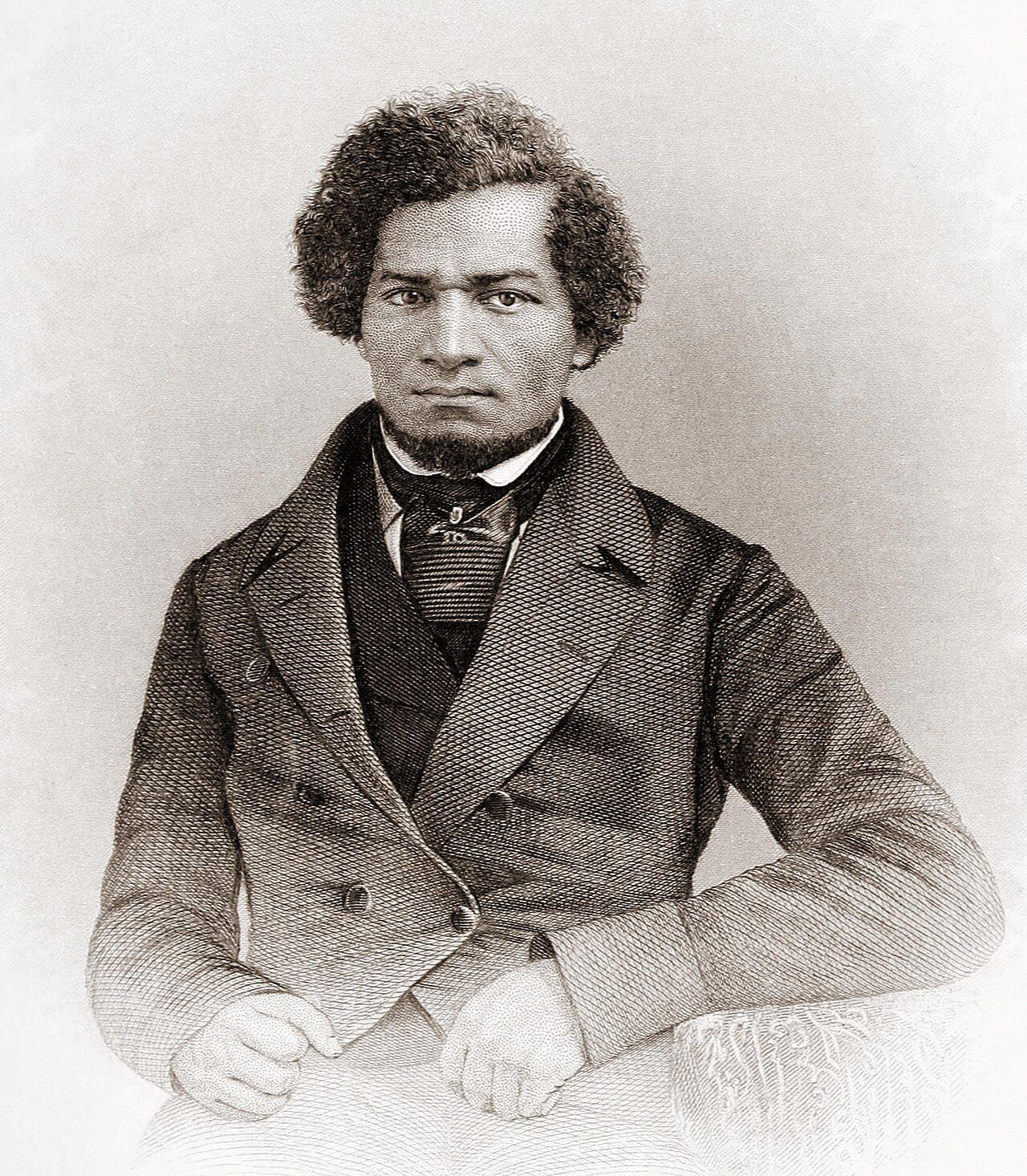
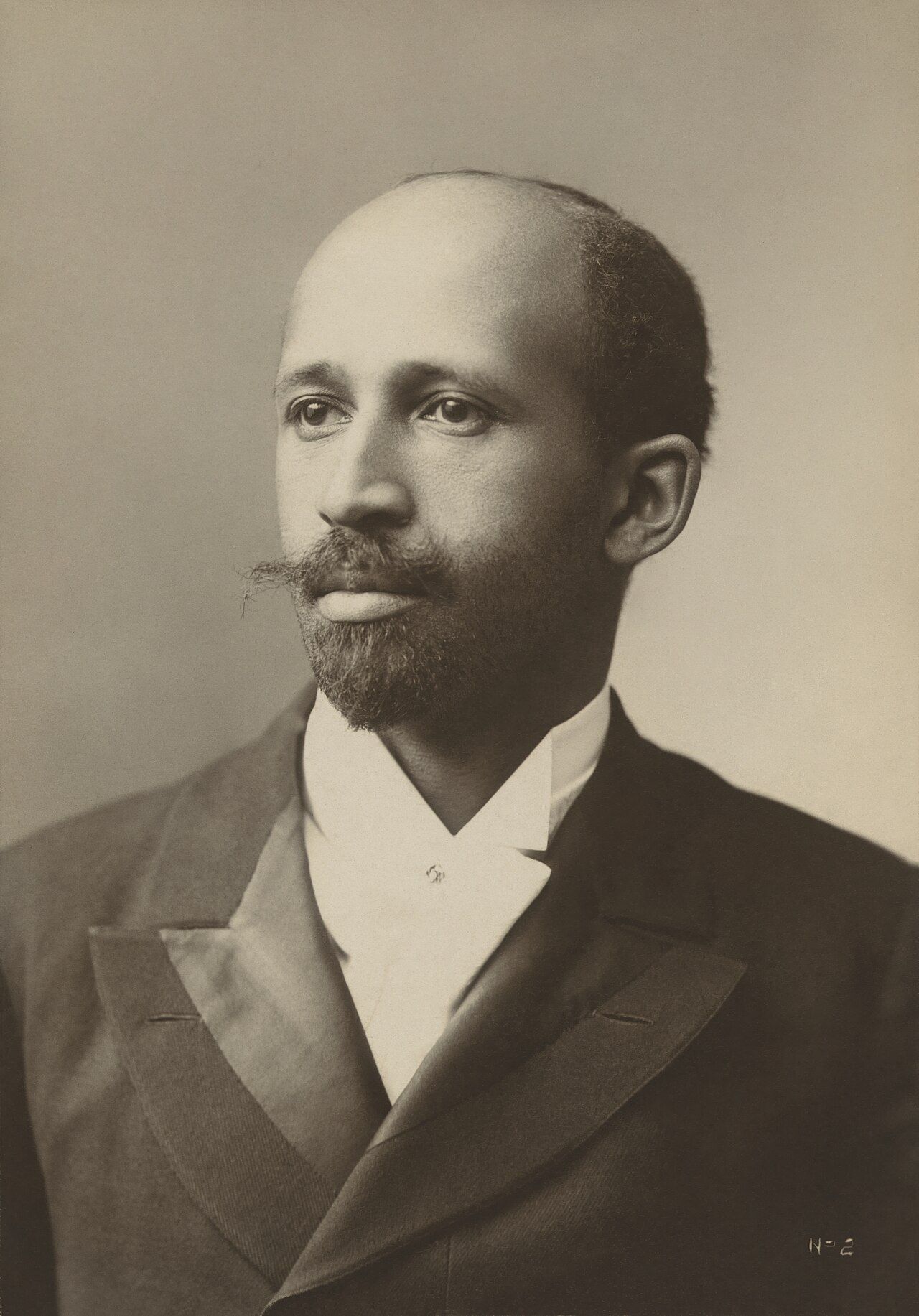
- AfricanPhilosophy by Africans and people of African descent: the modern debate over what African philosophy is, the critical wisdom of sages, and the diaspora's thought on race, colonialism and freedom.Frederick Douglass, W. E. B. Du Bois, Frantz Fanon and 10 more