Branch
Philosophy of religion
117 philosophers, 8 traditions
God and the divine, faith and reason, revelation, the problem of evil, and the path to liberation or salvation.
Highlight them on the timeline →
Themes in this branch
Philosophers
Listed where the reference works cited on their page describe significant work in philosophy of religion.
Western
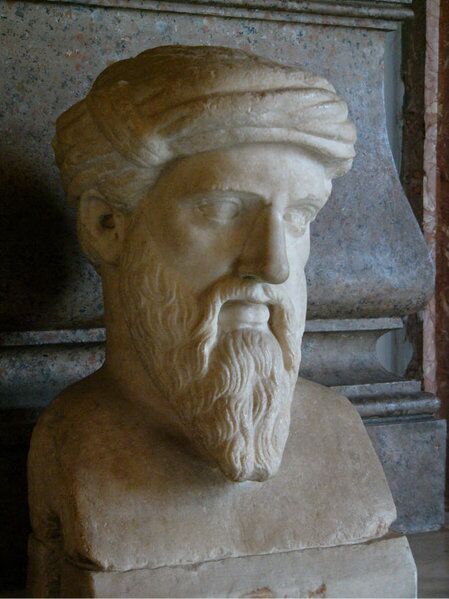 PythagorasGreek sage who taught that the soul is immortal and is reborn in other bodies, and founded a disciplined way of life; later legend made him the father of mathematics.
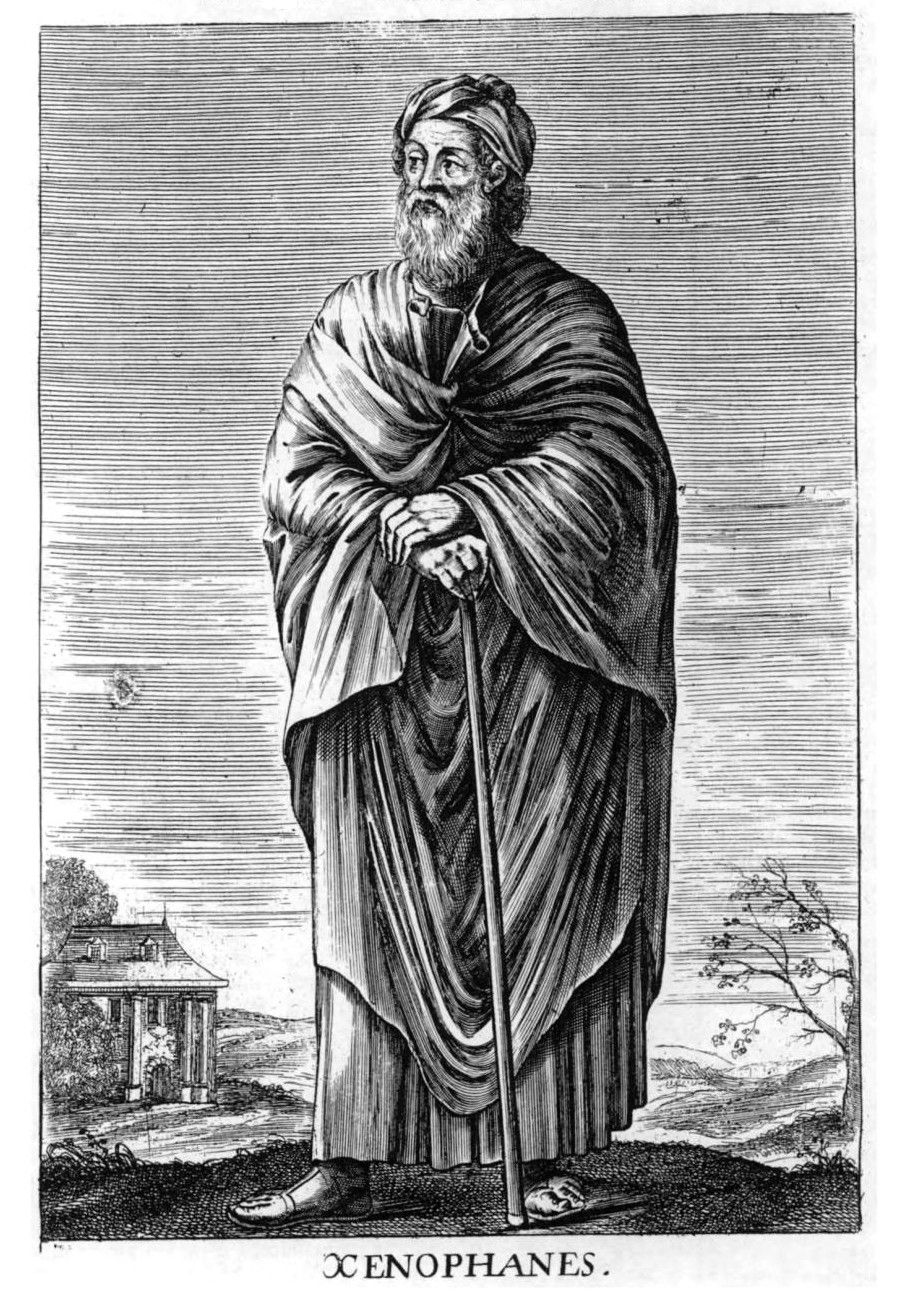 XenophanesWandering poet who mocked the idea that gods look and behave like humans, described one greatest god unlike mortals, and doubted that anyone can know the plain truth.
 LucretiusRoman poet whose _On the Nature of Things_ set out Epicurus' atomism in Latin verse, to free readers from fear of the gods and of death.
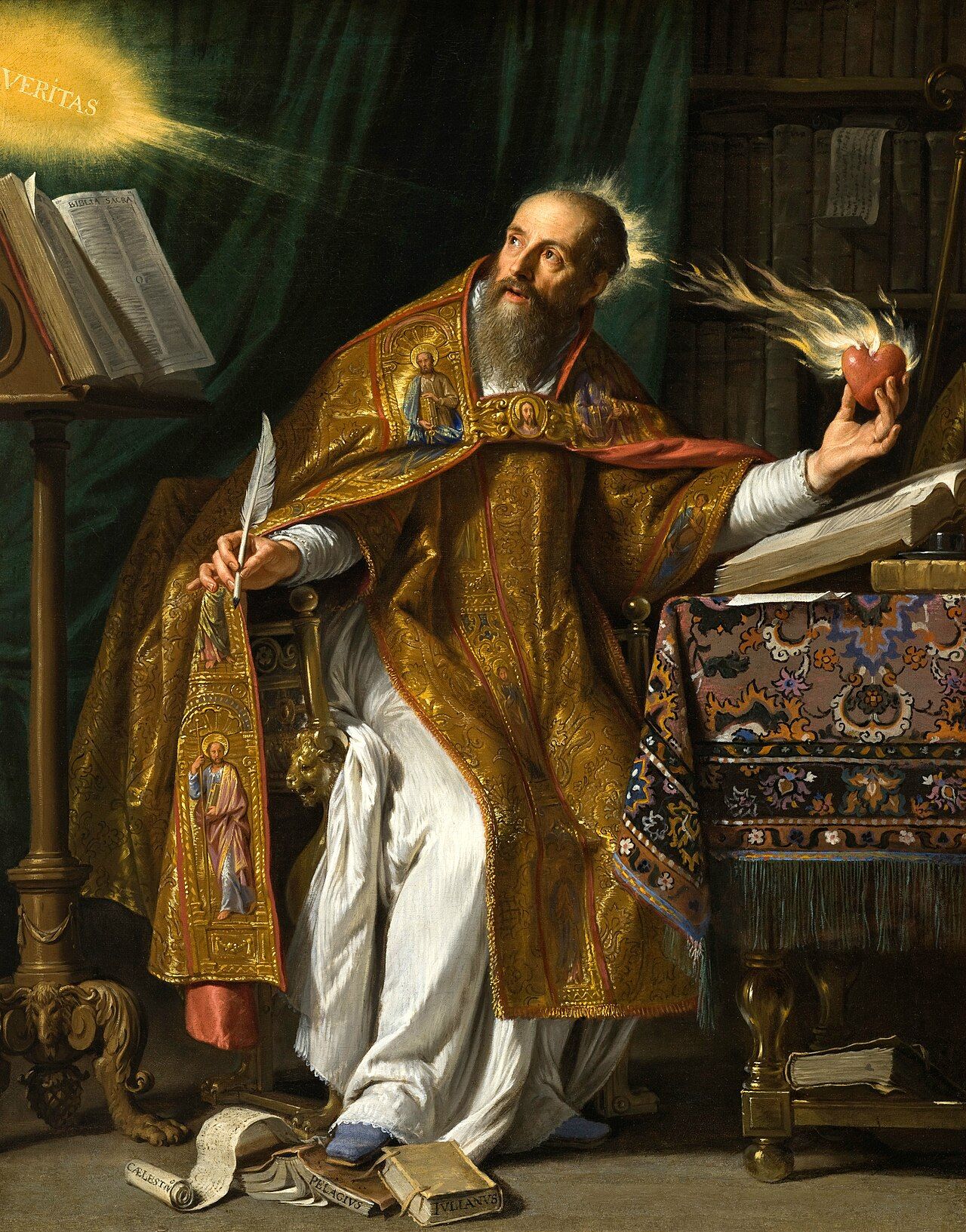 AugustineBishop of Hippo whose writings on sin, grace, free will and time made him the most influential Christian thinker of late antiquity and the Latin Middle Ages.
- ProclusHead of the Platonic school in Athens for nearly fifty years, who built Neoplatonism into a rigorous system that reached the Middle Ages under other names.
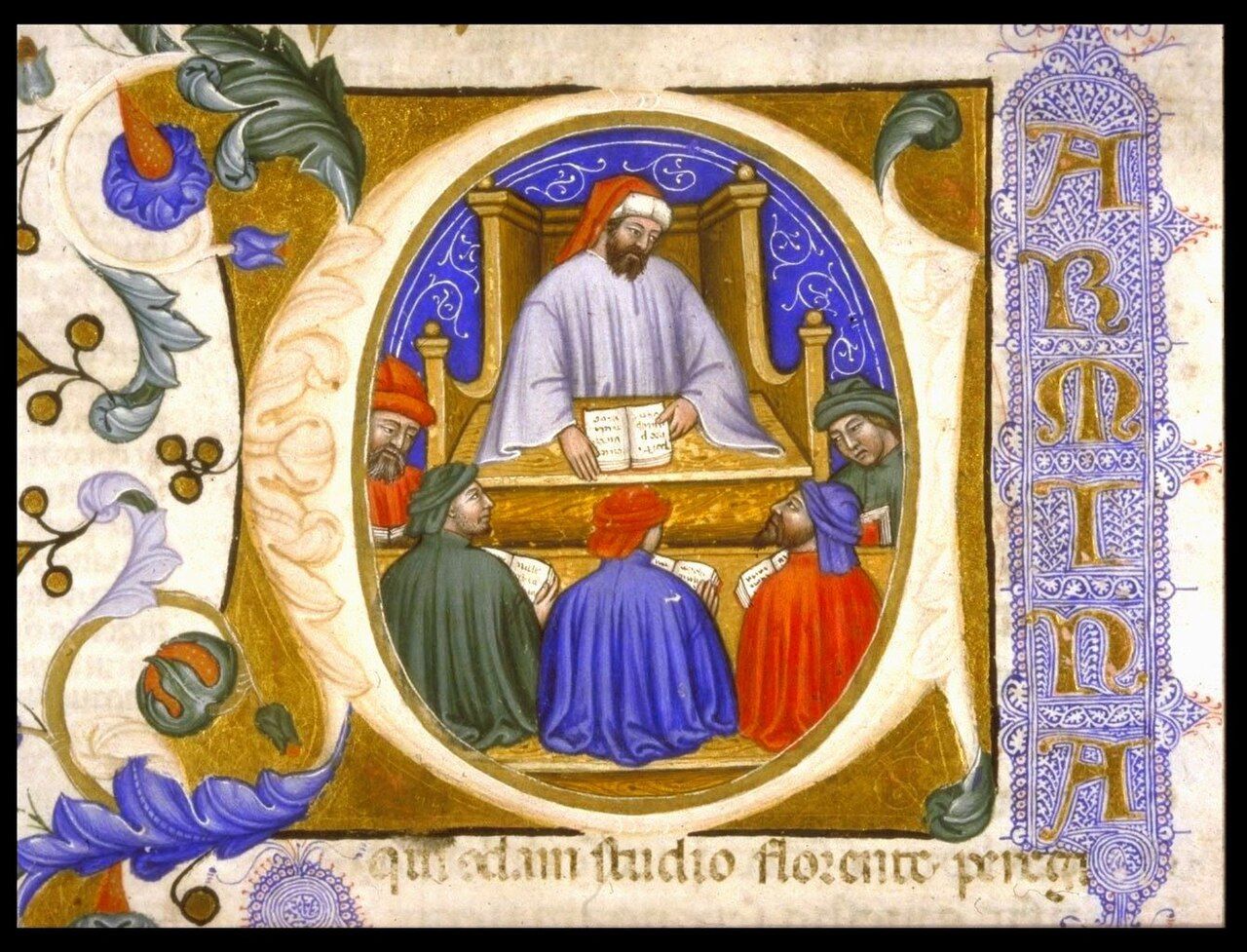 BoethiusRoman statesman who handed Aristotle's logic to the Latin Middle Ages, and wrote The Consolation of Philosophy in prison while awaiting execution.
 John Scottus EriugenaIrish scholar at the Frankish court who knew Greek, translated the Greek Christian Neoplatonists and wove them into a vast system in which all of nature flows out of God and returns.
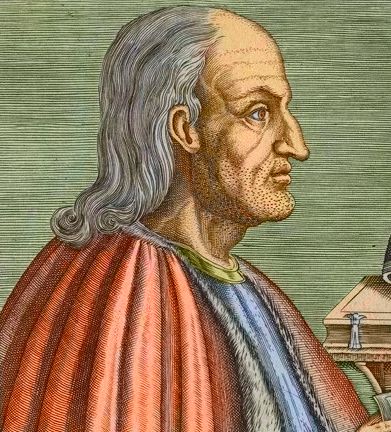 Anselm of CanterburyBenedictine abbot and Archbishop of Canterbury, famous for the ontological argument, which defines God as "that than which a greater cannot be thought".
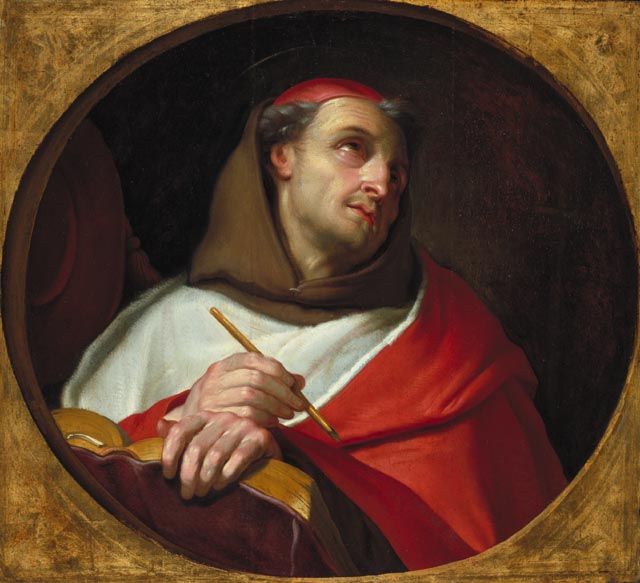 BonaventureFranciscan master at Paris and head of his order, who read the whole of creation as signs leading the mind to God, and argued that a created world cannot be eternal.
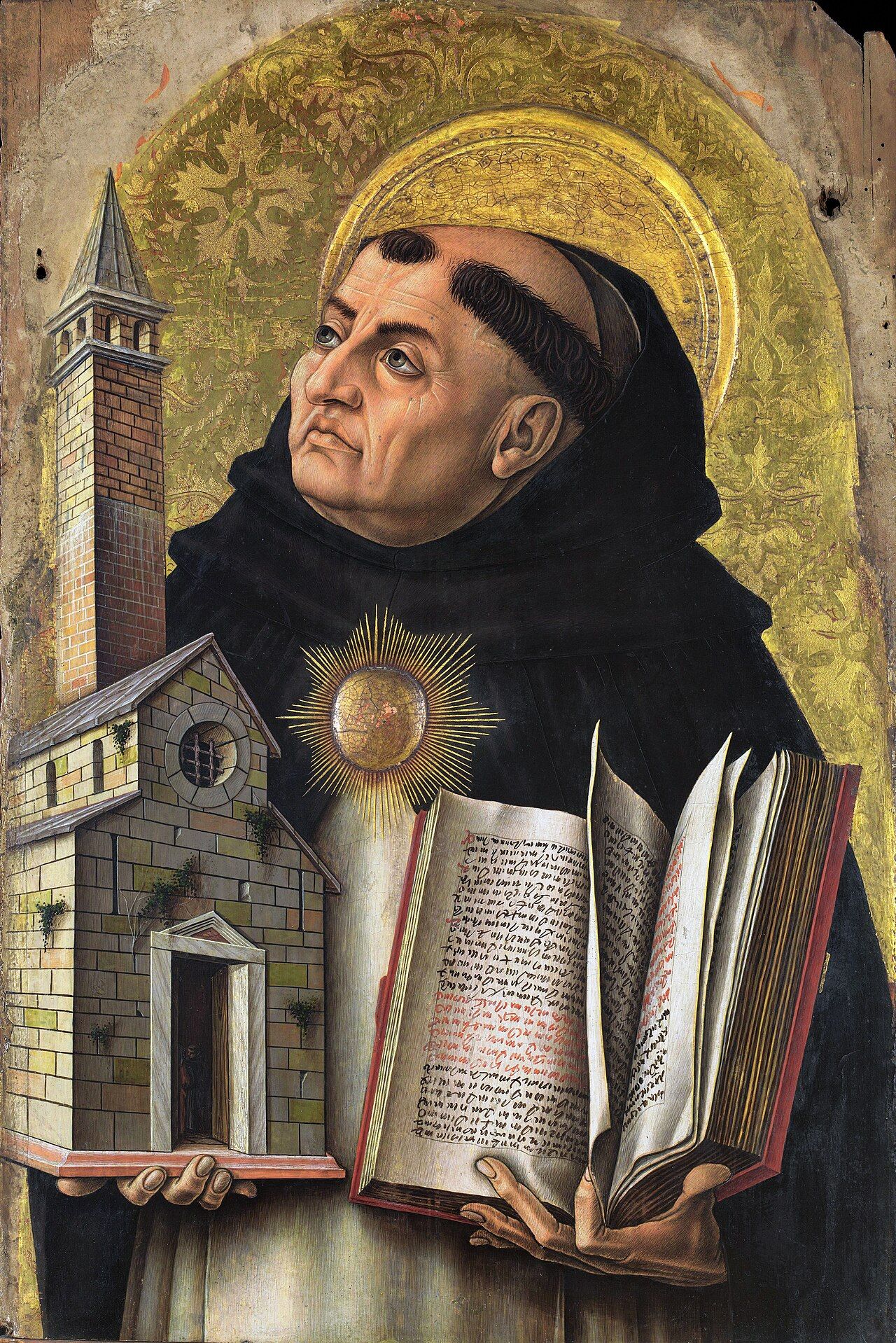 Thomas AquinasDominican friar and theologian who combined Aristotle's philosophy with Christian doctrine in the most influential synthesis of medieval scholasticism.
- Meister EckhartDominican master of theology and preacher whose Latin treatises and German sermons describe God as a boundless "nothing" and call the soul to let go of everything so that God may be born in it.
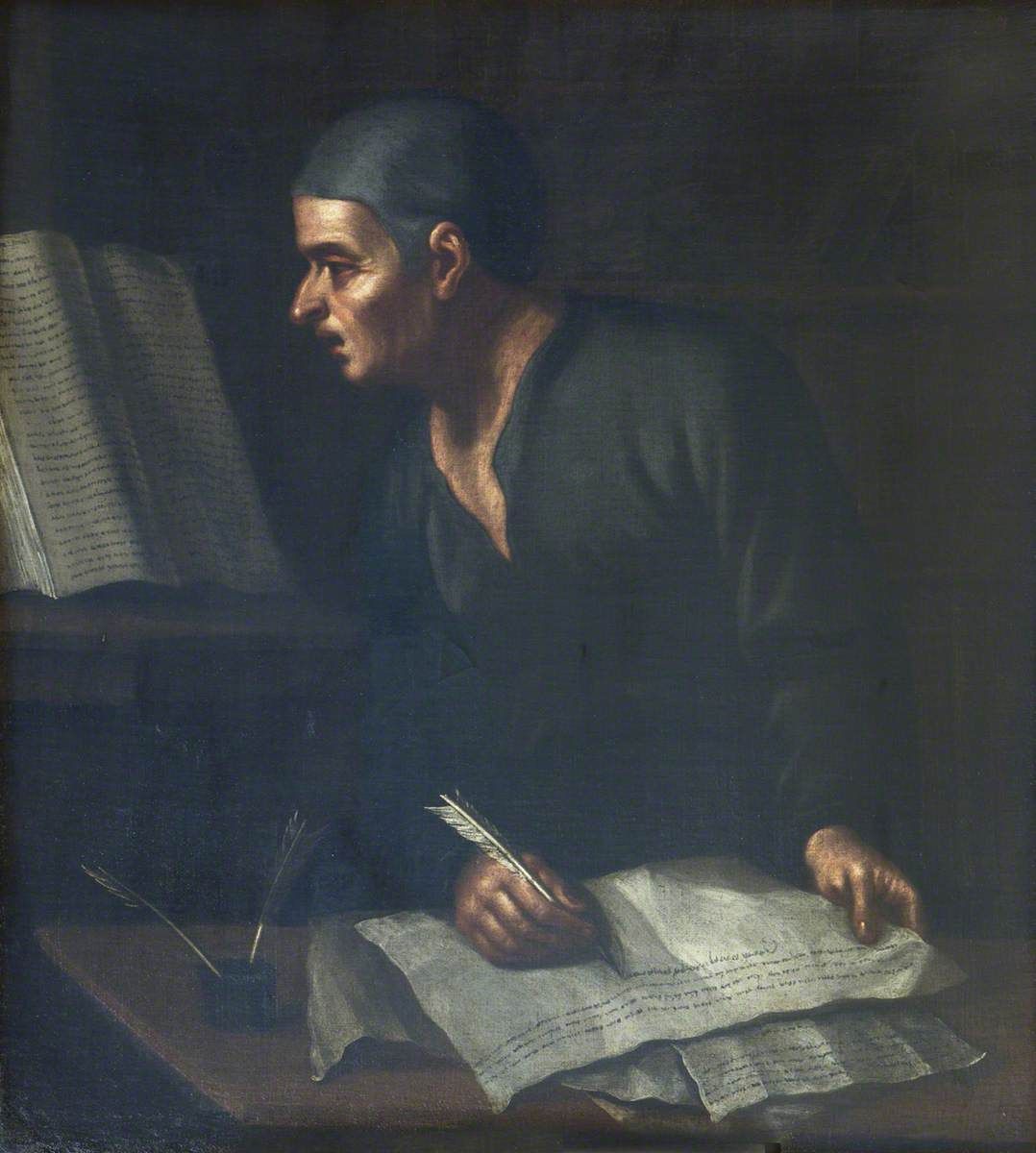 John Duns ScotusFranciscan philosopher-theologian, "the Subtle Doctor", known for the univocity of being, the "thisness" that makes each thing an individual, and a will free at the very moment of choice.
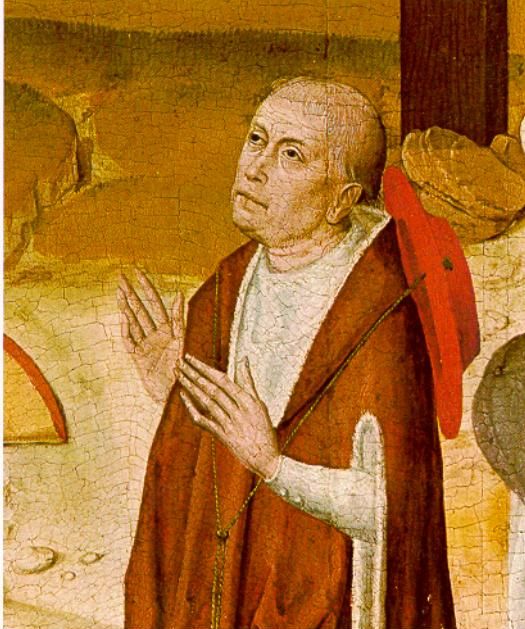 Nicholas of CusaCardinal, church reformer and self-taught philosopher whose _On Learned Ignorance_ taught that the infinite God, in whom all opposites coincide, lies beyond every measure of the mind.
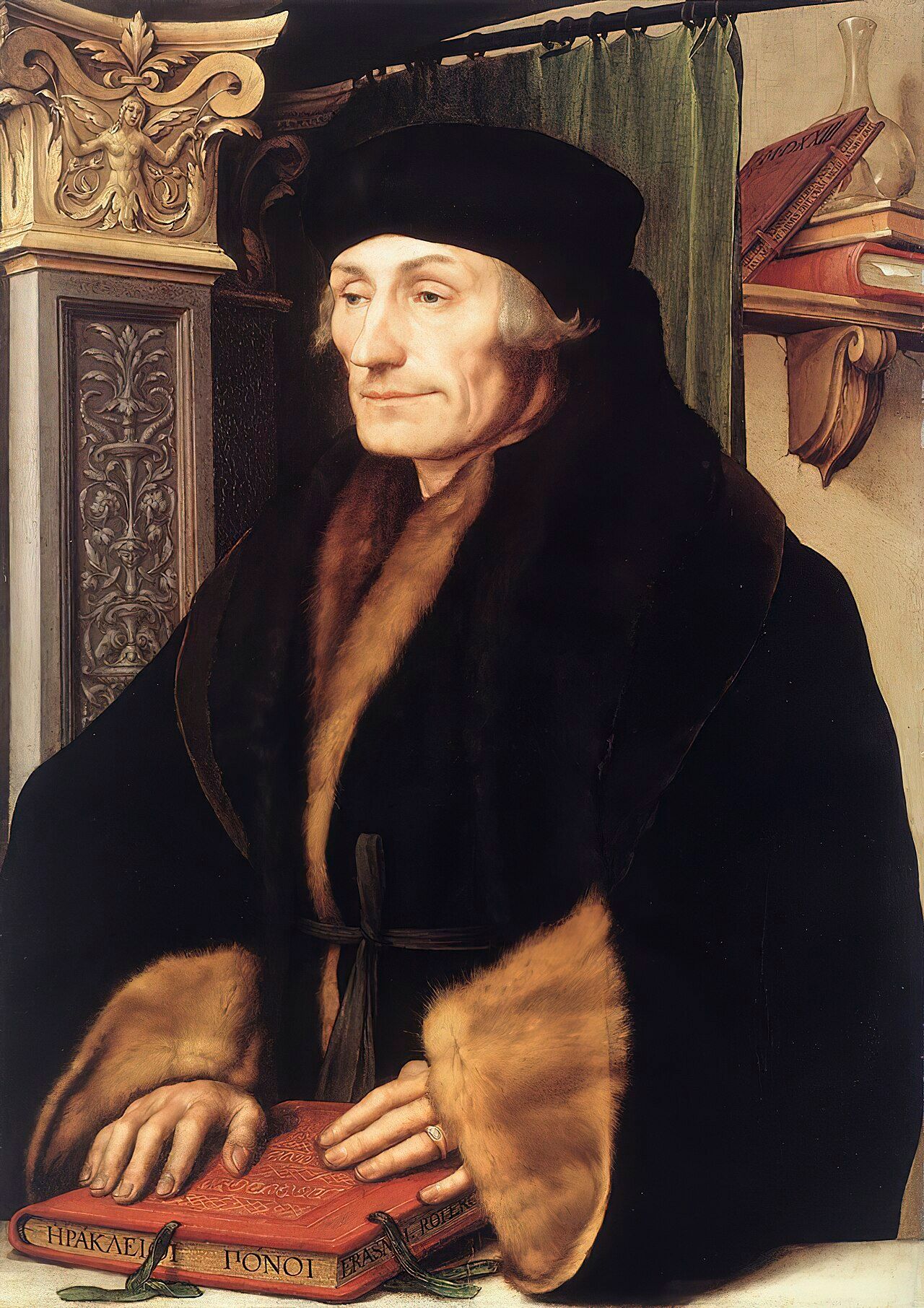 Desiderius ErasmusHumanist scholar who edited the Greek New Testament, satirised scholastic theology in _The Praise of Folly_, and defended free will against Luther with a sceptic's reluctance to assert.
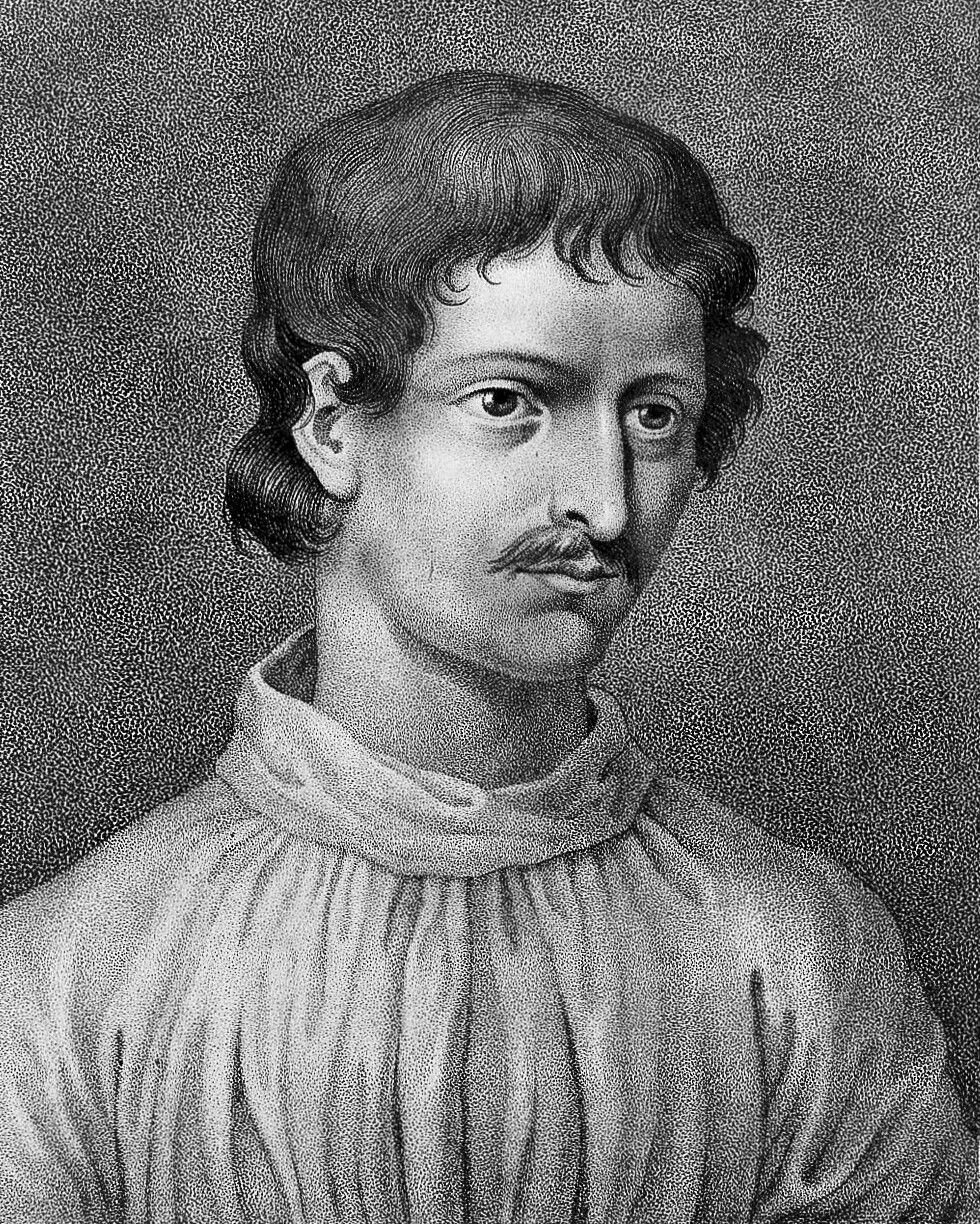 Giordano BrunoRenaissance philosopher who took Copernicus as proof of an infinite, living universe full of other worlds, in which God is present in all things. He was burned as a heretic in Rome.
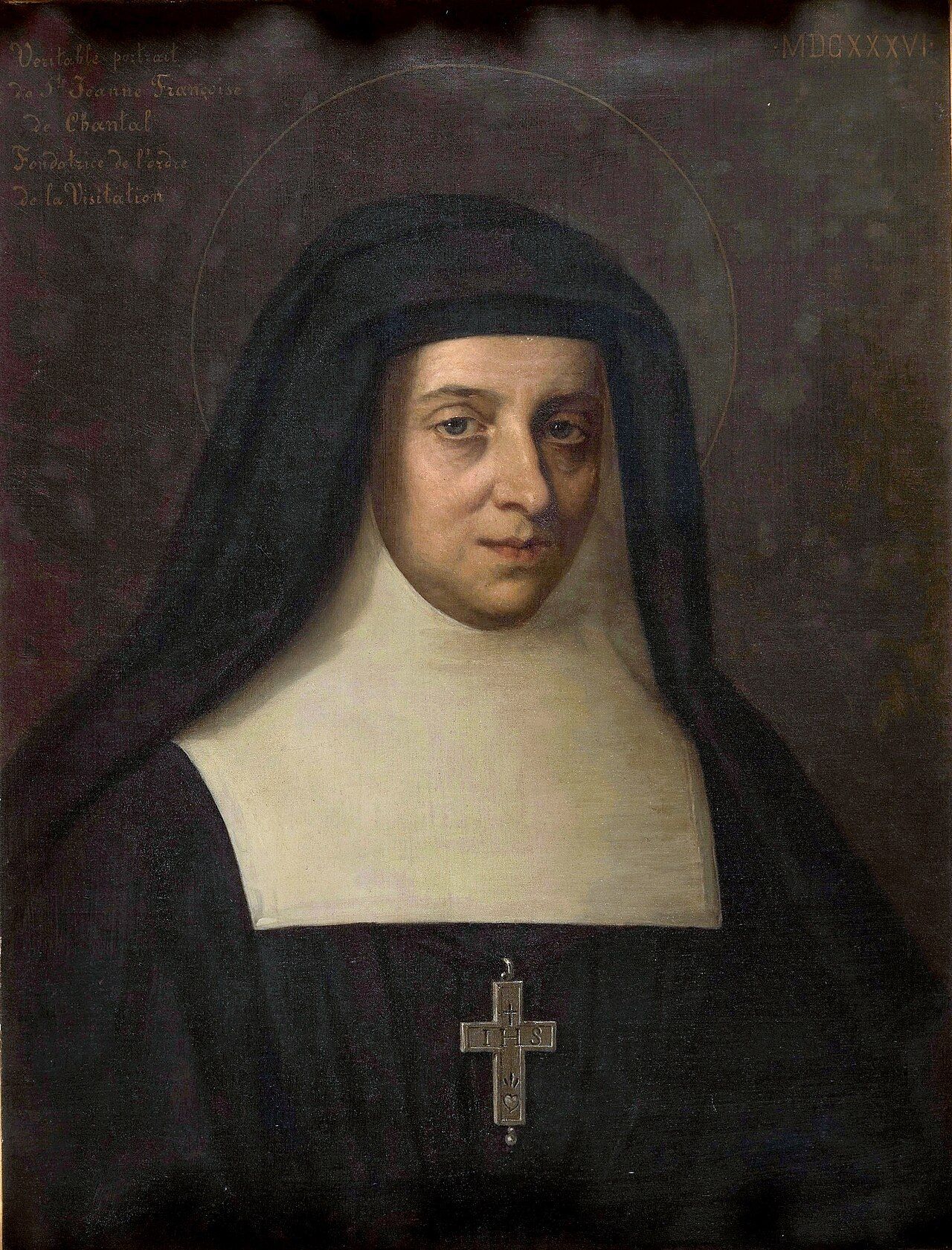 Jeanne de ChantalFounder of the Visitation order, whose lectures and letters mapped the soul's journey to perfection: an early modern moral psychology written for women.
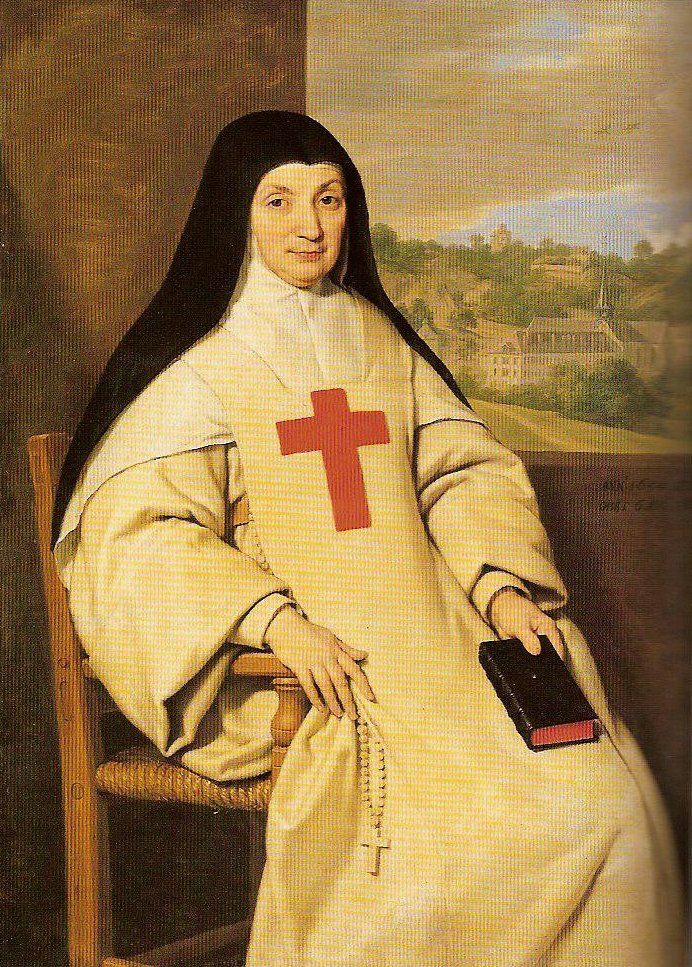 Angélique ArnauldReforming abbess of Port-Royal whose Jansenist Augustinianism defended women's rights to education, self-government and conscience.
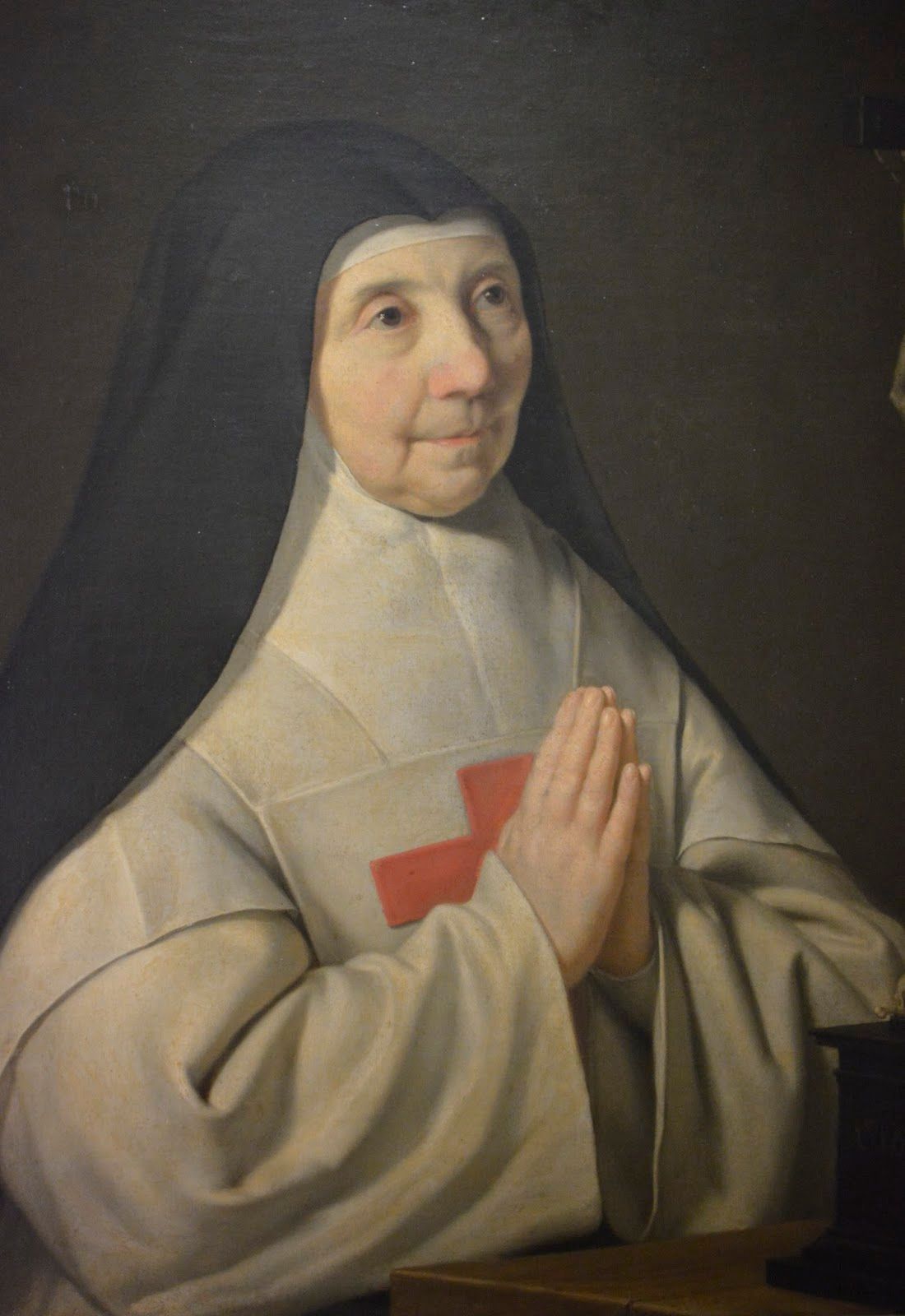 Agnès ArnauldAbbess of Port-Royal whose writings defended women's spiritual freedom and set out an ethics of resistance to illegitimate commands of church and state.
- Margaret FellQuaker writer hailed as a feminist pioneer for Womens Speaking Justified, which argued from Scripture and the inner light that women may preach.
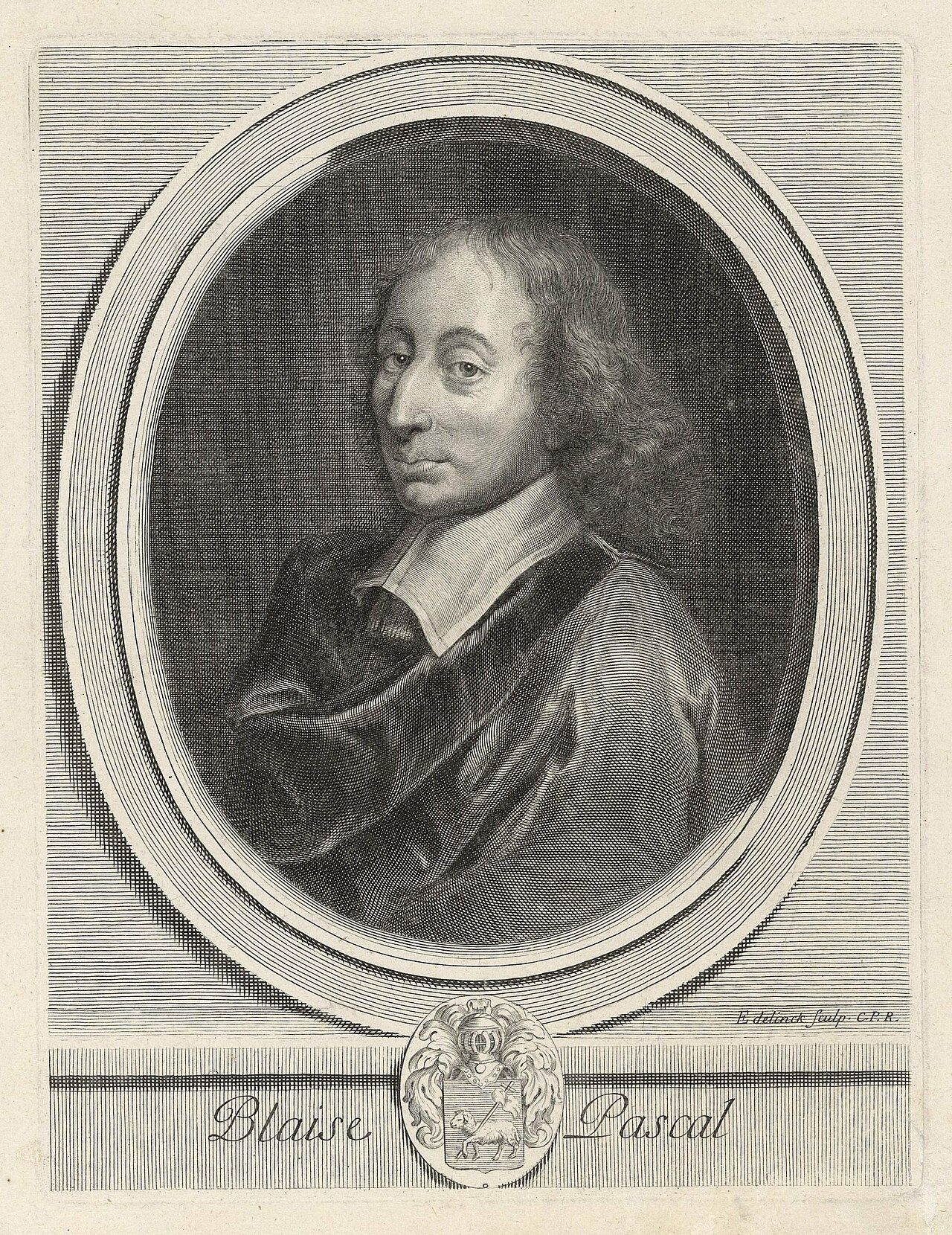 Blaise PascalFrench mathematician and scientist whose unfinished Pensées, a defence of Christianity, reflect on human wretchedness and greatness, the thinking reed.
- Angélique de Saint-Jean Arnauld d'AndillyAbbess of Port-Royal and leader of the uncompromising wing of Jansenism, who set out an ethics of resistance by which a persecuted minority can refuse coercion.
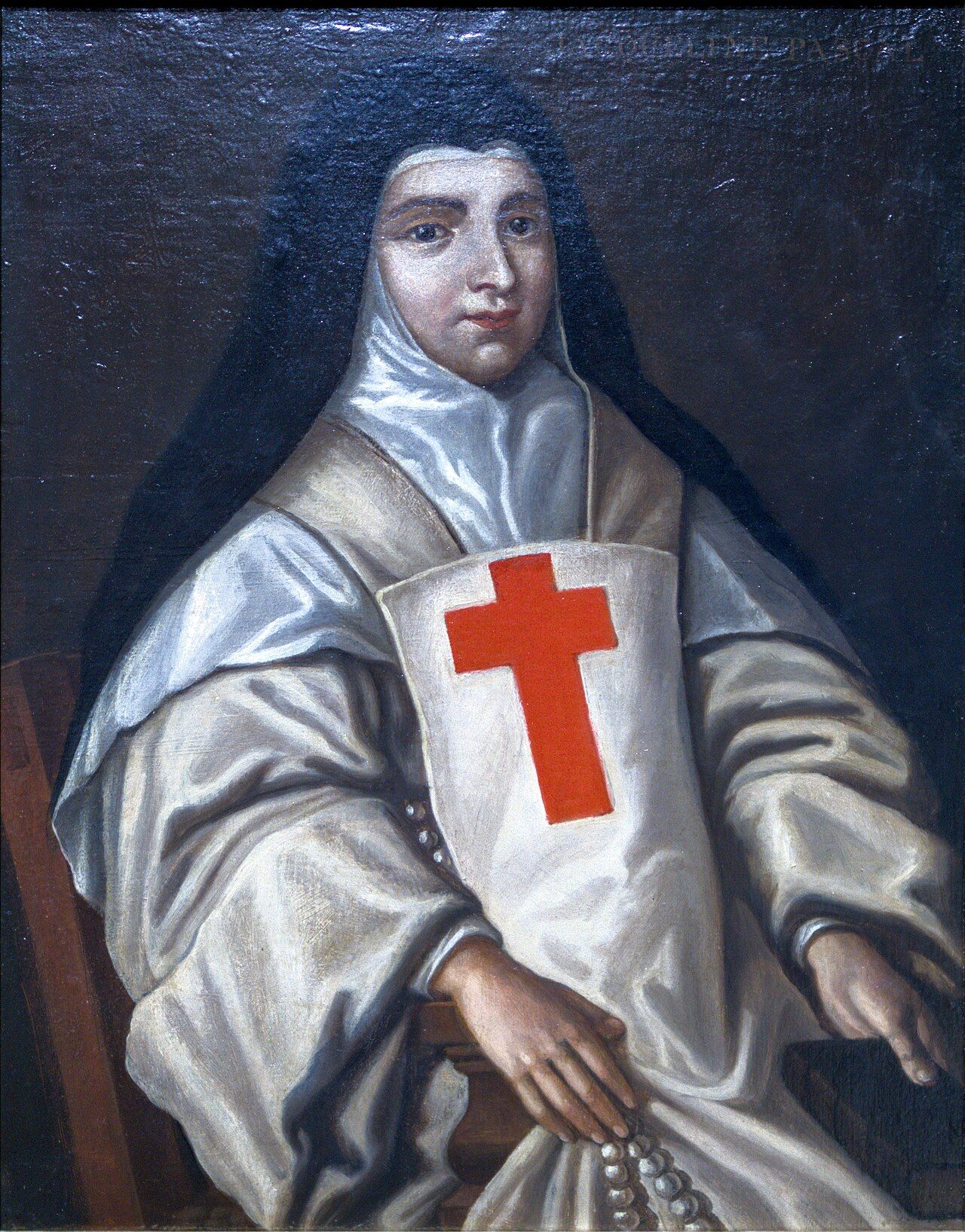 Jacqueline PascalCistercian nun of Port-Royal, sister of Blaise Pascal, whose writings on education and conscience defended women's right to a vocation, to theology and to dissent.
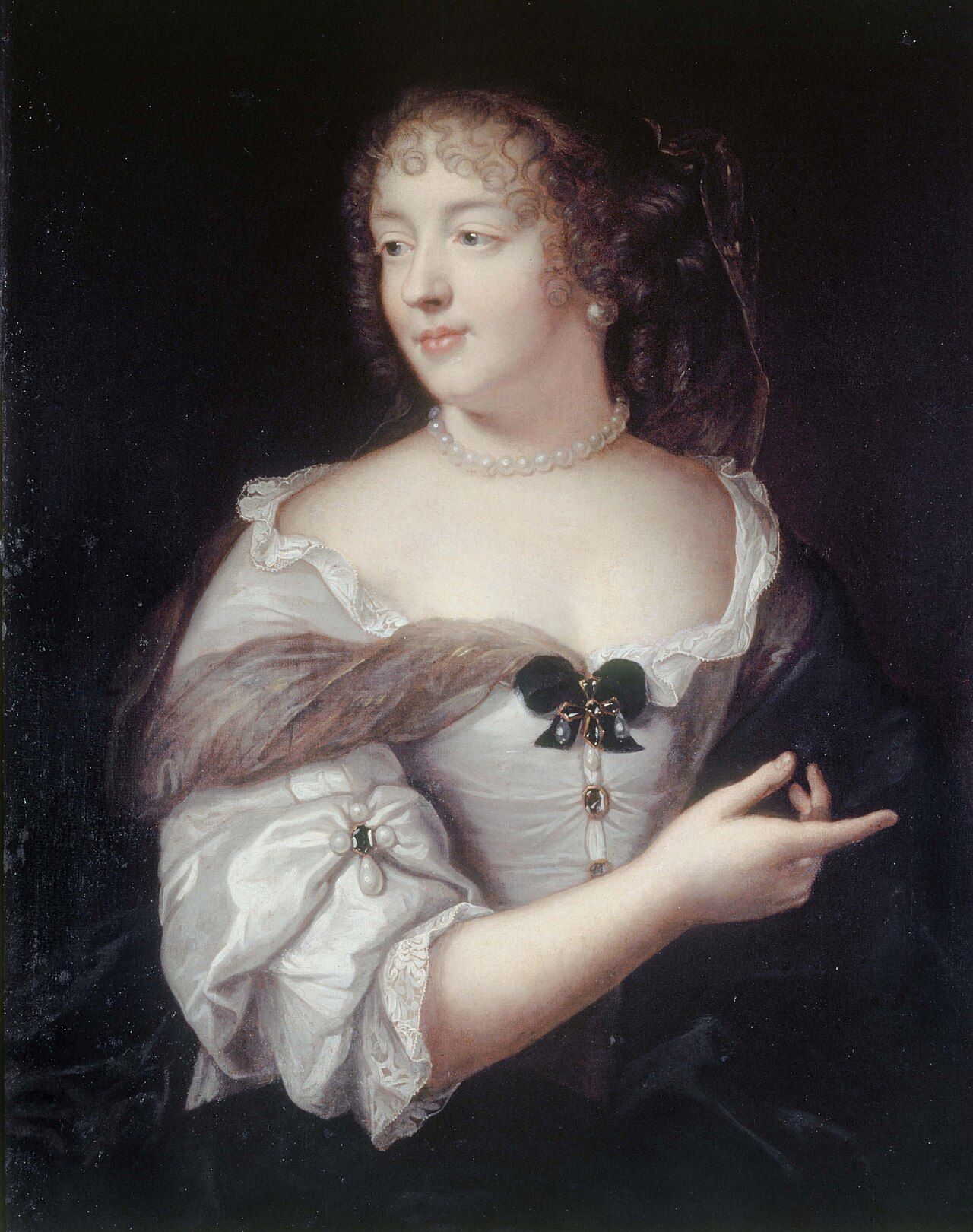 Madame de SévignéFrance's foremost letter-writer of the seventeenth century, whose correspondence rejected mechanistic nature and chronicled the philosophical debates of the Cartesian age.
- Anne ConwayEnglish philosopher whose vitalist metaphysics, set against Descartes, Hobbes and Spinoza, held that all created things are living spirit, capable of endless growth in goodness.
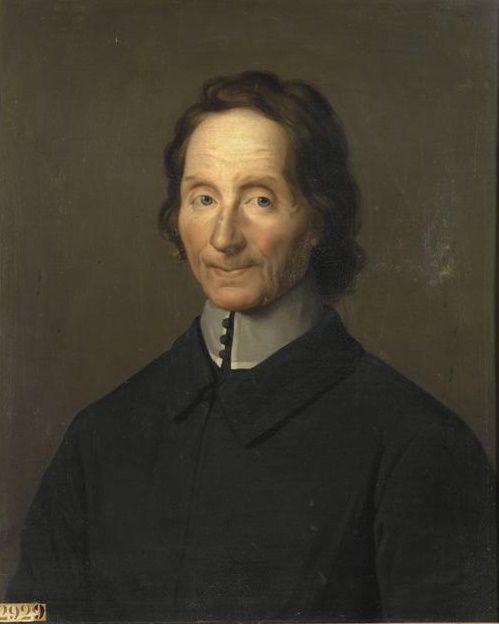 Nicolas MalebrancheFrench priest and Cartesian who joined Descartes to Augustine, holding that we perceive bodies by way of ideas that exist in God, and that nothing but God truly causes anything.
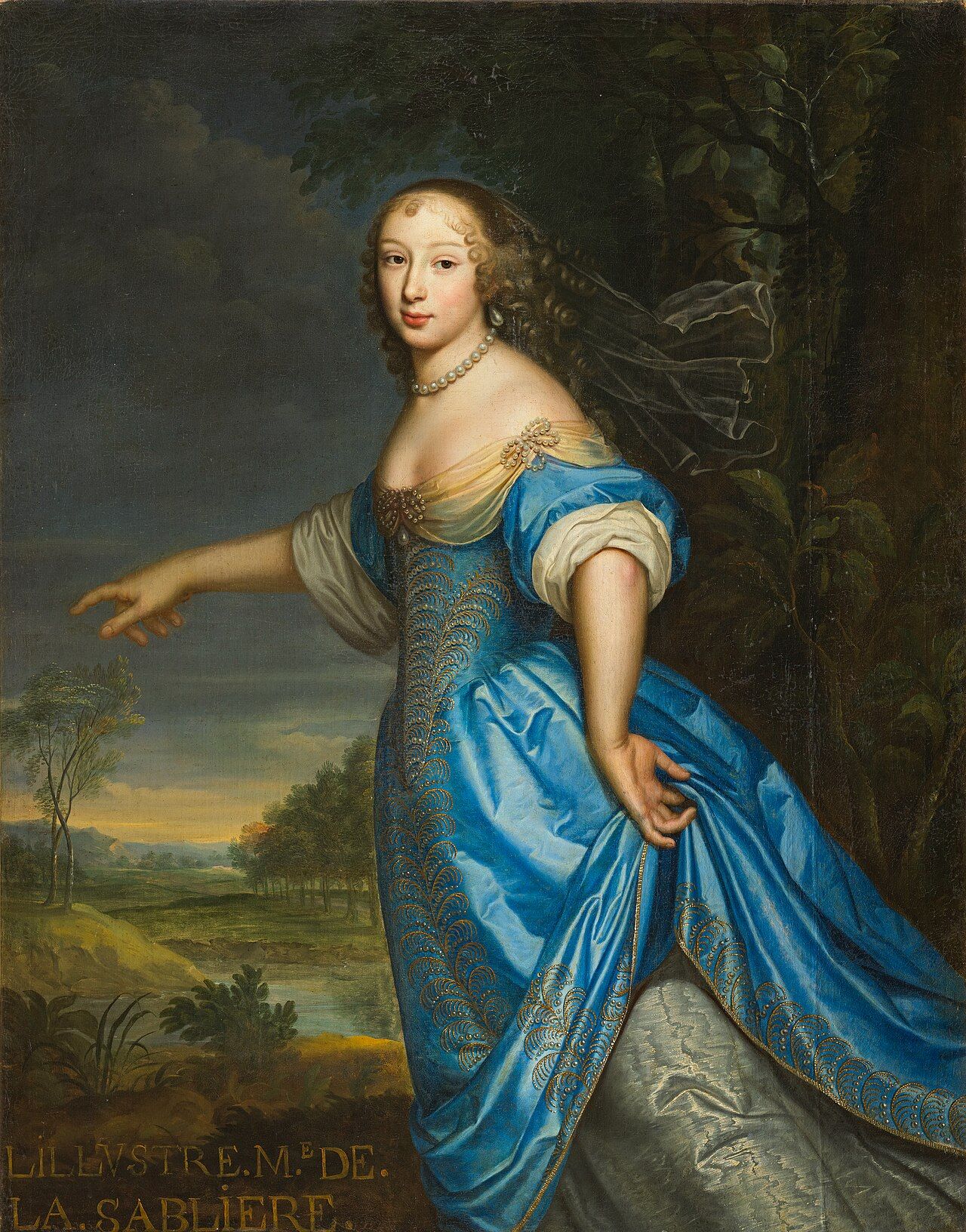 Marguerite de La SablièreParis salon host, patron of La Fontaine and early woman astronomer, whose moral writings held natural virtues to be disguised vices and only the theological virtues genuine.
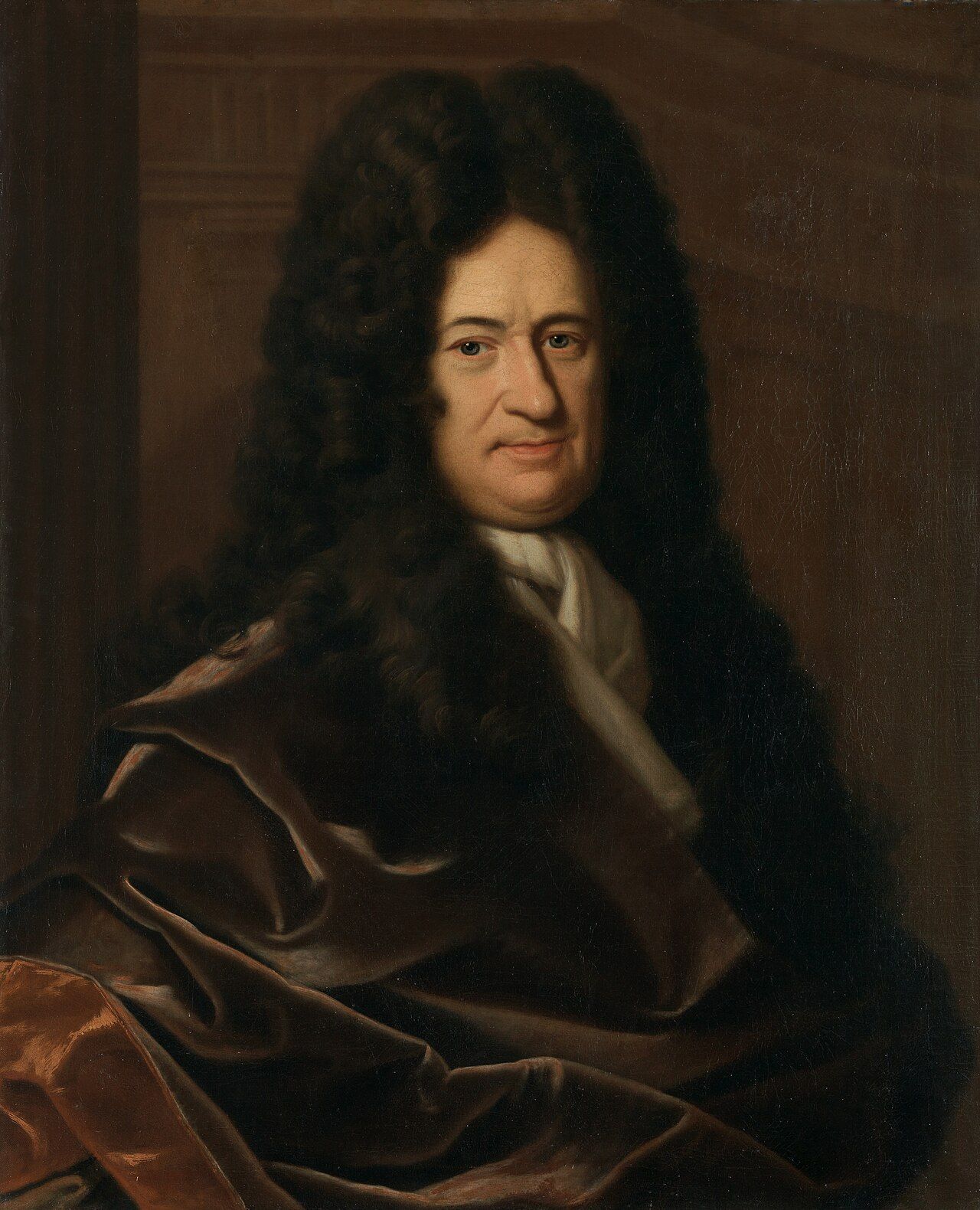 Gottfried Wilhelm LeibnizRationalist polymath who co-invented the calculus and argued that the world consists of simple substances, monads, and is the best of all possible worlds.
- Damaris MashamOne of the earliest English women philosophers, friend of Locke and correspondent of Leibniz, who defended a reasonable Christianity and argued for the education of women.
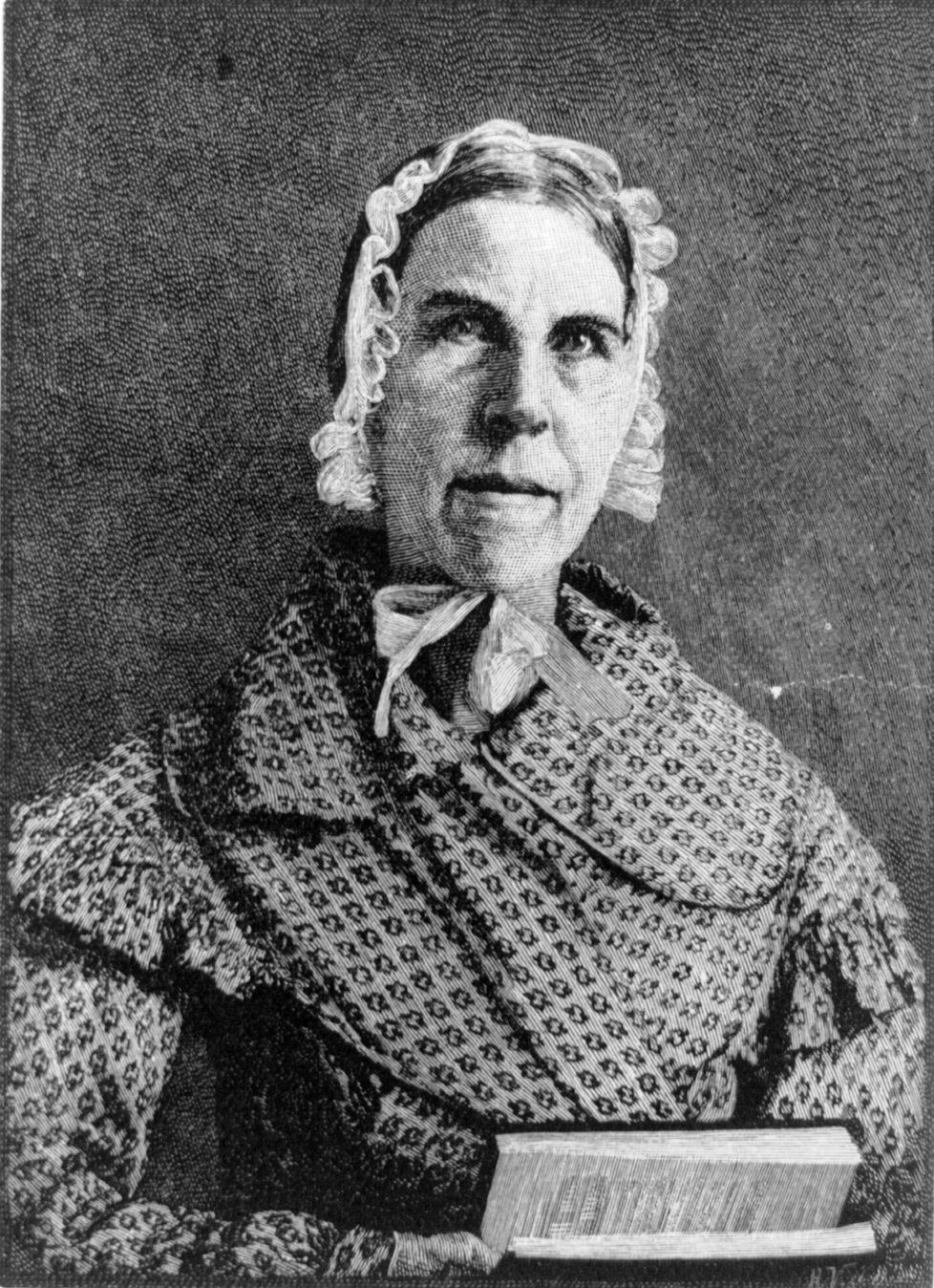 Sarah GrimkéAbolitionist and women's rights theorist born into a slave-owning South Carolina family, whose Letters on the Equality of the Sexes argued from Scripture that women and men were made equal.
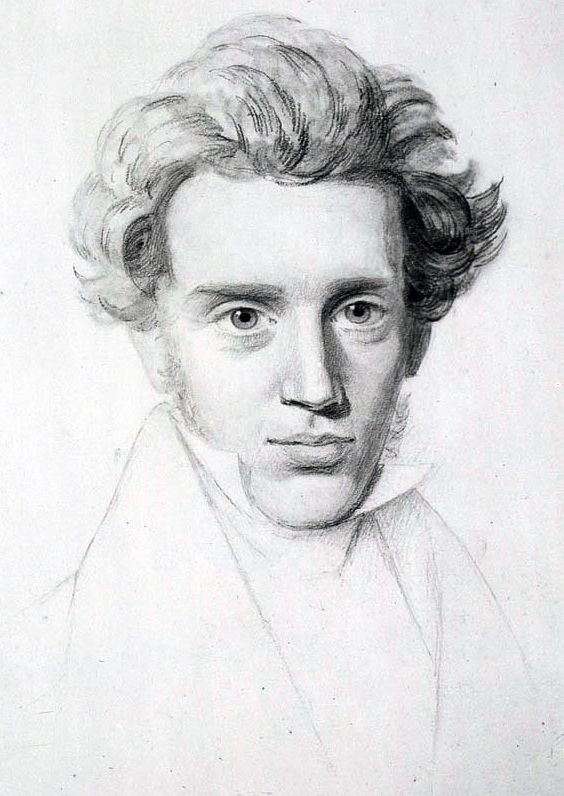 Søren KierkegaardDanish writer who opposed philosophical system-building, and explored faith, anxiety and what it means to exist as a single individual.
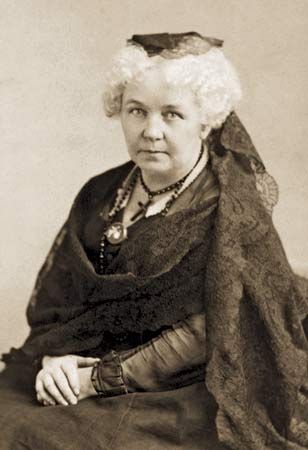 Elizabeth Cady StantonAmerican feminist theorist and the philosopher of the women's suffrage movement, author of the Declaration of Sentiments and, late in life, the critical Woman's Bible.
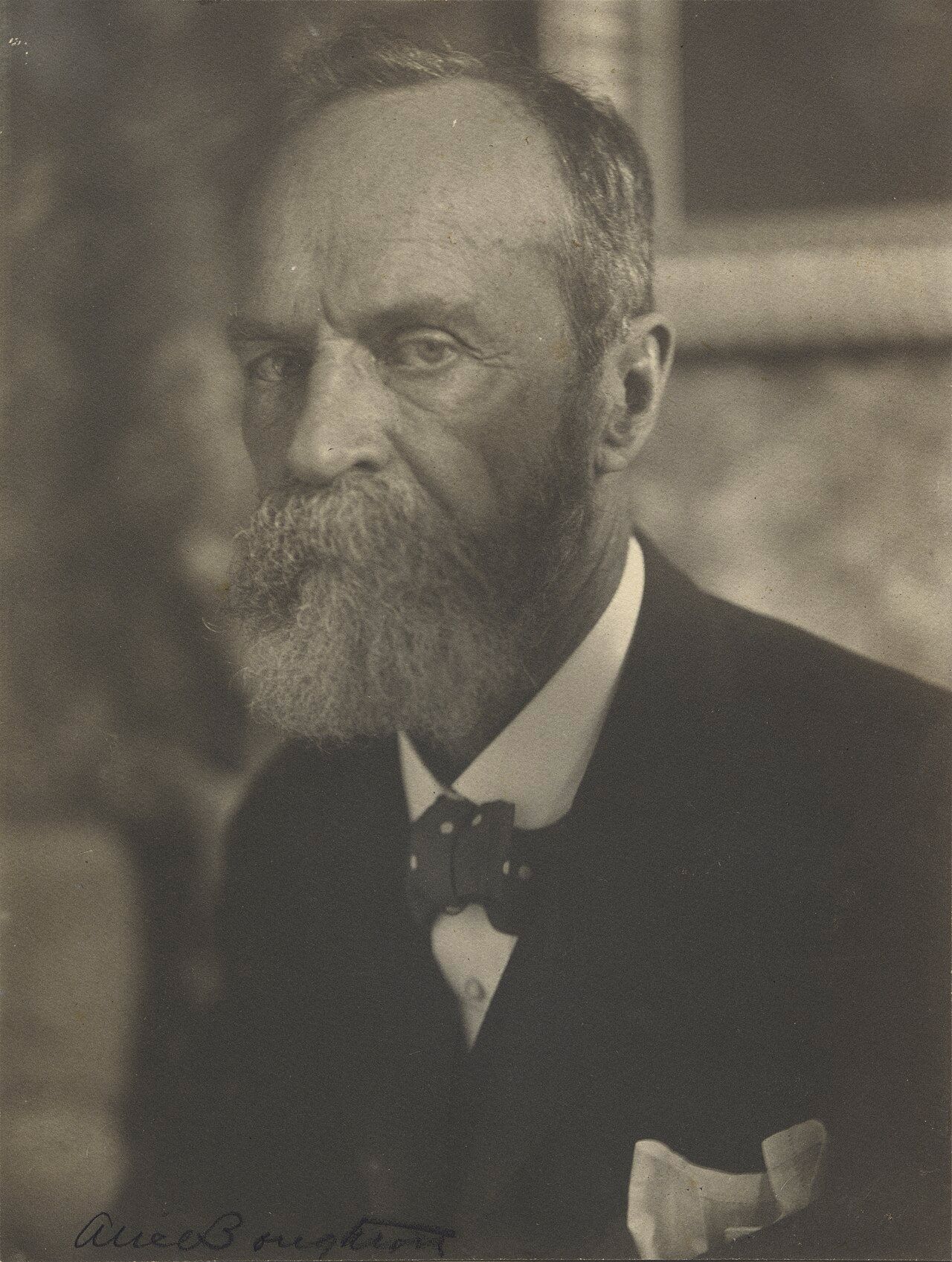 William JamesPsychologist and philosopher whose Principles of Psychology described the 'stream of thought', and who made pragmatism famous with a theory of truth as what works.
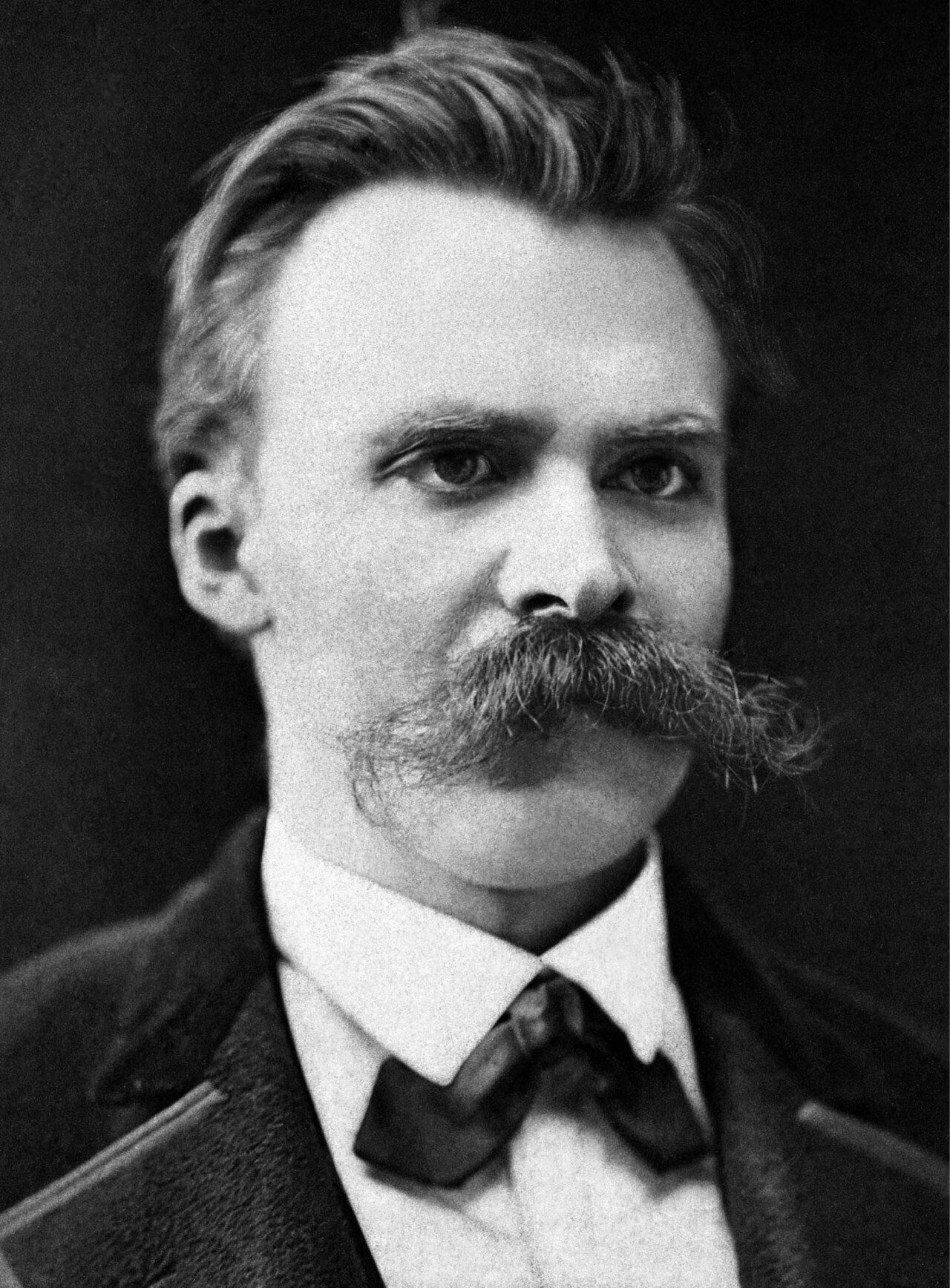 Friedrich NietzscheGerman philosopher and cultural critic who attacked traditional morality and religion, announced that “God is dead”, and asked how life can be affirmed without them.
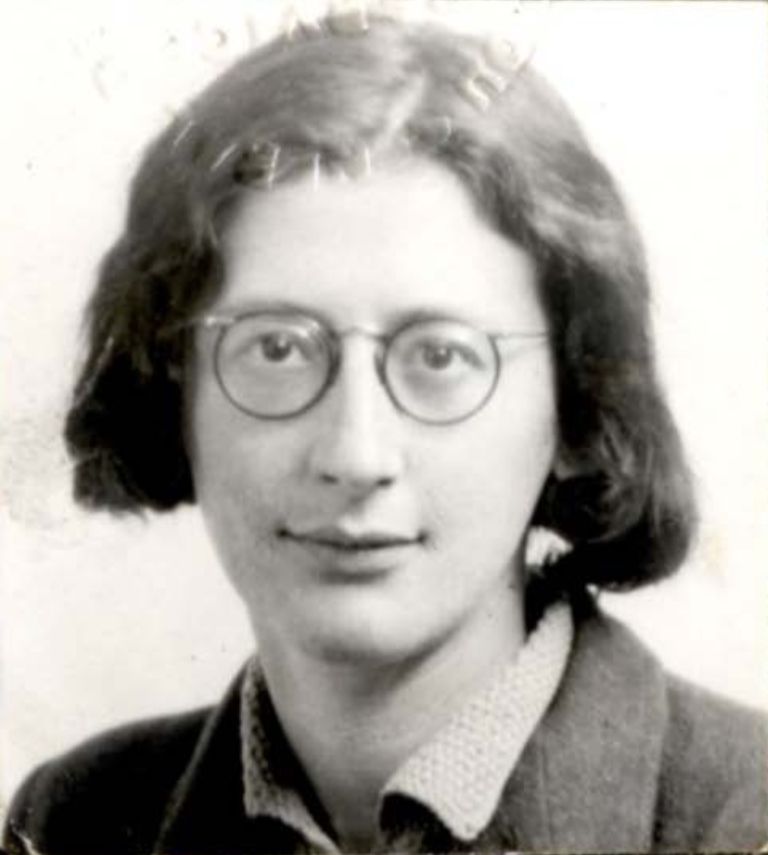 Simone WeilFrench philosopher, activist and mystic who worked in factories to understand oppression, and whose late thought centred on attention, affliction and the soul's need for roots.
Jewish
- Philo of AlexandriaJewish thinker of Roman Alexandria who read Scripture through Greek philosophy, treating philosophy as the servant of revelation; often called the founder of negative theology.
- Saadia GaonRabbi and head of the Sura academy whose Book of Doctrines and Beliefs, written in Arabic, argues that reason and revelation confirm each other.
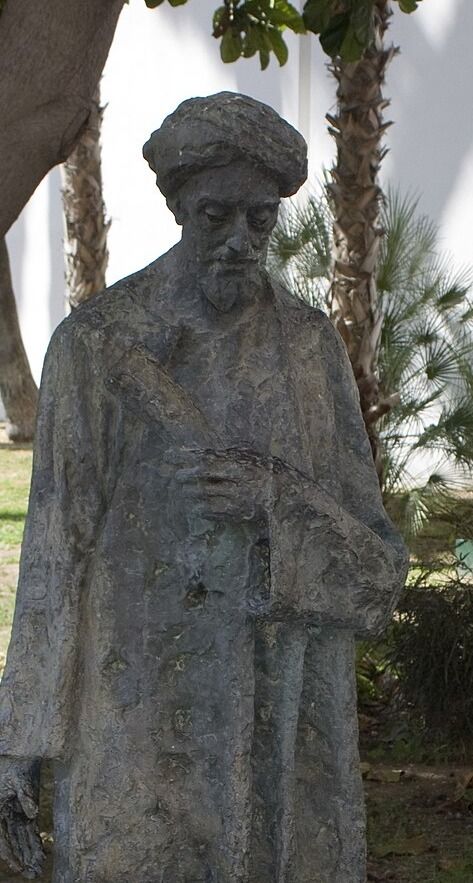 Solomon ibn GabirolAndalusian Hebrew poet and Neoplatonist whose Fountain of Life, read in Latin as the work of 'Avicebron', taught that even souls and intellects are made of matter and form.
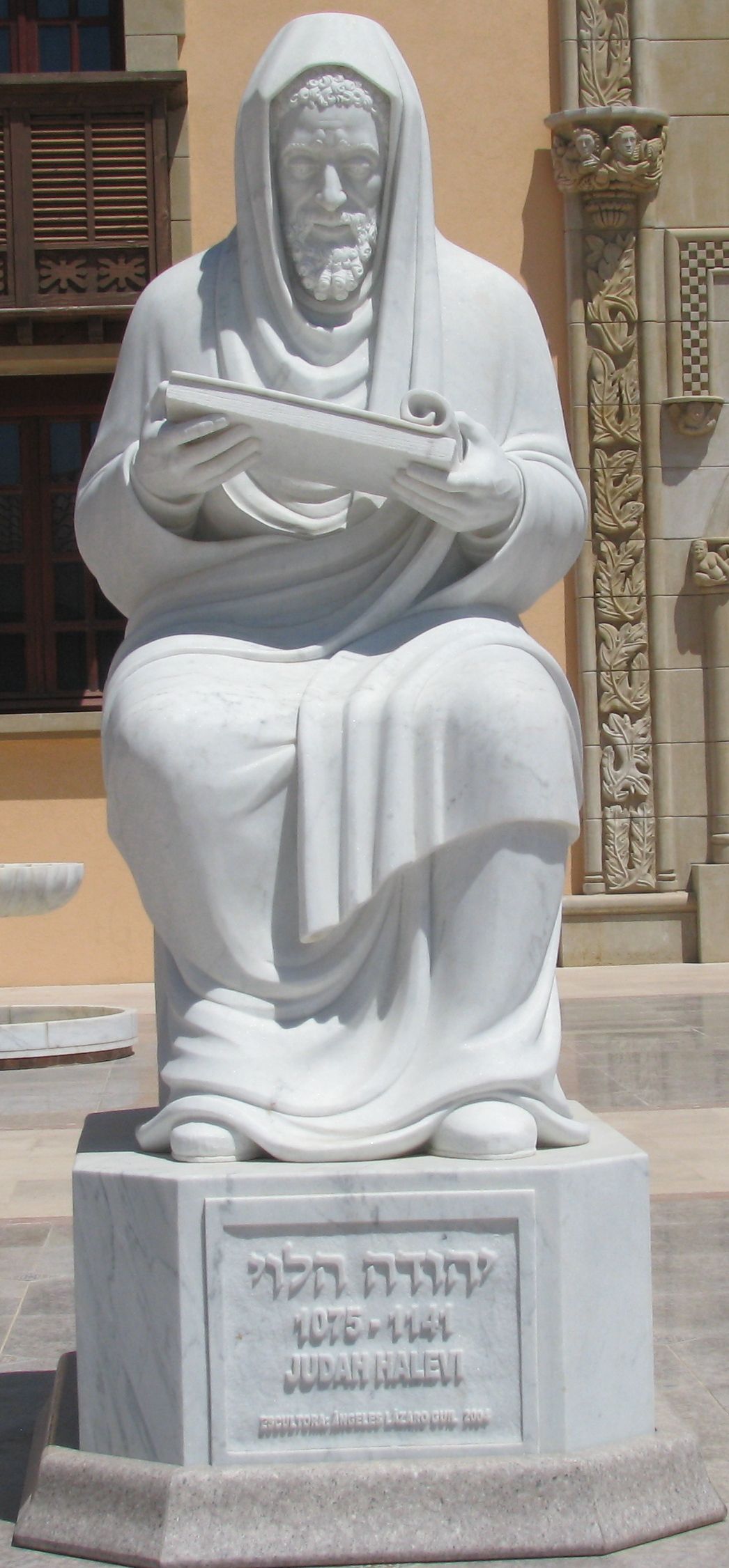 Judah HaleviHebrew poet of the 'Golden Age of Spanish Jewry' whose Kuzari defends Judaism against the philosophers, holding that God is known through history and prophecy rather than proof.
- Abraham Ibn DaudAndalusian Jewish philosopher and historian whose Exalted Faith made the first systematic attempt to bring Aristotle into Jewish thought, a generation before Maimonides.
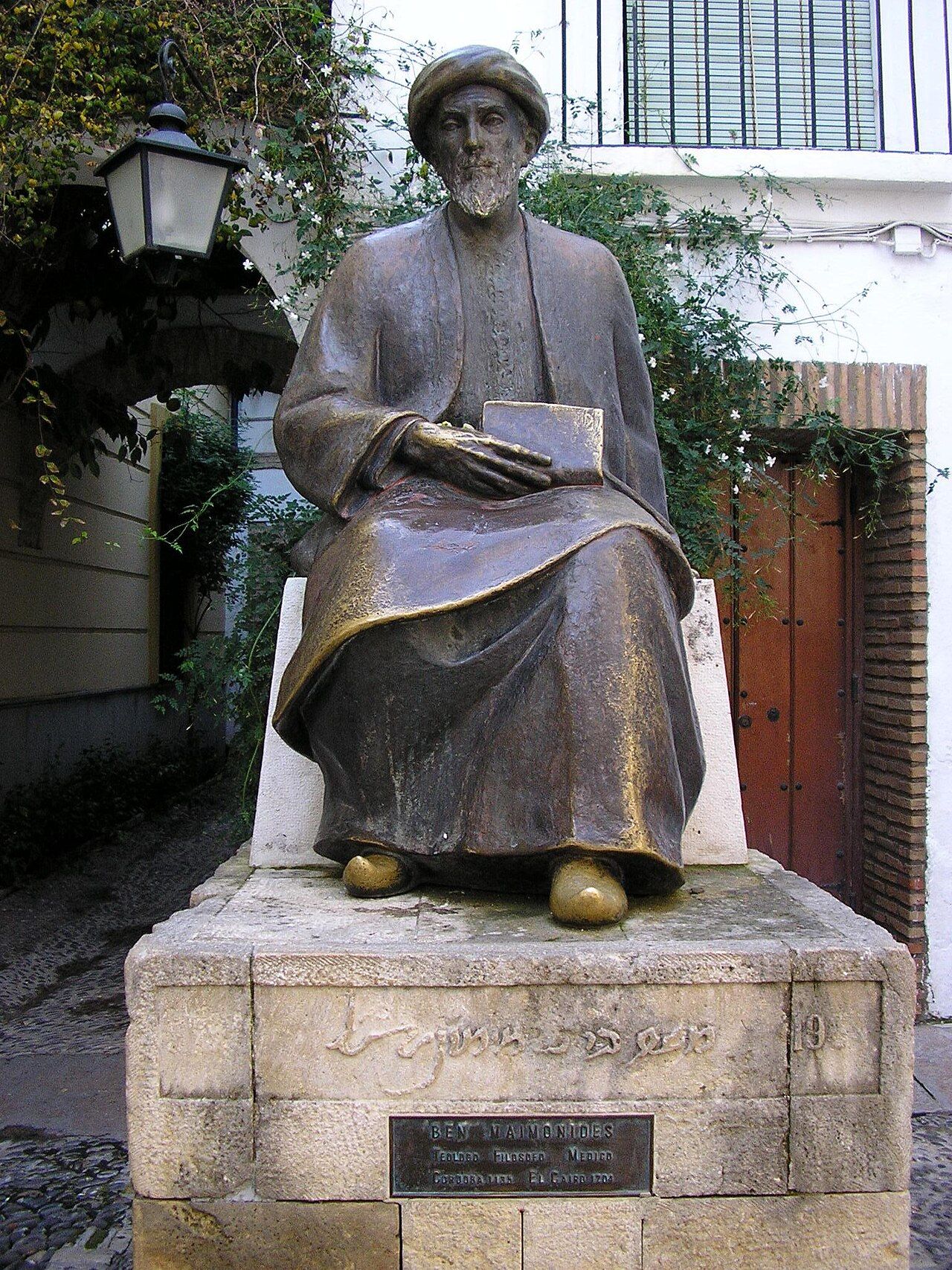 MaimonidesRabbi, physician and the greatest Jewish philosopher of the Middle Ages, whose Guide of the Perplexed reconciles scripture with Aristotelian philosophy while stressing the limits of human knowledge.
- Abraham Ibn EzraPoet, biblical commentator and astrologer from Tudela whose brief, cryptic remarks on God, the stars and the soul carried great authority in later Jewish thought.
- Samuel Ibn TibbonTranslator of Maimonides' Guide into Hebrew and maker of Aristotle and Averroes in Hebrew for the first time, who founded Maimonideanism as a movement of philosophical Bible reading.
- Shem Tov Ibn FalaqueraPoet and philosopher who tried to win his fellow Jews over to philosophy and the sciences, making the Greek and Islamic philosophers available in Hebrew, often reshaping them as he went.
- Isaac AlbalagAmong the most rigorous of the Jewish Averroists, who set out to restore Aristotle, as Averroes read him, and is remembered for a 'double truth' view of religion and philosophy.
- Isaac PolqarJewish Averroist of northern Spain who read Judaism naturalistically and defended it against his former teacher, Abner of Burgos, after Abner converted to Christianity.
- Abner of BurgosJewish Aristotelian who, around sixty, became a Neoplatonic Christian, and whose polemics built an original critique of Judaism and of Aristotelian science, later felt through Crescas.
- Joseph Ibn KaspiProvençal exegete who wrote some thirty works explaining the Bible through philosophy, using logic and the study of Hebrew as tools for reading Scripture.
- GersonidesProvençal philosopher, astronomer and biblical commentator whose Wars of the Lord trusts reason to settle even creation and God's knowledge, sometimes against tradition.
- Hasdai CrescasRabbi and leader of Aragon's Jews whose Light of the Lord attacks Aristotle's physics, arguing for an actual infinite and an infinite void, and whose ideas reached Spinoza.
- Joseph AlboJewish philosopher of Christian Spain whose Book of Principles reduced the necessary beliefs of a divine law to three: God's existence, revelation, and reward and punishment.
- Elijah DelmedigoCretan Jewish philosopher who taught Averroes to Pico della Mirandola and other Christian scholars in Italy, and defended philosophy within Judaism in his Examination of Religion.
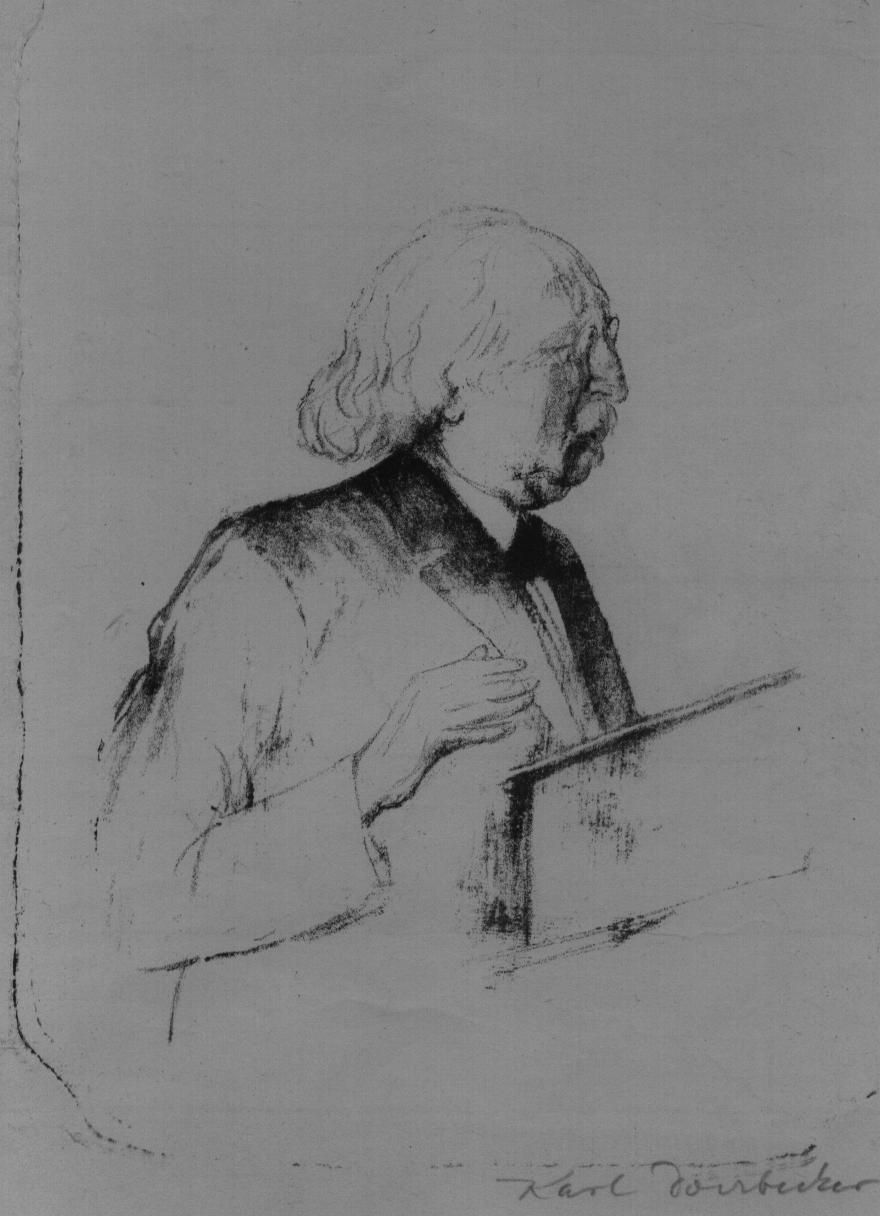 Hermann CohenFounder of the Marburg School of neo-Kantianism and the leading German-Jewish philosopher of his generation, whose Religion of Reason found reason's religion in the sources of Judaism.
- Margarete SusmanGerman-Jewish philosopher, poet and essayist of the Simmel circle, writing on Jewish thought and on women in modern society, whose book on Job was an early response to the Shoah.
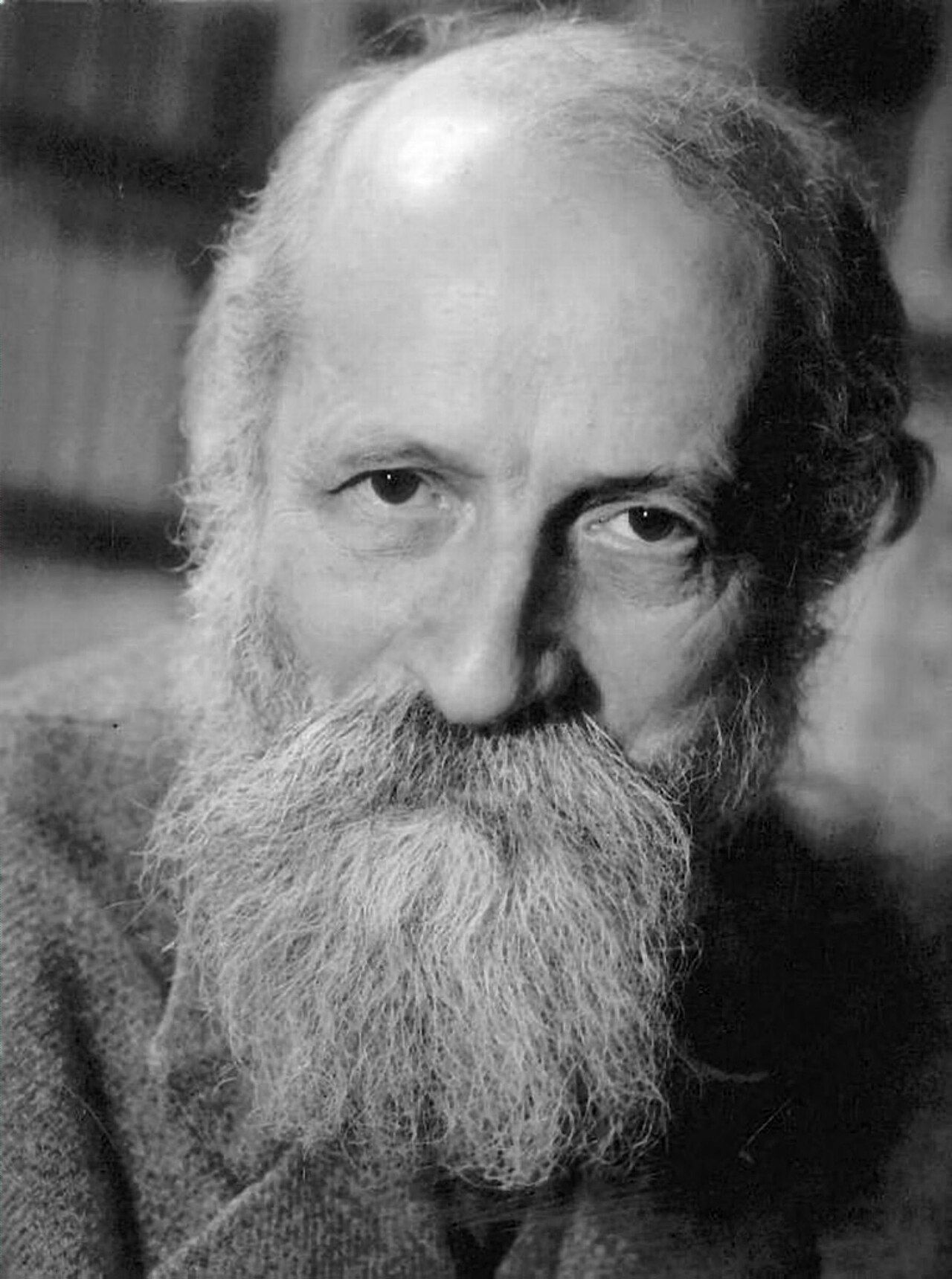 Martin BuberAustrian-born Jewish philosopher of dialogue, best known for I and Thou, who retold Hasidic tales, translated the Bible and argued for a shared Jewish-Arab state in Palestine.
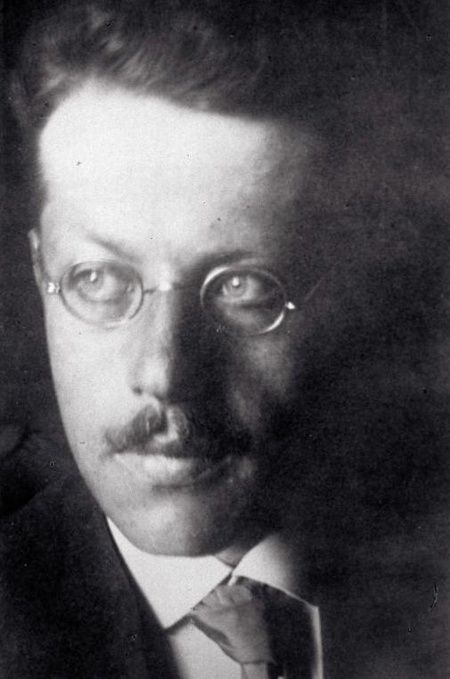 Franz RosenzweigGerman-Jewish thinker whose Star of Redemption, begun on postcards from the Balkan front, joined philosophy and theology in a 'new thinking' built on speech, time and revelation.
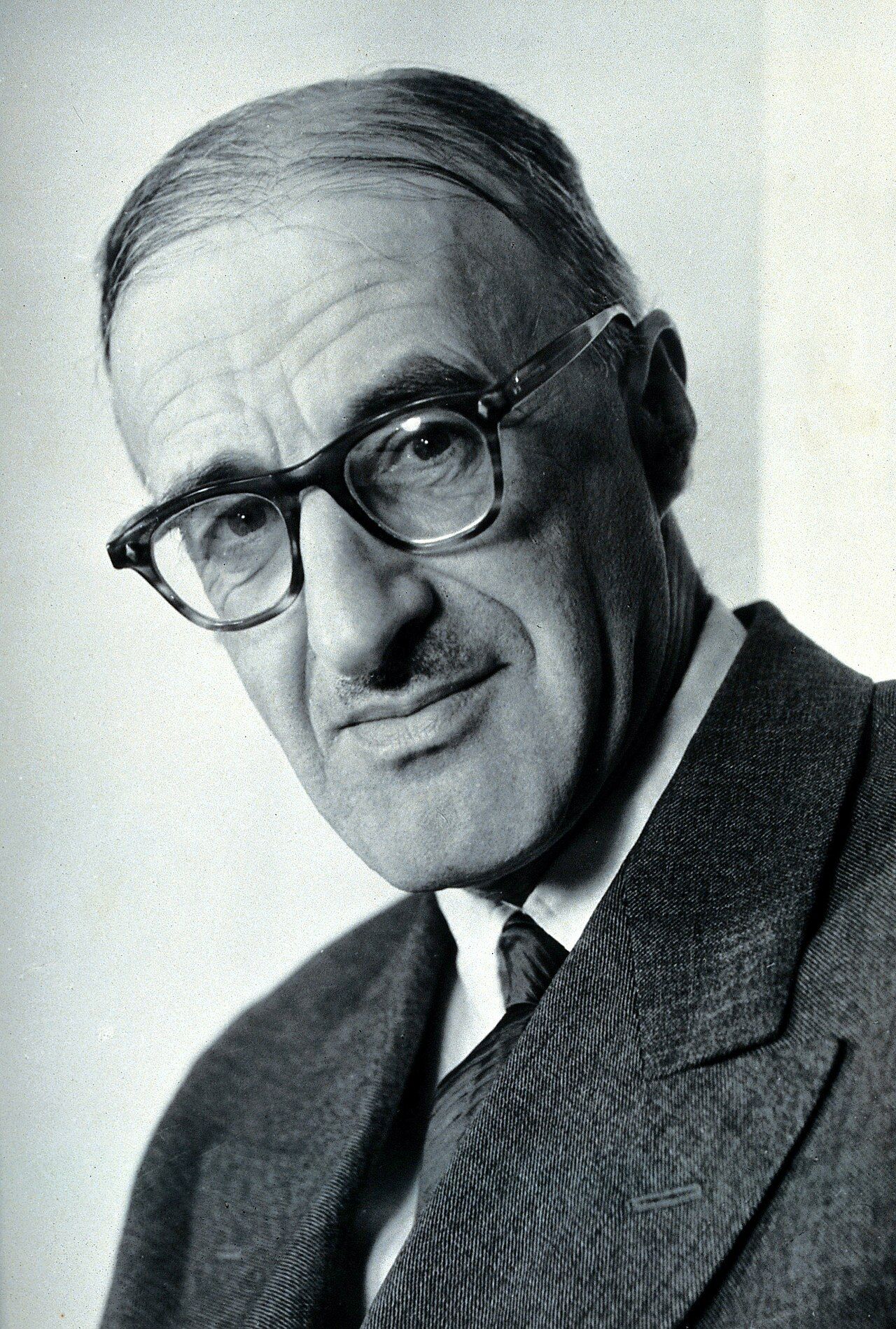 Yeshayahu LeibowitzIsraeli scientist and public intellectual whose radical theocentrism joined strict Orthodox practice to a stripped-down faith, and led him to oppose the occupation after 1967.
Arabic and Islamic
 al-KindiThe first thinker in the Arabic tradition to call himself a philosopher, who worked alongside translators of Greek texts and held that philosophy and revelation agree.
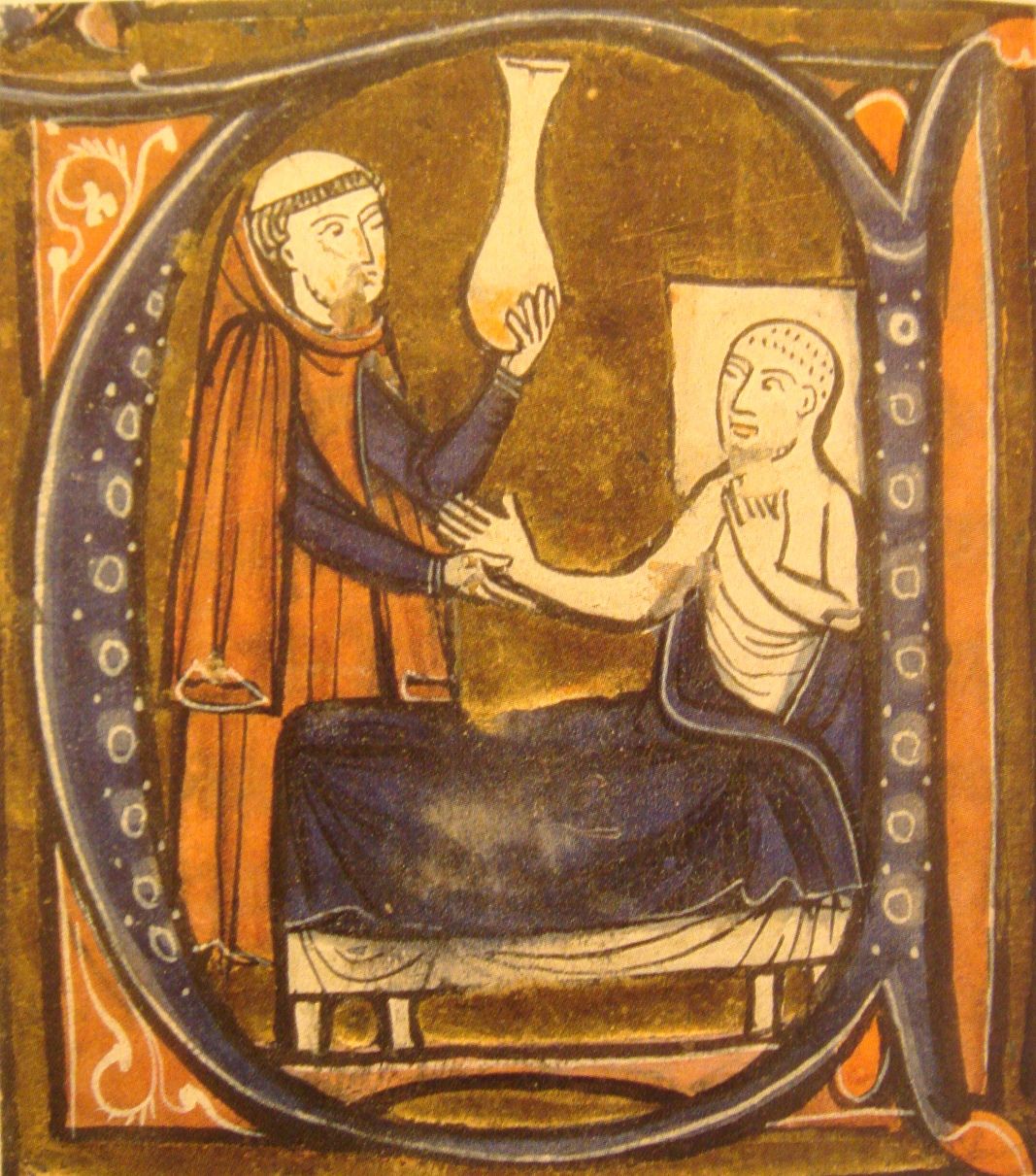 Abu Bakr al-RaziPhysician and controversial philosopher who held that the world arose from five eternal principles, and was reported to have argued that reason, not prophecy, guides us.
- Abu Yaqub al-SijistaniIsmaili missionary of tenth-century Persia whose Neoplatonism held that God lies beyond both being and non-being, and that a single, undivided intellect is the first thing God made.
- Hamid al-Din al-KirmaniLeading Ismaili theologian and philosopher of the Fatimid age, who replaced the Neoplatonic pair of Intellect and Soul with a cosmos of ten intellects, adapted from al-Farabi.
- Nasir KhusrawPersian poet, traveller and Ismaili philosopher whose Neoplatonic cosmology traces all things from God's creative word down to humanity, and back again through the intellect.
- Omar KhayyamPersian mathematician, astronomer and poet whose philosophical treatises follow Avicenna, while the quatrains attributed to him question religious certainties and dwell on doubt and transience.
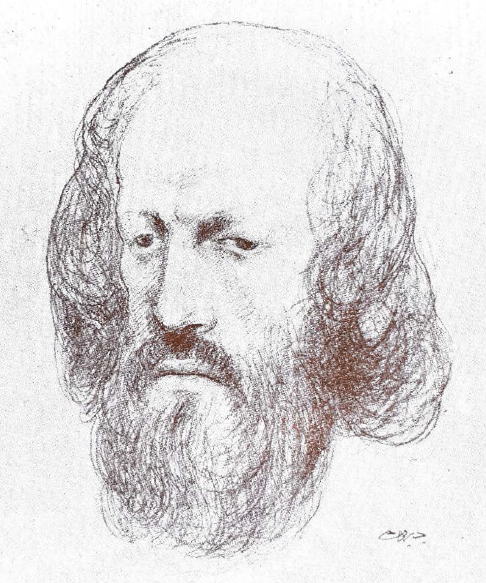 al-GhazaliSunni theologian, jurist and mystic whose Incoherence of the Philosophers condemned key doctrines of the Aristotelian philosophers while adopting their logic.
- al-ShahrastaniHistorian of religions and theologian whose Book of Sects and Creeds set out the doctrines of every religion and philosophy known to him, and who attacked Avicenna's account of God.
- Ayn al-Qudat HamadaniPersian philosopher, Sufi master and judge, executed at thirty-four, whose Essence of Reality was the first full philosophical defence of mysticism in Islamic thought.
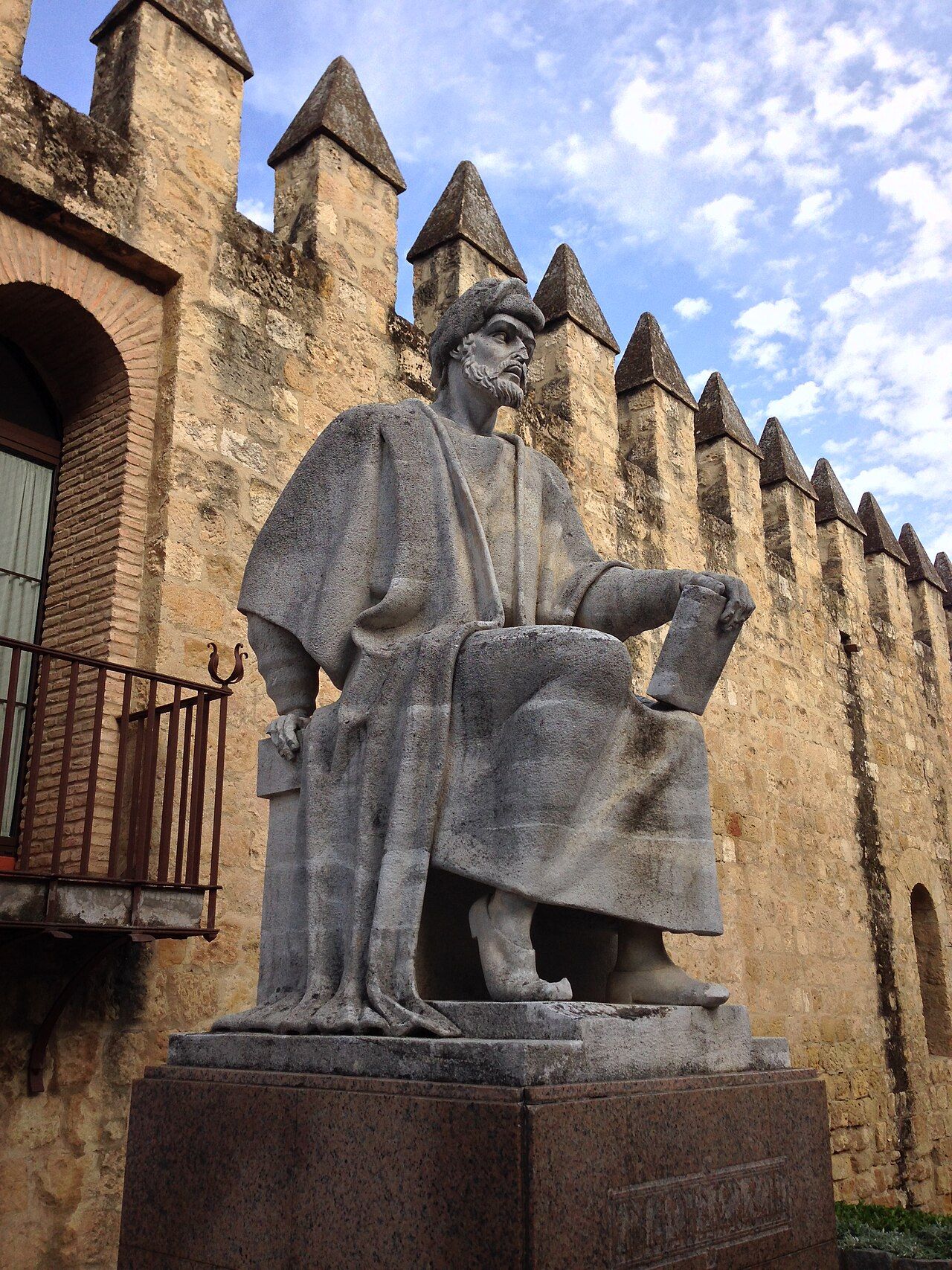 AverroesAndalusian judge and philosopher whose commentaries on Aristotle earned him the title 'the Commentator' in medieval Europe.
- Fakhr al-Din al-RaziTheologian and philosopher who tested every argument of Avicenna's system in turn, and whose critical commentaries set the agenda for later Islamic thought.
- Ibn ArabiAndalusian thinker, called the Greatest Master, who taught that there is no true existence but God, and gave imagination a central place in knowledge and in the cosmos.
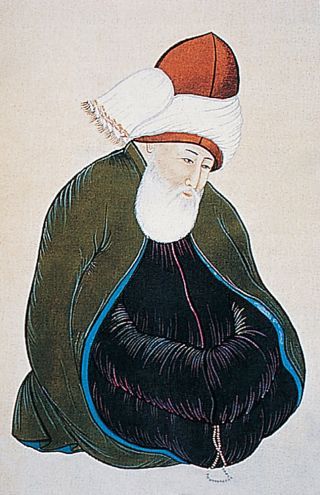 RumiPersian Sufi poet of the Mathnawi who mocked philosophers' 'wooden legs', yet shaped post-Avicennian philosophical Sufism with his critique of reason's reach.
- Ibn TaymiyyaDamascene scholar and reformer who attacked Aristotelian logic and the theology of the philosophers, and argued that true revelation and sound reason never conflict.
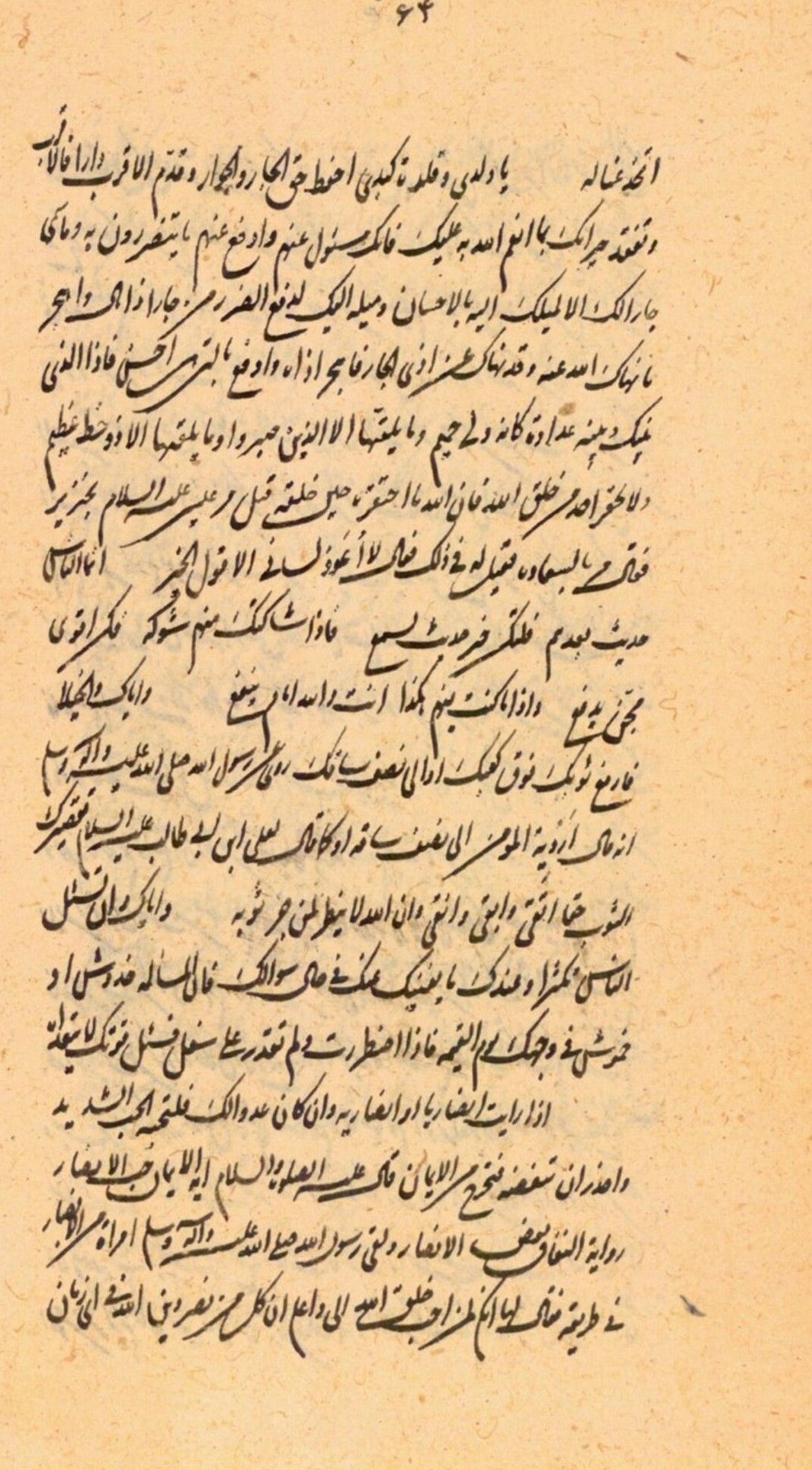 Mulla SadraPersian philosopher whose “transcendent philosophy” joined Avicennan, Illuminationist and mystical thought, arguing that existence, not essence, is what is real.
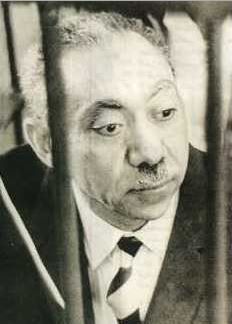 Sayyid QutbEgyptian writer turned Islamist ideologue, executed in 1966, who described all contemporary societies, Muslim ones included, as living in jahiliyya and called for God's sovereignty alone.
Indian
- PatañjaliAuthor of the Yoga Sūtras, the founding text of classical Yoga, which defines yoga as the stilling of the mind's activities and sets out the eight limbs of practice that lead to liberation.
- KamalaśīlaStudent of Śāntarakṣita who helped bring Indian Buddhist scholasticism to Tibet, and is remembered for defending gradual awakening against a Chan master.
- BhāskaraThe first thinker the tradition recognises as a Bhedābheda Vedāntin, whose commentary on the Brahma Sūtra defended the reality of the world against Śaṅkara's Advaita.
- SomānandaKashmiri Śaiva thinker whose Cognition of Śiva was the first full work of scholastic philosophy in the monistic Śaiva tradition, explaining how Śiva emanates a real world identical with himself.
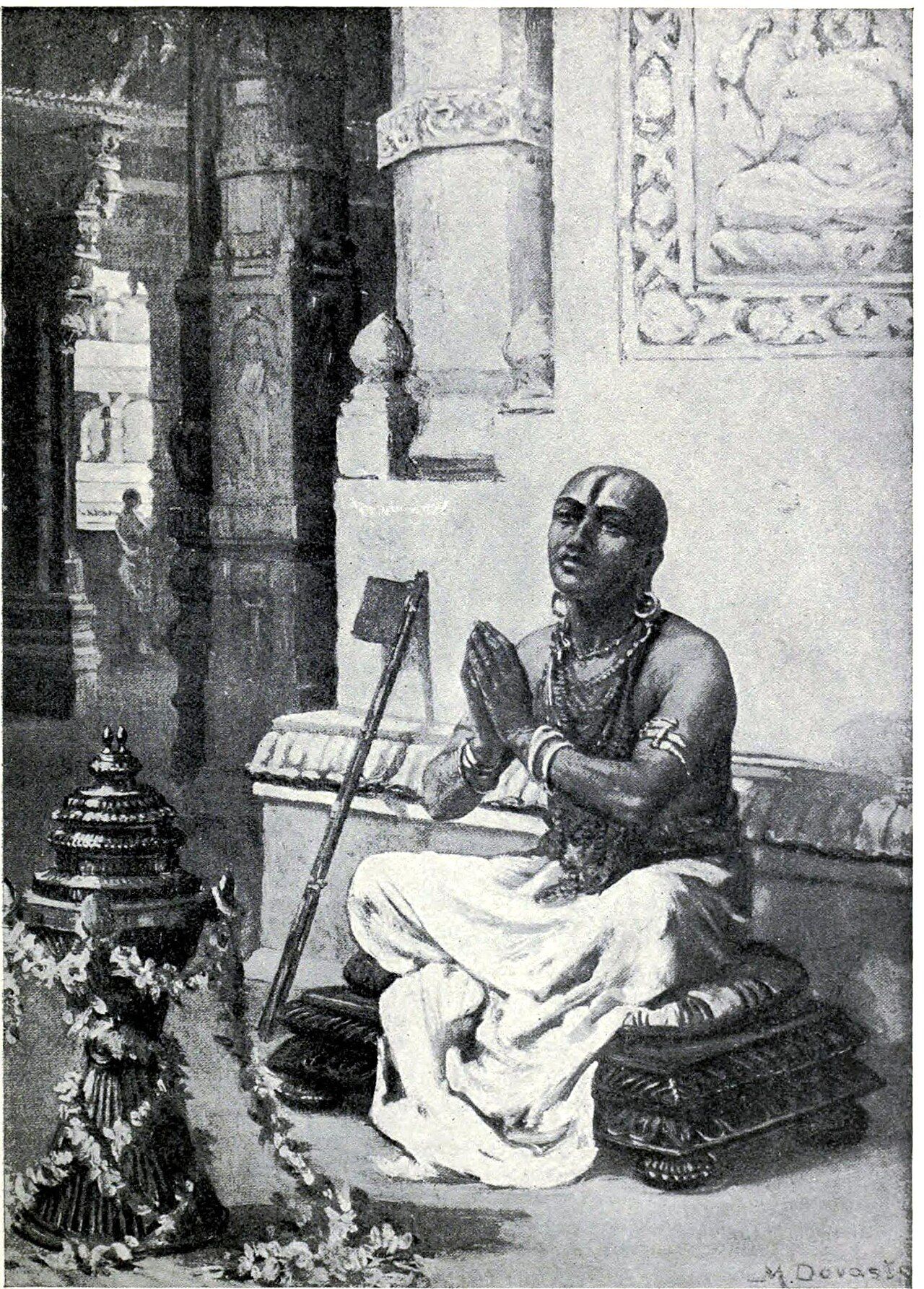 RāmānujaChief proponent of Viśiṣṭādvaita, “qualified non-dualism”, which affirms both the unity of all in God and the reality of individual persons and things.
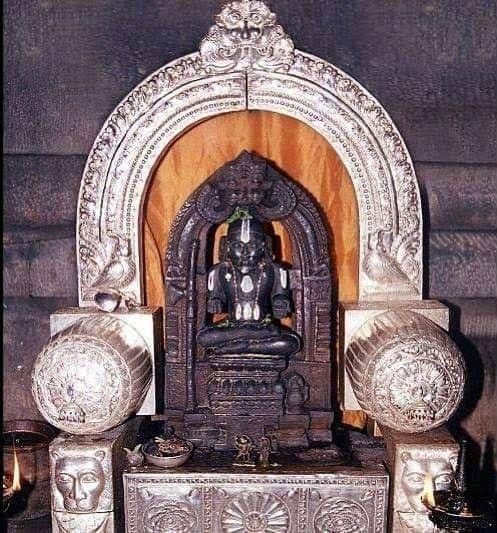 MadhvaFounder of the Dvaita, or dualist, school of Vedānta, which holds that God, individual selves and the world are really and eternally distinct.
- VeṅkaṭanāthaSouth Indian polymath, known as Vedānta Deśika, whose more than 100 works in Sanskrit and Tamil reshaped Viśiṣṭādvaita Vedānta and Śrī Vaiṣṇava thought.
- VallabhaFounder of the Puṣṭimārga devotional sect, whose 'pure non-dualism' held that Brahman and the world are equally real, against Advaita's unreal world.
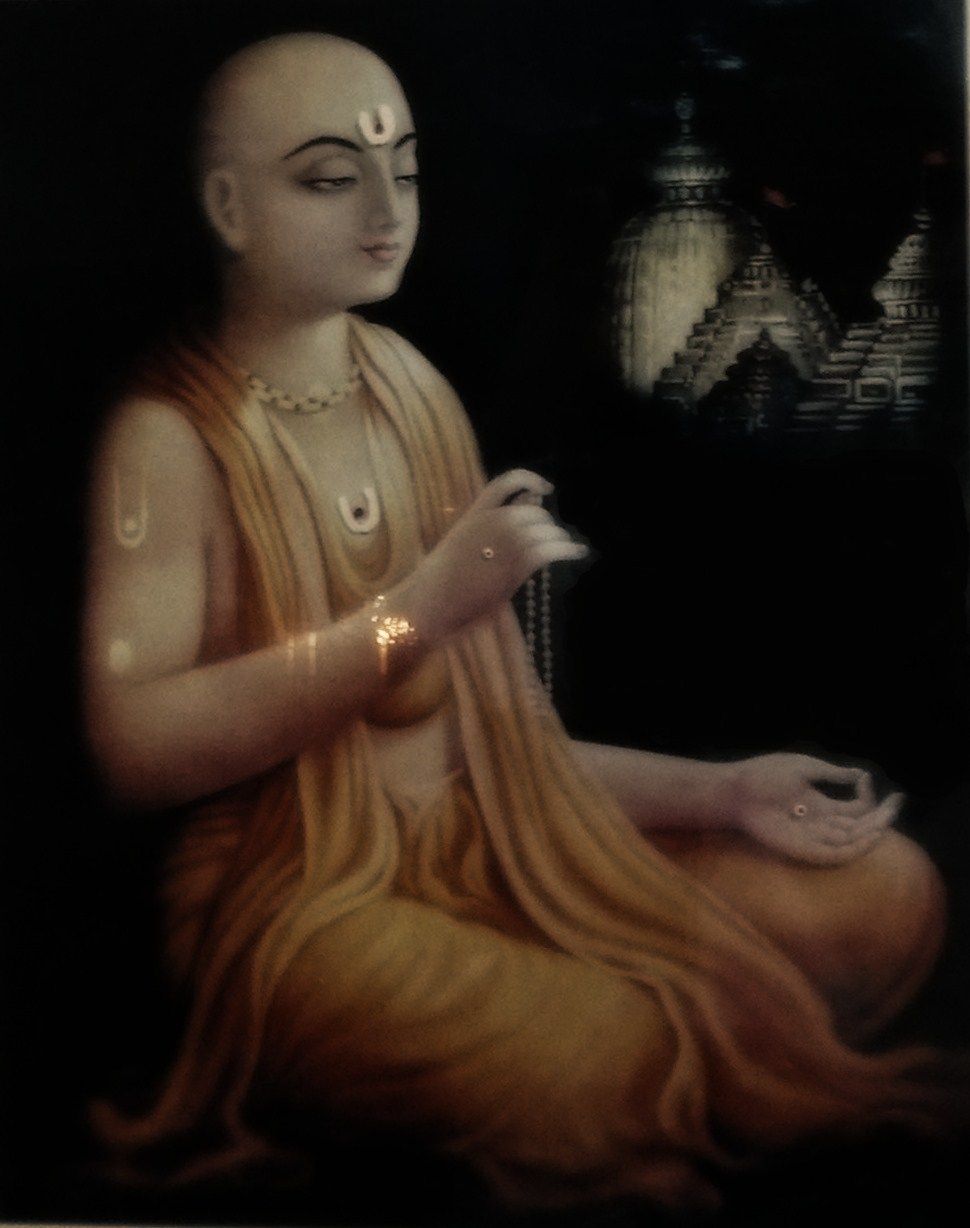 CaitanyaVaiṣṇava teacher whose 'inconceivable difference and non-difference' founded the Gauḍīya tradition, from which the Hare Krishna movement descends.
- VijñānabhikṣuLast major Bhedābheda thinker of pre-modern India, who argued that Vedānta, Sāṅkhya, Yoga and Nyāya are at bottom one, and is best known for his commentaries on Sāṅkhya and Yoga.
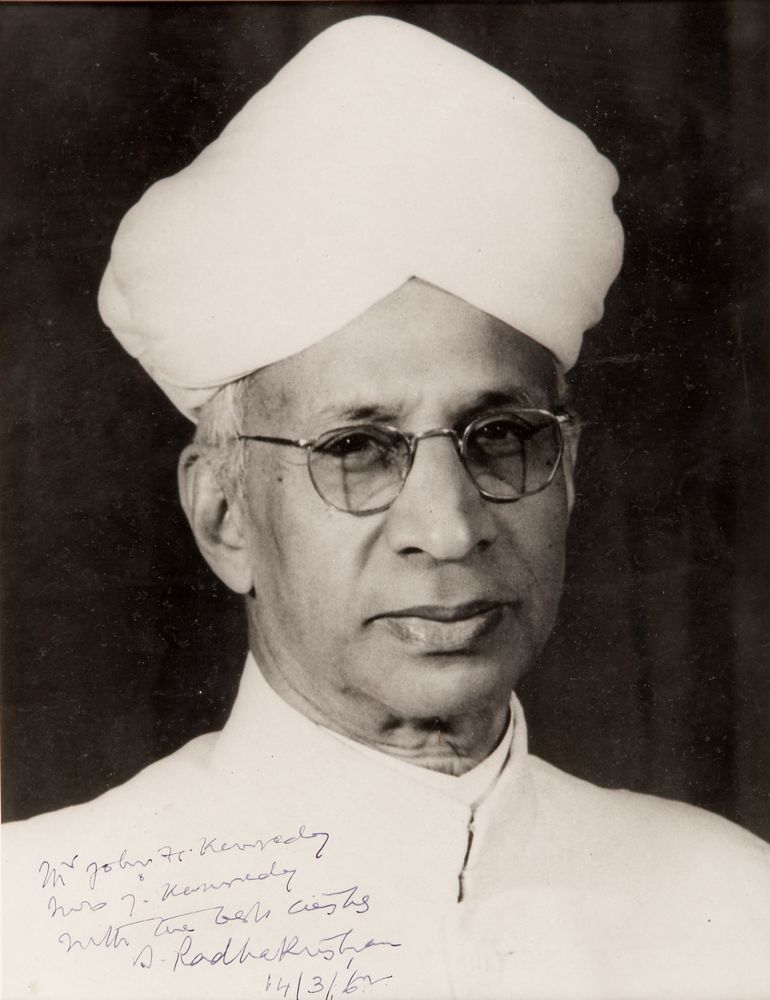 Sarvepalli RadhakrishnanPhilosopher and statesman who presented Advaita Vedanta to the West as religion founded on intuitive experience, and later served as India's vice-president and president.
Tibetan
Chinese
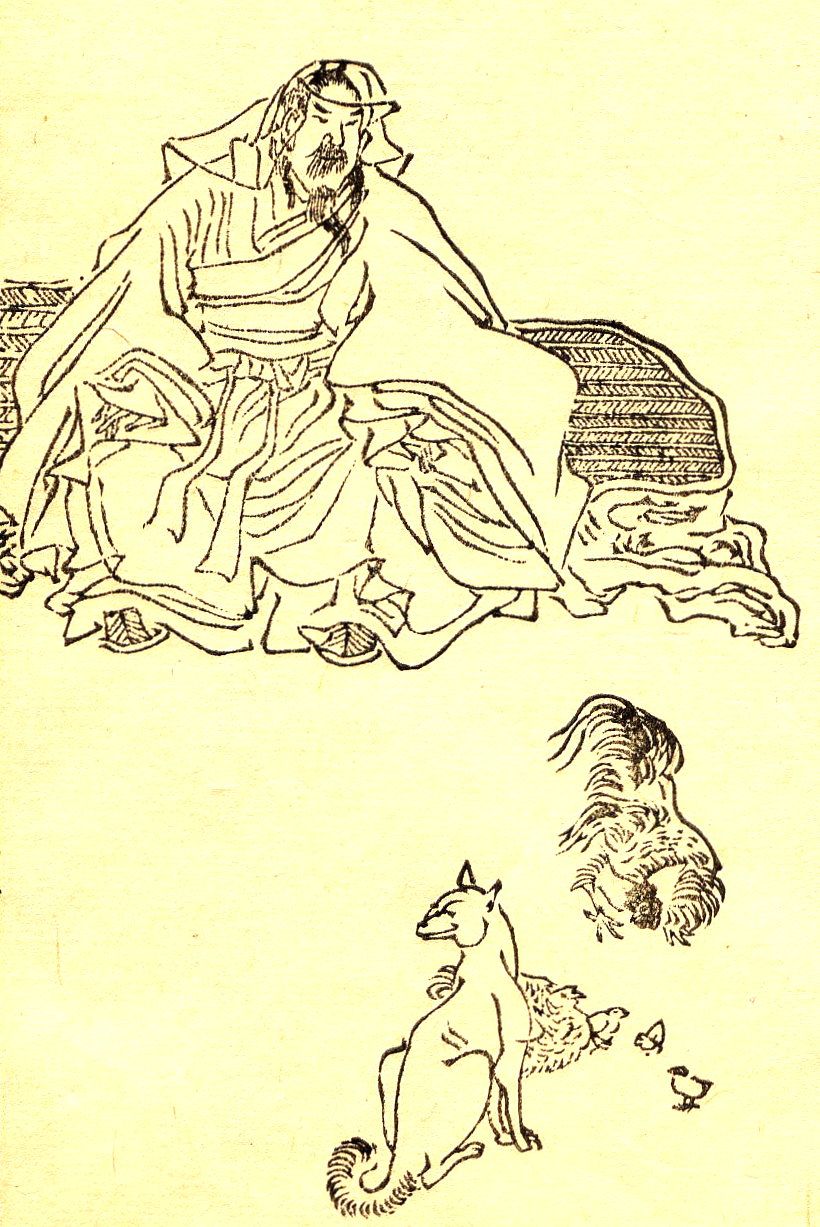 Ge HongEclectic thinker of China's Period of Disunity who sought physical immortality through alchemy, and tried to reconcile Daoism with Confucianism, and Confucianism with Legalism.
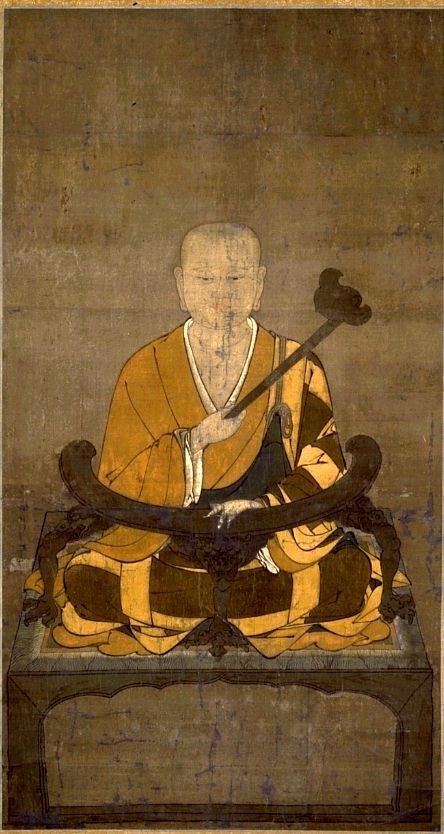 ZhiyiFounding figure of Tiantai Buddhism, whose meditation teaching held that a single moment of experience contains, and is identical with, 'three thousand worlds'.
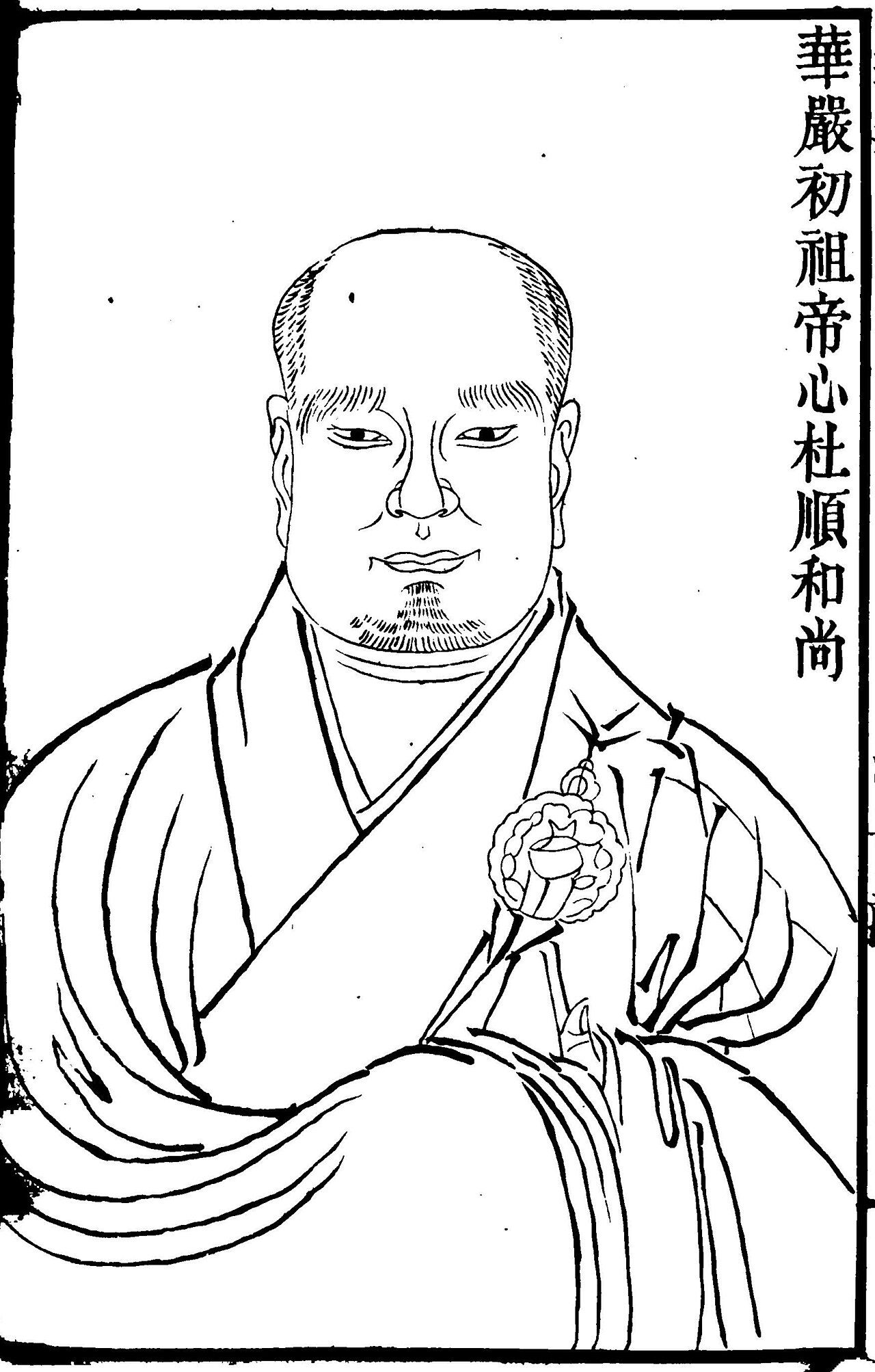 DushunMeditation master honoured as the first patriarch of Huayan Buddhism, who distilled the Avatamsaka Sutra into meditations and described ultimate reality as li, a patterned activity.
- ZhiyanSecond patriarch of Huayan Buddhism, teacher of Fazang and the Korean monk Uisang, who ranked the Buddhist teachings in five tiers with the Huayan vision at the top.
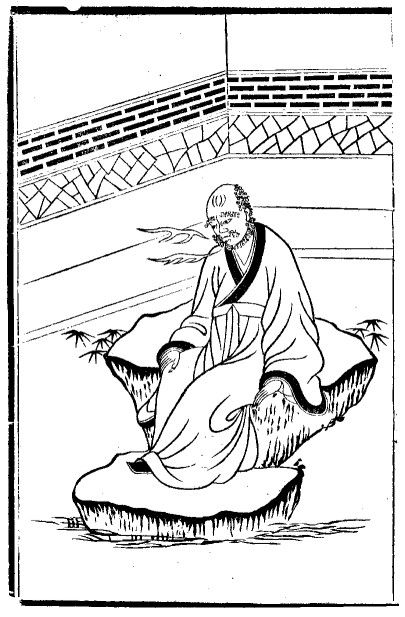 Li TongxuanReclusive lay commentator on the Avatamsaka Sutra whose teaching of the one true dharma-realm, read through the Book of Changes, shaped Chinul in Korea and later Chan masters.
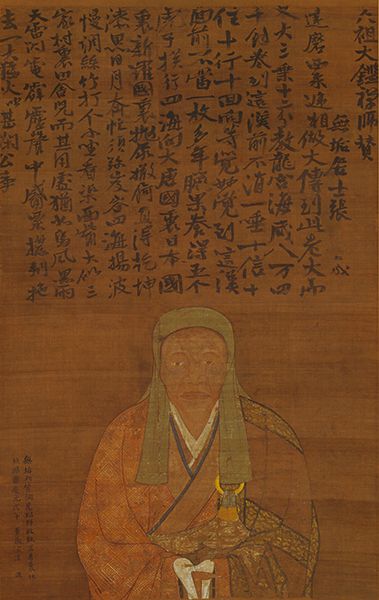 HuinengSemi-legendary Sixth Patriarch of Chan Buddhism, whose Platform Sutra teaches that Buddha-nature is our own nature and that awakening needs no study of texts.
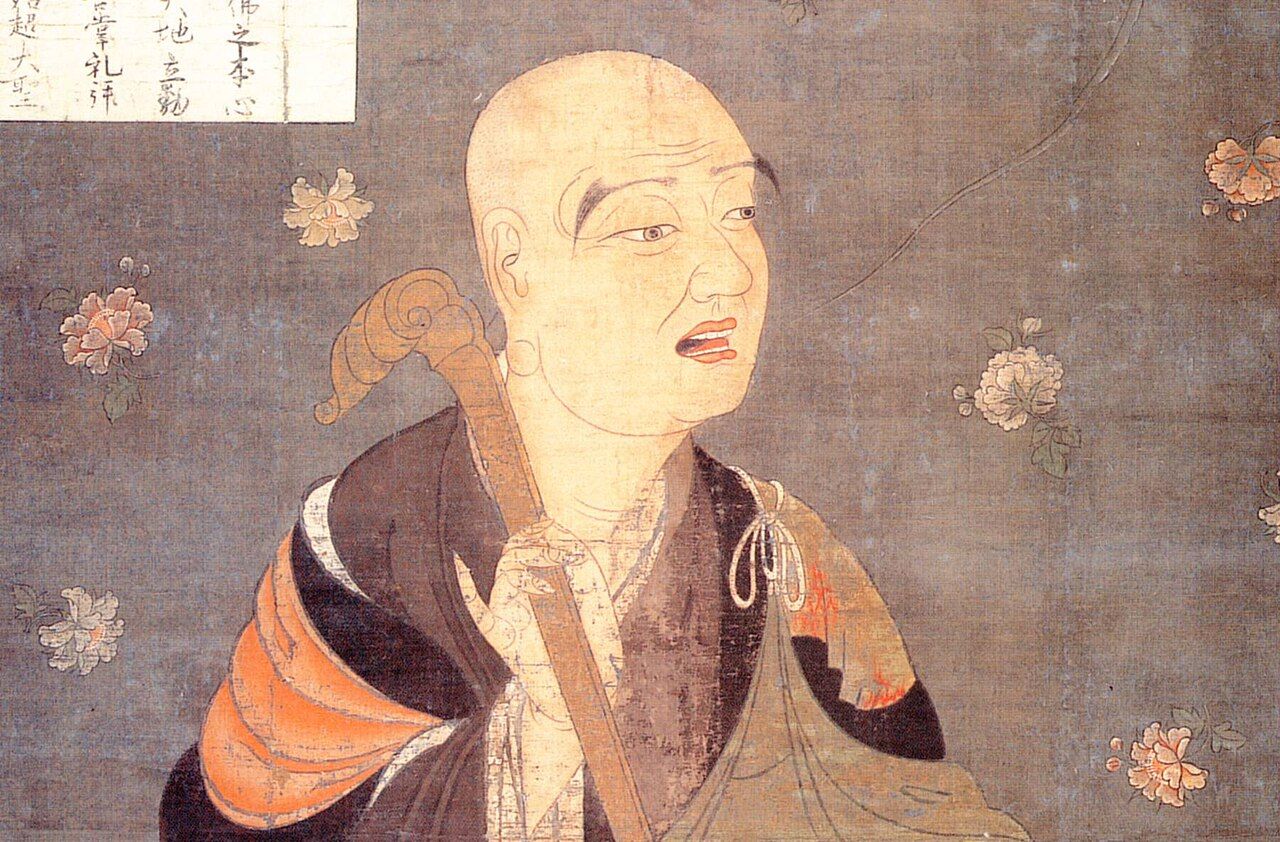 FazangSystematiser of Flower Garland (Huayan) Buddhism, who taught that all things contain and reflect one another, and served the empress Wu Zhao as lecturer, translator and ideologue.
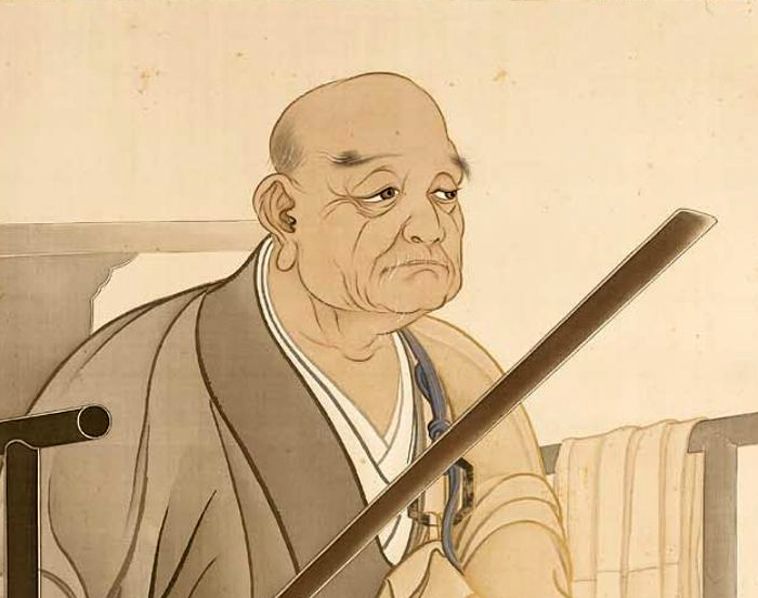 Mazu DaoyiFounder of the Hongzhou line of Chan, famous for shock tactics and for teaching that 'ordinary, everyday mind is Buddha'.
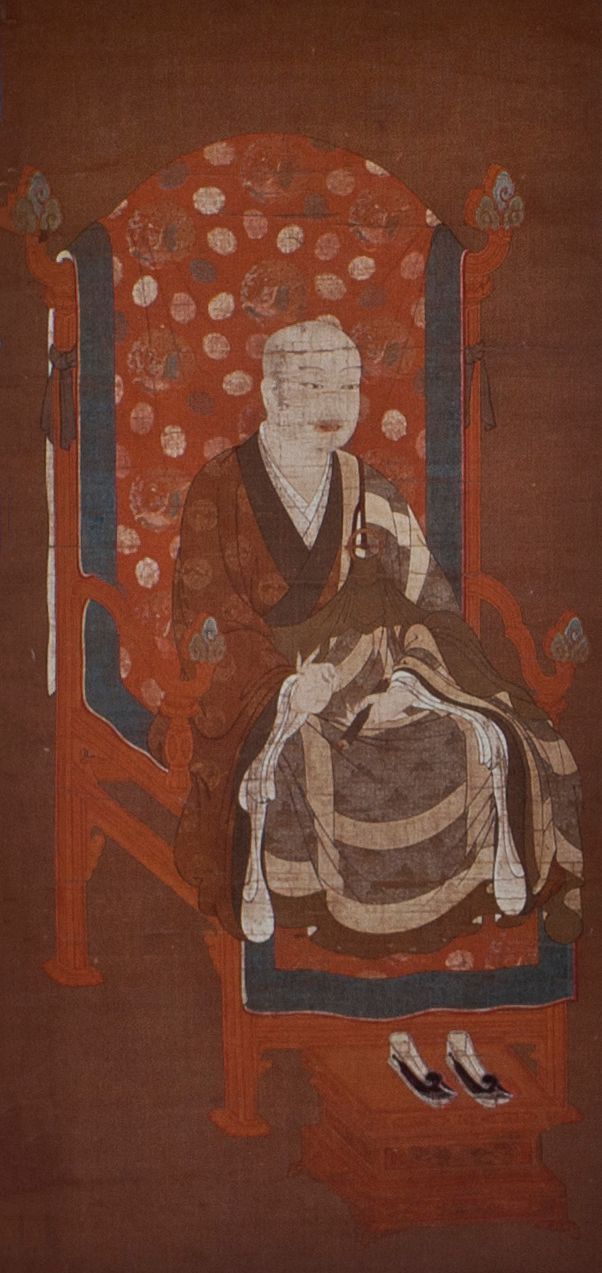 ChengguanFourth patriarch of Huayan Buddhism, whose commentary on the Avatamsaka Sutra displaced Fazang's, and who described reality as a fourfold dharma-realm.
- ZongmiFifth patriarch of Huayan and a patriarch of Chan, whose Inquiry into the Origin of Humanity ranked Confucianism and Daoism alongside Buddhist teachings, and found them wanting.
- Tu WeimingThird-generation New Confucian, long at Harvard, who stressed the religious dimension of Confucianism and promoted dialogue between civilisations towards a global ethic.
Japanese
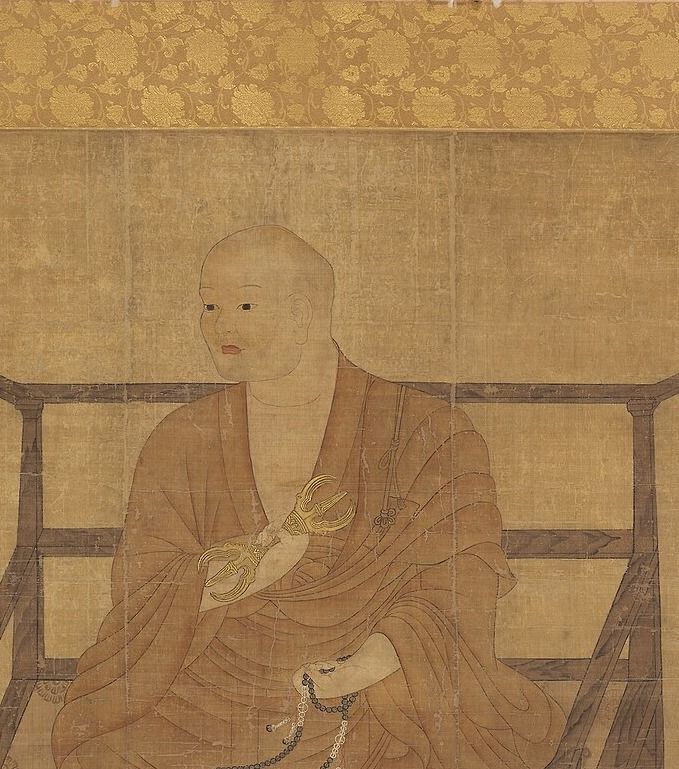 KūkaiFounder of Shingon esoteric Buddhism, often called Japan's greatest premodern systematic thinker, who taught that the cosmos is the Buddha's body and that one can become a Buddha in this very body.
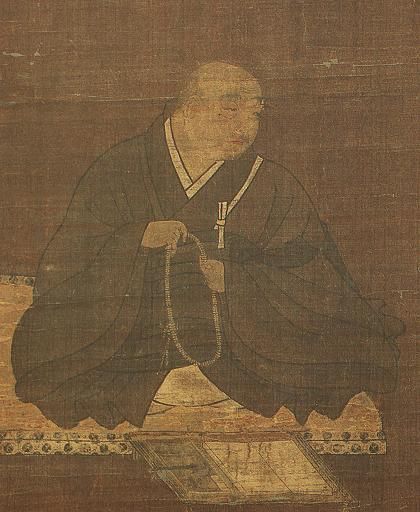 HōnenTendai monk who founded the Pure Land school, teaching that simply saying Amida Buddha's name in trust, open to everyone, is the one path to liberation left in a degenerate age.
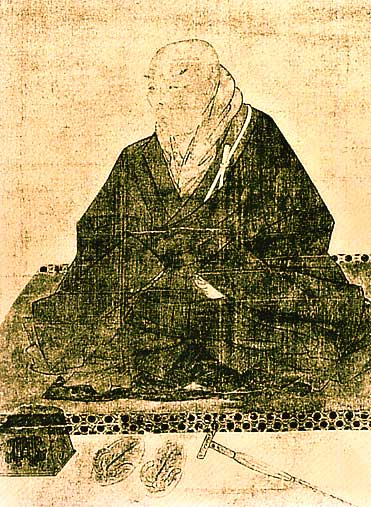 ShinranDisciple of Hōnen whose radical Pure Land thought held that the nembutsu is the Buddha's call, and true entrusting Amida's own mind given to beings.
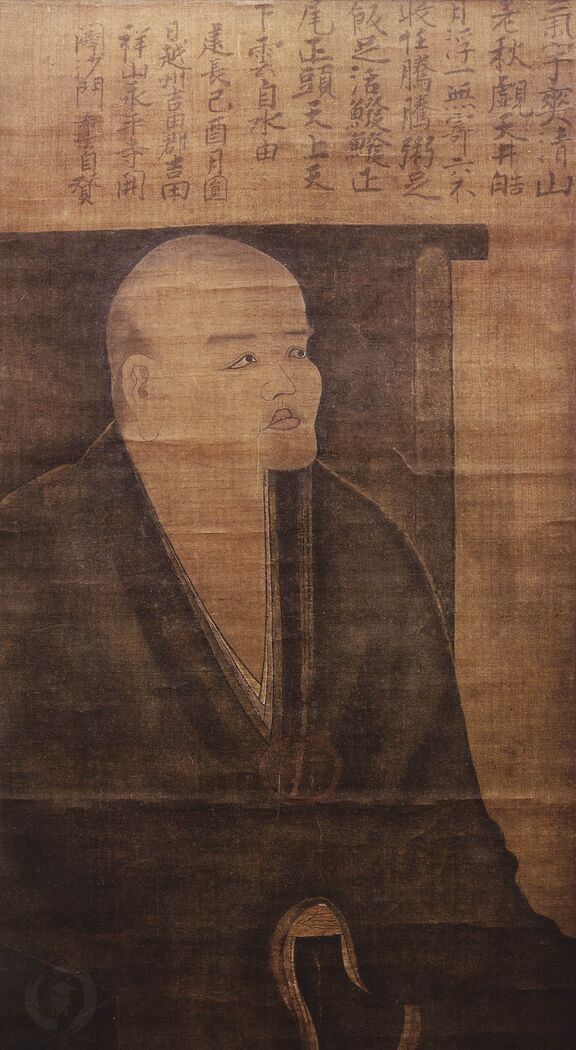 DōgenFounder of Japanese Sōtō Zen, who taught 'just sitting' as practice that is already realisation, and wrote of 'being-time', the inseparability of being and time.
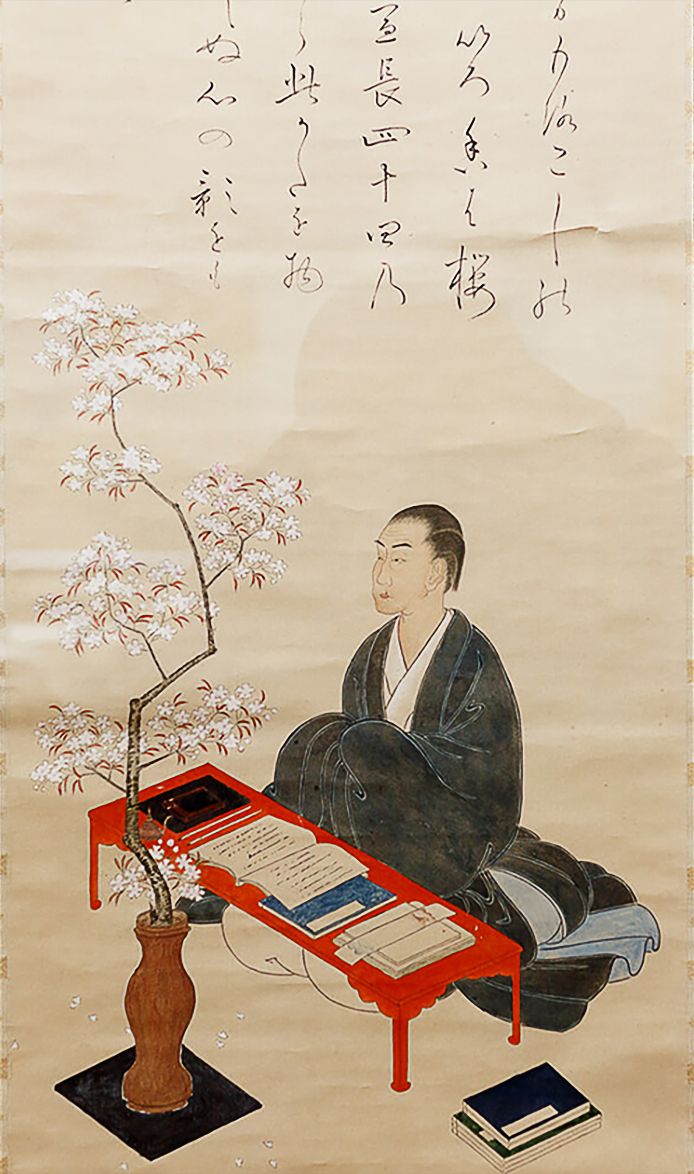 Motoori NorinagaLeading scholar of Kokugaku (Native Studies), who read The Tale of Genji through mono no aware and drew from the Kojiki a Way of the kami he held to be Japan's original Way.
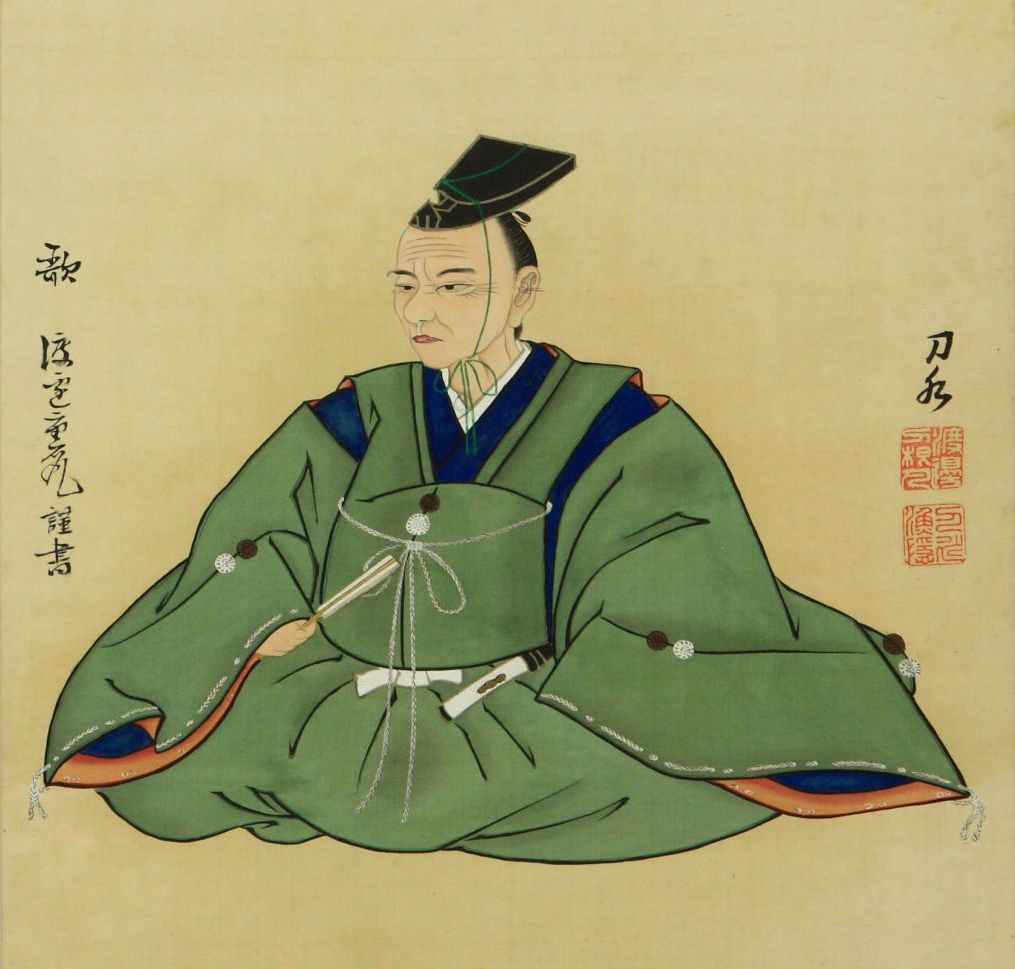 Hirata AtsutaneKokugaku thinker who recast Shinto as a universal 'True Shinto', taught that the dead become kami in a hidden world, and insisted, in increasingly xenophobic terms, on Japan's superiority.
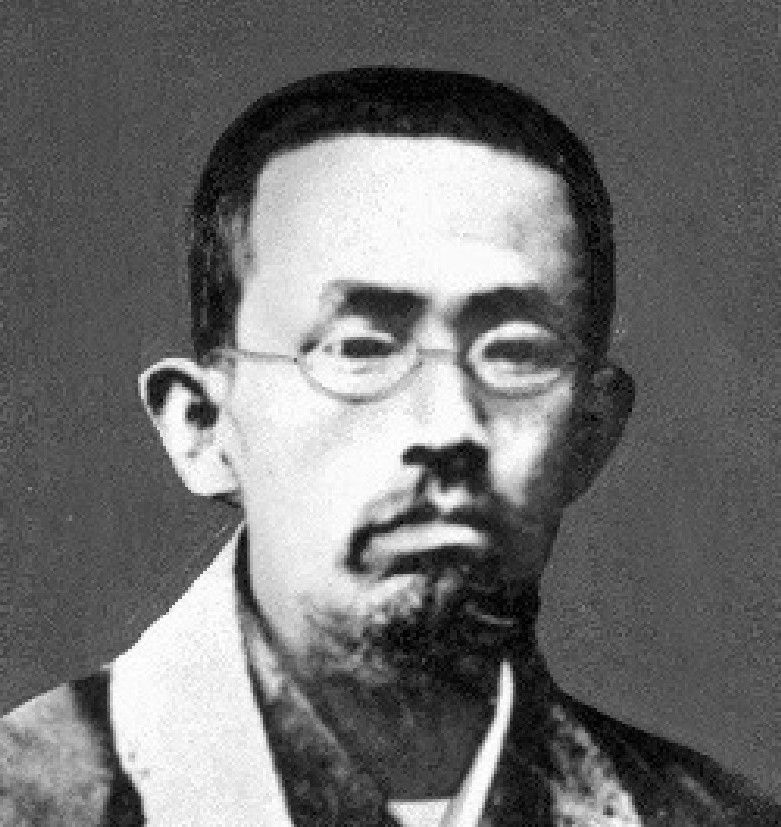 Kiyozawa ManshiShin Buddhist priest trained in Western philosophy who sought a 'spiritual living' grounded in personal encounter with the absolute, and worked to modernise his tradition.
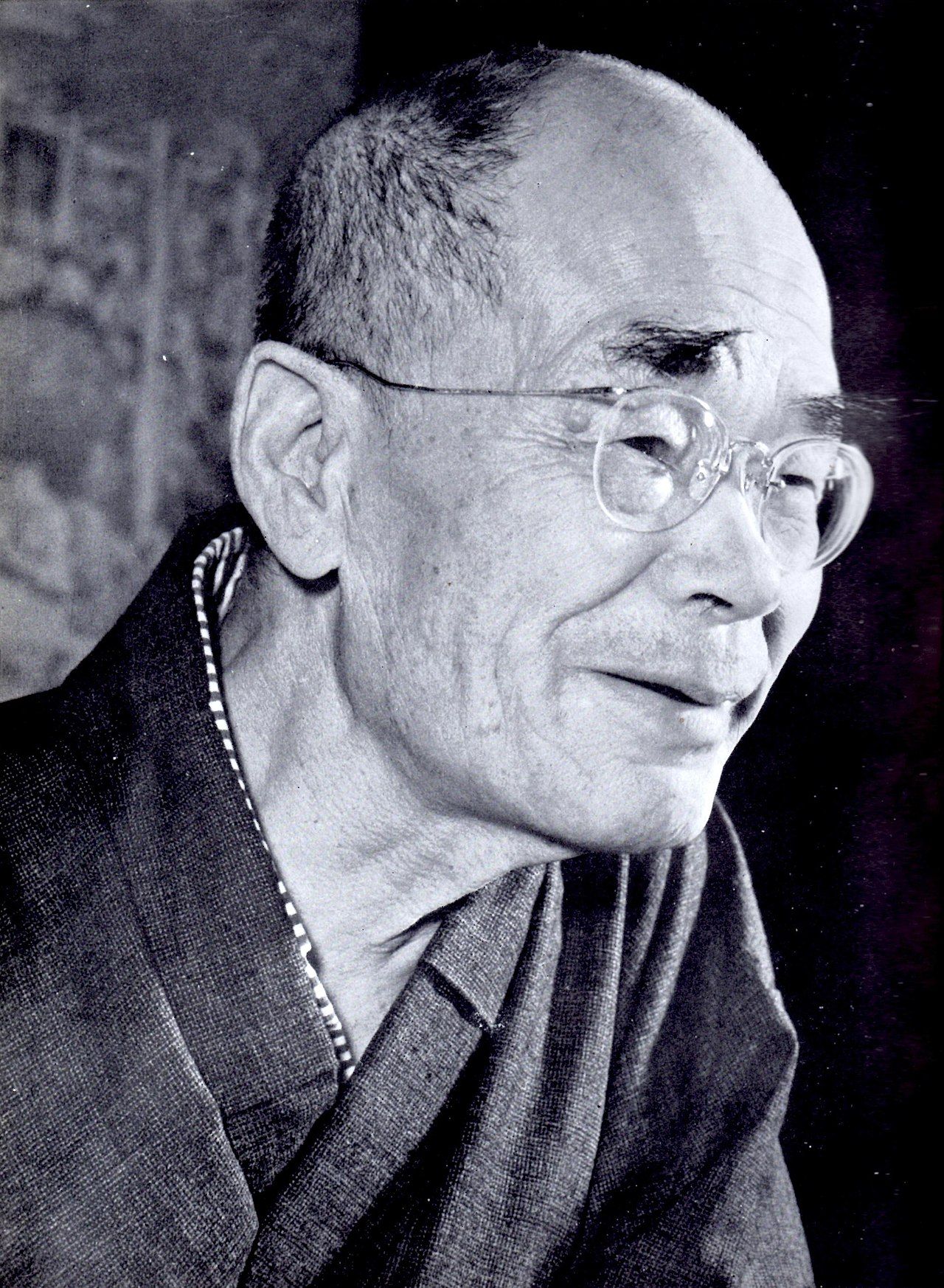 Suzuki DaisetsuJapanese Buddhist scholar, famous for introducing Zen to the West, whose 'logic of soku-hi', affirmation through negation, shaped Nishida's late philosophy.
- Tanabe HajimeNishida's colleague and critic in the Kyoto School, who rethought absolute nothingness as 'absolute mediation' and, after the war, wrote a philosophy of repentance, Philosophy as Metanoetics.
- Hisamatsu Shin'ichiKyoto School philosopher who brought Zen practice as well as Zen thought into philosophy, and spoke of absolute nothingness as 'oriental nothingness'.
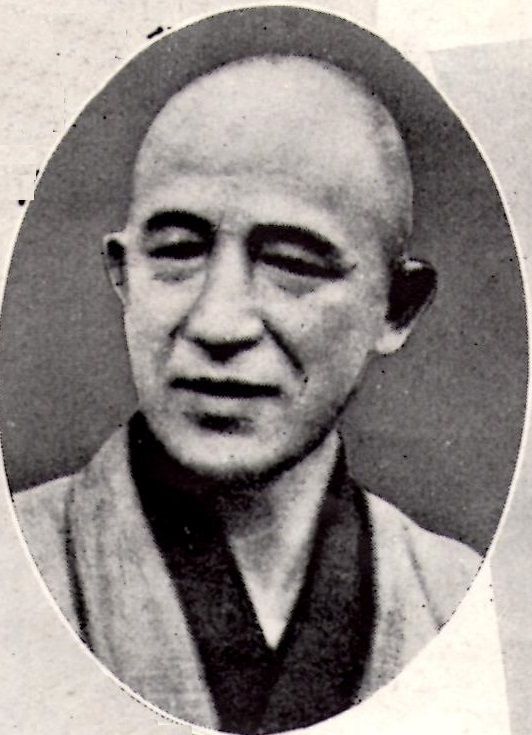 Nishitani KeijiKyoto School philosopher of religion, inspired by Nishida, who held that nihilism can be overcome only by passing through it to the 'field of emptiness'.
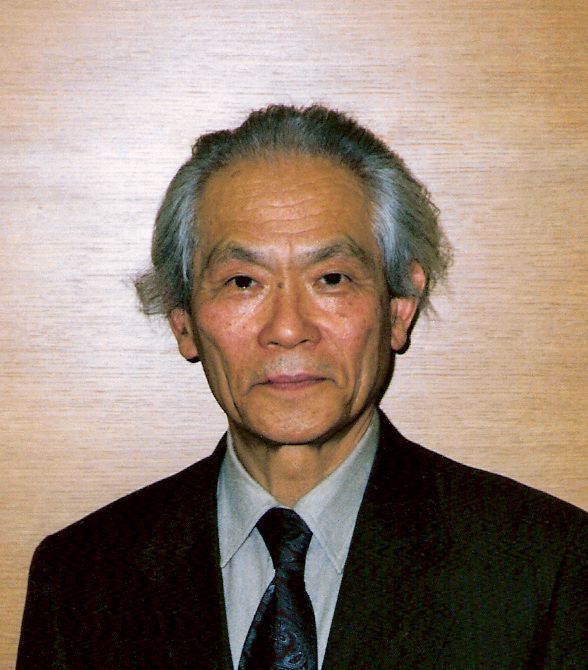 Ueda ShizuteruKyoto School philosopher, Zen master and Eckhart scholar, who described human beings as living in a twofold world: the everyday world of language, set within an empty expanse of absolute nothingness.
Korean
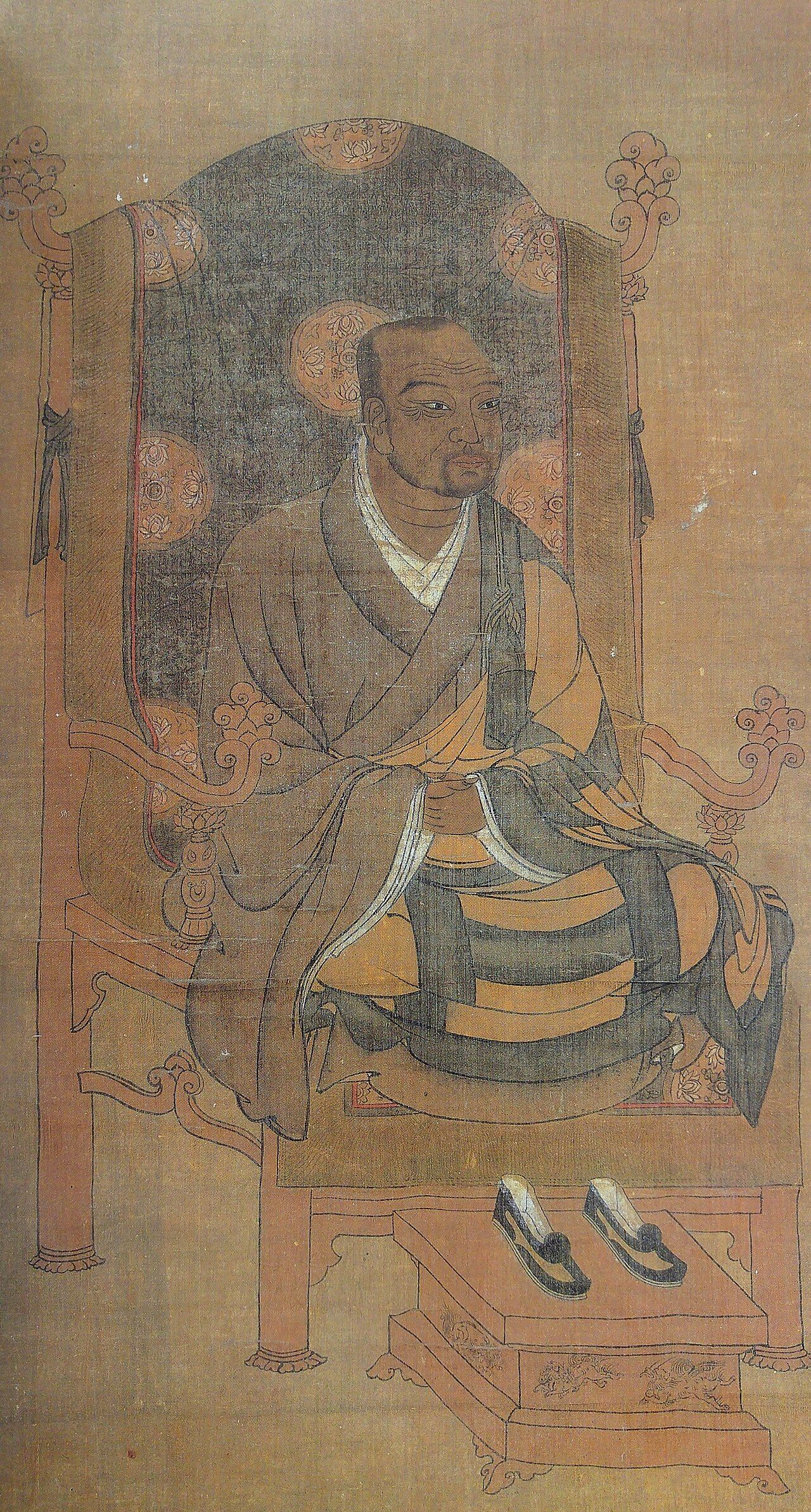 WonhyoSilla monk, often called the most prominent philosopher of Korean Buddhism, who taught that all beings arise from and return to the One Mind, and sought to reconcile rival Buddhist doctrines.
 UisangSilla monk who founded the Korean school of Flower Garland (Hwaeom) Buddhism, teaching that all things arise interdependently, each containing the whole universe.
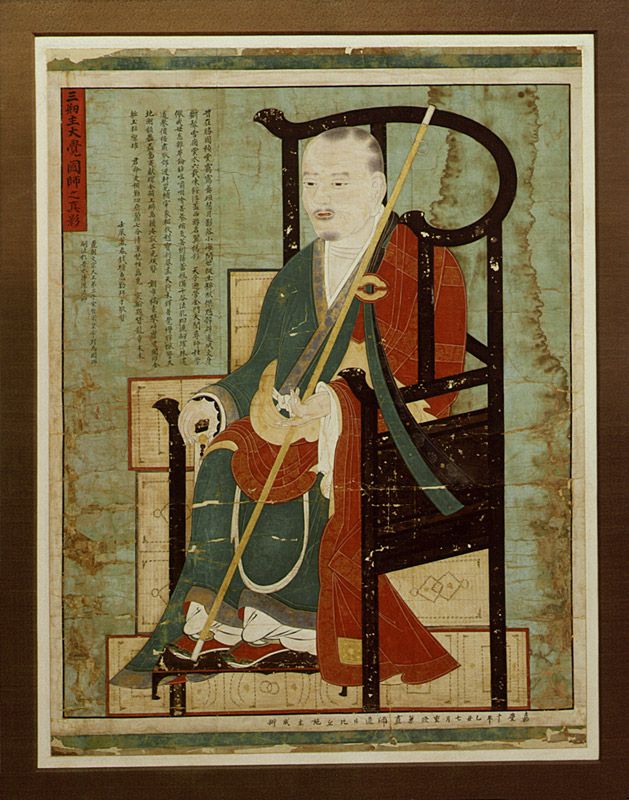 UicheonGoryeo monk, traditionally the founder of Korea's Cheontae (Tiantai) school, who sought to harmonise all Buddhist teachings and hailed Wonhyo as the master of reconciliation.
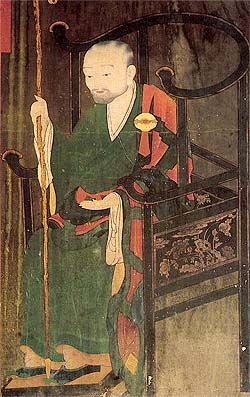 JinulGoryeo monk, counted as founder of the Jogye Order, who shaped Korean Seon (Zen) with sudden awakening followed by gradual cultivation, and with keyword meditation.
- Jeong DojeonConfucian scholar and statesman of the new Joseon dynasty whose critiques of Buddhism, for abandoning family and society, shaped the Neo-Confucian thought of early Joseon.
- GihwaBuddhist monk of early Joseon whose Exposition of Orthodoxy answered Jeong Dojeon's Neo-Confucian attack on Buddhism with a Buddhist account of self-cultivation.
- Jeong YakyongJoseon scholar, known as Dasan, among Korea's most celebrated philosophers, who took apart Zhu Xi's metaphysics of principle and rebuilt Confucian ethics around a personal Lord on High.
- Baek YongseongKorean Seon monk and independence activist who compared Buddhism favourably with Christianity and founded the Order of Great Awakening to bring enlightenment to lay people.
- Bak JungbinFounder of Won Buddhism, known as Sotaesan, who reworked Buddhist teaching for lay people around the image of the One Circle, a symbol of the Buddha-nature of all beings.
- Kim IryeopWriter of Korea's "New Woman" movement who became a Seon Buddhist nun, and drew on Seon teaching to ask what the authentic self is and how a woman can be free.