Philosopher
Angélique Arnauld
1591–1661
Also known as Mère Angélique, Jacqueline Marie Arnauld
Reforming abbess of Port-Royal whose Jansenist Augustinianism defended women's rights to education, self-government and conscience.
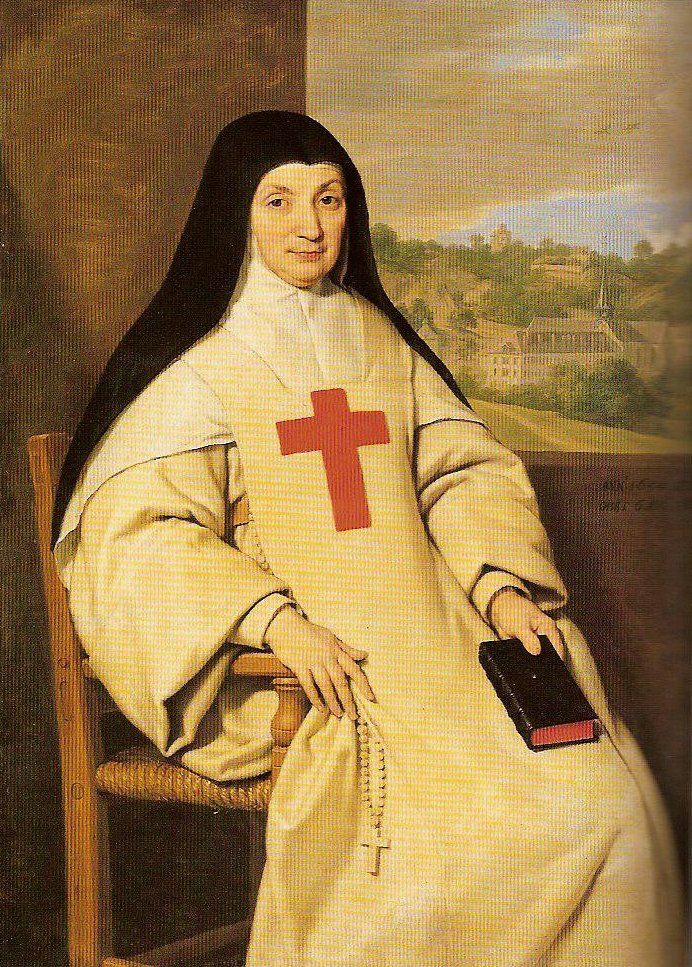

Jacqueline Marie Arnauld was born in 1591 into a prominent family of lawyers and parliamentarians long hostile to the Jesuits. As Mère Angélique she reformed the convent of Port-Royal as its abbess, a centre of the Jansenist movement.
Long treated as a minor voice beside Antoine Arnauld and Blaise Pascal, she has recently been read by feminist scholars as an original Augustinian thinker. She died in 1661.
Key ideas
- An incomprehensible God
- Her account of God follows the negative way, stressing God’s incomprehensibility.
- Virtue as grace
- Her theory of virtue is thoroughly centred on God: even natural virtues such as patience flow from grace, and poverty and humility come first. Though she affirmed free will, her stress on human depravity leans towards theological determinism.
- Women’s rights to learning and conscience
- Shaped by her struggles with political and church authorities, she defended women’s rights to education, theological culture, self-government and fidelity to their own conscience.
- Tradition
- Western
- Region
- Port-Royal, France
- Period
- Early modern
- Themes
- Women and gender
Sources
- John J. Conley, Angélique Arnauld, Internet Encyclopedia of Philosophy