Philosopher
Jacqueline Pascal
1625–1661
Also known as Jacqueline de Sainte-Euphémie
Cistercian nun of Port-Royal, sister of Blaise Pascal, whose writings on education and conscience defended women's right to a vocation, to theology and to dissent.
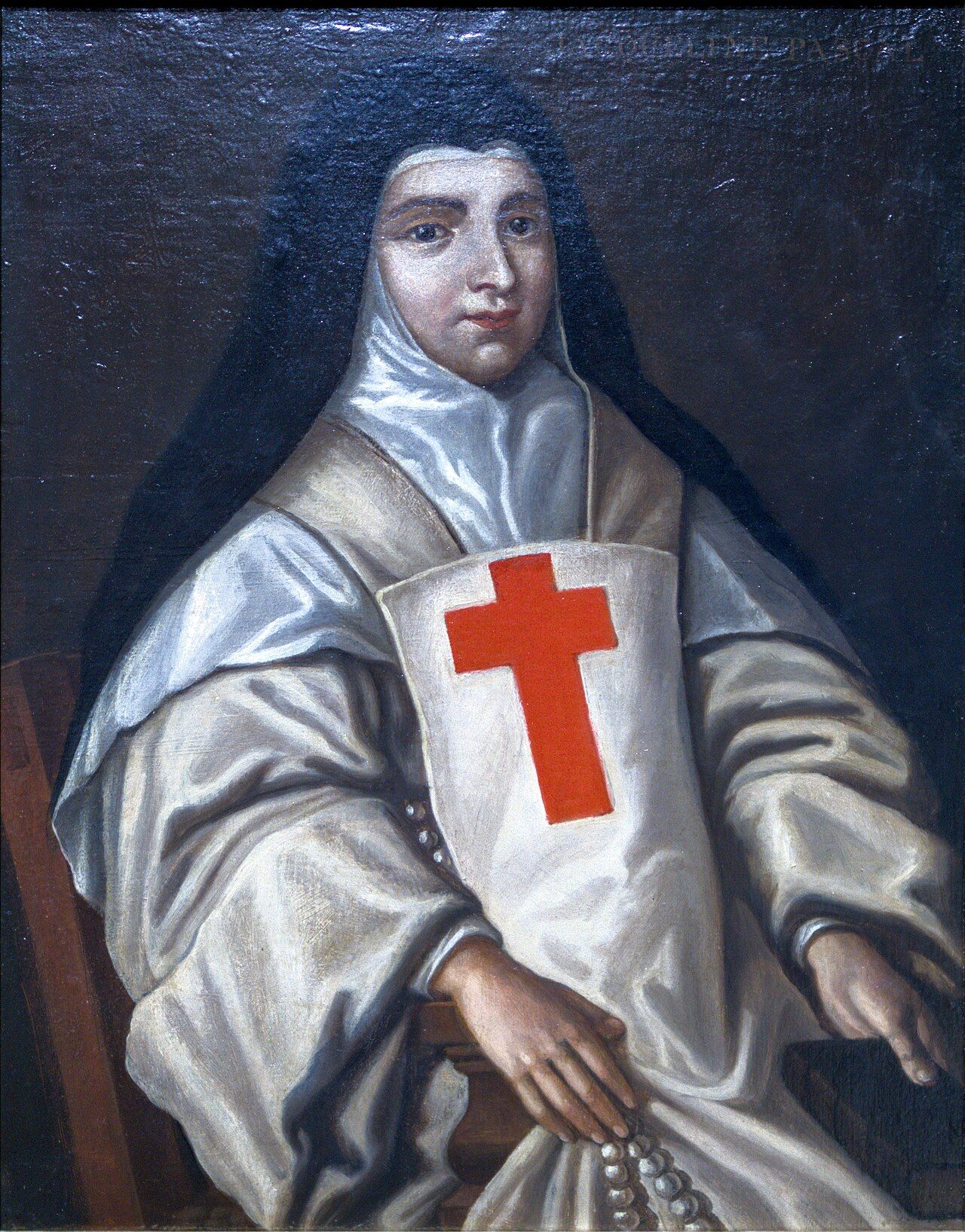
.jpg)
Jacqueline Pascal was born in Clermont in 1625, the youngest child of Étienne Pascal, a tax-court judge who, after his wife’s death, educated his children at home in mathematics, philosophy, literature and history; her brother was Blaise Pascal. The family moved to Paris in 1631.
She took her vows as a nun at Port-Royal in 1653, as Sister Jacqueline de Sainte-Euphémie, having given up her claim to her inheritance on the abbess’s advice. Long overshadowed by her brother, she is now read as a philosopher of education, politics and religion in her own right. She died in 1661.
Key ideas
- The teacher as spiritual director
- Her treatise on the pedagogy of Port-Royal’s convent school makes the teacher a spiritual director, guiding pupils’ moral progress through ascetic exercises and personal conversation, and defends women’s right to theological learning.
- Freedom of vocation
- Women have the right to follow their personal vocation whatever their means and whatever their parents think.
- Freedom of conscience
- In the Jansenist crisis she defended women’s right to dissent from church judgements despite civil and ecclesiastical pressure; and her meditations on God, in negative theology, held that the divine essence transcends the gendered images of God.
- Tradition
- Western
- Region
- Clermont, Paris and Port-Royal
- Period
- Early modern
- Themes
- Education
Sources
- John J. Conley, Jacqueline Pascal, Internet Encyclopedia of Philosophy