Philosopher
Hirata Atsutane
1776–1843
Also known as Atsutane
Kokugaku thinker who recast Shinto as a universal 'True Shinto', taught that the dead become kami in a hidden world, and insisted, in increasingly xenophobic terms, on Japan's superiority.
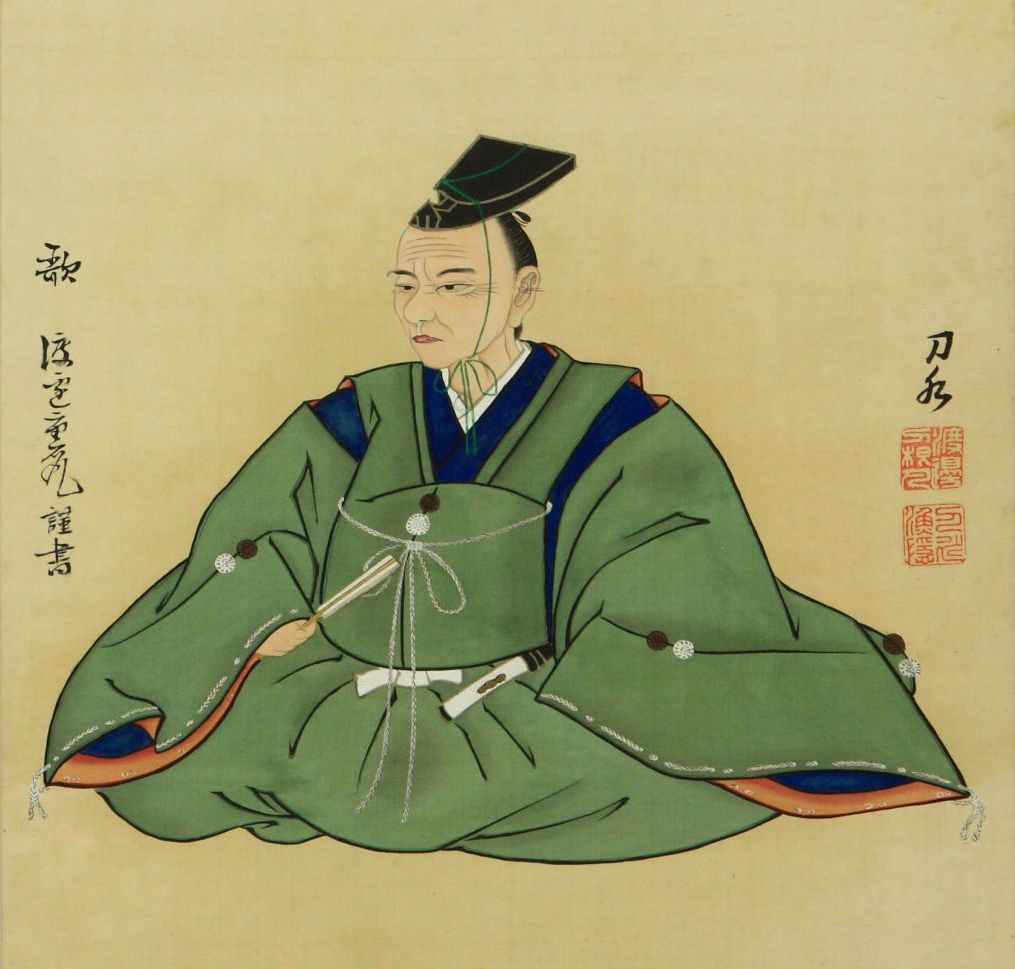

Hirata Atsutane was born in the northeast of Japan and went to Edo at nineteen. He first heard of Motoori Norinaga only after Norinaga had died, but was so taken with his ideas that he enrolled in the school, which Norinaga’s son now ran. Unlike his philologically minded predecessors, he looked for confirmation of his views far and wide, and wrote, as he put it, to touch people’s hearts.
He praised the pleasures of this life, of eating, drinking and love, and made extravagant claims about Japan’s past: perfect health, a native script before Chinese characters, a race of giants. Before him Shinto thinkers had said little about the afterlife. His wide range of subjects and his insistence on Japan’s superiority probably helped to make his teaching popular, and his disciples spread far into the provinces.
Key ideas
- True Shinto
- Atsutane sought support for his views everywhere, in Confucian and even disguised Christian sources and in tales of reincarnation, presenting Shinto as the fountainhead from which inferior foreign doctrines later came.
- True hearts
- People in Japan are born with true hearts (magokoro) that let them follow the Way of the kami spontaneously. By praying to particular gods, even someone who could not read could learn from the kami.
- A divine land
- Japan, a divine land, surpasses every other country, and its ruler the rightful ruler of all. At their worst these claims became racialised attacks on others, Europeans included.
Influences
Where these links come from
- Hirata Atsutane drew on Motoori Norinaga. Source: Gideon Fujiwara and Peter Nosco, The Kokugaku (Native Japan Studies) School, Stanford Encyclopedia of Philosophy
- Matsuo Taseko drew on Hirata Atsutane. Source: Gideon Fujiwara and Peter Nosco, The Kokugaku (Native Japan Studies) School, Stanford Encyclopedia of Philosophy
Key works
- The August Pillar of the Soul (Tama no mihashira)
Terms on this page
Sources
- Gideon Fujiwara and Peter Nosco, The Kokugaku (Native Japan Studies) School, Stanford Encyclopedia of Philosophy