Branch
Political philosophy
105 philosophers, 7 traditions
How people should live together: the justification of rule and law, justice, rights and liberty, and the critique of domination and oppression.
Highlight them on the timeline →
Themes in this branch
Philosophers
Listed where the reference works cited on their page describe significant work in political philosophy.
Western
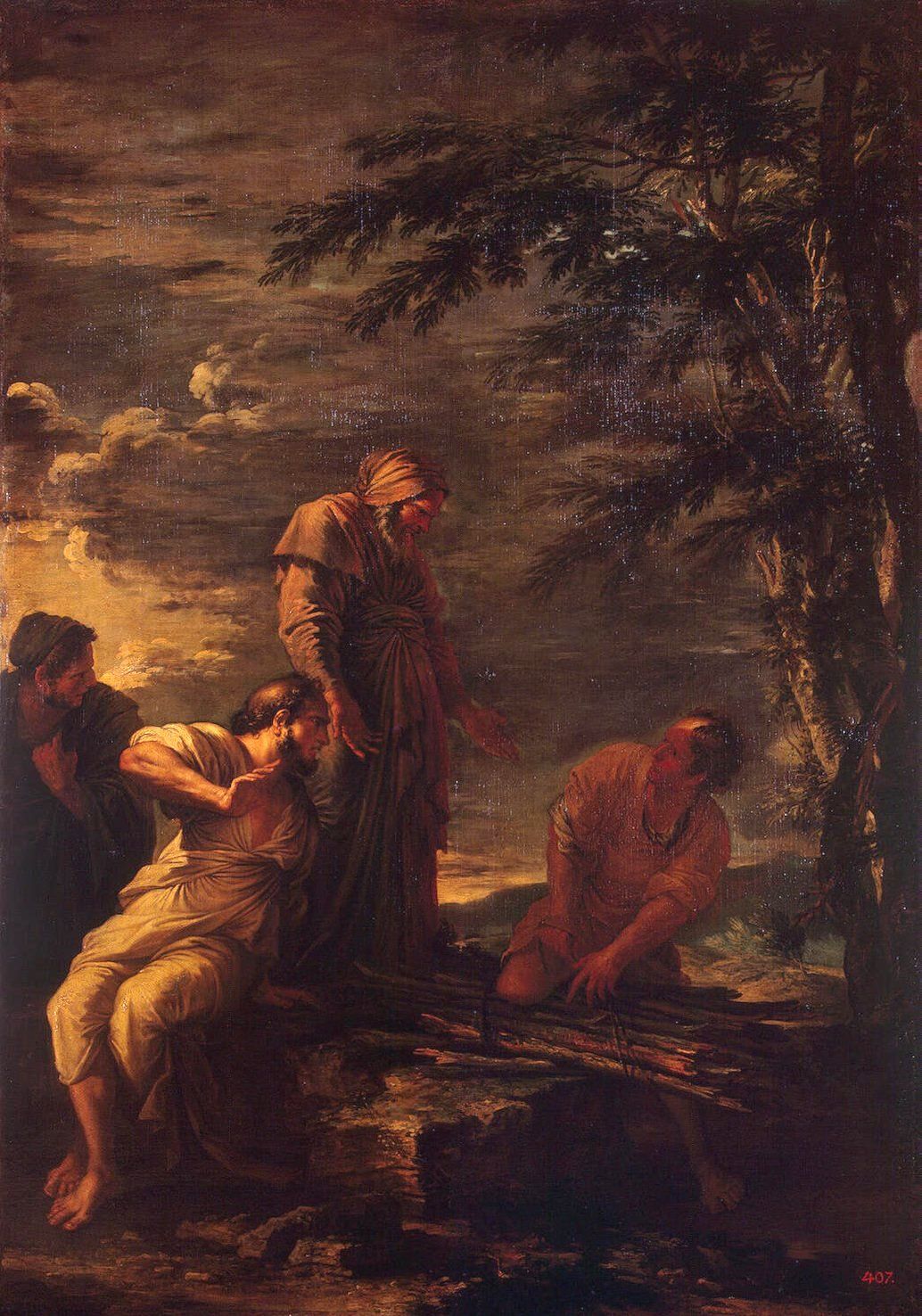 ProtagorasThe first to call himself a sophist, he taught argument for a fee, held that "man is the measure of all things", and said he could not know whether the gods exist.
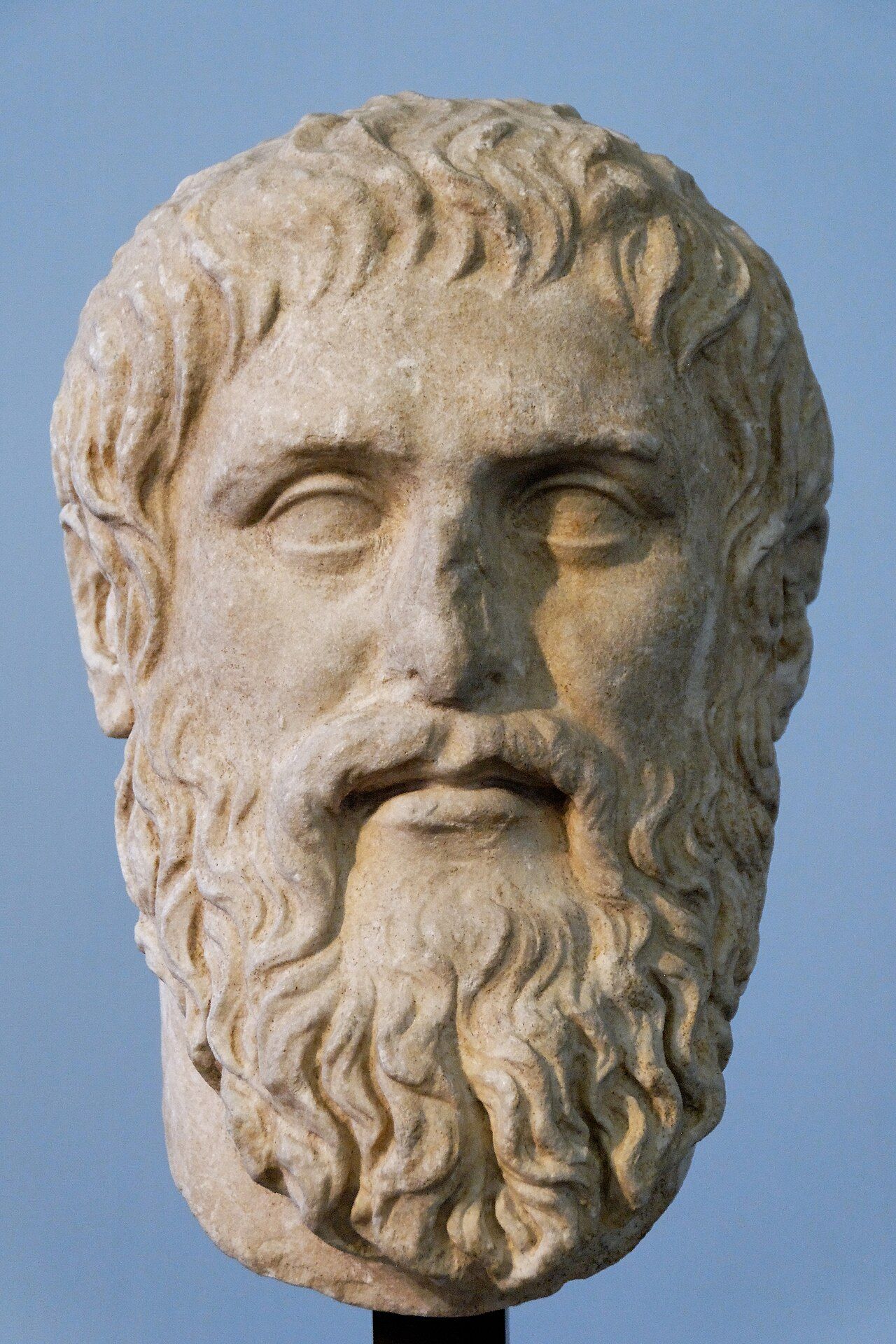 PlatoStudent of Socrates and founder of the Academy, whose dialogues range across ethics, politics, knowledge and reality, and introduce the theory of Forms.
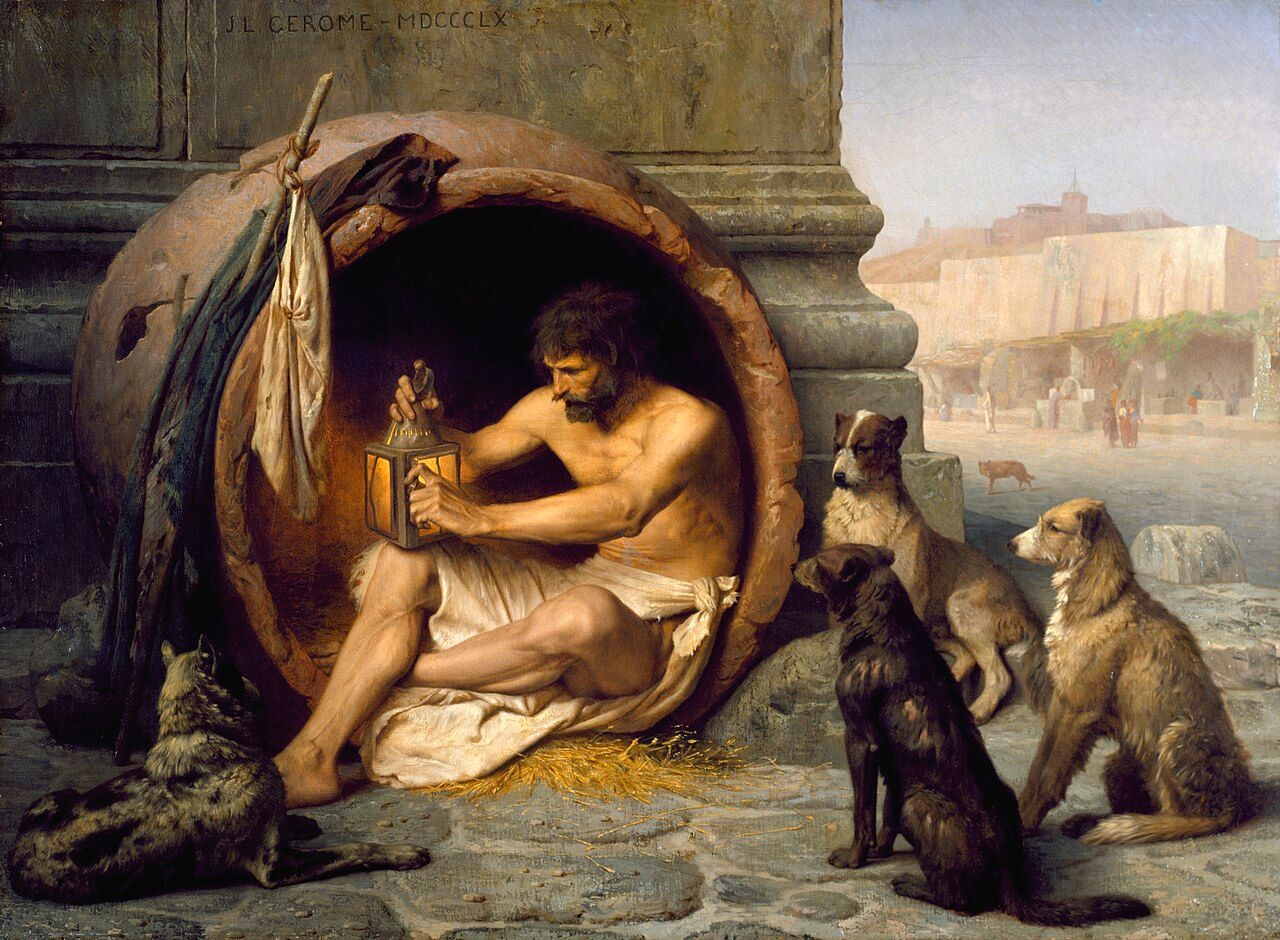 Diogenes of SinopeThe model Cynic, who lived in a storage jar in Athens, flouted convention to show that a life according to nature and reason needs almost nothing, and called himself a citizen of the world.
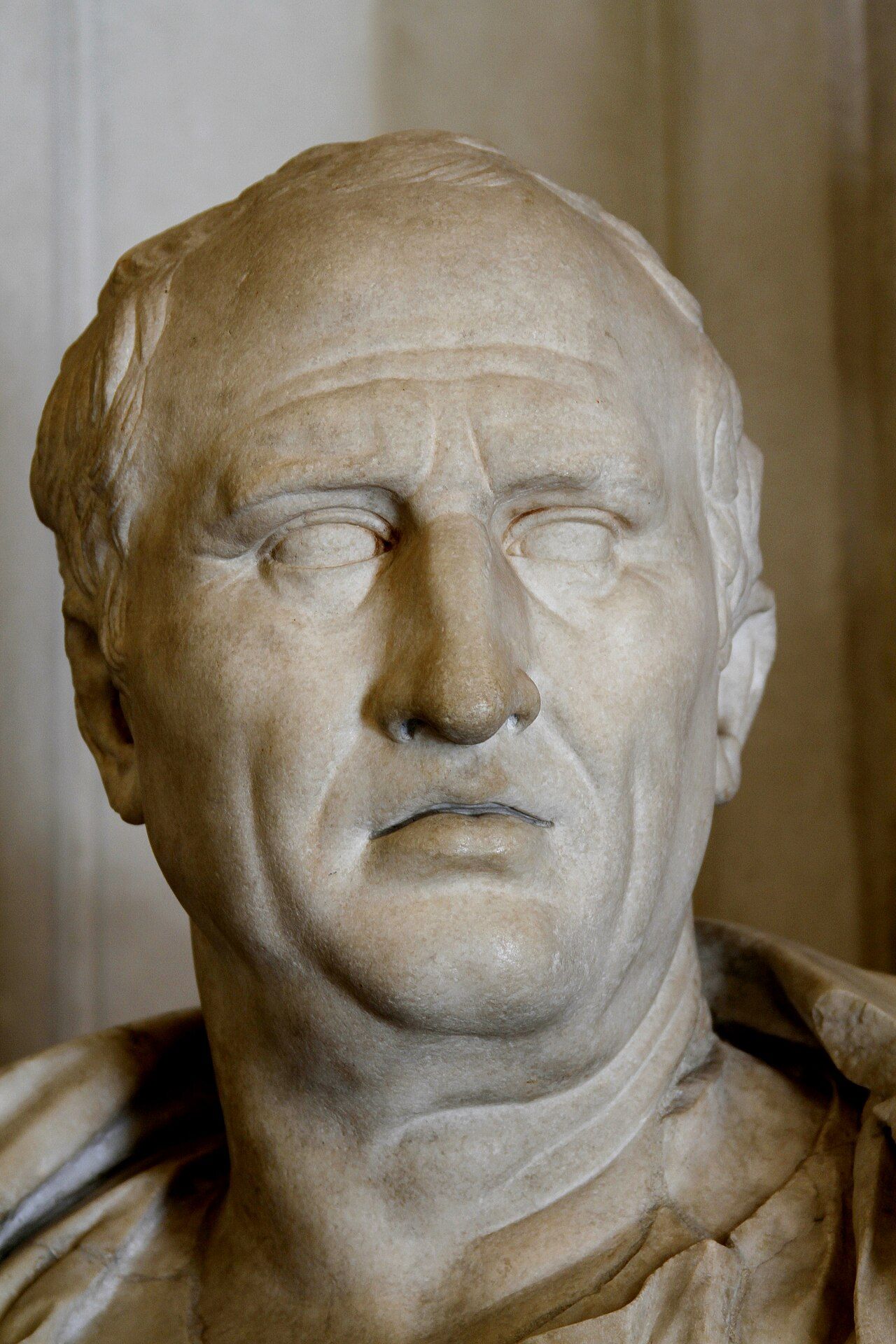 CiceroRoman statesman and orator whose dialogues brought Greek philosophy into Latin, setting rival schools' views side by side in the spirit of Academic scepticism.
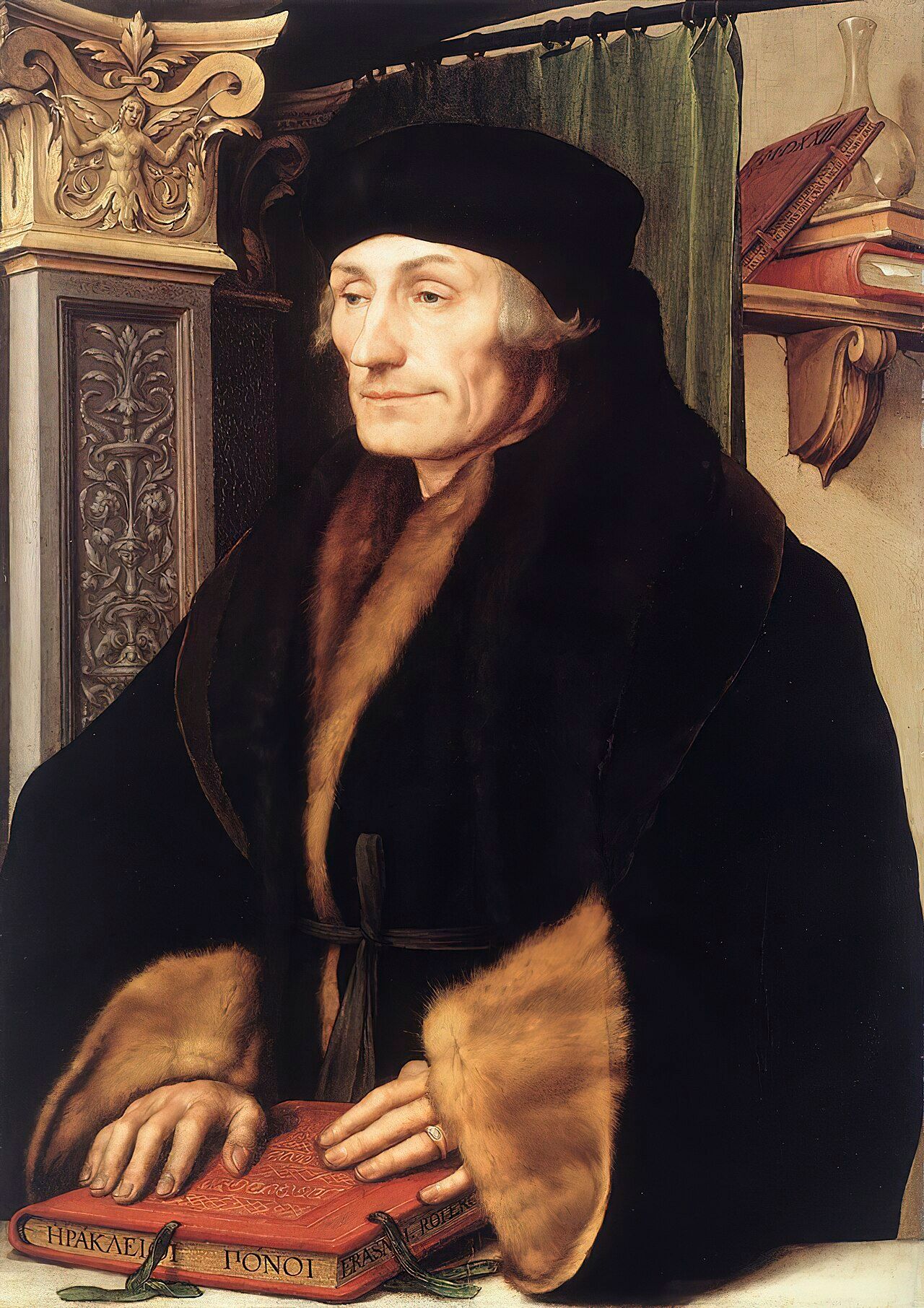 Desiderius ErasmusHumanist scholar who edited the Greek New Testament, satirised scholastic theology in _The Praise of Folly_, and defended free will against Luther with a sceptic's reluctance to assert.
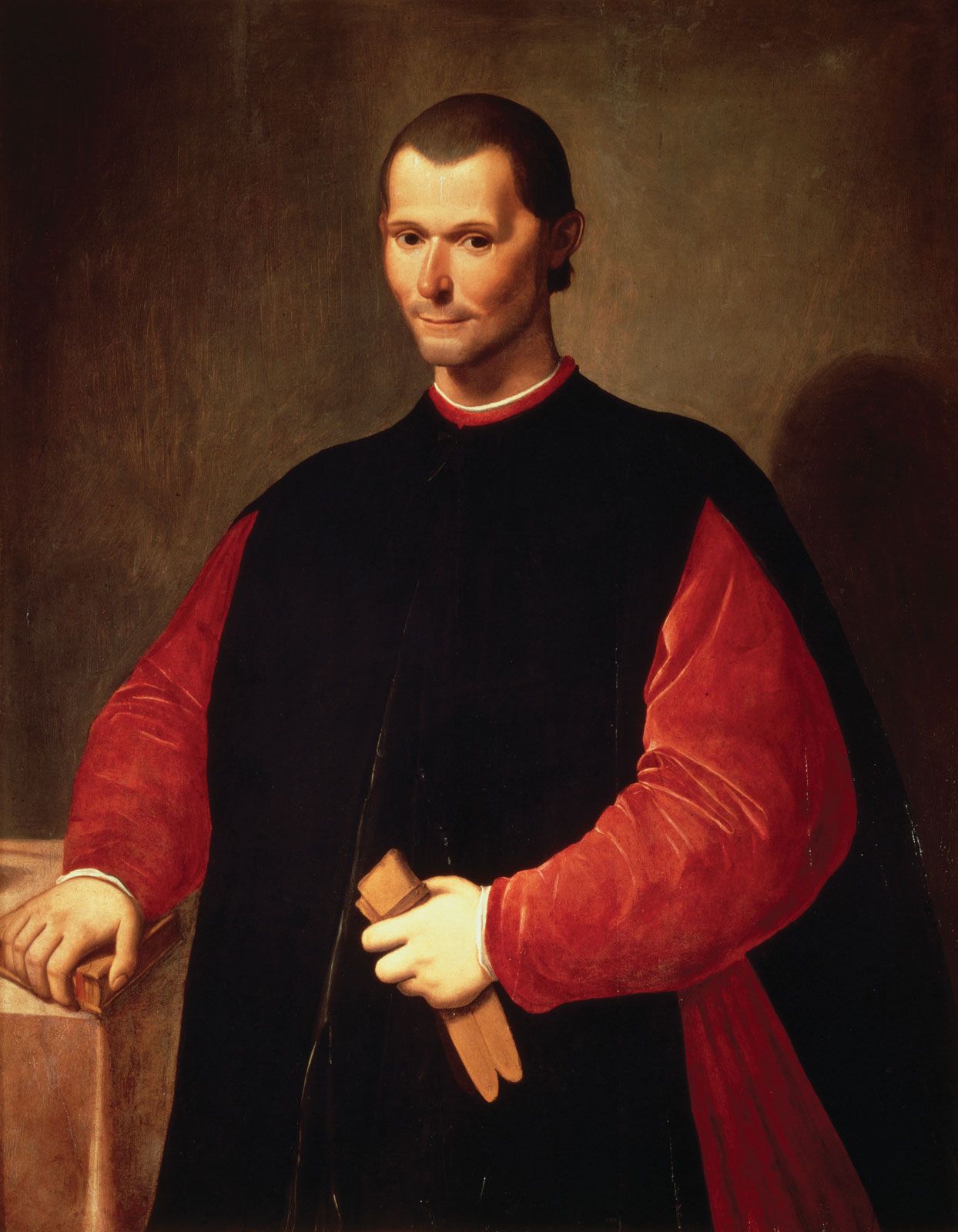 Niccolò MachiavelliFlorentine diplomat and political thinker whose Prince analysed power without moralising, and whose Discourses on Livy championed republican liberty.
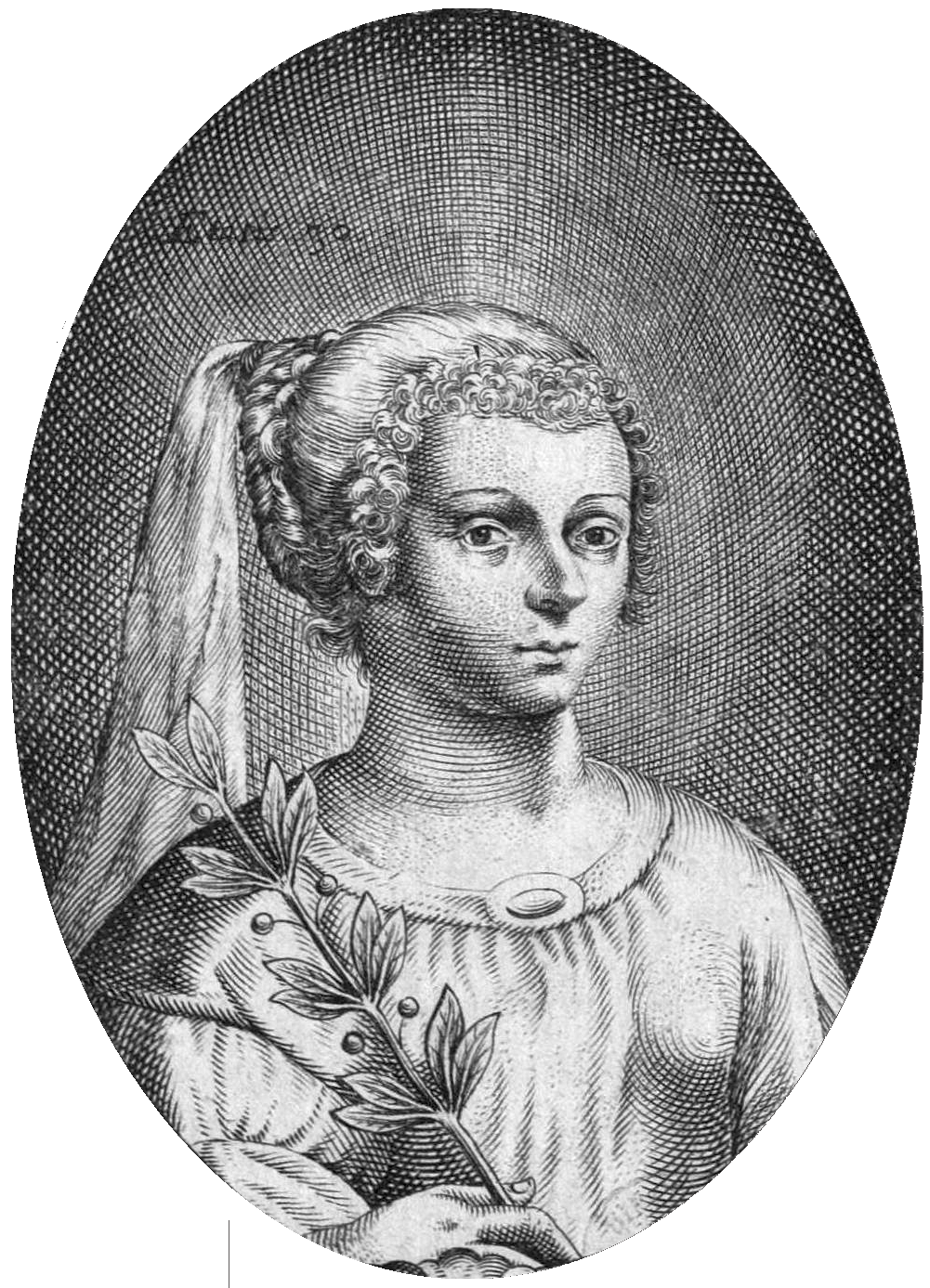 Marie de GournayFriend and editor of Montaigne, whose essays defended the equality of the sexes and women's right to education and public office.
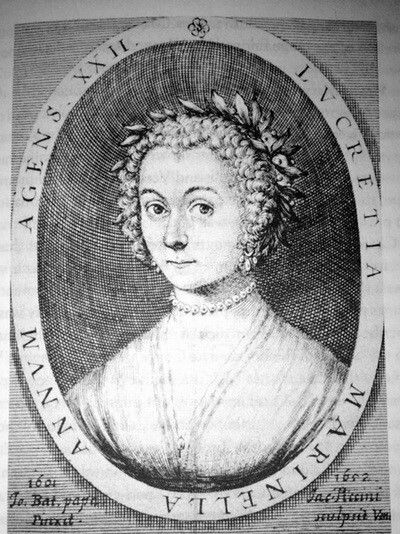 Lucrezia MarinellaVenetian author whose The Nobility and Excellence of Women argued that women's souls and bodies make them superior to men in reason and virtue, and demanded freedom and equality.
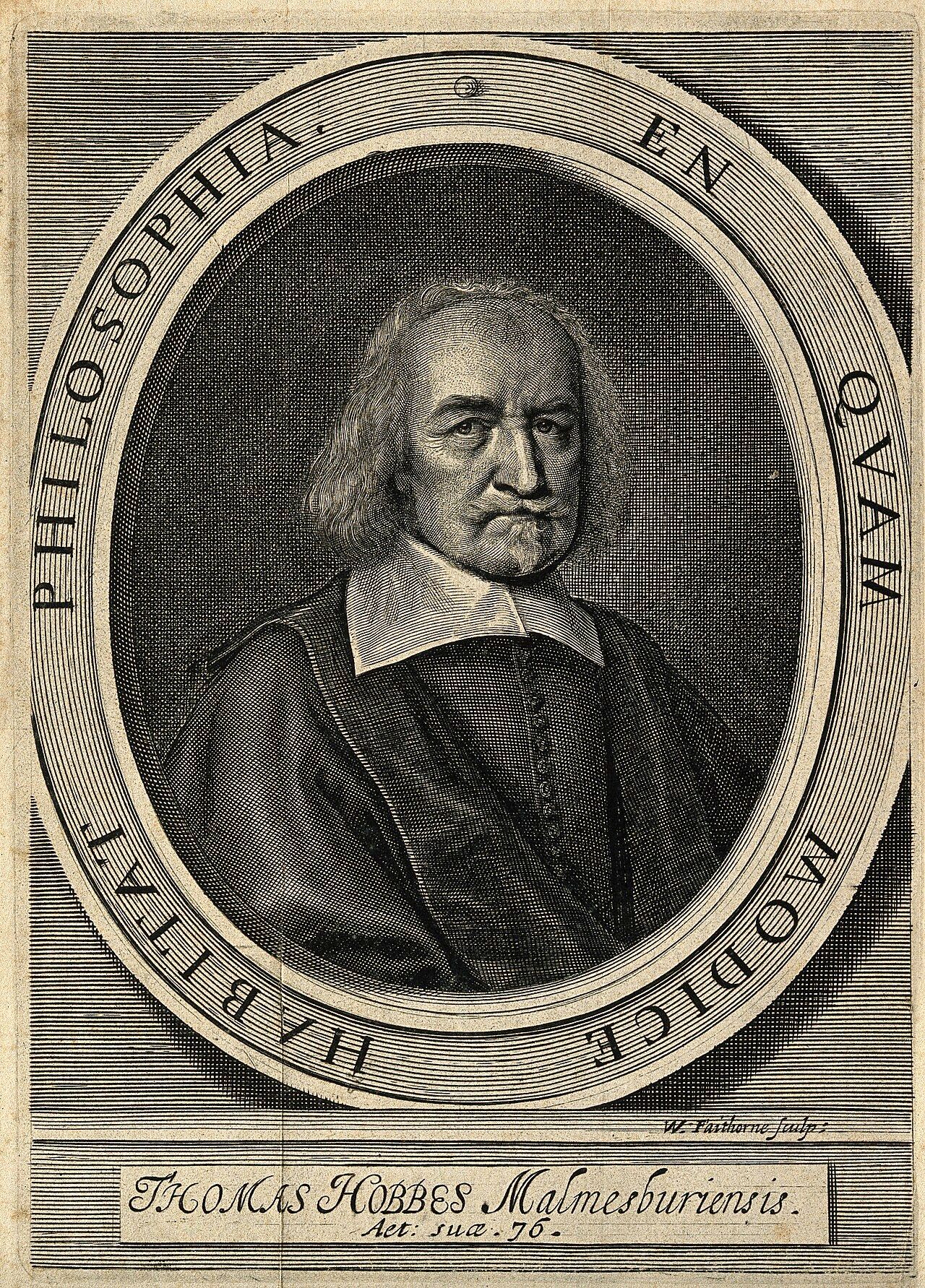 Thomas HobbesEnglish philosopher who argued in Leviathan that people escape a state of war only by submitting to an absolute sovereign, and defended a materialist view of the world.
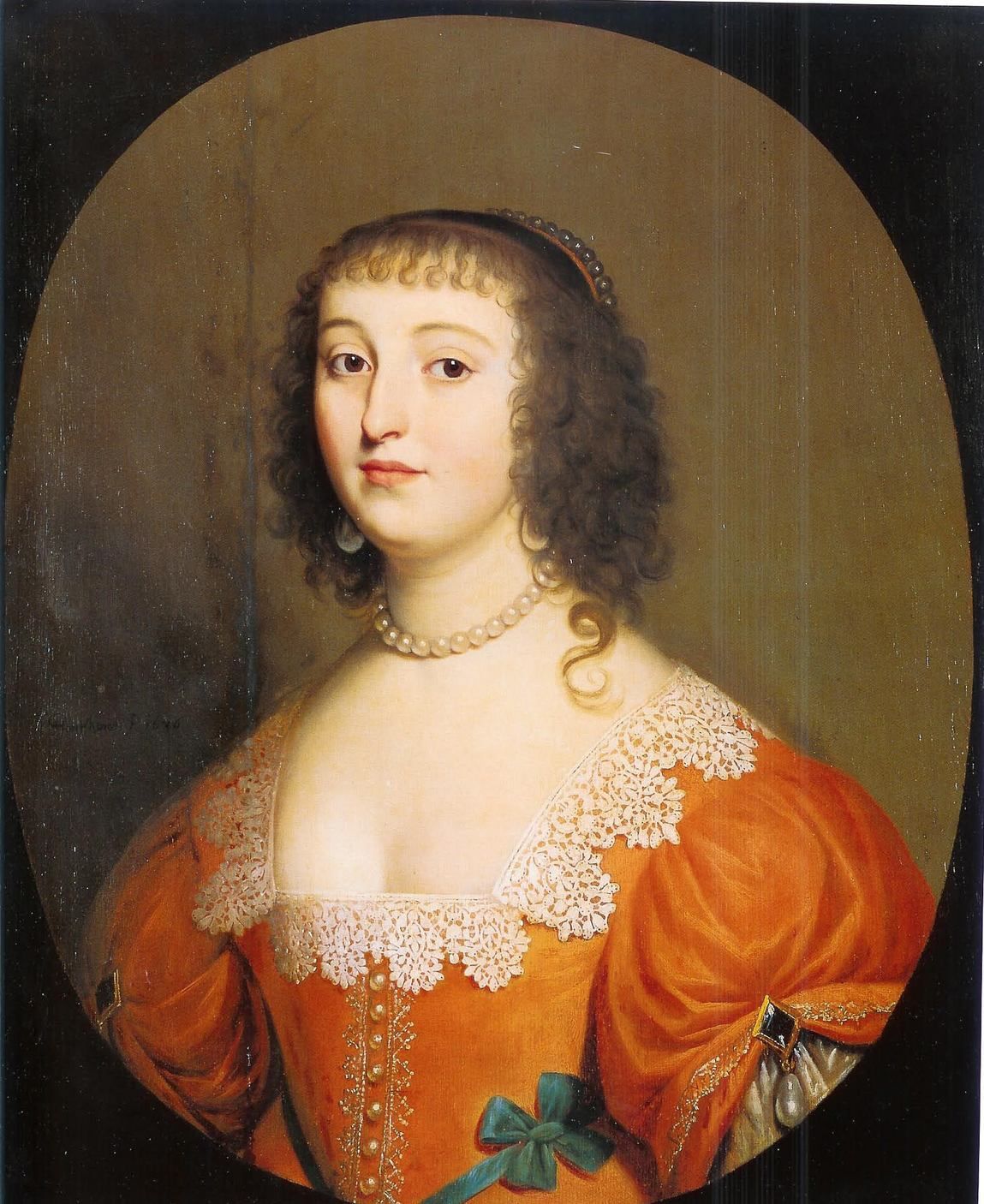 Elisabeth of BohemiaExiled princess whose letters to Descartes asked how an immaterial mind could move a body, and pressed him on the passions, virtue, happiness and how to rule.
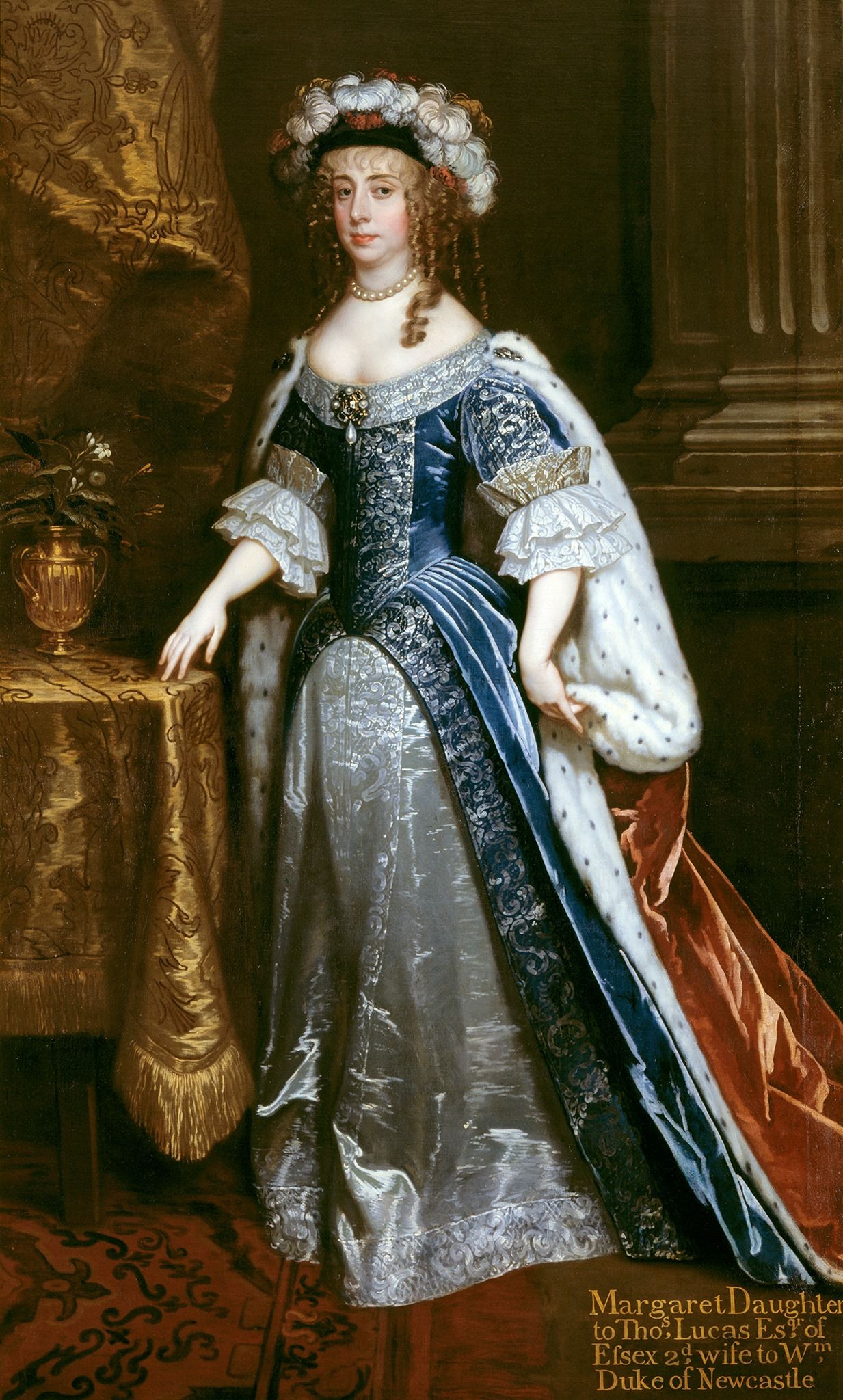 Margaret CavendishSeventeenth-century philosopher, scientist and writer whose naturalism held that matter itself thinks: minds are material, and perception and reason run through the whole of nature.
- Angélique de Saint-Jean Arnauld d'AndillyAbbess of Port-Royal and leader of the uncompromising wing of Jansenism, who set out an ethics of resistance by which a persecuted minority can refuse coercion.
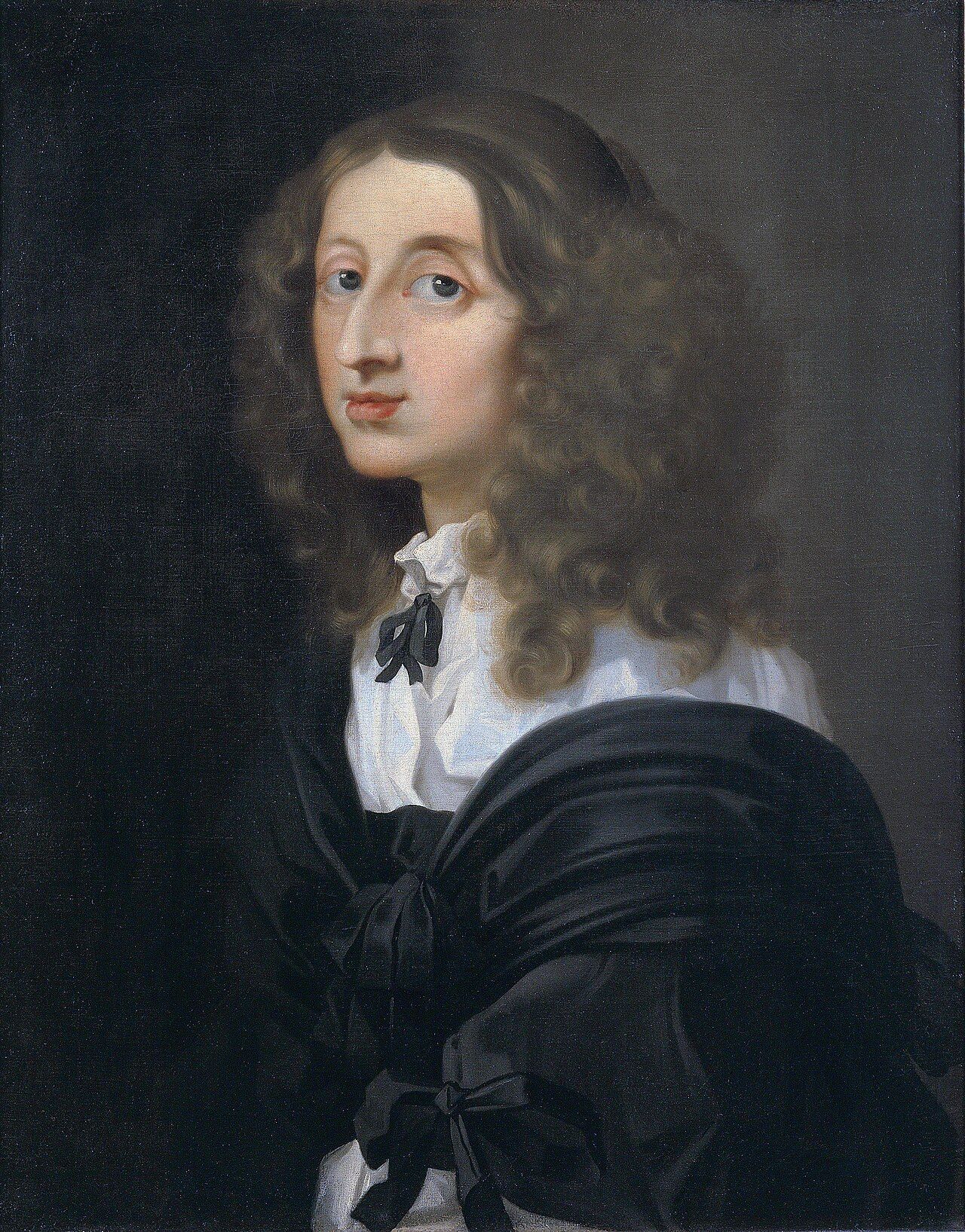 Kristina WasaQueen of Sweden who brought Descartes to Stockholm, abdicated in 1654, and wrote on virtue, the equality of the sexes and the toleration of religious minorities.
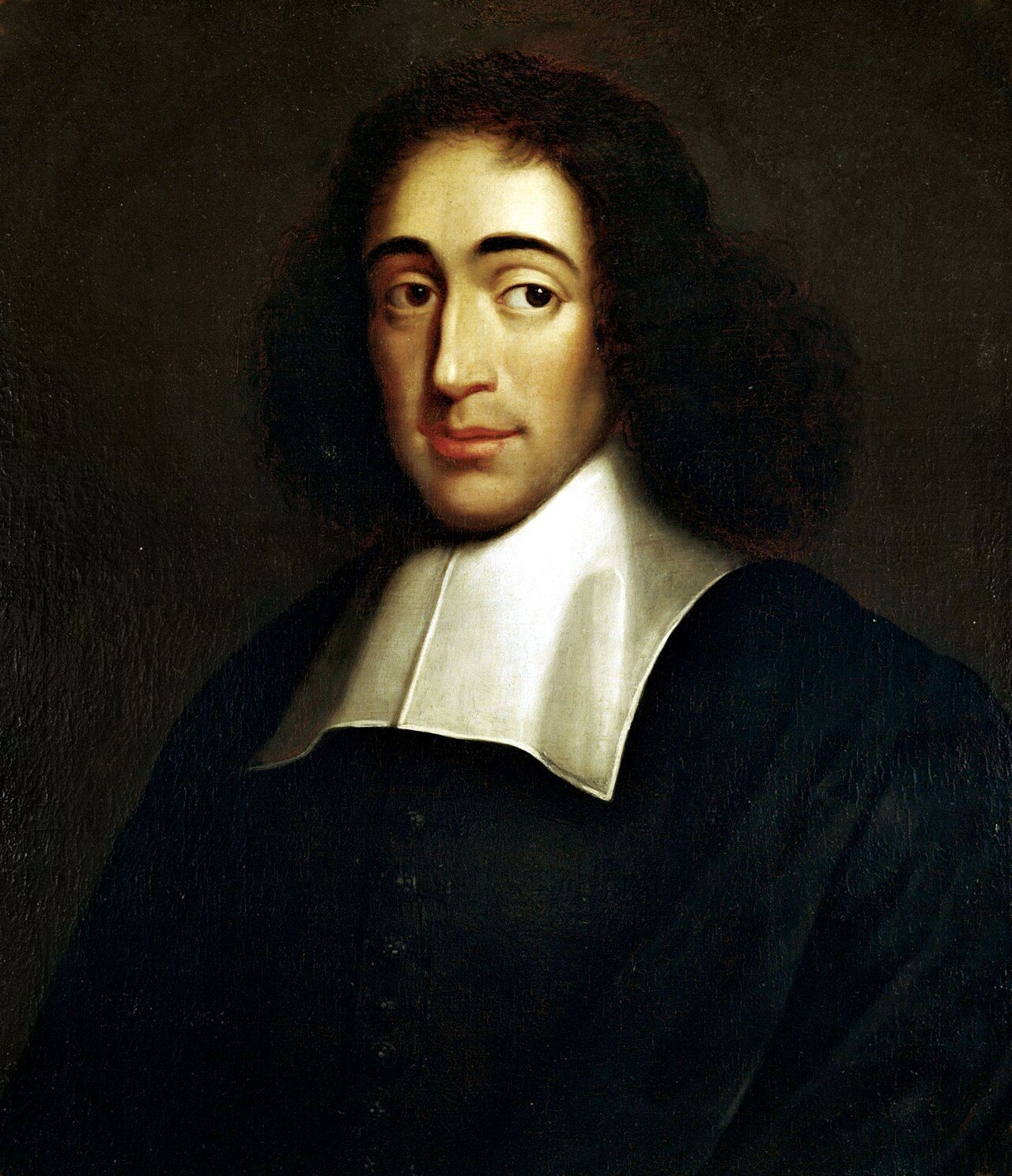 Baruch SpinozaRationalist who identified God with Nature and set out his ethics in the form of geometrical proofs.
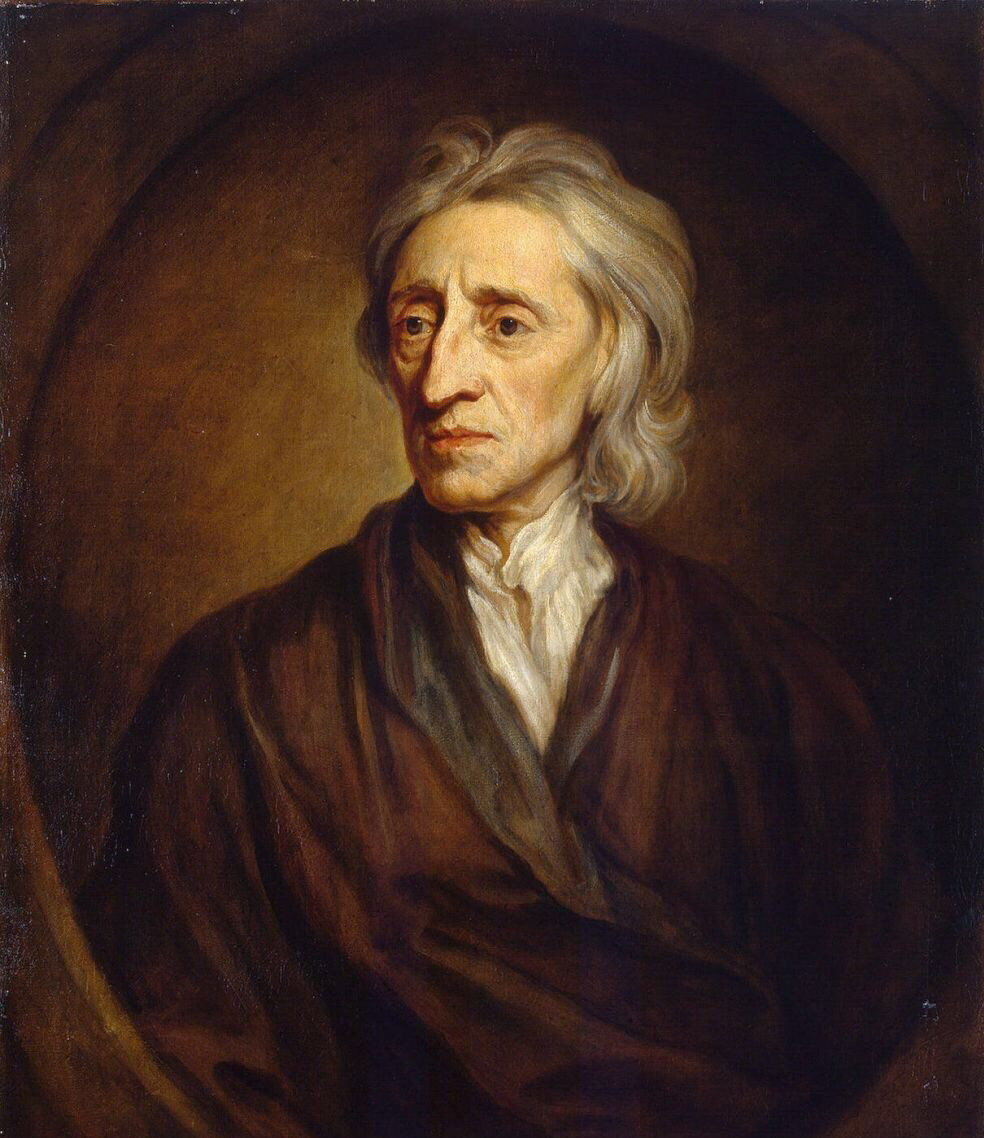 John LockeEnglish empiricist who argued that all ideas come from experience, and whose case for natural rights and government by consent shaped liberal political thought.
- Mary AstellEnglish rationalist philosopher who argued that the supposed defects of women's minds come from their education, not their nature, and set out a method by which women could think for themselves.
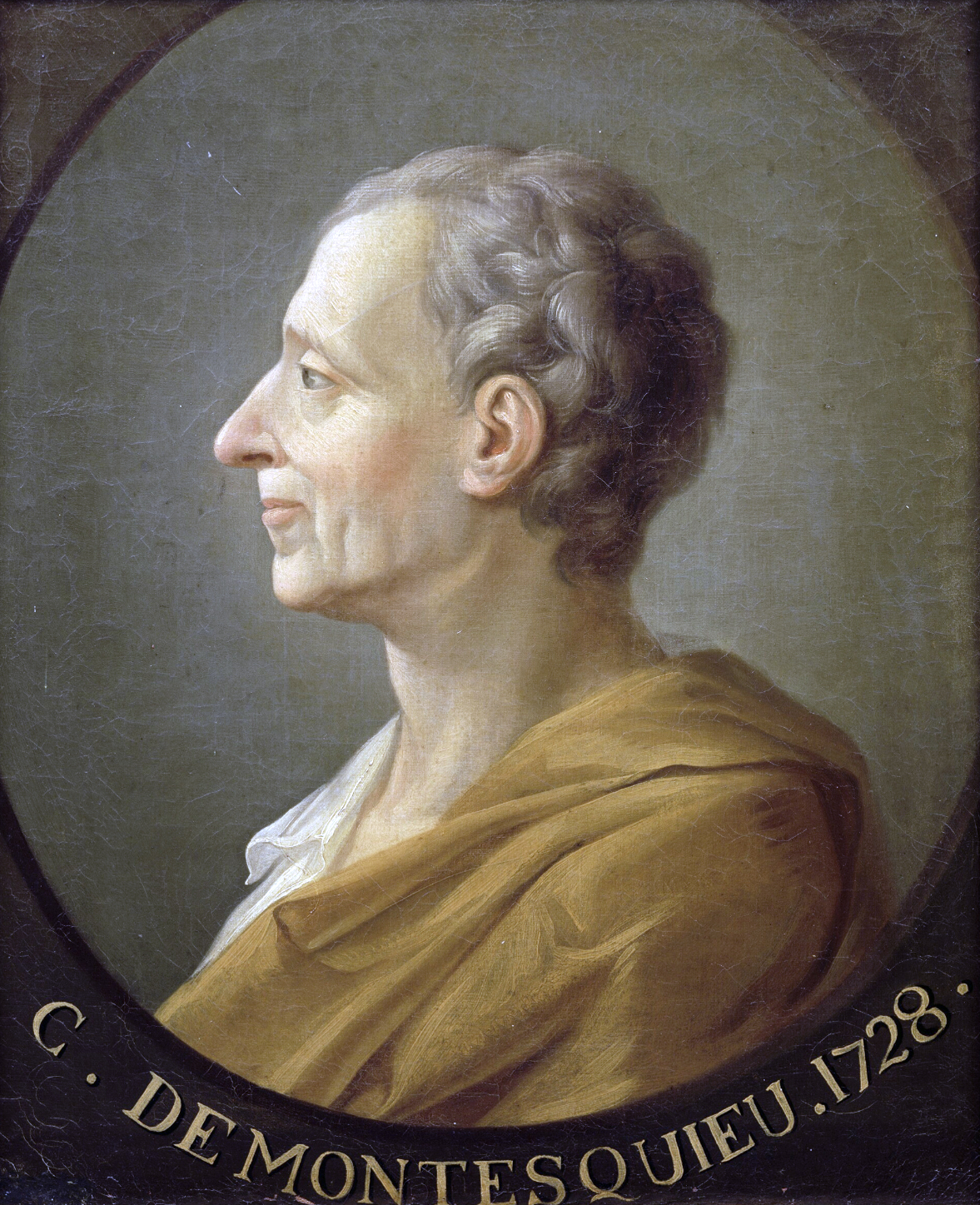 MontesquieuEnlightenment political philosopher who explained forms of government by their causes, from climate to commerce, and argued that liberty needs separate legislative, executive and judicial powers.
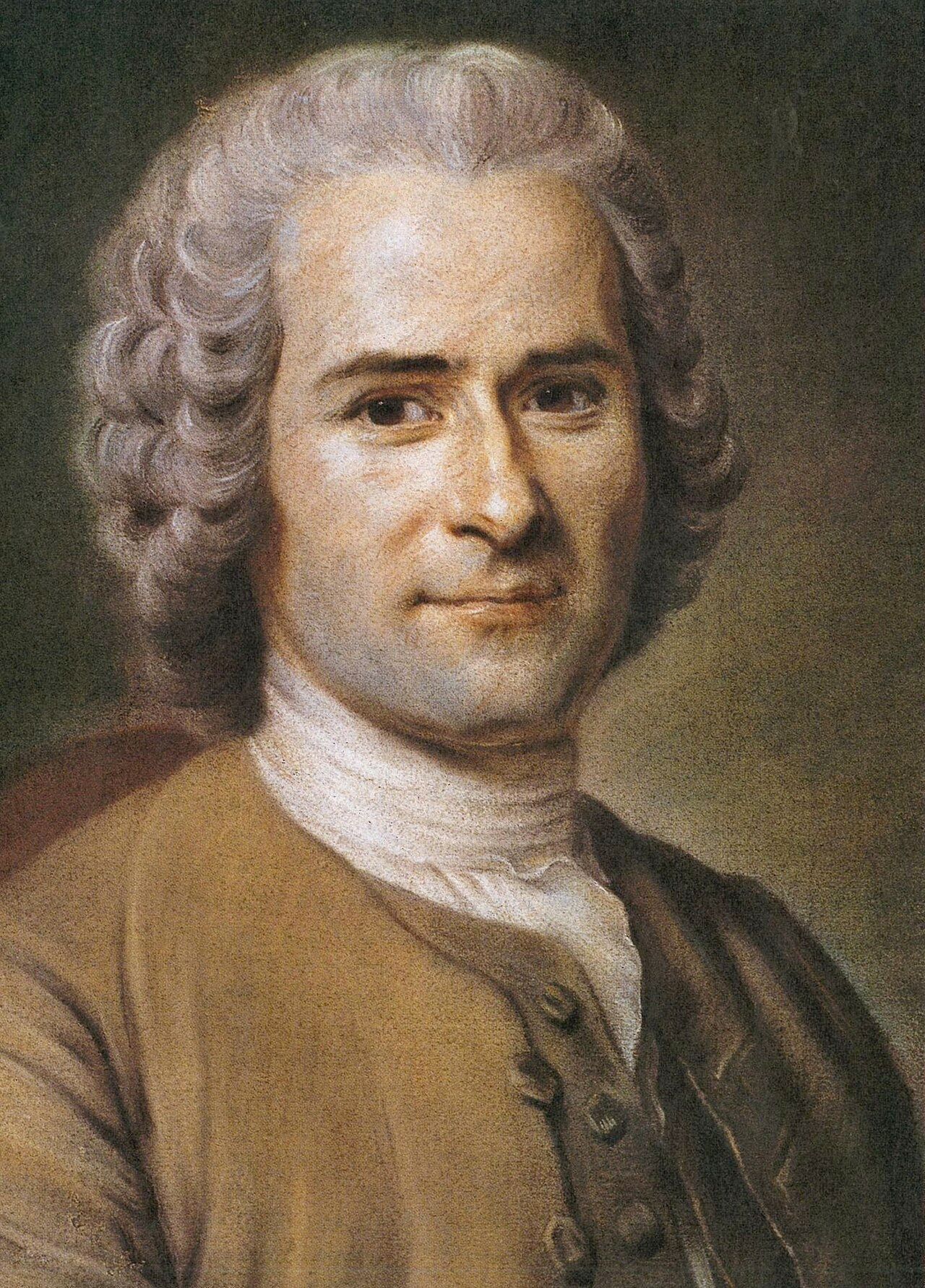 Jean-Jacques RousseauGenevan thinker who argued that society corrupts naturally good human beings, and that legitimate law must express the general will of free and equal citizens.
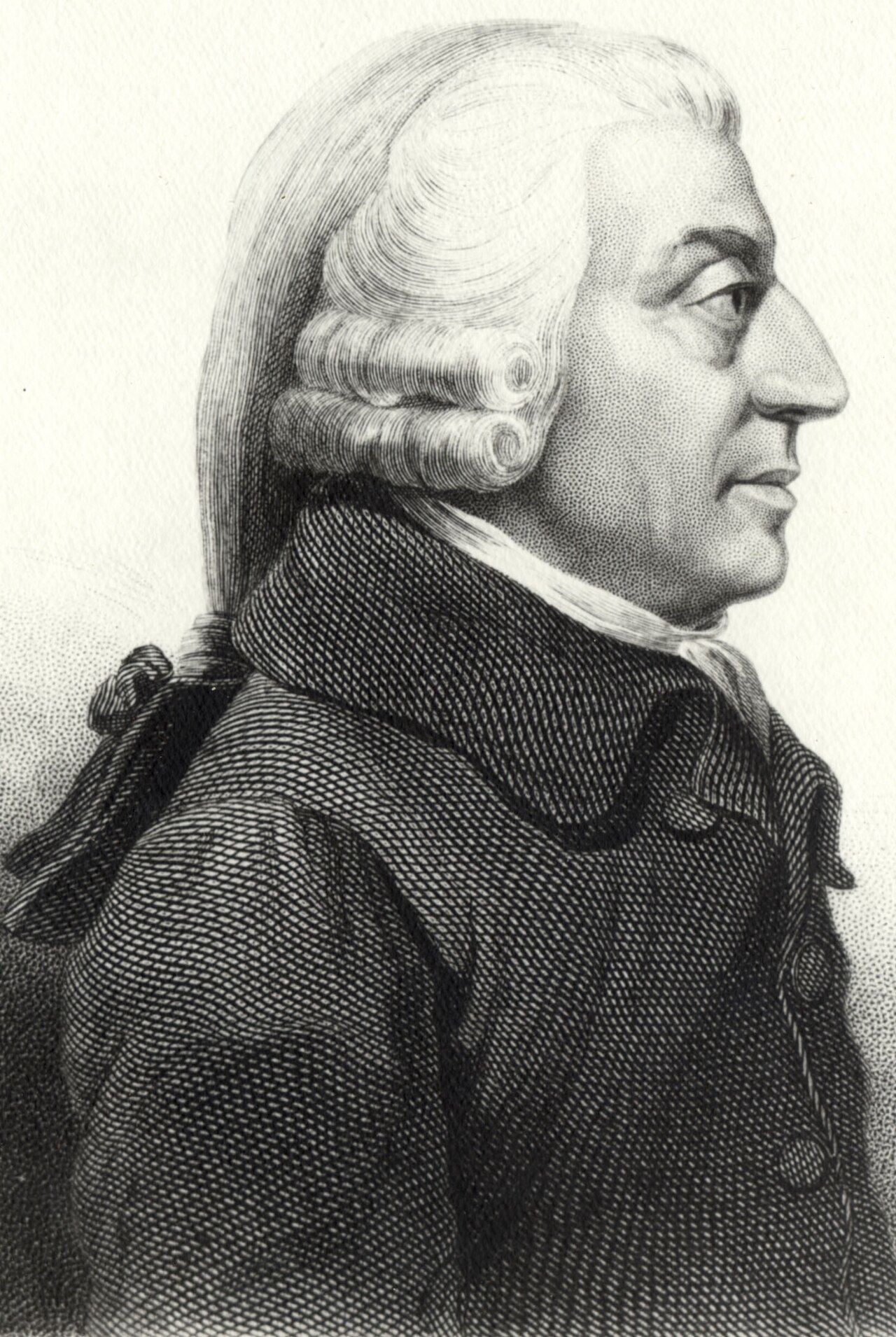 Adam SmithScottish moral philosopher who grounded ethics in sympathy and an imagined impartial spectator, and whose _Wealth of Nations_ defended the natural liberty of ordinary people to run their affairs.
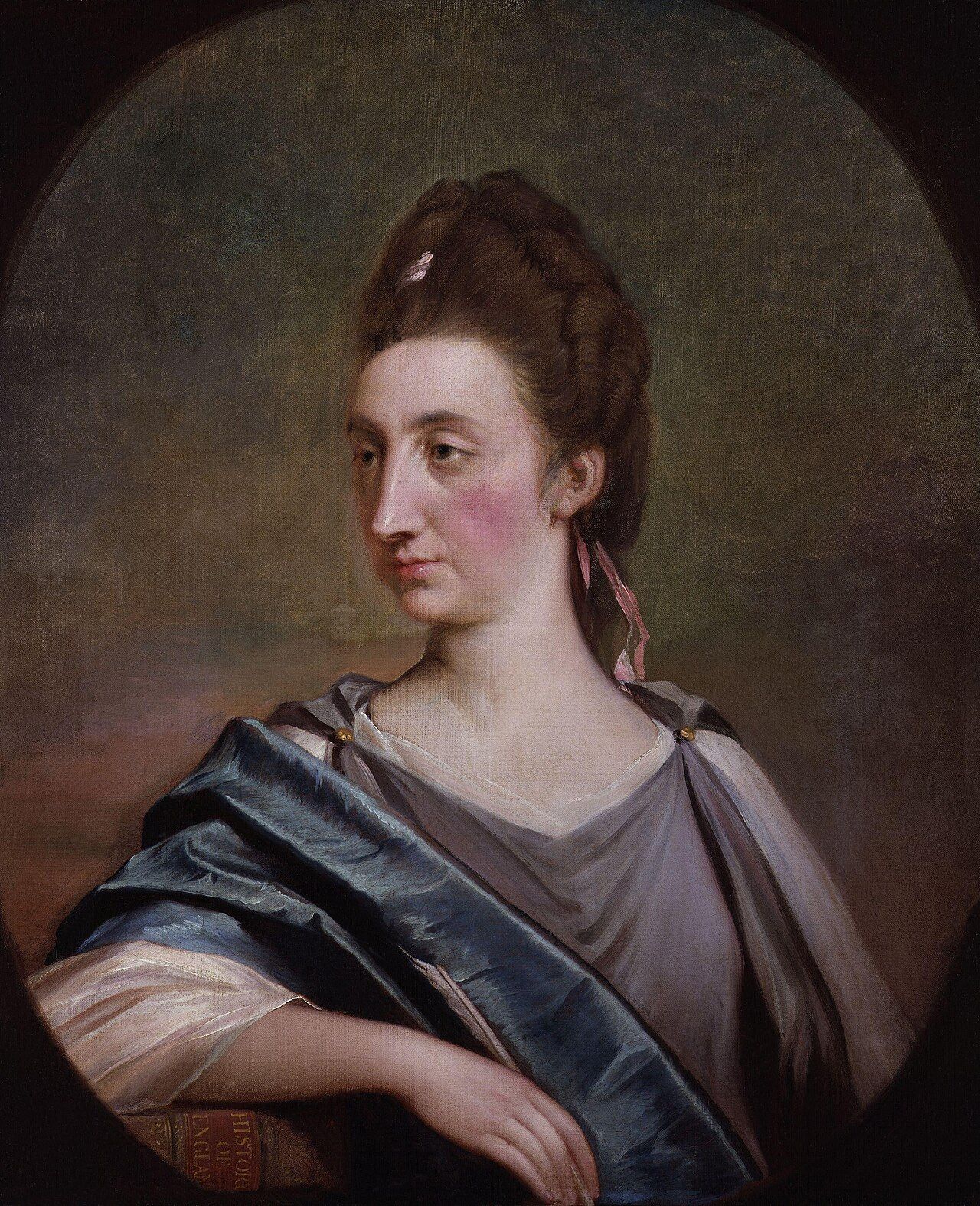 Catharine MacaulayRepublican historian and philosopher, whose History of England defended the people's liberties against the Stuarts, and whose Letters on Education argued for educating the sexes alike.
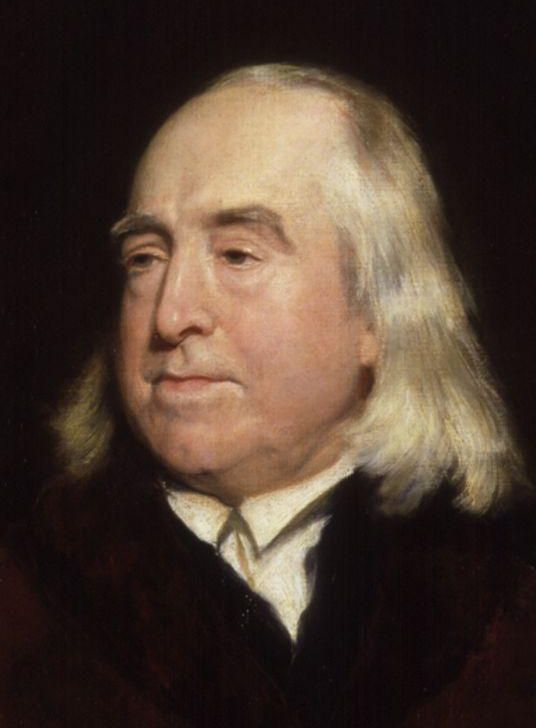 Jeremy BenthamEnglish jurist and reformer who gave utilitarianism its first systematic form, holding that pleasure and pain are our sovereign masters and that law should promote the greatest happiness.
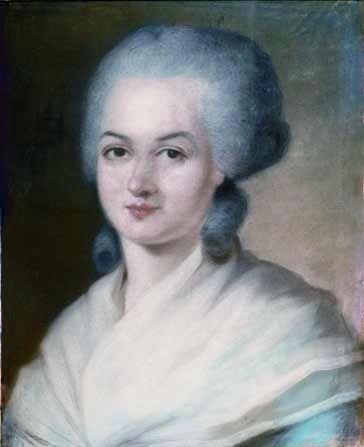 Olympe de GougesPlaywright and pamphleteer of the French Revolution whose Rights of Woman exposed how the Declaration of the Rights of Man left women out, and who was guillotined for her writings.
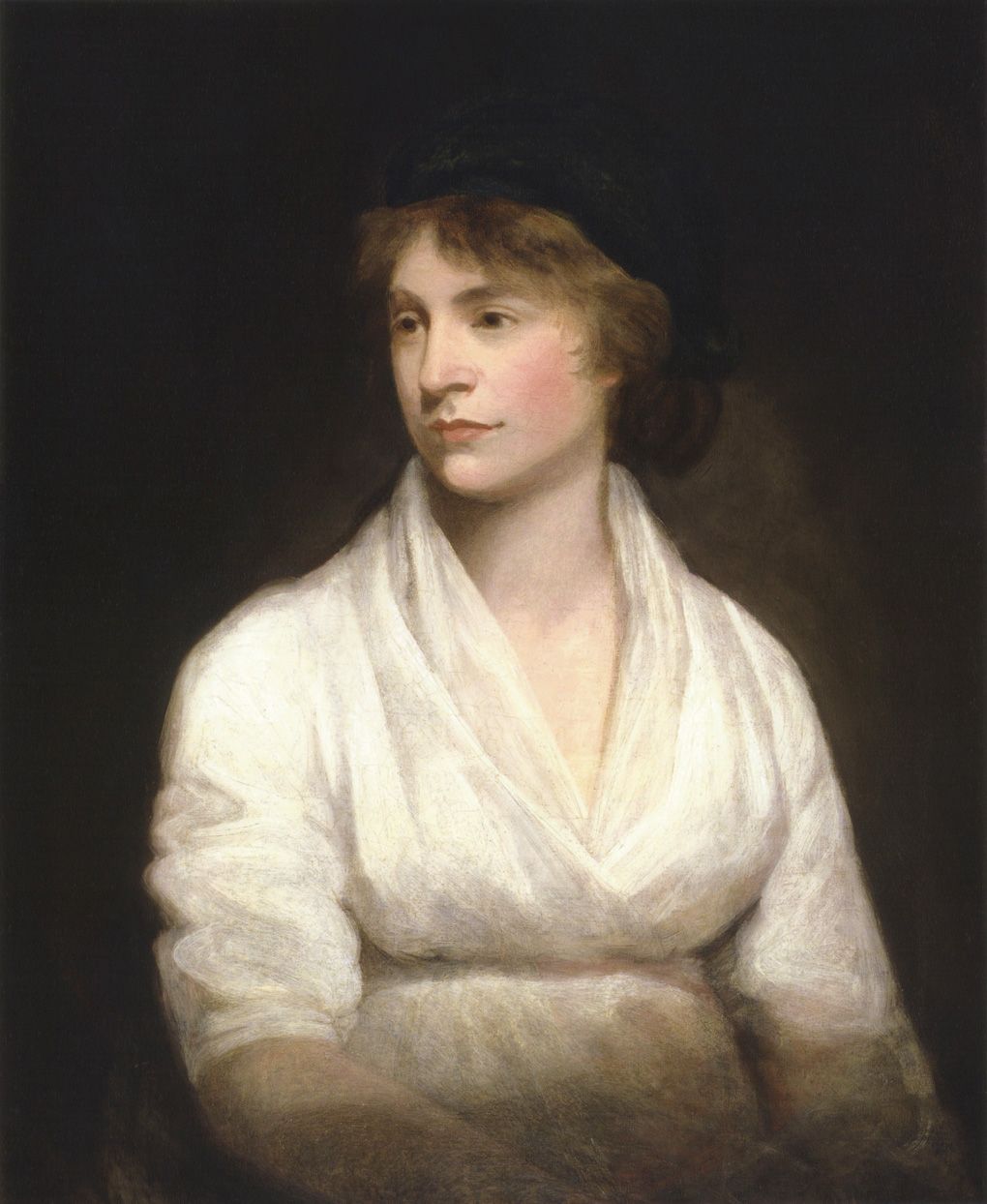 Mary WollstonecraftEnglish moral and political philosopher whose Vindication of the Rights of Woman argued that women, as rational beings, need the same education and rights as men.
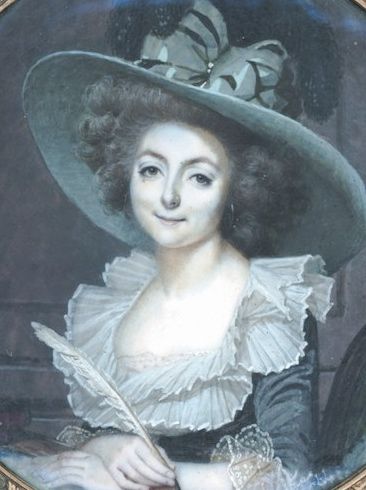 Sophie de GrouchyFrench philosopher of the Revolution whose Letters on Sympathy traced morality to the sympathy we learn in infancy, and argued from it for equality, republican liberty and reform of marriage law.
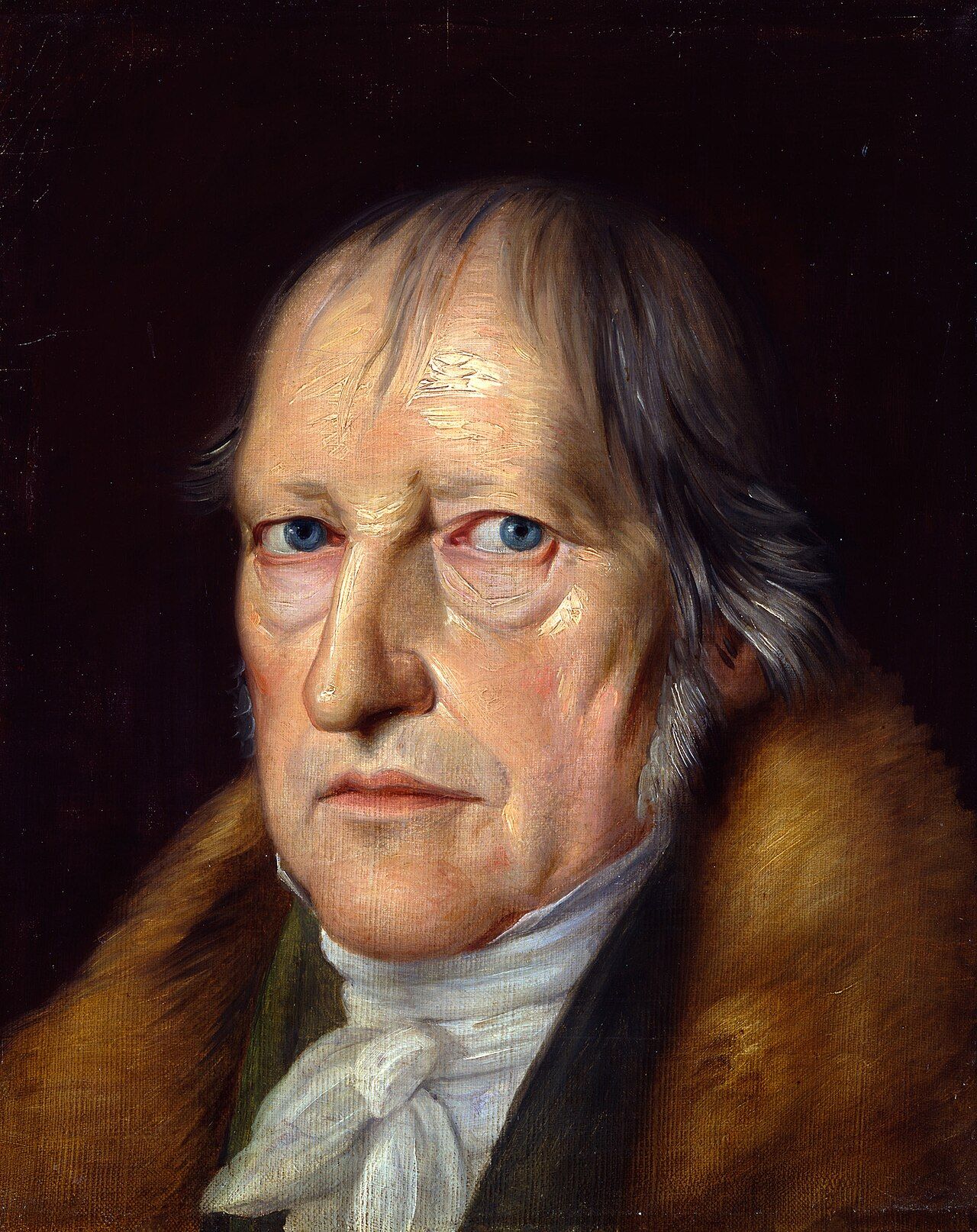 G. W. F. HegelThe most systematic of the German idealists, who saw reality and history as the unfolding of spirit, and whose dialectical method shaped much of later philosophy.
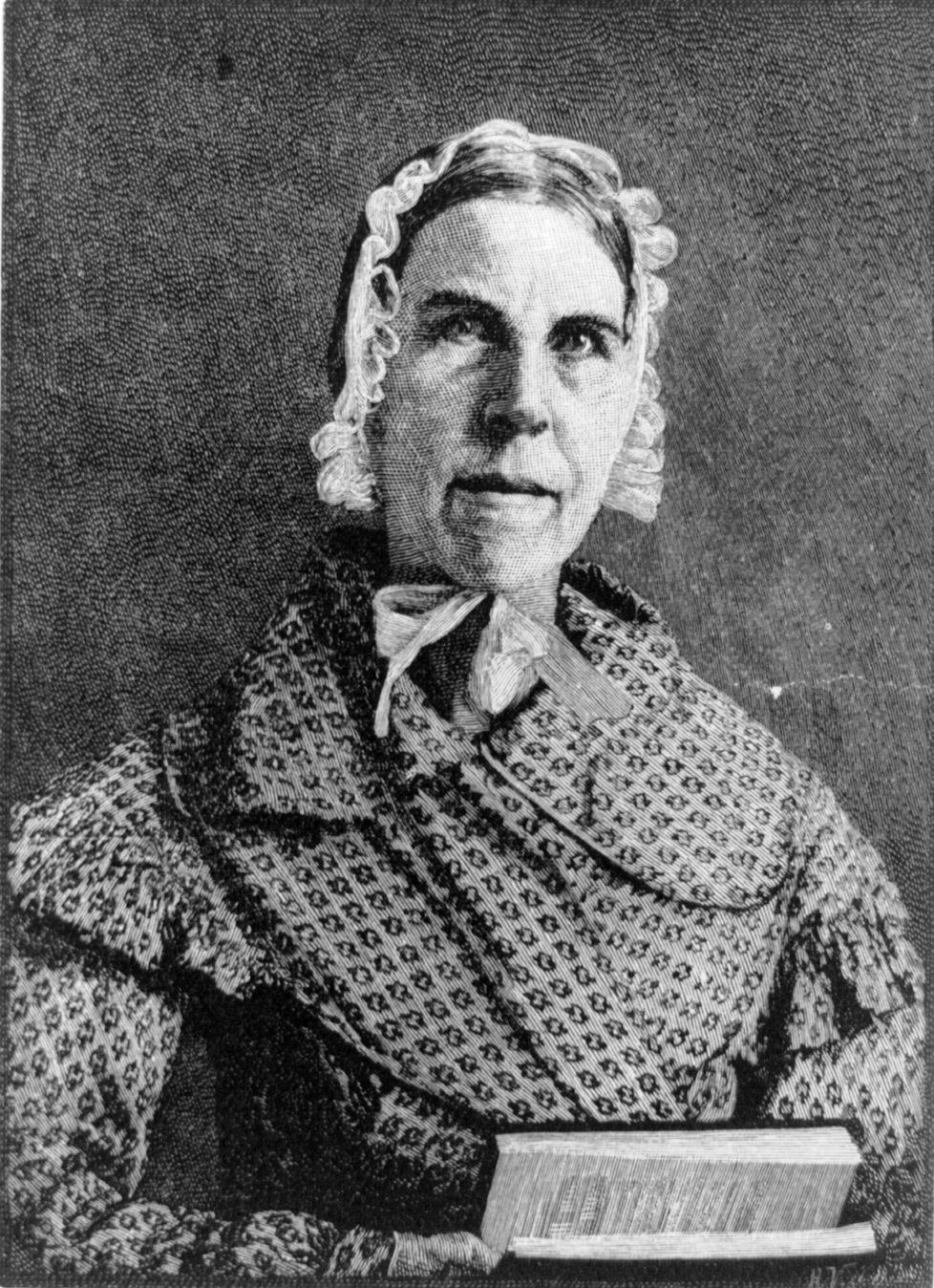 Sarah GrimkéAbolitionist and women's rights theorist born into a slave-owning South Carolina family, whose Letters on the Equality of the Sexes argued from Scripture that women and men were made equal.
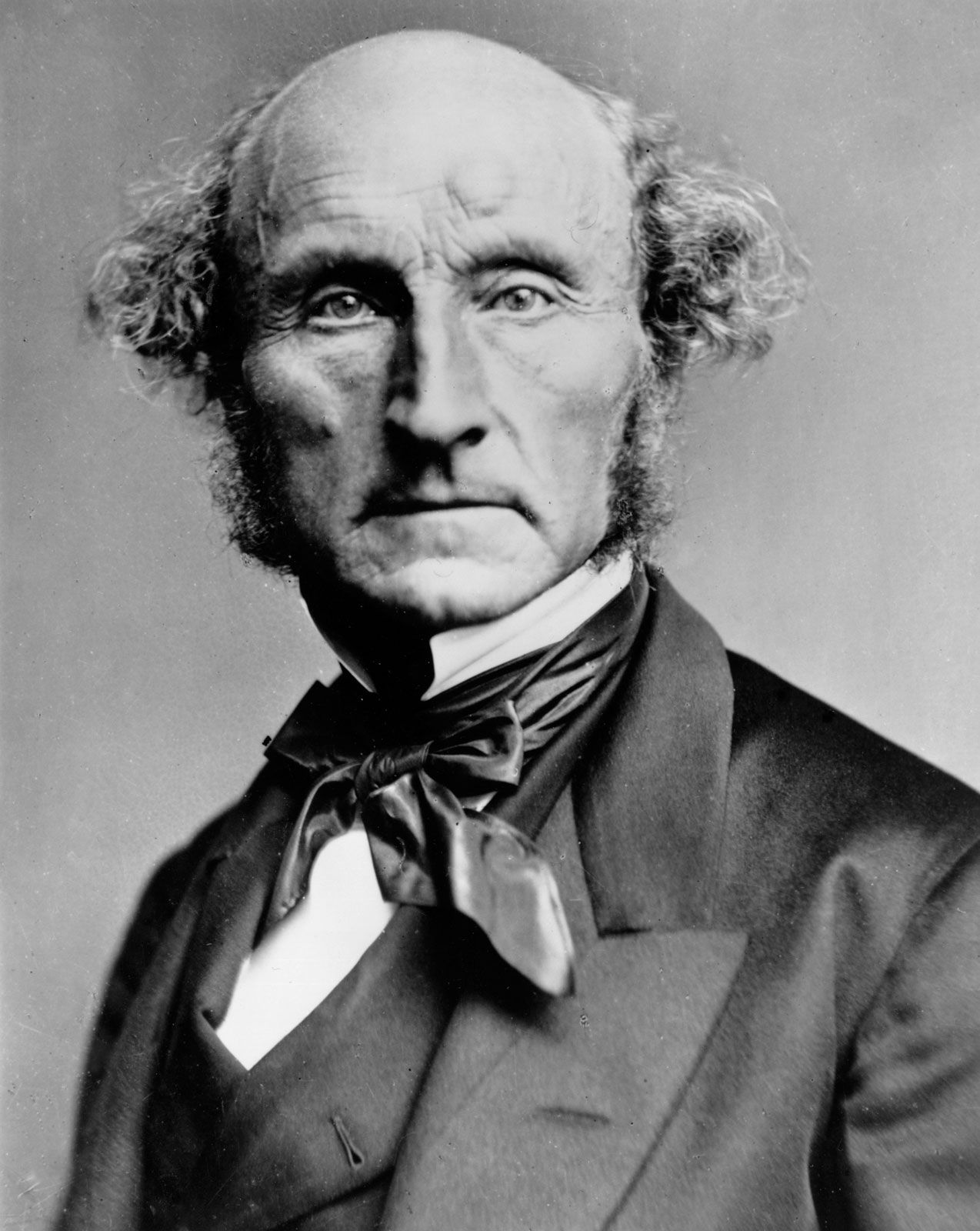 John Stuart MillThe nineteenth century's most influential philosopher writing in English: an empiricist, a utilitarian and a liberal, author of On Liberty.
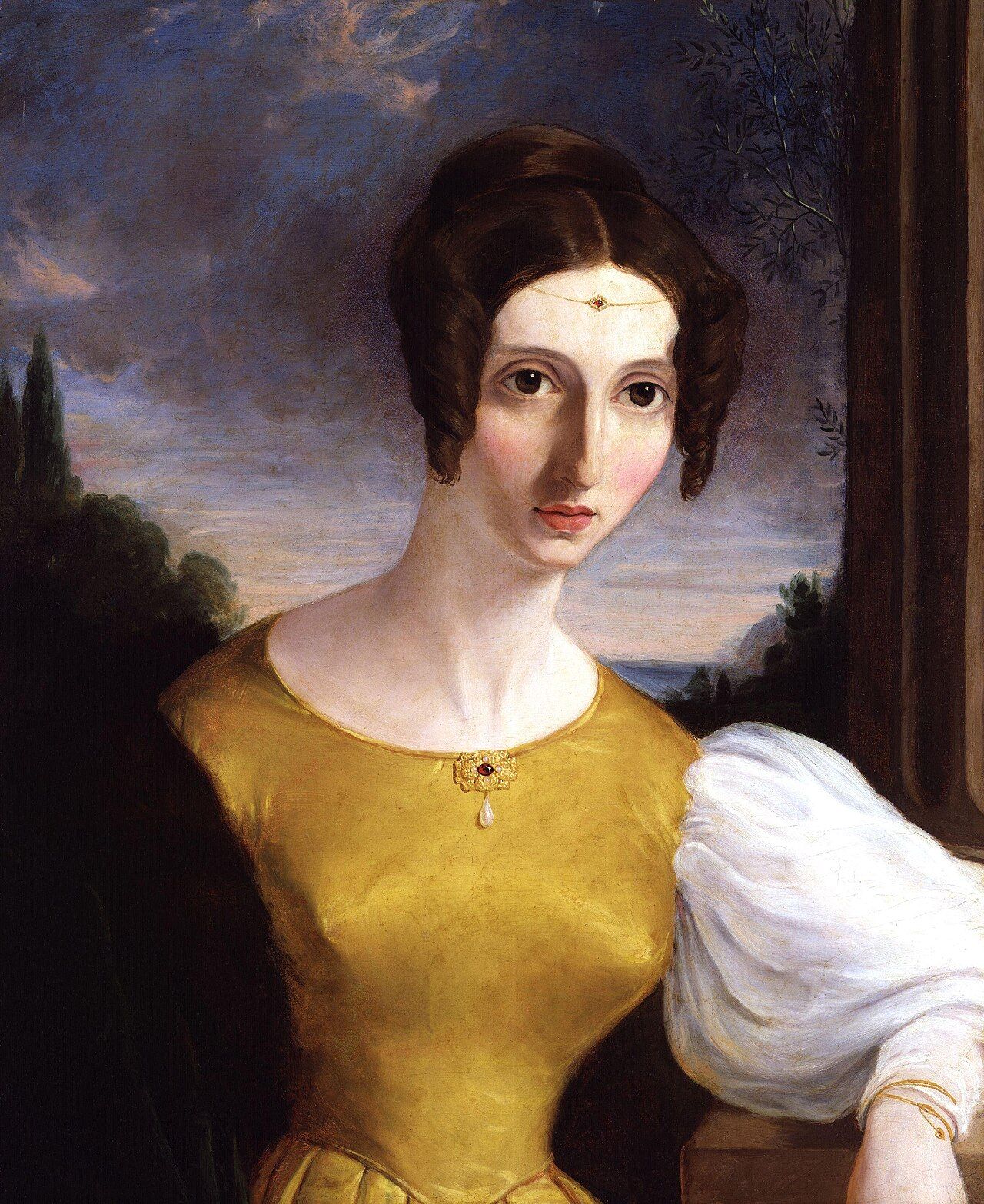 Harriet Taylor MillEnglish philosopher who worked so closely with John Stuart Mill that their contributions are hard to separate, and whose Enfranchisement of Women demanded full equality for women.
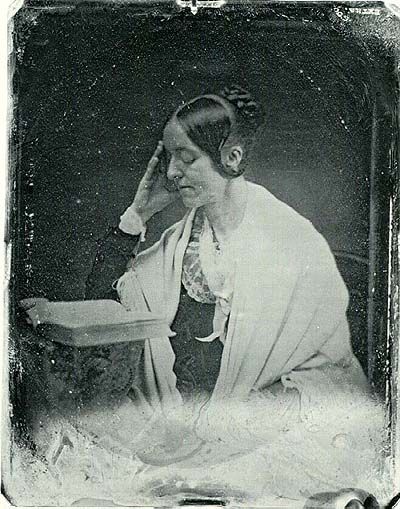 Margaret FullerAmerican transcendentalist, critic and journalist whose Woman in the Nineteenth Century argued that every person combines masculine and feminine qualities.
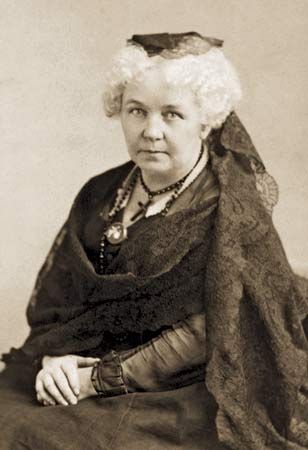 Elizabeth Cady StantonAmerican feminist theorist and the philosopher of the women's suffrage movement, author of the Declaration of Sentiments and, late in life, the critical Woman's Bible.
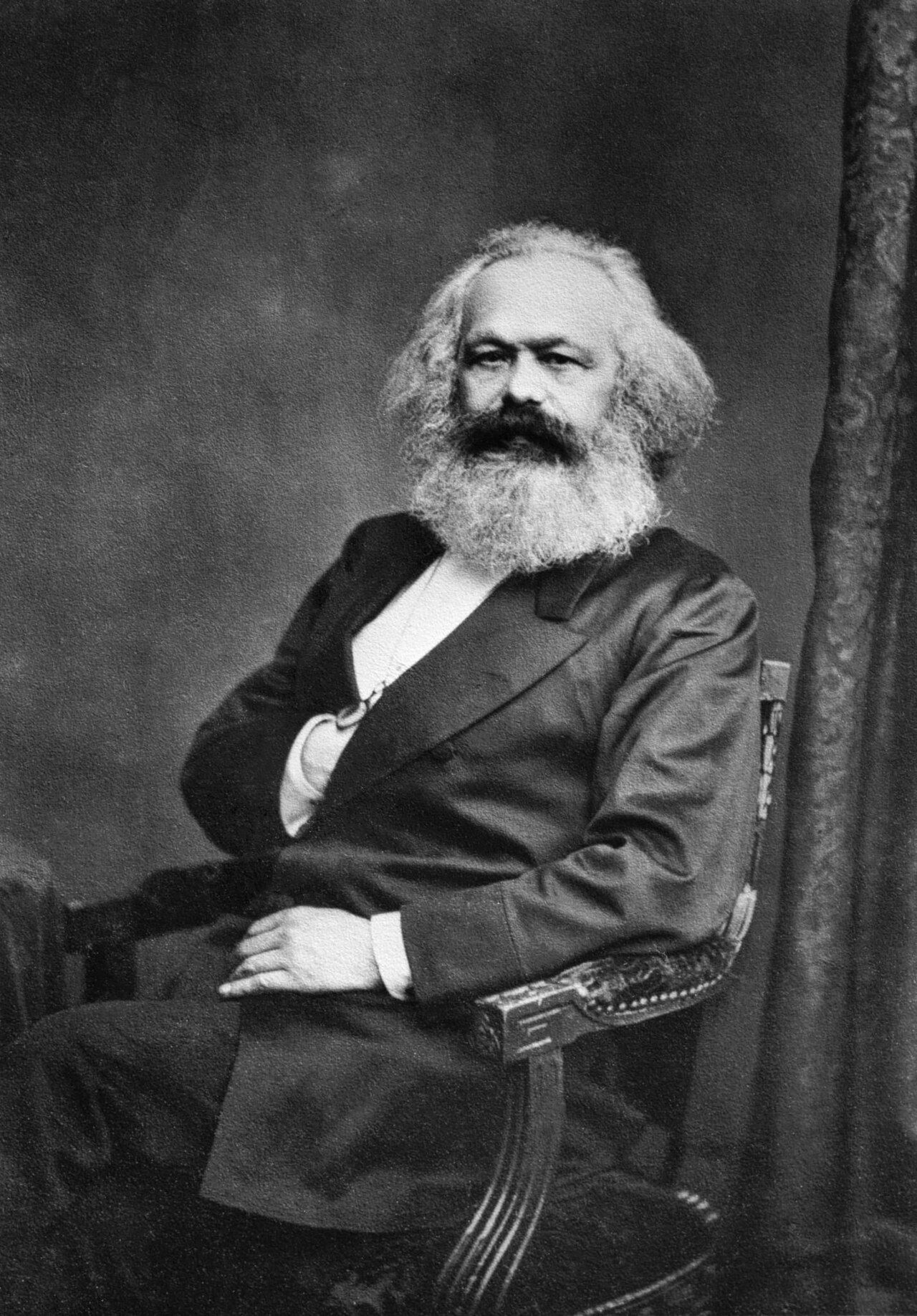 Karl MarxPhilosopher and revolutionary who analysed history in terms of material production and class struggle, and capitalism as a system that alienates workers.
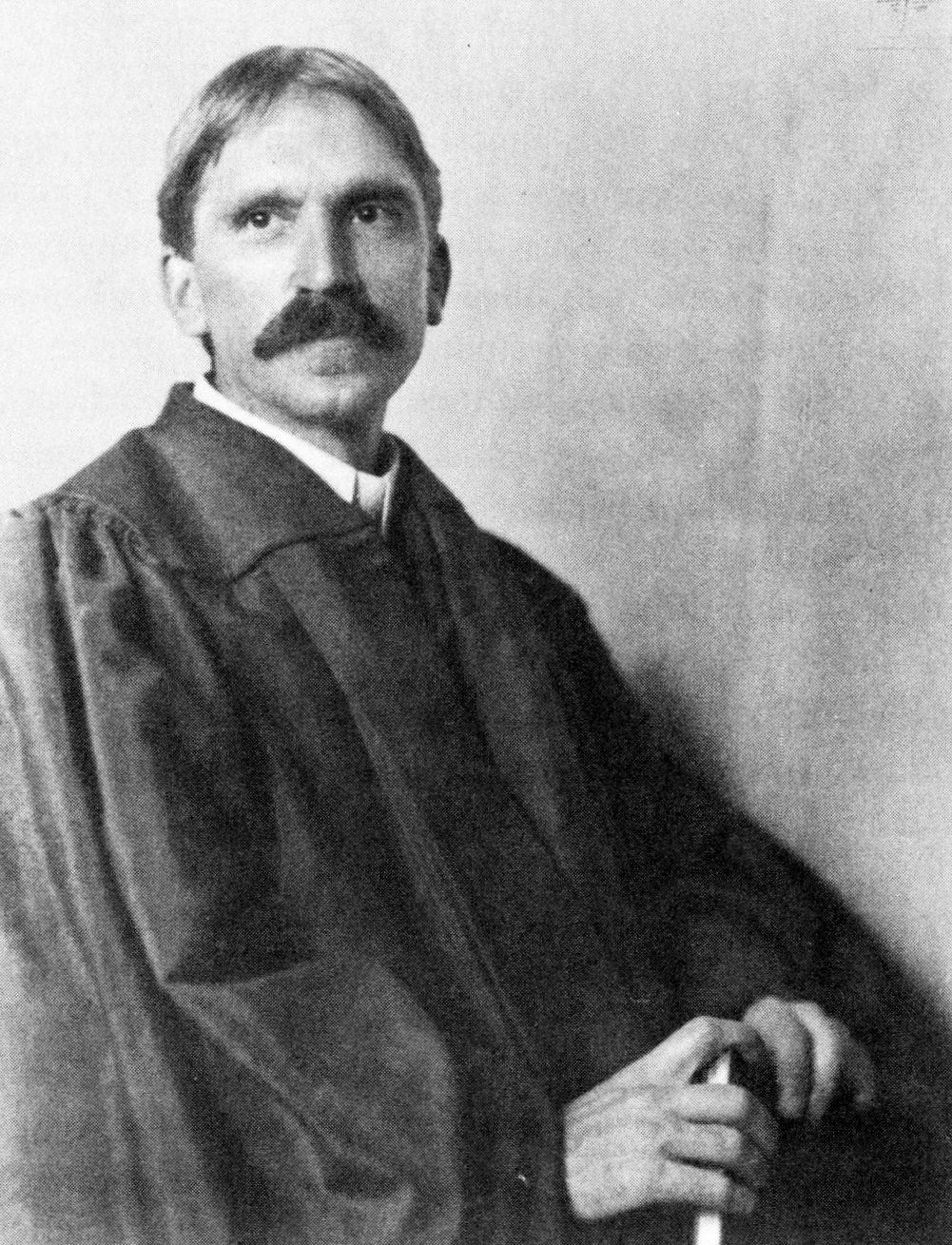 John DeweyPragmatist and perhaps the most prominent American intellectual of his time, who treated thinking as a way of solving problems and saw democracy and education as bound together.
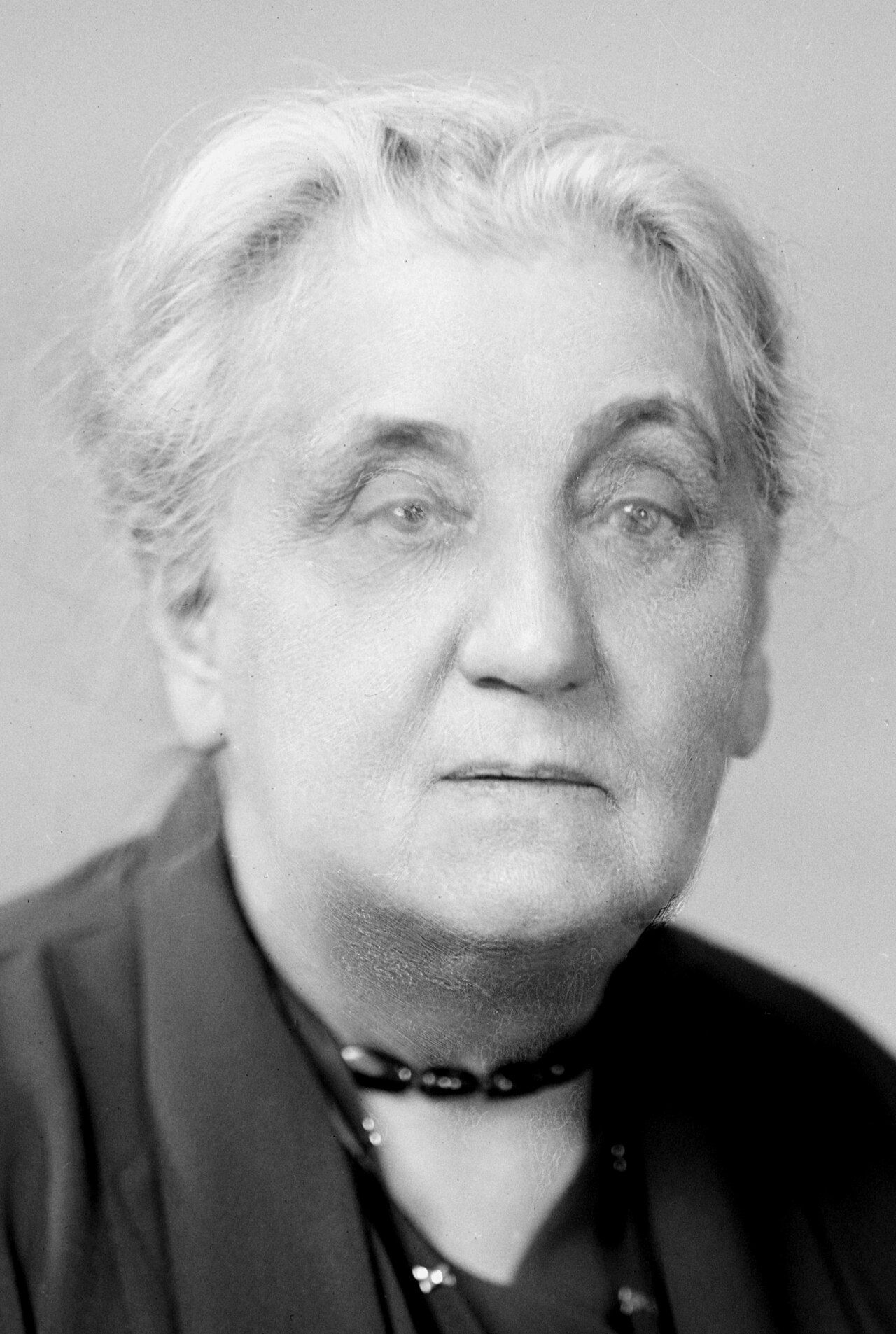 Jane AddamsAmerican pragmatist and social philosopher who founded Chicago's Hull House, built an ethics on 'sympathetic knowledge', and won the Nobel Peace Prize for her work against war.
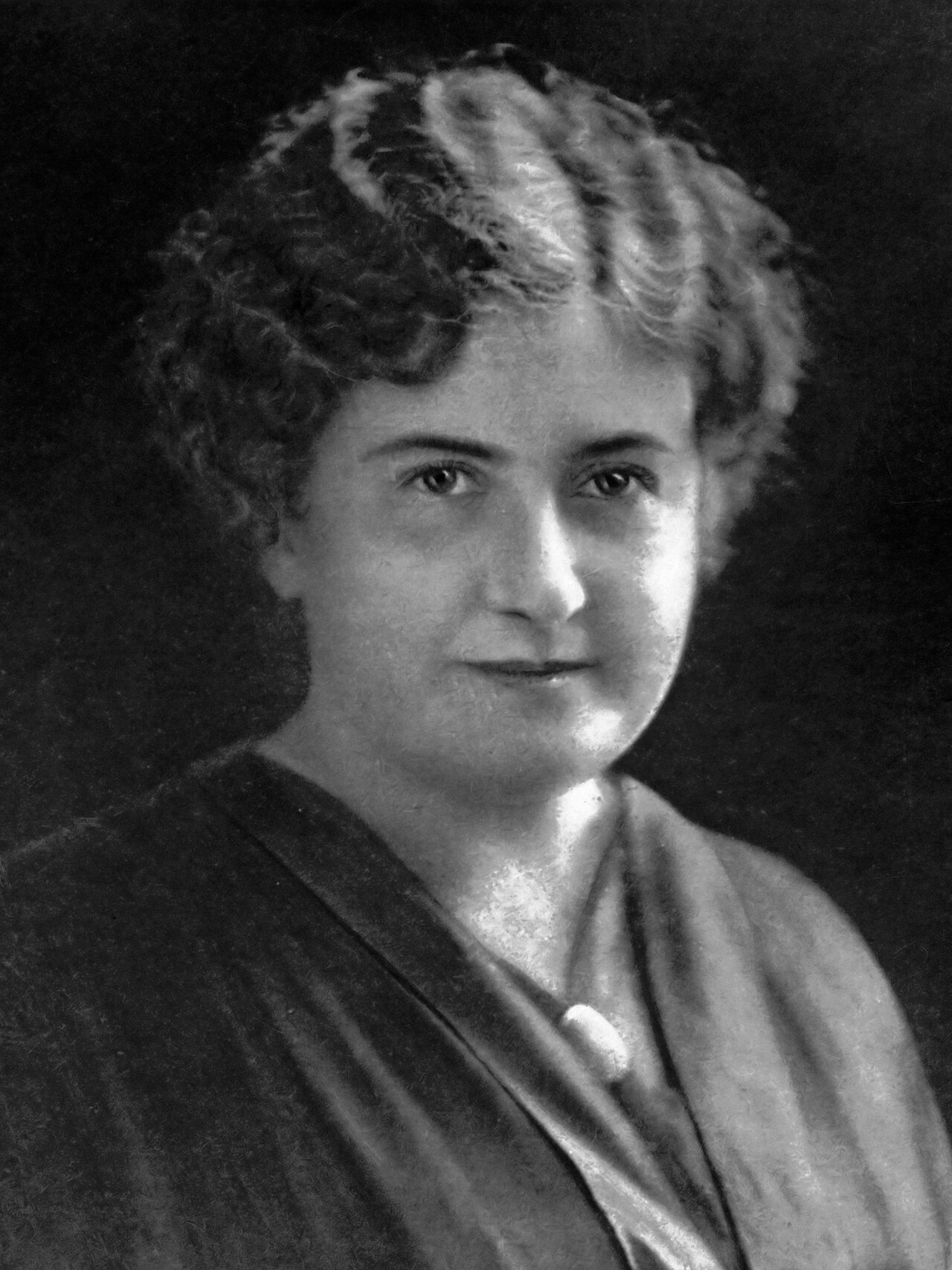 Maria MontessoriItalian physician, psychologist and philosopher whose educational method, based on children's freedom in a prepared environment, now guides schools around the world.
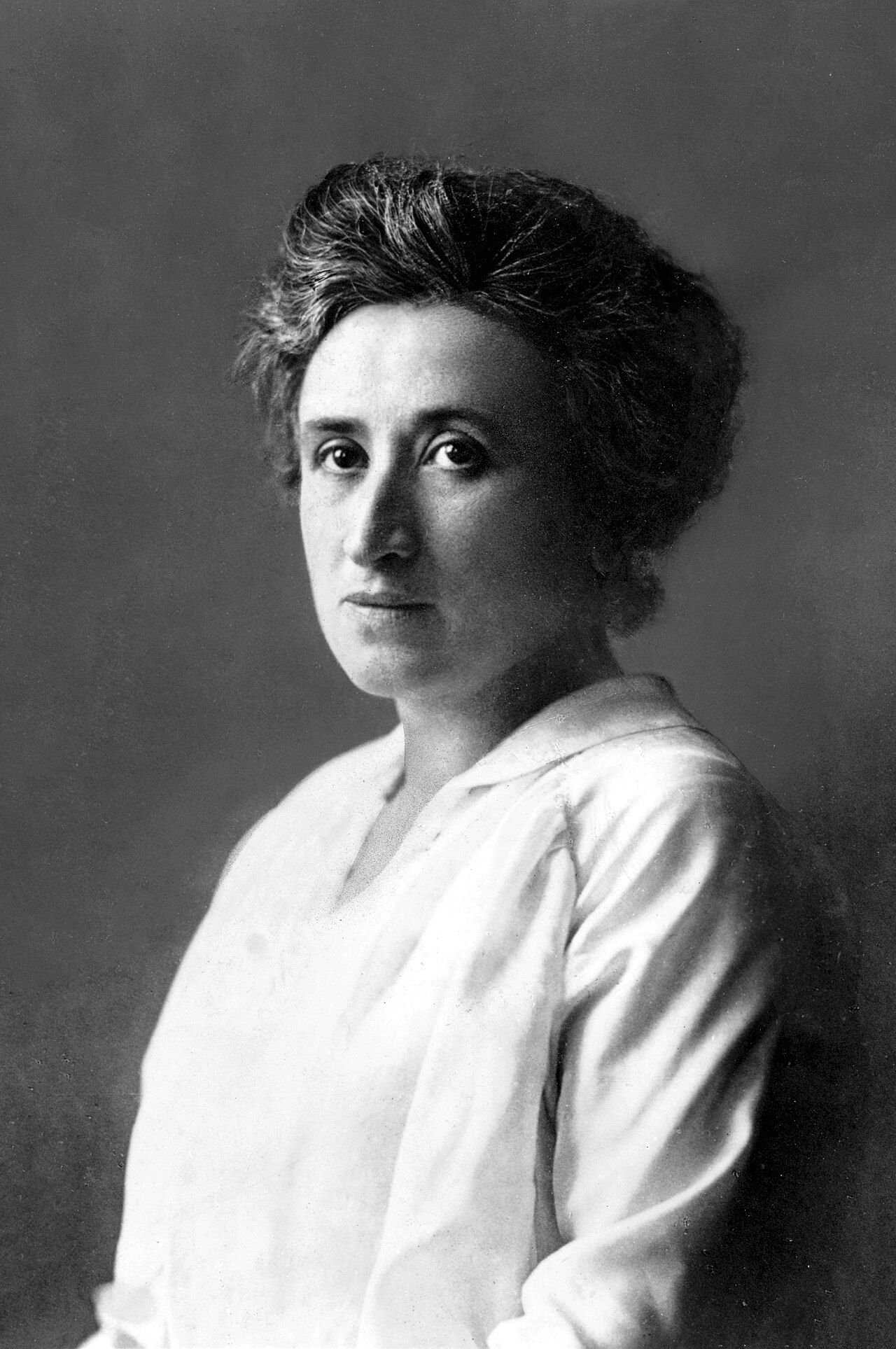 Rosa LuxemburgPolish-born Marxist theorist of capitalism, imperialism and revolutionary democracy, who defended freedom as collective self-rule and was murdered in Berlin in 1919.
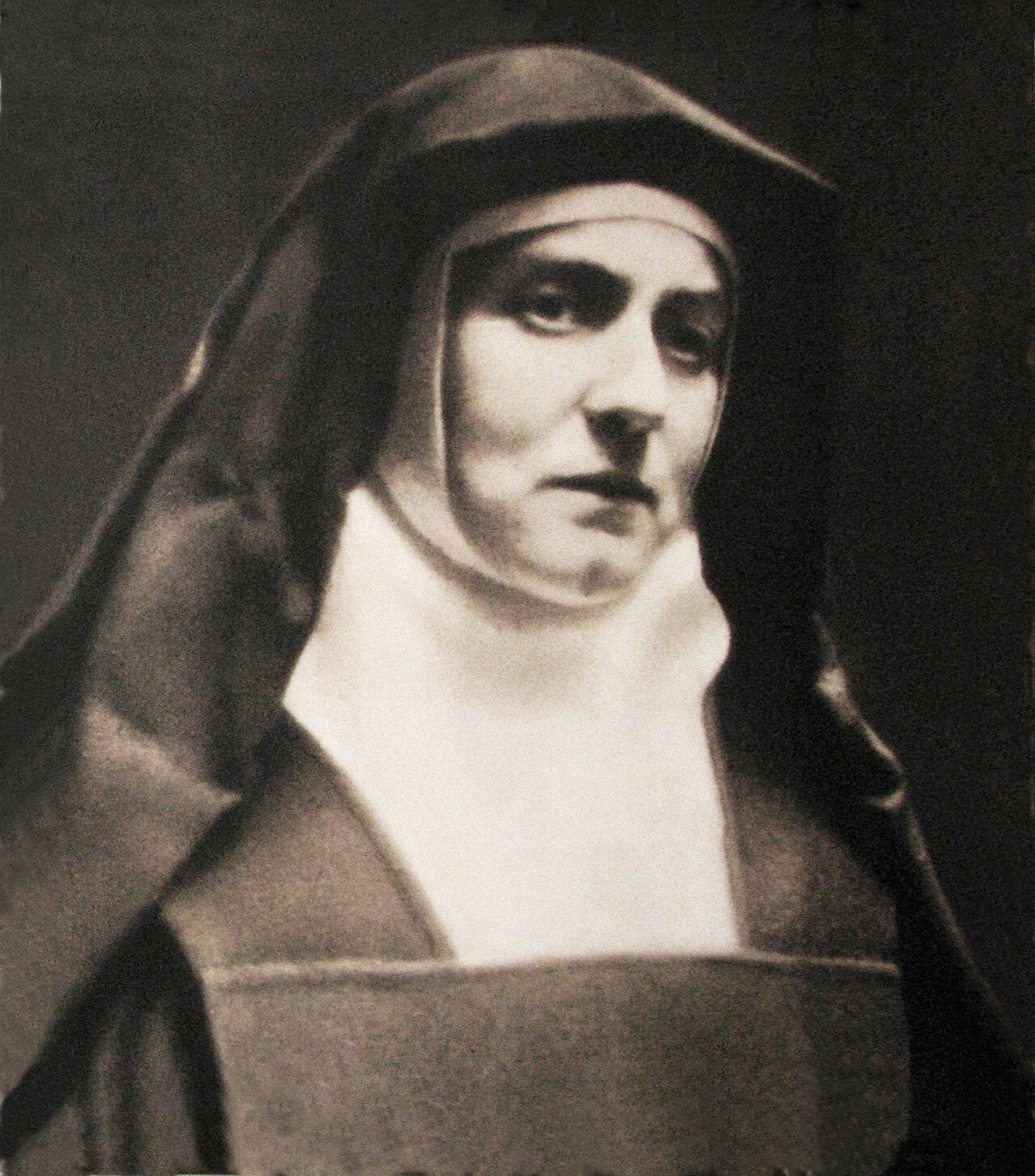 Edith SteinPhenomenologist and Husserl's assistant, known for her account of empathy, who after converting to Catholicism joined phenomenology to Thomist metaphysics; she died at Auschwitz.
- Karl PopperPhilosopher of science who made falsifiability the mark of a scientific theory, and a political philosopher who defended the 'open society' against totalitarianism.
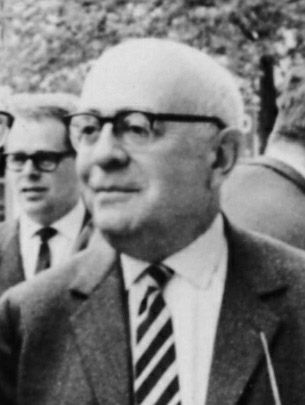 Theodor W. AdornoFrankfurt School philosopher, sociologist and music critic whose Dialectic of Enlightenment, written with Horkheimer, argued that modern reason had turned into a new form of domination.
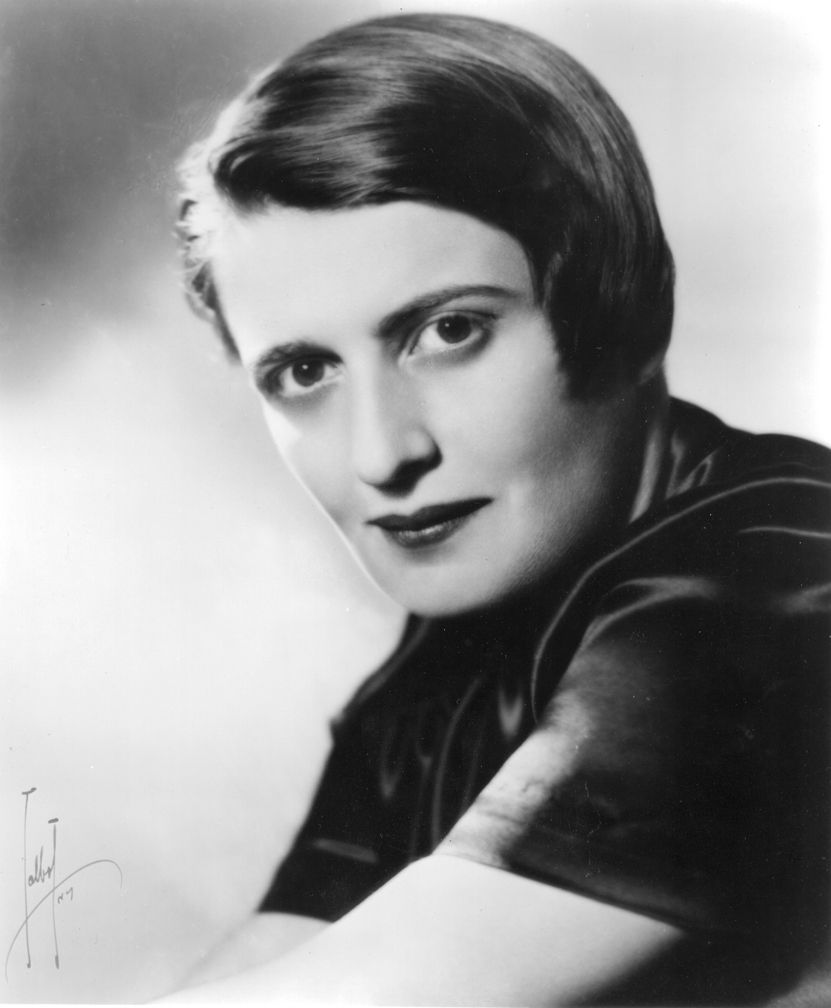 Ayn RandRussian-born American novelist-philosopher whose Objectivism defended rational egoism, individual rights and capitalism, through novels such as Atlas Shrugged.
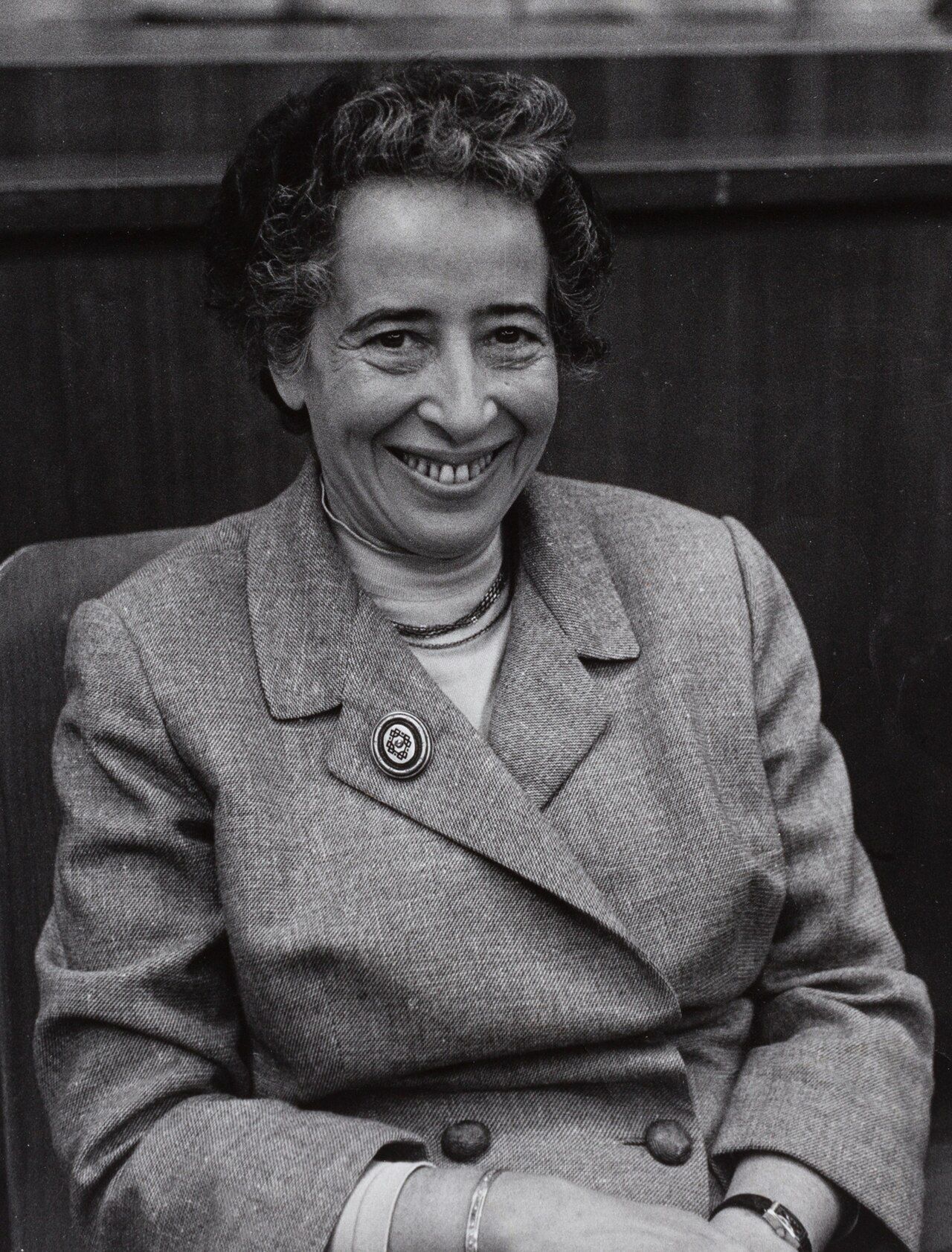 Hannah ArendtGerman-American political thinker who analysed totalitarianism, defended political action and plurality, and coined the phrase "the banality of evil".
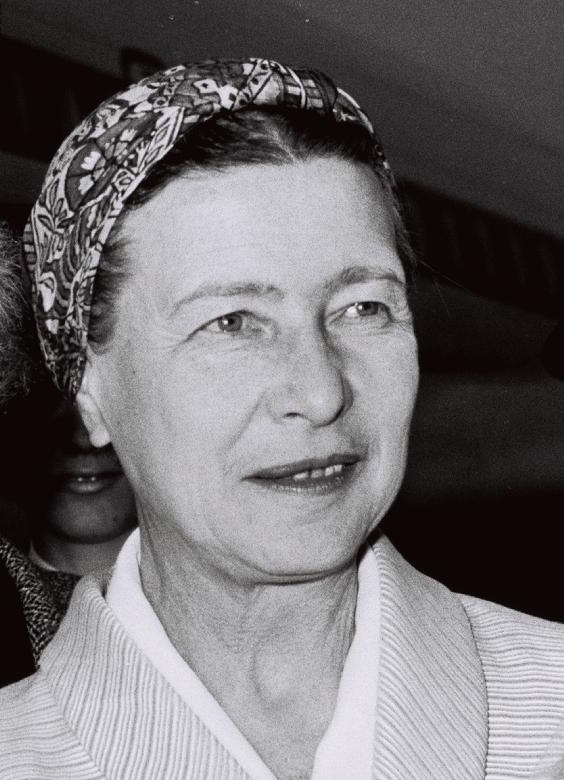 Simone de BeauvoirFrench existentialist philosopher and novelist whose The Second Sex argued that “one is not born, but rather becomes, a woman”.
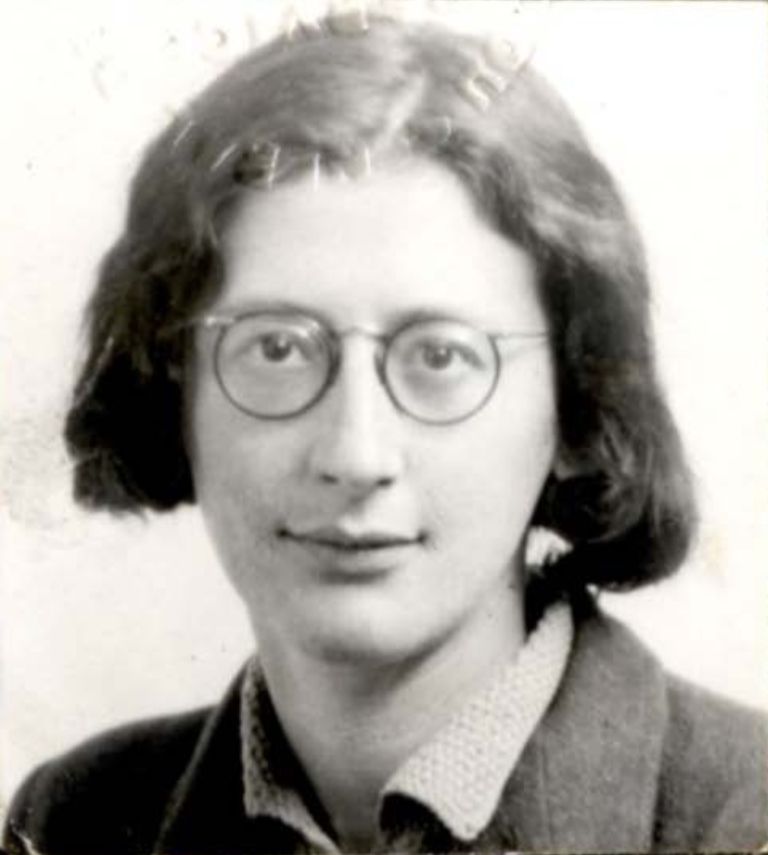 Simone WeilFrench philosopher, activist and mystic who worked in factories to understand oppression, and whose late thought centred on attention, affliction and the soul's need for roots.
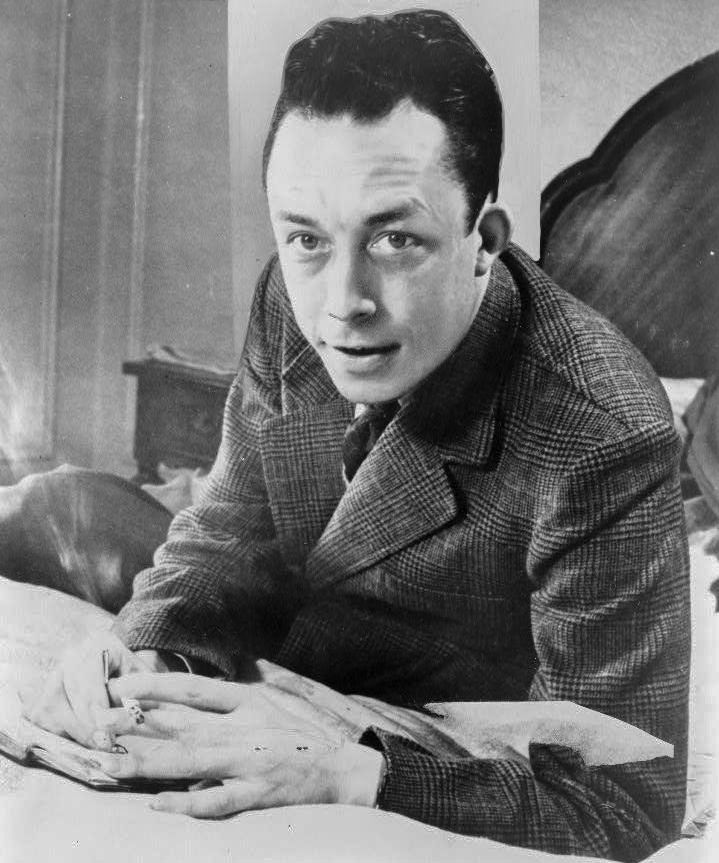 Albert CamusFrench novelist, journalist and philosopher of the absurd, who asked whether life is worth living in a silent universe and answered with revolt.
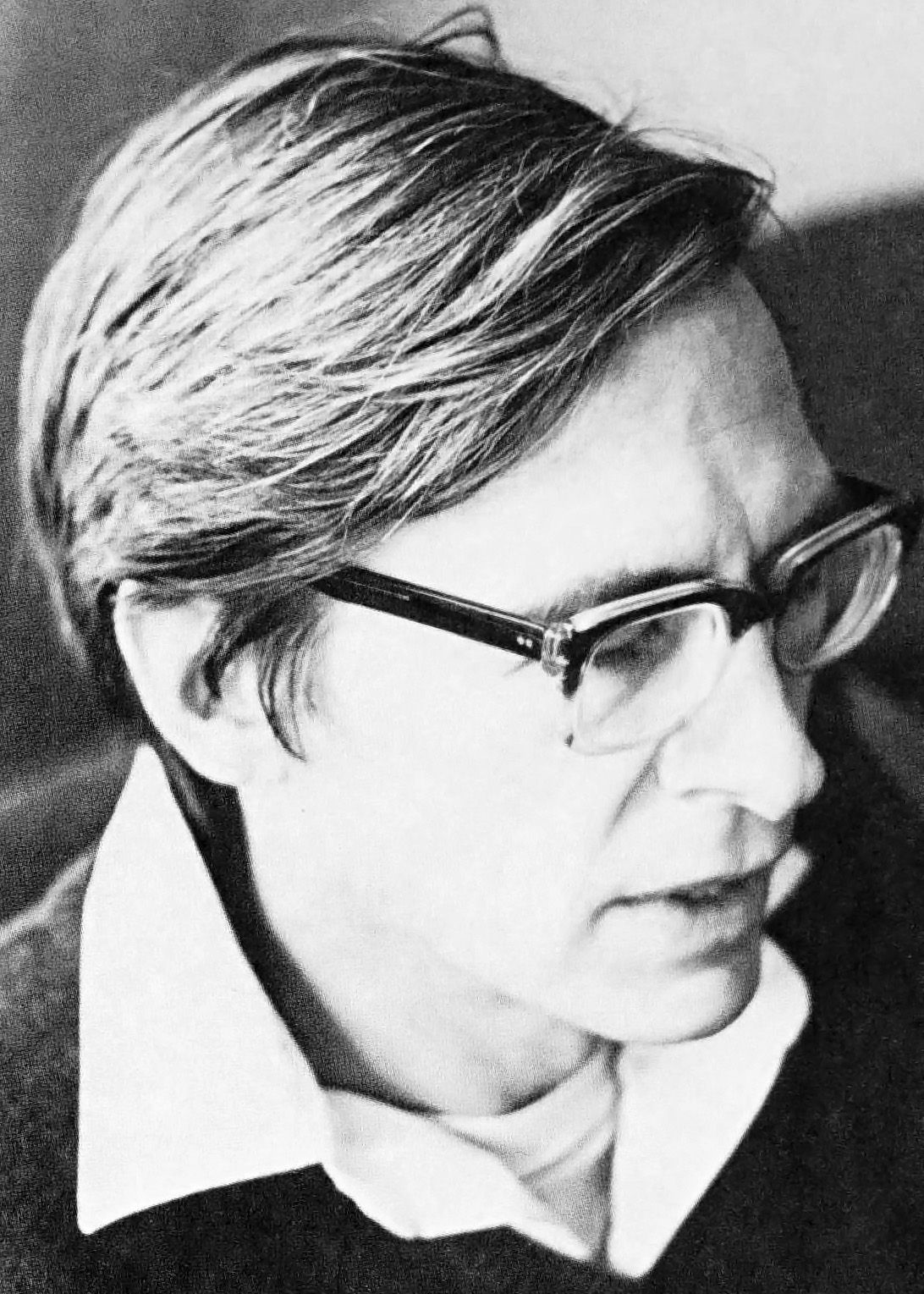 John RawlsAmerican political philosopher in the social contract tradition, whose A Theory of Justice asks what principles free and equal citizens would choose behind a veil of ignorance.
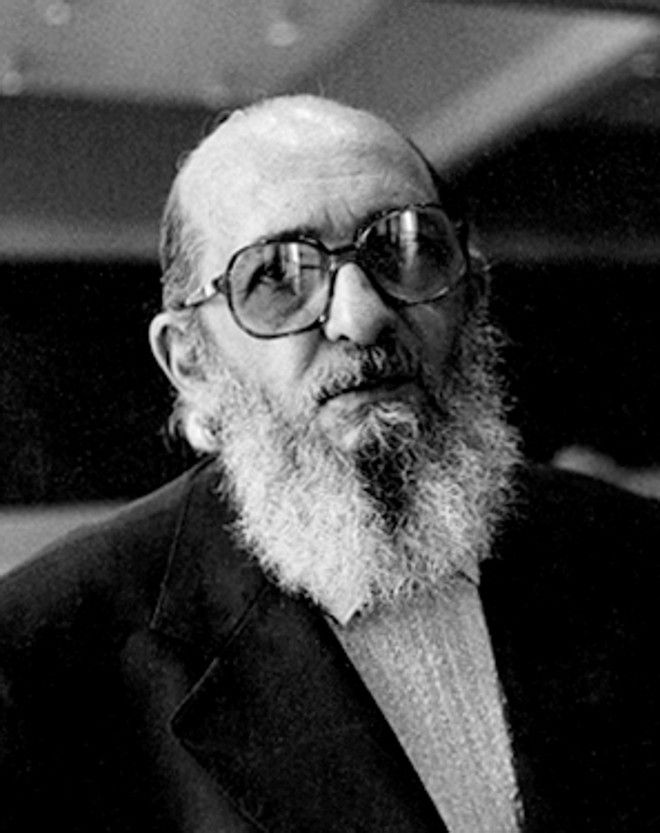 Paulo FreireBrazilian educator and philosopher whose Pedagogy of the Oppressed attacked "banking" education and taught literacy as a path to critical awareness and freedom.
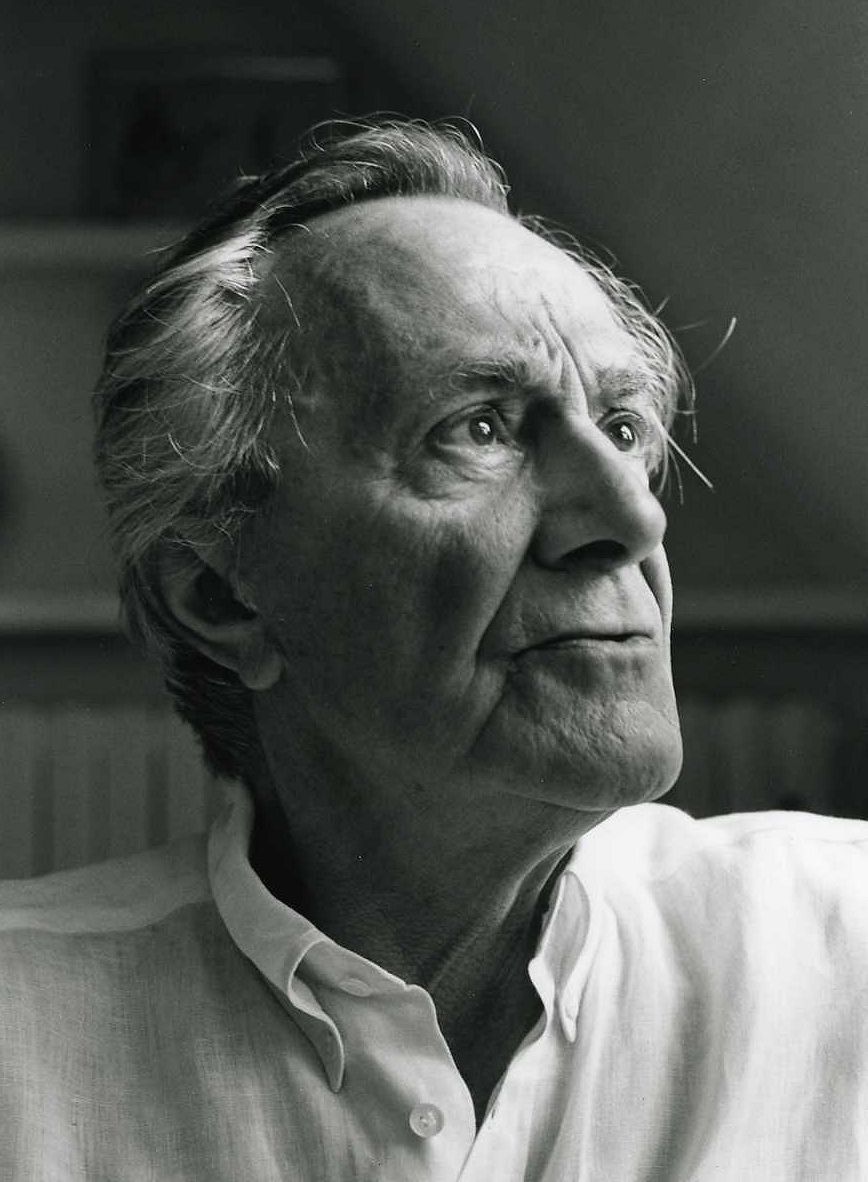 Jean-François LyotardFrench philosopher whose The Postmodern Condition defined the postmodern as "incredulity towards metanarratives", and then asked what justice could mean without such grand stories.
- Gilles DeleuzeFrench philosopher of difference who called himself a "pure metaphysician", replacing substance with multiplicity, and who wrote Anti-Oedipus and A Thousand Plateaus with Félix Guattari.
- Michel FoucaultFrench historian and philosopher who wrote histories of madness, the prison and sexuality to show how knowledge and power shape what seems natural and necessary.
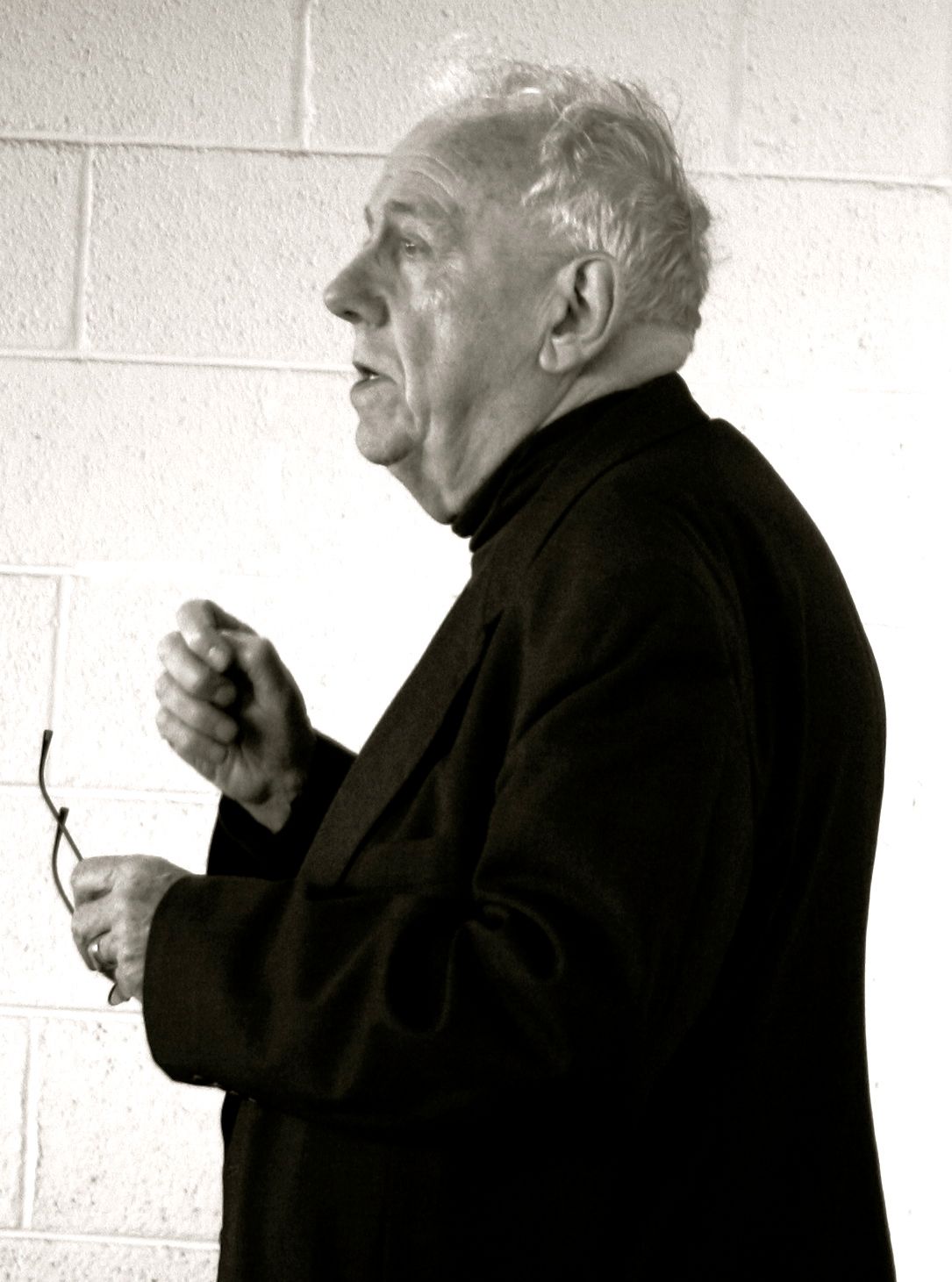 Alasdair MacIntyreScottish-born moral philosopher whose After Virtue diagnosed modern moral talk as a "culture of emotivism" and called for a renewal of Aristotle’s ethics of the virtues within communities.
- Bernard WilliamsEnglish moral philosopher who argued that ethical life is too untidy for any systematic theory, and who made integrity, moral luck and truthfulness central topics of ethics.
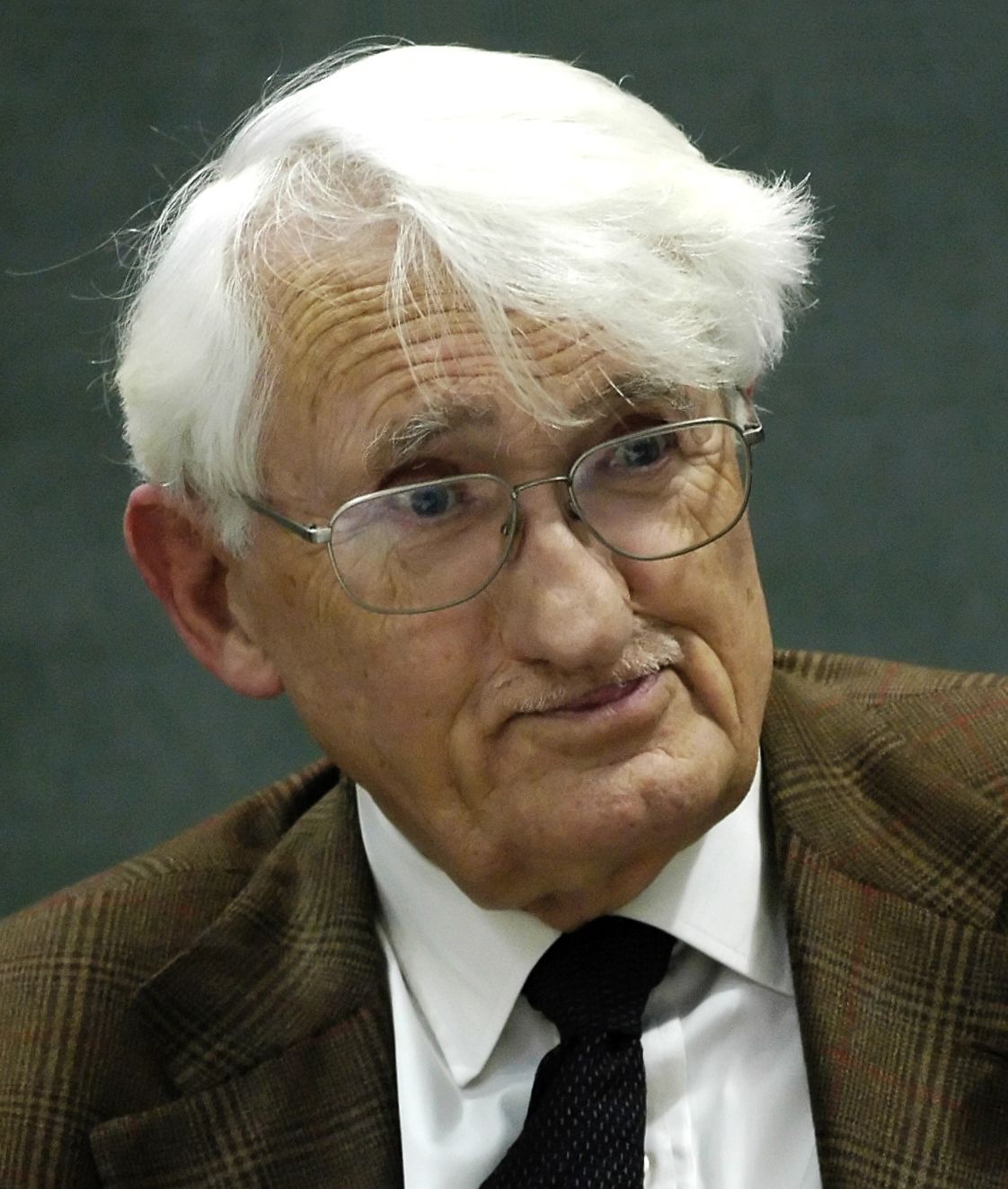 Jürgen HabermasGerman social theorist and public intellectual who grounded morality and democracy in communication aimed at agreement, and defended the public sphere against its erosion.
- Ignacio EllacuríaSpanish-born Salvadoran Jesuit whose philosophy of liberation, built on Xavier Zubiri’s metaphysics, called for a preferential option for the marginalised. Soldiers murdered him in 1989.
 Jacques DerridaAlgerian-born French philosopher who founded deconstruction, a way of reading texts and institutions that unsettles the oppositions on which Western thought is built.
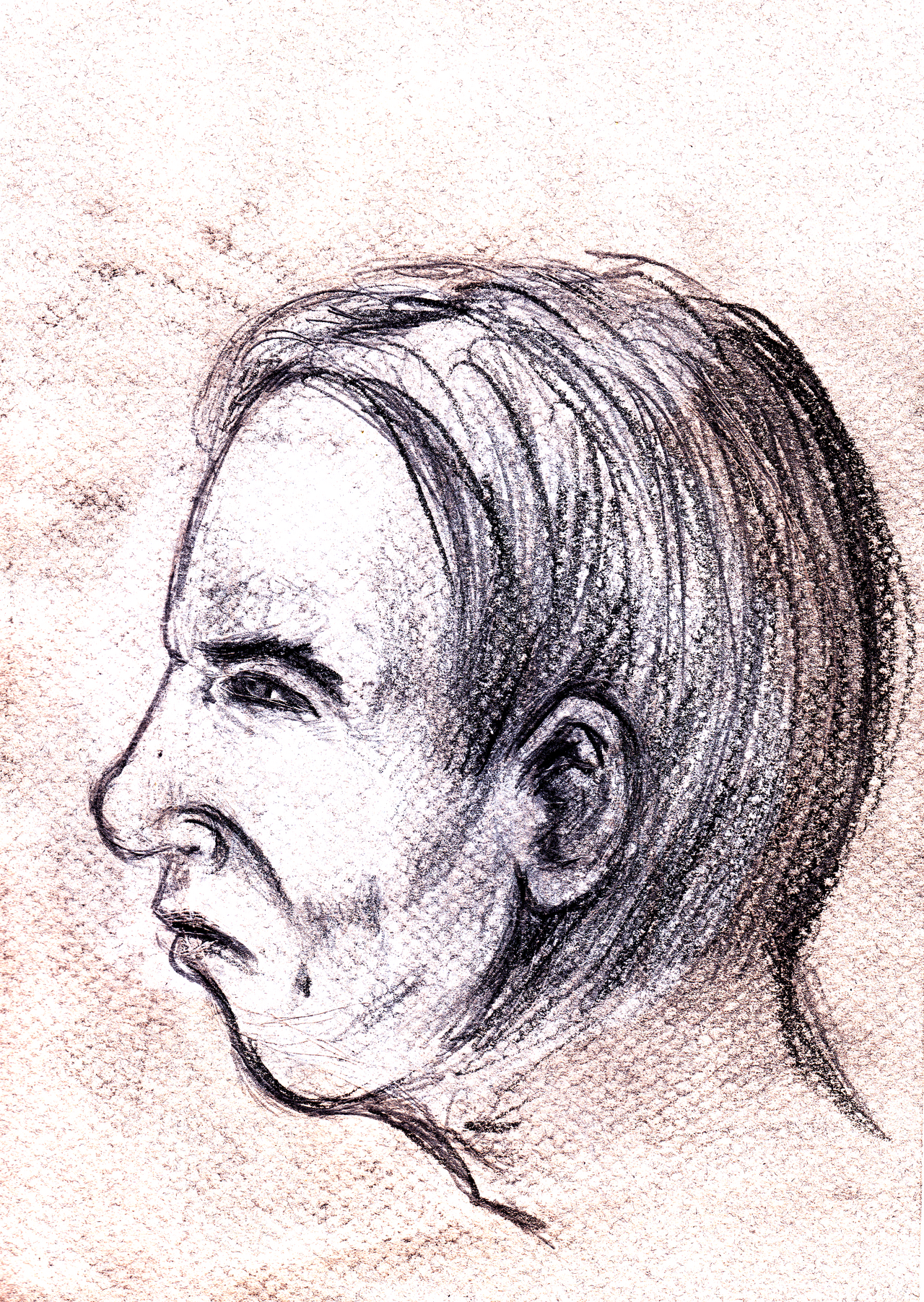 Richard RortyAmerican pragmatist whose Philosophy and the Mirror of Nature attacked the idea of knowledge as a mental mirror of reality, and who defended a liberalism resting on solidarity rather than foundations.
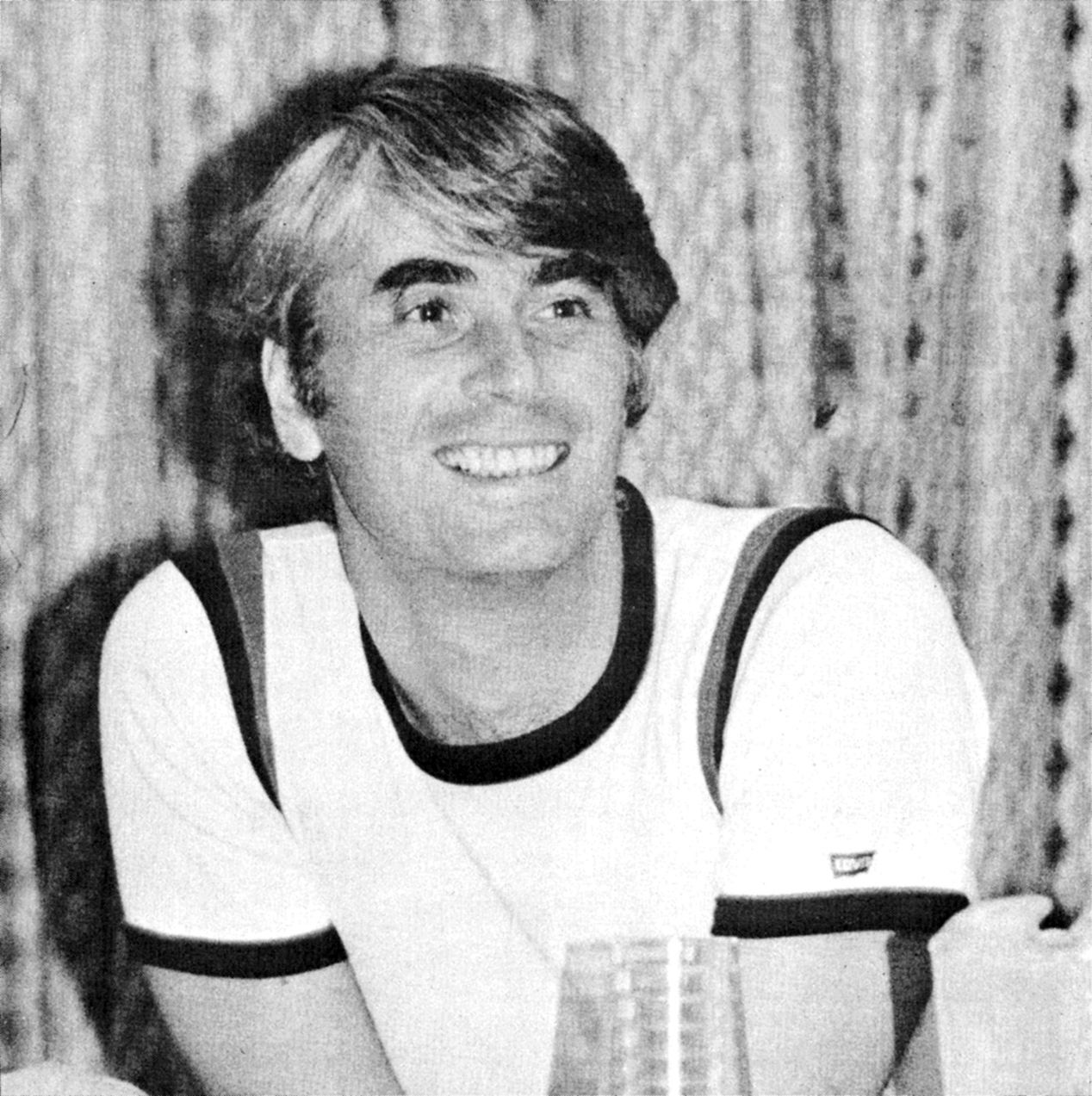 Robert NozickAmerican philosopher whose Anarchy, State, and Utopia made the classic case for a libertarian minimal state against Rawls, and who went on to new theories of knowledge and personal identity.
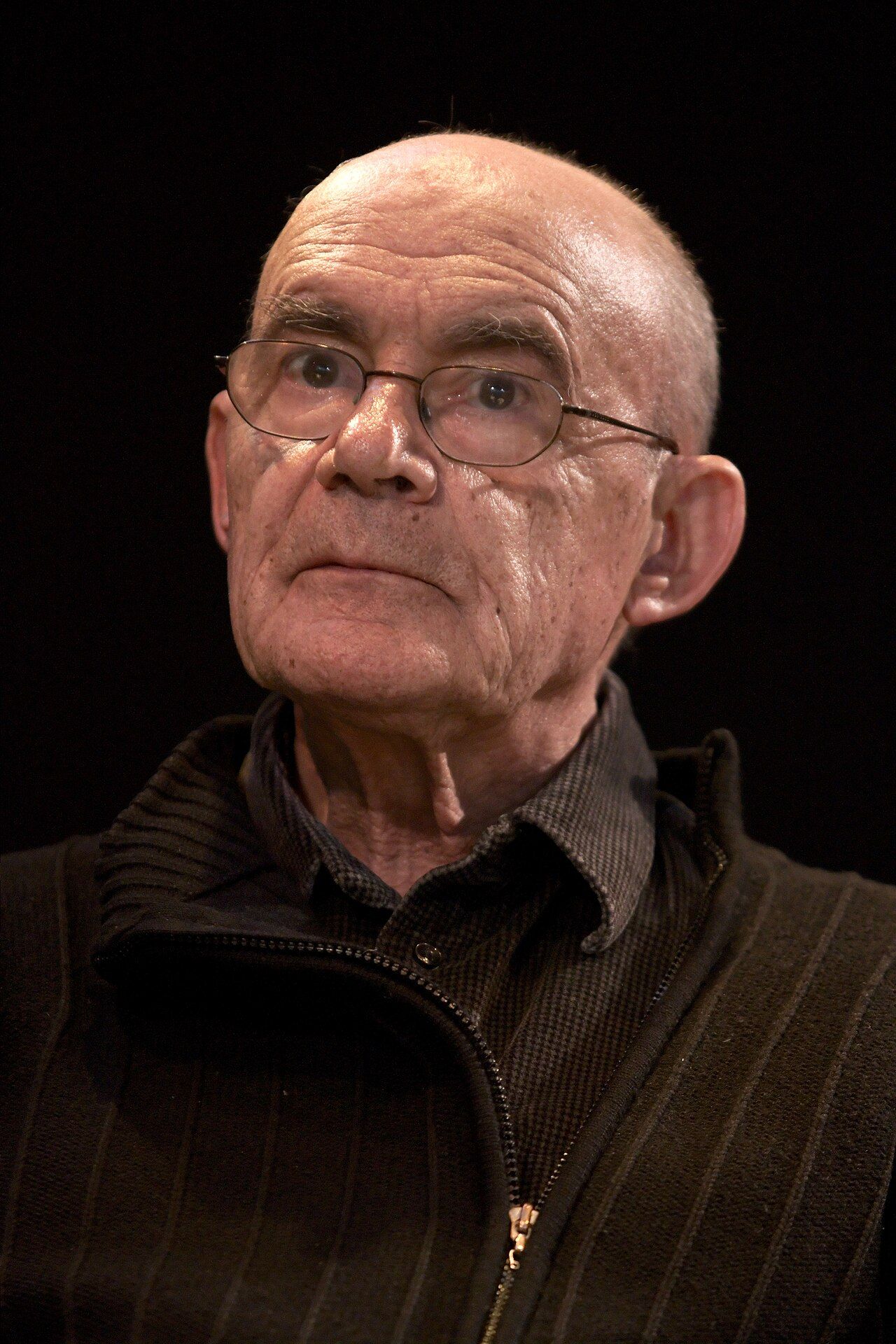 Jean-Luc NancyFrench philosopher of community and "being-with" who argued that the longing for a closed, unified community lies behind much modern political violence.
 Giorgio AgambenItalian philosopher whose Homo Sacer argues that sovereign power rests on excluded "bare life", and that the camp, where the exception is the rule, is the hidden pattern of modern politics.
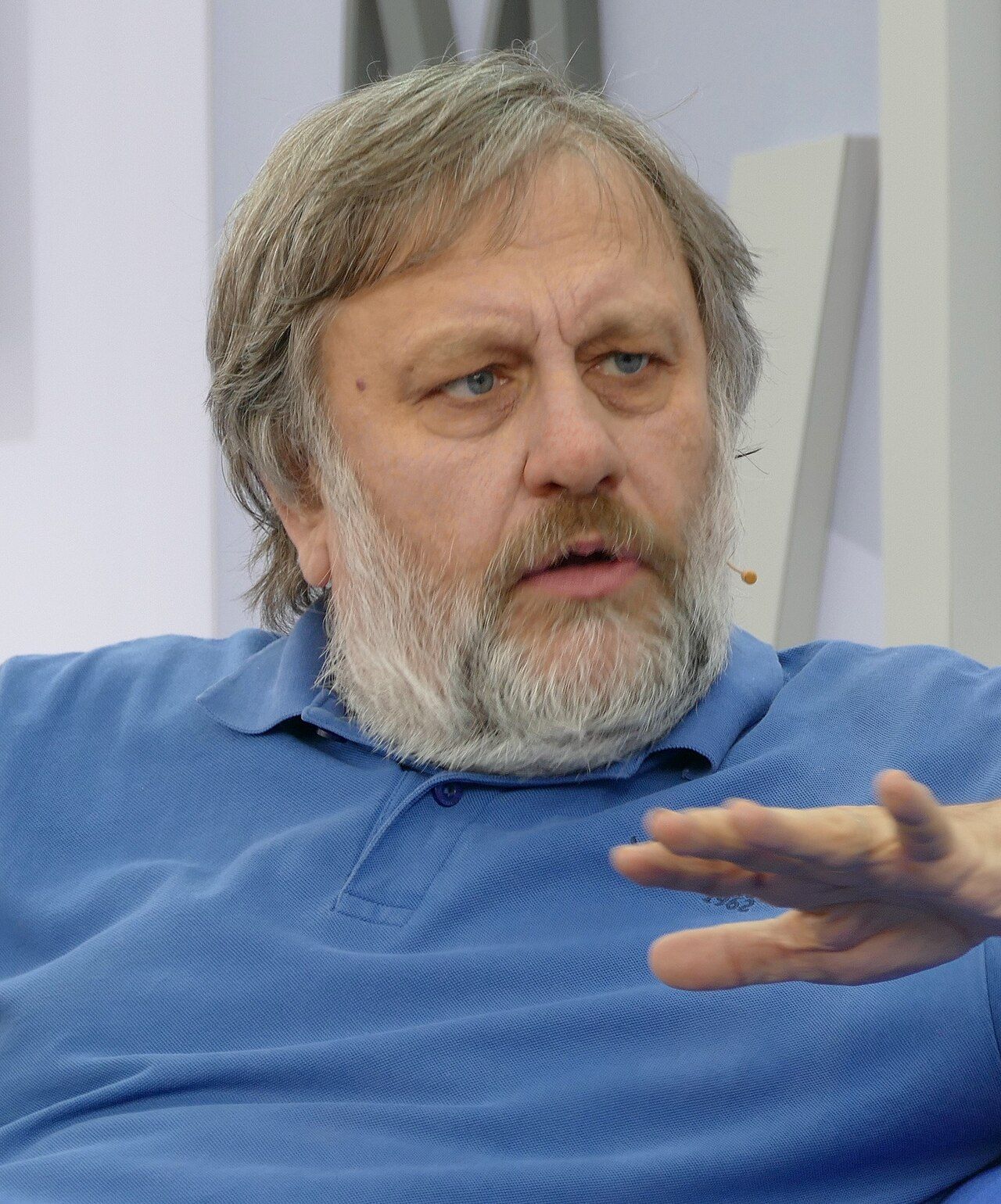 Slavoj ŽižekSlovenian philosopher and cultural critic who reads German idealism through Lacan’s psychoanalysis to argue that ideology still governs a supposedly post-ideological world.
Jewish
- Joseph AlboJewish philosopher of Christian Spain whose Book of Principles reduced the necessary beliefs of a divine law to three: God's existence, revelation, and reward and punishment.
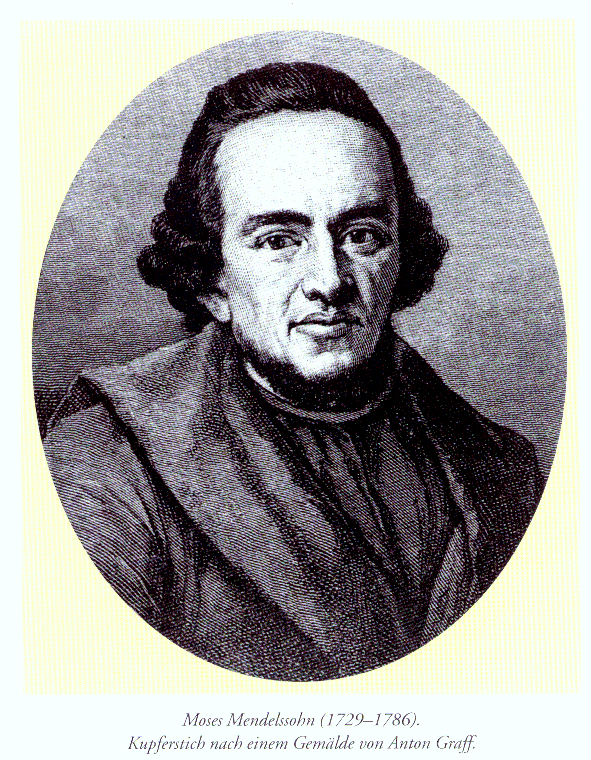 Moses MendelssohnJewish philosopher at the heart of the German Enlightenment, who argued for the immortality of the soul and for religious tolerance, holding that neither church nor state may coerce belief.
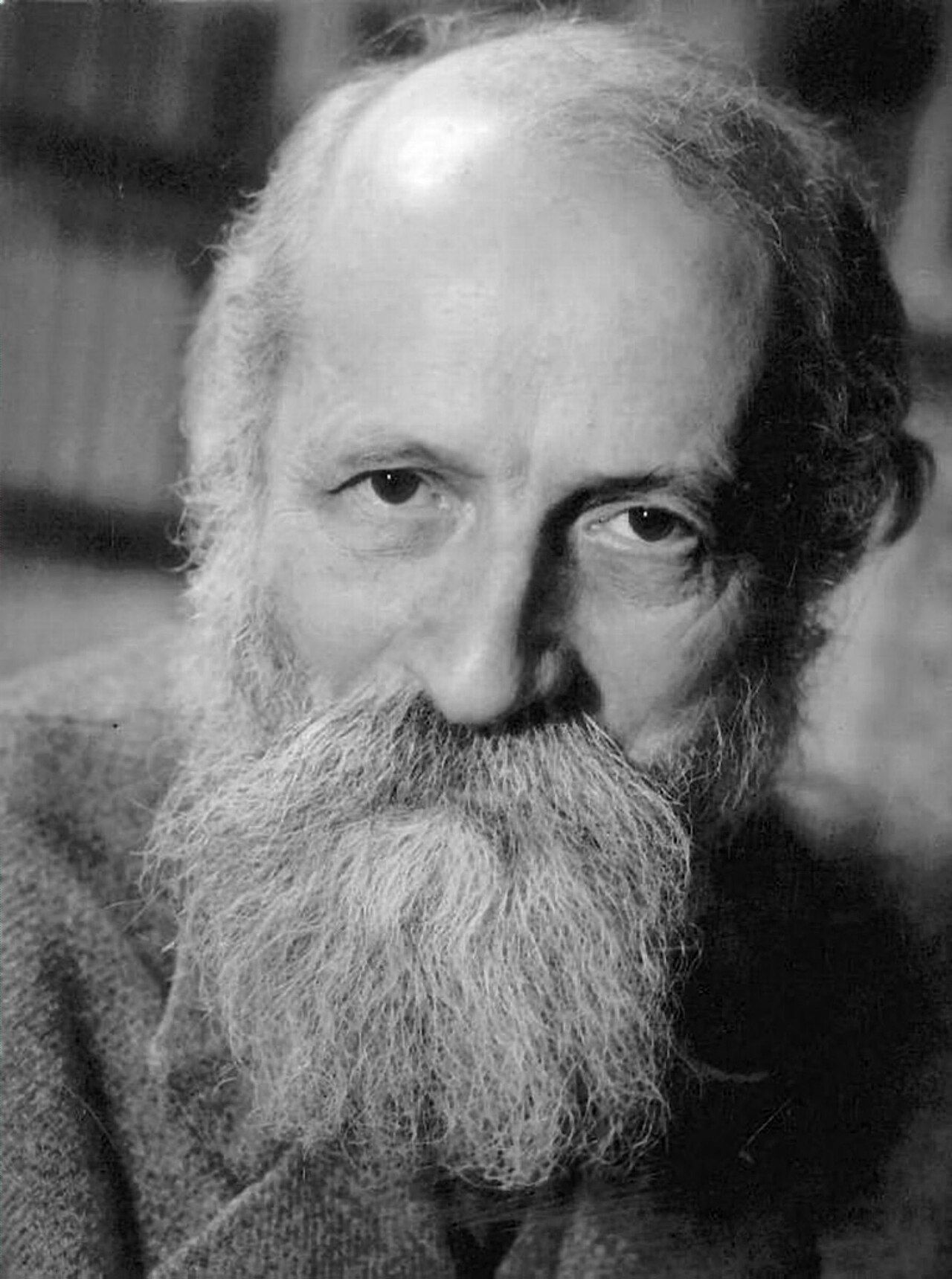 Martin BuberAustrian-born Jewish philosopher of dialogue, best known for I and Thou, who retold Hasidic tales, translated the Bible and argued for a shared Jewish-Arab state in Palestine.
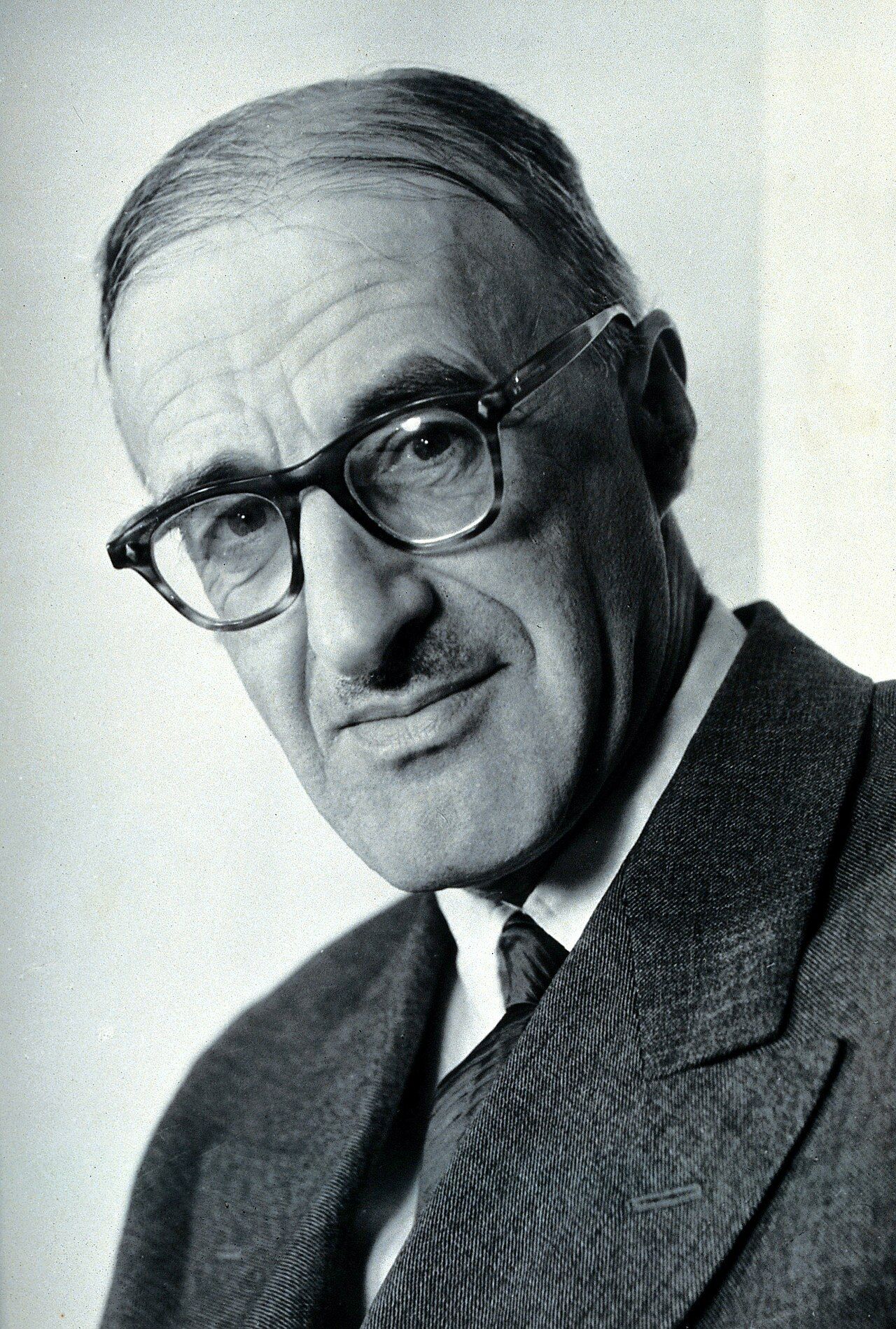 Yeshayahu LeibowitzIsraeli scientist and public intellectual whose radical theocentrism joined strict Orthodox practice to a stripped-down faith, and led him to oppose the occupation after 1967.
Arabic and Islamic
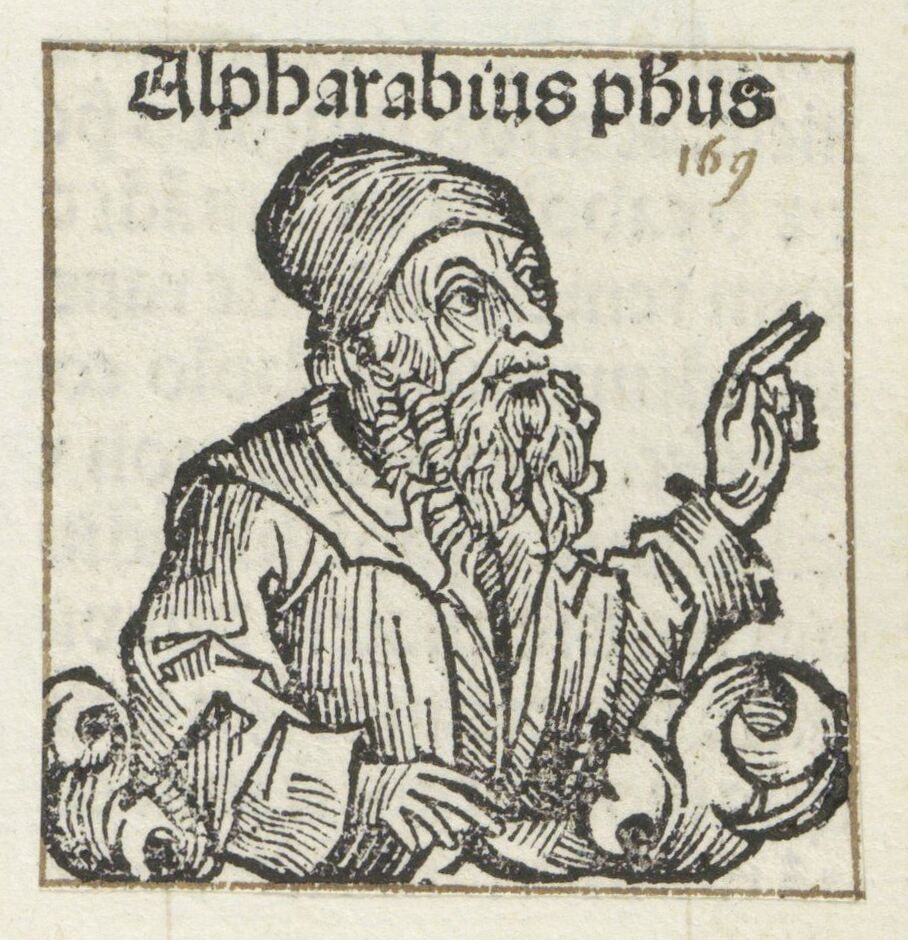 al-FarabiCalled the 'Second Teacher' after Aristotle, he established the Arabic tradition of Aristotelian logic and wrote on the ideal, virtuous city.
- AvempaceAndalusian philosopher who taught how the lone philosopher should live in an imperfect city, and rise towards union with the Active Intellect.
 Sayyid QutbEgyptian writer turned Islamist ideologue, executed in 1966, who described all contemporary societies, Muslim ones included, as living in jahiliyya and called for God's sovereignty alone.
Chinese
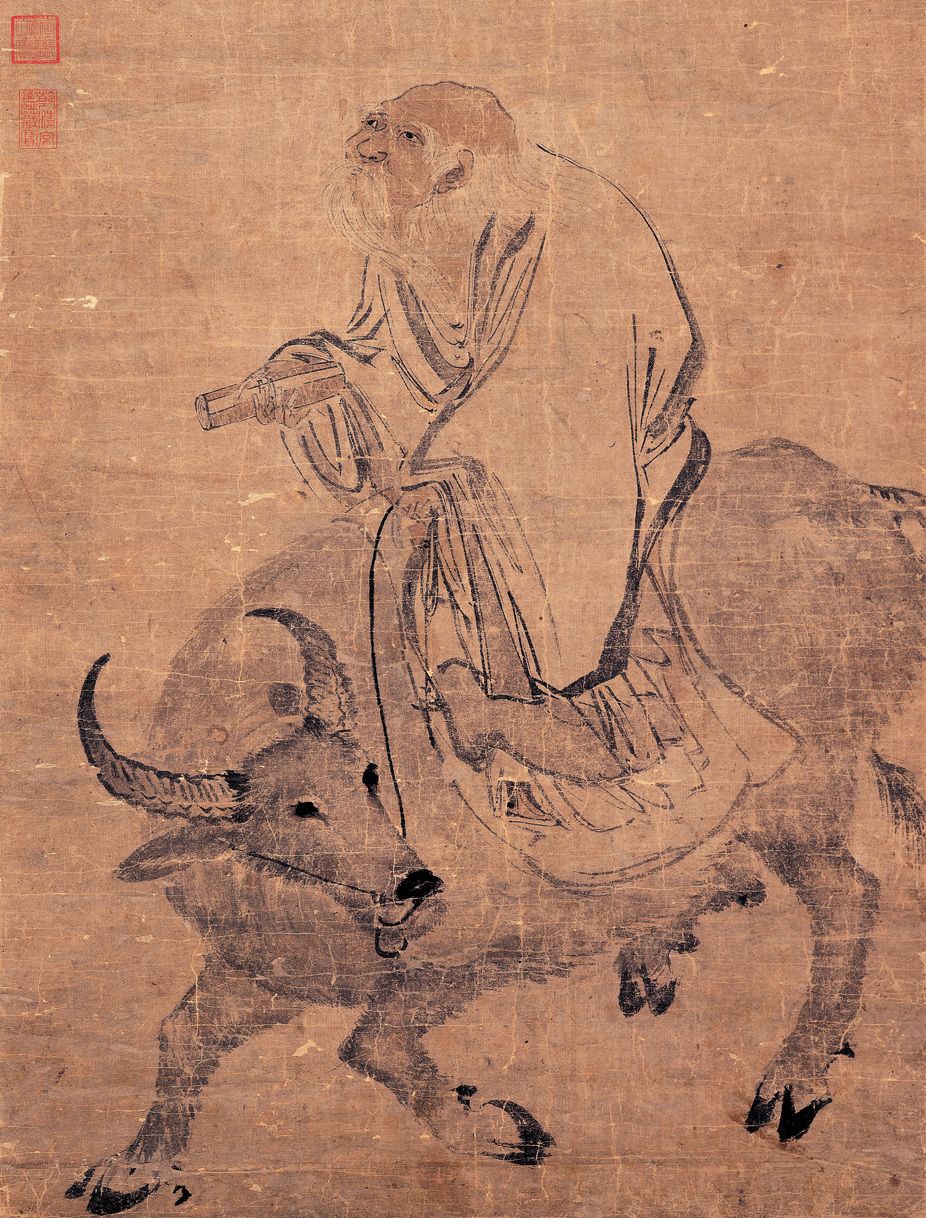 LaoziSemi-legendary sage traditionally credited with the Daodejing, the founding text of Daoism, which counsels living in harmony with the dao through simplicity and non-action.
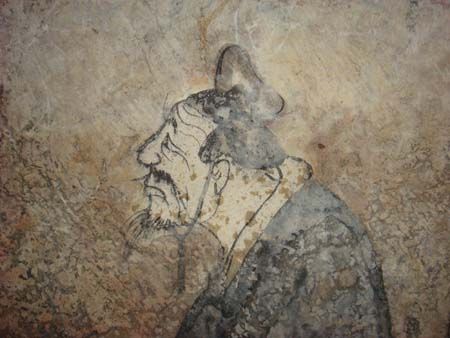 ConfuciusTeacher and would-be adviser to rulers, whose sayings about virtue, ritual and good government became the foundation of Confucianism.
- MoziFounder of Mohism, who argued for impartial care for everyone and against offensive war, and was the first Chinese thinker to argue systematically for his views.
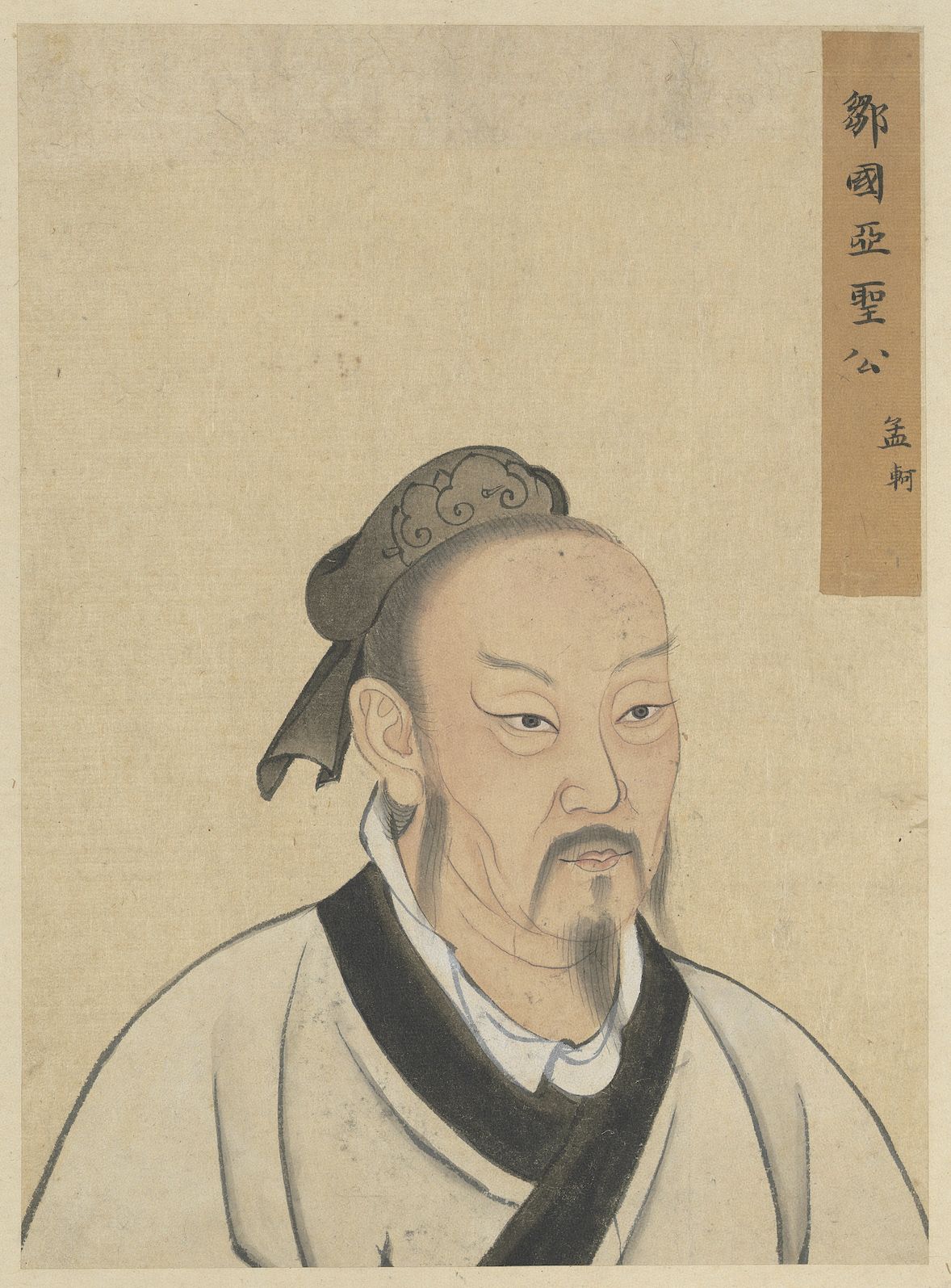 MenciusKnown as the 'Second Sage' of Confucianism, he argued that human nature is good and that virtue grows from innate moral sprouts.
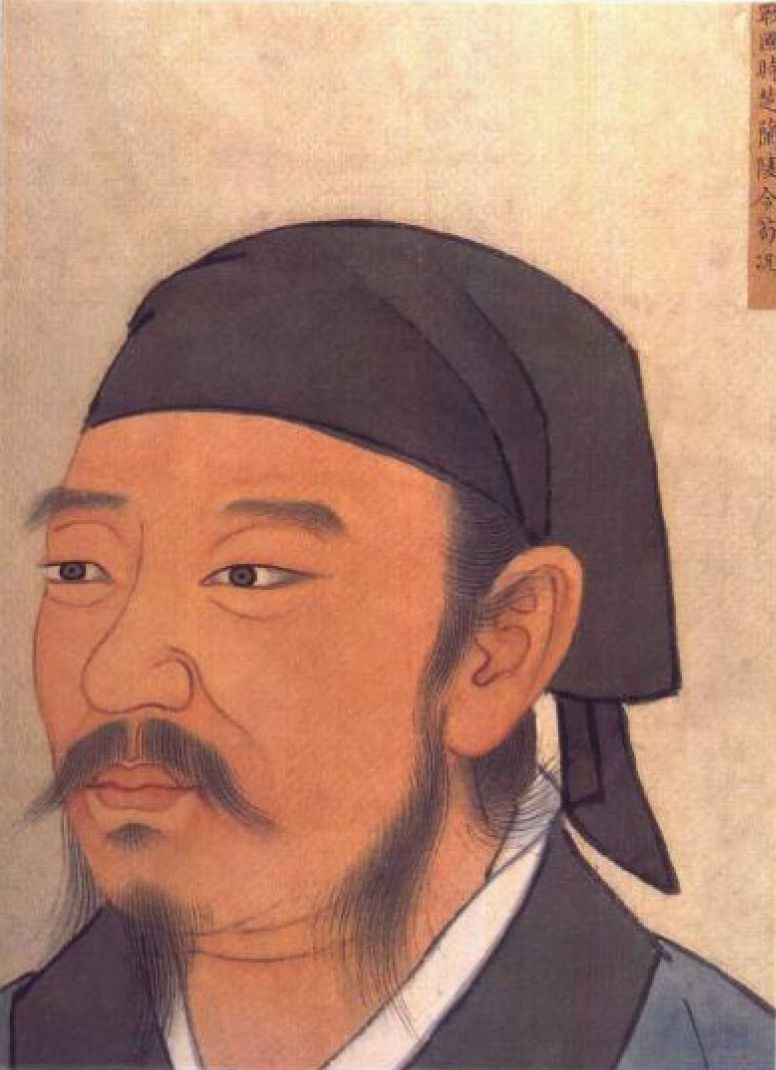 XunziConfucian who argued, against Mencius, that human nature is bad and must be reformed through ritual, learning and the teachings of the sages.
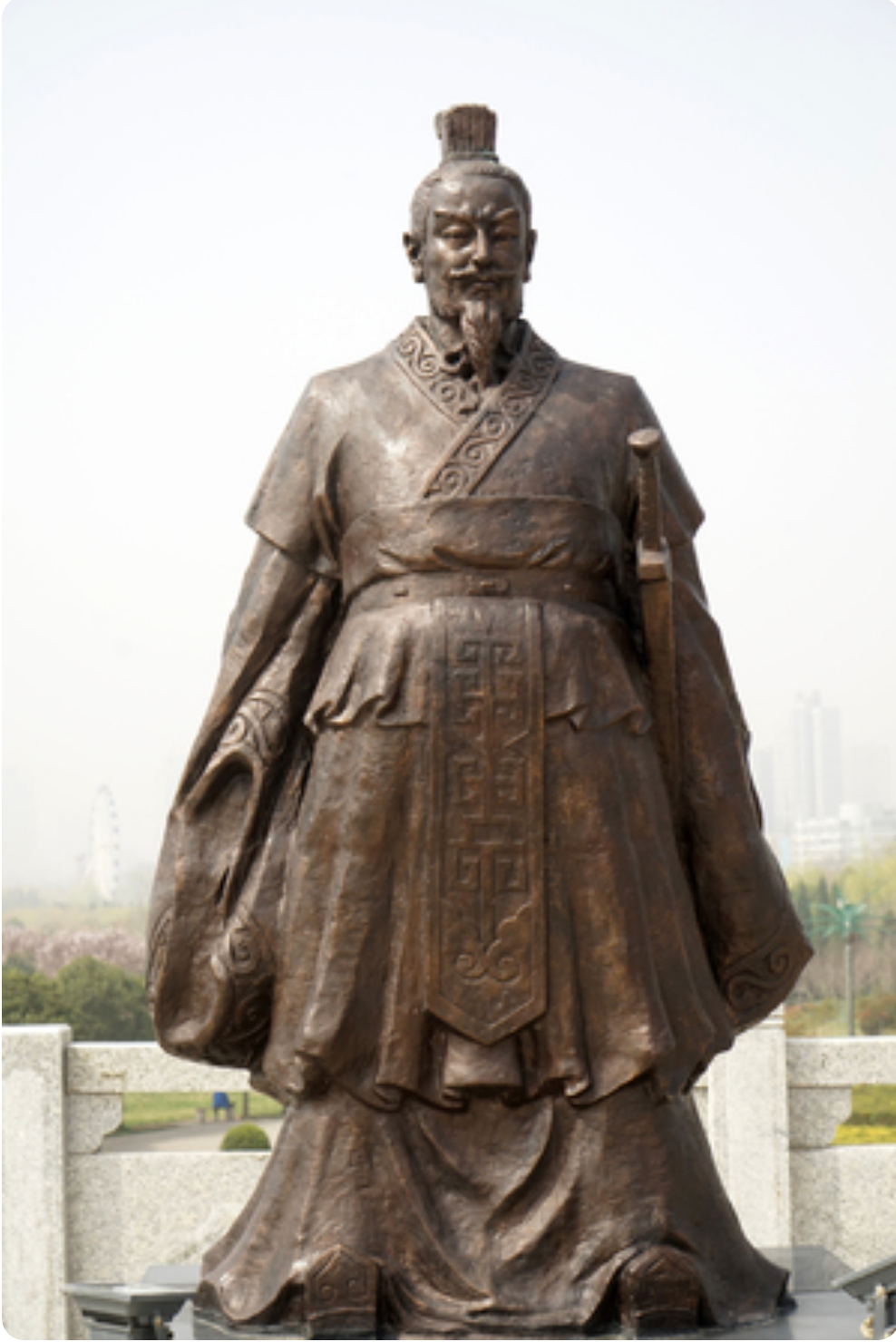 Han FeiLeading thinker of the Legalist, or fa, tradition, who argued that order depends not on virtue but on clear laws, reliable rewards and punishments, and the power of the ruler’s position.
- Lu JiaMinister to the founding Han emperor whose New Discussions is the earliest surviving Han treatise on political philosophy, grounding the Way of government in the patterns of Heaven.
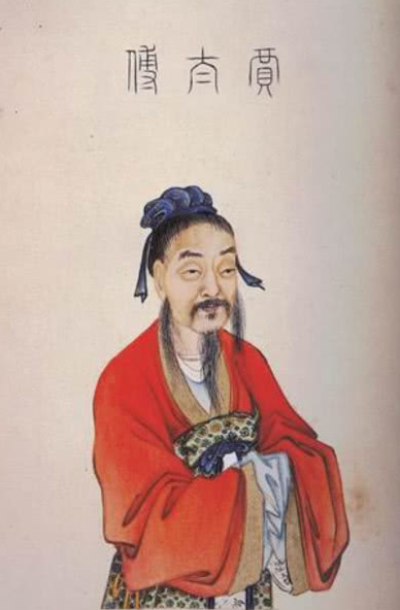 Jia YiHan official and tutor to vassal kings whose New Writings criticised the fallen Qin dynasty and held that rule depends on the people's consent: 'taking the people as root'.
- Yang XiongHan court poet and Confucian scholar, best known for holding that human nature is neither good, as Mencius said, nor bad, as Xunzi said, but a mixture of both.
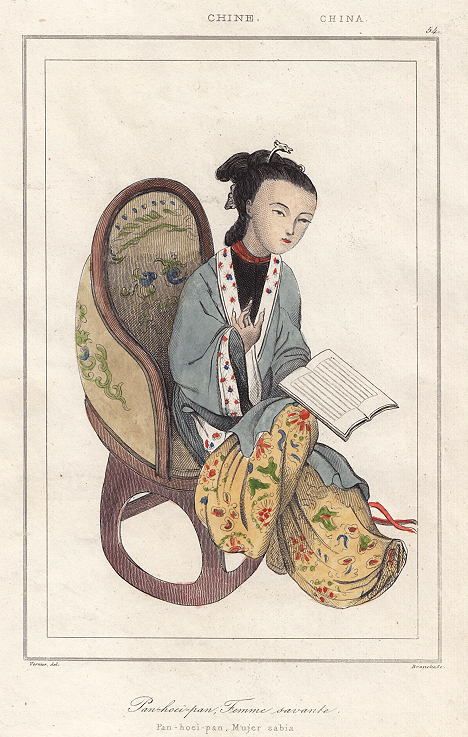 Ban ZhaoHan scholar and historian who completed the History of the Former Han and wrote Instructions for Women, a Confucian guide to the virtues of a wife.
- Wang FuEastern Han critic whose Discourses of a Hermit revived the Confucian idea of withdrawing from a corrupt society, for virtue's sake, as the dynasty declined.
- Guo XiangAuthor of the leading commentary on the Zhuangzi, who taught that all things transform themselves without any creator, and that the Daoist sage belongs in public life, not in retreat.
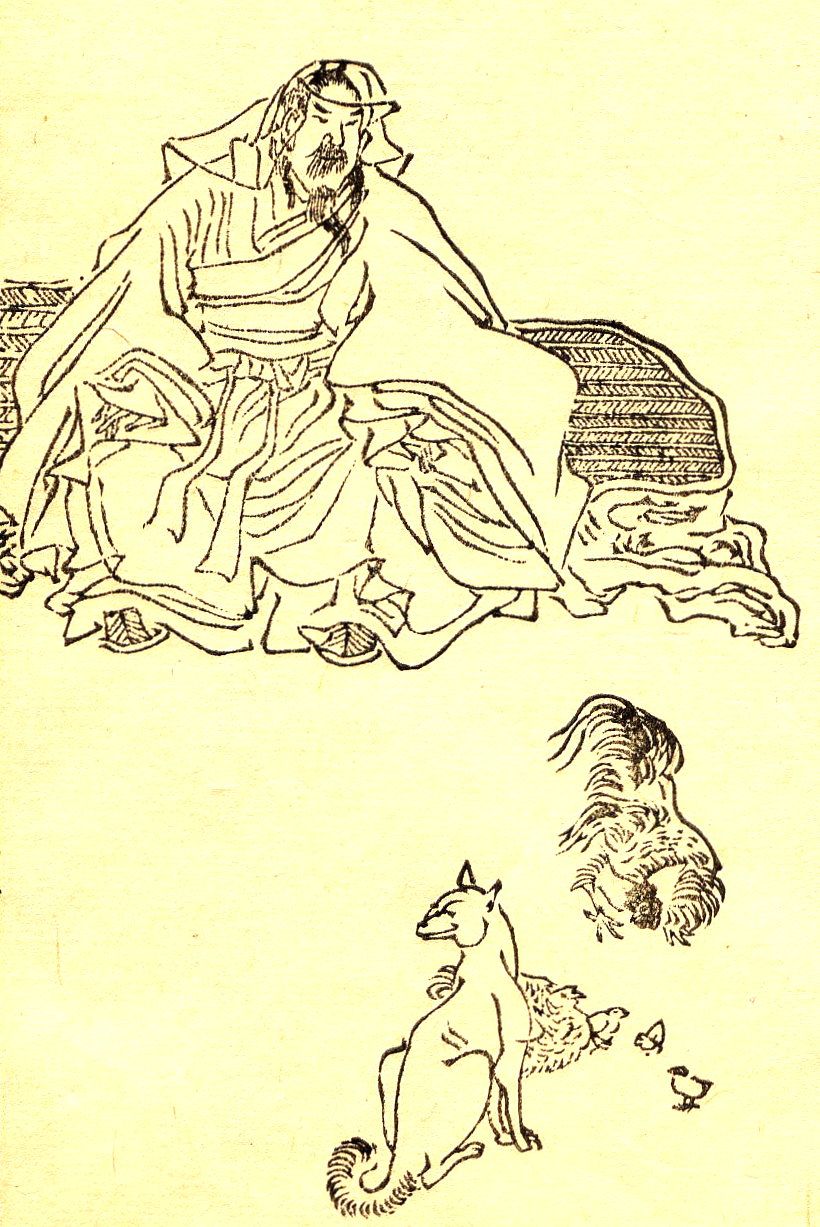 Ge HongEclectic thinker of China's Period of Disunity who sought physical immortality through alchemy, and tried to reconcile Daoism with Confucianism, and Confucianism with Legalism.
- Chen LiangSouthern Song Confucian of the Yongjia school, who judged policies and practices by their contribution to public welfare, and argued against treating the Way as a timeless abstraction.
- Ye ShiSong Confucian of the Yongjia school who, like Chen Liang, judged policies and practices by their public benefit and rejected a timeless, abstract Way.
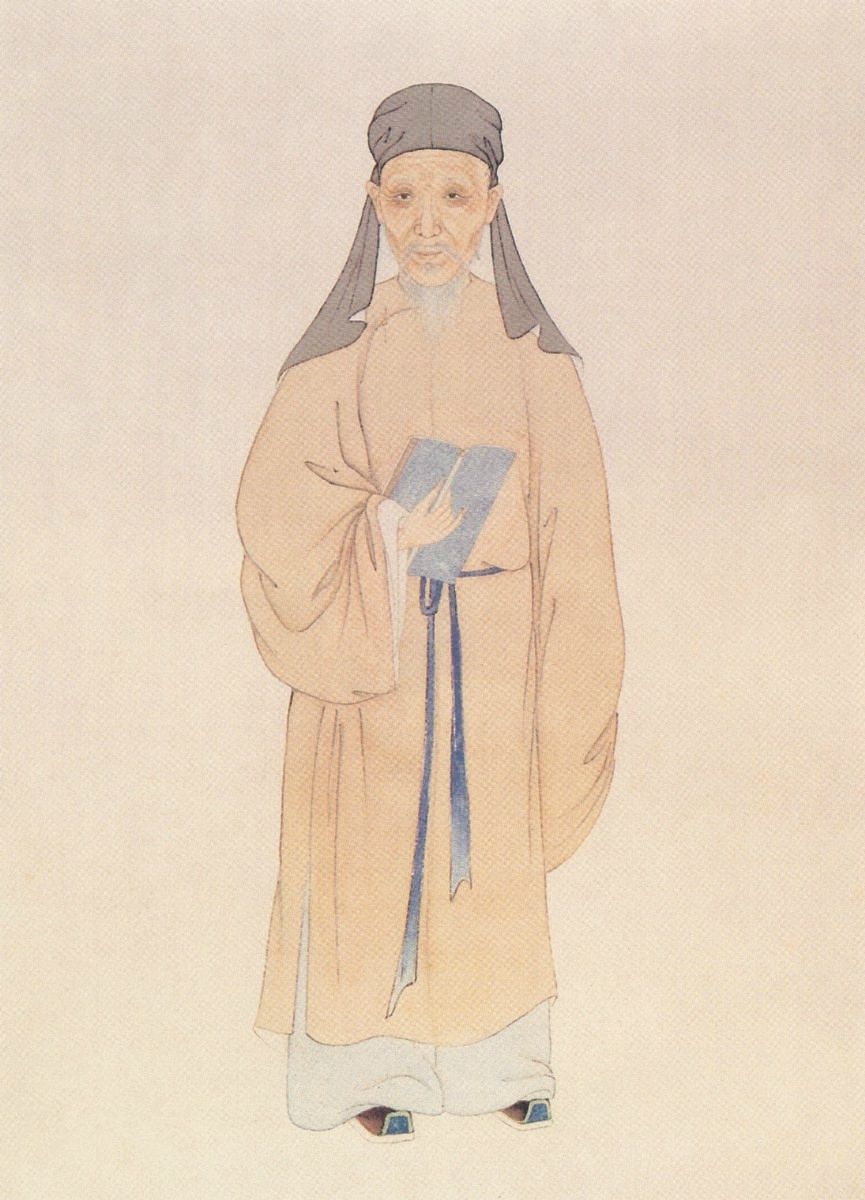 Huang ZongxiMing-Qing polymath and historian of Ming thought who turned the learning of the mind outward, to effort, history and the practical ordering of the world.
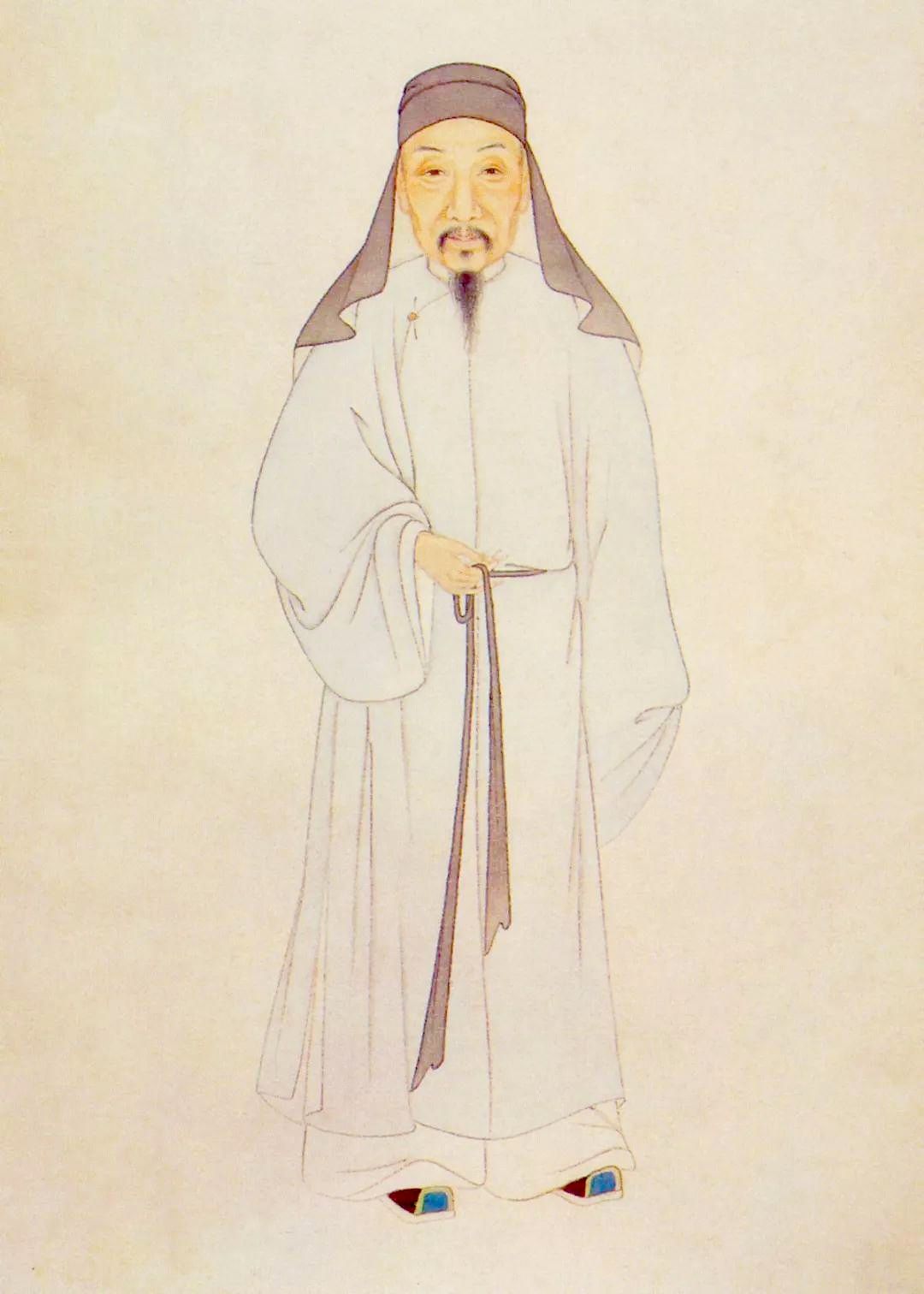 Gu YanwuEarly Qing scholar who rejected Ming Confucianism's 'empty learning', avoided metaphysics, and insisted that the study of principle is the study of the classics.
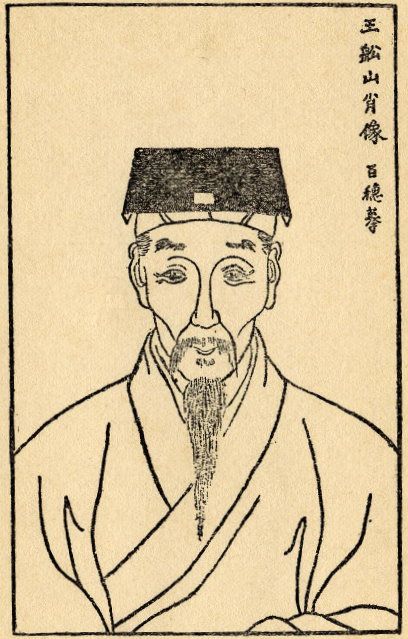 Wang FuzhiLate Ming-early Qing thinker who gave the most systematic form to a qi-based, vitalist metaphysics, and read principle through changing historical conditions.
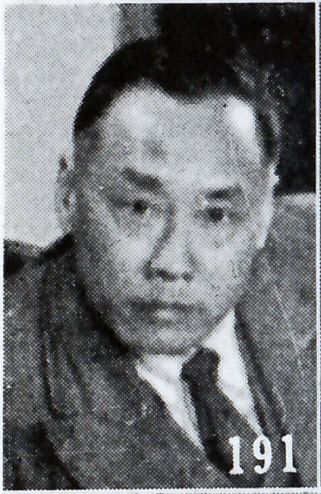 Zhang JunmaiModern Confucian thinker and politician who, in the 1923 debate with China's scientists, defended the limits of science and the value of Confucian truth.
- Lao Sze-kwangChinese philosopher in Taiwan and Hong Kong whose New History of Chinese Philosophy defined Chinese thought by what it does, orienting values, and who later built a philosophy of culture.
Japanese
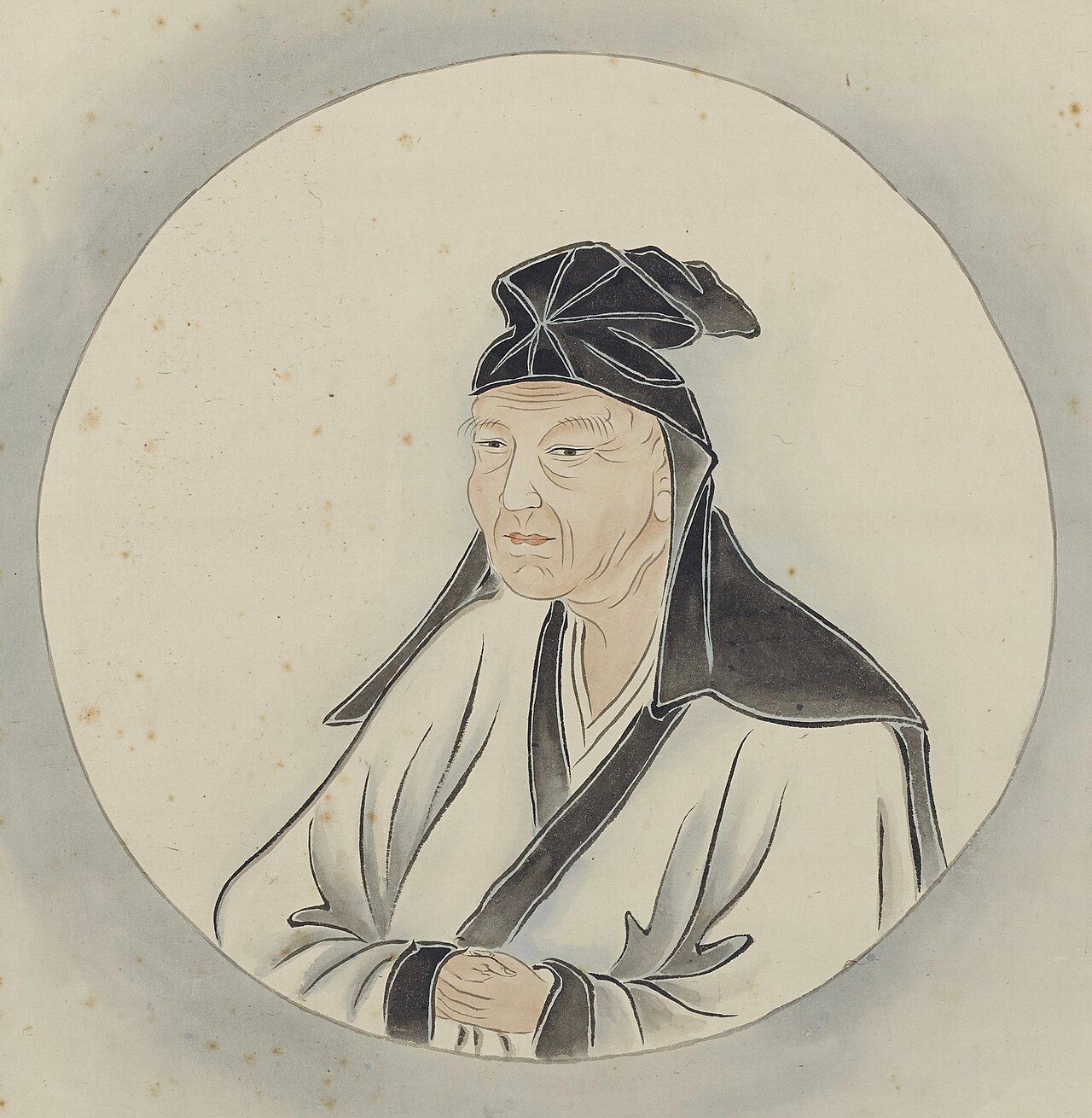 Hayashi RazanEarly Tokugawa Neo-Confucian, among the first in Japan to restate Zhu Xi's philosophy of principle and generative force, who prized words as the key to the sages' minds.
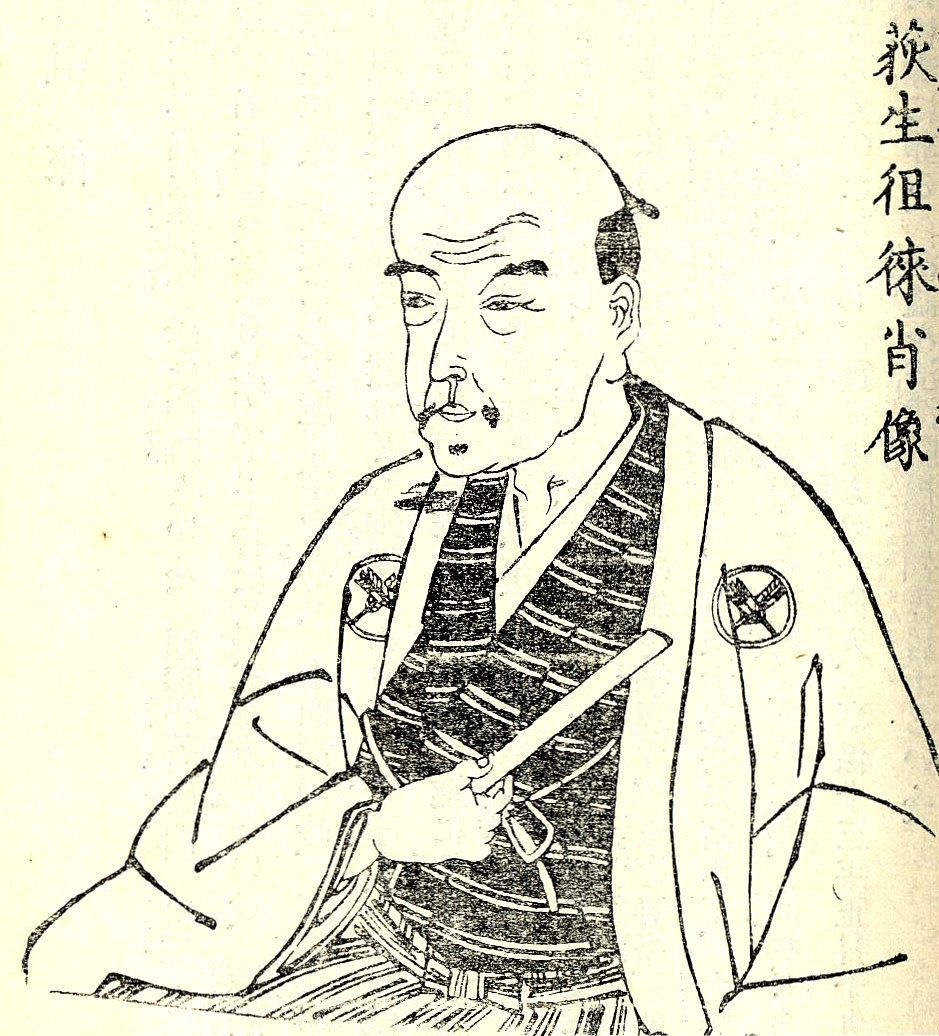 Ogyū SoraiEdo Confucian whose Distinguishing Names tied correct definitions to good government, and who held that rites and institutions, not the mind's self-control, order people and states.
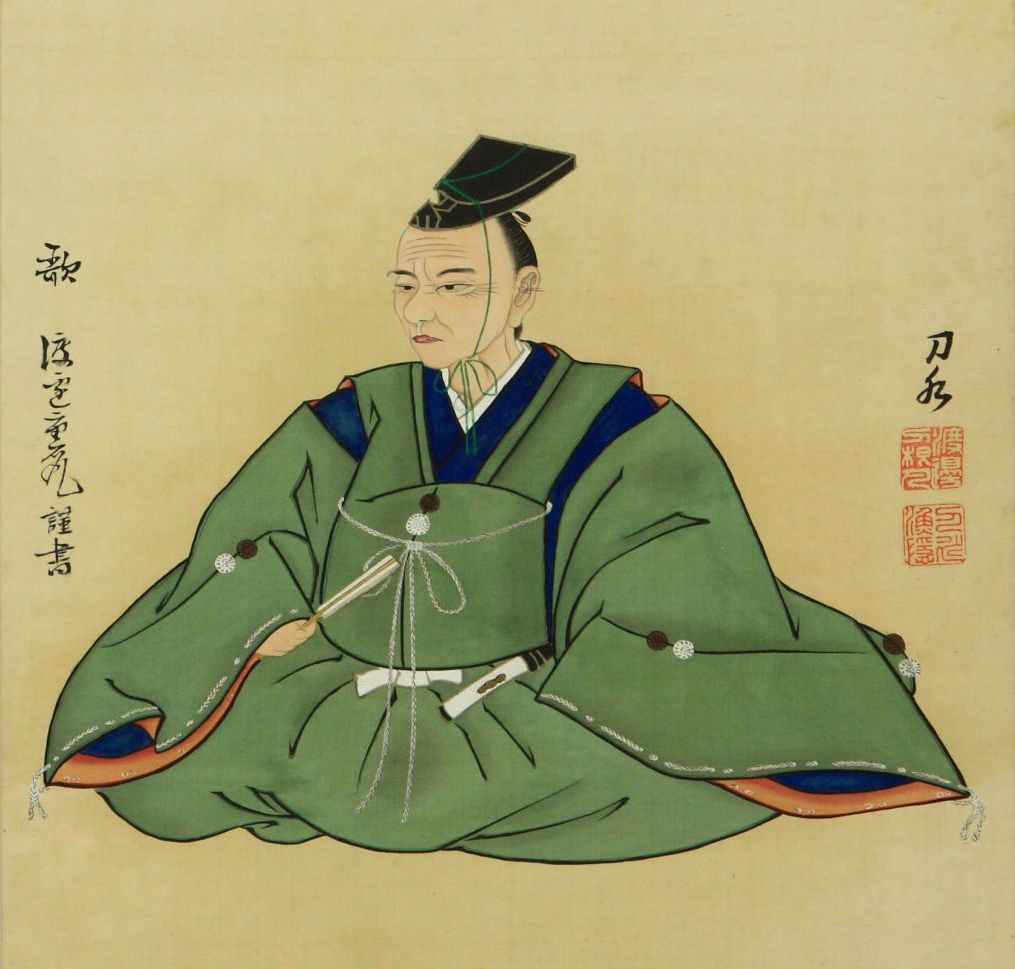 Hirata AtsutaneKokugaku thinker who recast Shinto as a universal 'True Shinto', taught that the dead become kami in a hidden world, and insisted, in increasingly xenophobic terms, on Japan's superiority.
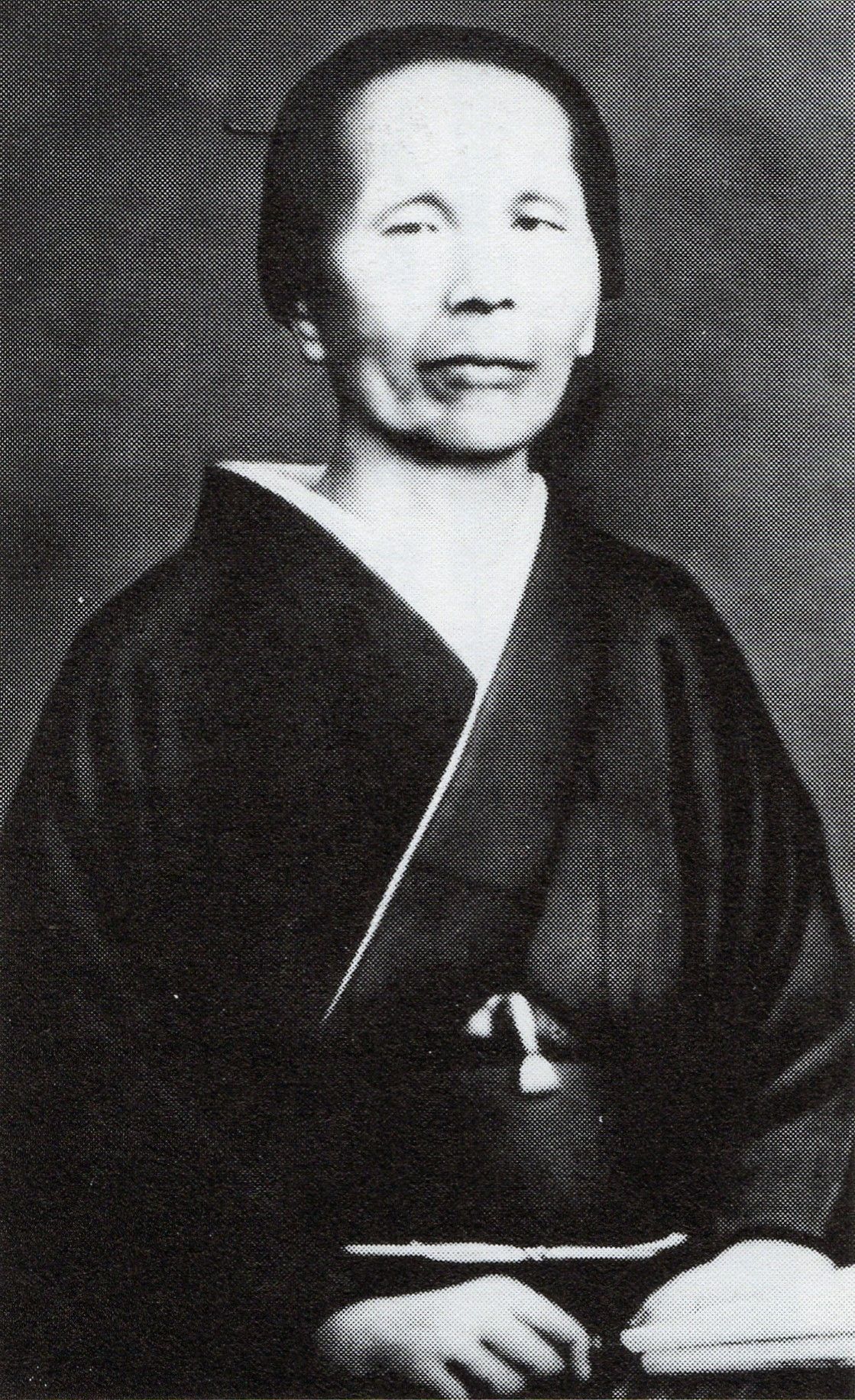 Matsuo TasekoPeasant woman, poet and disciple of the Hirata school of Native Studies, whose waka voiced loyalty to the emperor and who took part in the politics of the Meiji Restoration.
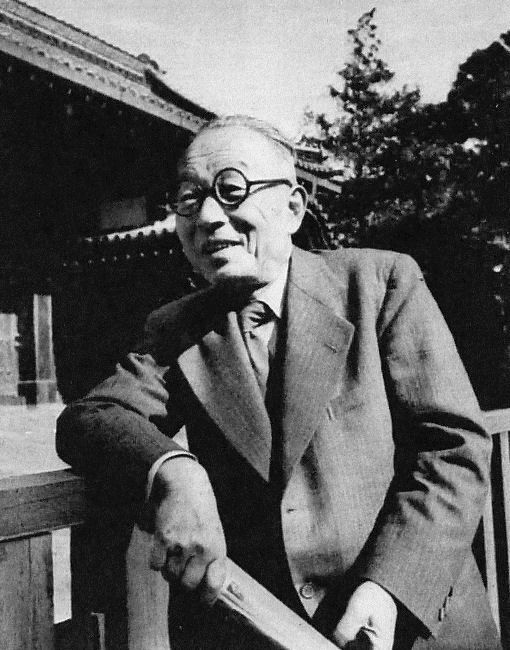 Watsuji TetsurōPhilosopher of ethics and culture who answered Heidegger's stress on time with space and climate, and defined the human being by the 'betweenness' of people.
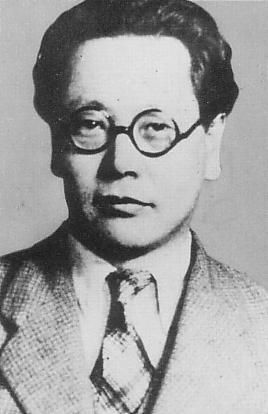 Tosaka JunMarxist student of Nishida and Tanabe who named the Kyoto School in 1932 and attacked it as bourgeois idealism; he died in prison in 1945.
Korean
- Jeong DojeonConfucian scholar and statesman of the new Joseon dynasty whose critiques of Buddhism, for abandoning family and society, shaped the Neo-Confucian thought of early Joseon.
- Im YunjidangJoseon Neo-Confucian, among the few women of her time to write philosophy, who held that each thing has its own embodied nature and that women have the same moral potential as men.
- Kim IryeopWriter of Korea's "New Woman" movement who became a Seon Buddhist nun, and drew on Seon teaching to ask what the authentic self is and how a woman can be free.
African
- Ottobah CugoanoFante-born abolitionist, enslaved in the West Indies and freed in England, whose book on the evil of slavery argued that every Briton who tolerates slavery shares its guilt.
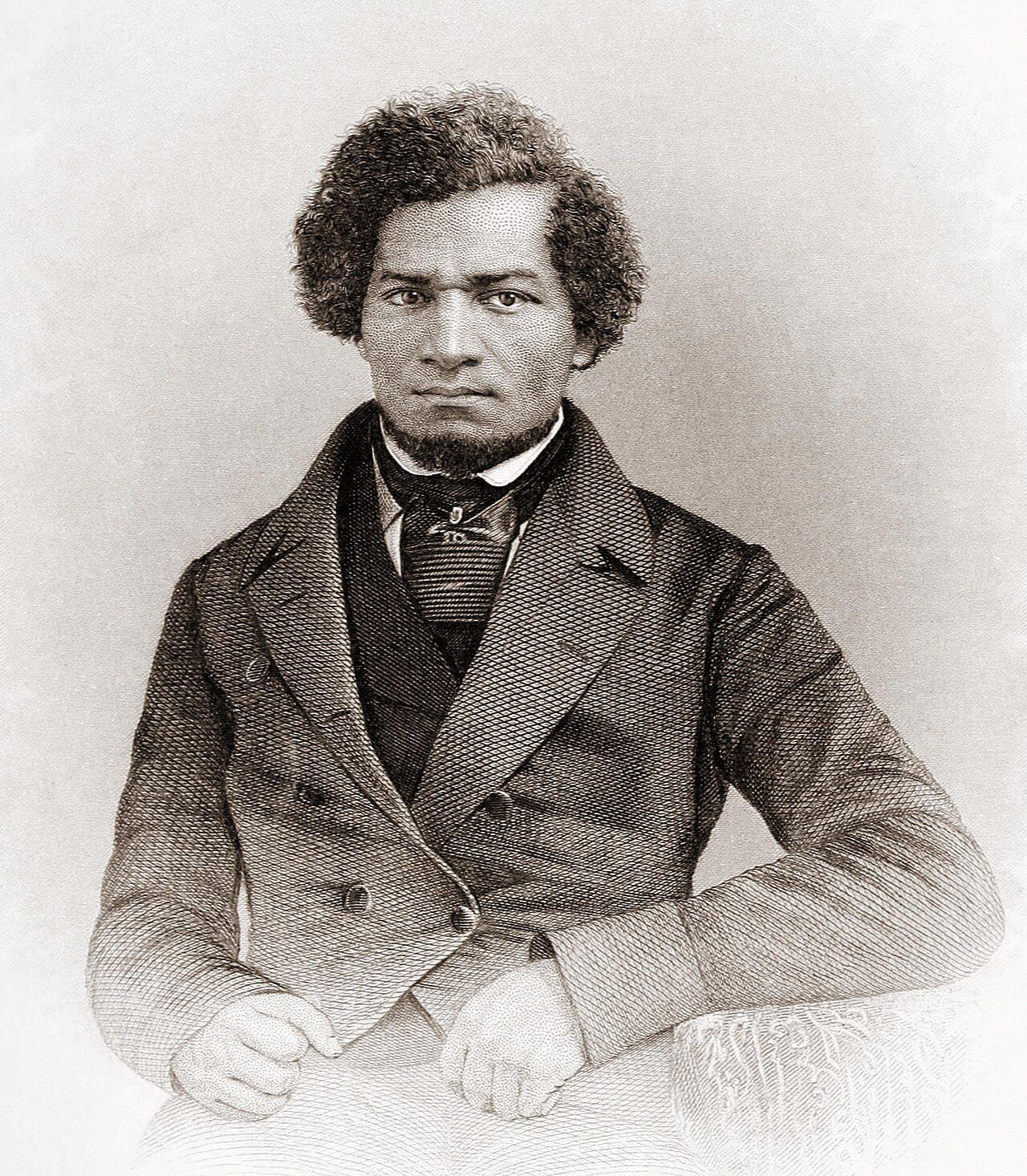 Frederick DouglassAbolitionist and political thinker who escaped slavery and argued, from natural law, that enslaved people's humanity entitled them to every right the American republic promised.
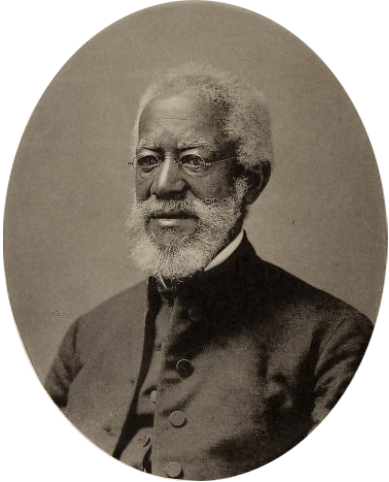 Alexander CrummellBlack American priest and philosopher, the leading rationalist of the nineteenth-century Black enlightenment, who put reason at the centre of moral agency.
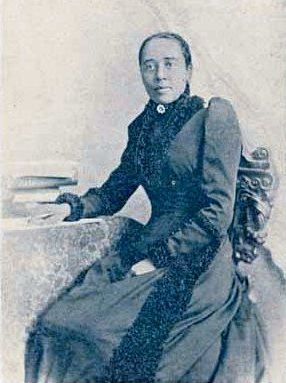 Anna Julia CooperEducator and philosopher whose A Voice from the South, one of the first book-length works of Black feminist thought, analysed how race, sex and class oppression intersect in Black women's lives.
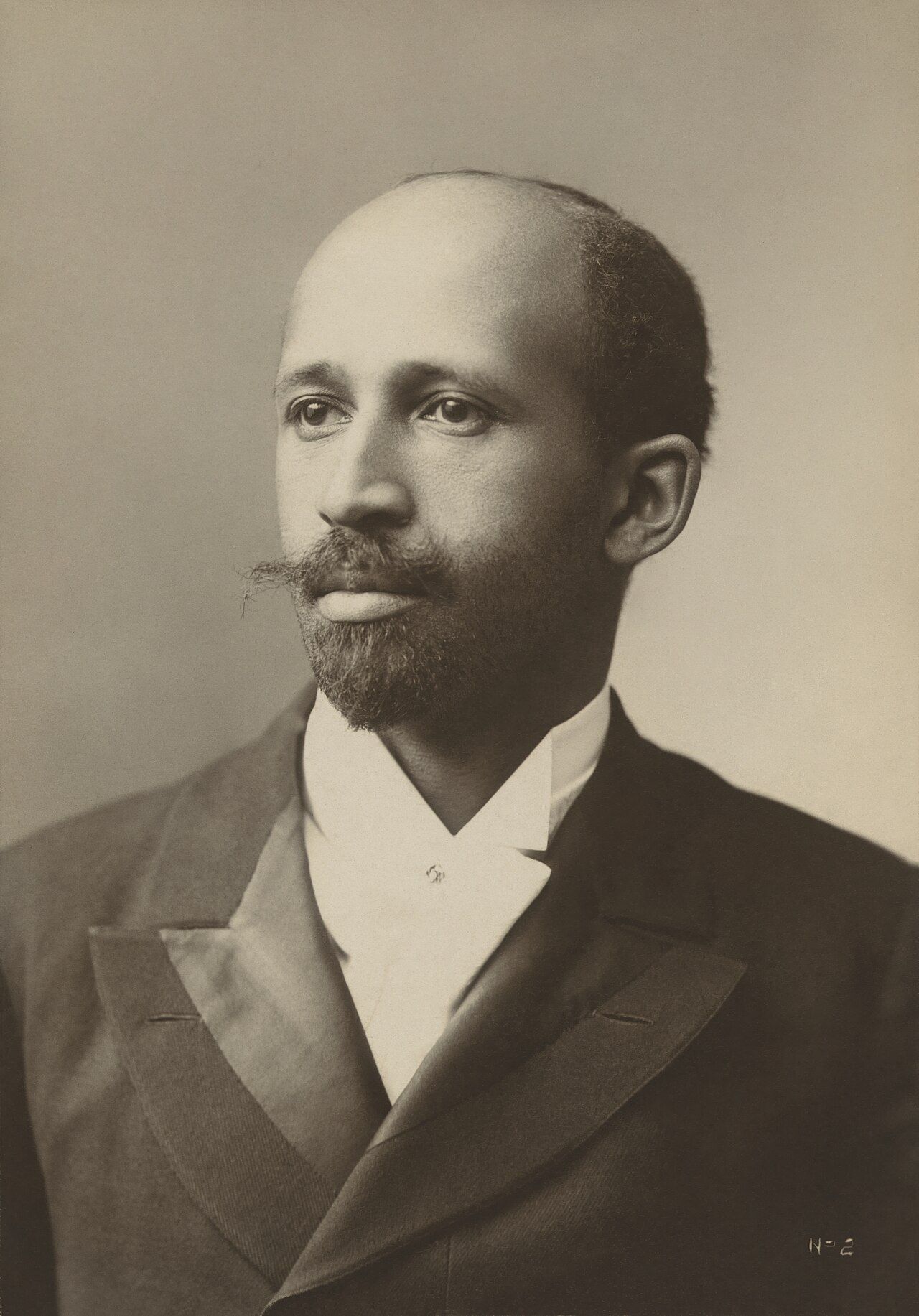 W. E. B. Du BoisSociologist, historian and activist who, by making race and "the Negro problem" objects of philosophical reflection, all but founded the philosophy of race.
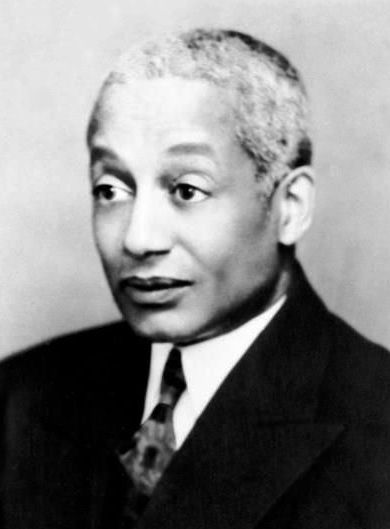 Alain LockePhilosopher of value, culture and race, called the "Father of the Harlem Renaissance", who developed a pluralist theory of values and an account of race as culture, not biology.
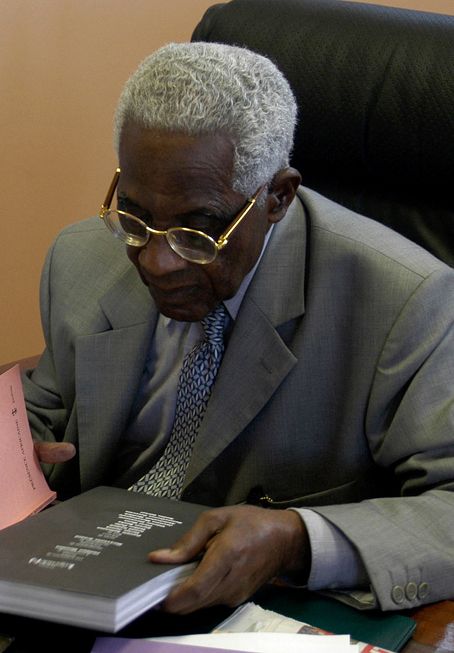 Aimé CésaireMartinican poet and politician, a founder of Négritude, for whom it was not a metaphysics but a way of living history and reclaiming a heritage.
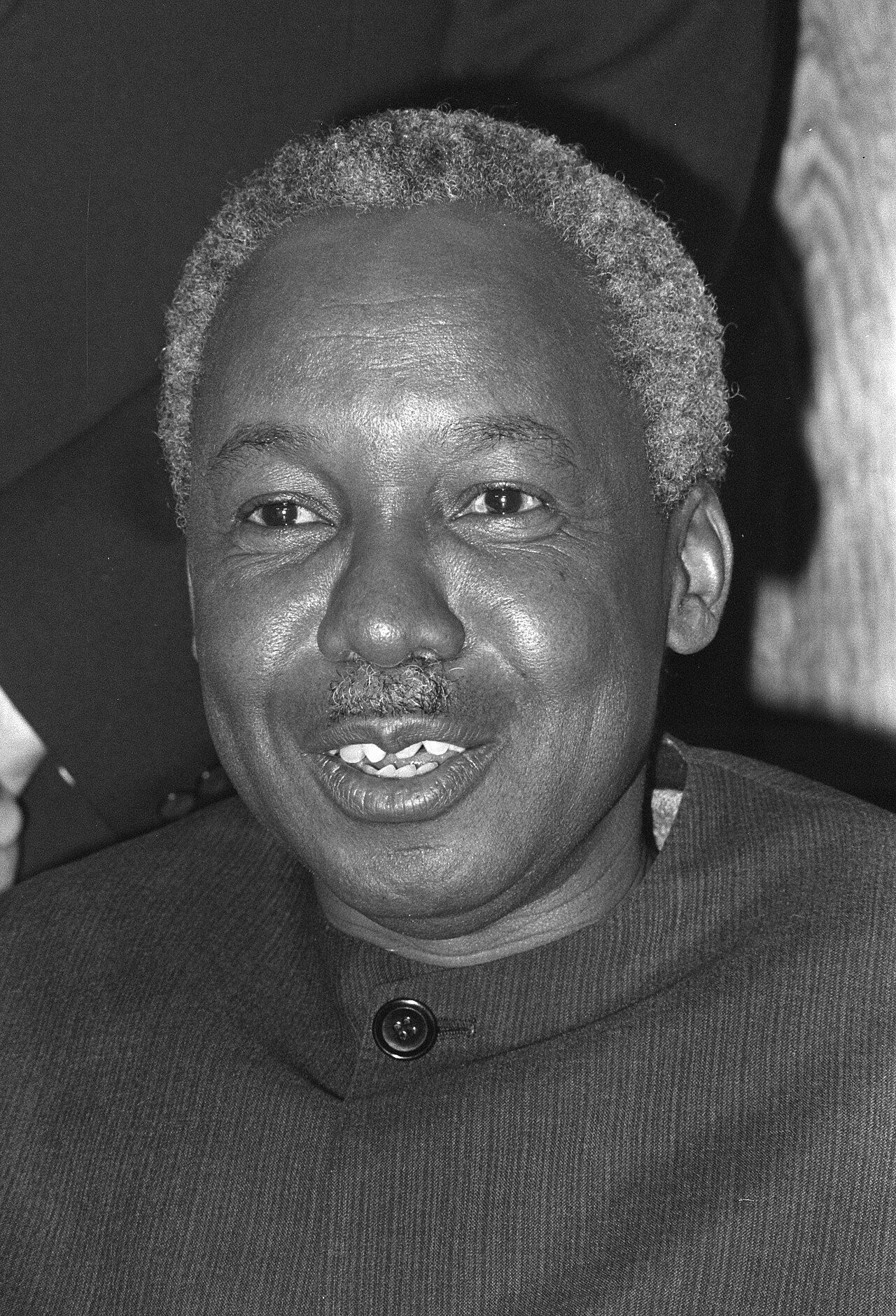 Julius NyerereTanzanian statesman and political thinker who based his African socialism on Ujamaa, "familyhood", drawn from the communal values he saw in pre-colonial African life.
- Frantz FanonMartinican psychiatrist and revolutionary whose two books on anti-Black racism and colonialism became founding texts of anti-colonial thought.
- Kwasi WireduGhanaian philosopher whose programme of "conceptual decolonisation" helped establish modern African philosophy as a discipline, critical of both colonial habits of thought and unexamined tradition.
- Henry Odera OrukaKenyan philosopher whose Sage Philosophy project interviewed wise men and women in rural Kenya to show that critical, individual philosophical reflection has always existed in Africa.