Philosopher
Wang Fuzhi
1619–1692
Also known as Wang Fu-chih
Late Ming-early Qing thinker who gave the most systematic form to a qi-based, vitalist metaphysics, and read principle through changing historical conditions.
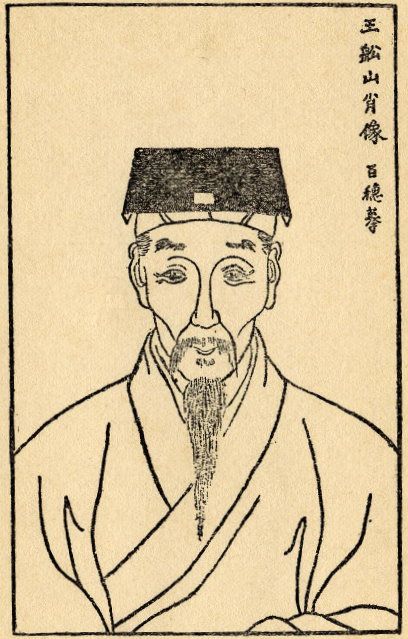

Wang Fuzhi, with Gu Yanwu, was one of the towering figures of the transition from Ming to Qing, and helped create the image of Song–Ming Confucianism as abstract and feeble. He expanded the qi-based metaphysics of the Song master Zhang Zai, but rejected Zhang’s division of human nature into a ‘heavenly nature’ from principle and a ‘physical nature’ from qi.
A deep sense of history ran through his learning: like Huang Zongxi, he saw the development of institutions historically, while still holding that timeless principle is at work in the process of government.
Key ideas
- Principle within qi
- Principle (li) exists within vital force (qi); the two are one, but it is qi that gives reality its form, gathering into people and things and dispersing into the formless ‘supreme void’.
- Principle and conditions
- Principle shows itself in actual conditions (shi), and the two must be considered together: when times differ, conditions differ, and when conditions differ, principle differs too.
- Against empty intuition
- Wang attacked late Ming scholars for an ‘empty intuitionism’ that neglected clear social distinctions and the investigation of things, and rejected claims to esoteric or sudden enlightenment that bypass learning.
- Tradition
- Chinese
- Region
- China
- Schools
- Confucianism
- Themes
- What is ultimately real
Influences
Where these links come from
- Wang Fuzhi drew on and argued against Zhang Zai. Source: On-cho Ng, Qing Philosophy, Stanford Encyclopedia of Philosophy
Terms on this page
- qi
- Vital force or material force (氣), the stuff of which all things are made. Neo-Confucians paired it with principle (li), and explained the differences between people by the qi each is endowed with.
- shi
- Conditions, or circumstances. Wang Fuzhi held that principle shows itself in actual conditions, so that as times and conditions change, principle changes with them.
Sources
- On-cho Ng, Qing Philosophy, Stanford Encyclopedia of Philosophy