Philosopher
Julius Nyerere
1922–1999
Also known as Mwalimu
Tanzanian statesman and political thinker who based his African socialism on Ujamaa, "familyhood", drawn from the communal values he saw in pre-colonial African life.
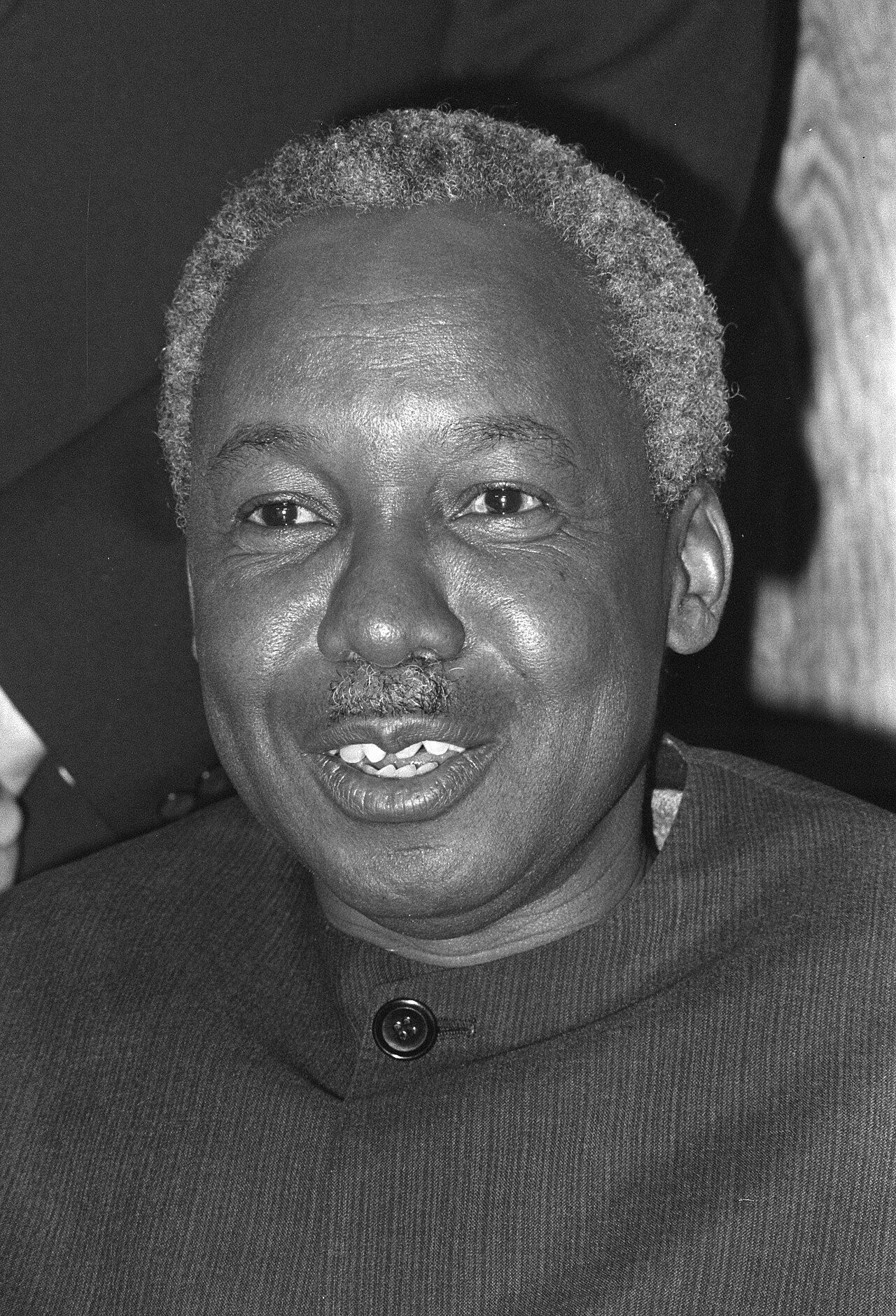
.jpg)
Julius Nyerere was born in 1922 at Butiama, near Lake Victoria in what was then Tanganyika, the son of a chief of the Zanaki people. He trained as a teacher, which earned him the lasting title Mwalimu, “teacher”, and in 1949 went to the University of Edinburgh, the first student from Tanganyika at any British university. A central figure in the independence movement, he was Tanganyika’s prime minister from 1961 and then its president, and was president of the new Tanzania from 1964 until he retired in 1985. He died in 1999.
Histories of African philosophy place him, with Kwame Nkrumah and Léopold Sédar Senghor, in the nationalist-ideological school of the early period, which sought political and economic systems drawn from Africa’s own traditions as part of decolonisation. His idea of Ujamaa shaped Tanzania’s policies after the Arusha Declaration of 1967.
Key ideas
- Ujamaa
- Nyerere proposed Ujamaa, Swahili for “familyhood”, as the basis of an African socialism: an ethic of the communal “we” rather than the individual “I”, drawn from traditional values of togetherness and brotherhood.
- Freedom beyond independence
- Political independence is not yet freedom (uhuru). Africans can recover their identity only once they are free, and that requires overcoming cultural imperialism as well as colonial rule.
- A tradition to rebuild on
- A form of life and set of values native to pre-colonial Africa, and to Tanzania in particular, had survived colonialism intact enough to be regenerated as the basis of a modern African state.
- Communal self-reliance
- His socialism, set out in the Arusha Declaration of 1967, put weight on equality, shared responsibility, the development of the countryside and a nation that relied on itself.
- Tradition
- African
- Region
- Tanzania
- Branches
- Political philosophy
- Period
- The Great Debate
- Themes
- How to govern
Key works
- Freedom and Socialism (Uhuru na Ujamaa)
- Ujamaa: Essays on Socialism
Terms on this page
- Ujamaa
- Swahili for “familyhood”: Julius Nyerere’s name for an African socialism built on the communal “we” of traditional African life rather than on individualism.
Sources
- Jonathan O. Chimakonam, History of African Philosophy, Internet Encyclopedia of Philosophy
- Nyerere, Julius Kambarage, Encyclopaedia Africana