Philosopher
Gu Yanwu
1613–1682
Early Qing scholar who rejected Ming Confucianism's 'empty learning', avoided metaphysics, and insisted that the study of principle is the study of the classics.
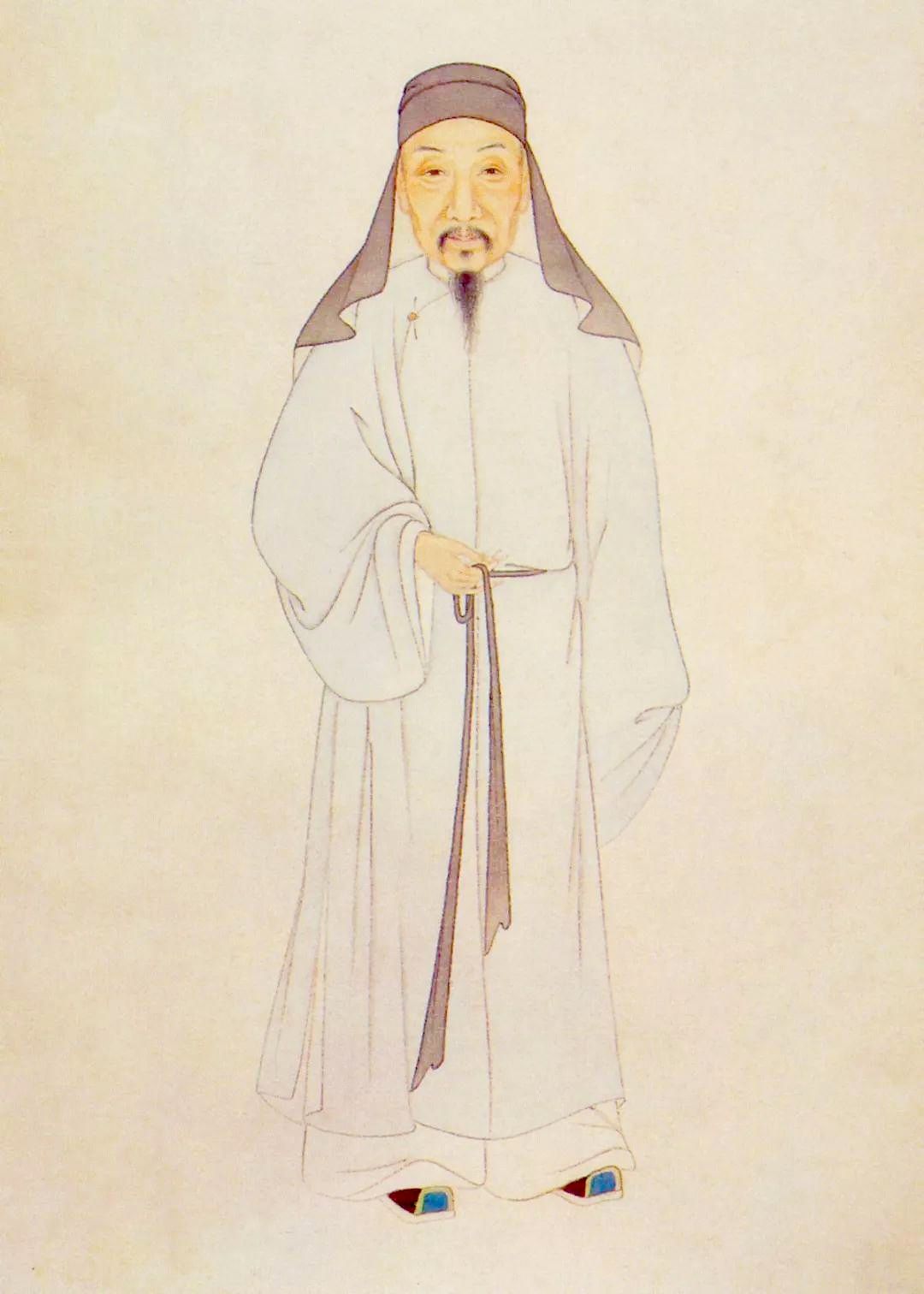

Gu Yanwu was, with Wang Fuzhi and Huang Zongxi, one of the stalwarts of the intellectual transition from Ming to Qing, whose learning was shot through with a sense of history. He saw qi as the generative force filling heaven and earth.
With Wang Fuzhi he helped fix the later picture of Song–Ming Confucianism as abstract, abstruse and ineffectual.
Key ideas
- Against empty learning
- Gu loathed the ‘empty and vacuous learning’ of the Ming, which talked of lofty subtleties while ignoring the hardships of the world.
- Principle is in the classics
- The study of principle (lixue), Gu argued, comes down entirely to the study of the classics (jingxue).
- The four bonds
- Unlike Huang Zongxi and Wang Fuzhi, he avoided metaphysics, and urged rulers to uphold the Confucian ‘four bonds’, with propriety and righteousness as the supreme ways of ruling people.
- Tradition
- Chinese
- Region
- China
- Schools
- Confucianism
- Themes
- How to govern
Terms on this page
- qi
- Vital force or material force (氣), the stuff of which all things are made. Neo-Confucians paired it with principle (li), and explained the differences between people by the qi each is endowed with.
- lixue
- The ‘study of principle’, the Neo-Confucian learning of the Song and Ming, which Gu Yanwu insisted came down entirely to the study of the classics.
Sources
- On-cho Ng, Qing Philosophy, Stanford Encyclopedia of Philosophy