Philosopher
Jia Yi
200 – c. 169 BCE
Han official and tutor to vassal kings whose New Writings criticised the fallen Qin dynasty and held that rule depends on the people's consent: 'taking the people as root'.
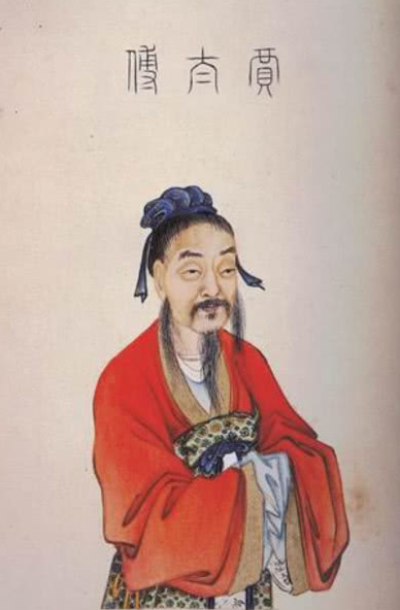

Jia Yi, an official of the Han, tutored vassal kings, first to the ruler of distant Changsha in the south and later to the ruler of Liang. His political thought survives in the New Writings, though scholars debate whether all of it is his.
It represents an important strand of early Han political thought, written not long after the fall of the Qin dynasty, which had unified the Warring States in 221 BCE.
Key ideas
- Taking the people as root
- Successful rule is possible only with the people’s consent and obedience. Jia Yi’s view became known as ‘taking the people as root’.
- The faults of Qin
- The most famous part of his writings is a critique of the Qin, the first imperial dynasty, which had unified China and then quickly fallen.
- Humaneness as policy
- Unlike earlier Confucians, Jia Yi valued humaneness mainly for its practical benefits: it kept the ruler’s position stable.
- Tradition
- Chinese
- Region
- Changsha and Liang, Han China
- Schools
- Confucianism
- Branches
- Political philosophy
- Themes
- How to govern
Key works
- New Writings (Xinshu)
- Read free at Wikisource (in Classical Chinese)
Sources
- Alexus McLeod, Philosophy in Han Dynasty China, Stanford Encyclopedia of Philosophy