Philosopher
Marguerite de La Sablière
1640–1693
Also known as Madame de La Sablière, Marguerite Hessein
Paris salon host, patron of La Fontaine and early woman astronomer, whose moral writings held natural virtues to be disguised vices and only the theological virtues genuine.
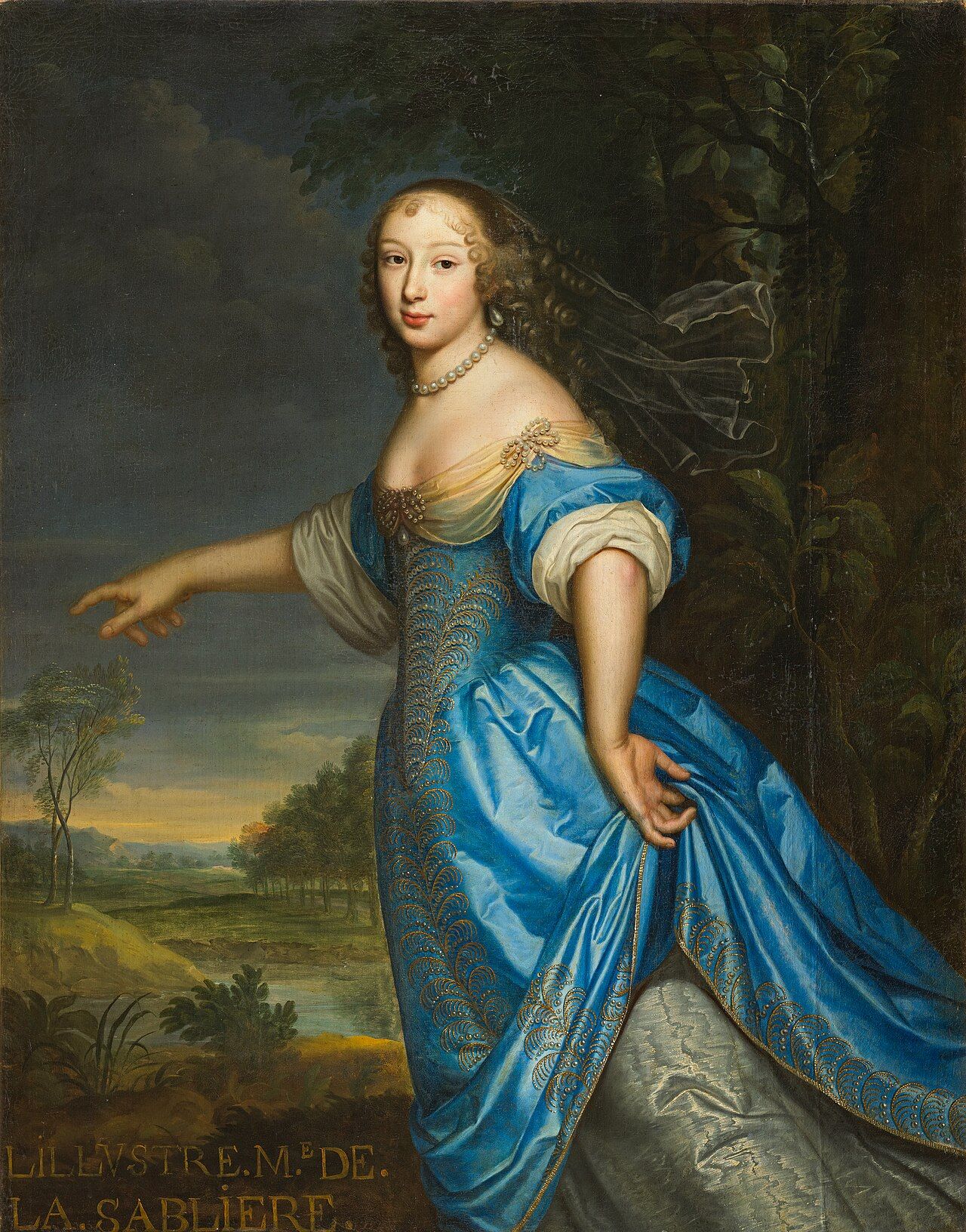
_(cropped).jpg)
Marguerite Hessein was born in 1640 into a Huguenot banking family of Paris. She became the host of a prominent literary salon and patron of La Fontaine, and carried out research at the Paris Observatory that has earned her a place among the first women astronomers.
Devotional writers later celebrated her as the model convert, who left the scepticism and sexual freedom of the salon to serve the incurably ill. Only in the late twentieth century did she emerge as a philosopher. She died in 1693.
Key ideas
- Natural virtues are disguised vices
- Her ethics holds that the natural moral virtues are vices in disguise, and that a truly moral life rests on the theological virtues alone.
- Moral rigorism
- She treated questions of moral agency and responsibility with notable severity.
- Self-abandonment and the hidden God
- Recognising God’s essence requires self-abandonment, a detachment from imagination and intellect, which makes possible a negative, apophatic knowledge of God.
- Tradition
- Western
- Region
- Paris
- Period
- Early modern
Sources
- John J. Conley, Marguerite de La Sablière, Internet Encyclopedia of Philosophy