Philosopher
Ninon de Lenclos
1620–1705
Also known as Anne de Lenclos
Paris salon host and courtesan whose Epicurean naturalism made pleasure the aim of conduct and claimed for women the same right to pursue it as men.
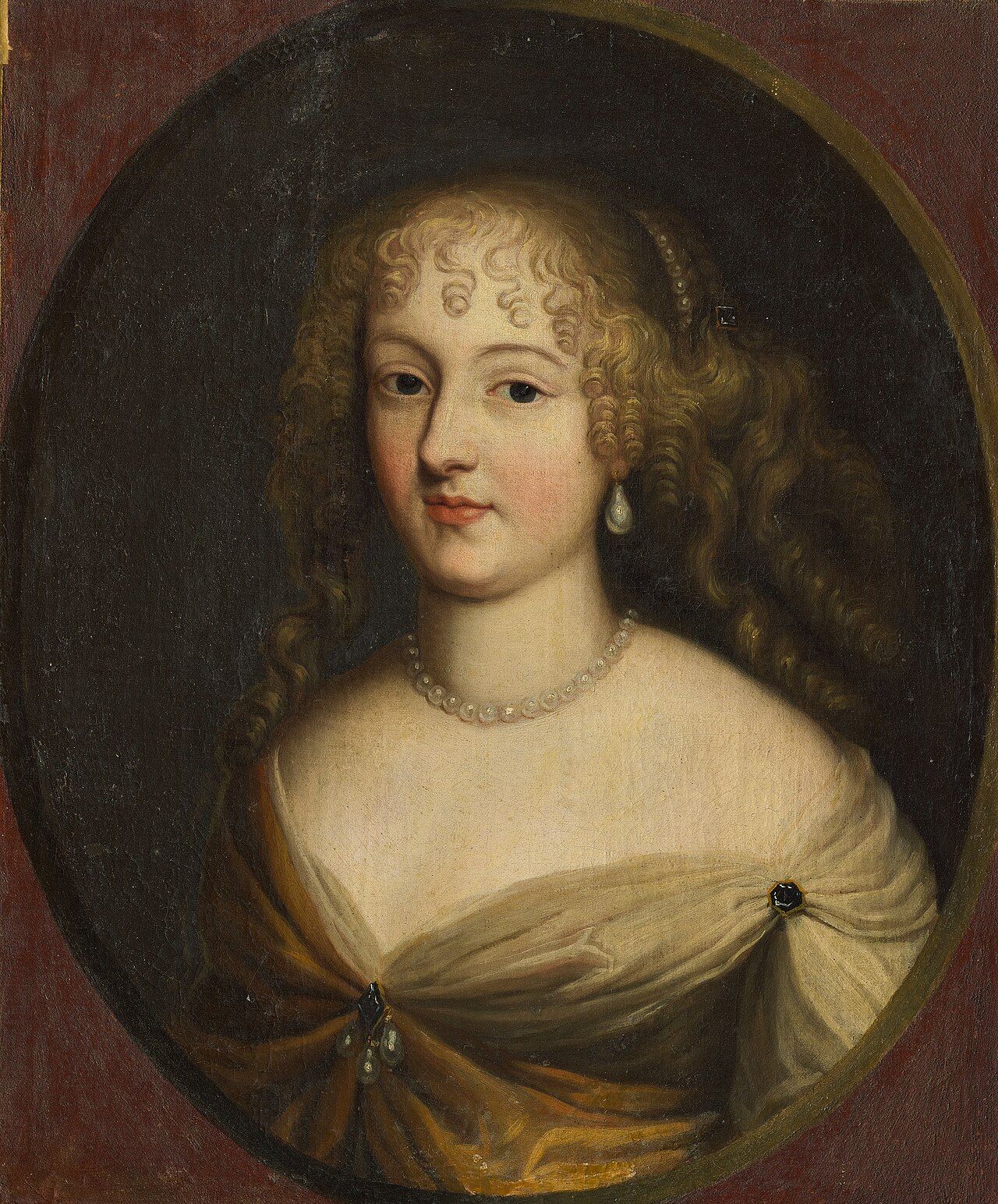
.jpg)
Anne de Lenclos, nicknamed Ninon by her father, was born in Paris in 1620. Her devout mother tried to raise her by strict Counter-Reformation standards, while her father, a neo-Epicurean, introduced her to scepticism and a libertine ethics.
A celebrated courtesan and salon host in the reign of Louis XIV, she scandalised France with her affairs with statesmen and churchmen, and contributed to the Epicurean revival in French thought. She died in 1705.
Key ideas
- Humans as part of nature
- The human person is part of material nature, and supposedly spiritual experiences such as love are refined versions of animal instinct; much that is credited to an immaterial soul has material causes.
- An ethics of pleasure
- Moral conduct is the effort to increase pleasure and remove pain, and romantic love is the highest pleasure. She condemned the ascetic ethics of monastic Christianity and Platonism for exalting an illusory, spiritualised love.
- An equal right to pleasure
- Insisting that women and men have an equal right to pursue pleasure, she gave Epicureanism a gendered edge that challenged women’s subordination.
- Tradition
- Western
- Region
- Paris
- Schools
- Epicureanism
- Period
- Early modern
- Themes
- Love and friendship
Sources
- John J. Conley, Ninon de Lenclos, Internet Encyclopedia of Philosophy