Philosopher
Kaibara Ekken
1630–1714
Japanese Neo-Confucian, physician and naturalist whose Record of Great Doubts set out one of the most systematic philosophies of doubt in early modern Japan.
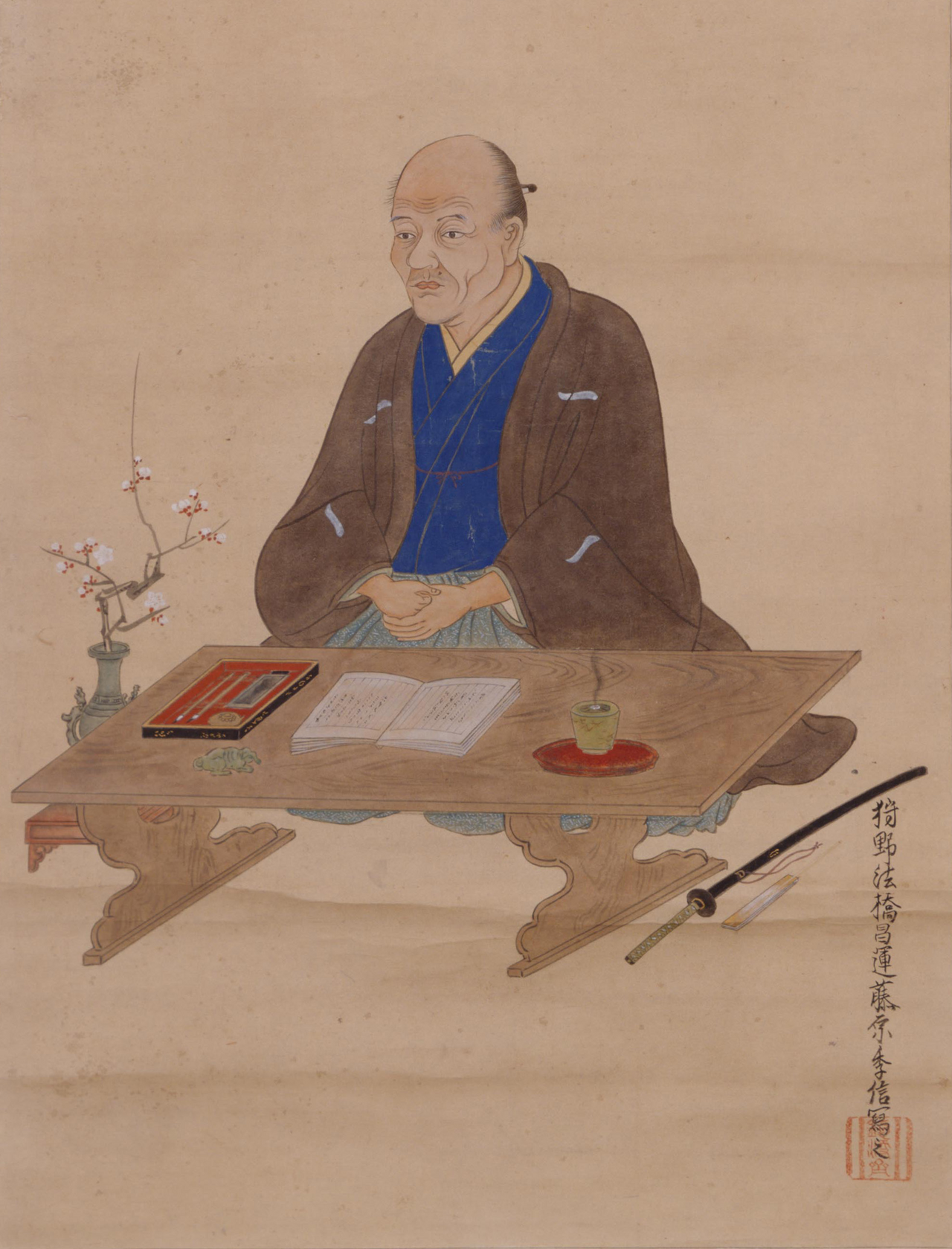
-c1700.png)
Kaibara Ekken remained a professed Neo-Confucian all his life, yet gave early modern Japan one of its most thorough philosophies of doubt. His interests were wide: his Plants of Japan is a study of Japan’s medicinal plants and herbs.
The Great Learning for Women, a curriculum for women’s education, has traditionally been attributed to him.
Key ideas
- Great doubts
- Ekken’s Record of Great Doubts records his doubts about Zhu Xi’s teachings. He opened it with Lu Xiangshan’s saying that a learner should worry when he has no doubts, since those without doubts make no progress.
- Doubt as a waypoint
- Scepticism was never an end in itself: doubt was a stage on the way to firmer conclusions and to well-informed engagement with the world.
- Nourishing life
- His Instructions for Cultivating Life stressed nourishing one’s generative force (ki) in harmony with that of everything between heaven and earth.
- Tradition
- Japanese
- Region
- Japan
- Schools
- Confucianism
- Period
- Edo
- Themes
- Knowledge and scepticism
Influences
Where these links come from
- Kaibara Ekken drew on and argued against Zhu Xi. Source: John Tucker, Japanese Confucian Philosophy, Stanford Encyclopedia of Philosophy
Key works
- Record of Great Doubts (Taigiroku)
- Instructions for Cultivating Life (Yōjōkun)
- Plants of Japan (Yamato honzō)
Terms on this page
- ki
- Generative force, the Japanese reading of the Chinese qi: the stuff of reality in Neo-Confucian metaphysics, which Itō Jinsai made the only thing that exists, and which Kaibara Ekken urged people to nourish.
Sources
- John Tucker, Japanese Confucian Philosophy, Stanford Encyclopedia of Philosophy