Philosopher
Zhu Xi
1130–1200
The leading Neo-Confucian philosopher, whose synthesis and commentaries on the Four Books became the basis of Chinese state examinations for centuries.
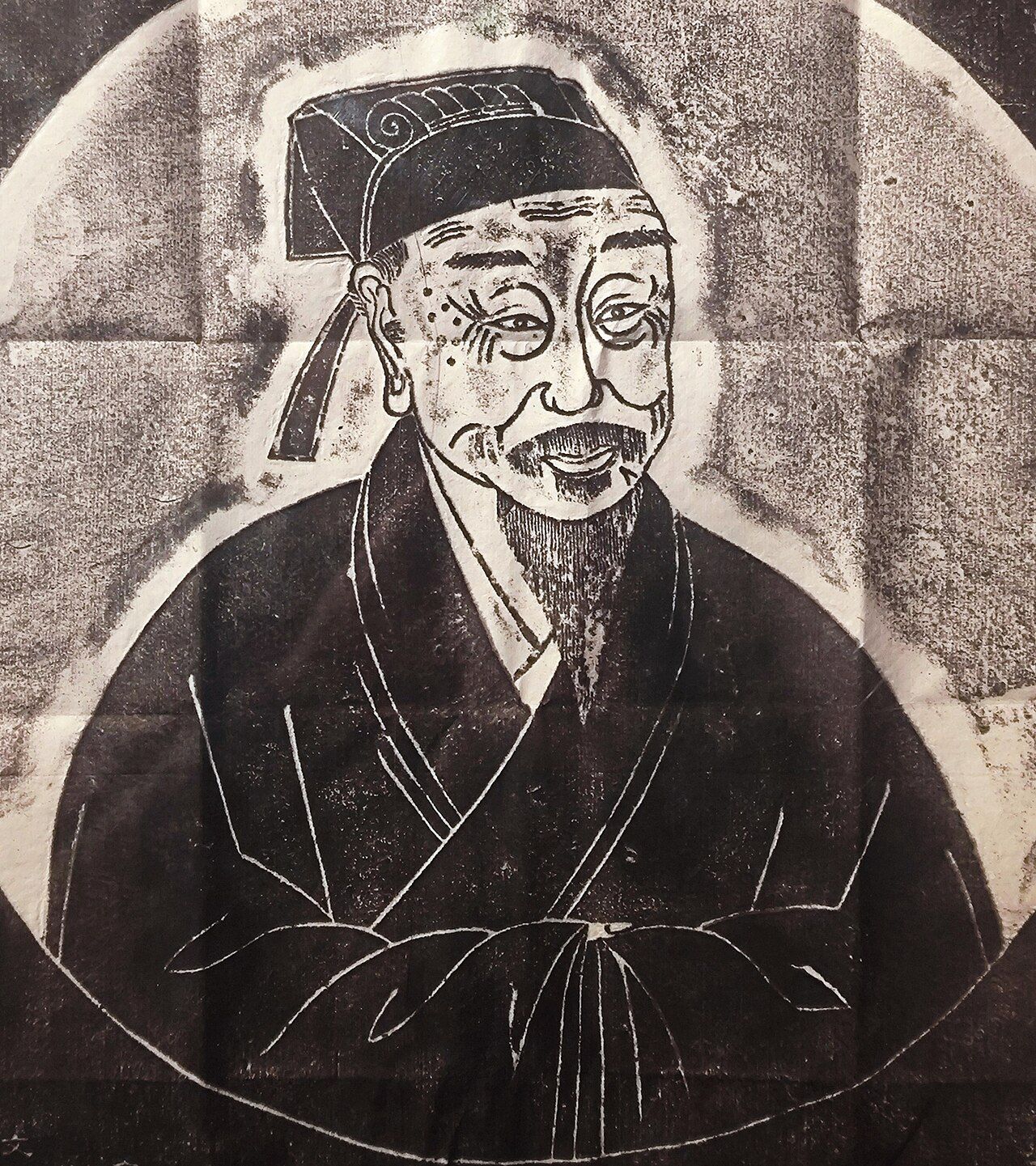

Zhu Xi drew together the ideas of earlier Song dynasty thinkers into a systematic Neo-Confucian philosophy. He explained the world in terms of principle (li), the pattern that makes each thing what it is, and vital energy (qi), the stuff of which things are made. Self-cultivation, for Zhu Xi, meant investigating the principle in things. His commentaries on the Four Books were made the standard for the imperial examinations in 1313.
Key ideas
- Pattern (li) and qi
- The world is a patterned whole made of qi, a cosmic vapour that condenses into everything from Yin and Yang to the things we see. Its patterns (li) shape both nature and moral value.
- Argued against by Dai Zhen’s Pattern lies in things
- Investigating things
- Moral intuition alone can’t cope with the complexity of human affairs. Zhu urged close study of the patterns of relationship and change among things, through reading and observation, to sharpen one’s sense of what each situation calls for.
- Takes up Cheng Yi’s Composure and investigating things
- Argued against by Wang Yangming’s Critique of Zhu Xi
- Good nature, varied endowments
- Following Mencius, people are basically good. But each person’s qi endowment, family and surroundings shape their character, which explains how people become bad. Anyone sincerely committed to self-cultivation can still make progress.
- Takes up Mencius’s Human nature is good
- The Four Books
- Zhu gathered the Great Learning, the Analects, the Mencius and the Doctrine of the Mean as the Four Books, with his own commentaries. From the Yuan dynasty until 1908, his edition was the basis of the imperial examinations.
- Tradition
- Chinese
- Region
- Southern Song China
- Schools
- Confucianism
- Period
- Song–Ming
Influences
Influenced by
- Confuciusc. 551 – c. 479 BCE
- Menciusc. 372 – c. 289 BCE
- Zhou Dunyi1017–1073
- Zhang Zai1020–1077
- Cheng Hao1032–1085
- Cheng Yi1033–1107
Zhu Xi1130–1200
Influenced
500 CE – 1400
1400 – 1800
- Wang Yangming1472–1529critic
- Yi Hwang1501–1570
- Hayashi Razan1583–1657
- Itō Jinsai1627–1705critic
- Kaibara Ekken1630–1714critic
- Ogyū Sorai1666–1728critic
- Dai Zhen1724–1777critic
- Jeong Yakyong1762–1836critic
1800 – 1900
1900 onwards
Influenced by
- Confuciusc. 551 – c. 479 BCE
- Menciusc. 372 – c. 289 BCE
- Zhou Dunyi1017–1073
- Zhang Zai1020–1077
- Cheng Hao1032–1085
- Cheng Yi1033–1107
Zhu Xi1130–1200
Influenced
500 CE – 1400
1400 – 1800
- Wang Yangming1472–1529critic
- Yi Hwang1501–1570
- Hayashi Razan1583–1657
- Itō Jinsai1627–1705critic
- Kaibara Ekken1630–1714critic
- Ogyū Sorai1666–1728critic
- Dai Zhen1724–1777critic
- Jeong Yakyong1762–1836critic
1800 – 1900
1900 onwards
Where these links come from
- Zhu Xi drew on Confucius. Source: Kirill Thompson, Zhu Xi, Stanford Encyclopedia of Philosophy
- Zhu Xi drew on Mencius. Source: Kirill Thompson, Zhu Xi, Stanford Encyclopedia of Philosophy
- Zhu Xi drew on Zhou Dunyi. Source: Kirill Thompson, Zhu Xi, Stanford Encyclopedia of Philosophy
- Zhu Xi drew on Zhang Zai. Source: Kirill Thompson, Zhu Xi, Stanford Encyclopedia of Philosophy
- Zhu Xi drew on Cheng Hao. Source: Kirill Thompson, Zhu Xi, Stanford Encyclopedia of Philosophy
- Zhu Xi drew on Cheng Yi. Source: Kirill Thompson, Zhu Xi, Stanford Encyclopedia of Philosophy
- Lu Xiangshan argued against Zhu Xi. Source: John H. Berthrong, Neo-Confucian Philosophy, Internet Encyclopedia of Philosophy
- Jeong Dojeon drew on Zhu Xi. Source: Kevin N. Cawley, Korean Confucianism, Stanford Encyclopedia of Philosophy
- Wang Yangming drew on and argued against Zhu Xi. Source: Bryan Van Norden, Wang Yangming, Stanford Encyclopedia of Philosophy
- Yi Hwang drew on Zhu Xi. Source: Kevin N. Cawley, Korean Confucianism, Stanford Encyclopedia of Philosophy
- Hayashi Razan drew on Zhu Xi. Source: John Tucker, Japanese Confucian Philosophy, Stanford Encyclopedia of Philosophy
- Itō Jinsai argued against Zhu Xi. Source: John Tucker, Japanese Confucian Philosophy, Stanford Encyclopedia of Philosophy
- Kaibara Ekken drew on and argued against Zhu Xi. Source: John Tucker, Japanese Confucian Philosophy, Stanford Encyclopedia of Philosophy
- Ogyū Sorai argued against Zhu Xi. Source: John Tucker, Japanese Confucian Philosophy, Stanford Encyclopedia of Philosophy
- Dai Zhen argued against Zhu Xi. Source: Frank Y. C. Chong and Chris Fraser, Dai Zhen, Stanford Encyclopedia of Philosophy
- Jeong Yakyong argued against Zhu Xi. Source: Kevin N. Cawley, Korean Confucianism, Stanford Encyclopedia of Philosophy
- Zhang Junmai drew on Zhu Xi. Source: Joseph Ciaudo, Zhang Junmai (Carsun Chang), Internet Encyclopedia of Philosophy
- Feng Youlan drew on Zhu Xi. Source: Xiaofei Tu, Feng Youlan (Fung Yu-lan), Internet Encyclopedia of Philosophy
- Mou Zongsan argued against Zhu Xi. Source: Jason Clower, Mou Zongsan (Mou Tsung-san), Internet Encyclopedia of Philosophy
Key works
- Reflections on Things at Hand (Jinsilu), 1175
- Read free at Project Gutenberg (in Classical Chinese)
Terms on this page
- li
- Pattern or principle (理), the central concept of Neo-Confucianism, identified with human nature. With the Cheng brothers it became, for the first time, the ultimate reality of all that exists.
- qi
- Vital force or material force (氣), the stuff of which all things are made. Neo-Confucians paired it with principle (li), and explained the differences between people by the qi each is endowed with.
Sources
- Kirill Thompson, Zhu Xi, Stanford Encyclopedia of Philosophy