Philosopher
Antoinette Deshoulières
1638–1694
Also known as Madame Deshoulières, Antoinette du Ligier de la Garde
French poet who, following Lucretius and her friend Gassendi, used verse to defend naturalism: thought, choice and love explained by matter and instinct.
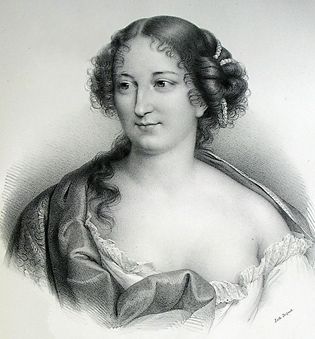

Madame Deshoulières, née Antoinette du Ligier de la Garde, came from a noble Paris family and was born in 1638; her father was a courtier in the service of Queen Anne of Austria. She became a major poet of Louis XIV’s reign, a friend and disciple of Pierre Gassendi, and took Lucretius as her model in using verse to argue philosophy.
She belongs to the naturalism of the French Renaissance in its struggle against Aristotelianism and Cartesianism. She died in 1694.
Key ideas
- Matter explains the mind
- Reality consists of forms of matter, and material causes explain what we observe; material organs, not a spiritual soul, produce thought and choice.
- Animals differ only in degree
- The difference between animals and humans is one of degree, not kind.
- Instinct beneath virtue and love
- Instincts such as self-preservation govern the behaviour usually credited to free will and virtue, and love owes far more to instinctive attraction and repulsion than rationalist philosophers admit.
- Tradition
- Western
- Region
- Paris
- Period
- Early modern
- Themes
- Human nature
Influences
Where these links come from
- Antoinette Deshoulières drew on Lucretius. Source: John J. Conley, Antoinette Deshoulières, Internet Encyclopedia of Philosophy
Sources
- John J. Conley, Antoinette Deshoulières, Internet Encyclopedia of Philosophy