Philosopher
Xu Fuguan
1903–1982
Army general turned scholar, a New Confucian who wrote on the history of Chinese thought and art and held that Chinese learning aims at moral practice rather than knowledge.
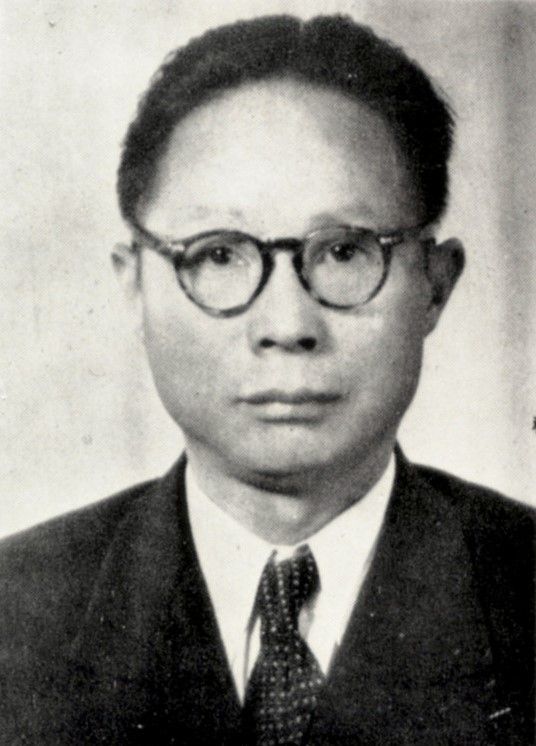

Xu Fuguan was born into a rural family in Hubei in 1903. For a steady income he enlisted in the Nationalist army, studied economics and then attended army officers’ school in Japan, and served fifteen years as an officer, becoming a general and for a time personal aide to Chiang Kai-shek. He met Xiong Shili during the Second World War.
After 1949 he settled in Taiwan and began a second career as a teacher at Tunghai University, writing widely on the history of Chinese thought, and on its culture, literature and art. Forced out in 1969 for criticising the government, he moved to Hong Kong, and died in Taiwan in 1982.
Key ideas
- Learning for moral practice
- In China, Xu argued, learning was never chiefly about knowledge but about improving moral practice; even moral philosophy aimed at living morally rather than perfecting theory.
- Knowledge for education or power
- The ancient Greeks pursued knowledge for the sake of education; modern people use it to pursue power.
- The heart-mind above desire
- Chinese culture is marked by valuing the heart-mind, distinct from and above the desires; Western utilitarian individualism, he said, has nothing to do with it.
- Tradition
- Chinese
- Region
- Hubei, Taiwan and Hong Kong
- Schools
- Confucianism
Key works
- A History of Chinese Theories of Human Nature, 1963
- The Spirit of Chinese Art, 1966
Sources
- David Elstein, Modern Confucianism, Stanford Encyclopedia of Philosophy