Branch
Aesthetics
26 philosophers, 5 traditions
Beauty and art: what makes something beautiful, what art is for, and how we judge and experience it.
Highlight them on the timeline →
Themes in this branch
Philosophers
Listed where the reference works cited on their page describe significant work in aesthetics.
Western
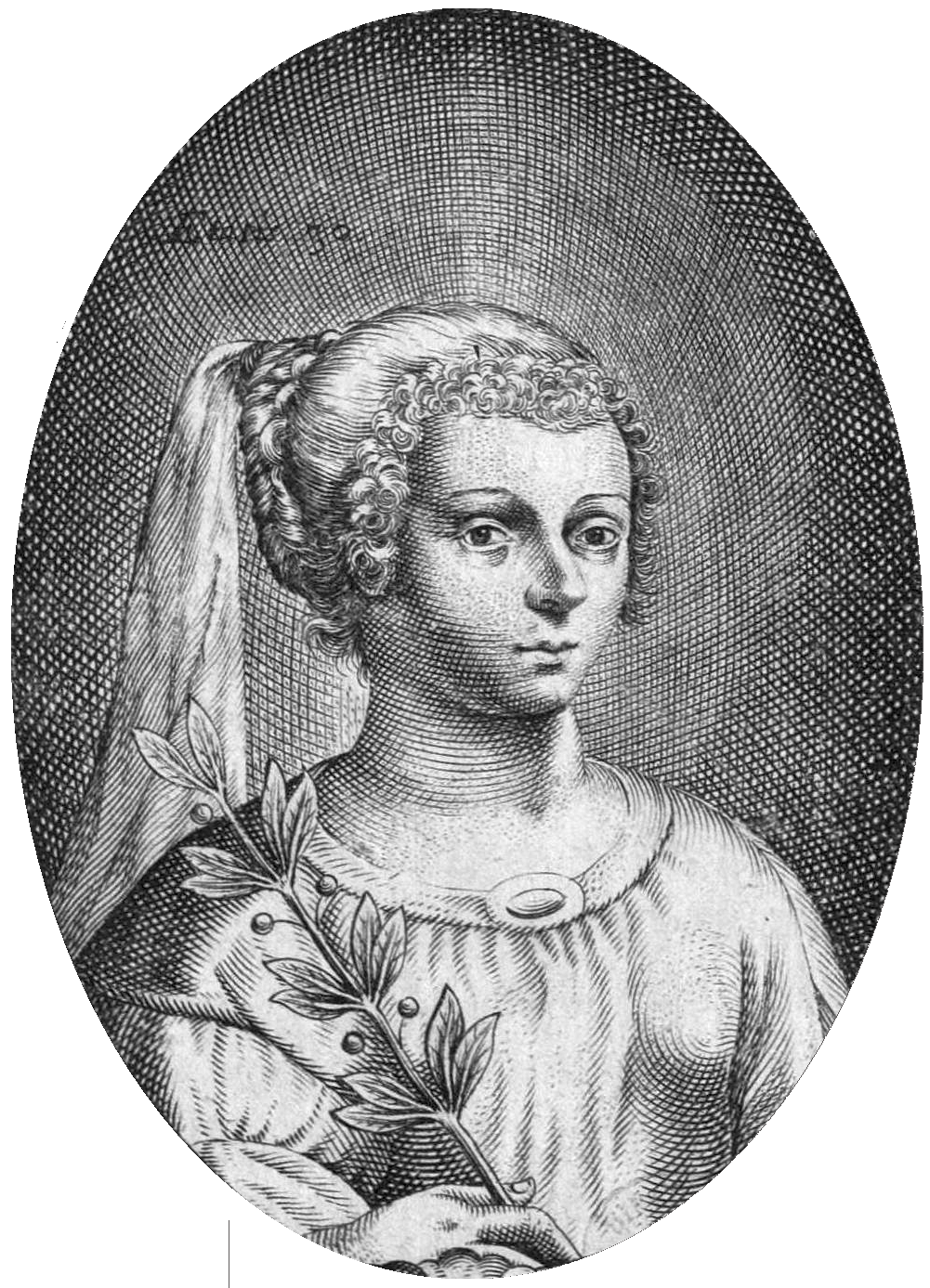 Marie de GournayFriend and editor of Montaigne, whose essays defended the equality of the sexes and women's right to education and public office.
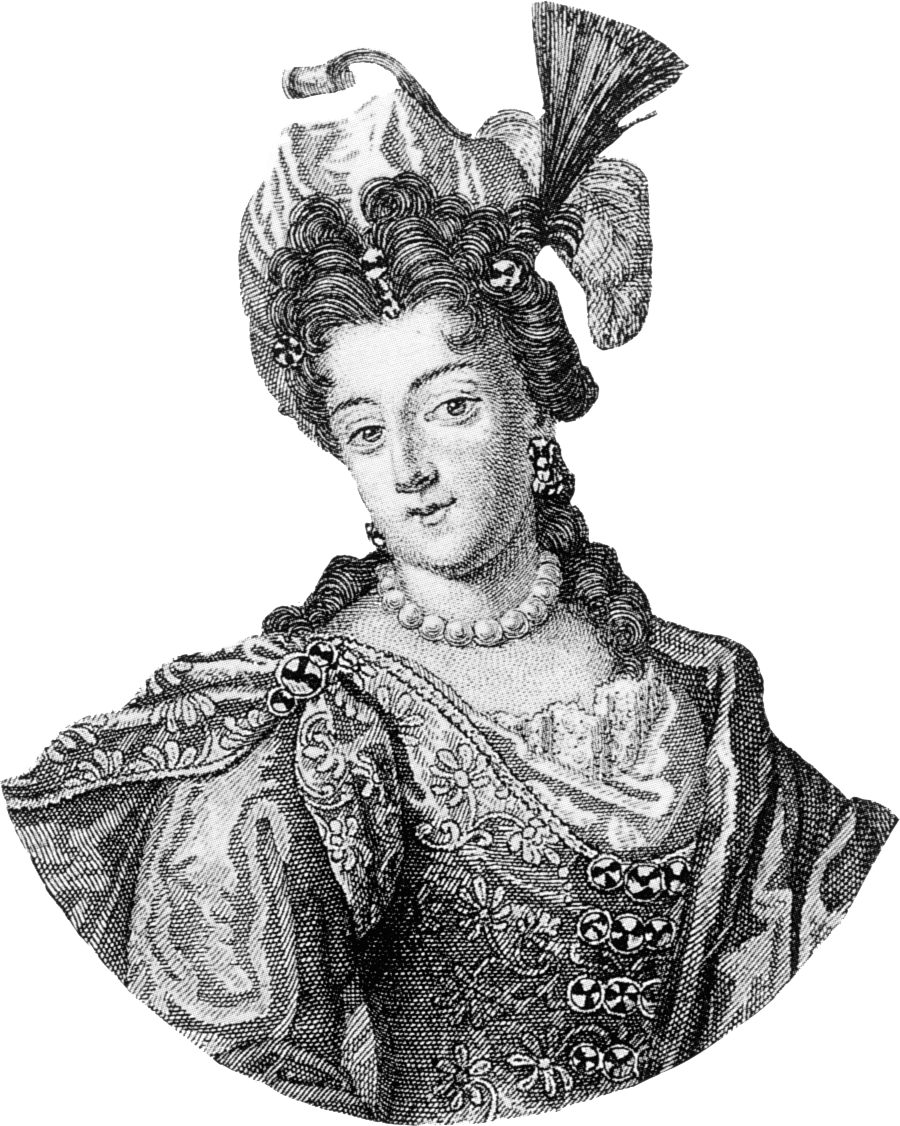 Madeleine de ScudéryFrench novelist and salon host whose philosophical dialogues analysed the virtues of aristocratic society and defended women's right to a public and political voice.
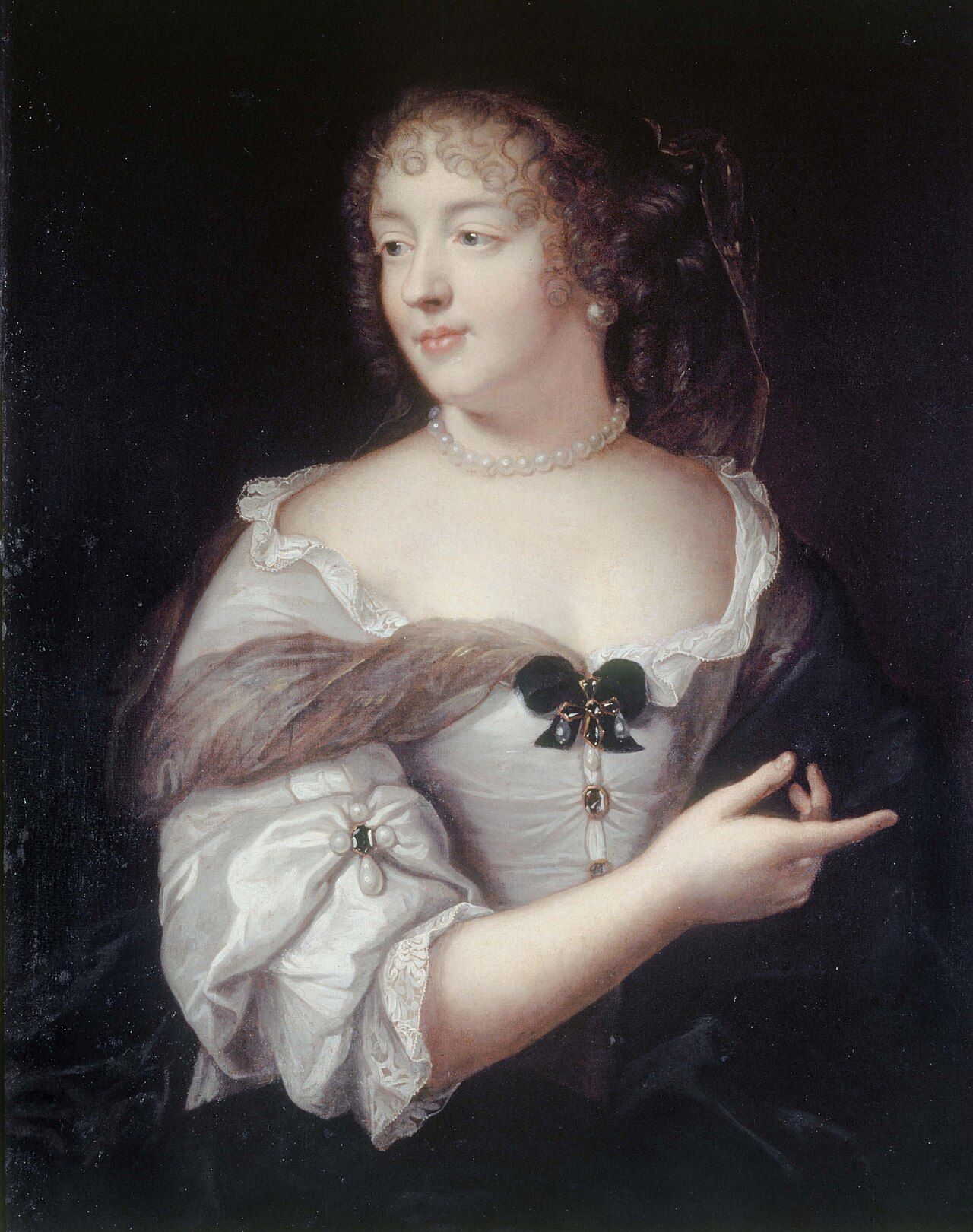 Madame de SévignéFrance's foremost letter-writer of the seventeenth century, whose correspondence rejected mechanistic nature and chronicled the philosophical debates of the Cartesian age.
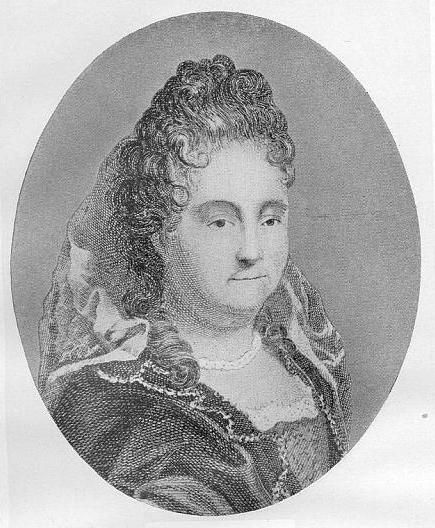 Anne DacierFrench classicist whose translations of Homer made her famous, and who, defending the ancients against the moderns, developed a philosophy of taste, imitation and metaphor.
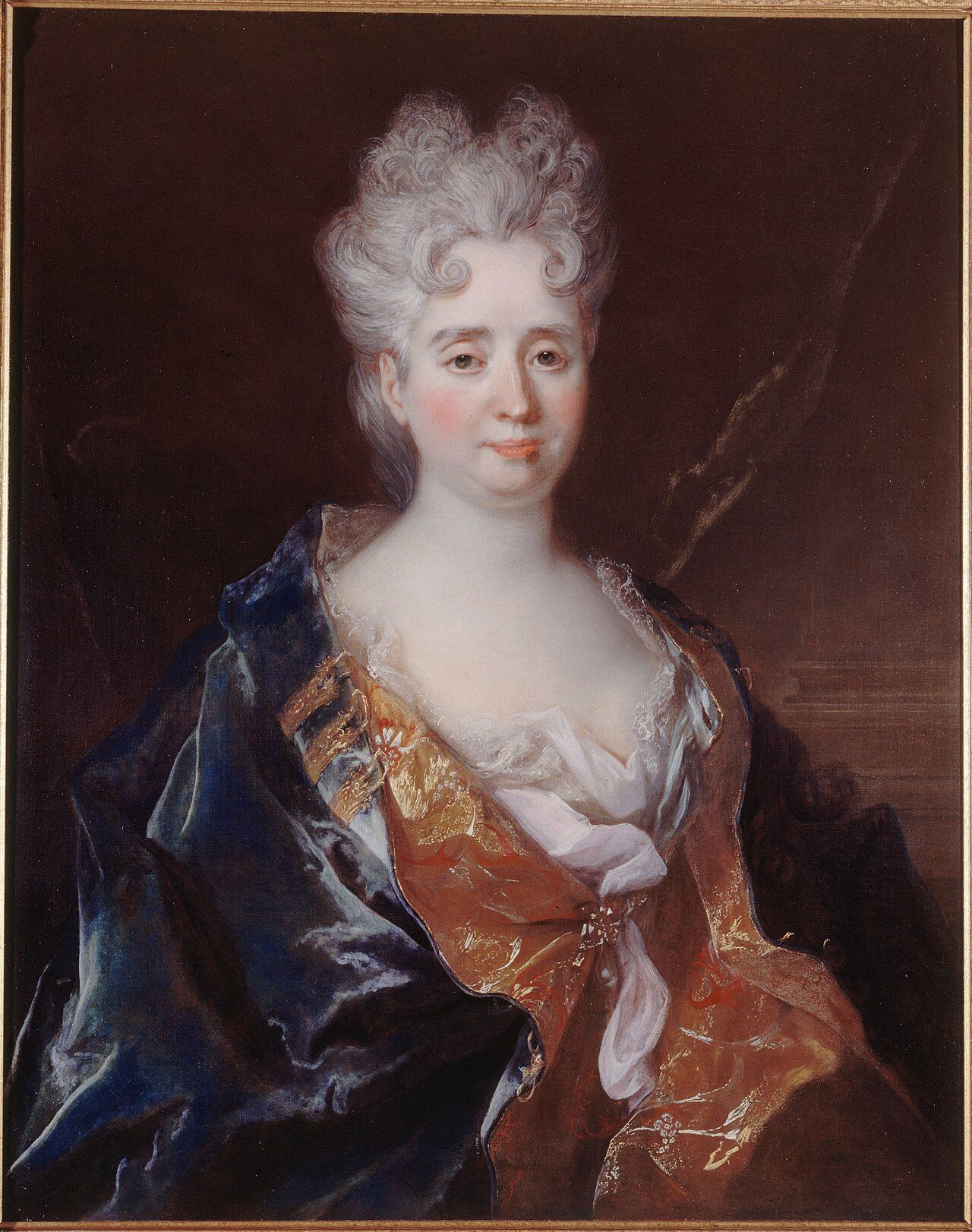 Marquise de LambertParis salon host whose essays defended the dignity of women, criticised the inequalities of her society, and were praised by Fontenelle, Montesquieu and Voltaire.
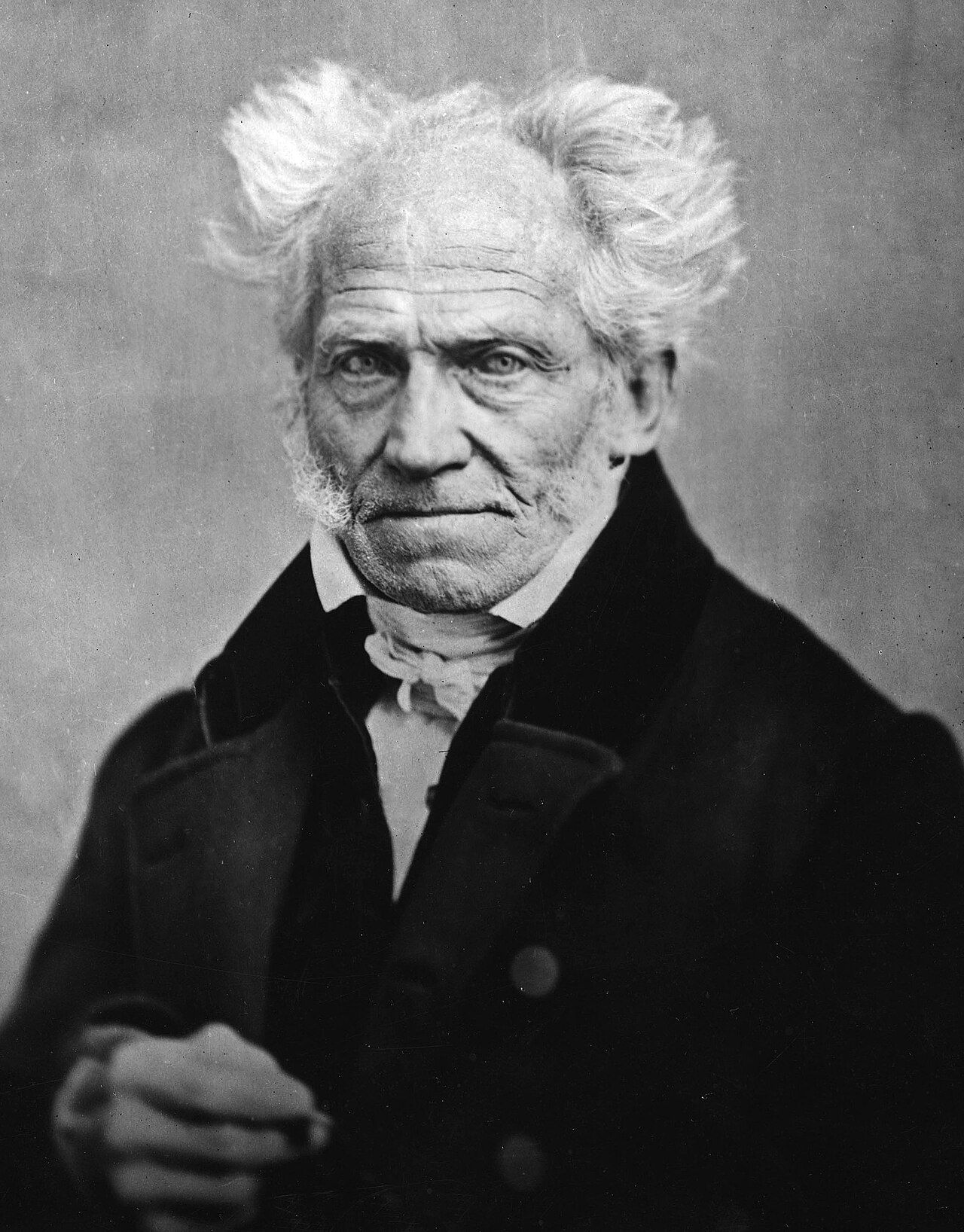 Arthur SchopenhauerGerman philosopher who held that the world at its core is a blind, restless Will, and that art, compassion and ascetic renunciation offer release from suffering.
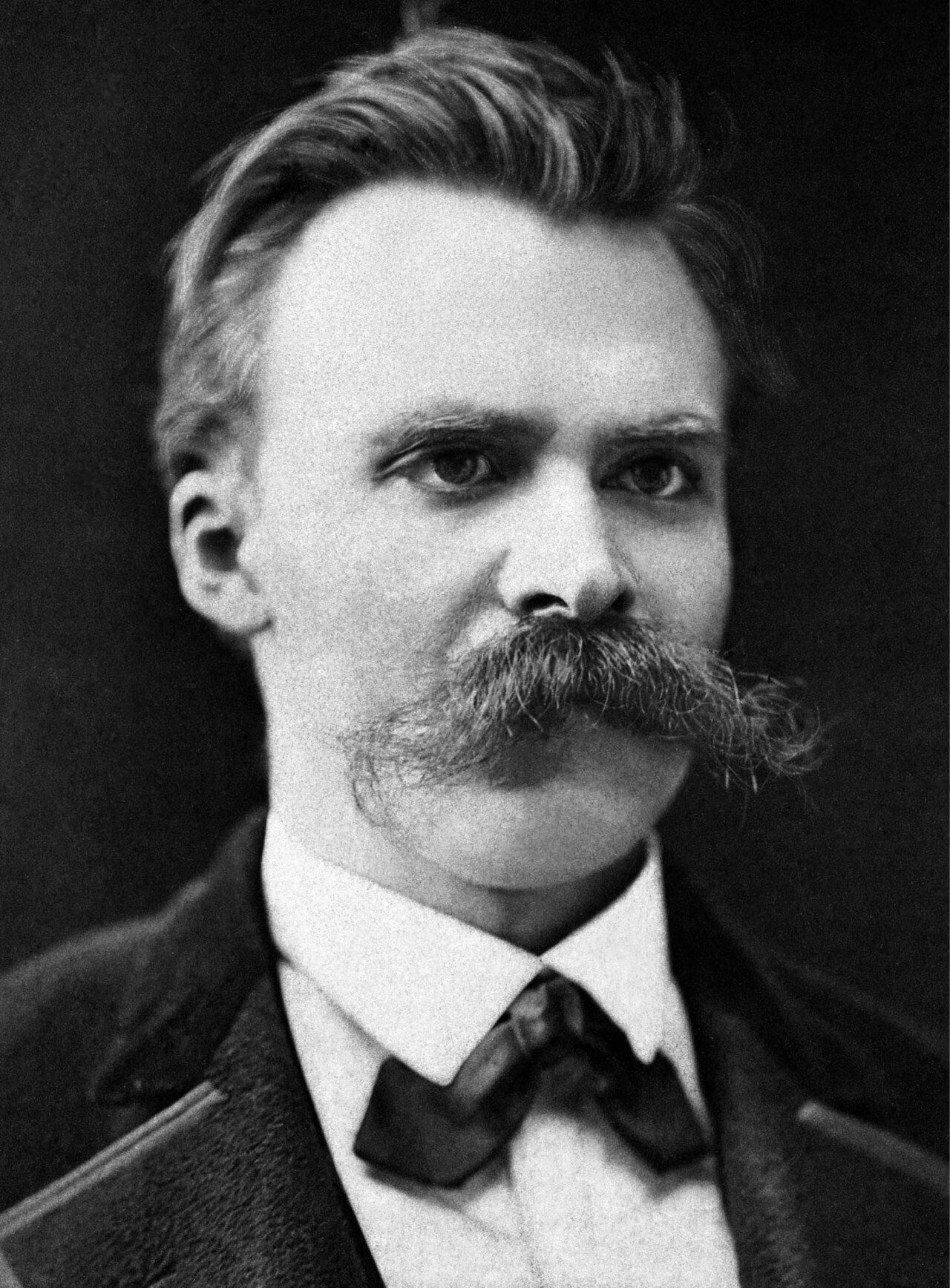 Friedrich NietzscheGerman philosopher and cultural critic who attacked traditional morality and religion, announced that “God is dead”, and asked how life can be affirmed without them.
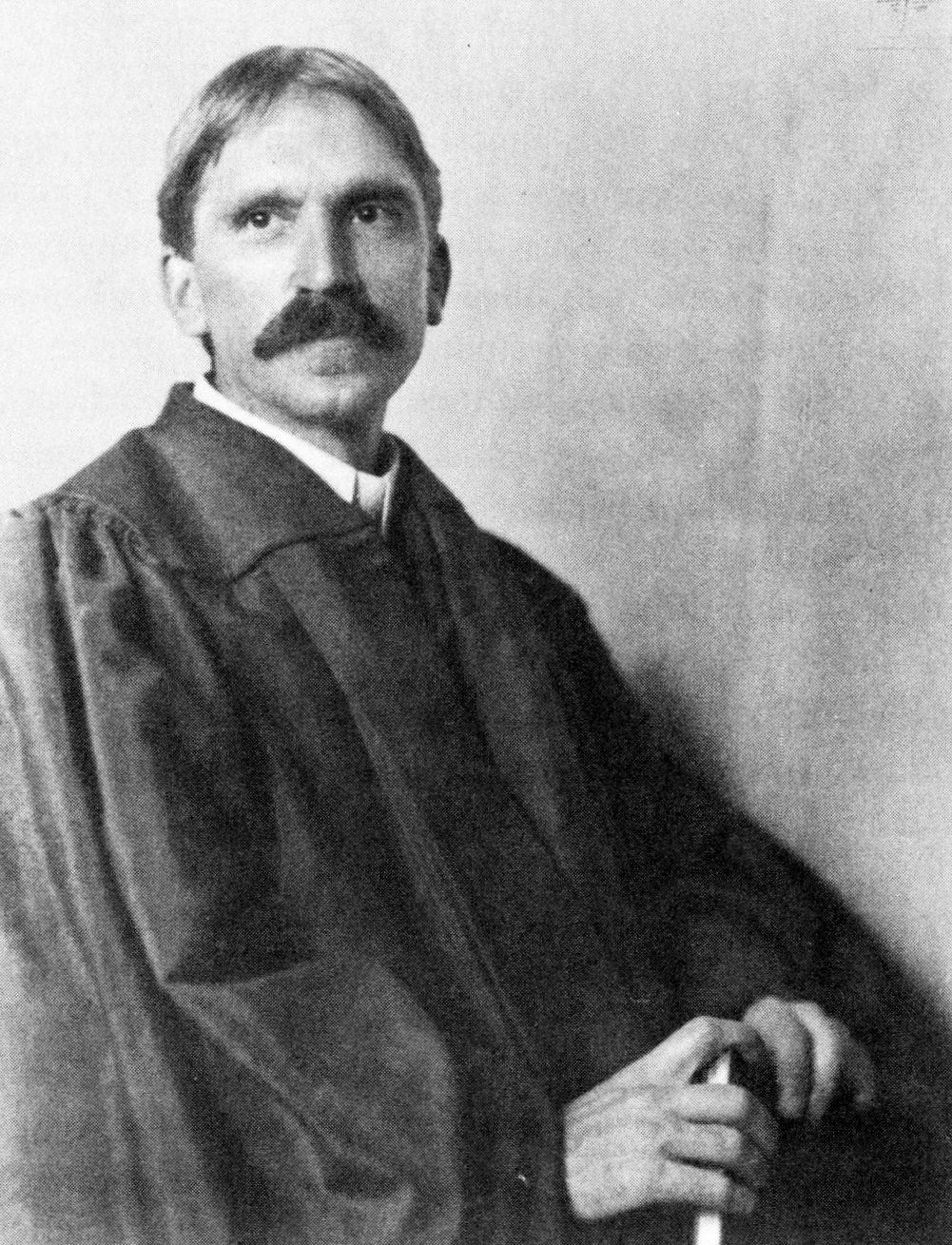 John DeweyPragmatist and perhaps the most prominent American intellectual of his time, who treated thinking as a way of solving problems and saw democracy and education as bound together.
- Edith Landmann-KalischerGerman philosopher of art and value who argued that aesthetic judgements are cognitive, as objective as sense perception, and that art can be true by mirroring the mind.
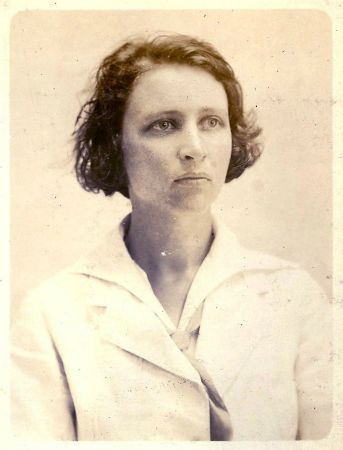 Susanne LangerAmerican philosopher of symbolic form whose Philosophy in a New Key sold over 600,000 copies, and whose theory of art and feeling made her a leading philosopher of art.
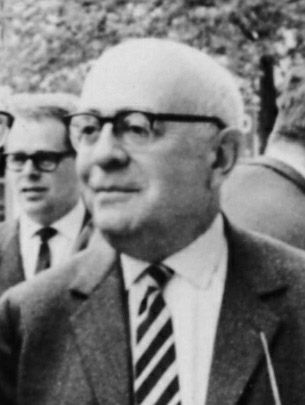 Theodor W. AdornoFrankfurt School philosopher, sociologist and music critic whose Dialectic of Enlightenment, written with Horkheimer, argued that modern reason had turned into a new form of domination.
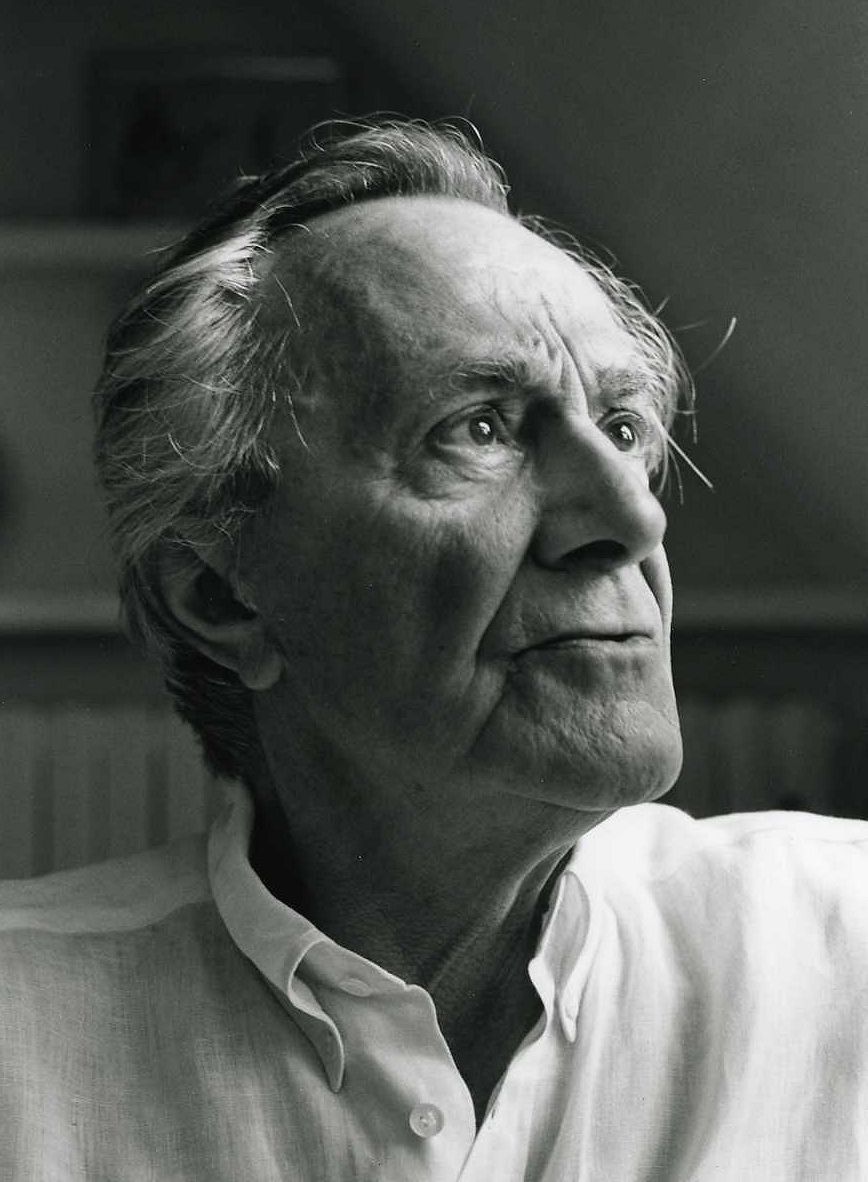 Jean-François LyotardFrench philosopher whose The Postmodern Condition defined the postmodern as "incredulity towards metanarratives", and then asked what justice could mean without such grand stories.
- Gilles DeleuzeFrench philosopher of difference who called himself a "pure metaphysician", replacing substance with multiplicity, and who wrote Anti-Oedipus and A Thousand Plateaus with Félix Guattari.
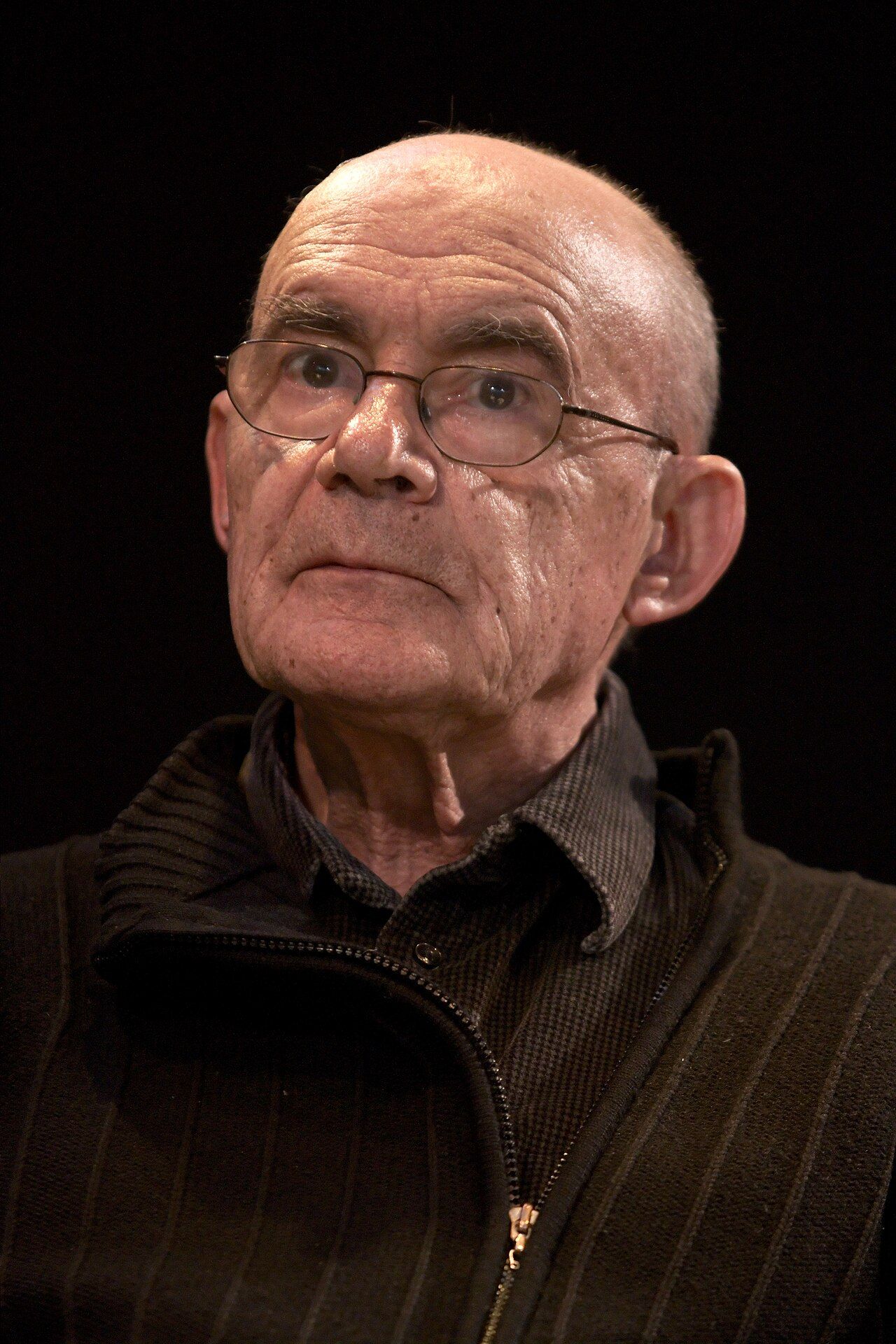 Jean-Luc NancyFrench philosopher of community and "being-with" who argued that the longing for a closed, unified community lies behind much modern political violence.
Jewish
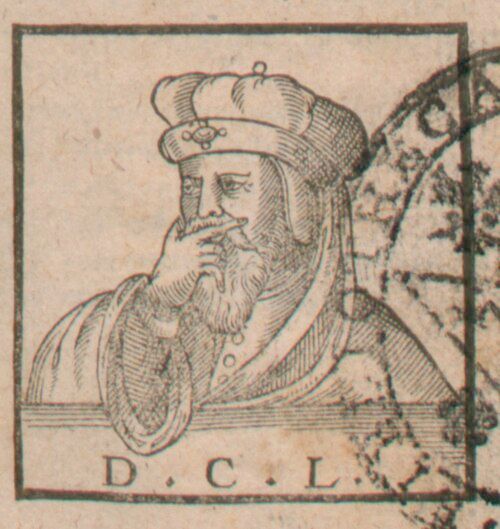 Judah AbrabanelJewish philosopher of the Renaissance, known as Leone Ebreo, whose Dialogues of Love present love as both a sensual and a cosmic principle binding the universe in a circle.
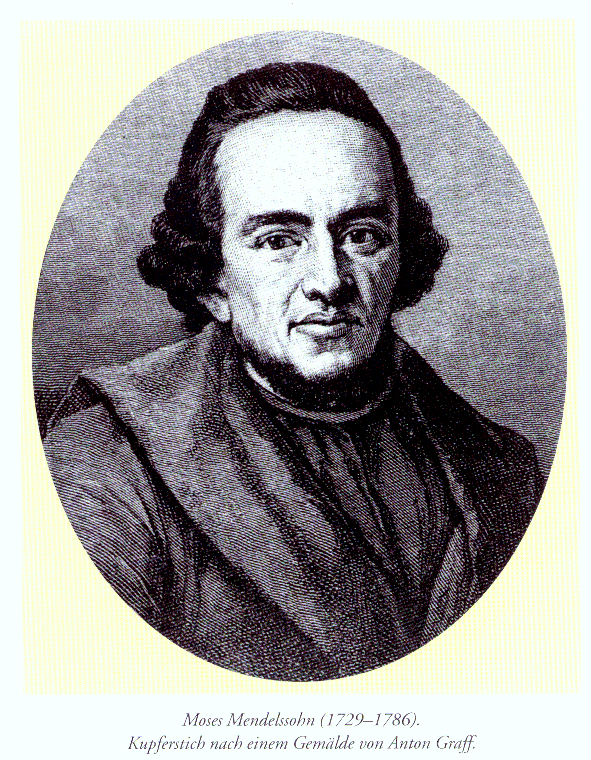 Moses MendelssohnJewish philosopher at the heart of the German Enlightenment, who argued for the immortality of the soul and for religious tolerance, holding that neither church nor state may coerce belief.
- Margarete SusmanGerman-Jewish philosopher, poet and essayist of the Simmel circle, writing on Jewish thought and on women in modern society, whose book on Job was an early response to the Shoah.
Chinese
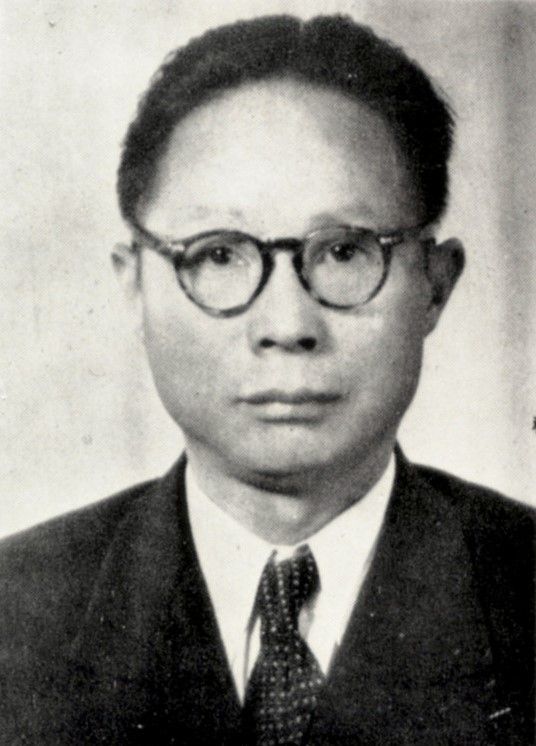
Japanese
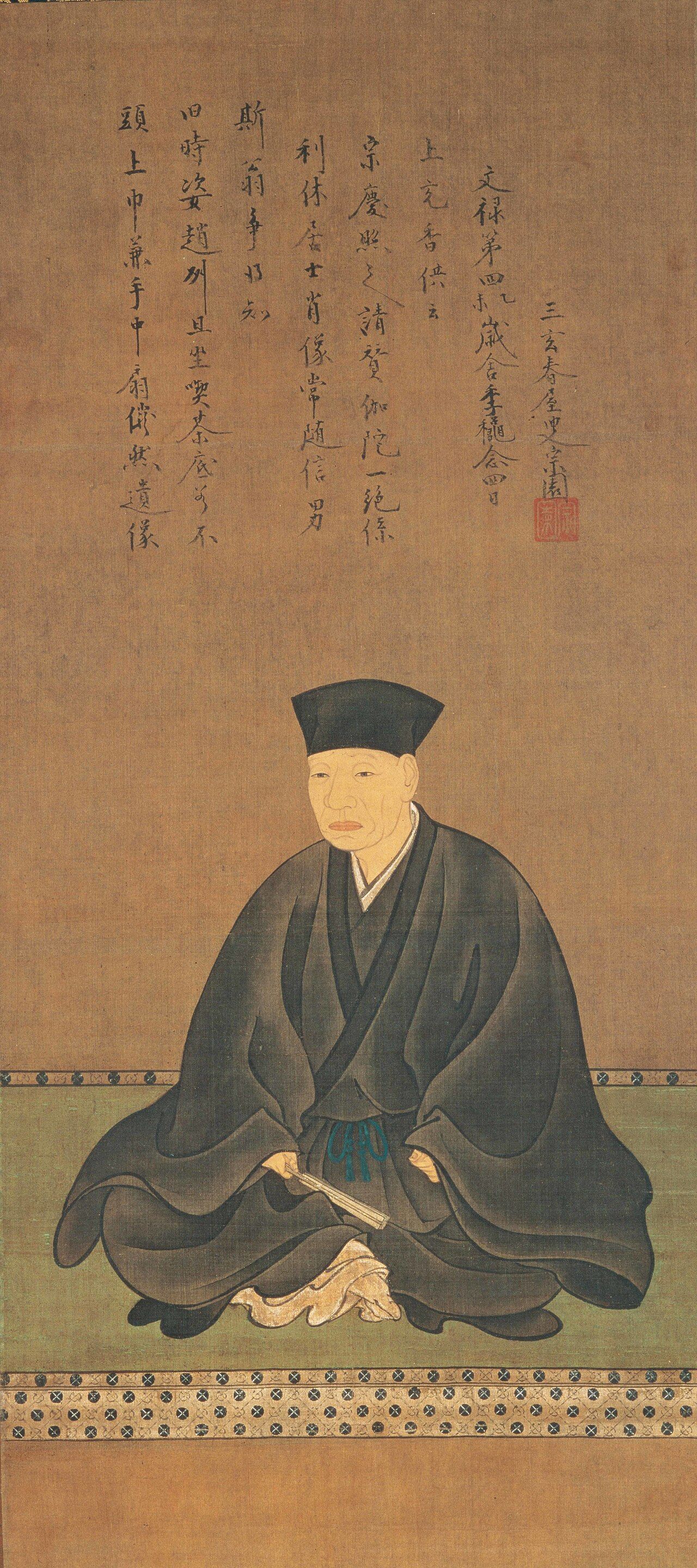 Sen no RikyūThe pre-eminent Japanese tea master, whose wabi tea ceremony of austere, rustic simplicity resolved the tensions in sixteenth-century tea and opened new visions of equality.
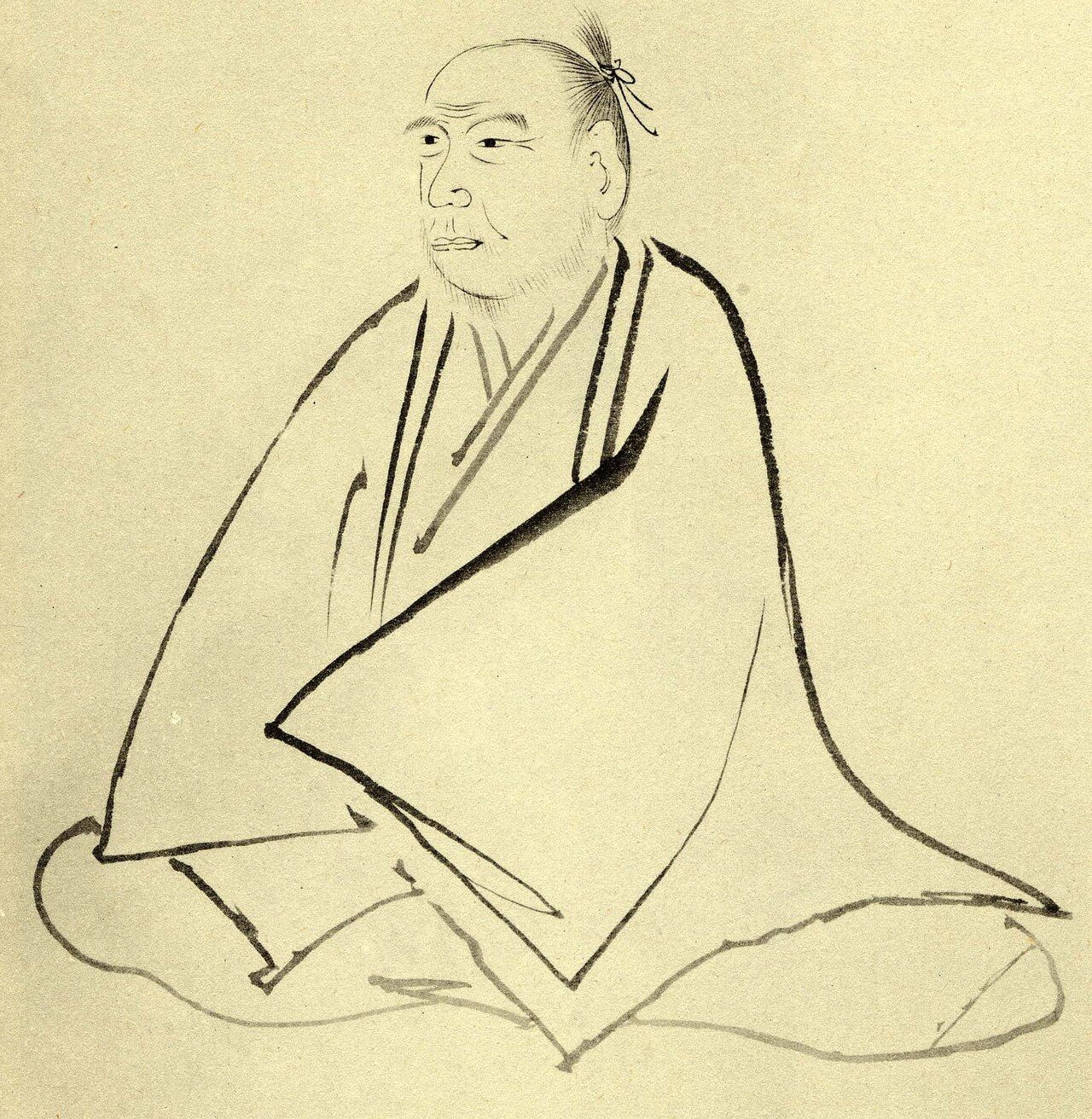 Kamo no MabuchiEdo-period scholar of Japan's oldest poetry, who held that the ancient Way followed the rhythms of nature and was corrupted by the artificial morals imported from China.
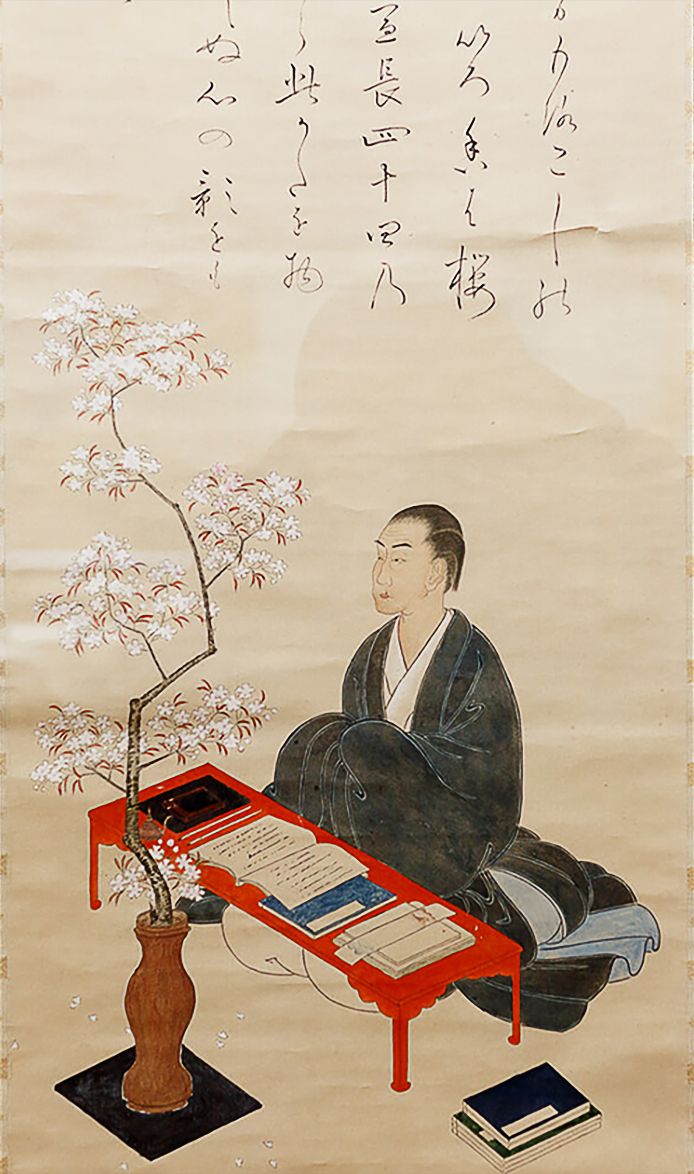 Motoori NorinagaLeading scholar of Kokugaku (Native Studies), who read The Tale of Genji through mono no aware and drew from the Kojiki a Way of the kami he held to be Japan's original Way.
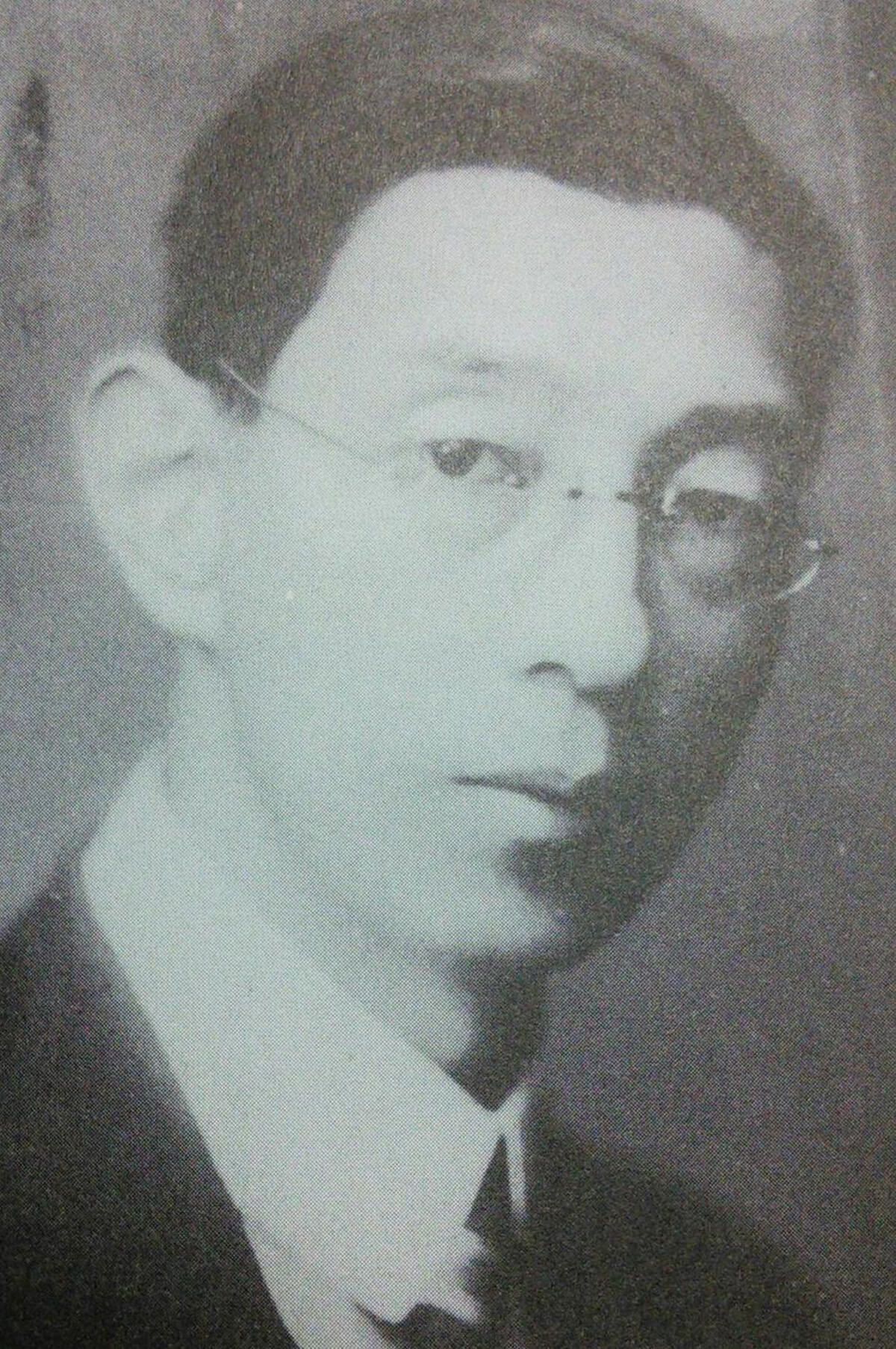 Kuki ShūzōJapanese philosopher whose Structure of Iki, a phenomenological study of a refined, erotic style of the Edo pleasure quarters, is perhaps the century's key work of Japanese aesthetics.
African
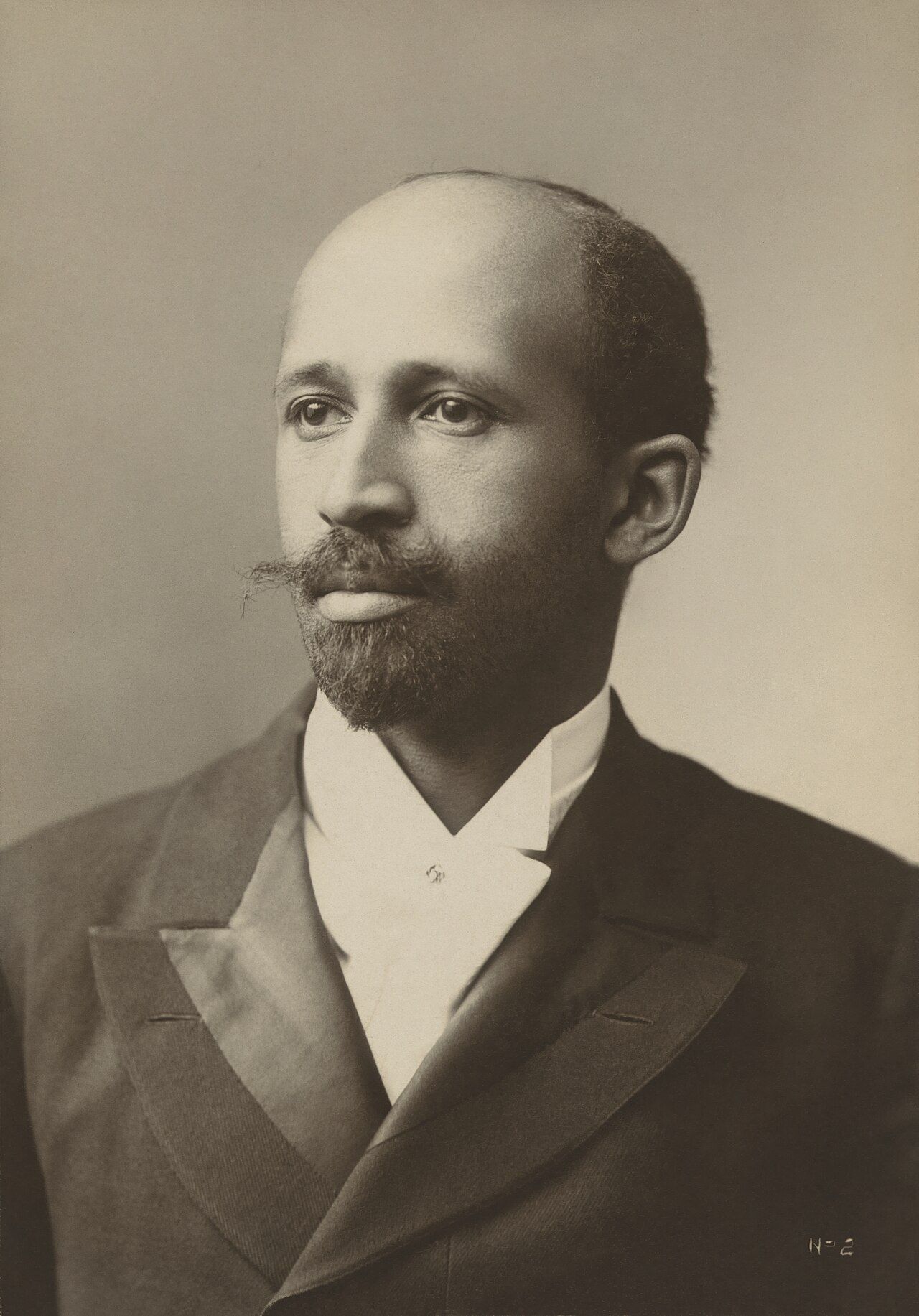 W. E. B. Du BoisSociologist, historian and activist who, by making race and "the Negro problem" objects of philosophical reflection, all but founded the philosophy of race.
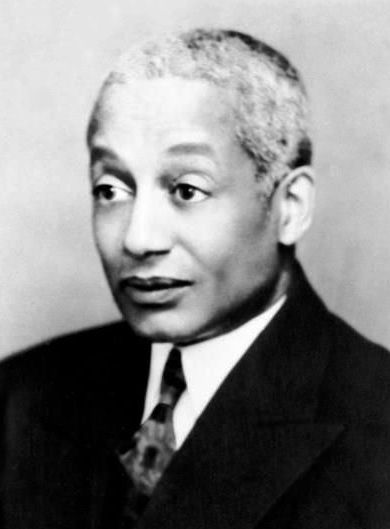 Alain LockePhilosopher of value, culture and race, called the "Father of the Harlem Renaissance", who developed a pluralist theory of values and an account of race as culture, not biology.
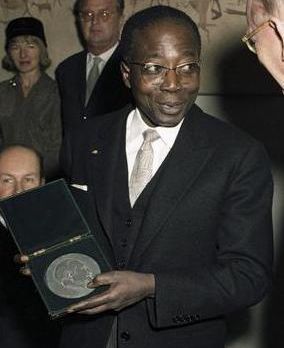 Léopold Sédar SenghorSenegalese poet, statesman and philosopher, a founder of Négritude, who read in African religions an ontology of vital forces and gave the movement its philosophy.
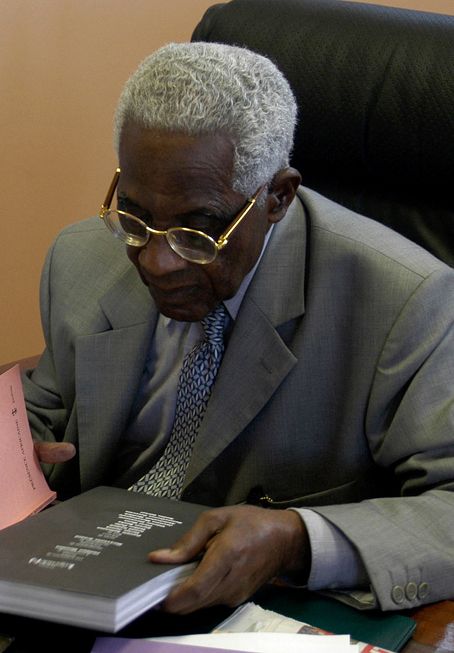 Aimé CésaireMartinican poet and politician, a founder of Négritude, for whom it was not a metaphysics but a way of living history and reclaiming a heritage.