Philosopher
Kuki Shūzō
1888–1941
Also known as Kuki Shuzo
Japanese philosopher whose Structure of Iki, a phenomenological study of a refined, erotic style of the Edo pleasure quarters, is perhaps the century's key work of Japanese aesthetics.
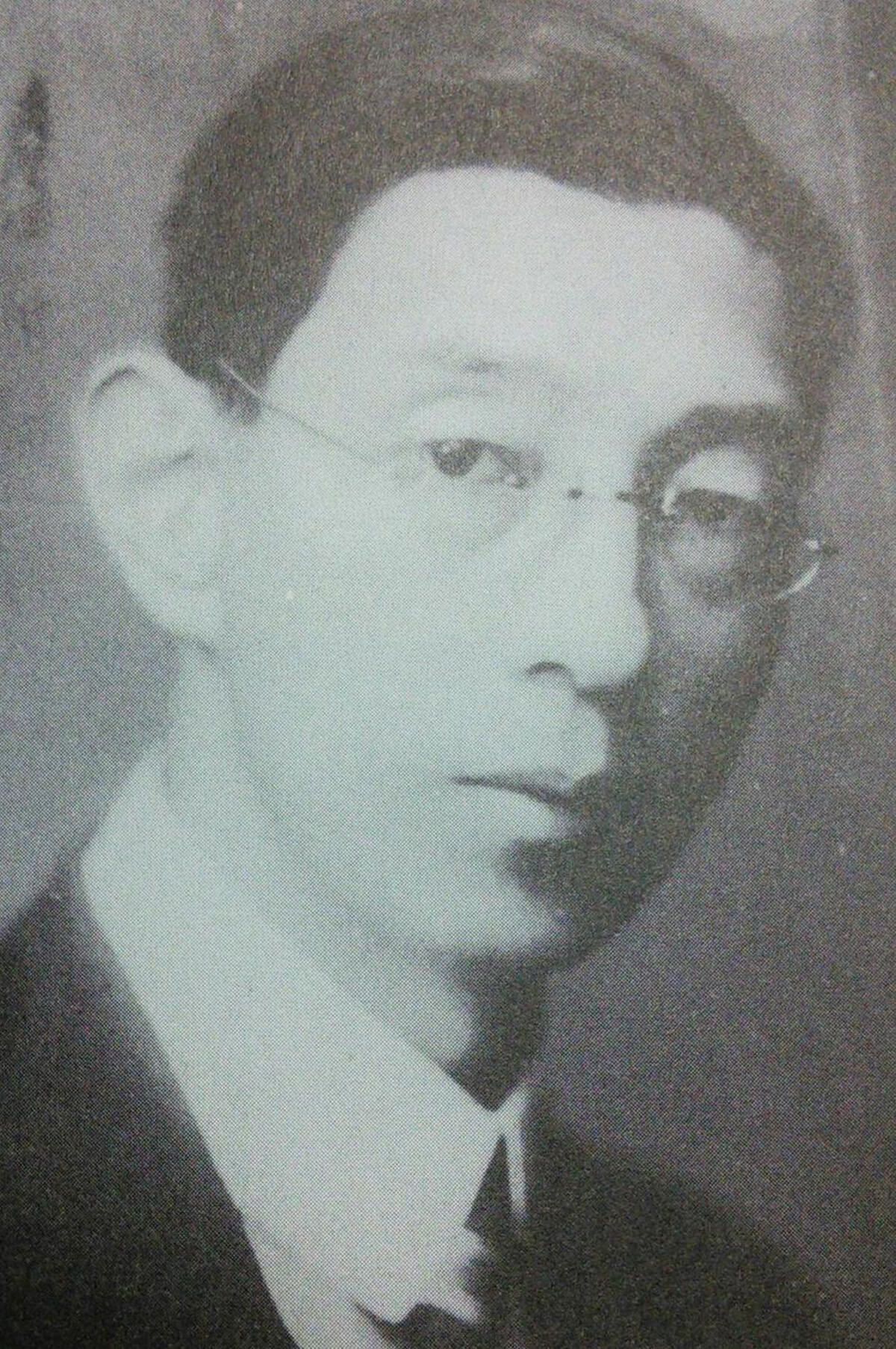

Kuki Shūzō spent seven years in Germany and France, where he attended lectures and seminars by, and talked with, Rickert, Husserl, Heidegger, Bergson and Sartre. He drafted The Structure of ‘Iki’ in Paris in 1926 and published it after returning to Japan in 1929.
One of the shortest and most significant works of twentieth-century Japanese aesthetics, it brings phenomenology and hermeneutics to bear on something central to Japanese aesthetic life for two or three centuries. Like Watsuji Tetsurō, Kuki developed a philosophy that stressed culture.
Key ideas
- The structure of iki
- Iki, a refined style that grew out of erotic dealings between men and geisha in the cities’ pleasure districts, has three moments: seductiveness, ‘brave composure’, and Buddhist ‘resignation’ or non-attachment.
- Keeping possibility open
- As seductiveness, iki keeps a relationship dual, ‘protecting the possibility as possibility’, echoing Heidegger on death, and so it already embraces impermanence and mortality.
- Untranslatable living forms
- No European word can translate iki, just as esprit or Sehnsucht resist translation, because such words grow from a particular culture; Kuki sought to grasp its ‘living form’ as experienced.
- Tradition
- Japanese
- Region
- Japan, Germany and France
- Period
- Modern Japanese
- Themes
- Art and beauty
Influences
Where these links come from
- Kuki Shūzō studied with and drew on Martin Heidegger. Source: Graham Parkes and Adam Loughnane, Japanese Aesthetics, Stanford Encyclopedia of Philosophy
Key works
- The Structure of "Iki" ("Iki" no kōzō)
- Read free at Wikisource (in Japanese)
Terms on this page
- iki
- A refined, alluring style from the pleasure quarters of Edo-period cities. Kuki Shūzō analysed it as seductiveness joined with brave composure and Buddhist resignation.
Sources
- Graham Parkes and Adam Loughnane, Japanese Aesthetics, Stanford Encyclopedia of Philosophy
- Thomas Kasulis and Raquel Bouso, Japanese Philosophy, Stanford Encyclopedia of Philosophy