Philosopher
Li Zhi
1527–1602
Also known as Li Chih, Li Zhuowu
Unorthodox Ming Confucian of the Taizhou school, who found our truest moral capacity in the 'child heartmind' and defended the education of women.
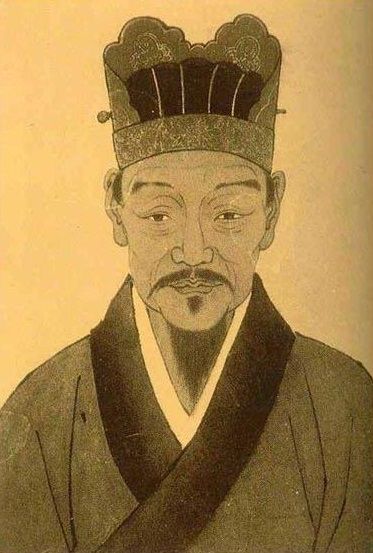

Li Zhi is counted among the philosophers of the Taizhou school, the followers of Wang Gen, whom many mainstream Neo-Confucians disparaged for their departures from orthodoxy. Like Luo Rufang, he looked for goodness in our moral nature as it is before society shapes it, and he took that thought further, holding that it does not fit neat general rules.
He and Luo are now admired for defending the education of women, on the grounds that women have an equal capacity for virtue and wisdom.
Key ideas
- The child heartmind
- The most authentic and reliable expressions of our innate moral capacities are found in the heartmind as it is before socialisation, which Li called the “child heartmind”.
- Virtue resists rules
- Because the child heartmind can express itself idiosyncratically, moral expectations and the shape of the virtues resist generalisation far more than most Confucians allowed.
- Women can be wise
- Li Zhi defended the education of women, partly on the grounds that they have the same capacity for virtue and wisdom as men.
- Tradition
- Chinese
- Region
- China
- Schools
- Confucianism
- Branches
- Ethics
- Period
- Song–Ming
- Themes
- Women and gender
Sources
- Justin Tiwald, Song-Ming Confucianism, Stanford Encyclopedia of Philosophy