Philosopher
Luo Rufang
1515–1588
Ming Confucian of the Taizhou school who found goodness in the 'infant heart-mind', defended women's education, and held women more reliably virtuous than men.
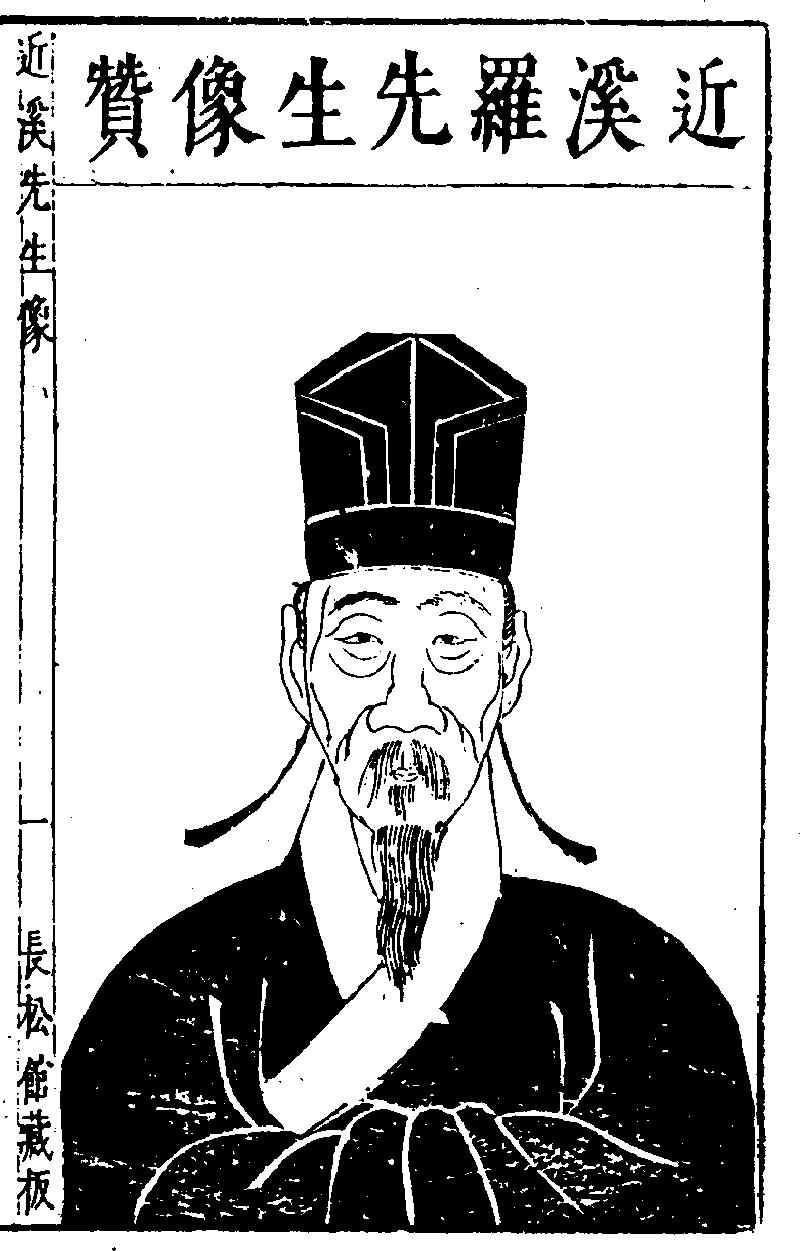

Luo Rufang was one of the notable philosophers of the Taizhou school, a loosely connected group linked by teaching to its purported founder, Wang Gen, and often disparaged by mainstream Neo-Confucians. Its thinkers sought to spread Confucianism among ordinary people and saw more agreement between Confucianism, Daoism and Buddhism than orthodox thinkers allowed.
His idea of the ‘infant heart-mind’ parallels Li Zhi’s ‘child heart-mind’, and both are now admired for their defence of women’s education.
Key ideas
- The infant heart-mind
- Our inborn moral capacities show themselves most genuinely, and most dependably for good, in the heart-mind before society has shaped it, which Luo called the ‘infant heart-mind’.
- Women’s education
- Luo is admired today for defending women’s education, partly on the ground that women have equal capacity for virtue and wisdom.
- Women and virtue
- He went further, suggesting that women could be relied on to be good more than men, and did more of the basic work of cultivating virtue.
- Tradition
- Chinese
- Region
- China
- Schools
- Confucianism
- Period
- Song–Ming
- Themes
- Women and gender
Influences
Where these links come from
- Luo Rufang drew on Wang Gen. Source: Justin Tiwald, Song-Ming Confucianism, Stanford Encyclopedia of Philosophy
Sources
- Justin Tiwald, Song-Ming Confucianism, Stanford Encyclopedia of Philosophy