Branch
Philosophy of language
41 philosophers, 7 traditions
Meaning, reference and truth: how words and sentences mean what they do, and how language shapes thought.
Highlight them on the timeline →
Themes in this branch
Philosophers
Listed where the reference works cited on their page describe significant work in philosophy of language.
Western
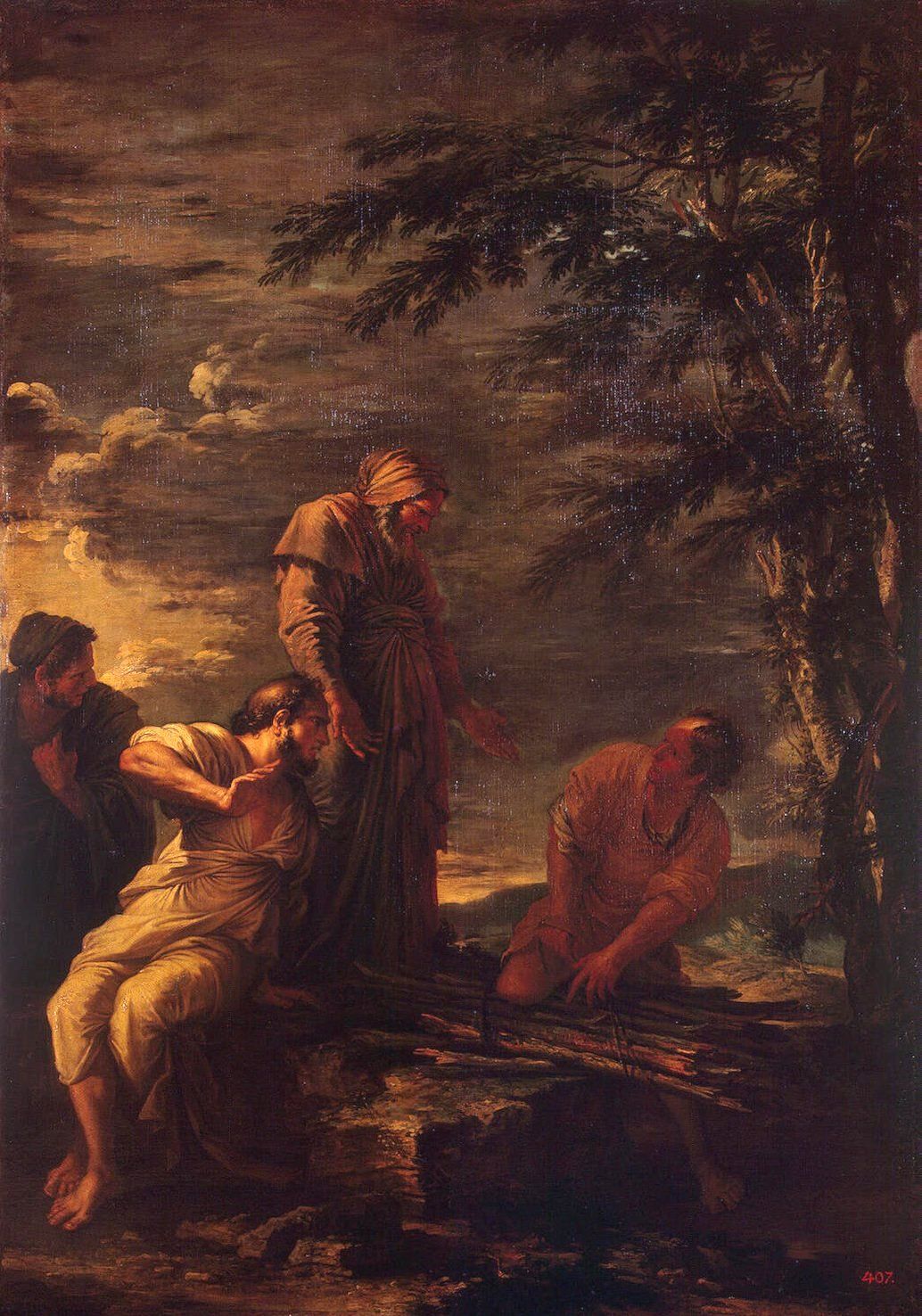 ProtagorasThe first to call himself a sophist, he taught argument for a fee, held that "man is the measure of all things", and said he could not know whether the gods exist.
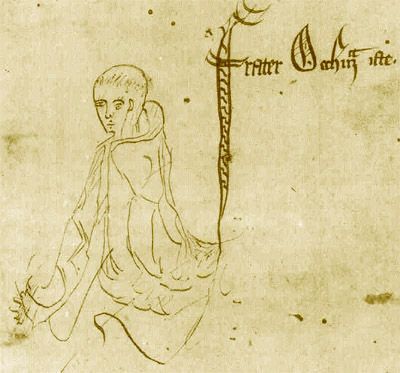 William of OckhamFranciscan logician and nominalist, remembered for "Ockham's Razor", the principle that we should not assume more entities than we need.
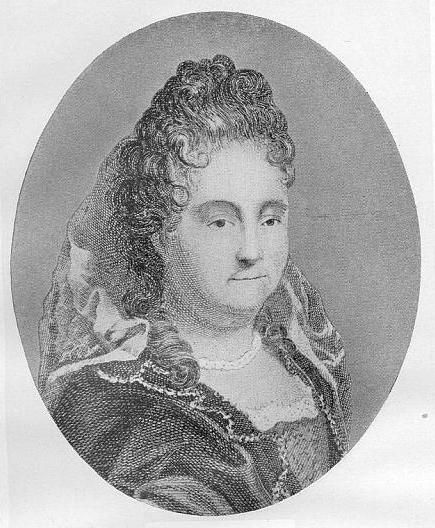 Anne DacierFrench classicist whose translations of Homer made her famous, and who, defending the ancients against the moderns, developed a philosophy of taste, imitation and metaphor.
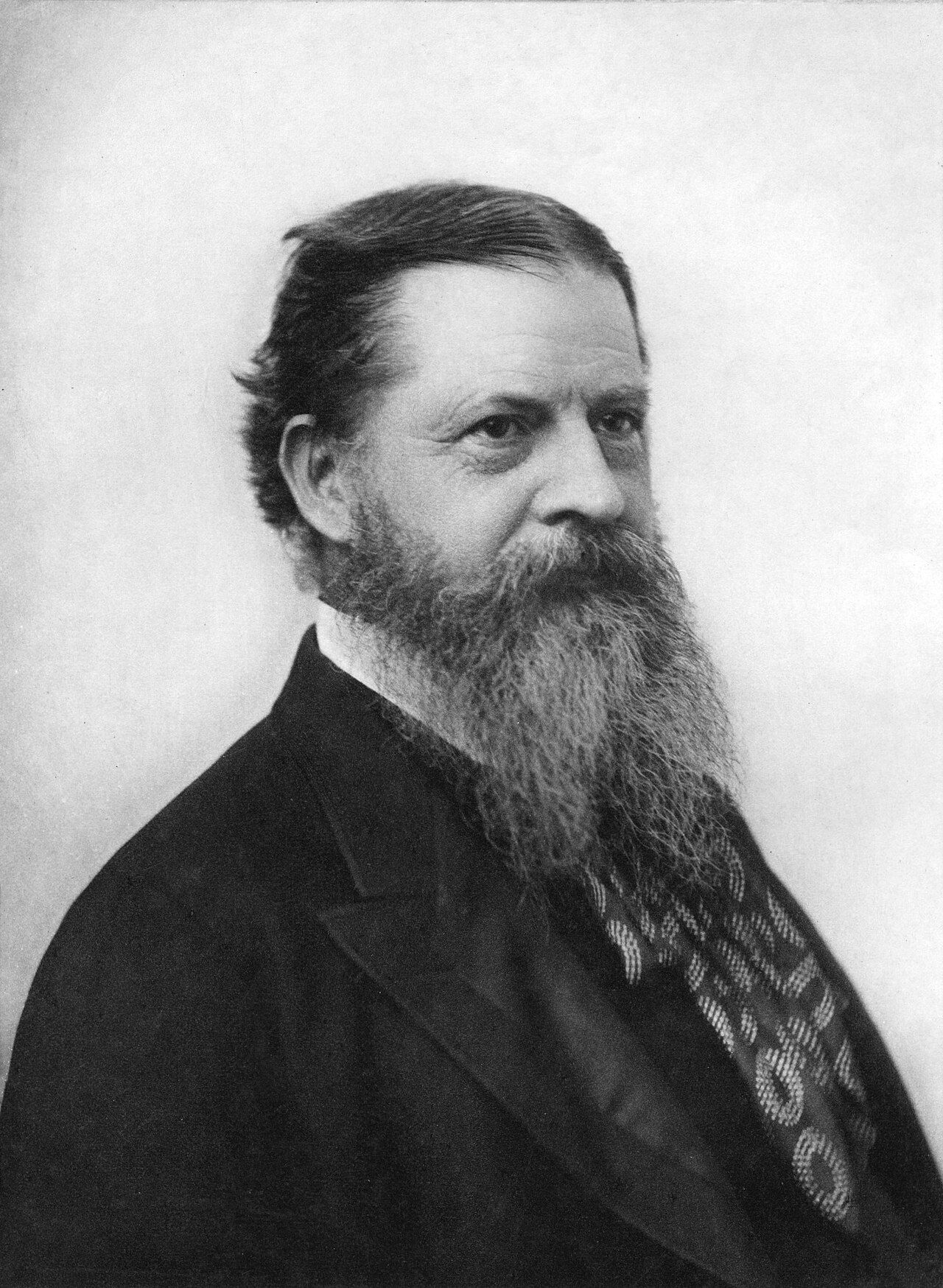 Charles Sanders PeirceLogician, scientist and founder of American pragmatism, who held that a concept's meaning lies in its conceivable practical effects, and who developed a general theory of signs.
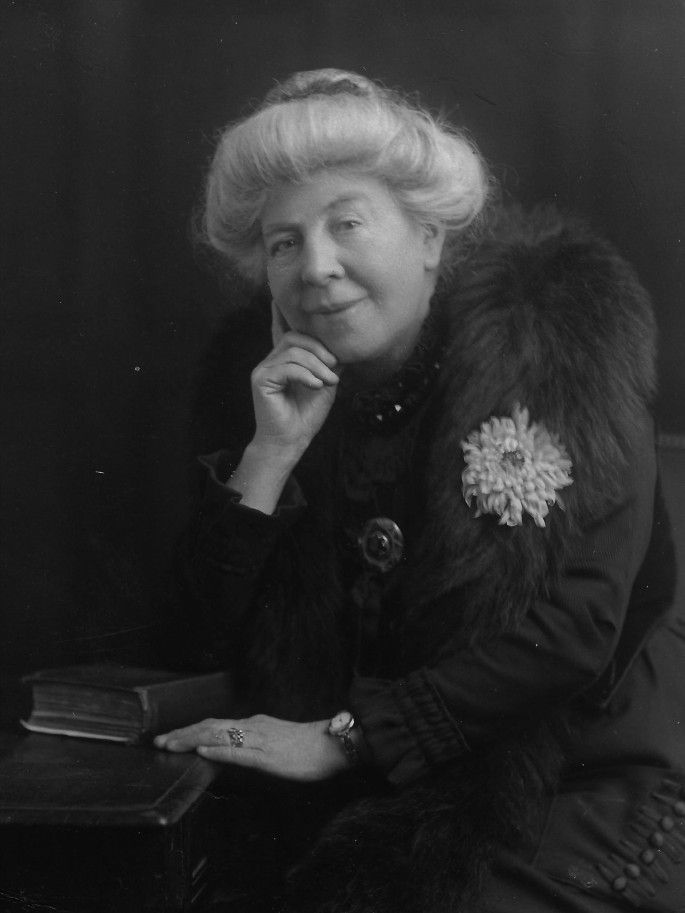 E. E. Constance JonesCambridge logician and ethicist, Mistress of Girton, whose 'new law of thought' anticipated Frege's distinction between sense and reference.
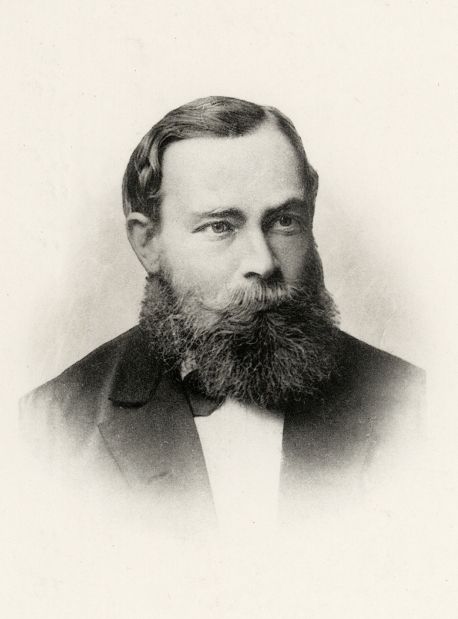 Gottlob FregeGerman logician who invented modern predicate logic, tried to derive arithmetic from logic, and distinguished the sense of an expression from what it refers to.
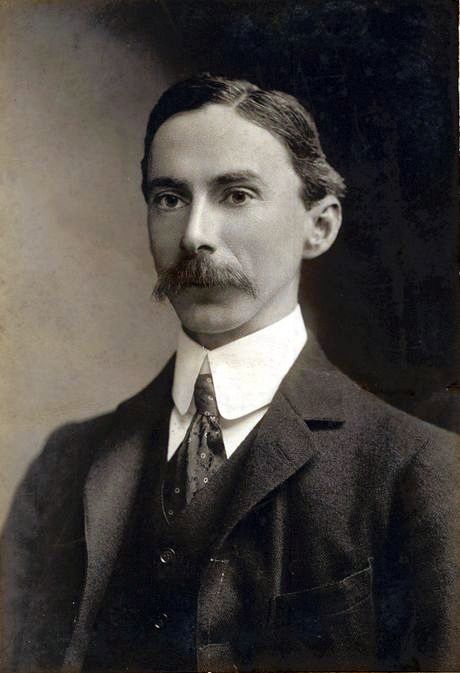 Bertrand RussellBritish philosopher and logician who argued that mathematics reduces to logic, helped found analytic philosophy, and campaigned for peace.
- Susan StebbingBritish philosopher of the interwar years, a leading figure in the Cambridge School of Analysis and the first woman in the UK to hold a full professorship in philosophy.
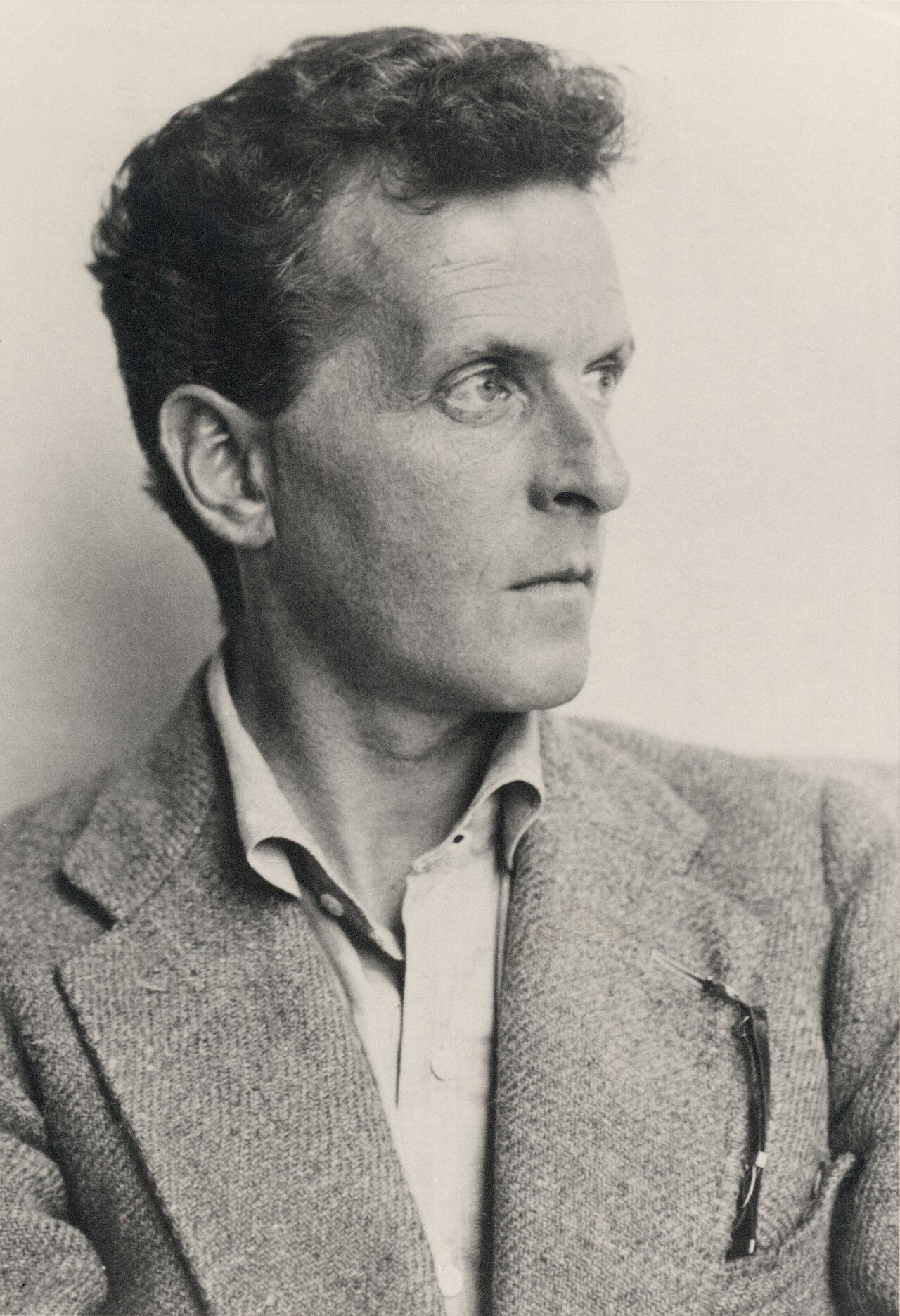 Ludwig WittgensteinAustrian-born philosopher of logic and language whose Tractatus and later Philosophical Investigations transformed analytic philosophy twice over.
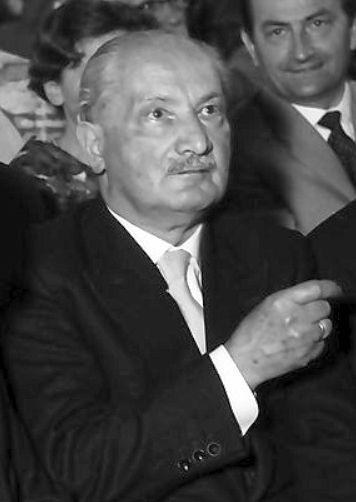 Martin HeideggerGerman philosopher whose Being and Time asked what it means to be, and shaped existentialism, phenomenology and much of later European thought.
- Rudolf CarnapLeading figure of logical empiricism and a founder of the philosophy of science, who saw philosophy as the engineering of clearer languages and rejected metaphysics as empty.
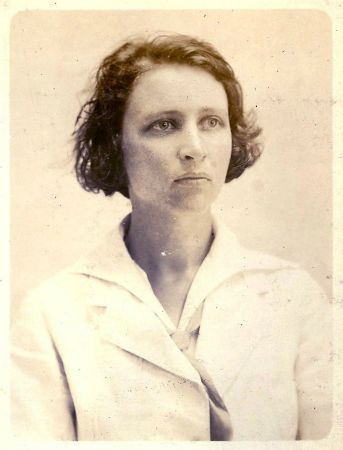 Susanne LangerAmerican philosopher of symbolic form whose Philosophy in a New Key sold over 600,000 copies, and whose theory of art and feeling made her a leading philosopher of art.
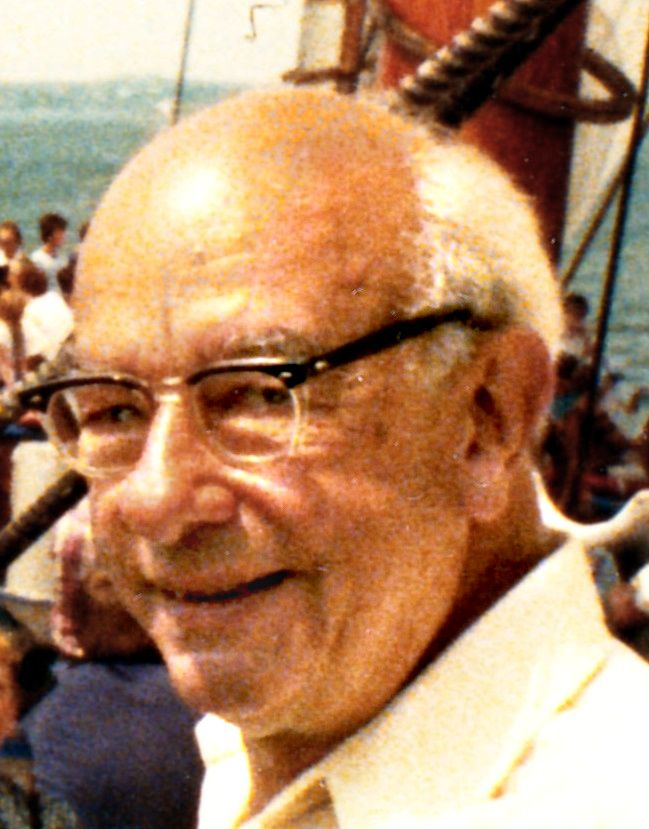 W. V. O. QuineHarvard logician and philosopher who attacked logical empiricism's distinction between analytic and synthetic truths and saw philosophy as continuous with science.
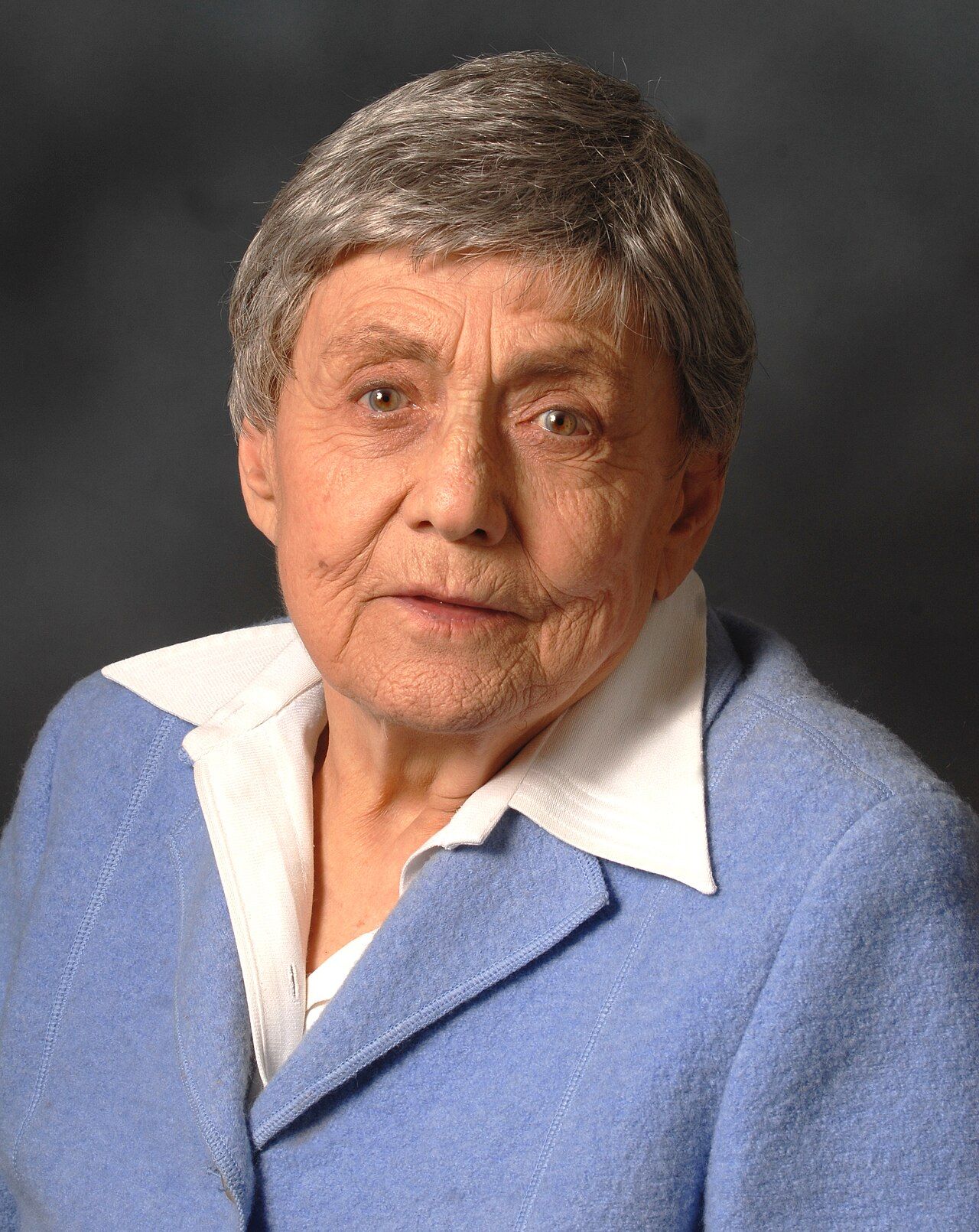 Ruth Barcan MarcusAmerican logician who built the first formal systems of quantified modal logic, defended modal logic against Quine, and argued that proper names are meaningless tags.
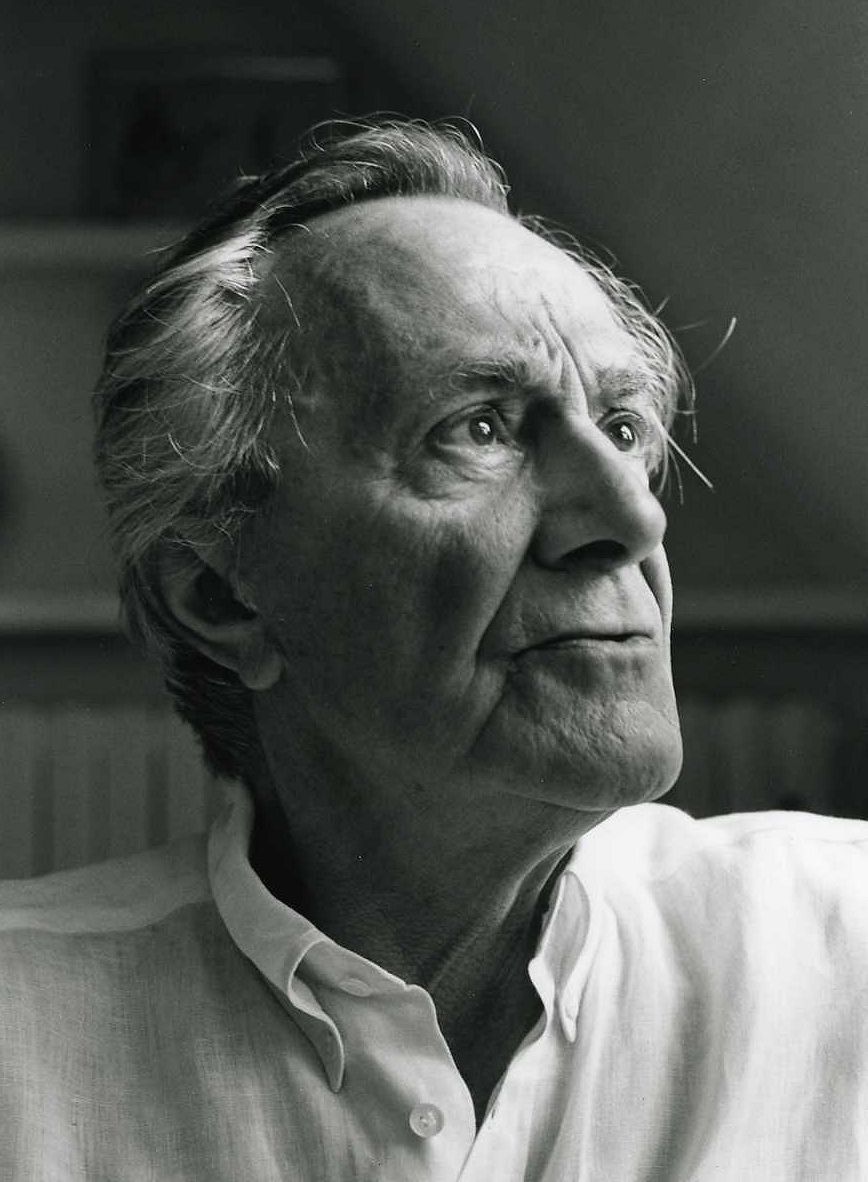 Jean-François LyotardFrench philosopher whose The Postmodern Condition defined the postmodern as "incredulity towards metanarratives", and then asked what justice could mean without such grand stories.
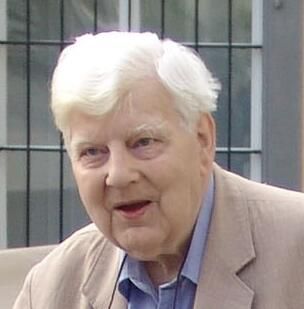 Michael DummettEnglish philosopher who interpreted Frege as the founder of analytic philosophy and argued for "anti-realism": that what our sentences mean depends on what we can recognise as evidence for them.
 Jacques DerridaAlgerian-born French philosopher who founded deconstruction, a way of reading texts and institutions that unsettles the oppositions on which Western thought is built.
- Luce IrigarayBelgian-born philosopher, linguist and psychoanalyst whose Speculum of the Other Woman exposed women's exclusion from philosophy and called for true sexual difference.
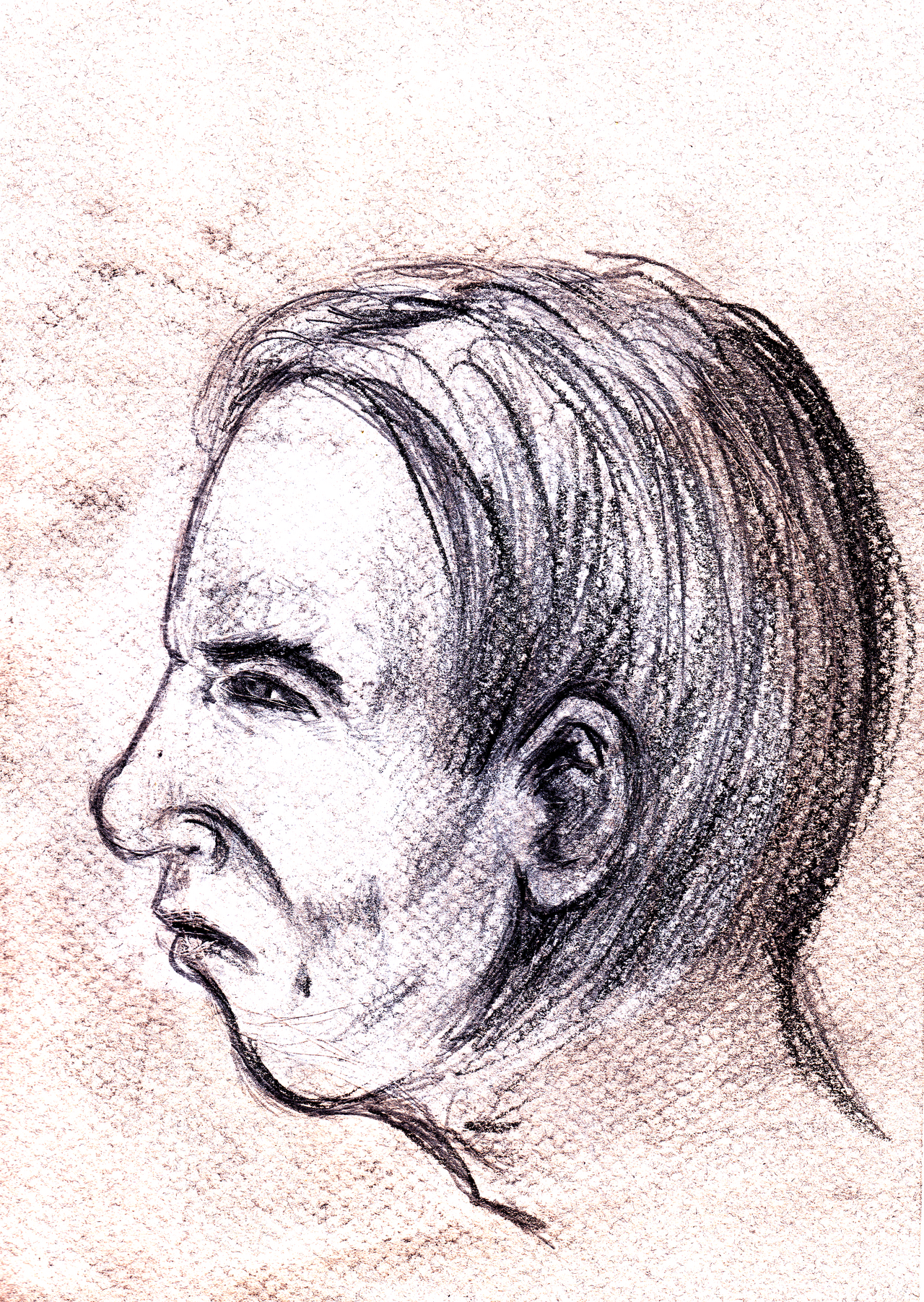 Richard RortyAmerican pragmatist whose Philosophy and the Mirror of Nature attacked the idea of knowledge as a mental mirror of reality, and who defended a liberalism resting on solidarity rather than foundations.
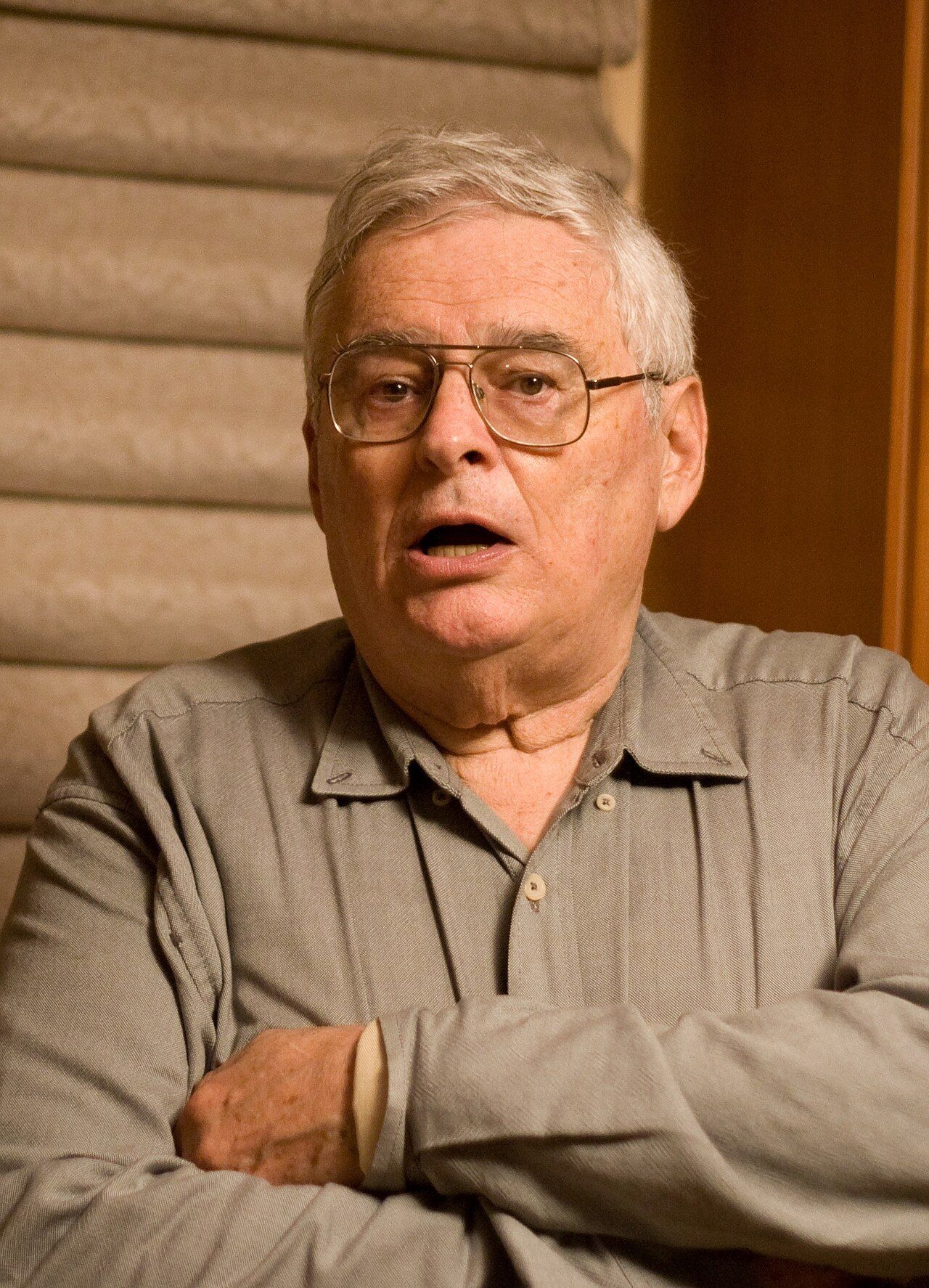 Jerry FodorAmerican philosopher of mind who argued that thinking is computation over sentence-like mental representations, a "language of thought", and that parts of the mind are modular.
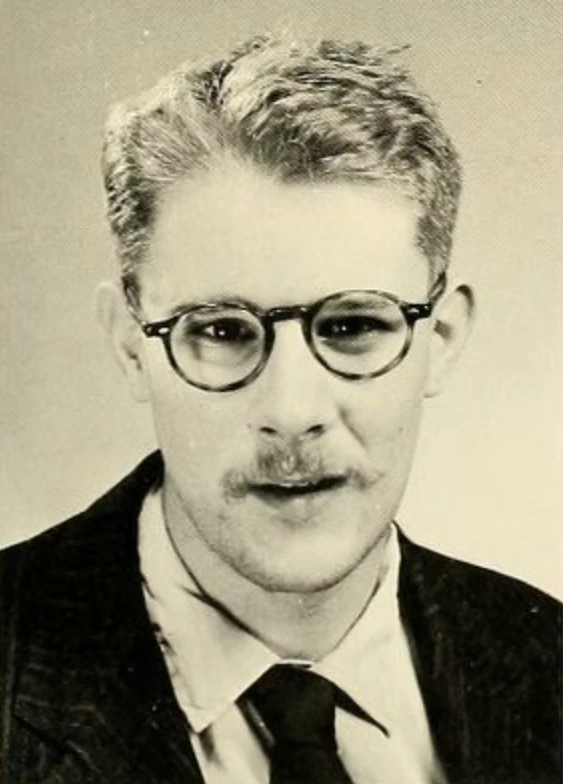 David LewisAmerican philosopher, one of the most important of the 20th century, known for his modal realism, his Humean metaphysics and his analysis of convention.
 Giorgio AgambenItalian philosopher whose Homo Sacer argues that sovereign power rests on excluded "bare life", and that the camp, where the exception is the rule, is the hidden pattern of modern politics.
Jewish
- Joseph Ibn KaspiProvençal exegete who wrote some thirty works explaining the Bible through philosophy, using logic and the study of Hebrew as tools for reading Scripture.
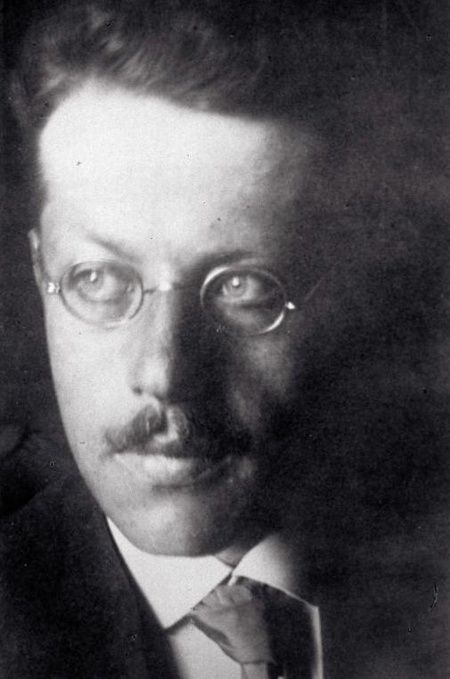 Franz RosenzweigGerman-Jewish thinker whose Star of Redemption, begun on postcards from the Balkan front, joined philosophy and theology in a 'new thinking' built on speech, time and revelation.
Indian
- BhartṛhariGrammarian-philosopher who held that reality is Brahman, whose essence is the Word, and that the meaning of a sentence is grasped as one indivisible whole.
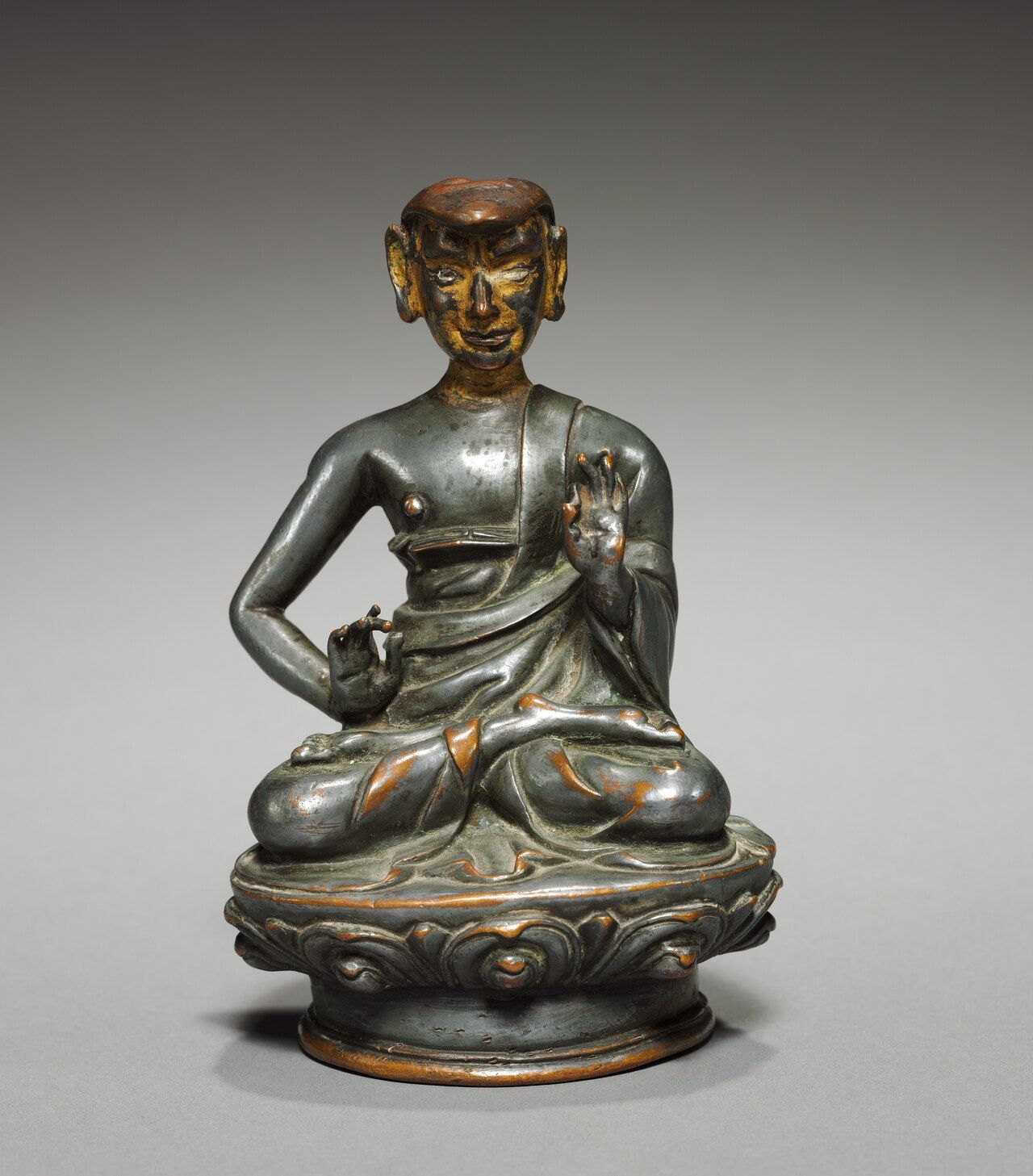 DharmakīrtiBuddhist philosopher of logic and knowledge whose account of perception, inference and “exclusion” dominated Indian and Tibetan debate for centuries.
- Kumārila BhaṭṭaMīmāṃsā philosopher who argued that every cognition is to be trusted until overturned, and defended the authority of the Vedas against Buddhist critics.
- SomānandaKashmiri Śaiva thinker whose Cognition of Śiva was the first full work of scholastic philosophy in the monistic Śaiva tradition, explaining how Śiva emanates a real world identical with himself.
- GaṅgeśaLogician of the Nyāya school whose Jewel founded “New Nyāya” (Navya-Nyāya), the standard technical language of Indian philosophical argument for centuries.
Tibetan
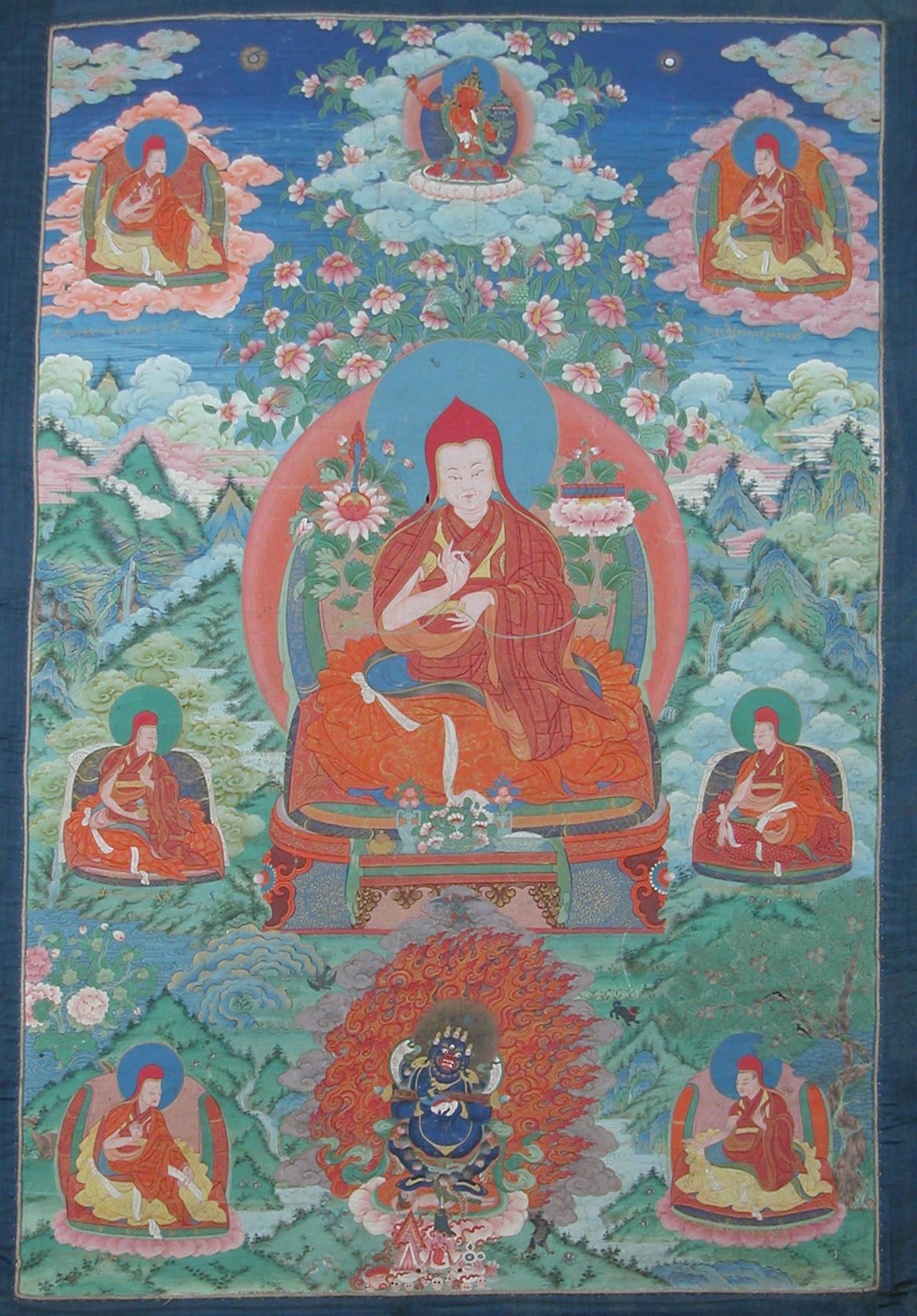
Chinese
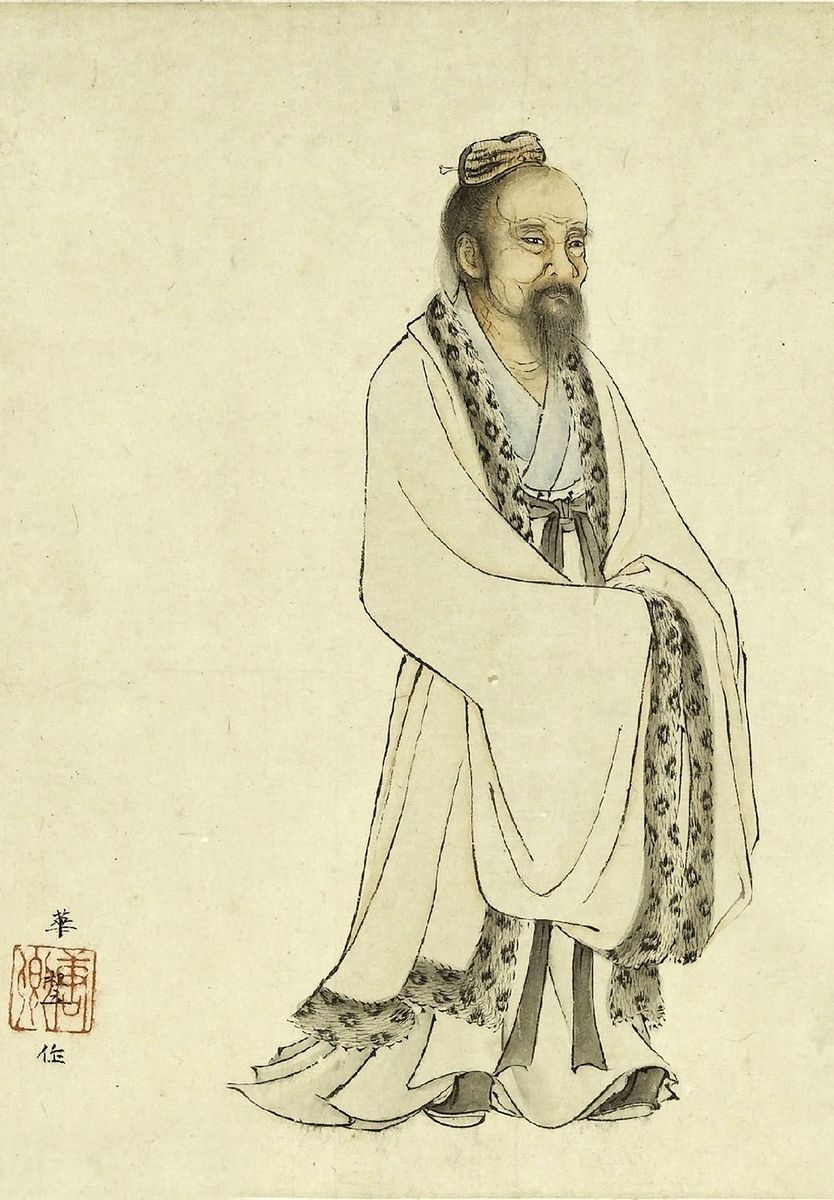 ZhuangziDaoist thinker whose playful, paradoxical stories question fixed points of view and celebrate a spontaneous, free-flowing way of life.
- Xu GanLast major philosopher of the Han, one of the Seven Masters of Jian An, whose Discourses Hitting the Mark explored how names relate to actualities and to moral conduct.
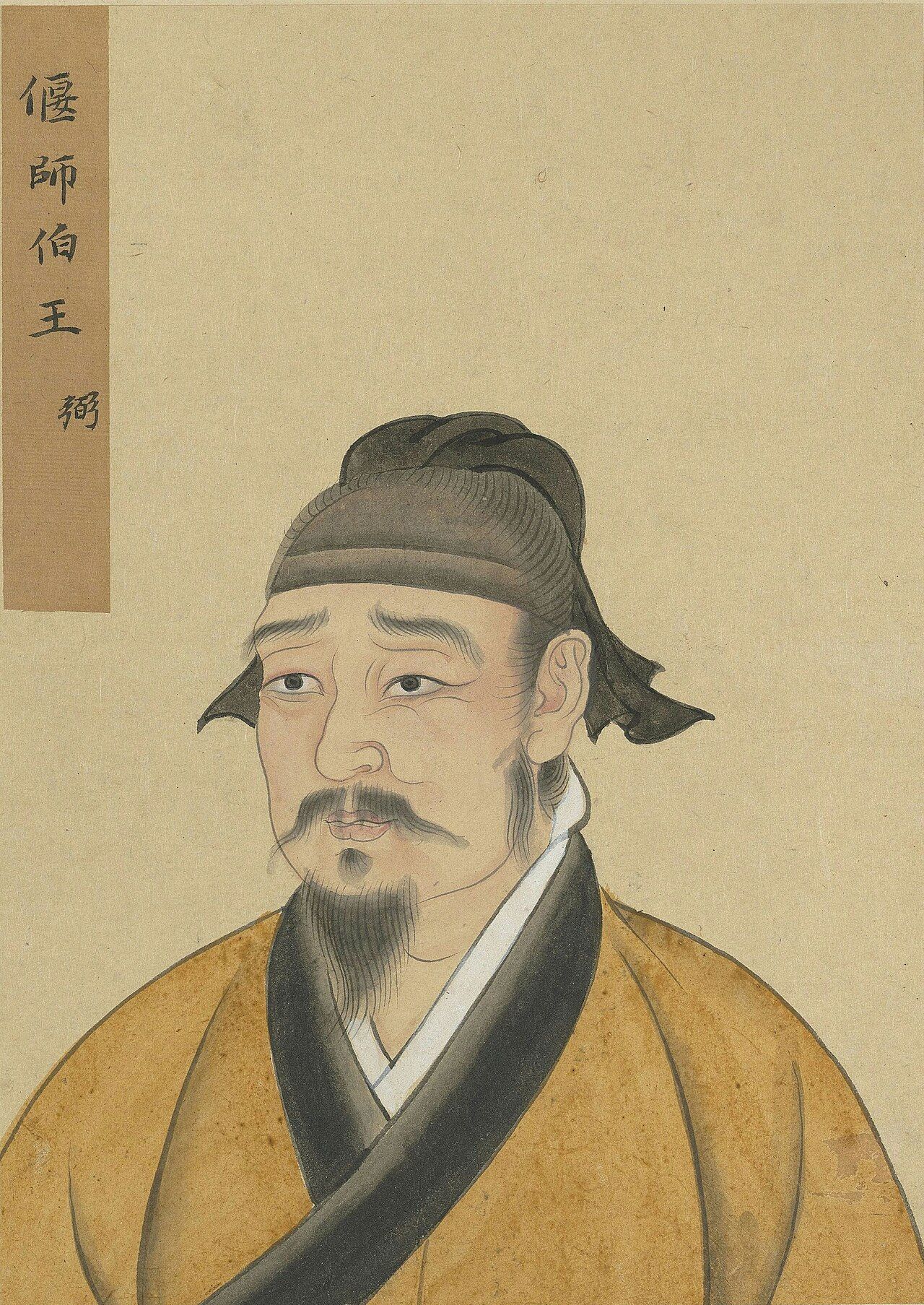 Wang BiNeo-Daoist commentator, dead in his early twenties, who read the Dao as nothingness, the ground of all beings, and whose edition of the Laozi became the standard text.
Japanese
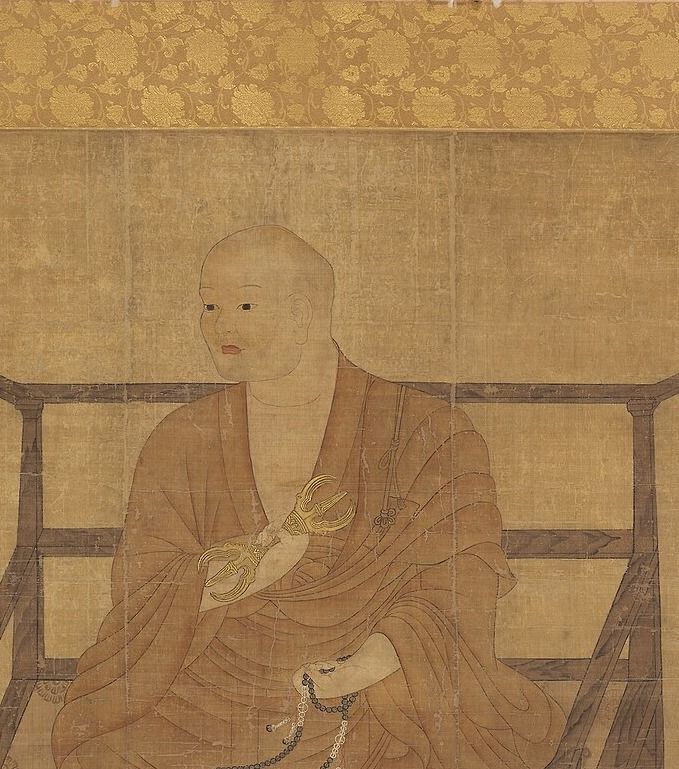 KūkaiFounder of Shingon esoteric Buddhism, often called Japan's greatest premodern systematic thinker, who taught that the cosmos is the Buddha's body and that one can become a Buddha in this very body.
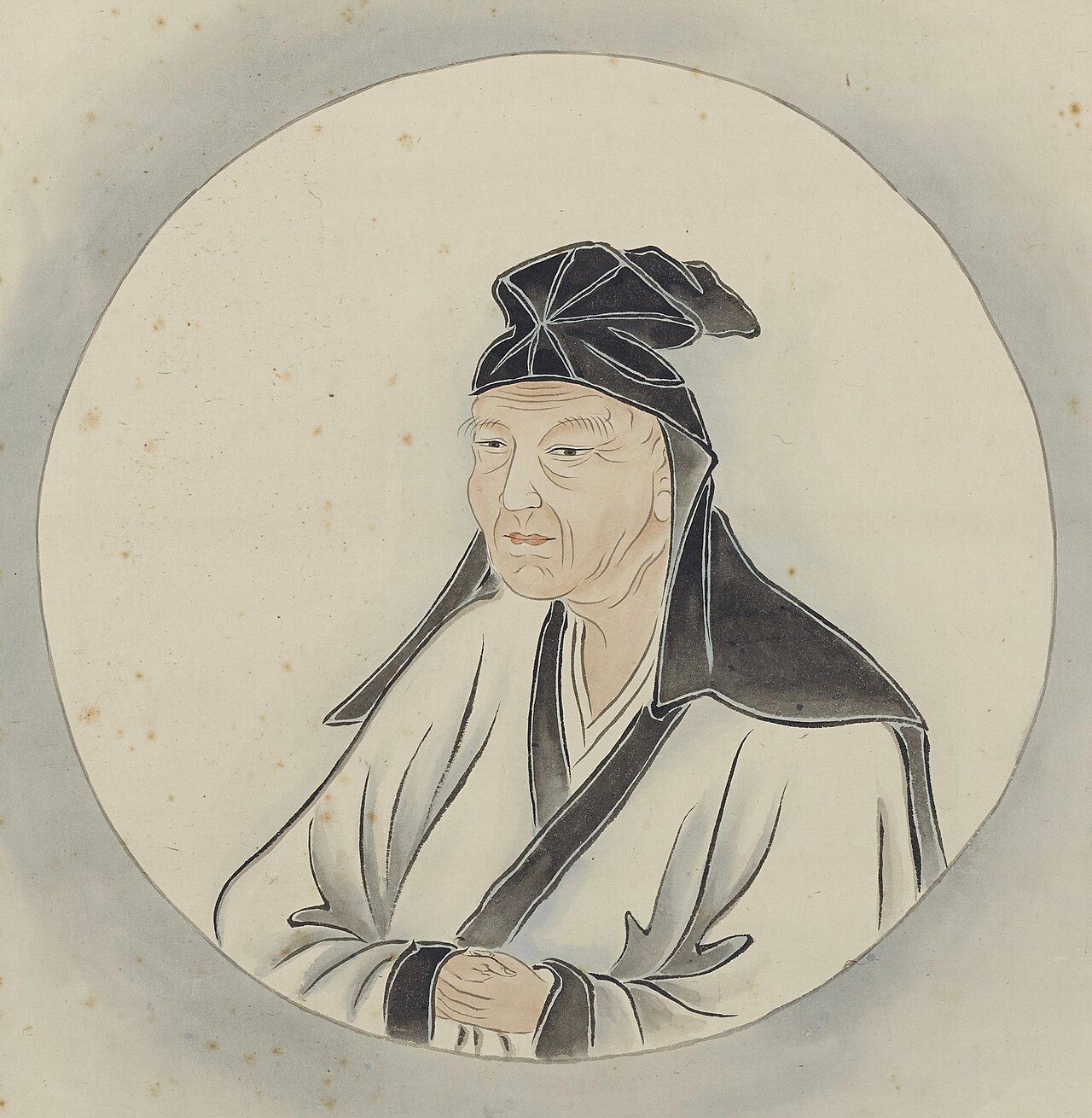 Hayashi RazanEarly Tokugawa Neo-Confucian, among the first in Japan to restate Zhu Xi's philosophy of principle and generative force, who prized words as the key to the sages' minds.
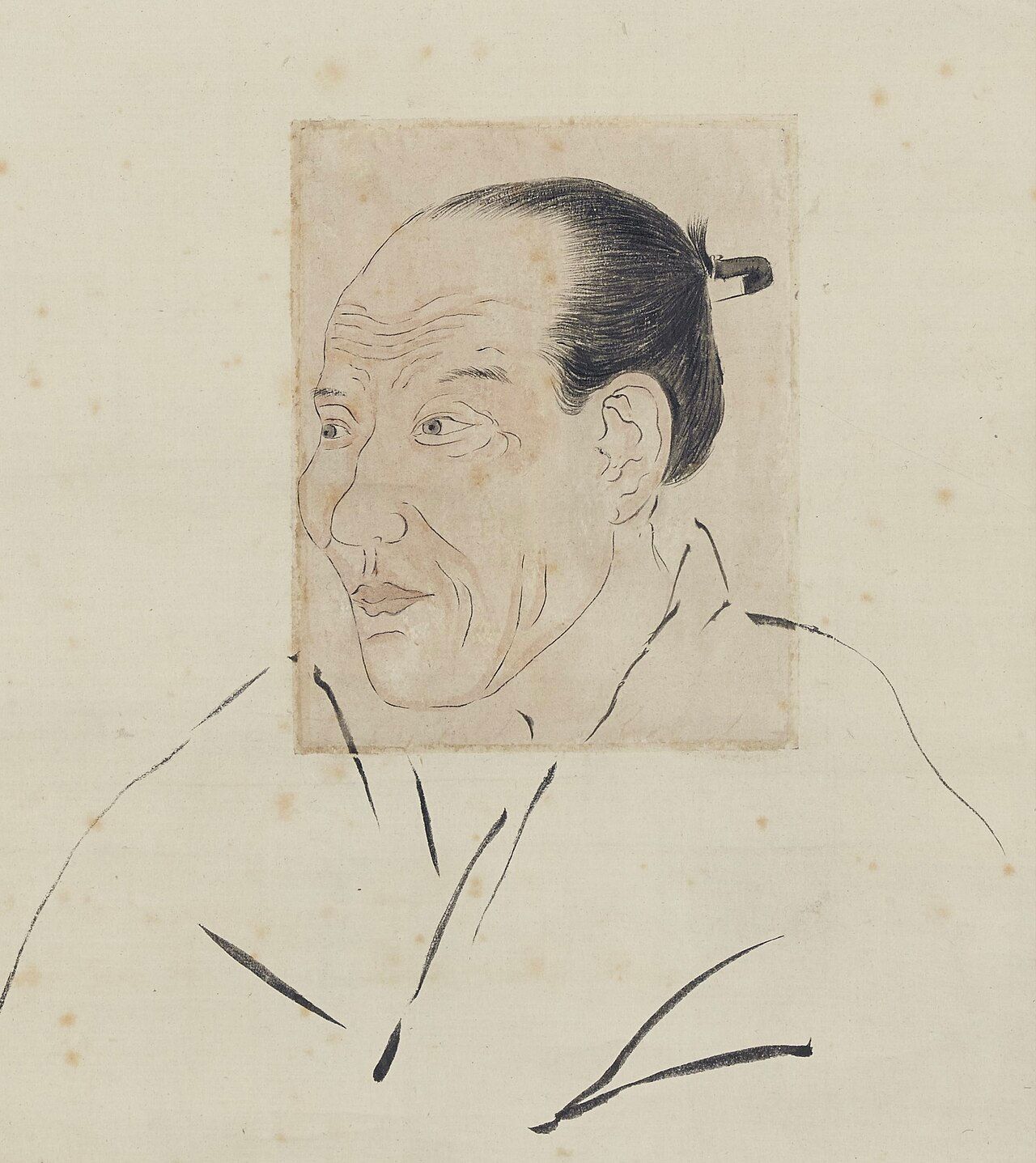 Itō JinsaiKyoto Confucian scholar who rejected Zhu Xi's priority of principle for a monism of generative force, and read the Analects and Mencius word by word to purge Buddhist terms.
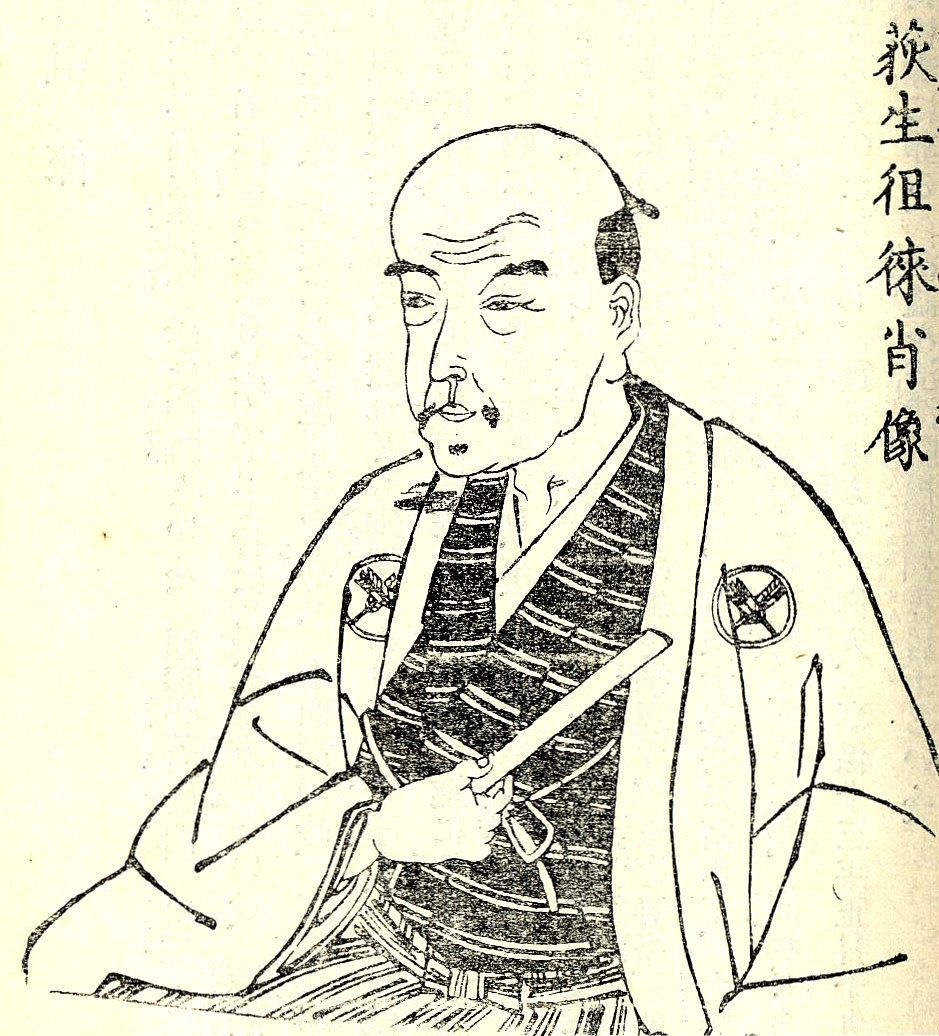 Ogyū SoraiEdo Confucian whose Distinguishing Names tied correct definitions to good government, and who held that rites and institutions, not the mind's self-control, order people and states.
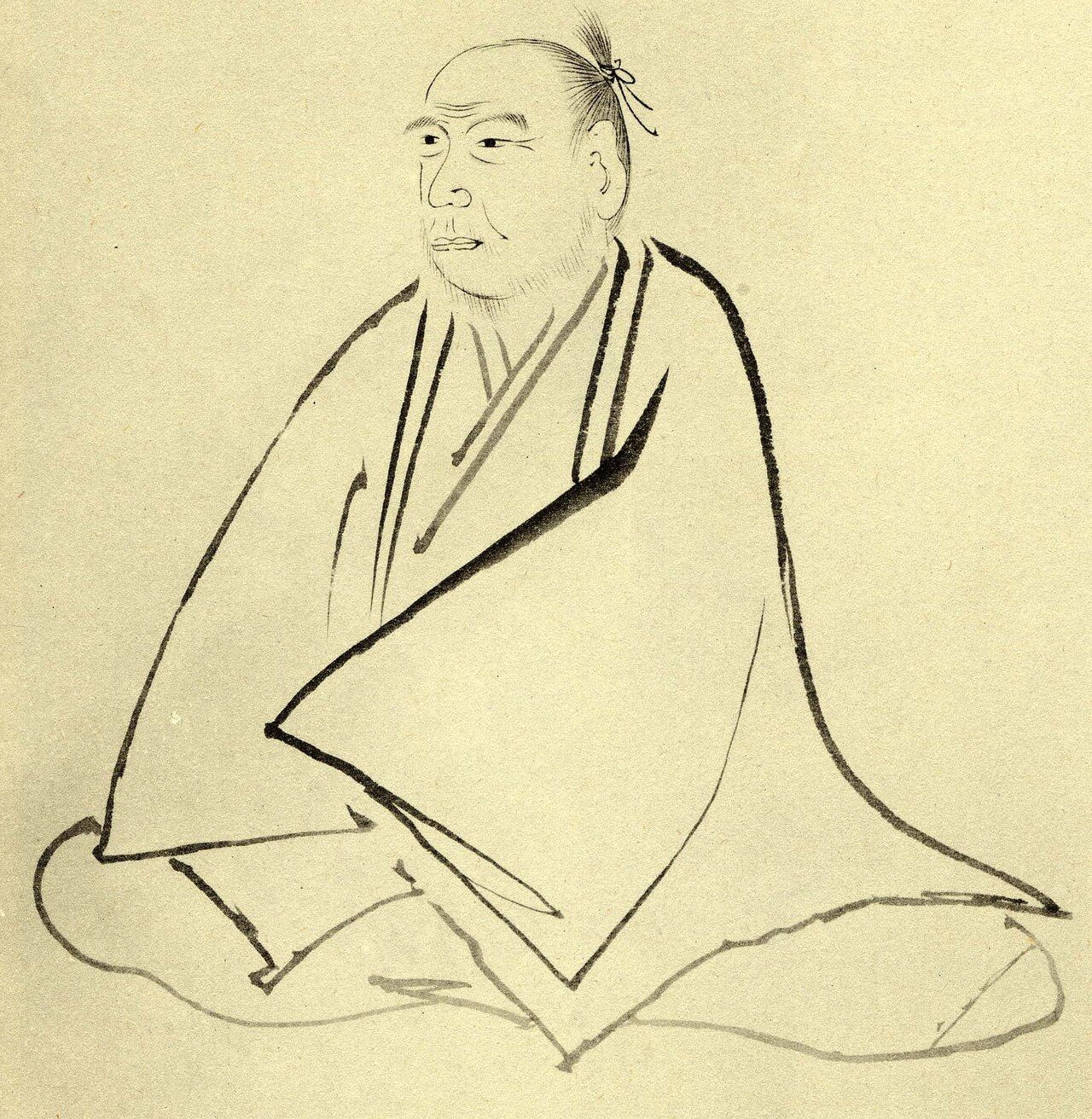 Kamo no MabuchiEdo-period scholar of Japan's oldest poetry, who held that the ancient Way followed the rhythms of nature and was corrupted by the artificial morals imported from China.
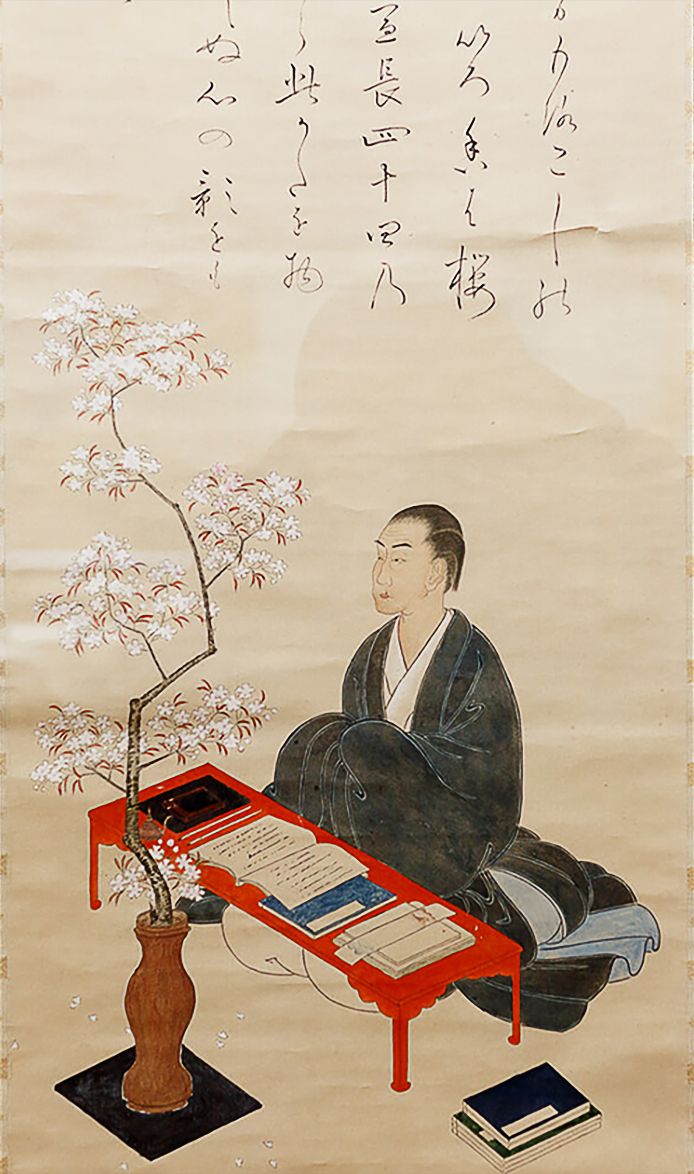 Motoori NorinagaLeading scholar of Kokugaku (Native Studies), who read The Tale of Genji through mono no aware and drew from the Kojiki a Way of the kami he held to be Japan's original Way.
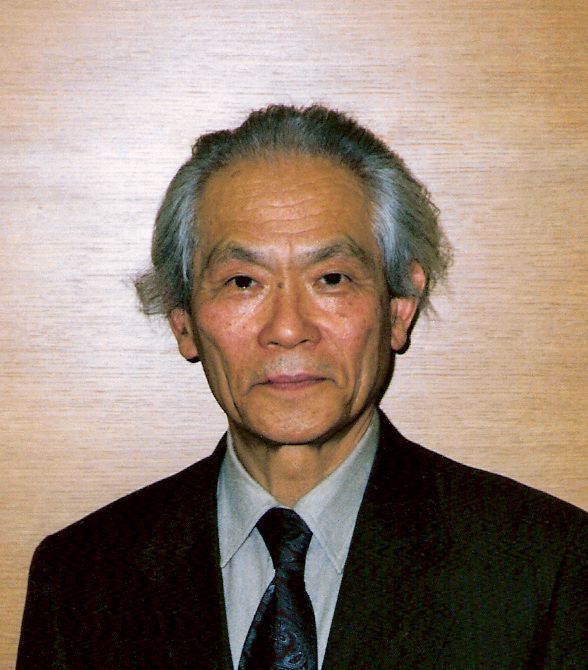 Ueda ShizuteruKyoto School philosopher, Zen master and Eckhart scholar, who described human beings as living in a twofold world: the everyday world of language, set within an empty expanse of absolute nothingness.