Branch
Logic
38 philosophers, 8 traditions
The study of good reasoning: which inferences are valid and why, the forms of argument, and the methods of debate and proof.
Highlight them on the timeline →
Themes in this branch
Philosophers
Listed where the reference works cited on their page describe significant work in logic.
Western
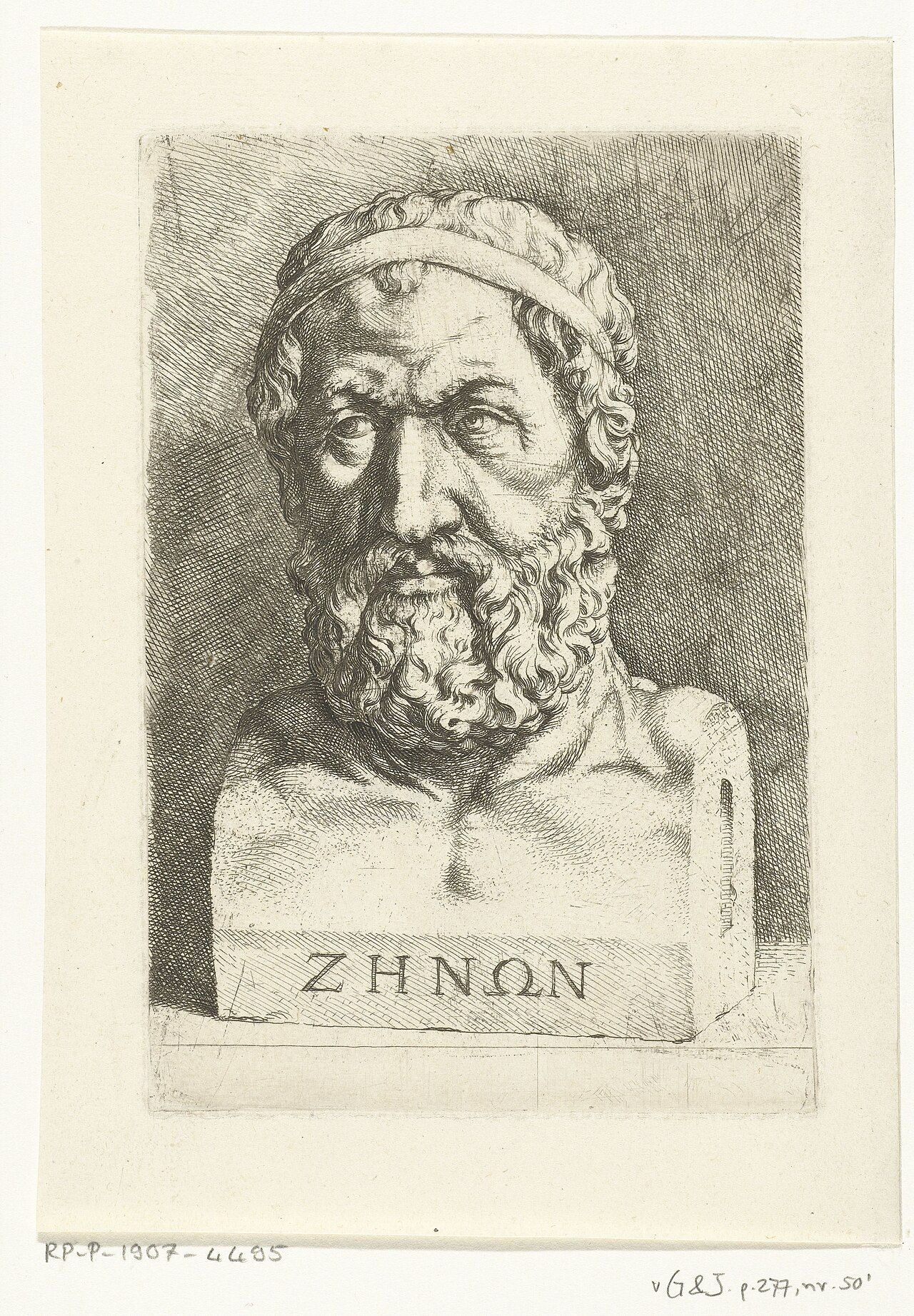 Zeno of EleaParmenides' younger associate, famous for paradoxes, among them Achilles and the tortoise, that draw contradictions out of common beliefs about plurality and motion.
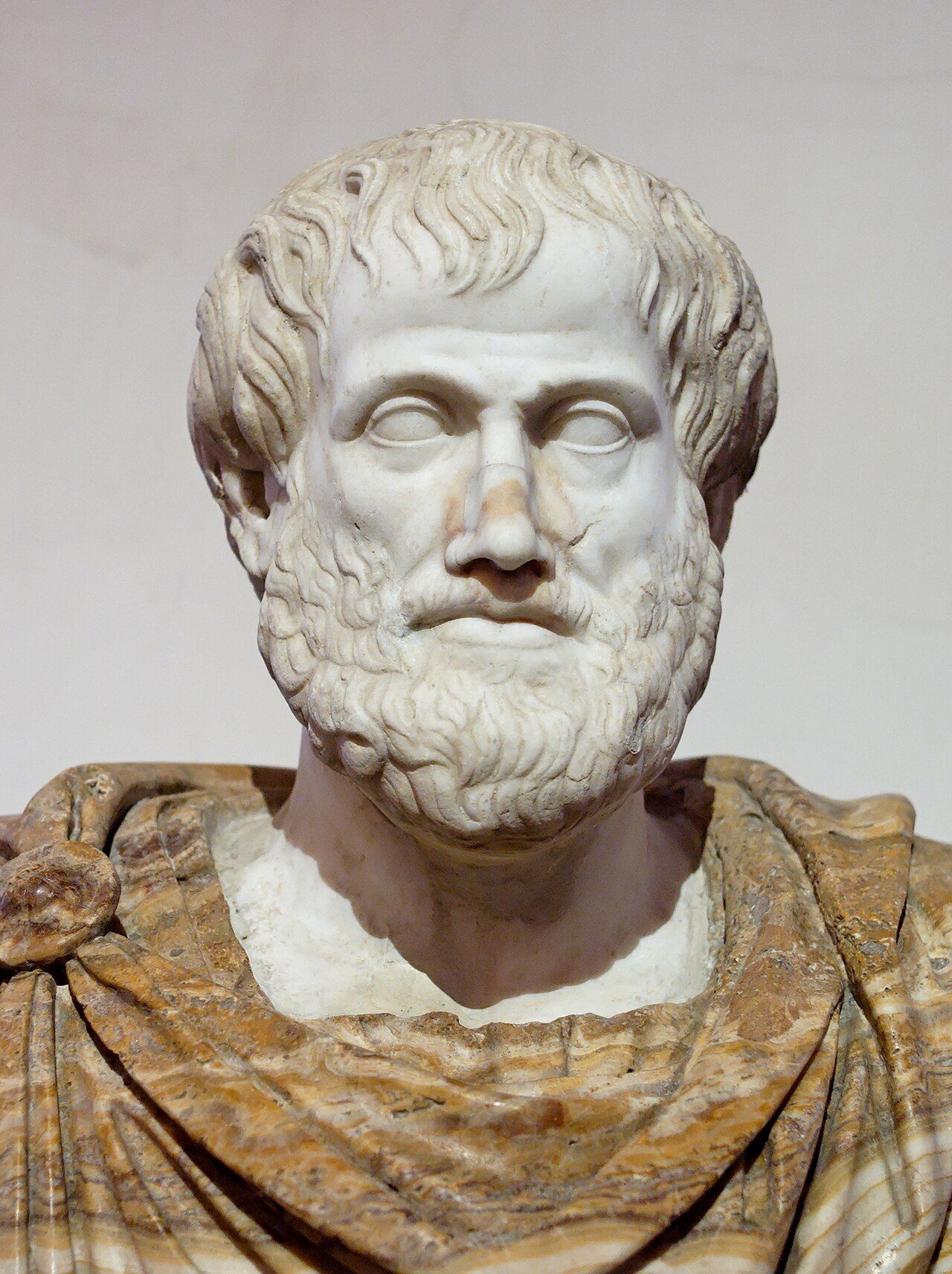 AristotlePlato's student, who systematised logic and wrote on nearly every field of knowledge, from biology and physics to ethics, politics and metaphysics.
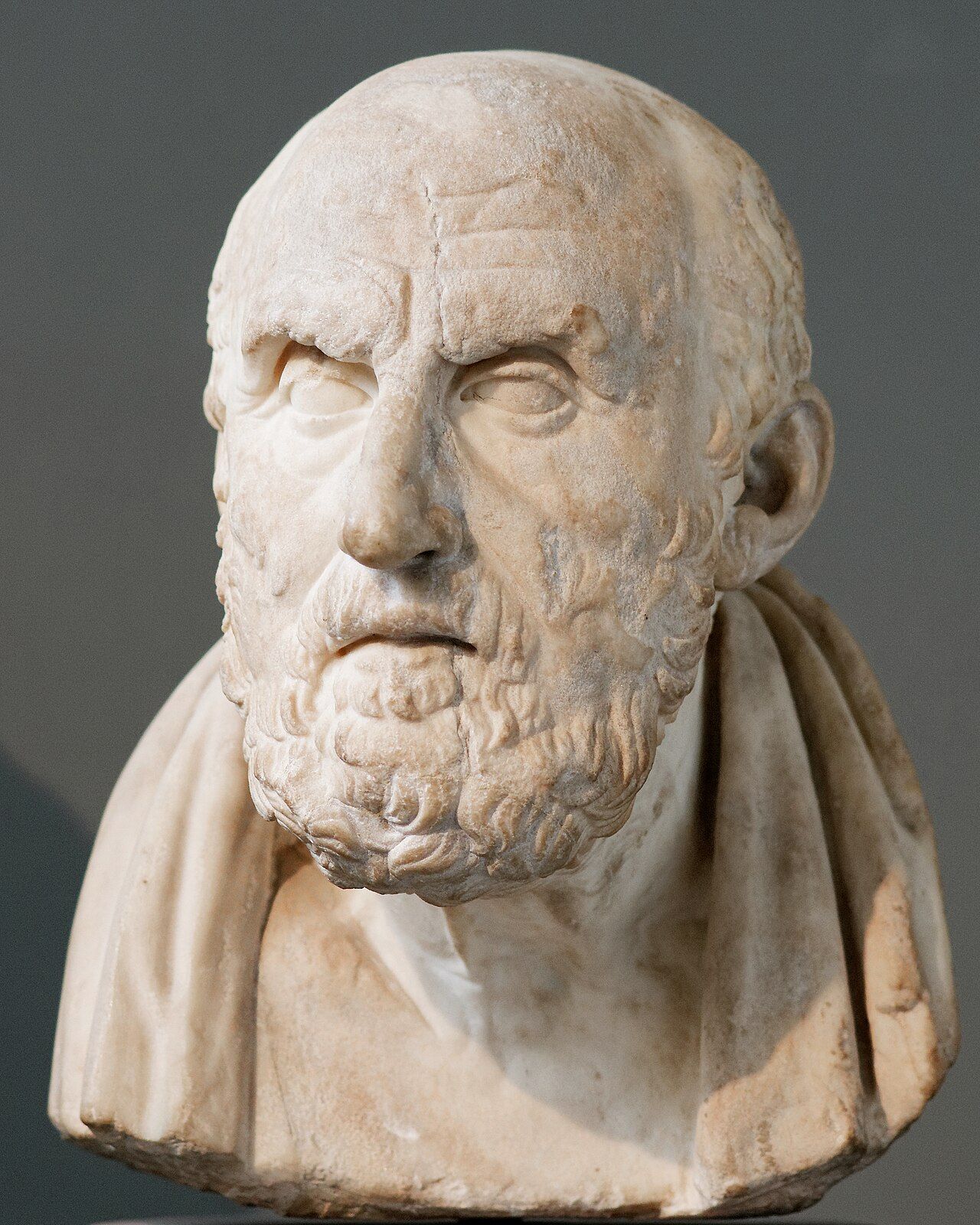 ChrysippusThird head of the Stoic school and its great systematiser, who developed a logic of propositions and argued that a fated world leaves room for moral responsibility.
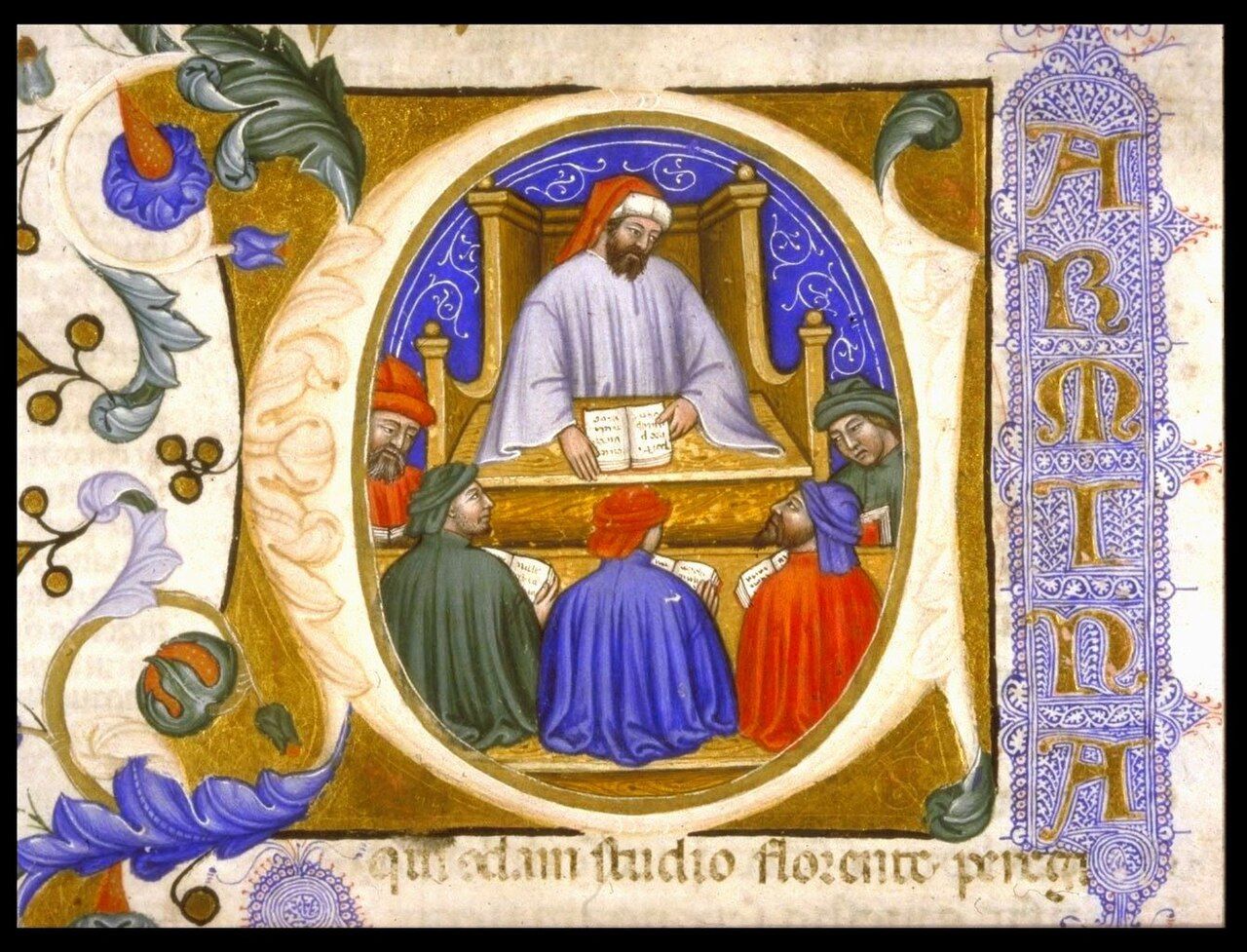 BoethiusRoman statesman who handed Aristotle's logic to the Latin Middle Ages, and wrote The Consolation of Philosophy in prison while awaiting execution.
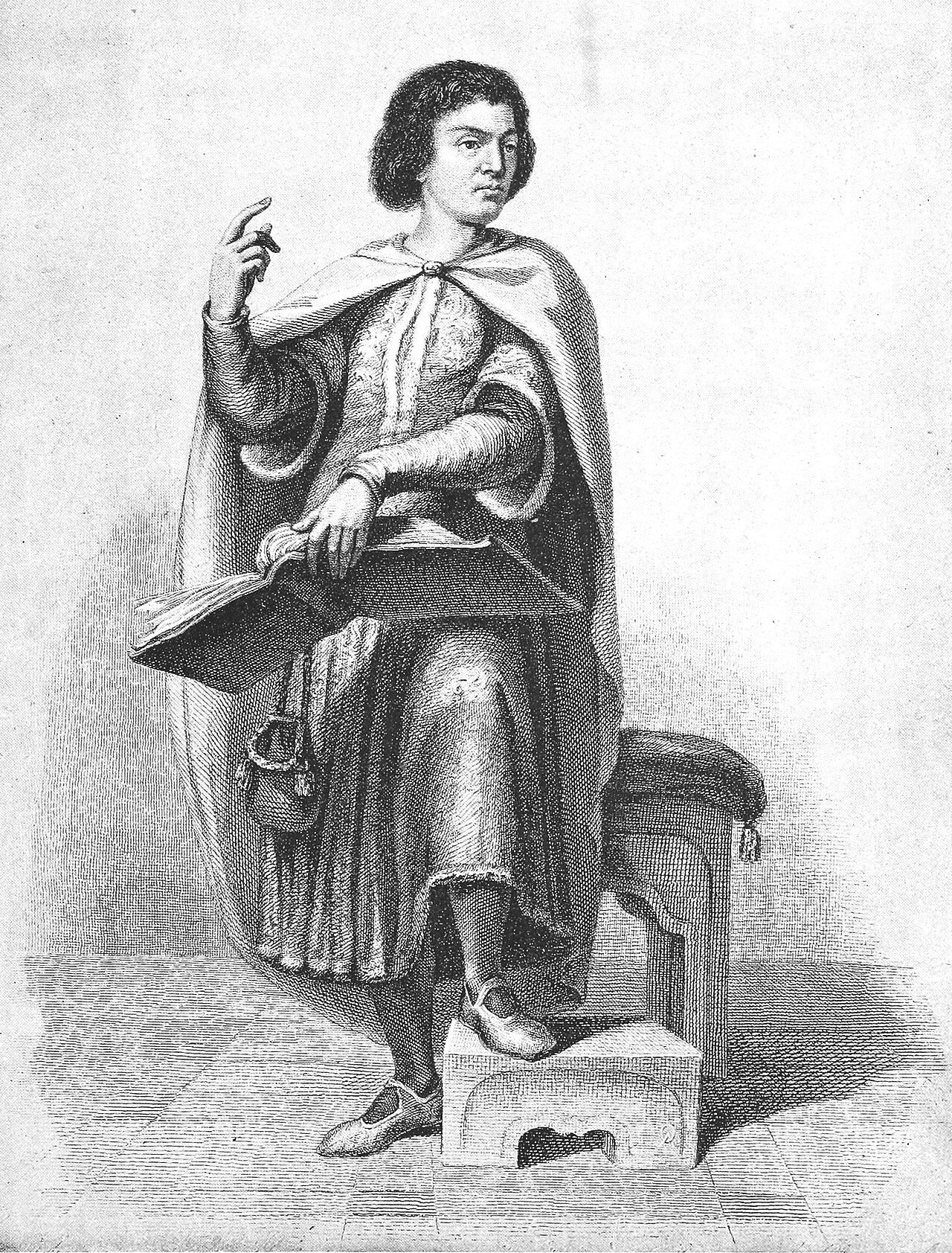 Peter AbelardThe pre-eminent philosopher of the twelfth century, a great logician and the first great nominalist, who held that intention alone makes an act right or wrong.
 William of OckhamFranciscan logician and nominalist, remembered for "Ockham's Razor", the principle that we should not assume more entities than we need.
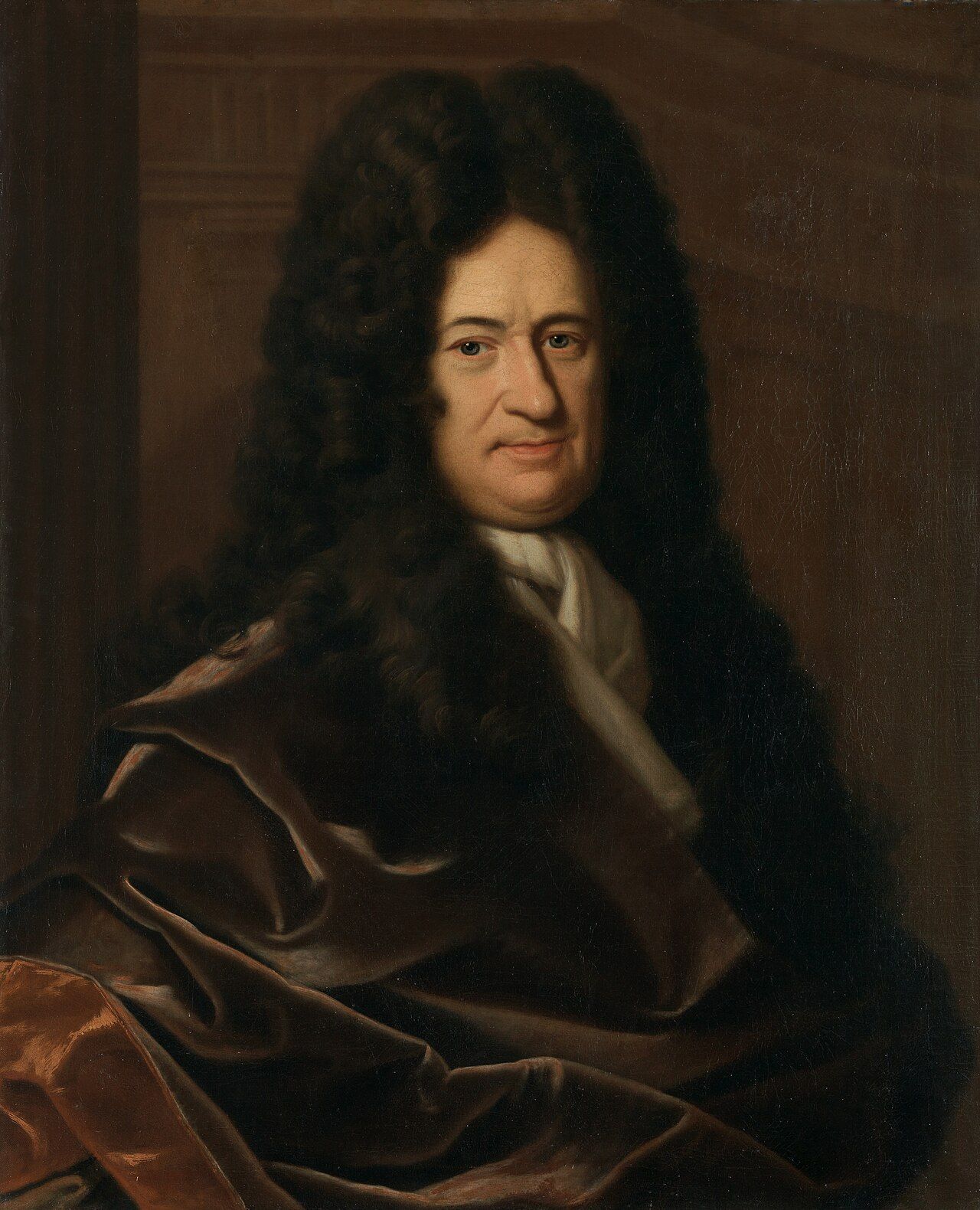 Gottfried Wilhelm LeibnizRationalist polymath who co-invented the calculus and argued that the world consists of simple substances, monads, and is the best of all possible worlds.
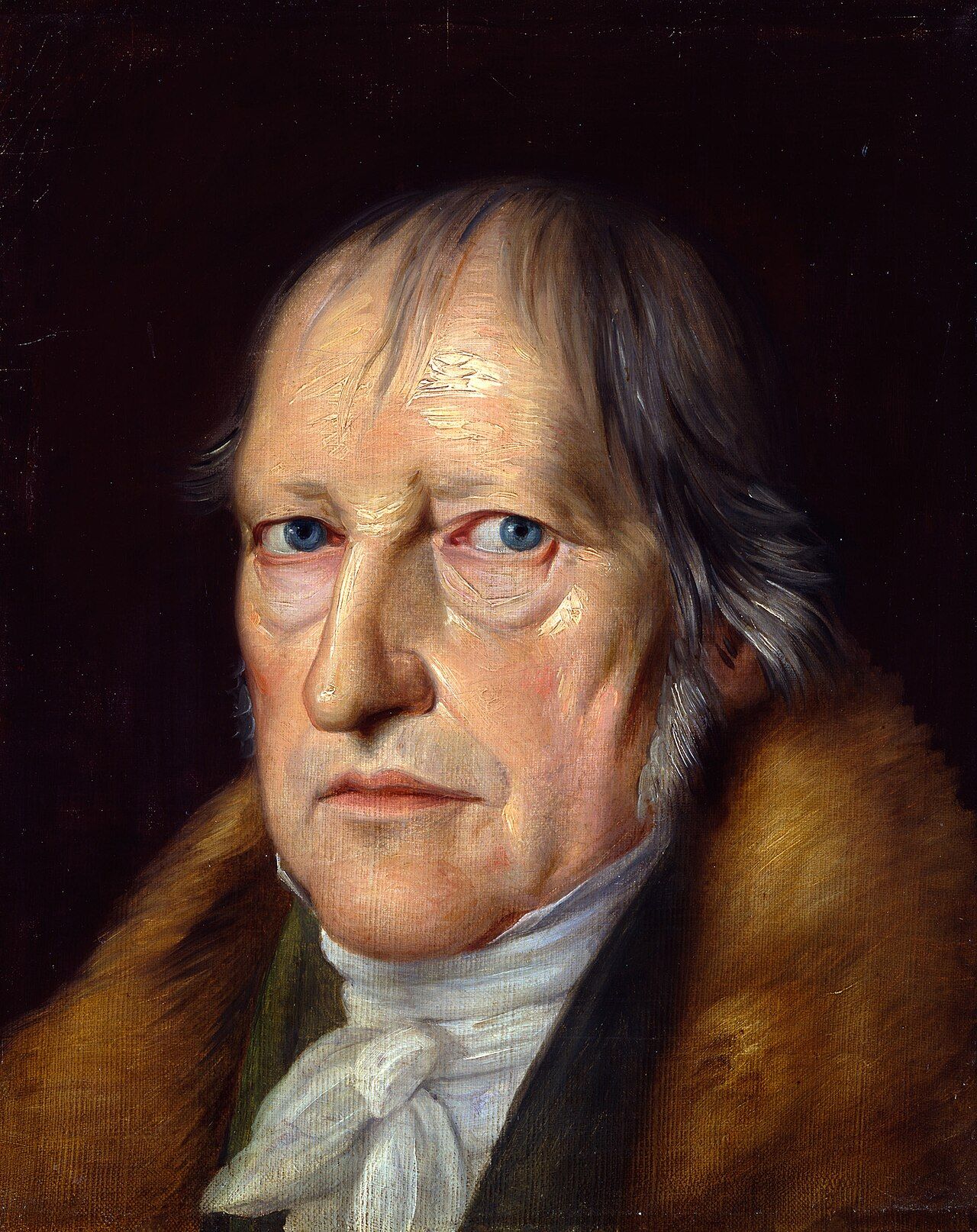 G. W. F. HegelThe most systematic of the German idealists, who saw reality and history as the unfolding of spirit, and whose dialectical method shaped much of later philosophy.
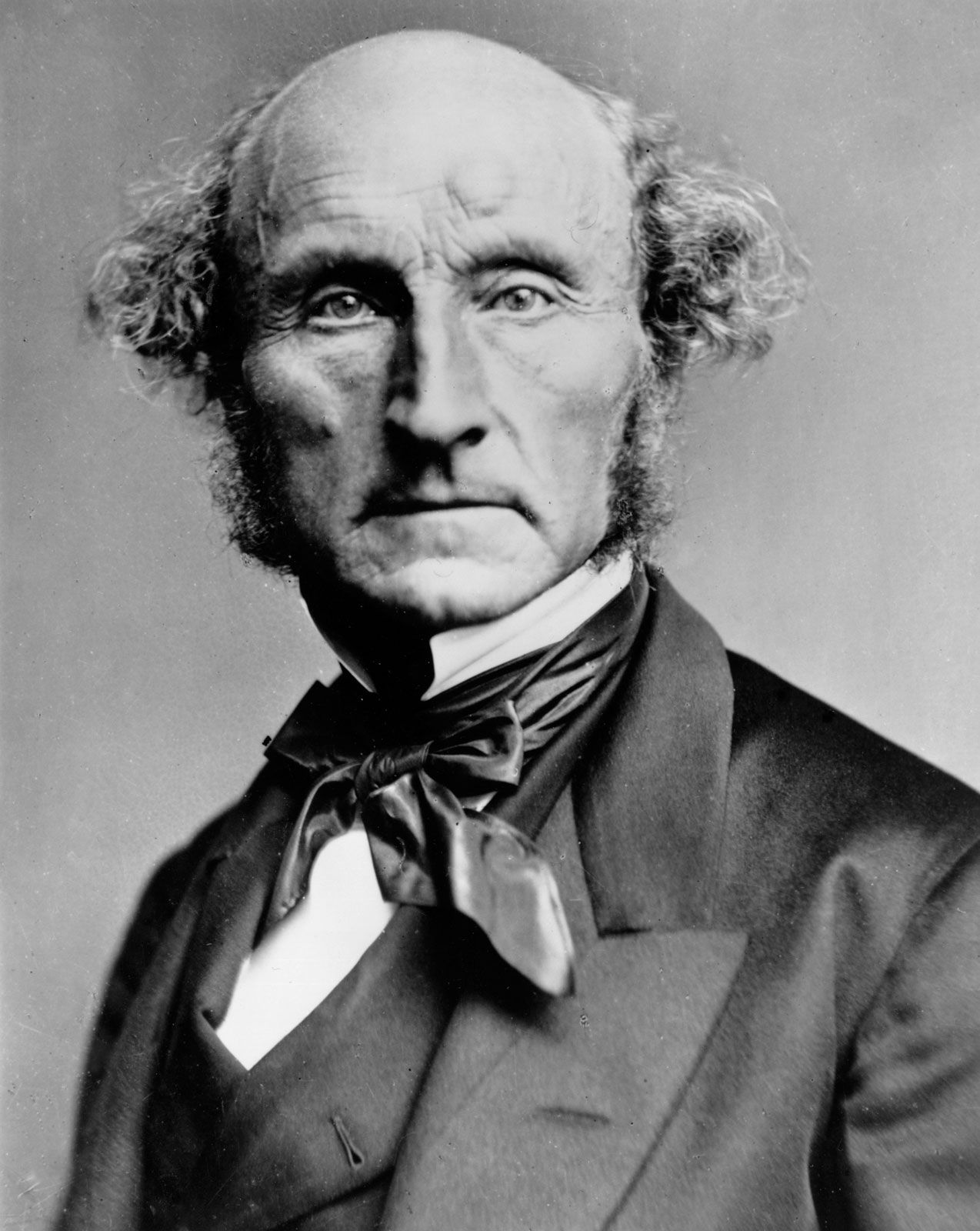 John Stuart MillThe nineteenth century's most influential philosopher writing in English: an empiricist, a utilitarian and a liberal, author of On Liberty.
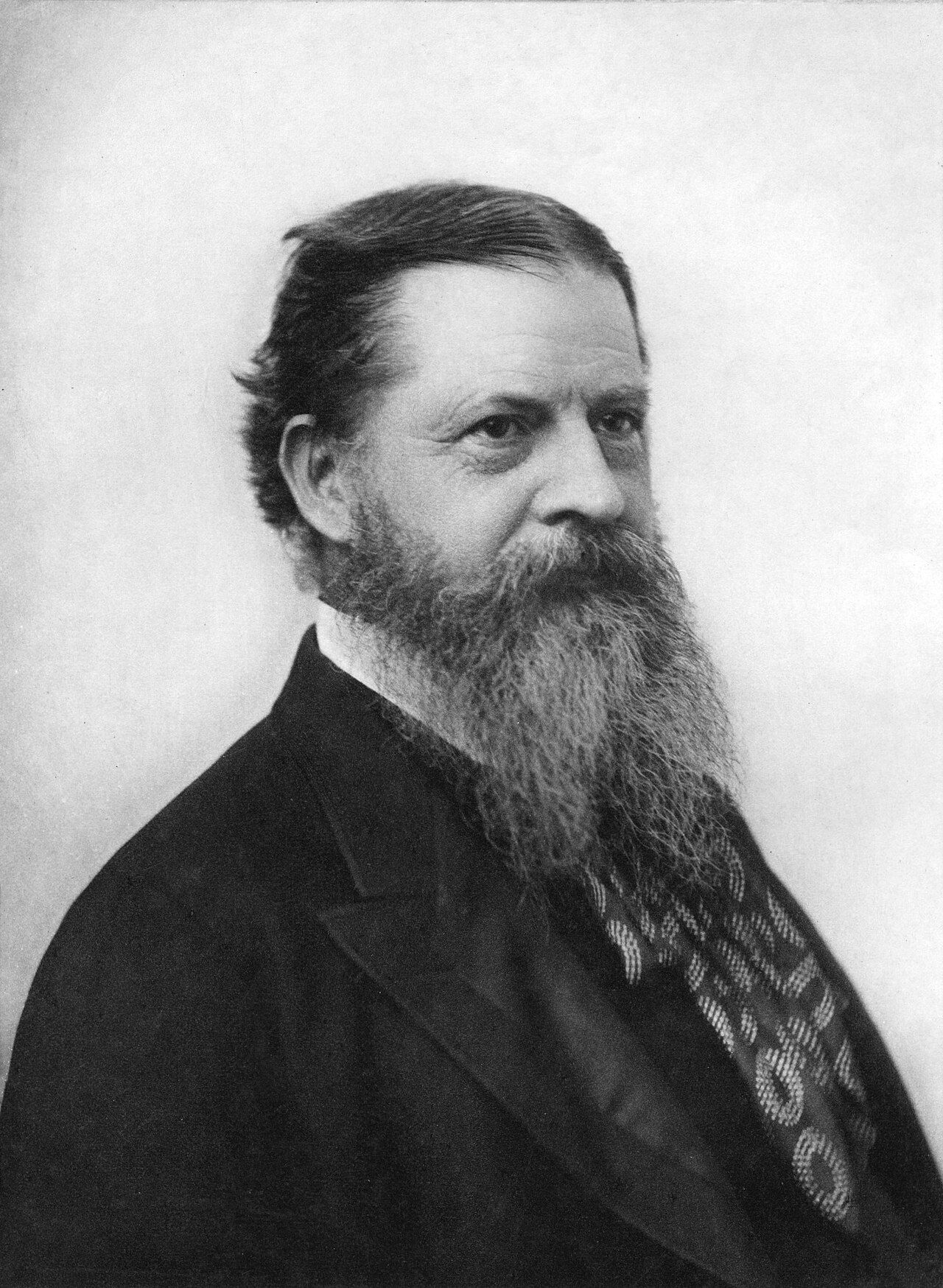 Charles Sanders PeirceLogician, scientist and founder of American pragmatism, who held that a concept's meaning lies in its conceivable practical effects, and who developed a general theory of signs.
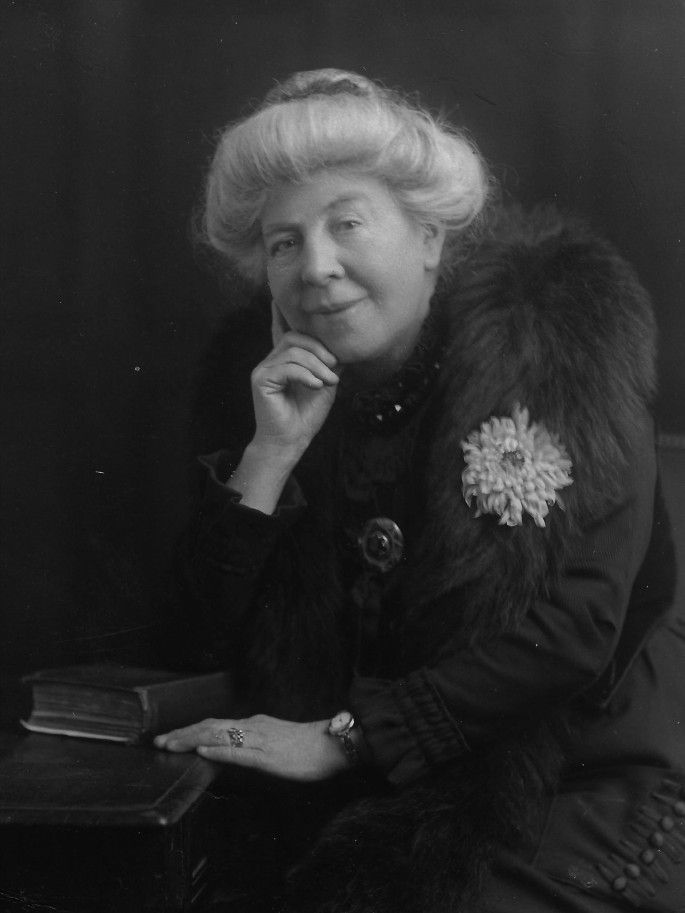 E. E. Constance JonesCambridge logician and ethicist, Mistress of Girton, whose 'new law of thought' anticipated Frege's distinction between sense and reference.
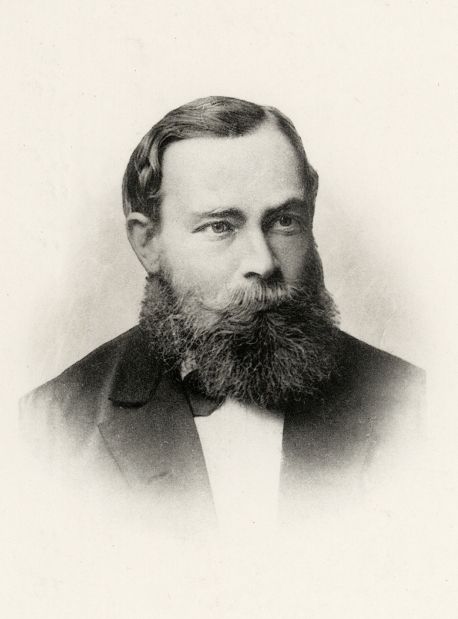 Gottlob FregeGerman logician who invented modern predicate logic, tried to derive arithmetic from logic, and distinguished the sense of an expression from what it refers to.
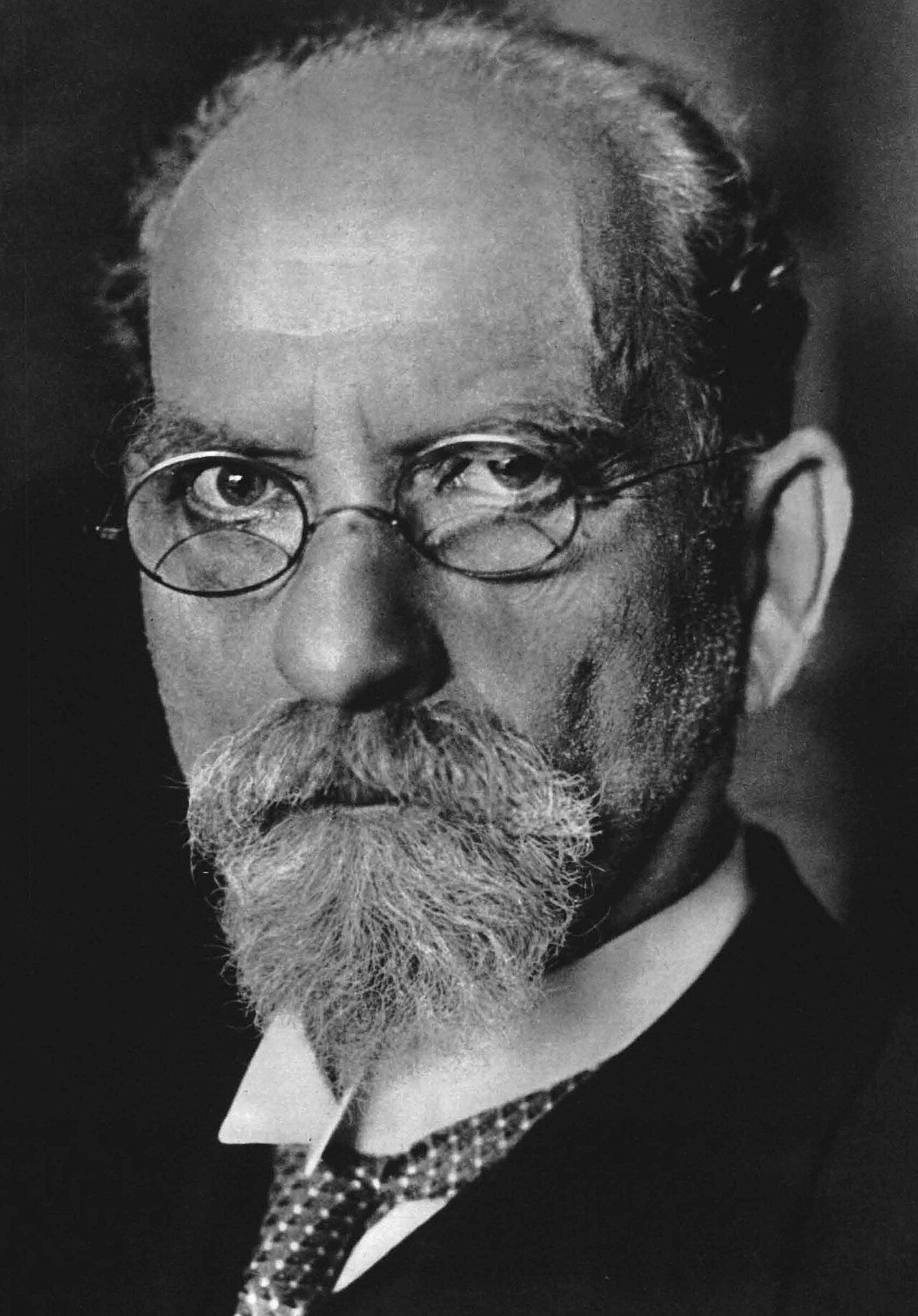 Edmund HusserlFounder of phenomenology, who studied consciousness as it is experienced, bracketing our taken-for-granted belief in the world to reveal how things show up for us.
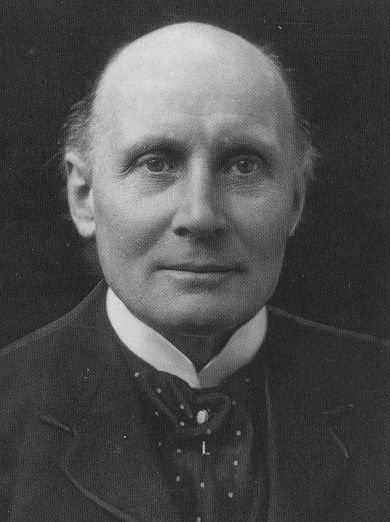 Alfred North WhiteheadMathematician who wrote Principia Mathematica with Russell, then turned to metaphysics at Harvard and founded process philosophy, which treats the world as interdependent events rather than things.
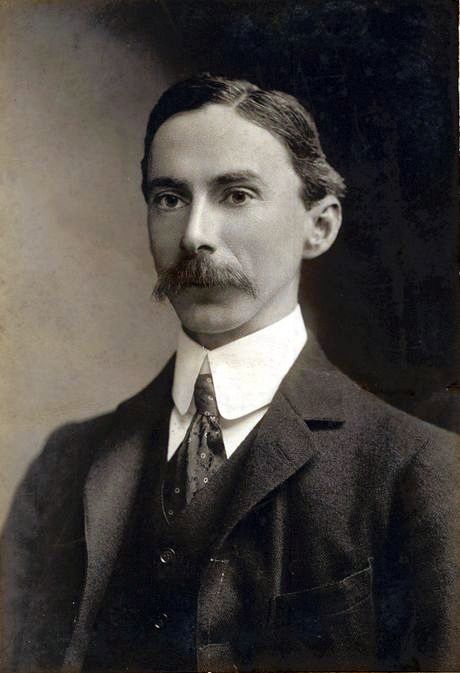 Bertrand RussellBritish philosopher and logician who argued that mathematics reduces to logic, helped found analytic philosophy, and campaigned for peace.
- Susan StebbingBritish philosopher of the interwar years, a leading figure in the Cambridge School of Analysis and the first woman in the UK to hold a full professorship in philosophy.
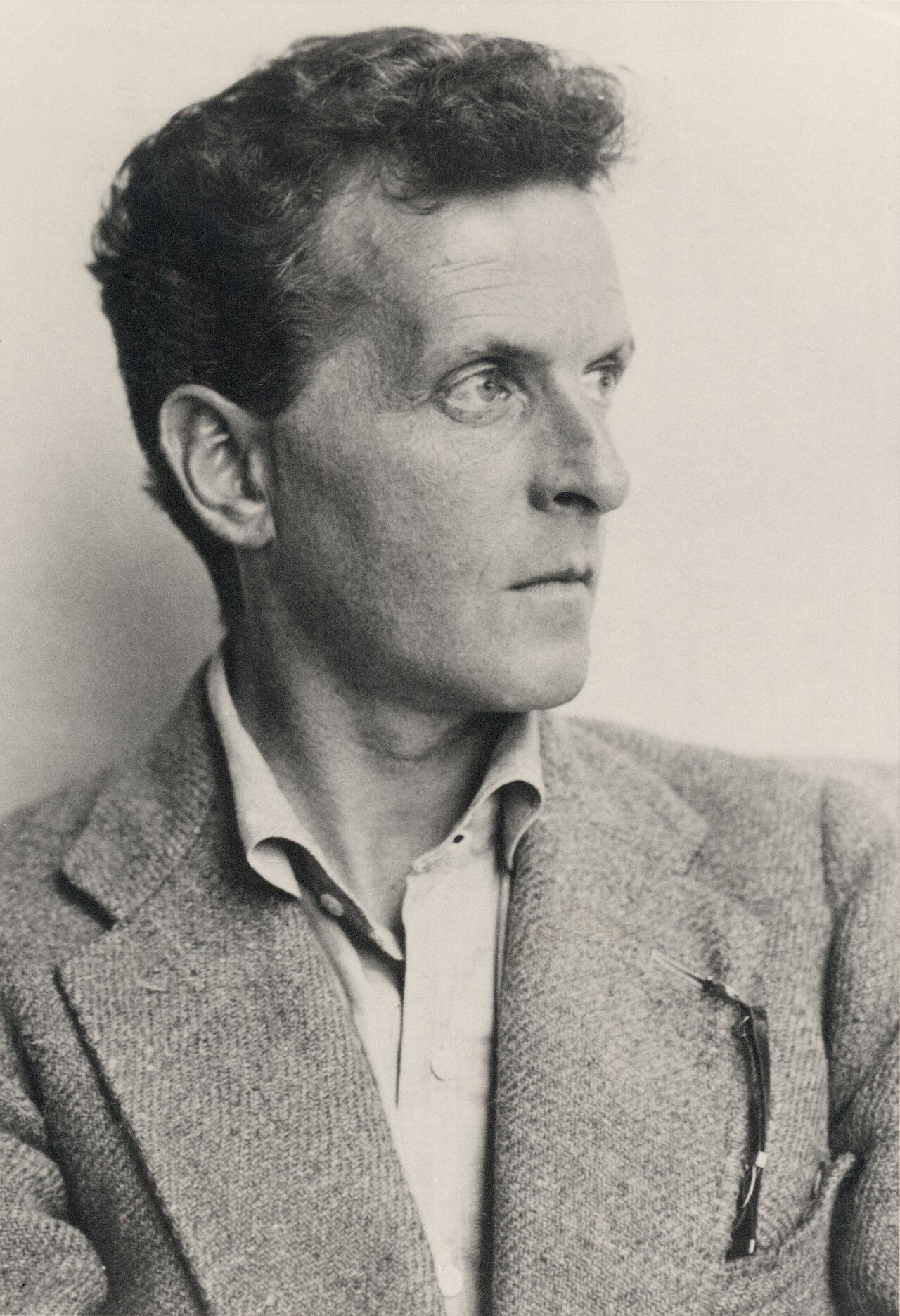 Ludwig WittgensteinAustrian-born philosopher of logic and language whose Tractatus and later Philosophical Investigations transformed analytic philosophy twice over.
- Rudolf CarnapLeading figure of logical empiricism and a founder of the philosophy of science, who saw philosophy as the engineering of clearer languages and rejected metaphysics as empty.
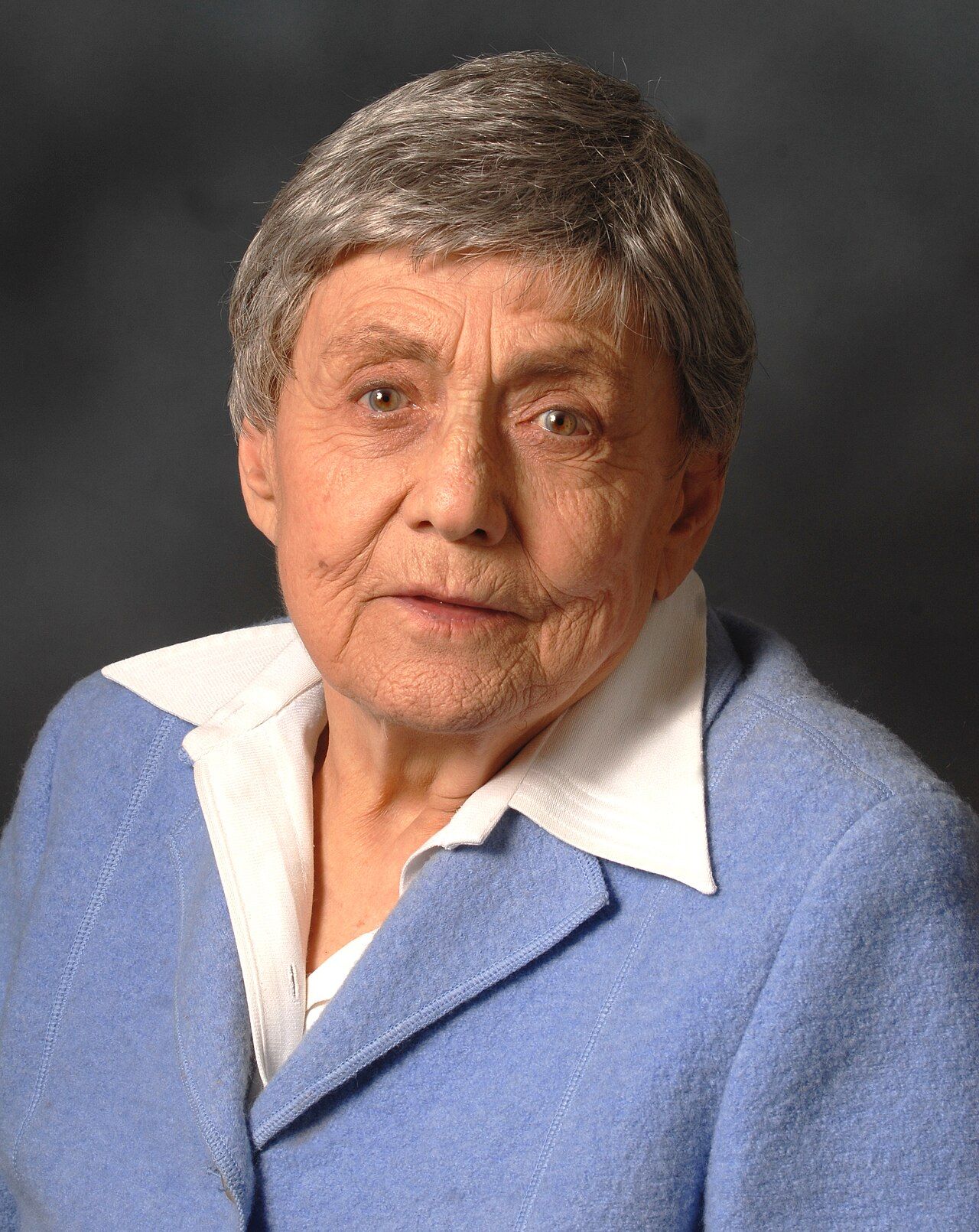 Ruth Barcan MarcusAmerican logician who built the first formal systems of quantified modal logic, defended modal logic against Quine, and argued that proper names are meaningless tags.
 Michael DummettEnglish philosopher who interpreted Frege as the founder of analytic philosophy and argued for "anti-realism": that what our sentences mean depends on what we can recognise as evidence for them.
Jewish
- Joseph Ibn KaspiProvençal exegete who wrote some thirty works explaining the Bible through philosophy, using logic and the study of Hebrew as tools for reading Scripture.
 Salomon MaimonLithuanian-born Jewish philosopher whose "sceptical rationalism" made him the critic Kant said understood him best, and whose objections shaped German Idealism.
Arabic and Islamic
 al-FarabiCalled the 'Second Teacher' after Aristotle, he established the Arabic tradition of Aristotelian logic and wrote on the ideal, virtuous city.
 AvicennaPhilosopher and physician who built a comprehensive system from Aristotelian and Neoplatonic ideas, known for the distinction between essence and existence.
- Afdal al-Din al-KhunajiJudge and logician, among the greatest in the Islamic world after Avicenna, whose objections to Avicenna's logic set the course of later logic and philosophy in Arabic.
- Nasir al-Din TusiThe most famous scholar of his century in the Islamic world, author of some 165 works from astronomy to ethics, who served Ismaili and then Mongol rulers and founded a centre of learning at Maragha.
- Ibn TaymiyyaDamascene scholar and reformer who attacked Aristotelian logic and the theology of the philosophers, and argued that true revelation and sound reason never conflict.
Indian
- BuddhapālitaEarly commentator on Nāgārjuna whose method of drawing out an opponent's absurd consequences was attacked by Bhāviveka and defended by Candrakīrti, founding the 'Prāsaṅgika' line.
 BhāvivekaMadhyamaka thinker who insisted on formally stated inferences in the manner of Dignāga, criticised Buddhapālita, and began the 'Svātantrika' line.
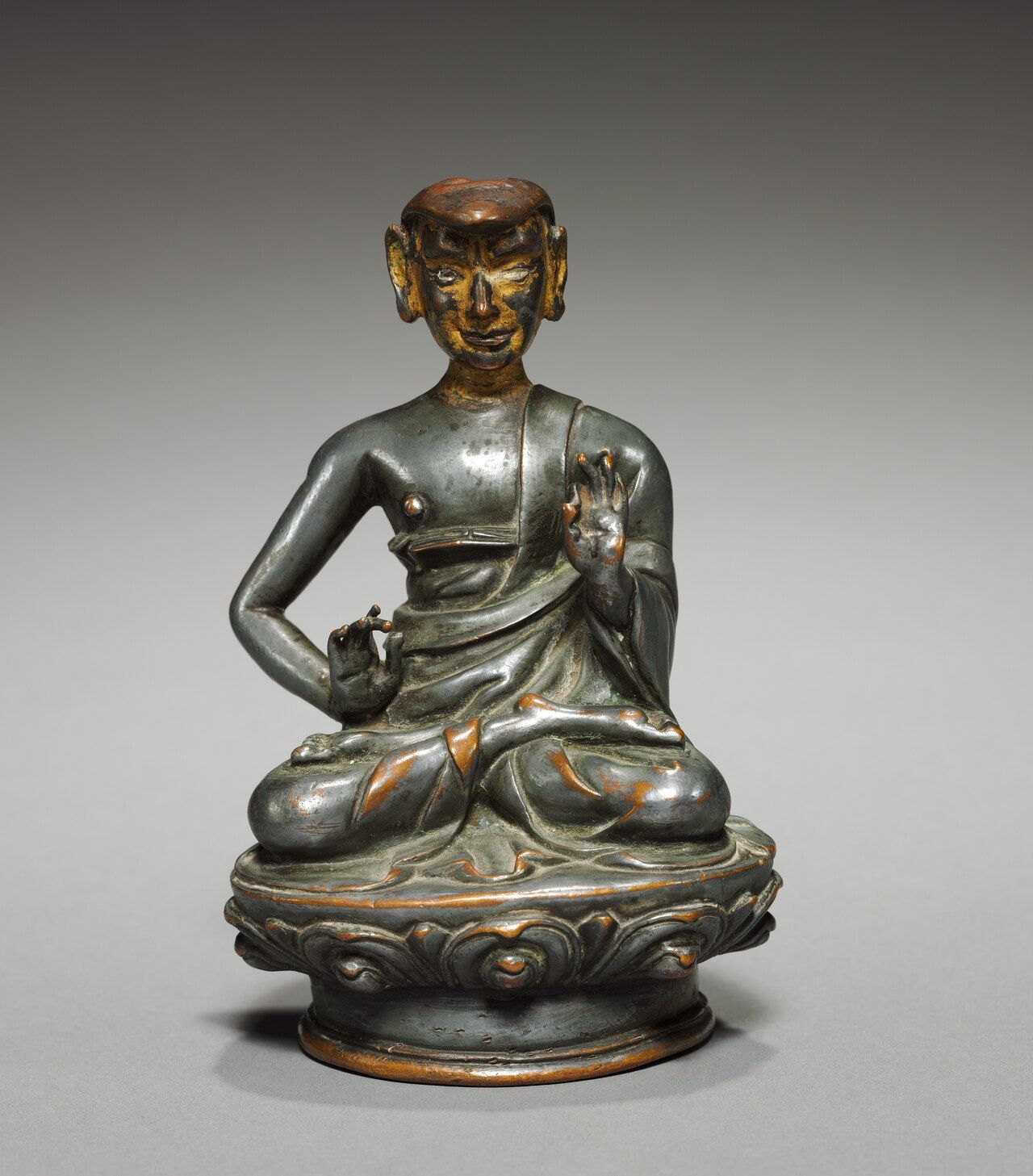 DharmakīrtiBuddhist philosopher of logic and knowledge whose account of perception, inference and “exclusion” dominated Indian and Tibetan debate for centuries.
- JayarāśiSceptic of the materialist Cārvāka tradition whose "Lion of the Dissolution of All Categories" argued that no school had ever validly defined the sources of knowledge it relied on.
- RatnakīrtiBuddhist philosopher at Vikramaśīla whose crisp restatements of his teacher's work capture the final stage of Dignāga's tradition in India, and defend idealism and even solipsism.
- GaṅgeśaLogician of the Nyāya school whose Jewel founded “New Nyāya” (Navya-Nyāya), the standard technical language of Indian philosophical argument for centuries.
Tibetan
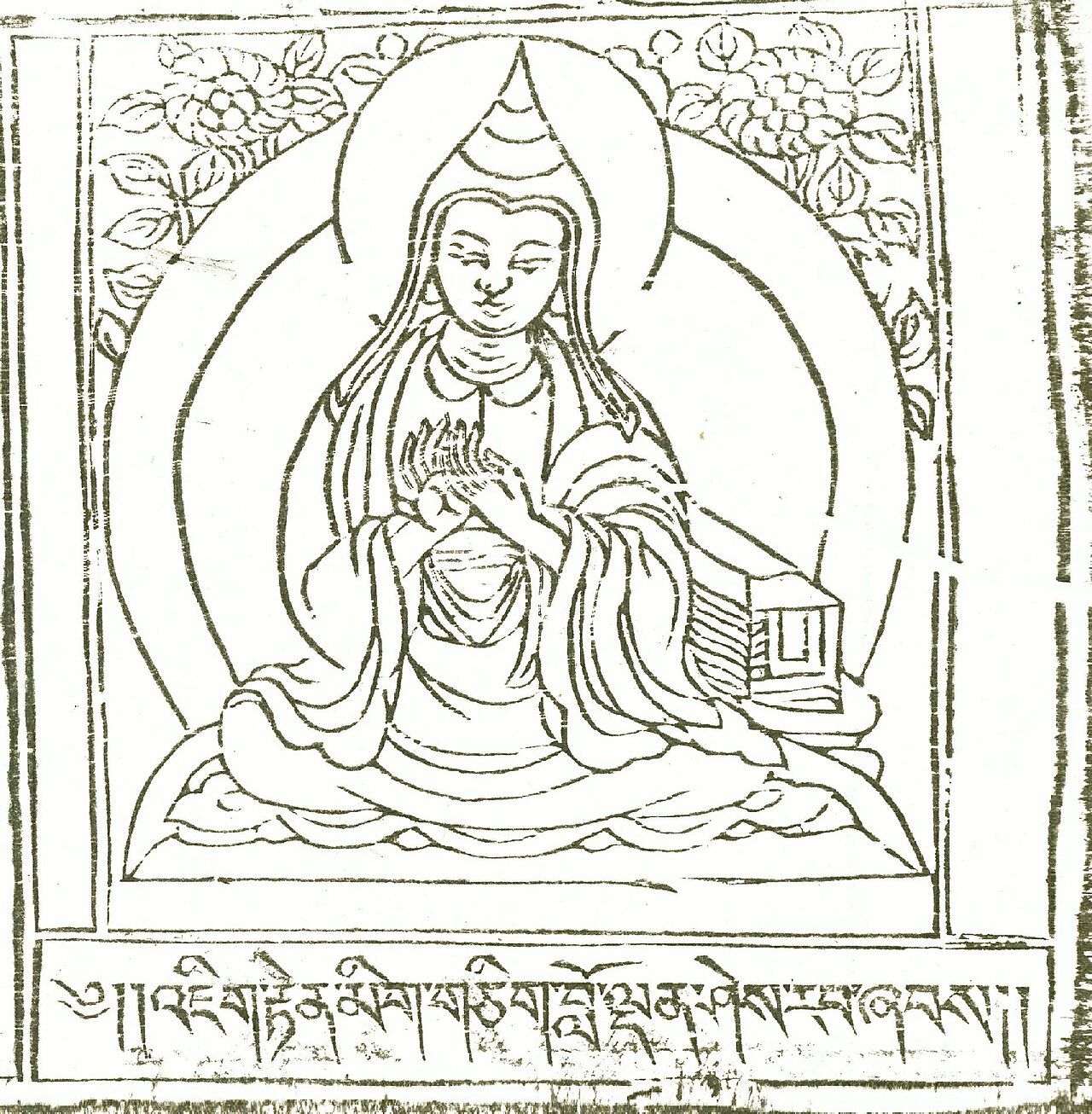 Ngok Loden SherabThe 'Great Translator' and pioneer interpreter of Indian epistemology, whose Sangphu tradition set the main line of Tibetan logic until Sakya Paṇḍita.
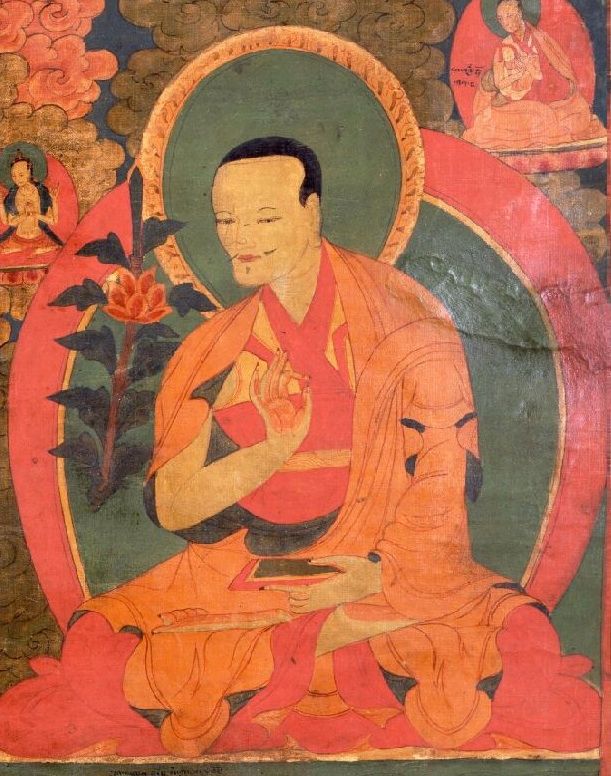 GorampaSakya Madhyamaka philosopher and fierce critic of Tsongkhapa, whose banned works were rediscovered in the twentieth century and are now widely studied.