Philosopher
Ngok Loden Sherab
1059–1109
Also known as Ngok Lotsawa, rNgog Blo ldan shes rab
The 'Great Translator' and pioneer interpreter of Indian epistemology, whose Sangphu tradition set the main line of Tibetan logic until Sakya Paṇḍita.
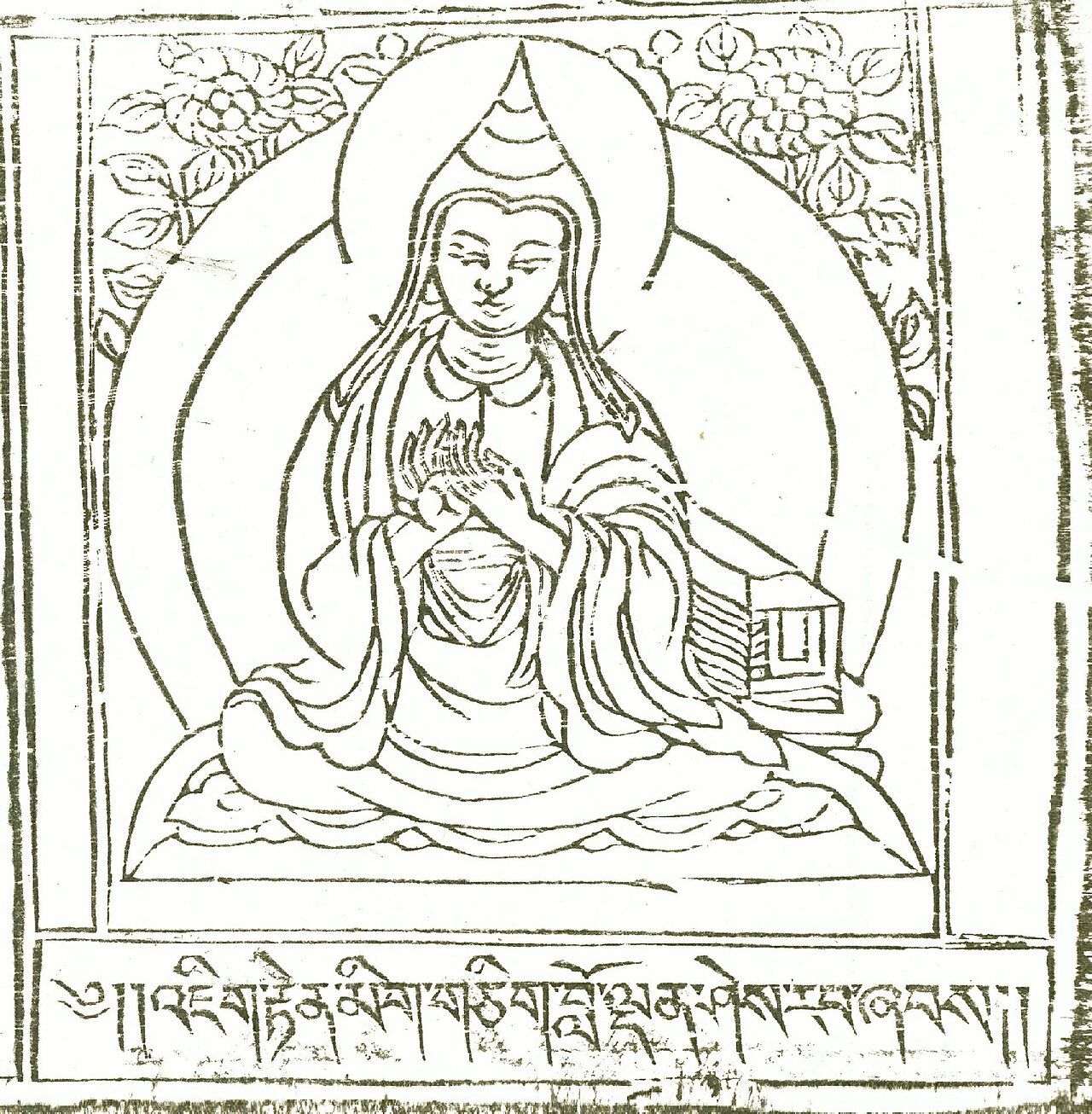

Ngok Loden Sherab, the ‘Great Translator’, worked during the Later Diffusion of Buddhism in Tibet, when Dharmakīrti’s works were translated or revised. Apart from his commentaries, Tibetan epistemological commentaries of the time dealt almost only with Dharmakīrti’s Pramāṇaviniścaya.
He founded the Sangphu tradition, one of the two dominant scholarly traditions in which Tsongkhapa later studied. Even Sakya Paṇḍita’s system kept many features of Ngok’s tradition.
Key ideas
- Translator and exegete
- Ngok translated Indian works into Tibetan and added his own topical outlines and commentaries, becoming the pioneer exegete of Buddhist epistemology in Tibet.
- The Ngok tradition
- The lineage of epistemology he began, the ‘Ngok tradition’, was the main line of interpretation until the thirteenth century, when Sakya Paṇḍita criticised it.
- New genres for Indian texts
- In his period Tibetan scholars devised genres such as topical outlines, which analyse Indian treatises into a hierarchy of parts, and concise guides that explain them paragraph by paragraph.
- Tradition
- Tibetan
- Region
- Sangphu, Tibet
- Period
- Later Diffusion
Influences
Influenced by
Ngok Loden Sherab1059–1109
Influenced
Influenced by
Ngok Loden Sherab1059–1109
Influenced
Where these links come from
- Ngok Loden Sherab drew on Dharmakīrti. Source: Pascale Hugon, Tibetan Epistemology and Philosophy of Language, Stanford Encyclopedia of Philosophy
- Chapa Chökyi Sengé drew on Ngok Loden Sherab. Source: Pascale Hugon, Tibetan Epistemology and Philosophy of Language, Stanford Encyclopedia of Philosophy
- Sakya Paṇḍita argued against Ngok Loden Sherab. Source: Pascale Hugon, Tibetan Epistemology and Philosophy of Language, Stanford Encyclopedia of Philosophy
Sources
- Pascale Hugon, Tibetan Epistemology and Philosophy of Language, Stanford Encyclopedia of Philosophy
- Gareth Sparham and Chandra Chiara Ehm, Tsongkhapa, Stanford Encyclopedia of Philosophy