Branch
Philosophy of science
21 philosophers, 5 traditions
The nature of science and mathematics: method, explanation, evidence and how theories change, and, before the sciences split from philosophy, the inquiry into nature itself.
Highlight them on the timeline →
Themes in this branch
Philosophers
Listed where the reference works cited on their page describe significant work in philosophy of science.
Western
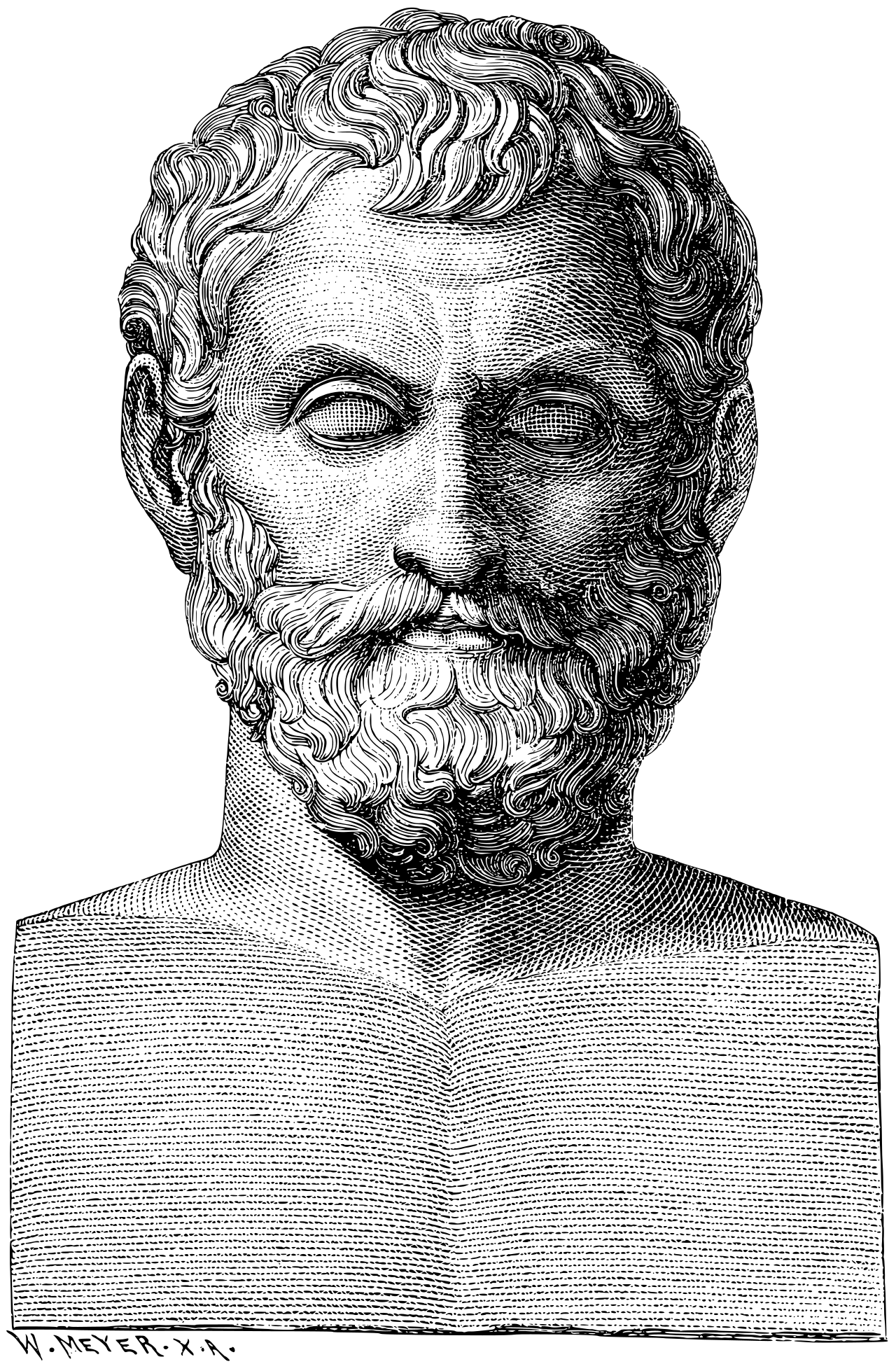 ThalesTraditionally counted the first Greek philosopher, he held that water is the origin of all things.
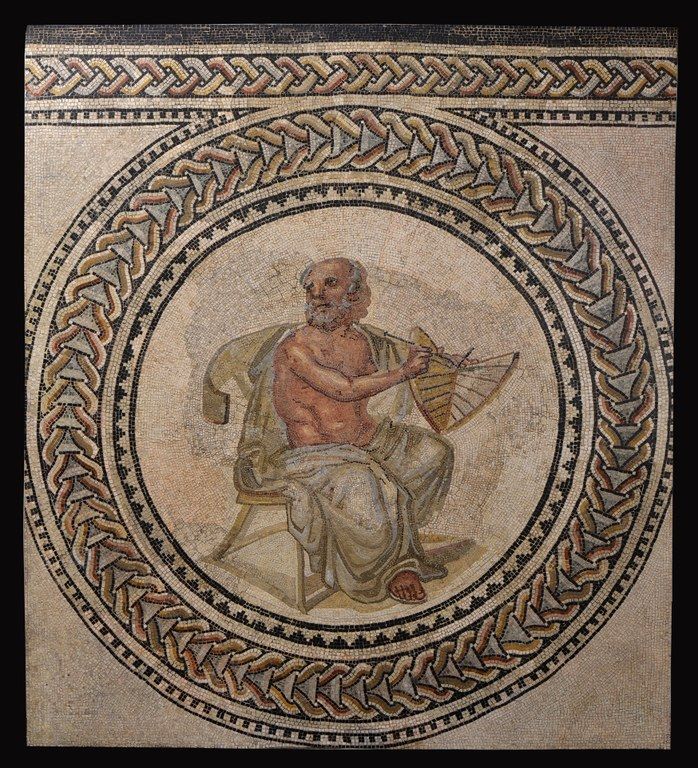 AnaximanderMilesian thinker who wrote the first Greek book of prose about nature, deriving all things from "the Boundless" and picturing an earth that floats unsupported in space.
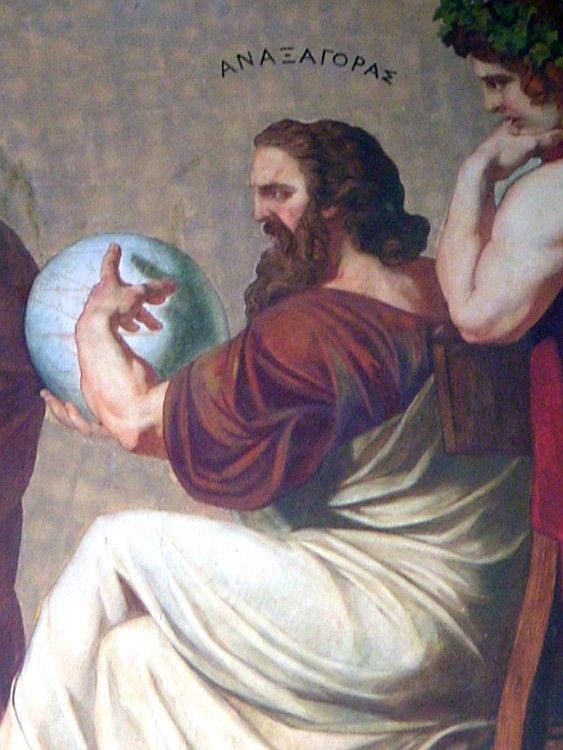 AnaxagorasThe first philosopher to live in Athens, he held that everything contains a share of everything else, and that a cosmic mind, _nous_, set the world spinning into order.
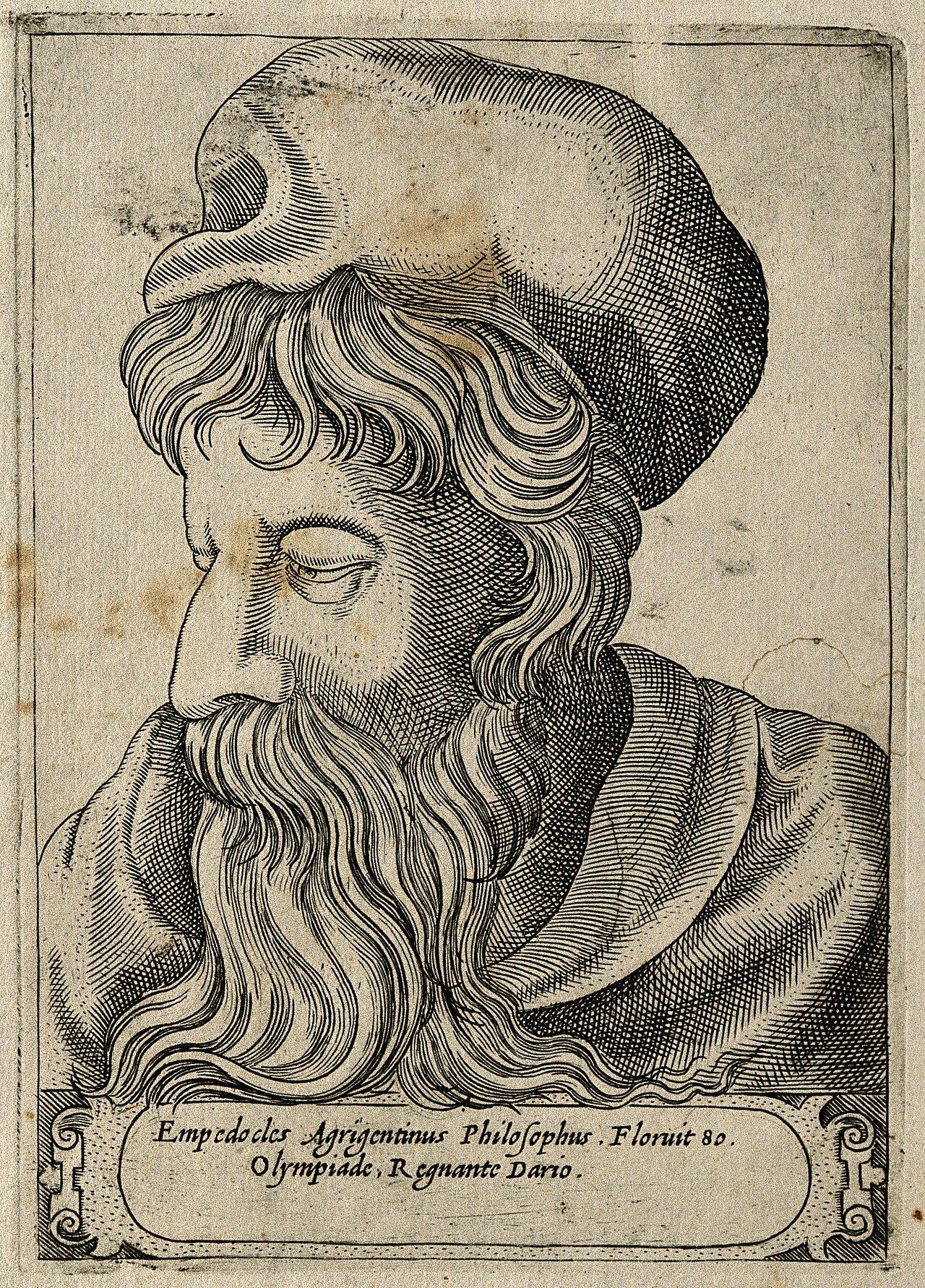 EmpedoclesSicilian poet-philosopher who explained all change as the mixing and separating of four eternal roots, earth, water, air and fire, by two forces, Love and Strife.
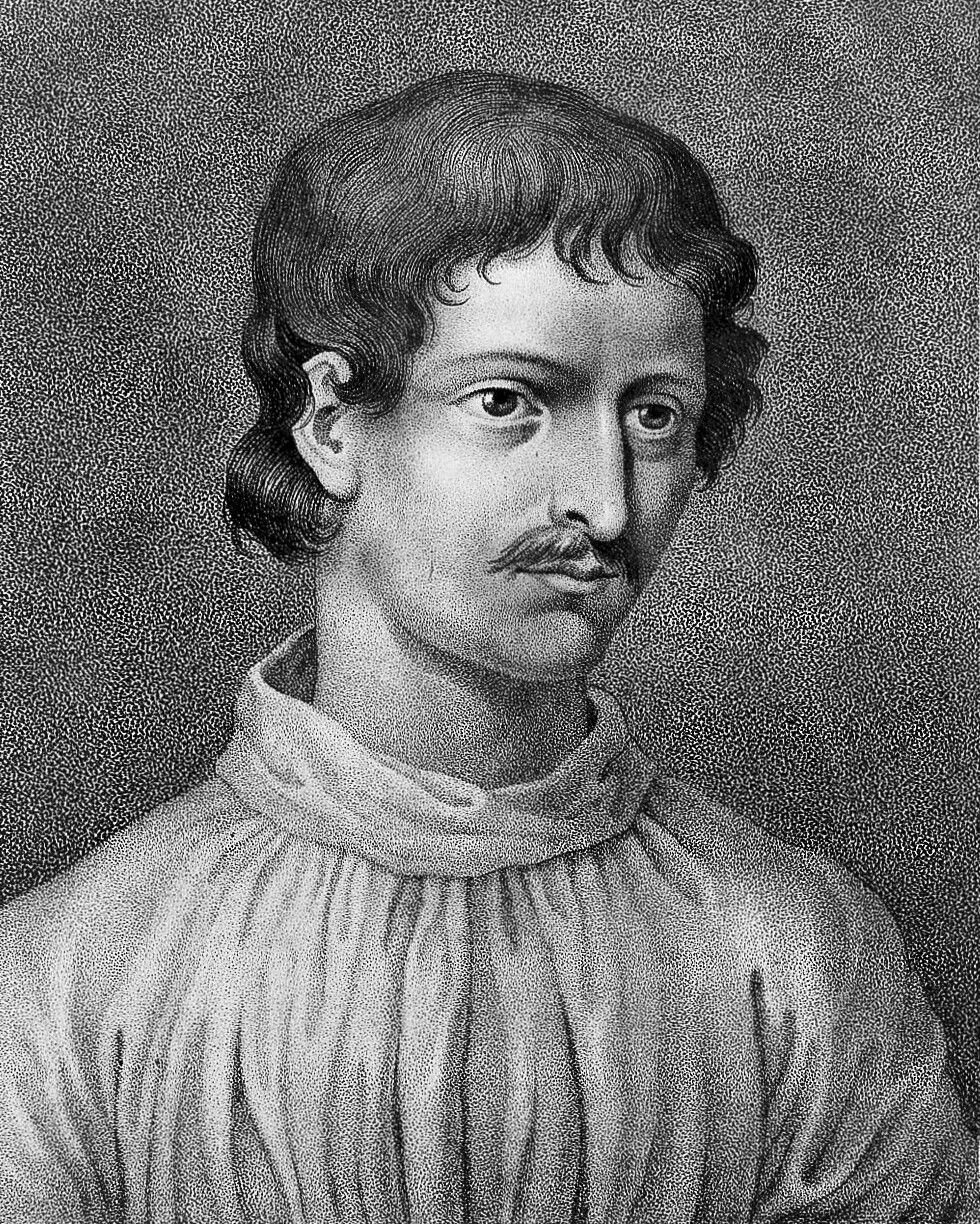 Giordano BrunoRenaissance philosopher who took Copernicus as proof of an infinite, living universe full of other worlds, in which God is present in all things. He was burned as a heretic in Rome.
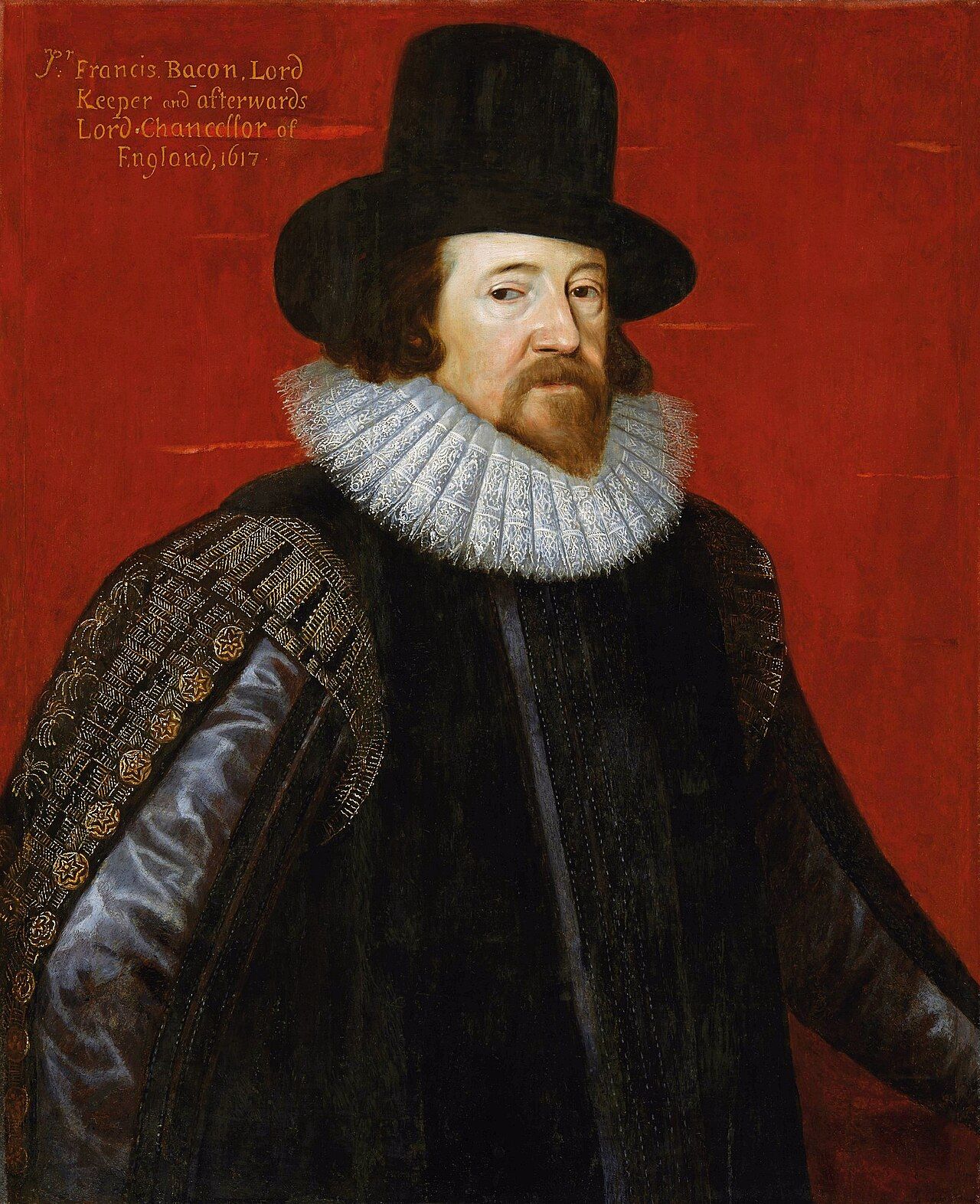 Francis BaconEnglish statesman and philosopher who planned a great renewal of all knowledge, based on experiment, a new method of induction and the conviction that knowledge is power.
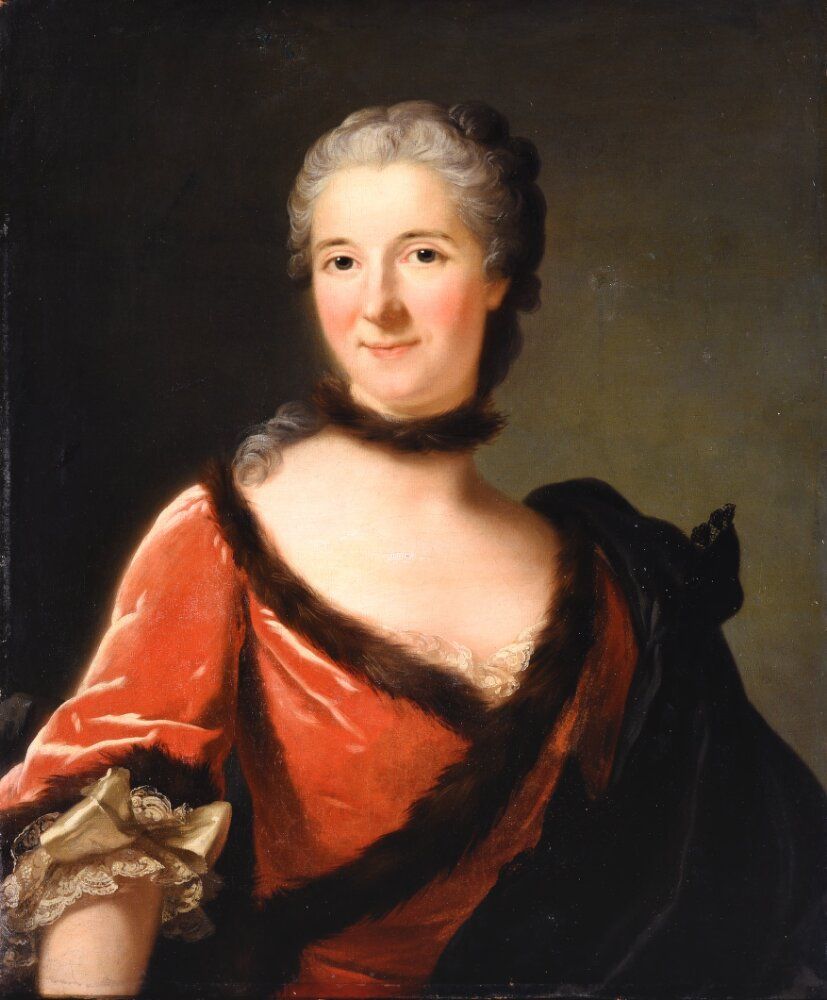 Émilie du ChâteletFrench natural philosopher who gave Newton's physics a Leibnizian metaphysical foundation, defended the use of hypotheses in science, and made the standard French translation of Newton's Principia.
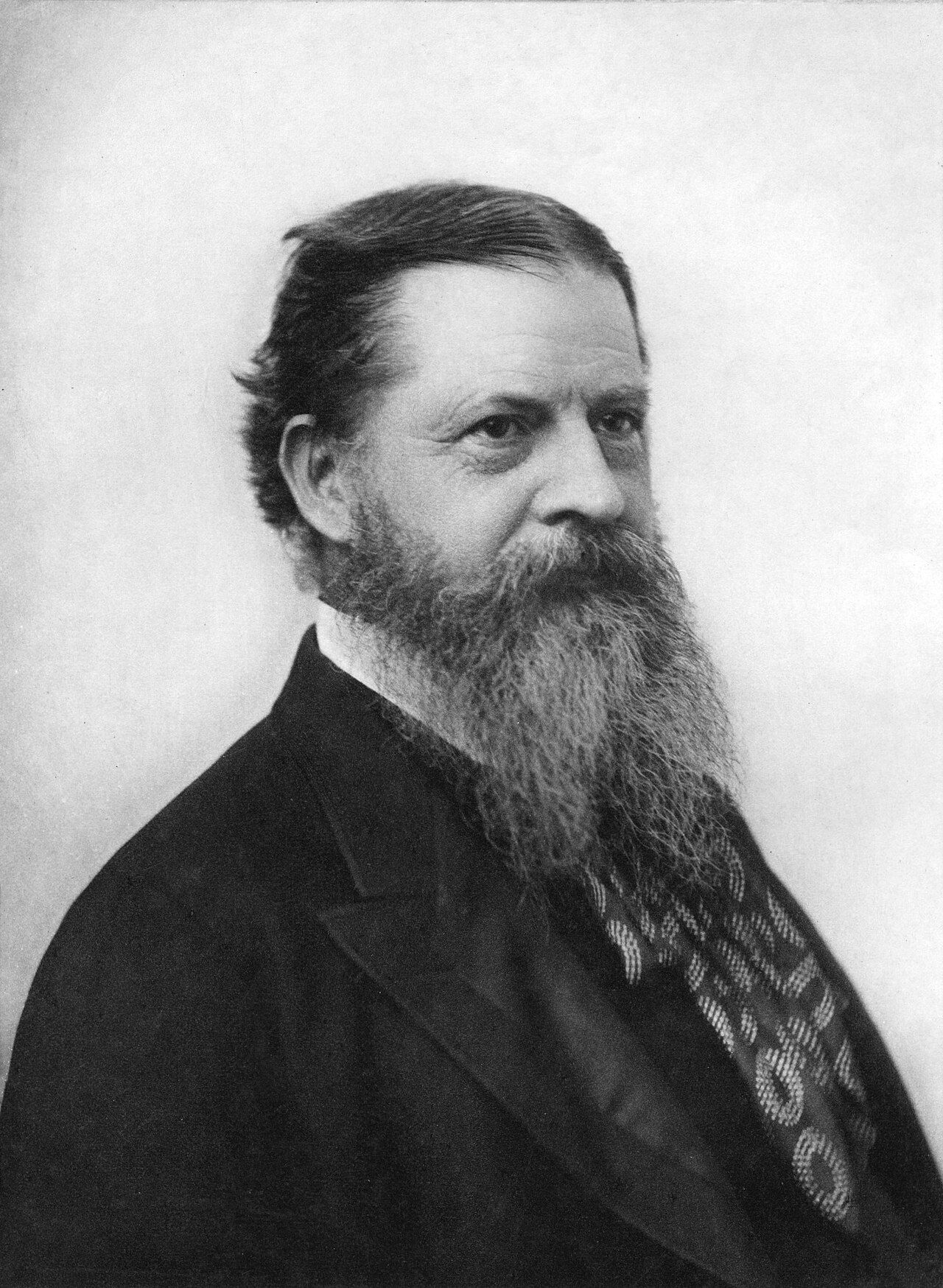 Charles Sanders PeirceLogician, scientist and founder of American pragmatism, who held that a concept's meaning lies in its conceivable practical effects, and who developed a general theory of signs.
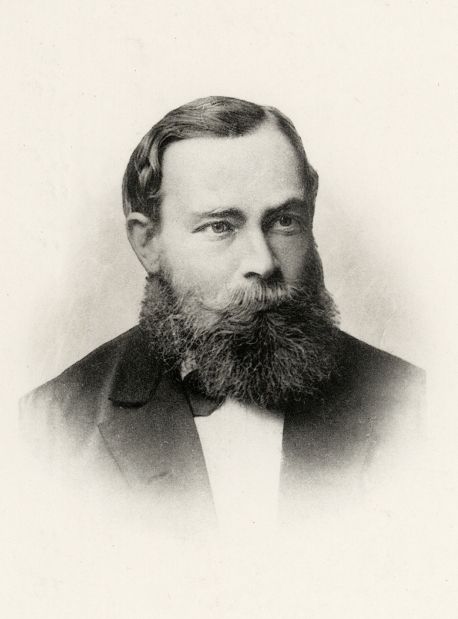 Gottlob FregeGerman logician who invented modern predicate logic, tried to derive arithmetic from logic, and distinguished the sense of an expression from what it refers to.
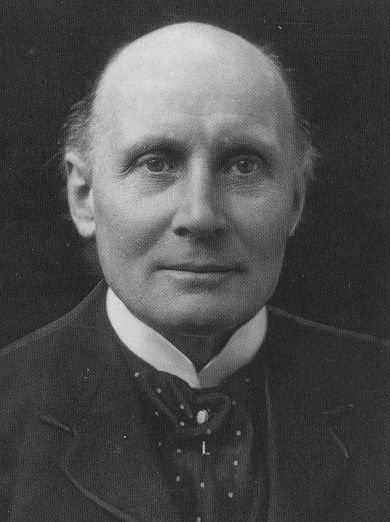 Alfred North WhiteheadMathematician who wrote Principia Mathematica with Russell, then turned to metaphysics at Harvard and founded process philosophy, which treats the world as interdependent events rather than things.
- Rudolf CarnapLeading figure of logical empiricism and a founder of the philosophy of science, who saw philosophy as the engineering of clearer languages and rejected metaphysics as empty.
- Karl PopperPhilosopher of science who made falsifiability the mark of a scientific theory, and a political philosopher who defended the 'open society' against totalitarianism.
 Thomas KuhnPhysicist turned historian and philosopher of science whose Structure of Scientific Revolutions argued that science advances through paradigm shifts, not steady accumulation.
Jewish
- Abner of BurgosJewish Aristotelian who, around sixty, became a Neoplatonic Christian, and whose polemics built an original critique of Judaism and of Aristotelian science, later felt through Crescas.
- GersonidesProvençal philosopher, astronomer and biblical commentator whose Wars of the Lord trusts reason to settle even creation and God's knowledge, sometimes against tradition.
- Hasdai CrescasRabbi and leader of Aragon's Jews whose Light of the Lord attacks Aristotle's physics, arguing for an actual infinite and an infinite void, and whose ideas reached Spinoza.
Arabic and Islamic
 al-KindiThe first thinker in the Arabic tradition to call himself a philosopher, who worked alongside translators of Greek texts and held that philosophy and revelation agree.
- AvempaceAndalusian philosopher who taught how the lone philosopher should live in an imperfect city, and rise towards union with the Active Intellect.
- Abd al-Latif al-BaghdadiPhilosopher and physician who, after years as a follower of Avicenna, called for a return to Aristotle and to the earlier Arabic Aristotelians, and attacked false physicians, philosophers and alchemy.